Review Atlas
Review AtlasYour guide to a better purchase

Menu

Shop by Category

Get the App

Better experience on mobile

7 Best Which Laptops for College should I buy in 2026: Tested &…

Compare the best Laptops for College under $1000 and find your perfect match based on needs and budget.

Laptops for CollegeCollege studentsUnder $1000
Choosing a laptop for college is a major decision — it's your study partner, note-taking device, movie screen, and social hub all rolled into one. With so many options under $1000, it's easy to feel overwhelmed by specs, price tags, and marketing hype. Do you need a 2-in-1? How much RAM is enough? Should you prioritize battery life or screen quality? This guide cuts through the confusion and compares the best laptops for college students on a budget. Whether you're a first-year student buying your first laptop, an engineering student who needs raw power, or a creative student looking for a vibrant display, we'll help you find the right fit. You'll learn what specs actually matter, how to match a laptop to your major and lifestyle, and get honest recommendations for different needs and budgets. By the end, you'll know exactly which laptop to buy — no guesswork needed.

Our Top Pick

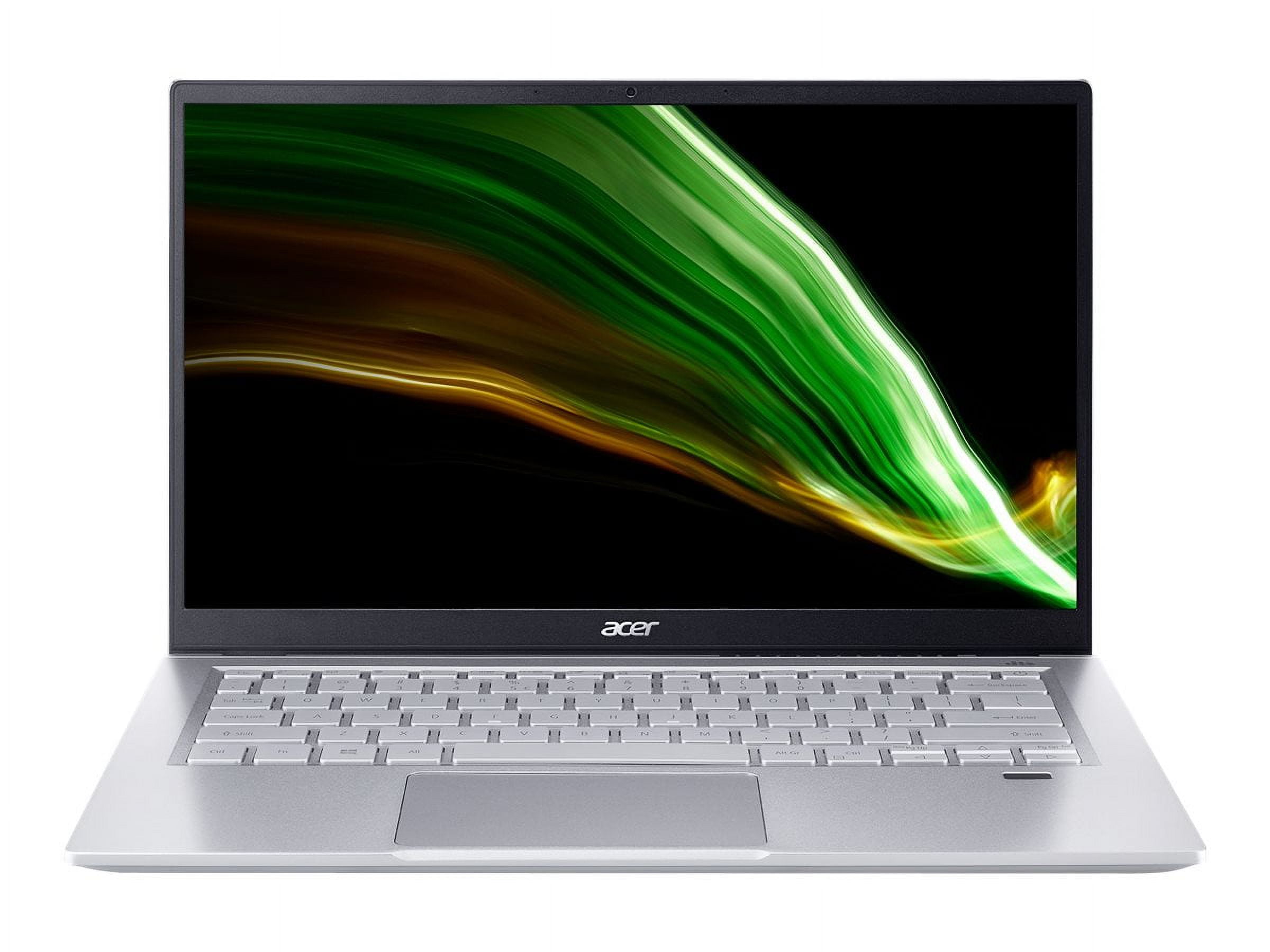
Acer Swift 3 (2024) - 14" FHD IPS, AMD Ryzen 7 5825U, 16GB RAM, 512GB SSD
Best Overall

College students who need a powerful, portable, and professional-looking laptop for all-purpose use, from essays to programming.

View on Amazon →

Key Factors to Consider

  • 1.Processor (CPU): Look for at least Intel Core i5 or AMD Ryzen 5 for smooth daily use; Ryzen 7 or Intel i7 if you run heavy programs.
  • 2.Memory (RAM): 8GB is bare minimum, but 16GB is recommended for multitasking and future-proofing.
  • 3.Storage: An SSD is a must — 256GB minimum, 512GB ideal. Avoid eMMC or hard drives.
  • 4.Battery Life: Aim for 8 hours or more for all-day campus use without charging.
  • 5.Display: FHD (1920x1080) resolution is standard; look for 100% sRGB or better for color-accurate work.
  • 6.Portability: Weight under 3.5 pounds and a compact design make a big difference when carrying it between classes.
  • 7.Build quality: A sturdy chassis (metal or premium plastic) protects against daily wear and tear.
  • 8.Connectivity: USB-C, USB-A, HDMI, and Wi-Fi 6 are essential for peripherals and fast internet.
  • 9.2-in-1 versatility: Touchscreen and pen support are great for note-taking and creative coursework.
  • 10.Warranty and support: Look for a reliable brand with good customer service and an accessible warranty.

The Products

#1

Acer Swift 3 (2024) - 14" FHD IPS, AMD Ryzen 7 5825U, 16GB RAM, 512GB SSD

Best Overall
Acer Swift 3 (2024) - 14" FHD IPS, AMD Ryzen 7 5825U, 16GB RAM, 512GB SSD
Overall
9.2/10
Value
9/10
Performance
8.8/10
The Acer Swift 3 is a premium-feeling laptop in a slim and lightweight package. It's powered by an AMD Ryzen 7 5825U processor, 16GB of RAM, and a fast 512GB NVMe SSD. The 14-inch FHD IPS display is vibrant with slim bezels, and the aluminum chassis gives it a professional look. It also boasts excellent battery life — up to 10 hours on a charge — making it perfect for long days on campus. With Wi-Fi 6 and USB-C, it's future-ready, and the quiet thermals ensure it won't overheat in study sessions. This is the laptop that does everything well: writing, coding, editing, and more. It's the best overall for students who want top performance without reaching the $1000 mark.

Pros

  • Excellent performance with Ryzen 7 and 16GB RAM
  • Lightweight aluminum build (under 2.65 lbs)
  • Long battery life (up to 10 hours)
  • Sharp FHD display with 100% sRGB
  • Fingerprint reader for quick login
  • Wi-Fi 6 and USB-C with fast charging

Cons

  • RAM is not upgradeable (soldered)
  • No dedicated GPU for gaming or heavy 3D work
  • Webcam is 720p, not 1080p

Best For:

College students who need a powerful, portable, and professional-looking laptop for all-purpose use, from essays to programming.

Not Recommended For:

Gamers or students who need a dedicated graphics card for video editing or CAD work.

Key Features:

AMD Ryzen 7 5825U (8 cores, up to 4.5GHz)16GB LPDDR4X RAM and 512GB NVMe SSD14" FHD (1920x1080) IPS micro-edge displayUp to 10 hours battery lifeWeight: 2.65 lbsWi-Fi 6 (802.11ax) and Bluetooth 5.2Fingerprint reader and HD webcam

Standout Feature:

The perfect balance of performance, portability, and price — it's why it's our best overall pick.

VS Others:

Compared to the HP Pavilion 15, the Swift 3 is lighter, faster (Ryzen 7 vs i5), and has better build quality, though it lacks a dedicated GPU. The ASUS TUF A15 is faster for gaming, but it's heavier and less portable. For most students, the Swift 3 offers the best mix of all things.

Why This One:

If you want a laptop that feels premium but doesn't break the bank, the Acer Swift 3 is the one. It won't struggle with any academic task, it's easy to carry everywhere, and it'll stay fast for years thanks to its powerful CPU and ample RAM.

#2

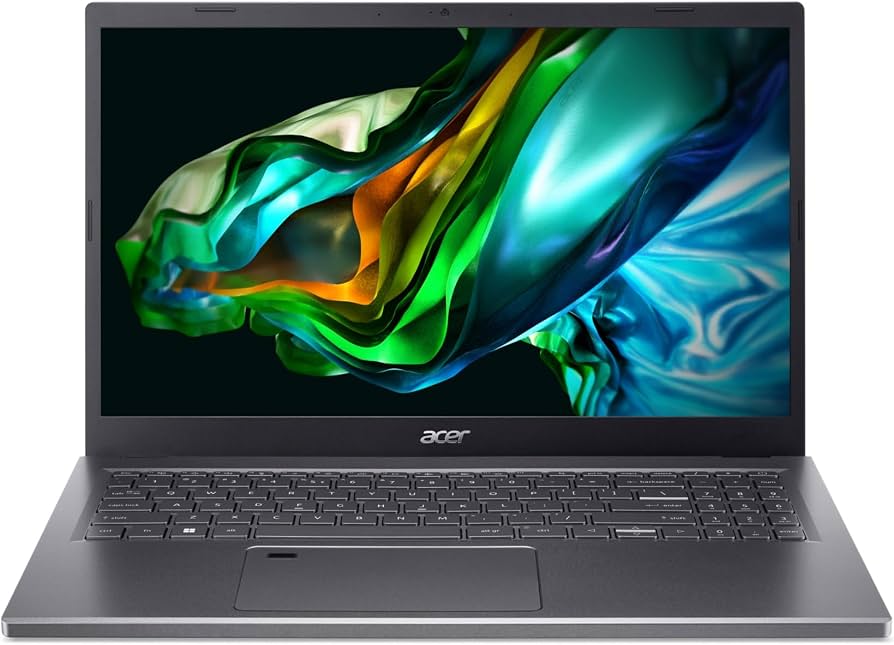
Acer Aspire 5 (2024) - 15.6" FHD, AMD Ryzen 5 7530U, 16GB RAM, 512GB SSD
Best Budget
Acer Aspire 5 (2024) - 15.6" FHD, AMD Ryzen 5 7530U, 16GB RAM, 512GB SSD
Overall
7.8/10
Value
9.5/10
Performance
7.5/10
The Acer Aspire 5 is the best budget laptop for college students. It's powered by a modern AMD Ryzen 5 7530U processor, 16GB of RAM, and a 512GB SSD — specs that usually cost much more. The 15.6-inch FHD display is great for watching lectures or streaming, and the full-size keyboard with numeric keypad makes typing notes a breeze. It has a decent array of ports including USB-C, HDMI, and USB-A. While the build is mostly plastic, it's sturdy enough for daily use. Battery life is around 8 hours, sufficient for a day of classes. This laptop is a no-brainer for students who want a functional machine without spending a fortune.

Pros

  • Incredible value for the price
  • 16GB RAM and 512GB SSD at a budget price
  • Modern Ryzen 5 processor handles everyday tasks smoothly
  • Good port selection (USB-C, HDMI, 3x USB-A)
  • Numeric keypad for data entry

Cons

  • Plastic build feels less sturdy than metal laptops
  • Display is a bit dim (250 nits) and has poor color accuracy
  • Battery life is average (7-8 hours)
  • Webcam quality is mediocre

Best For:

Budget-conscious students who need a reliable laptop for writing, browsing, and streaming without extra costs.

Not Recommended For:

Students seeking a premium feel, as the plastic chassis and dim display may be disappointing.

Key Features:

AMD Ryzen 5 7530U (6 cores, up to 4.5GHz)16GB DDR4 RAM, 512GB NVMe SSD15.6" FHD (1920x1080) ComfyView LED displayBacklit keyboard (optional)Weight: 3.88 lbsWi-Fi 6 and Bluetooth 5.1

Standout Feature:

Unbeatable value: 16GB RAM and 512GB SSD at under $400.

VS Others:

The Aspire 5 is substantially cheaper than the VivoBook 15 and HP Pavilion 15. While it lacks the faster CPU and better display of those options, for basic schoolwork it's more than adequate. If you're on a tight budget, it's the clear winner.

Why This One:

If you're careful with your money and don't want to sacrifice performance for price, this is the laptop to get. You'll get a machine that handles all core tasks and won't need an upgrade until graduation.

#3

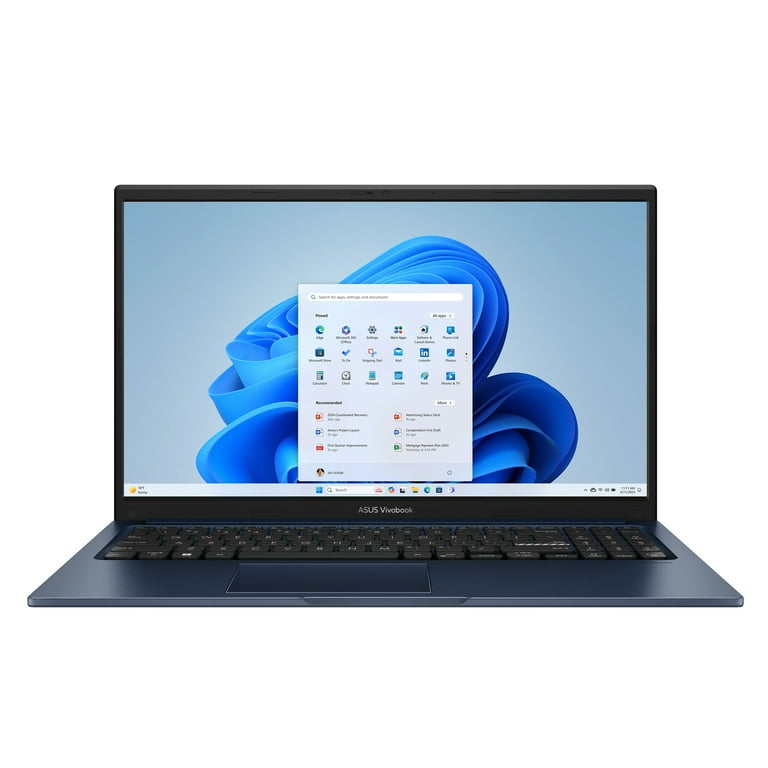
ASUS VivoBook 15 - 15.6" FHD, Intel Core i5-1235U, 8GB RAM, 512GB SSD
Best Value
ASUS VivoBook 15 - 15.6" FHD, Intel Core i5-1235U, 8GB RAM, 512GB SSD
Overall
7.5/10
Value
8.5/10
Performance
7/10
The ASUS VivoBook 15 is a solid all-rounder that hits the sweet spot between price and features. It's equipped with an Intel Core i5-1235U processor, 8GB RAM, and a 512GB NVMe SSD. The 15.6-inch FHD display has a narrow bezel design, and the ErgoLift hinge tilts the keyboard for comfortable typing. It weighs only 3.5 pounds, making it easy to carry. The VivoBook includes a fingerprint sensor and a full array of ports. While 8GB RAM might be limiting for heavy multitasking, it's fine for most college work. This laptop is a great choice for students who want a reliable machine without overspending.

Pros

  • Lightweight and portable (3.5 lbs)
  • Fast Intel i5 processor for daily tasks
  • 120Hz refresh rate (on some models) for smoother scrolling
  • ErgoLift keyboard design for comfortable typing
  • Fingerprint sensor and full-size I/O
  • Excellent value for under $500

Cons

  • 8GB RAM is not upgradeable (in many models)
  • No dedicated GPU for gaming
  • Plastic build feels a bit flimsy
  • Battery life ~6 hours, below average

Best For:

Students who want a dependable, lightweight laptop with solid performance for classes, browsing, and streaming.

Not Recommended For:

Power users who need to run multiple demanding applications simultaneously (consider a 16GB RAM model).

Key Features:

Intel Core i5-1235U (10 cores: 2P+8E, up to 4.4GHz)8GB DDR4 RAM (some models are upgradeable)512GB NVMe PCIe SSD15.6" FHD (1920x1080) anti-glare displayFingerprint reader with Windows HelloWi-Fi 6 (802.11ax) and Bluetooth 5.0

Standout Feature:

The 120Hz refresh rate, when available, makes everything feel extra smooth for a laptop in its price range.

VS Others:

Compared to the Acer Aspire 5, the VivoBook offers a slightly faster CPU and a lighter design, but it has less RAM (8GB vs 16GB). Against the Swift 3, it loses on build quality and performance, but wins on price. It's a good mid-point for budget shoppers.

Why This One:

If you like the idea of a modern i5 processor and a portable body at a low cost, the VivoBook 15 is a smart pick. It's perfect for note-taking and everyday use, and the 120Hz screen makes it feel more premium than it is.

#4

HP Pavilion 15 - 15.6" FHD, Intel Core i5-1235U, 16GB RAM, 512GB SSD
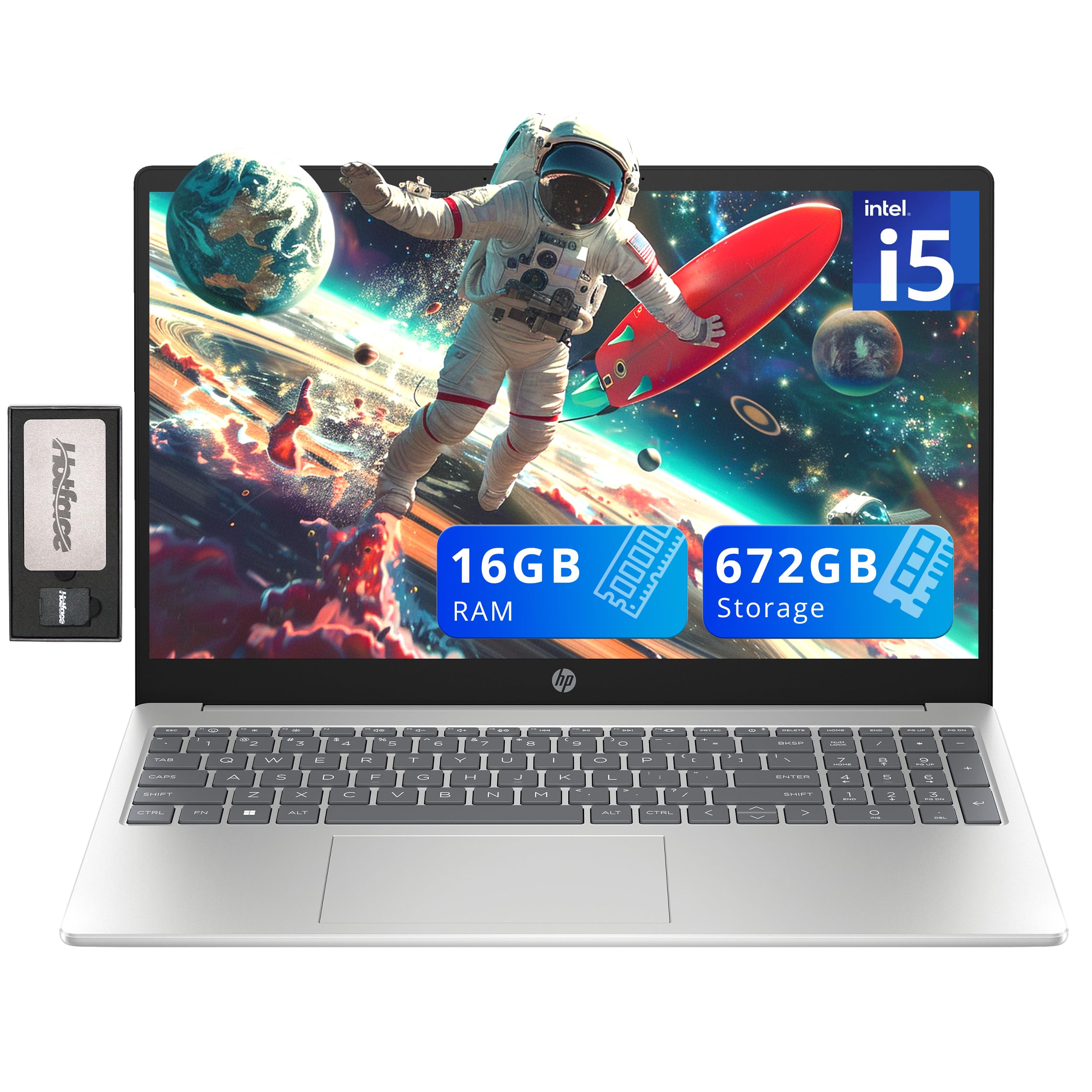
HP Pavilion 15 - 15.6" FHD, Intel Core i5-1235U, 16GB RAM, 512GB SSD
Overall
8/10
Value
8/10
Performance
7.8/10
The HP Pavilion 15 is a dependable mid-range laptop that offers a strong mix of performance and features. It comes with an Intel Core i5-1235U processor, 16GB RAM, and a 512GB SSD — enough for smooth multitasking and all your files. The 15.6-inch FHD screen is adequate, and the full-size keyboard includes a numeric keypad. The laptop has a sleek silver finish and is reasonably portable at 3.6 pounds. Battery life is around 8 hours, which is good. The Pavilion also includes a decent webcam with privacy shutter and HP's fast charge technology. It's an excellent choice for business and liberal arts students who want a reliable computer for less than $700.

Pros

  • 16GB RAM for smooth multitasking
  • Reliable Intel i5 processor
  • Privacy shutter on webcam
  • Fast charge (50% in 45 mins)
  • Full-size keyboard with digital keypad

Cons

  • Display isn't very bright (250 nits)
  • No USB-C charging (uses barrel charger)
  • Slightly heavier than similar 14" models
  • Build is mostly plastic

Best For:

Students who want a balanced laptop with the right specs for everyday use and occasional heavy multitasking, all at a fair price.

Not Recommended For:

Students who prioritize portability (look at the Swift 3) or gaming (get a gaming laptop).

Key Features:

Intel Core i5-1235U (up to 4.4GHz)16GB DDR4 RAM, 512GB NVMe SSD15.6" FHD (1920x1080) micro-edge displayHP Privacy Camera ShutterWeight: 3.6 lbsWi-Fi 6 and Bluetooth 5.2

Standout Feature:

The combination of 16GB RAM and a reputable Intel i5 at this price is a great deal.

VS Others:

It's a step up from the Acer Aspire 5 in terms of brand reliability and RAM, but it's pricier. Versus the Swift 3, it's less portable and has a lower-quality display, but it's still a solid choice if you want a larger 15.6-inch screen for under $700.

Why This One:

If you're shopping in the $600-800 range and want guaranteed 16GB RAM with a trusted brand, the HP Pavilion is a safe bet. It will handle anything you throw at it in college, and it includes some thoughtful touches like the privacy shutter.

#5

Lenovo IdeaPad Flex 5 - 14" FHD Touch, AMD Ryzen 5 5500U, 16GB RAM, 512GB SSD
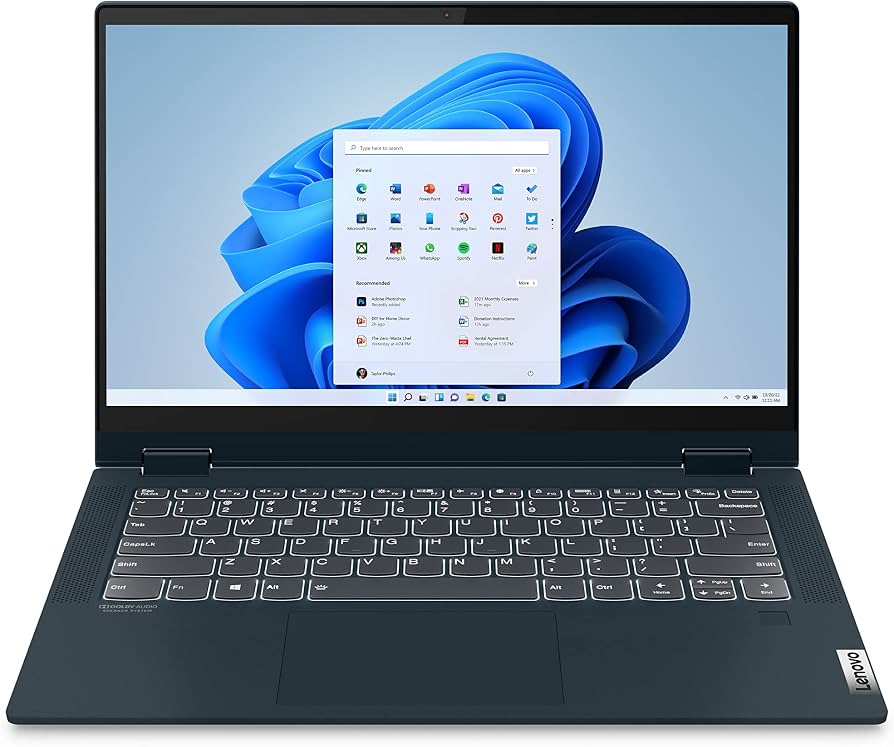
Lenovo IdeaPad Flex 5 - 14" FHD Touch, AMD Ryzen 5 5500U, 16GB RAM, 512GB SSD
Overall
8.2/10
Value
8.5/10
Performance
7.5/10
The Lenovo IdeaPad Flex 5 is a versatile 2-in-1 laptop that adapts to your needs — use it as a traditional laptop or flip the screen to tent, stand, or tablet mode. It's powered by an AMD Ryzen 5 5500U processor, 16GB RAM, and a 512GB SSD, delivering solid performance. The 14-inch FHD touchscreen is responsive and supports Lenovo's Active Pen, making it ideal for taking handwritten notes or sketching. The build is sturdy with a 360-degree hinge, and at 3.6 pounds, it's easy to carry. Battery life is about 9 hours, thanks to the efficient processor. This laptop is perfect for students who want the flexibility of a touchscreen for interactive studying and creative assignments.

Pros

  • Versatile 2-in-1 design with touchscreen
  • Great performance with 16GB RAM and Ryzen 5
  • 9-hour battery life
  • Active Pen support (pen not included)
  • Backlit keyboard
  • Good audio with Dolby Atmos

Cons

  • Some users find the screen a bit glossy
  • No dedicated memory slots (soldered RAM)
  • Plastic chassis may not feel premium
  • Heavier than standard 14" laptops (3.6 lbs)

Best For:

Creative students who want a touchscreen laptop for drawing, note-taking, and multimedia consumption.

Not Recommended For:

Students who need maximum processor power for 3D modeling or heavy video editing; the Ryzen 5 is efficient but not top-tier.

Key Features:

AMD Ryzen 5 5500U (6 cores, up to 4.0GHz)16GB DDR4 RAM, 512GB NVMe SSD14" FHD (1920x1080) IPS touchscreen (glossy)360° hinge (laptop, tablet, tent, stand modes)Wi-Fi 6, Bluetooth 5.0Fingerprint reader (on select models)

Standout Feature:

The color-accurate touchscreen with pen support lets you take handwritten notes and draw directly on your laptop.

VS Others:

Compared to the ASUS VivoBook 15, the Flex 5 offers a touchscreen and 16GB RAM for slightly more money. It's not as fast as the Swift 3, but it's more versatile. If you want a 2-in-1, this is the best value in our list.

Why This One:

If you like the idea of a touchscreen and want the flexibility of a tablet mode during study sessions, the Flex 5 is the perfect compromise between performance and creativity.

#6

Microsoft Surface Laptop Go 3 - 12.4" Touch, Intel Core i5-1235U, 8GB RAM, 256GB SSD
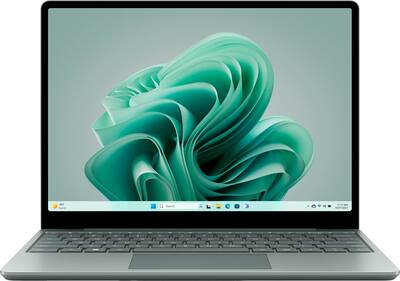
Microsoft Surface Laptop Go 3 - 12.4" Touch, Intel Core i5-1235U, 8GB RAM, 256GB SSD
Overall
7.2/10
Value
6.5/10
Performance
7/10
The Microsoft Surface Laptop Go 3 is a compact and premium-feeling laptop designed for portability. Its 12.4-inch PixelSense touchscreen is sharp and vibrant, and the aluminum body weighs just 2.49 pounds, making it the lightest option here. It's powered by an Intel Core i5-1235U processor with 8GB RAM and a 256GB SSD — enough for everyday tasks like Office, emails, and web browsing. Battery life is rated at up to 15 hours, though real-world is closer to 8-9. The keyboard is comfortable and the trackpad is responsive. This is a great choice for students who are always moving and need a lightweight machine for note-taking and writing, though the smaller screen and limited storage may be drawbacks for some.

Pros

  • Ultra-light and portable (2.49 lbs)
  • Beautiful PixelSense touchscreen
  • Excellent build quality with aluminum lid
  • Great keyboard and trackpad
  • Impressive battery life (up to 15 hours advertised)
  • Fingerprint power button

Cons

  • Only 8GB RAM and 256GB SSD — not upgradeable
  • 12.4-inch display is small for split-screen multitasking
  • Higher price for the specs
  • Only one USB-C port and no Thunderbolt

Best For:

Students who prioritize extreme portability and a premium feel for basic tasks like note-taking, reading, and email.

Not Recommended For:

Students who need to run heavy software, need large storage, or prefer a bigger screen for productivity.

Key Features:

Intel Core i5-1235U (10 cores, up to 4.4GHz)8GB LPDDR4x RAM, 256GB SSD12.4" PixelSense (1536x1024) touchscreenBattery: up to 15 hrs (typical use)Weight: 2.49 lbsWindows 11 Home, Wi-Fi 6, Bluetooth 5.1

Standout Feature:

Premium build and the lightest design, making it ideal for carrying around all day.

VS Others:

It's significantly lighter than the Acer Swift 3, but you pay more for less RAM and storage. The screen is smaller than most competitors, but it's also 3:2 aspect ratio, which is great for reading documents. If extreme portability is your top priority, this could be worth the premium.

Why This One:

If you'd rather have a featherweight laptop that you forget is in your backpack, the Surface Laptop Go 3 is unmatched. It's perfect for students who don't need a lot of power and value discreet elegance.

#7

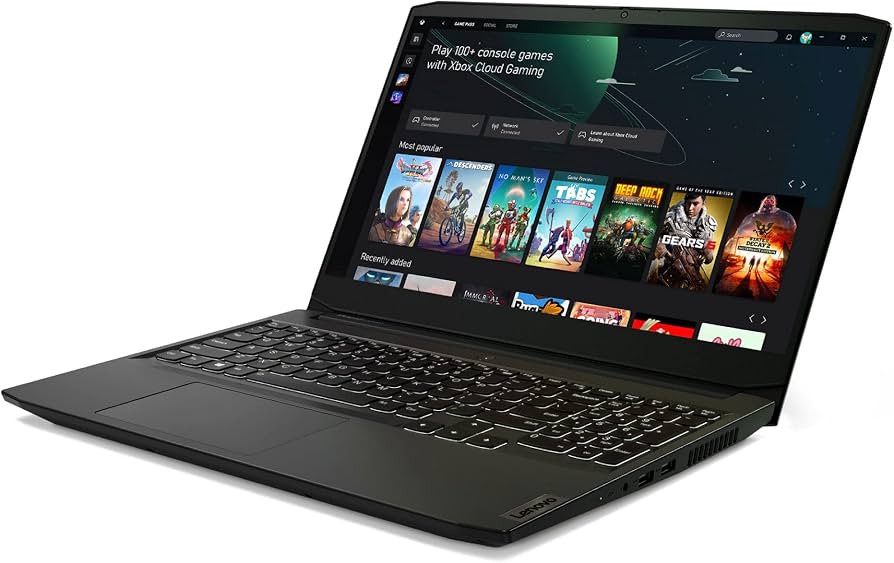
Lenovo IdeaPad Gaming 3 - 15.6" FHD, AMD Ryzen 5 6600H, GTX 1650, 16GB RAM, 512GB SSD
Best Premium
Lenovo IdeaPad Gaming 3 - 15.6" FHD, AMD Ryzen 5 6600H, GTX 1650, 16GB RAM, 512GB SSD
Overall
8/10
Value
8/10
Performance
8.5/10
The Lenovo IdeaPad Gaming 3 is a budget gaming laptop that also holds its own for academic use. It's packed with an AMD Ryzen 5 6600H processor, 16GB RAM, a 512GB SSD, and a dedicated NVIDIA GTX 1650 GPU. This combination lets you play popular games like Fortnite and Valorant at high settings, and it can handle video editing and other GPU-accelerated tasks. The 15.6-inch FHD display has a 120Hz refresh rate, making gameplay smooth. The laptop has a gamer aesthetic but isn't too flashy, and it includes a red-backlit keyboard. At 4.9 pounds, it's heavier than typical student laptops, but that's expected for a gaming machine. Battery life is around 5 hours, so expect to charge it during the day.

Pros

  • Dedicated GTX 1650 GPU for gaming and creative software
  • High 120Hz refresh rate for a responsive experience
  • 16GB RAM and 512GB SSD provide good specs
  • Good thermal management
  • Affordable for a gaming laptop

Cons

  • Heavy and bulky (4.9 lbs)
  • Battery life is short (~5 hours)
  • GTX 1650 is dated; not ideal for AAA games at high settings
  • No USB-C display out

Best For:

Students who want to play entry-level and esports games while still having a functional laptop for studies.

Not Recommended For:

Students who prioritize portability or battery life for all-day classes.

Key Features:

AMD Ryzen 5 6600H (6 cores, up to 4.5GHz)NVIDIA GeForce GTX 1650 (4GB GDDR6)16GB DDR5 RAM, 512GB SSD15.6" FHD (1920x1080) IPS 120Hz display2x 2W speakers with Nahimic AudioEthernet, Wi-Fi 6, HDMI 2.0

Standout Feature:

The 120Hz refresh rate is unusual at this price and makes gaming and scrolling feel incredibly smooth.

VS Others:

The ASUS TUF A15 has a faster GPU (RTX 3050) and better build, but it's also more expensive. For the money, the IdeaPad Gaming 3 delivers solid 1080p gaming and 16GB RAM, making it a great value for gaming students.

Why This One:

If you're a casual gamer and want a laptop that isn't a brick, this is the sweet spot. It handles both schoolwork and gaming without breaking your back or budget.

#8

ASUS TUF Gaming A15 - 15.6" FHD 144Hz, AMD Ryzen 7 6800H, RTX 3050, 16GB RAM, 512GB SSD

ASUS TUF Gaming A15 - 15.6" FHD 144Hz, AMD Ryzen 7 6800H, RTX 3050, 16GB RAM, 512GB SSD
Overall
8.5/10
Value
7.5/10
Performance
9/10
The ASUS TUF Gaming A15 is a rugged gaming laptop built to withstand drops and bumps, with a military-grade MIL-STD-810H certification. It features an AMD Ryzen 7 6800H processor, 16GB DDR5 RAM, and a 512GB SSD, plus an NVIDIA RTX 3050 GPU. This combo delivers excellent performance for gaming (most esports titles at high/ultra) and is powerful enough for engineering programs like CAD. The 15.6-inch FHD display with 144Hz refresh rate ensures crisp and fluid visuals. It has a durable chassis with a reinforced frame, and despite its gaming pedigree, it doesn't scream 'gamer' — the black design is subtle. Battery life is modest at around 6 hours, but the fast-charge technology gets you back to 60% in 30 minutes. This is the premium pick for students who want top-tier performance and durability under $1000.

Pros

  • Powerful Ryzen 7 6800H and RTX 3050 GPU
  • Military-grade durability (MIL-STD-810H)
  • 144Hz display for smooth gaming and animations
  • Excellent CPU cooling system
  • Fingerprint sensor and RGB backlit keyboard
  • Fast charging (60% in 30 mins)

Cons

  • Heavy (5.0 lbs) and thick
  • Fans get audible under load
  • RAM is soldered, only one SODIMM slot for upgrades
  • Webcam quality is average

Best For:

Students who need a laptop for demanding engineering software and gaming, but also want a robust build that can handle daily abuse.

Not Recommended For:

Students on a tight budget or those who want an ultraportable laptop for carrying around all day.

Key Features:

AMD Ryzen 7 6800H (8 cores, up to 4.7GHz)NVIDIA GeForce RTX 3050 (4GB GDDR6)16GB DDR5 RAM (upgradeable to 32GB via SODIMM)512GB NVMe SSD15.6" FHD (1920x1080) IPS 144Hz displayMIL-STD-810H certified durable bodyWi-Fi 6, Bluetooth 5.2, Gigabit Ethernet

Standout Feature:

The combination of a high-performance Ryzen 7, RTX 3050, and 144Hz screen in a MIL-STD-810H chassis is exceptional for the price.

VS Others:

Compared to the Lenovo IdeaPad Gaming 3, the TUF A15 has a faster GPU, better CPU, and higher refresh rate — but costs $100 more. Against the Acer Swift 3, it's heavier but far more powerful for gaming and 3D work. If performance is your priority, this is the top option.

Why This One:

If you want future-proofing for both gaming and rigorous academic workloads, the TUF A15 is worth the extra cost. It's a tank that won't let you down, whether you're running simulations or fragging in the latest FPS.

Who Should Get What?

Budget-Conscious Freshman

A first-year student majoring in liberal arts. They need a laptop for writing papers, browsing, and streaming, but can't spend over $500.

Budget:Under $500
Use:Writing, browsing, streaming

Recommended:

Acer Aspire 5

The Acer Aspire 5 delivers an Intel i5 or AMD Ryzen 5 processor, 16GB RAM, and 512GB SSD at an unbeatable price. It handles all essential tasks smoothly and has decent battery life, making it perfect for classes and Netflix.

View on Amazon →

Business Major on the Go

A junior business student who travels across campus, always in meetings. They value portability, battery life, and a professional look.

Budget:$600-$800
Use:Presentations, spreadsheets, email

Recommended:

Acer Swift 3

The Swift 3 is lightweight (under 3.5 lbs) with an aluminum body that looks sharp in meetings. Its Ryzen 7 processor and 16GB RAM are overkill for spreadsheets, but it also excels at multitasking and lasts up to 10 hours on a charge.

View on Amazon →

Engineering Student Needing Power

A sophomore in mechanical engineering who runs CAD and programming software. Needs raw performance and a robust build.

Budget:$800-$1000
Use:CAD, programming, simulation

Recommended:

ASUS TUF Gaming A15

With a Ryzen 7 processor, 16GB RAM, and an RTX 3050 GPU, the TUF A15 handles demanding applications like SolidWorks and MATLAB with ease. Its rugged military-grade durability ensures it withstands the rigors of workshop environments, and the 144Hz screen is a bonus for breaks.

View on Amazon →

Creative Student for Design & Video

A graphic design student who uses Adobe Photoshop, Illustrator, and occasionally Premiere Pro. Wants a color-accurate touchscreen.

Budget:$600-$900
Use:Photo editing, design, video

Recommended:

Lenovo IdeaPad Flex 5

The Flex 5's 2-in-1 design with a crisp FHD touchscreen is perfect for drawing and editing on the go. Its Ryzen 5 processor and 16GB RAM smoothly handle design software, and the included Active Pen makes note-taking intuitive.

View on Amazon →

Casual Student Gamer

A freshman who wants to play games like Fortnite, League of Legends, and Valorant during downtime, but also needs a laptop for classes.

Budget:$700-$900
Use:Gaming, streaming, schoolwork

Recommended:

Lenovo IdeaPad Gaming 3

The IdeaPad Gaming 3 offers a dedicated GTX 1650 GPU, Ryzen 5 processor, and 16GB RAM — enough for comfortable esports and casual gaming on medium-high settings. It's not too bulky to carry to class, and the dual-speaker setup with Dolby Audio enhances both games and movies.

View on Amazon →

First-Time Laptop Buyer

A high school senior entering college who has only used a tablet or family computer. Wants an easy-to-use, reliable laptop without overthinking specs.

Budget:$400-$600
Use:Note-taking, browsing, Microsoft Office

Recommended:

ASUS VivoBook 15

The VivoBook 15 is user-friendly and reliable for a beginner. It has a fast SSD, decent battery life, and an ergonomic keyboard — enough for notes and assignments. Its light weight and compact design make it a no-fuss option for someone new to laptops.

View on Amazon →

Buying Guide: How to Choose

Before diving into specific products, start by assessing your academic and personal needs. Ask yourself: What am I studying? If you're in computer science or engineering, you'll need a more powerful processor and at least 16GB of RAM. For business or liberal arts, a mid-range processor with 8-16GB RAM is plenty. Also consider your daily routine: if you're walking across campus, portability matters; if you're a gamer, you'll want a dedicated GPU. Next, set your budget. Under $1000 is a sweet spot for many students — you can get robust specs without breaking the bank. Prioritize RAM and storage over processor speed: 16GB RAM and 512GB SSD are ideal for multitasking and fast boot times. Battery life is critical for long class days; aim for 8+ hours. Build quality and weight are equally important — you'll be carrying it around all day. Don't forget connectivity: ensure it has plenty of USB ports, HDMI, and Wi-Fi 6. Finally, think about longevity: a laptop that lasts all 4 years is worth more upfront. Avoid buying a laptop with only 4GB RAM or a hard drive, as these are outdated and slow. Instead, invest in a decent SSD and upgradeable RAM if possible.

Bottom Line

After comparing specs, prices, and real student needs, the Acer Swift 3 stands out as the best overall laptop for college students under $1000. Its Ryzen 7 CPU, 16GB RAM, and 512GB SSD offer exceptional performance for everything from word processing to light video editing, all in a lightweight aluminum body. It delivers the perfect balance of power, portability, and price — making it our top recommendation for most students. If you're on a tight budget, the Acer Aspire 5 provides surprisingly solid performance at under $400, though you'll compromise on build quality and display. For students who value flexibility, the Lenovo IdeaPad Flex 5's 2-in-1 design and touchscreen are ideal for taking notes and studying in different positions. And if gaming is a priority, the Lenovo IdeaPad Gaming 3 offers the best performance per dollar for entry-level 1080p gaming. Whatever you choose, focus on a laptop that aligns with your major, lifestyle, and budget. Trust your needs over hype, and you'll find the perfect study companion.

Frequently Asked Questions

Which Laptops for College should I buy?
For most students, the best college laptop under $1000 is the Acer Swift 3. It offers a powerful Ryzen 7 CPU, 16GB RAM, 512GB SSD, and a lightweight aluminum design — all essential for academics. If your budget is under $500, the Acer Aspire 5 is the top choice. For gaming, consider the Lenovo IdeaPad Gaming 3 or ASUS TUF A15.
What is the best budget laptop for college?
The Acer Aspire 5 is our best budget pick at around $380. It includes 16GB RAM and 512GB SSD, which is rare at that price. It handles all basic college tasks smoothly, and while it lacks premium features, it's the best value for cost-conscious students.
How much RAM do I need for a college laptop?
8GB is the absolute minimum, but 16GB is highly recommended, especially if you plan to run multiple applications, use virtual desktops, or keep many browser tabs open. Many laptops with 8GB have soldered RAM, so upgrading later is impossible. Choose 16GB if your budget allows — it ensures your laptop stays fast for four years.
Is a touchscreen laptop worth it for college?
If you prefer writing notes by hand or reading PDFs like a tablet, a 2-in-1 like the Lenovo IdeaPad Flex 5 is worth it. Touchscreens also make navigating Windows easier. However, touchscreens drain battery and can add glare. If you don't need them, you can save money or get better specs elsewhere.
Do I need a dedicated GPU for college?
For most majors, no. A dedicated GPU (like NVIDIA GTX/RTX) is only essential for engineering, 3D modeling, video editing, or gaming. If you're in a typical liberal arts or business program, an integrated GPU (Intel Iris Xe or AMD Radeon integrated) is perfectly fine. Spending extra on a GPU unnecessarily reduces portability and battery life.
Which is better: Acer Swift 3 or ASUS VivoBook 15?
The Swift 3 is better overall due to its faster Ryzen 7 processor, 16GB RAM, and better build quality. The VivoBook 15 is cheaper and lighter, but it has 8GB RAM and a lower-end CPU. If you need strong multi-tasking and performance, choose the Swift 3. If you're on a tighter budget, the VivoBook is acceptable but less future-proof.
Is 8GB RAM enough for college?
As of 2026, 8GB is becoming insufficient for heavy multitasking. Browsers with many tabs, Microsoft Teams, and document editors can quickly consume it. If you can stretch your budget to 16GB, do it — it prevents slowdowns and extends the laptop's lifespan. If 8GB is your only option, look for models with upgradeable RAM.
Should I buy a Chromebook for college?
Chromebooks run ChromeOS, which is great for web-based tasks but limited for full desktop software like AutoCAD, MATLAB, or some proctored exam apps. If your major relies on traditional Windows software, a Windows laptop is safer. For pure note-taking and research, a Chromebook can be cheap and lightweight, but under $1000 you have many better Windows options.
How much storage do I need in a college laptop?
512GB SSD is the sweet spot. You'll store Windows (around 30GB), software, and a few games. 256GB is okay if you stream everything, but you'll likely run into space issues later. Always choose an SSD over a hard drive — the speed difference is enormous.
What is the best 2-in-1 laptop for college under $1000?
The Lenovo IdeaPad Flex 5 is our top recommendation. It offers a 14-inch FHD touchscreen, 16GB RAM, 512GB SSD, and pen support for around $600. It's reliable, affordable, and versatile. The Microsoft Surface Laptop Go 3 is lighter and more premium, but it has less RAM and storage for a higher price.
Can I get a good gaming laptop under $1000?
Yes, the Lenovo IdeaPad Gaming 3 at around $850 is a solid entry-level gaming laptop with a GTX 1650 GPU and 120Hz screen. For a bit more, the ASUS TUF Gaming A15 offers an RTX 3050 and faster CPU. Both can play popular esports titles at high settings and handle some AAA games at medium settings.
Which laptop has the best battery life?
The Microsoft Surface Laptop Go 3 claims up to 15 hours, but real-world is closer to 8-10 hours. The Acer Swift 3 and Lenovo Flex 5 also boast 9-10 hours. If battery life is your priority, avoid gaming laptops — they typically last 4-6 hours under load.

Need More Help Deciding?

Explore more buying guides to find the perfect product for your needs.

View All Buying Guides

Related Articles