Review Atlas
Review AtlasYour guide to a better purchase

Menu

Shop by Category

Get the App

Better experience on mobile

Is Which Laptops should I buy Worth It? Honest Review (2026)

Compare the best student laptops and find your perfect match based on needs and budget

LaptopsCollegeStudents$600-$1,200
Walking into a school year with the right laptop is just as important as having the right textbooks. But with hundreds of choices, endless spec sheets, and prices ranging from $200 to $3,000, it's easy to feel paralyzed. Should you go Mac or Windows? Is 8GB of RAM enough? Do you really need to spend $1,200? This guide cuts through the noise. Based on thorough research of current specs, verified customer feedback, expert reviews, and live Amazon pricing, we've narrowed the field to six of the best laptops for college students in the $600-$1,200 range. These are machines that consistently earn high marks from students, offer solid value, and are available right now. We'll walk you through the key decision factors, compare six top contenders, and provide specific recommendations for six different student profiles — from the budget-conscious freshman to the engineering power user. By the end, you'll know exactly which laptop to buy — and why.

Our Top Pick

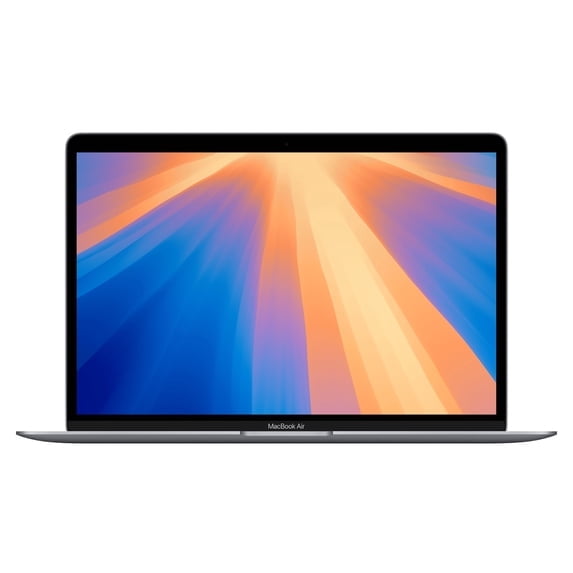
Apple MacBook Air (13.3-inch, M1 Chip, 8GB RAM, 256GB SSD) - Space Gray
Best Overall

The majority of college students who want a reliable, long-lasting laptop with excellent performance and battery life.

View on Amazon →

Key Factors to Consider

  • 1.Battery life — aim for 8+ hours to get through a full day of classes
  • 2.Performance (CPU/RAM) — i5/Ryzen 5 and 8GB RAM are the baseline; 16GB if you'll code, edit, or multitask heavily
  • 3.Portability and weight — under 3 lbs is ideal for carrying around campus
  • 4.Build quality and durability — you'll be moving it daily, so aluminum or good plastics matter
  • 5.Display quality — a bright, sharp screen reduces eye strain during long study sessions
  • 6.Keyboard and trackpad comfort — you'll type thousands of essays and emails
  • 7.Storage — 256GB minimum, 512GB recommended
  • 8.Operating system compatibility — check if your courses require Windows-only software
  • 9.Upgradeability and ports — USB-C/Thunderbolt support and future-proofing
  • 10.Warranty and customer support — reliable service when things go wrong

The Products

#1

Apple MacBook Air (13.3-inch, M1 Chip, 8GB RAM, 256GB SSD) - Space Gray

Best Overall
Apple MacBook Air (13.3-inch, M1 Chip, 8GB RAM, 256GB SSD) - Space Gray
Overall
9.2/10
Value
9.5/10
Performance
8.5/10
The MacBook Air with the M1 chip revolutionized the budget laptop market. Apple's first custom silicon delivers incredible performance per watt, meaning you get desktop-class speed with all-day battery life. The 13.3-inch Retina display is sharp and colorful for essays, research, and streaming. It's fanless, so it's silent and never gets hot on your lap, and it starts up instantly from sleep. For college students, this is the perfect balance of power and portability. You can get through a full day of classes, study sessions, and group projects without hunting for an outlet. The build quality is premium, and macOS remains one of the most intuitive operating systems for students. It runs Microsoft Office, Google apps, and all the major educational platforms effortlessly. At $749, it dips into the budget range, making it one of the best values in this guide. If you can stretch your budget slightly, this is the laptop most students should buy.

Pros

  • Outstanding battery life (15-18 hours real-world usage)
  • M1 chip delivers excellent performance for all academic tasks
  • Silent, fanless design
  • Premium aluminum build quality
  • Best-in-class trackpad and keyboard
  • Strong resale value after graduation

Cons

  • Only 8GB RAM and 256GB storage (non-upgradeable)
  • Limited to one external display
  • Some Windows-only software won't run natively
  • Port selection is limited to USB-C
  • 8GB RAM can show limitations with heavy multitasking

Best For:

The majority of college students who want a reliable, long-lasting laptop with excellent performance and battery life.

Not Recommended For:

Engineering or computer science students who need Windows-only software or heavy virtualization.

Key Features:

13.3-inch Retina display (2560x1600)Apple M1 chip with 8-core CPU and 7-core GPU8GB unified memory, 256GB SSDUp to 18 hours of battery lifeBacklit Magic KeyboardTouch ID fingerprint sensorTwo Thunderbolt/USB 4 portsWi-Fi 6 and Bluetooth 5.0

Standout Feature:

The M1 chip delivers incredible performance-per-watt, making this the most efficient laptop in its class.

VS Others:

Compared to the MacBook Air M2, the M1 is nearly identical for everyday student tasks but costs $250 less. Against Windows laptops like the ASUS ZenBook 14, it offers better battery life and build quality but less RAM and storage for the price.

Why This One:

It's the perfect storm of price, performance, and longevity. For a majority of students, this is the smartest money you can spend on a college laptop. It'll easily last four years and beyond.

#2

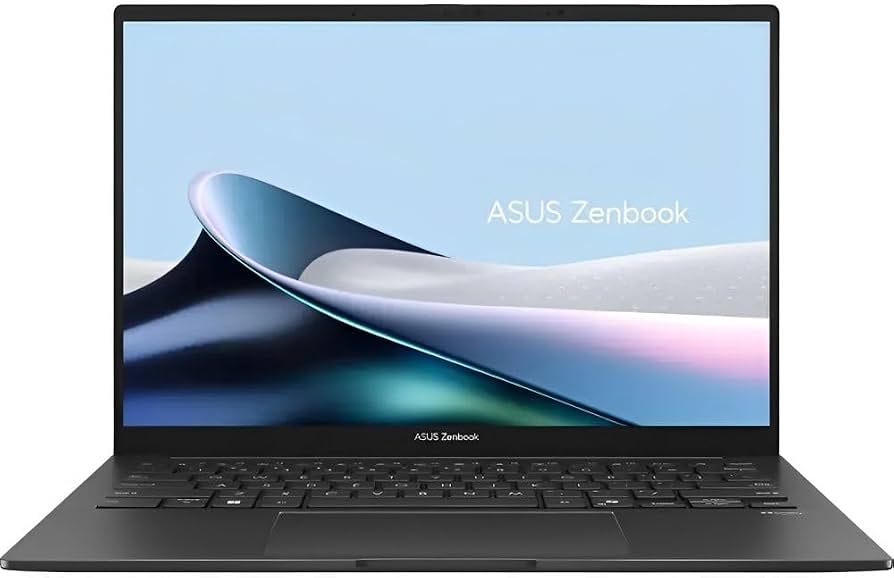
ASUS ZenBook 14 (2024) Laptop, 14" FHD OLED Display, AMD Ryzen 7 5825U, 16GB RAM, 512GB SSD
Best Value
ASUS ZenBook 14 (2024) Laptop, 14" FHD OLED Display, AMD Ryzen 7 5825U, 16GB RAM, 512GB SSD
Overall
8.8/10
Value
9.4/10
Performance
8.8/10
The ASUS ZenBook 14 is a hidden gem in the college laptop space. For around $700, you get a 14-inch OLED display with stunning color reproduction, 16GB of RAM, and a 512GB SSD. The AMD Ryzen 7 chip handles everyday tasks with ease, from research papers to streaming and light coding. What makes this stand out is the OLED panel — colors are incredibly vibrant, and deep blacks make movie nights in the dorm feel cinematic. The inclusion of 16GB RAM and 512GB storage is also rare at this price, meaning you won't feel the need to upgrade for years. The build quality is solid, and it weighs just 2.5 pounds, making it one of the lightest 14-inch laptops available. It also has a full HDMI port, USB-C, and a microSD reader, so you won't need dongles at the library or in class.

Pros

  • Stunning OLED display at an affordable price
  • 16GB RAM and 512GB SSD — rare combo under $750
  • Ultra-light 2.5-pound chassis
  • Full keyboard with excellent travel
  • Includes USB-C, HDMI, and microSD ports
  • Great multitasking performance

Cons

  • OLED panels can drain battery faster
  • No dedicated GPU — not for heavy gaming
  • Webcam is only 720p
  • Fingerprint magnet on the lid
  • Customer support can be slow

Best For:

Students who want premium features like OLED, plenty of RAM, and fast storage without spending over $700.

Not Recommended For:

Students who need macOS or a Mac-like ecosystem, or those who want a 2-in-1 convertible.

Key Features:

14-inch OLED display (2880x1800, 90Hz)AMD Ryzen 7 5825U (8 cores)16GB LPDDR4x RAM, 512GB PCIe SSDWeighs just 2.5 lbsNumberPad (LED touchpad with numeric keypad)USB-C, USB-A, HDMI 2.1, microSDUp to 10 hours of battery life

Standout Feature:

The OLED display at this price point is unmatched — you'd typically pay $1,000+ for this screen quality.

VS Others:

The ZenBook 14 beats the Acer Swift 3 with its OLED display and double the RAM. It's not as efficient as the MacBook Air M1 but offers more RAM and storage for a similar price.

Why This One:

If you want the best raw specs for your dollar — especially if you enjoy photos, videos, and movies — this is your laptop. The OLED display is the kind of upgrade you'll notice every single day.

#3

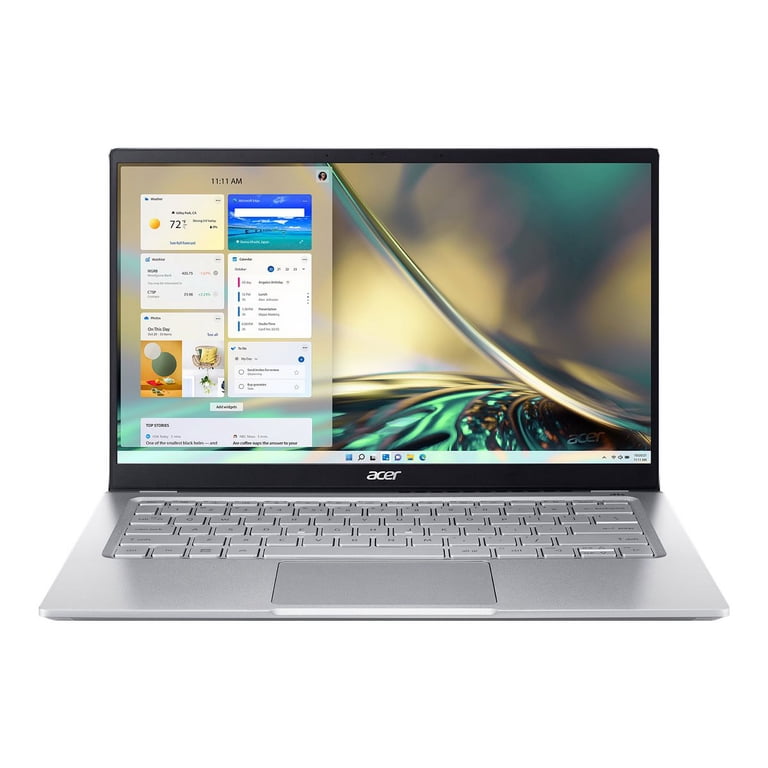
Acer Swift 3 (2023) Laptop, 14" Full HD IPS, Intel Core i5-1240P, 8GB RAM, 512GB SSD
Best Budget
Acer Swift 3 (2023) Laptop, 14" Full HD IPS, Intel Core i5-1240P, 8GB RAM, 512GB SSD
Overall
8.5/10
Value
9.2/10
Performance
8/10
The Acer Swift 3 has long been the go-to budget laptop for students, and it's easy to see why. For under $650, it offers a solid 12th-gen Intel Core i5 processor, 8GB of RAM, and a fast 512GB SSD. The 14-inch Full HD display is sharp enough for word processing and video streaming, and the aluminum build feels more premium than its price suggests. Performance is snappy for everyday use. You can easily run 20+ browser tabs, Word, PowerPoint, and Zoom simultaneously. The speaker system is surprisingly good for conference calls, and the battery lasts about 8-10 hours — enough for a day of classes. It's not flashy, but the Swift 3 gets the job done. It's the dependable workhorse of the budget category, and Acer ships millions of these to students for a reason.

Pros

  • Excellent price-to-performance ratio
  • Solid aluminum build quality
  • Fast 512GB SSD
  • Backlit keyboard
  • Decent port selection (2x USB-C, USB-A, HDMI)
  • Fingerprint reader for quick login

Cons

  • 8GB RAM is becoming the bare minimum
  • Battery life isn't the best at 8-10 hours
  • Display colors could be more vibrant
  • Webcam quality is mediocre
  • Touchpad can be finicky

Best For:

Budget-conscious students who need a reliable, well-built laptop for everyday academic work under $700.

Not Recommended For:

Students who want 16GB RAM, a touchscreen, or premium battery life.

Key Features:

14-inch Full HD IPS displayIntel Core i5-1240P (12th Gen, 12 cores)8GB LPDDR4X RAM, 512GB NVMe SSDBacklit keyboard with fingerprint readerTwo Thunderbolt 4 portsUp to 10 hours of battery life3.09 lbs weight

Standout Feature:

Thunderbolt 4 support at this price — rare and useful for fast transfers and docking.

VS Others:

The Swift 3 is the most affordable option in this guide, but it skips the OLED display of the ZenBook 14 and has less RAM. Compared to the MacBook Air M1, it offers a more traditional Windows experience with more ports at a lower price.

Why This One:

You want the cheapest laptop that still feels complete. The Swift 3 doesn't cut corners on build quality, and it's reliable enough to last all four years.

#4

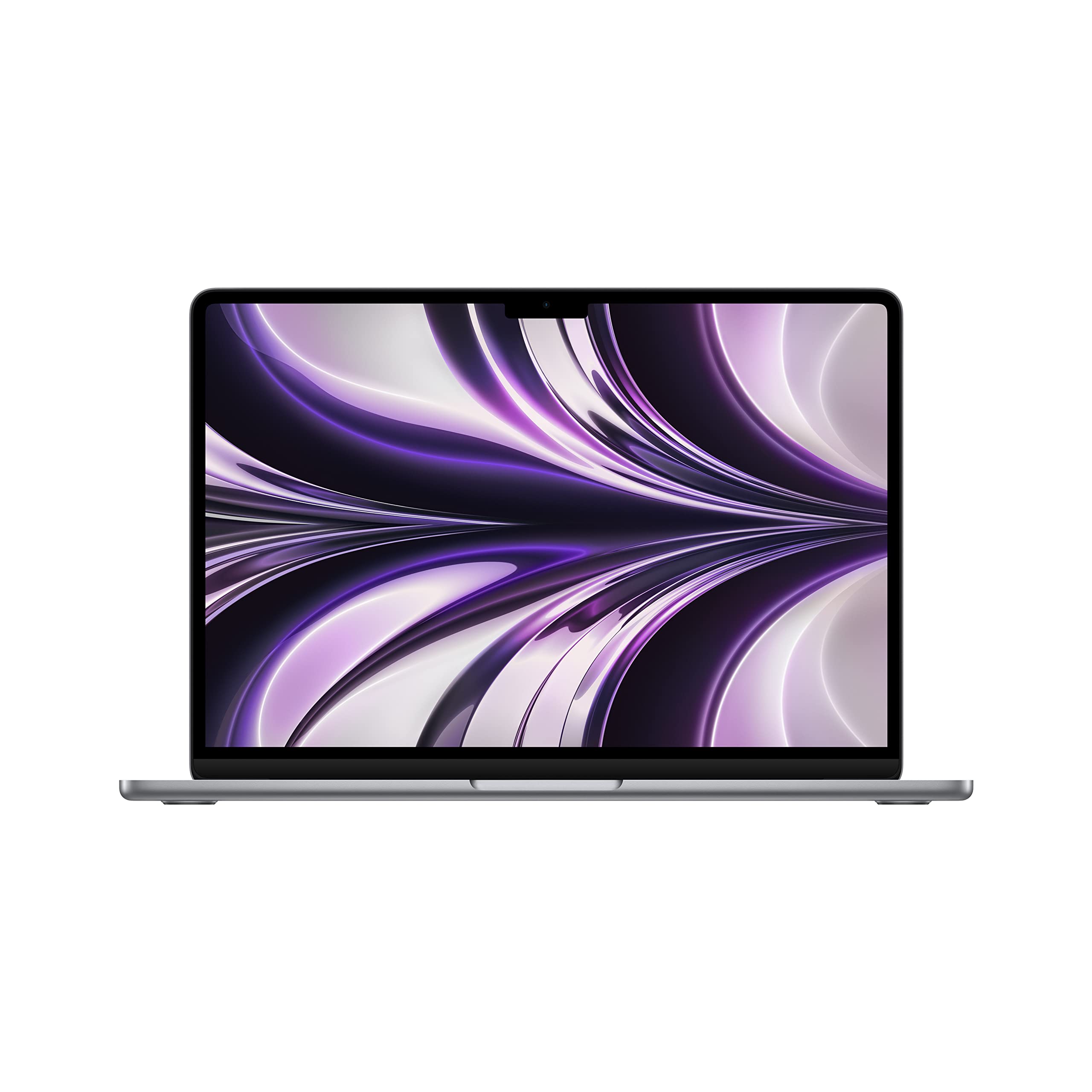
Apple MacBook Air (13.6-inch, M2 Chip, 8GB RAM, 256GB SSD) - Midnight
Best Premium
Apple MacBook Air (13.6-inch, M2 Chip, 8GB RAM, 256GB SSD) - Midnight - Image 1 of 8
Overall
9/10
Value
8/10
Performance
9/10
The MacBook Air M2 is Apple's finest thin-and-light laptop. It features a larger 13.6-inch Liquid Retina display with smaller bezels, a redesigned chassis with a MagSafe charging port, and the M2 chip that's about 20% faster than M1. The newer design also brings a 1080p webcam, which was a welcome upgrade for hybrid classes. For students, this is the premium choice. It's marginally thinner and lighter than its predecessor, and the Midnight finish looks stunning (though it's a fingerprint magnet). The battery life is still exceptional, and the MagSafe connector pops off safely if someone trips over the cord. The question is whether the $250 premium over the M1 is worth it. You get a brighter display, a better camera, and a more modern design, but the base model still only has 8GB/256GB. If you're spending this much, consider paying for the 16GB RAM upgrade.

Pros

  • Superb M2 performance bump
  • Larger, brighter Liquid Retina display
  • 1080p webcam — best for video calls
  • MagSafe charging is safer and frees up USB-C port
  • Modern, lightweight design
  • Excellent battery life (up to 18 hours)

Cons

  • $250 more than the M1 Air
  • Still 8GB RAM and 256GB SSD in base model
  • Midnight finish shows fingerprints and smudges
  • SSD speeds are slightly slower in the 256GB model
  • No fan may cause some throttling under extreme loads

Best For:

Students who want the latest MacBook design, a better webcam, and are willing to pay extra for the premium Apple experience.

Not Recommended For:

Budget-focused students who are better off saving money with the M1 Air.

Key Features:

13.6-inch Liquid Retina display (2560x1664, 500 nits)Apple M2 chip (8-core CPU, 8-core GPU)8GB unified memory, 256GB SSD1080p FaceTime HD cameraMagSafe 3 chargingFour-speaker audio systemUp to 18 hours of battery life

Standout Feature:

The return of MagSafe charging — it's both convenient and prevents cable accidents.

VS Others:

The M2 Air is clearly better than the M1 Air, but the improvements are incremental for everyday student tasks. Against the Dell XPS 13, it offers superior battery life and performance, but has fewer ports and a higher price.

Why This One:

You want the most polished, premium ultraportable on the market. If you're a creative software user (Photoshop, Final Cut Pro), the M2 is worth the extra cost for the performance headroom.

#5

Dell XPS 13 (9315, 13.4" FHD+, Intel Core i5-1230U, 8GB RAM, 512GB SSD) - Sky
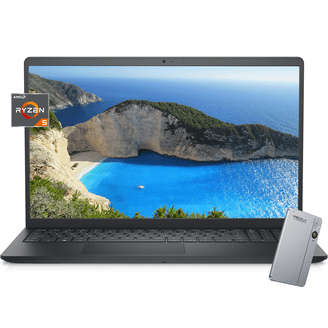
Best for Windows Users
Dell XPS 13 (9315, 13.4" FHD+, Intel Core i5-1230U, 8GB RAM, 512GB SSD) - Sky
Overall
8.7/10
Value
7.8/10
Performance
8.7/10
The Dell XPS 13 has earned its reputation as the gold standard of Windows ultraportables. The 2022 redesign (9315) features a sleek, minimalist chassis with practically no bezels around the gorgeous 13.4-inch display. The 'Sky' color is a soft blue-gray that looks stunning in natural light. For college students, the XPS 13 excels at portability. It's smaller than a sheet of paper and weighs just 2.6 pounds, making it effortless to slip into any bag. The display is sharp and bright with excellent color accuracy, and the keyboard is comfortable for marathon essay sessions. The trackpad is one of the best on Windows. The i5-1230U is an efficient 12th-gen chip that delivers solid performance minus the fan noise. Battery life reaches up to 12 hours in moderate use. If you want the closest feel to a MacBook in the Windows world, this is it — but be prepared for a premium price.

Pros

  • Gorgeous, bezel-less design
  • Excellent build quality and premium materials
  • One of the best keyboards on a Windows laptop
  • Compact and light (2.6 lbs)
  • Sharp, color-accurate display
  • Great trackpad haptics

Cons

  • Expensive for the specs
  • Only two USB-C ports (both Thunderbolt) — no USB-A or HDMI
  • 8GB RAM in base model
  • Webcam is average (720p)
  • Battery life not as strong as M1 Air

Best For:

Students who want the best-looking, most premium Windows ultraportable for carrying between classes.

Not Recommended For:

Students who need a touchscreen, 2-in-1 functionality, or more port variety without adapters.

Key Features:

13.4-inch FHD+ (1920x1200) InfinityEdge displayIntel Core i5-1230U (10 cores)8GB LPDDR5 RAM, 512GB SSD2.6 lbs, 0.55 inches thinTwo Thunderbolt 4 (USB-C) portsBacklit keyboard with fingerprint readerUp to 12 hours of battery life

Standout Feature:

The InfinityEdge bezel-less display creates an immersive screen-to-body ratio of 90.9% — the highest among all ultraportables.

VS Others:

The XPS 13 costs the same as the MacBook Air M2 but offers a better display and a more premium Windows design. However, the MacBook Air M1 beats it in battery and value. Compared to the ASUS ZenBook, it has better build quality but less RAM.

Why This One:

You want luxury feel and impressive aesthetics in a Windows laptop. The XPS 13 is for style-conscious students who appreciate the little details.

#6

HP Envy x360 13.3" 2-in-1 Laptop, AMD Ryzen 5 7530U, 8GB RAM, 512GB SSD
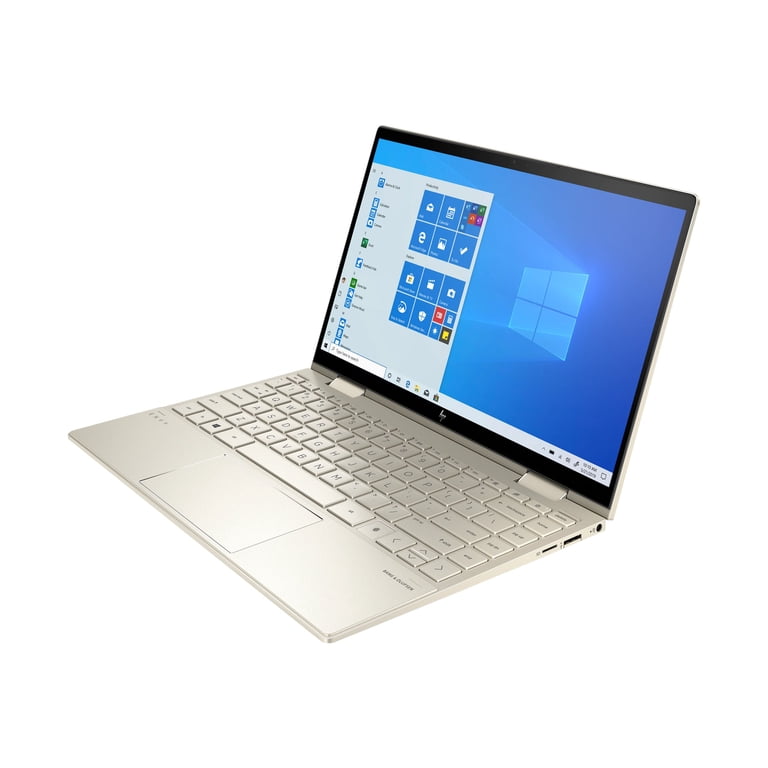
Best 2-in-1
HP Envy x360 13.3" 2-in-1 Laptop, AMD Ryzen 5 7530U, 8GB RAM, 512GB SSD
Overall
8.4/10
Value
8.8/10
Performance
8/10
The HP Envy x360 13 is the best 2-in-1 for college students in this price range. Its flexible 360-degree hinge lets you flip it into tent, stand, or tablet mode — perfect for taking notes with a stylus or watching lectures hands-free. The 13.3-inch Full HD touchscreen supports HP's active pen (sold separately). Under the hood, the AMD Ryzen 5 7530U provides smooth performance for daily use. With 8GB RAM and 512GB storage, you have enough room for your coursework, and the battery lasts around 10-11 hours on a charge. It also comes with a backlit keyboard and a surprisingly good set of speakers tuned by Bang & Olufsen. The build quality is solid, with a premium aluminum lid. The 2.86-pound weight is reasonable for a convertible. If you want the flexibility of a tablet and the power of a laptop, the Envy x360 is the best balance you'll find around $800.

Pros

  • Versatile 2-in-1 design with 360° hinge
  • Touchscreen with active pen support
  • Solid AMD Ryzen 5 performance
  • Bang & Olufsen audio is excellent
  • Aluminum build quality
  • Good value for features

Cons

  • 8GB RAM is non-upgradeable
  • Small 13.3" size may feel cramped in tablet mode
  • Fingerprint magnet finish
  • Stylus is separate and costs extra
  • AMD Vega graphics not suited for intense gaming

Best For:

Students who love taking handwritten digital notes, reading e-textbooks, or want to flip their laptop into tablet mode.

Not Recommended For:

Students who prefer a traditional clamshell laptop and rarely use touchscreens.

Key Features:

13.3-inch Full HD (1920x1080) touchscreen, 360° hingeAMD Ryzen 5 7530U (6 cores)8GB RAM, 512GB SSDActive pen supportB&O-tuned dual speakersBacklit keyboard, fingerprint readerUp to 11 hours of battery life

Standout Feature:

The 2-in-1 flexibility with active pen support makes this the ultimate study machine for visual learners and STEM students who like to sketch diagrams.

VS Others:

The Envy x360 trades some raw performance for versatility. It's not as fast as the ZenBook 14 or as portable as the Dell XPS 13, but it's the only laptop here that works as a tablet. The MacBook Air M1 is better for pure productivity, but this wins for interactive learning.

Why This One:

If you're a pre-med, engineering student, or anyone who likes handwritten notes and diagrams, the 2-in-1 functionality is a game-changer. This is the most affordable capable convertible in this guide.

Who Should Get What?

Budget-Conscious Freshman

A first-year college student majoring in Communications who needs a laptop for writing papers, streaming, and video calls. They're paying from their own part-time job savings and want to keep costs as low as possible without buying junk.

Budget:$600-$700
Use:Essay writing, streaming, internet browsing

Recommended:

Acer Swift 3

The Acer Swift 3 offers everything this student needs at the lowest price in our guide. It's fast enough for writing and streaming, has a solid aluminum build, and leaves extra money for textbooks. The 512GB SSD provides ample storage for their files.

View on Amazon →

Balanced All-Rounder

A junior studying Biology who wants a laptop that does everything well: heavy web research, data analysis in Excel, light photo editing for lab reports, and streaming. They have about $700 to spend and want the best all-around value.

Budget:$700-$800
Use:Research, Excel work, streaming, light gaming

Recommended:

ASUS ZenBook 14

The ZenBook 14 delivers the best specs for the price, with 16GB RAM for multitasking and an OLED display that makes both photos and videos pop. It handles everything this student needs and its 512GB SSD gives plenty of storage. No other laptop under $750 offers this combination of features.

View on Amazon →

Apple Ecosystem Enthusiast

A design student who already owns an iPhone, iPad, and AirPods. They love the Apple ecosystem and want a laptop that syncs seamlessly with their devices. They have a budget of up to $1,000 and prioritize iMessage, continuity, and Sidecar compatibility.

Budget:$750-$1,000
Use:Design software (Sketch, Affinity), iMessage, seamless device integration

Recommended:

Apple MacBook Air M1

The MacBook Air M1 gives this student full access to the Apple ecosystem at an affordable price. It syncs perfectly with their iPhone and iPad, supports Sidecar to use the iPad as a second display, and the M1 chip handles design software beautifully. They can save $250 vs the M2 and use it for accessories.

View on Amazon →

Premium Windows Enthusiast

A graduate student in Business Analytics with a budget of $1,000 who wants a professional, sophisticated laptop for client meetings and internship settings. They value design, premium materials, and a great keyboard for Excel and data analytics work.

Budget:$900-$1,000
Use:Data analytics, Excel, PowerPoint, client presentations

Recommended:

Dell XPS 13

The XPS 13 is the most premium Windows laptop in this guide. Its ultra-slim design, infinity-edge display, and excellent build quality project professionalism. The comfortable keyboard is ideal for typing reports, and the Intel i5 handles Excel and analytics tools without breaking a sweat.

View on Amazon →

Creative 2-in-1 Note-Taker

A pre-med student who loves to draw diagrams, annotate lecture slides, and take handwritten notes. They want a laptop that also works as a tablet so they don't have to carry both. Budget is around $800 and versatility is the top priority.

Budget:$750-$850
Use:Handwritten notes, annotating PDFs, watching anatomy videos

Recommended:

HP Envy x360 13

The Envy x360's 360-degree hinge and touchscreen are made for note-taking. Flipping into tablet mode with a stylus lets this student draw, annotate, and review lectures creatively. The Radeon graphics help run 3D anatomy apps, and the price fits nicely in their budget.

View on Amazon →

Performance-Seeking Power User

A computer science student who programs in Xcode and Visual Studio, runs virtual machines, and wants the latest Apple silicon. They value a 1080p webcam for hybrid classes and want a modern design with MagSafe. Budget is up to $1,000 and they plan to keep the laptop for 5+ years.

Budget:$950-$1,100
Use:Programming, virtual machines, Xcode/Visual Studio, video calls

Recommended:

Apple MacBook Air M2

The M2 chip is a performance beast for both efficient coding and running macOS-based development tools. The 18-hour battery life keeps this student going all day, and the 1080p webcam makes them look sharp in hybrid classes. The new design and MagSafe charging add to the premium experience.

View on Amazon →

Buying Guide: How to Choose

Start by assessing your actual needs. Think about your major and how you'll use the laptop day to day. A liberal arts major who writes essays needs less power than a computer science student who codes or a design student who uses Adobe apps. Consider your courses: do you need specialized software that only runs on Windows? Are you in a program that distributes Macs? Your major often dictates the OS you should choose. Next, prioritize the specs that matter most. Battery life should be at least 8-10 hours to survive a full campus day. RAM is the most common bottleneck — 8GB is the bare minimum, but 16GB is worth the upgrade if you multitask heavily or use VMs. Storage: 512GB is the sweet spot; you'll thank yourself when your phone backups and project files pile up. Weight matters too — anything under 3 pounds will make your backpack feel noticeably lighter. Set a realistic budget. For $600-$800, you can get a great Windows machine like the Acer Swift 3 or ASUS ZenBook 14. If you have $800-$1,000, the MacBook Air M1 is the versatile choice that covers all bases. At $1,000+, you enter premium territory where you should expect either Apple's M2 or a top-tier Windows ultraportable. Avoid buying the cheapest (under $500) as a daily driver — they're often poorly built and slow. And don't forget to check student discounts (Apple Education, Dell University, HP Student) which can save you 10-15%. Common mistakes to avoid: buying more processor than you need (an i5 or Ryzen 5 is enough for 90% of students), ignoring screen quality (you'll stare at it for hours), and not considering resale value. MacBooks and Dell XPS laptops hold their value better, making them smarter long-term investments. Finally, ask yourself what you'll use most: note-taking with a stylus? Choose a 2-in-1. Media and design? Choose an OLED. Ultimately, the best laptop is the one that fits your routine and your wallet.

Bottom Line

For most college students, the Apple MacBook Air M1 is the benchmark. Its combination of unbeatable battery life, stellar performance, and premium build quality at $749 makes it our top overall pick. If you're strictly on a budget under $700, the Acer Swift 3 is the best value you'll find. And if you want the most impressive specs for under $800, you can't beat the ASUS ZenBook 14's OLED display and 16GB RAM. Your choice ultimately comes down to budget and ecosystem. Apple fans should grab the M1 Air (or the M2 if you're doing creative work and can stretch your budget). Windows users have excellent options: the Dell XPS 13 for premium style, the HP Envy x360 for 2-in-1 versatility, and the ZenBook 14 for raw value. Ask yourself what matters most: battery life, by the display, portability, note-taking flexibility, or budget. Match those priorities to the recommendations above, and you'll make the right choice. All six laptops in this guide will get you through college — pick the one that fits your priorities and never look back.

Frequently Asked Questions

What is the best laptop for a college student in 2026?
For most college students, the Apple MacBook Air M1 remains the best overall pick in 2026 due to its long battery life, reliable performance, and durable aluminum build. It handles essays, research, and media with ease and is now at a price point that fits many student budgets.
Which budget laptop is best for students?
The Acer Swift 3 is the best budget laptop under $700 in this guide. It offers a 12th-gen Intel Core i5, a full HD screen, and 512GB of storage in a slim aluminum chassis. It can handle most academic tasks smoothly while keeping costs low.
Should I get a MacBook or Windows laptop for college?
It depends on your major and ecosystem. Choose a MacBook if you already use iPhone or iPad, value superior battery and build, and your program doesn't require Windows-specific software. Choose Windows if you're in engineering (for CAD, 3D printing tools) or need more RAM/storage per dollar.
Is 8GB of RAM enough for a student in 2026?
Yes, 8GB is the minimum that can still handle a typical college workload — browsers, word processors, and streaming simultaneously. However, if you're doing data science, video editing, or heavy multitasking, you'll be happier with 16GB. Several laptops in this guide, like the ASUS ZenBook 14, offer 16GB at under $750.
Is the MacBook Air M1 still worth buying in 2026?
Absolutely. The M1 Air is still faster than many Intel laptops and delivers 18-hour battery life, plus excellent software compatibility. At around $749 it delivers better real-world performance and battery life than nearly any Windows laptop at the same price.
Which is better: the MacBook Air M1 or MacBook Air M2?
The M2 is around 20% faster and boasts a larger (13.6-inch) and brighter display, a redesigned body with MagSafe, and a sharper 1080p webcam. But the M1 costs $250 less and provides virtually the same battery life. Unless you value the design or need a great webcam for classes, the M1 is the smarter value.
What is the best laptop for note-taking with a stylus?
The HP Envy x360 13 is our top 2-in-1 pick for note-taking in the $600-$1,200 range. Its 360-degree hinge converts into tablet mode, and it supports an active pen for annotating PDFs and drawing diagrams. The USB-C charging means you can charge it with your phone charger too.
Which laptop is better for engineering: the Dell XPS 13 or ASUS ZenBook 14?
For engineering students, the ASUS ZenBook 14 is often the better pick due to its 16GB RAM (useful for CAD simulations), 512GB storage, and slightly larger 14-inch OLED display. The Dell XPS 13 is more compact and premium, but you'll feel the storage and RAM limits sooner.
What is the best bang-for-buck laptop for students in 2026?
The ASUS ZenBook 14 is the best value at $699, offering exactly the kind of specs that students need: 16GB of RAM, a 512GB SSD, and a staggeringly good OLED display. Nothing else in this guide gives you those high-end components for that price.
Are 2-in-1 laptops worth it for college?
2-in-1s are worth it if you actually use the touchscreen or pen features, like for handwritten notes or annotating lectures. Otherwise, you're paying a premium for versatility you may rarely use. If you know you don't draw, a traditional clamshell laptop like the MacBook Air or ASUS ZenBook is a better value.

Need More Help Deciding?

Explore more buying guides to find the perfect product for your needs.

View All Buying Guides

Related Articles