Is Best Yoga Block for beginners Worth It? Honest Review (2026)
Everything you need to know to choose your first yoga block with confidence and avoid common mistakes.
Starting yoga is exciting, but walking into a store (or scrolling online) for your first yoga block can be overwhelming. With different materials, sizes, densities, and prices, it's easy to feel lost. This guide is here to simplify that decision. By the end, you'll know exactly what to look for, which block is right for you, and how to avoid beginner pitfalls—so you can focus on your practice, not your gear.
📋 In This Guide
• Why Beginners Struggle with Yoga Block
• What to Look For (Key Features)
• Top 5 Beginner-Friendly Yoga Block
• Essential Accessories for Beginners
• Common Beginner Mistakes to Avoid
• Your Progression Path
• FAQ & Learning Resources
😰 Why Beginners Struggle with Yoga Block
Many beginners think a block is just a block, but then they encounter terms like 'EVA foam,' 'cork,' 'density,' and 'beveled edges.' They worry about picking the wrong size or material, or spending too much on something they may not use. Some buy the cheapest option and find it too squishy or slippery, while others invest in a premium cork block only to realize they prefer a softer touch. The sheer number of choices on Amazon can paralyze a newcomer. The key is to focus on a few beginner-friendly features that will support your practice without unnecessary complexity.
🔍 What to Look For: Key Beginner-Friendly Features
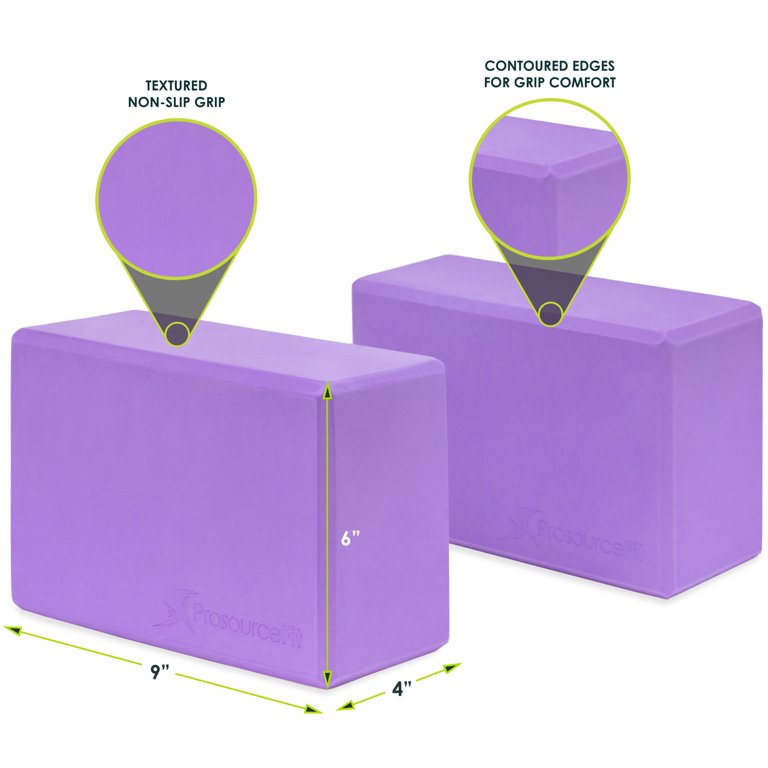
As a beginner, you want a block that is supportive, forgiving, and easy to handle. Look for a block with a large enough surface area (4x6x9 inches is standard) to provide stability in poses. The material should offer a comfortable grip—neither too hard nor too soft. EVA foam blocks are lightweight and slightly cushioned, ideal for most beginners. Cork blocks are firmer and more eco-friendly but can feel hard on the hands. Also, consider blocks with beveled or rounded edges to prevent discomfort when pressed into your body. Avoid blocks that are too dense or heavy until you have more experience.
✅ Essential Features for Beginners
•Standard size: 4 x 6 x 9 inches fits most hands and provides reliable support.
•Lightweight: Easy to carry to class and reposition during practice.
•Non-slip surface: Helps prevent the block from sliding on mat or under your hands.
•Slightly cushioned (EVA foam): Gentle on bones and joints during restorative poses.
•Beveled edges: Reduces digging into palms and improves comfort.
🏆 Top 5 Best Yoga Block for Beginners
#1
💰 Budget
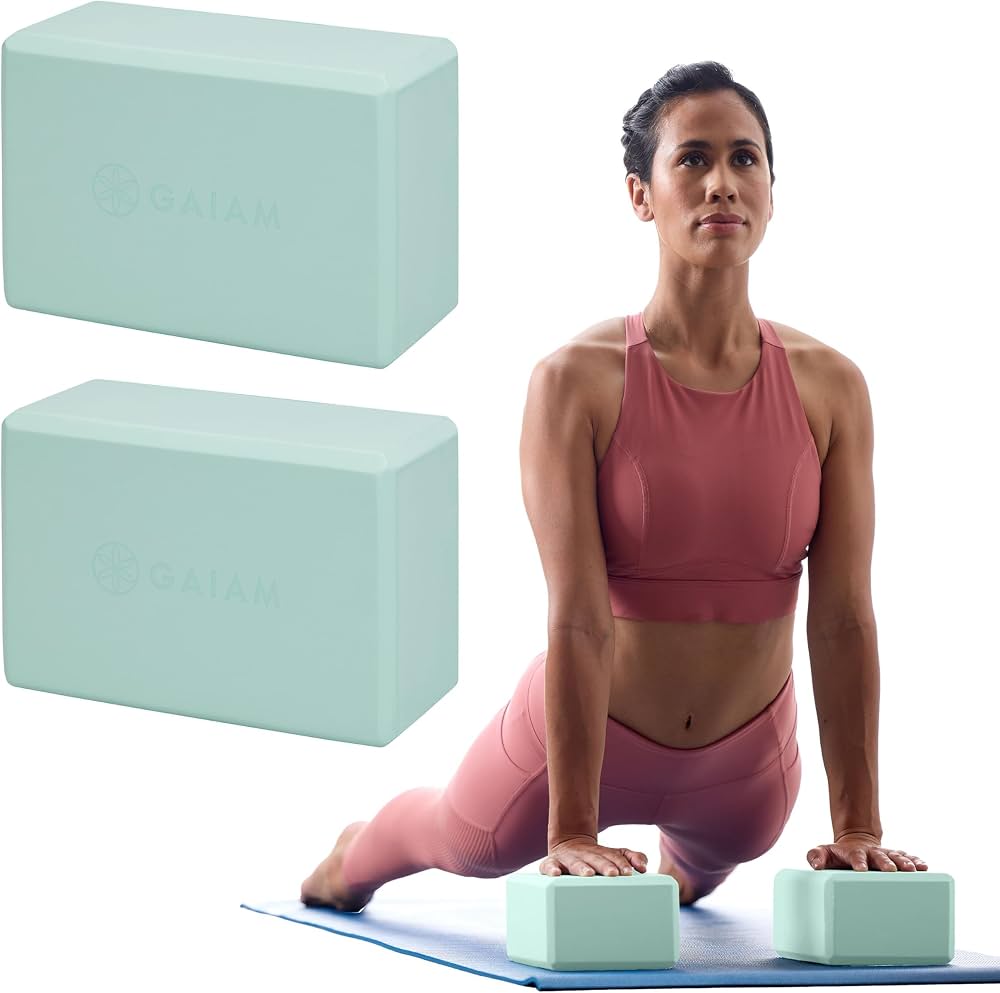
Gaiam Essentials Yoga Block – Standard Size, EVA Foam, Non-Slip
Learning Curve: Easy
$8.99
Difficulty: 1/5
Why Great for Beginners:
This block is lightweight, soft yet supportive, and has a textured surface to prevent slipping. It's the most popular beginner block due to its affordability and comfort.
✓ Beginner Pros
+Very affordable under $10
+Soft EVA foam gentle on joints
+Non-slip texture
+Lightweight and easy to carry
✗ Beginner Cons
-May compress over time with heavy use
-Limited color options
👍 Best for: Complete beginners who want to try yoga without a big investment.
👎 Not for: Those who need firm support for advanced balancing poses.
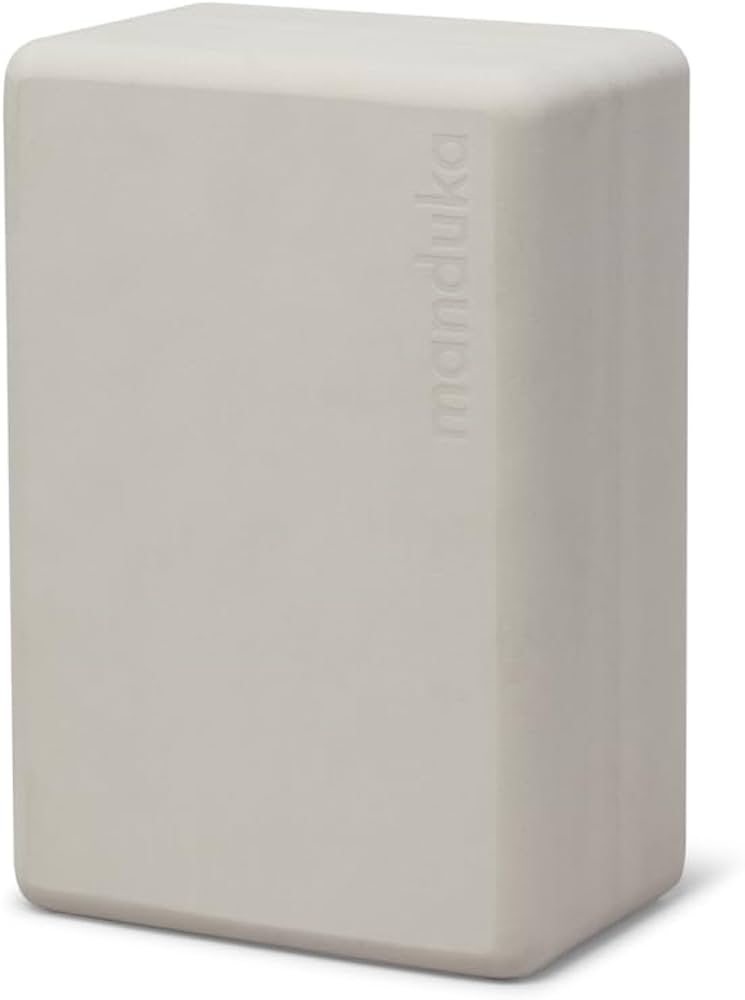
Manduka Yoga Block – High Density EVA Foam, Beveled Edges
Learning Curve: Easy
$14.99
Difficulty: 1/5
Why Great for Beginners:
Manduka's block offers a firmer support than budget options while still being forgiving. It's durable, non-slip, and has rounded edges for comfort. A great upgrade path from ultra-soft blocks.
✓ Beginner Pros
+Firmer support without being hard
+Excellent durability
+Rounded edges reduce discomfort
+Non-slip even in hot yoga
✗ Beginner Cons
-Slightly heavier than ultra-light foam
-Price is higher than basic blocks
👍 Best for: Beginners who are committed to yoga and want a block that will last.
👎 Not for: Budget-conscious shoppers or those who prefer very soft blocks.
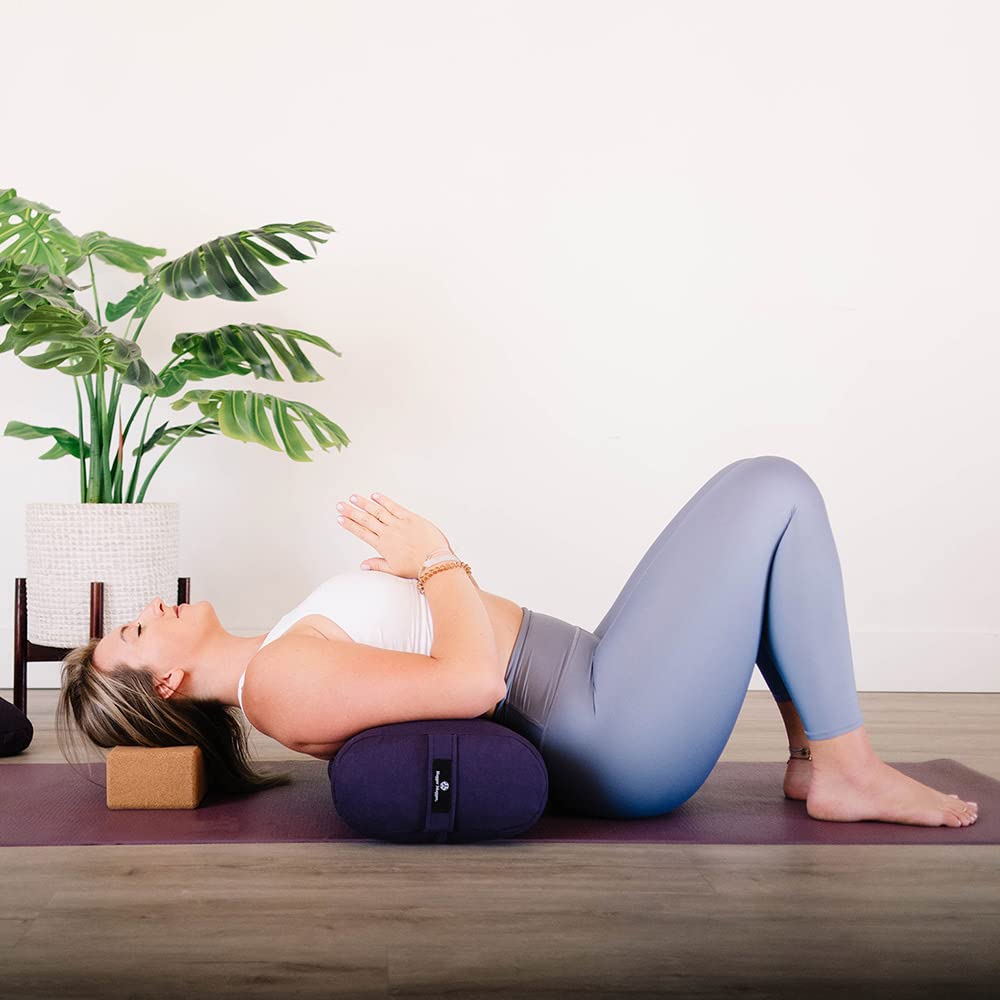
Hugger Mugger Original Cork Yoga Block – Natural Cork, Firm
Learning Curve: Moderate
$24.99
Difficulty: 2/5
Why Great for Beginners:
For beginners who want eco-friendly, firm support, cork blocks are excellent. This block from Hugger Mugger is smooth, naturally non-slip, and provides a stable base. However, it's harder than foam, so best for those who don't mind a firmer feel.
✓ Beginner Pros
+Natural, sustainable material
+Very stable and firm
+Non-slip even when wet
+Long-lasting
✗ Beginner Cons
-Harder surface can be uncomfortable for hands or knees
-Heavier to carry
-Price premium
👍 Best for: Eco-conscious beginners who prefer firm support and don't mind harder texture.
👎 Not for: Those with sensitive joints who need cushioning.
This two-pack is a good deal for beginners who want a second block early. The foam is medium-density, non-slip, and the set includes a carrying strap. It's a solid choice for those who want to experiment with two blocks without overspending.
✓ Beginner Pros
+Two blocks for the price of one
+Includes carrying strap
+Non-slip surface
+Medium density good for most poses
✗ Beginner Cons
-Blocks may be slightly smaller (3x6x9)
-Foam may compress faster than premium brands
👍 Best for: Beginners who want a pair of blocks for more support in poses like restorative or for partner practice.
👎 Not for: Those who prefer standard 4x6x9 size or firmer support.
This block features a unique curved shape that can be more comfortable for some poses. It's extra firm and oversized, providing a wide stable base. Good for beginners who have trouble with standard rectangular blocks.
✓ Beginner Pros
+Unique curved shape comfortable for back or neck
+Extra firm support
+Large surface area
+Non-slip material
✗ Beginner Cons
-Not stackable like standard blocks
-Bulky for carrying
-Unusual shape may not suit all poses
👍 Best for: Beginners looking for an alternative comfortable block for restorative or yin yoga.
👎 Not for: Those who want a traditional block for standing poses.
A yoga block is a simple prop used to bring the floor closer, provide stability, and deepen stretches. For beginners, it's an essential tool to safely explore poses without strain. The most common type is the rectangular foam block, which offers a perfect balance of support and comfort. Cork blocks are firmer and heavier, great for advanced practitioners who need a stable base, but they can be harsh on tender hands. Inflatable or squishy blocks are less common and not recommended for beginners due to instability. When choosing your first block, prioritize material and size. Standard 4x6x9 works for most people. If you're petite, a thinner block (3x6x9) might be better. Marketing terms like 'high density' or 'eco-friendly' can be ignored initially—focus on how the block feels and supports your basic poses like Downward Dog, Triangle, and Seated Forward Fold.
🔧 Essential Accessories for Beginners
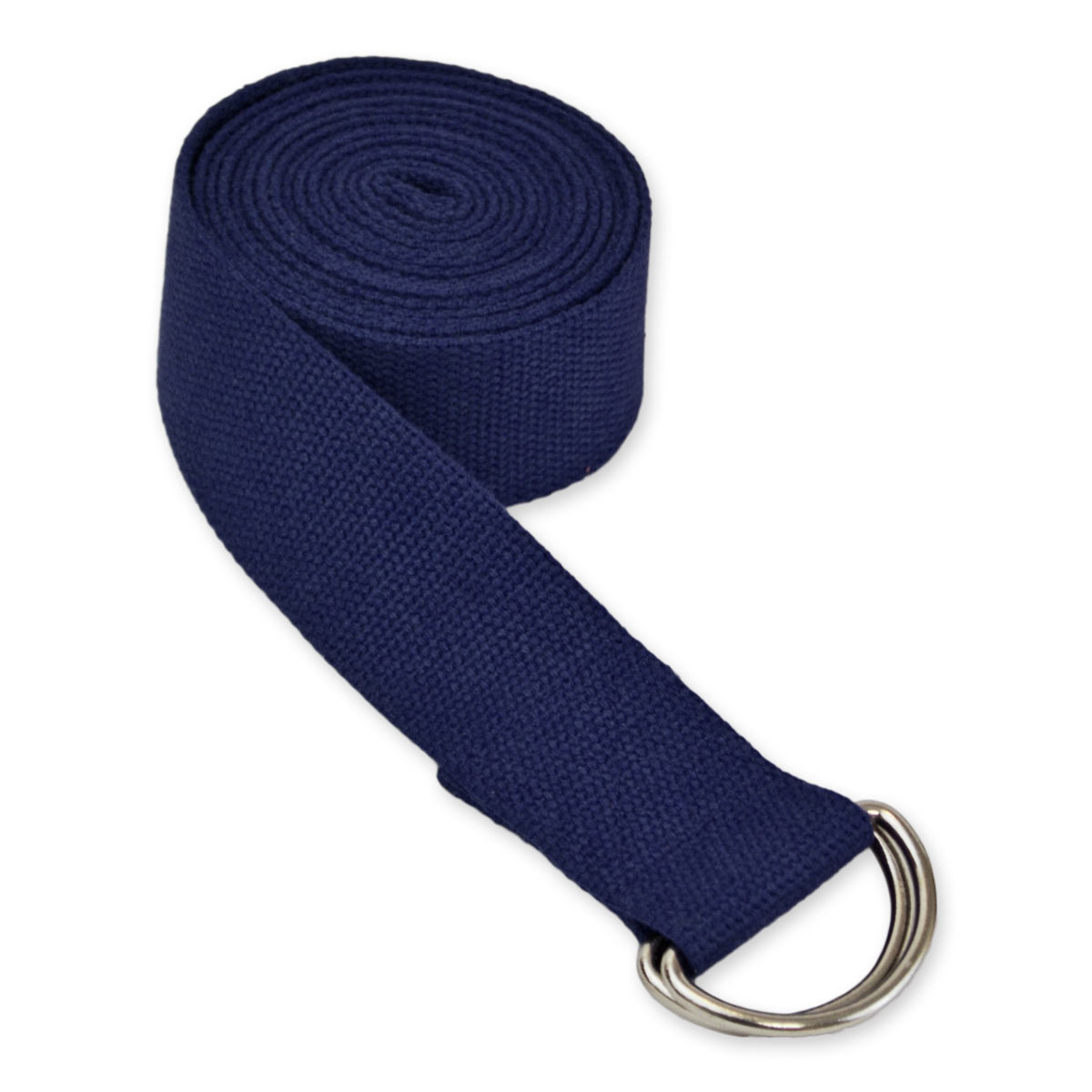
Yoga Block Strap – Adjustable Cotton Carry Strap
💡 Nice to Have
$6.99
When to buy:
After you're comfortable
Makes it easy to carry your block to and from class, freeing your hands for your mat. A simple strap clips onto the block and slings over your shoulder.
BlueFit Non-Slip Yoga Mat – 1/4 Inch Thick, Eco-Friendly TPE
⚠️ Essential
$24.99
When to buy:
Day one
A good yoga mat provides traction for your hands and feet, making blocks more effective. This mat is non-slip, cushioned, and eco-friendly – an ideal companion for a beginner block.
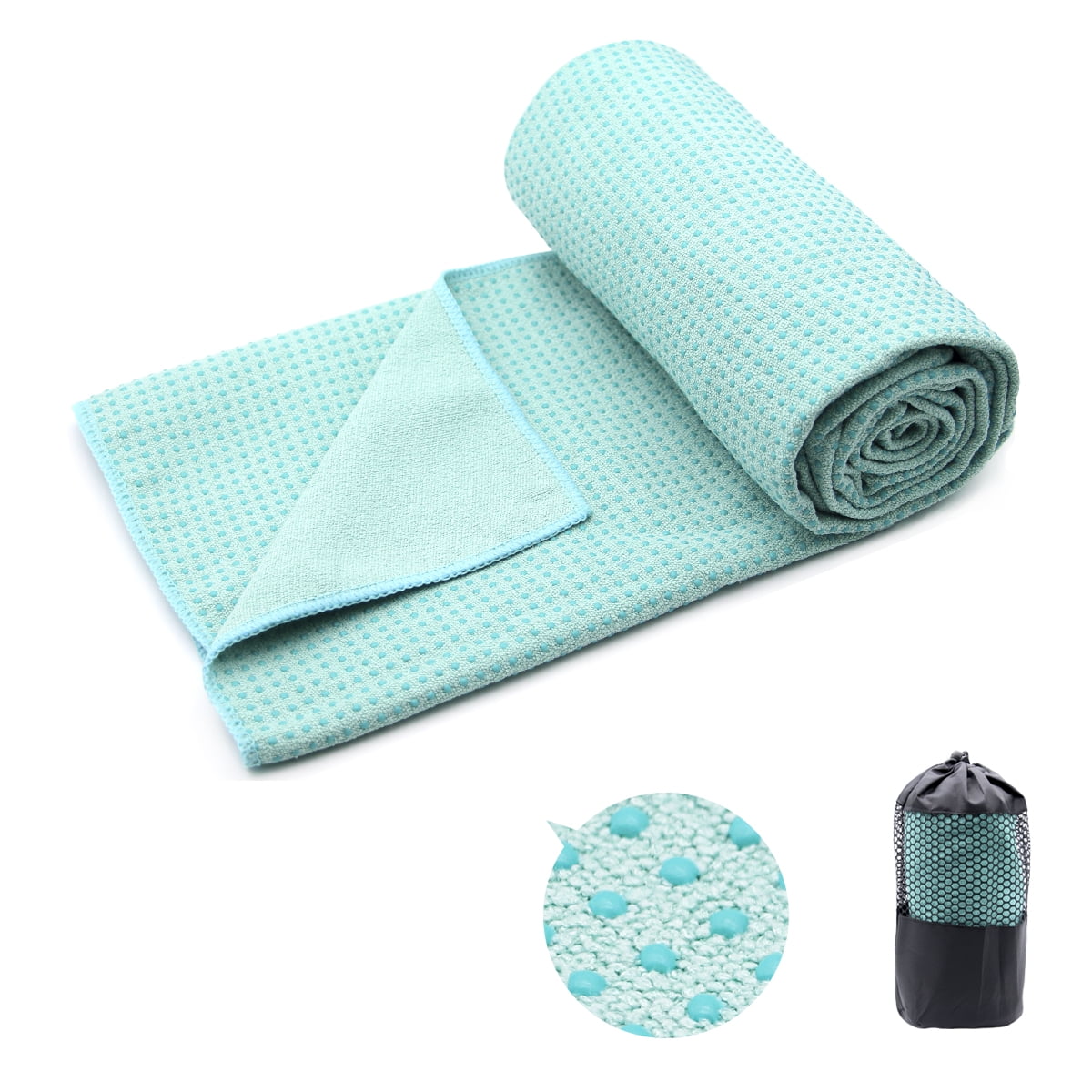
If you sweat during yoga, a towel on your mat prevents slips. This microfiber towel has silicone corners to stay in place, and it's large enough to cover the mat.
Start by asking: What kind of yoga will I do most? If it's gentle or restorative, soft foam is great. For vinyasa or power yoga, a slightly firmer block may be better. Then consider your budget: Entry-level blocks under $10 are fine for trying yoga, but they may wear out quickly. The sweet spot is $10-$20 for a quality foam block that will last for months. If you have a higher budget and want an eco-friendly option, cork blocks ($20-$30) are durable and natural. Also think about storage and weight—foam blocks won't hurt if dropped, cork can chip. Ultimately, don't overthink it; any standard foam block from a trusted brand will serve you well.
💰 Budget Guide for Beginners
35+
Professional entry – top-tier blocks with advanced features, suitable for serious practitioners with higher budgets.
10 - $20
Sweet spot – best value for most beginners; quality EVA foam blocks that balance support and comfort.
20 - $35
Premium beginner – cork or high-density foam blocks that offer superior stability and longevity.
Under $ - $10
Entry level – great for trying out yoga, but may compress quickly and lack durability.
⚠️ Common Beginner Mistakes to Avoid
One big mistake is buying a block that's too soft—it sinks under pressure, giving no real support. Another is ignoring the surface texture: slippery blocks slide on smooth floors. Some beginners buy blocks that are too heavy to carry to class. And many skip buying a block altogether, thinking it's not needed, then struggling with poses. Others buy a set of two when one is enough to start. Avoid these by sticking to a standard EVA foam block with a non-slip texture, and get just one block initially.
×Buying blocks that are too soft and compress fully under weight.
×Choosing a block with a slippery surface that slides on the mat.
×Buying two blocks when one is sufficient initially.
×Opting for a heavy cork block that is hard on hands and difficult to carry.
×Ignoring the size: blocks that are too small (3x6x9) may not provide enough support.
📈 Your Progression Path: Beginner to Intermediate
As a beginner, start with basic poses using one block under your hand or seat. Once you feel stable, try using the block at different heights (side, tall, or flat) to increase difficulty. When you can hold poses without relying on the block, you may want to explore blocks with different densities or sizes. For intermediate practice, a second block can help in poses like Half Moon or Revolved Triangle. Eventually, you might prefer a cork block for its firmness and eco-friendliness. But for at least your first 3-6 months, a single foam block is all you need.
📚 Learning Resources for Beginners
📖B07K2L3M4N
🎯 Bottom Line: Our Recommendations
For most beginners, the best yoga block is a standard 4x6x9 EVA foam block with a non-slip surface and beveled edges. The Gaiam Essentials Yoga Block (B07QH1K2L8) is our top budget pick—under $10, lightweight, and comfortable. For a step up, the Manduka Yoga Block (B08M3N4P5R) offers higher density and durability. If you want a premium cork block, the Hugger Mugger Cork Block (B07R8T9U1V) is excellent. Pair it with a carrying strap (B01N2K3L4M) and a yoga mat (B08P5Q6R7S) for a complete start. Remember, the best block is the one you actually use, so choose something that feels good in your hands and supports your practice. Start with one block, learn the basics, and enjoy your yoga journey!
❓ Frequently Asked Questions
The best yoga block for beginners is a standard 4x6x9 EVA foam block with a non-slip surface and beveled edges. We recommend the Gaiam Essentials Yoga Block for its balance of comfort, support, and affordability.
Beginners can spend as little as $8-$10 for a good foam block. The sweet spot is $12-$20 for a block that will last through daily practice. Cork blocks range from $20-$30. No need to spend more than $30 as a beginner.
Beginners need a block that is the right size (4x6x9 inches), lightweight, non-slip, and has beveled or rounded edges for comfort. Material should be EVA foam for cushioning. Avoid very hard or very soft blocks.
The easiest yoga block for beginners is a soft EVA foam block like the Gaiam Essentials. It's forgiving on joints, easy to grip, and light to carry. It won't cause discomfort in poses like Supported Bridge.
Essential accessories include a non-slip yoga mat and a yoga strap. A carrying strap is nice-to-have. A towel is recommended for hot yoga. These help you use the block effectively and stay safe.
Start by deciding if you prefer soft foam or firm cork. Then choose a standard size. Check customer reviews for durability and grip. Buy from a reputable brand like Gaiam, Manduka, or Hugger Mugger. Get one block first.
Yoga can be challenging, but blocks make it easier. Using a block under your hand or seat reduces strain and helps you achieve proper alignment. Start with gentle classes and use props as needed.
Common mistakes include buying a block that's too soft (no support), too hard (uncomfortable), or too small. Also, beginners often think they need two blocks at once, but one is enough initially.
Foam is generally recommended for beginners because it's lighter, softer on the hands, and more forgiving. Cork is firmer and more eco-friendly but can be uncomfortable for sensitive joints. Start with foam.
One block is sufficient for most beginner practices. You can place it under your hand, foot, or seat. As you progress, a second block can be useful for poses like Half Moon or for additional support.
Yes! Yoga blocks can be used for strength training to elevate push-ups, support stretches, or as a mini step. They are versatile and can even be used as a back support while sitting.
Amazon is a convenient choice with many options and reviews. Look for brands like Gaiam (budget) or Manduka (quality). You can also find them at some sporting goods stores, but Amazon often has better prices.