Is Best 3D Pen for beginners Worth It? Honest Review (2026)
Everything beginners need to know to choose their first 3D Pen with confidence
Thinking about buying your first 3D pen? You're not alone – thousands of beginners are discovering this fun, hands-on way to create 3D objects. But with so many pens on the market, it's easy to feel overwhelmed by jargon like 'PLA,' 'adjustable temperature,' or 'stepper motor.' This guide cuts through the noise to help you find the perfect pen for your skill level and budget. We'll explain what features actually matter for beginners, recommend top picks available on Amazon, and help you avoid common mistakes so you can start drawing in 3D with confidence.
📋 In This Guide
• Why Beginners Struggle with 3D Pen
• What to Look For (Key Features)
• Top 5 Beginner-Friendly 3D Pen
• Essential Accessories for Beginners
• Common Beginner Mistakes to Avoid
• Your Progression Path
• FAQ & Learning Resources
😰 Why Beginners Struggle with 3D Pen
Many beginners struggle because they don't know what to look for. 3D pens use different filament types (like PLA, ABS, or PCL), have varying temperature controls, and come with features that may or may not be useful. Some pens are too fast or too hot for a new user, leading to frustration or even safety concerns. The sheer number of options – from cheap no-name brands to premium professional models – makes it hard to choose. Beginners often worry about buying a pen that's too complicated (and collecting dust) or too cheap (and breaking quickly). This guide addresses those fears by focusing on beginner-friendly features like auto-cooling, ergonomic design, and simple loading systems.
🔍 What to Look For: Key Beginner-Friendly Features
For a beginner, the most important features are safety, ease of use, and forgiveness. Look for a pen that uses low-temperature filament (like PCL or PLA) to avoid burns. An auto-off or auto-cooling function is a plus. A lightweight, ergonomic design reduces hand fatigue during long sessions. Choose a pen with simple one-button operation and clear loading instructions. Avoid pens that require manual temperature adjustment or have a steep learning curve. Also, consider the nozzle size – a standard 0.7mm or 0.9mm nozzle is great for beginners. Finally, make sure filament is widely available and affordable. Most beginners should start with a pen that comes with a starter kit and sample filaments to practice with.
✅ Essential Features for Beginners
•Low-temperature compatibility (PCL or PLA filaments) – safer and less smell
•Auto-off or auto-cooling – prevents overheating when idle
•Easy filament loading – one-button or jam-resistant
•Lightweight and ergonomic – reduces hand strain
•Clear instructions and starter kit – includes practice materials
•Adjustable speed – helps beginners start slow
•Visible filament window – shows how much is left
🏆 Top 5 Best 3D Pen for Beginners
#1
💰 Budget
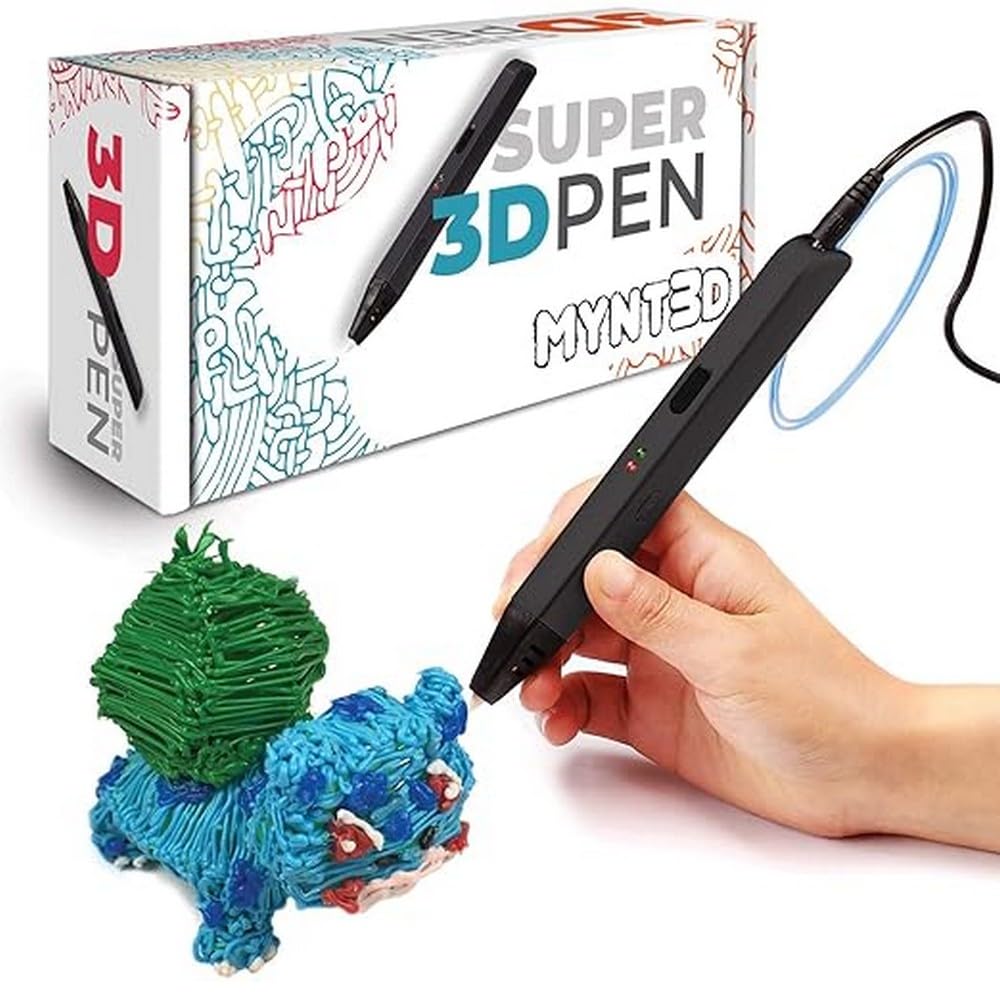
MYNT3D Super 3D Pen
Learning Curve: Easy
$39.99
Difficulty: 3/5
Why Great for Beginners:
Very affordable pen that works with standard PLA filament. Simple operation with only one button for speed control. Comes with a starter spool of filament. Lightweight and easy to hold.
✓ Beginner Pros
+Low price
+Simple controls
+Compatible with common PLA filament
+Includes sample filament
✗ Beginner Cons
-No temperature control
-May clog with prolonged use
-Not child-safe (high temp)
👍 Best for: Adults on a tight budget who want to try 3D pen drawing without a big investment.
👎 Not for: Kids or those who want a pen that works out of the box with low-temp filament.
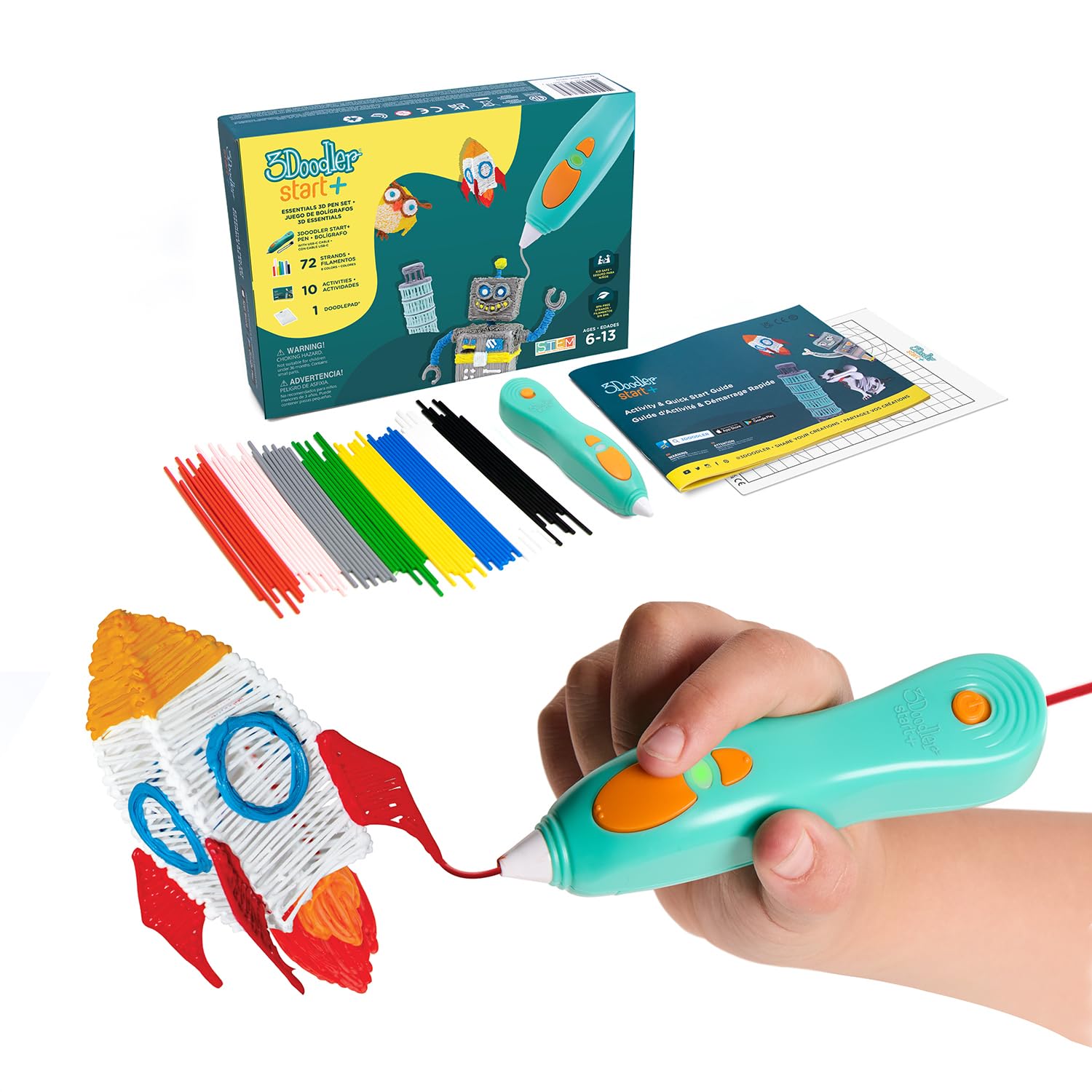
Designed specifically for beginners and kids. Uses low-temperature PCL filament (no burn risk). Comes with a detailed activity guide, practice mats, and 72 strands of filament in multiple colors. Simple two-button operation.
✓ Beginner Pros
+Safe for all ages (low temp)
+Includes everything needed to start
+Child-friendly design
+Strong community support
✗ Beginner Cons
-Only uses proprietary PCL filament
-Not suitable for strong or flexible prints
-Limited to basic shapes
👍 Best for: Kids, families, and complete beginners who prioritize safety and ease of use.
👎 Not for: Adults who want to create durable or precise objects.
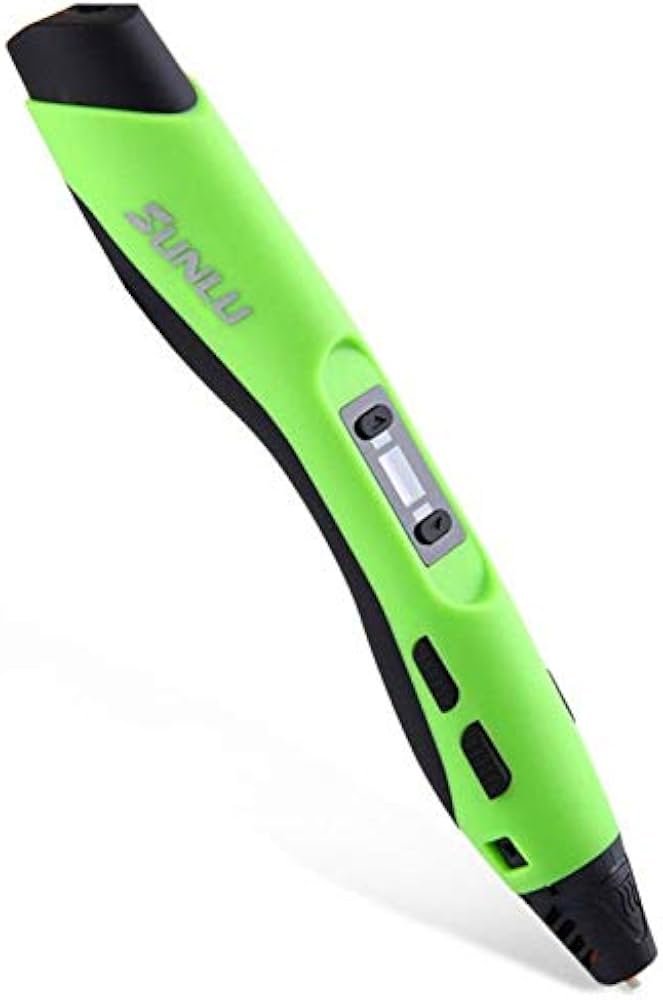
A professional-grade pen that is still beginner-friendly due to its intuitive interface and included tutorial projects. Adjustable temperature allows use of PLA, ABS, and flexible filaments. Fine tip for detailed work.
✓ Beginner Pros
+Versatile filament compatibility
+OLED screen shows settings clearly
+Includes 25+ filaments and accessories
+Great for learning different materials
✗ Beginner Cons
-Higher price
-More features can be overwhelming
-Some learning curve for temperature adjustment
👍 Best for: Serious beginners who want a pen that can grow with their skills and try advanced materials.
👎 Not for: Casual users or those on a strict budget.
Good budget alternative to MYNT3D. Features adjustable speed and temperature (160-230°C) so you can use PLA or PETG. Comes with 4 spools of filament and a power adapter. Lightweight and ergonomic.
✓ Beginner Pros
+Adjustable temperature expands filament options
+Includes 4 colors of filament
+Ergonomic grip
+Clog-resistant design
✗ Beginner Cons
-Temperature settings can confuse beginners
-Not child-safe
-Some users report inconsistent extrusion
👍 Best for: Budget-conscious beginners who want more control and are willing to learn.
👎 Not for: Those who want a plug-and-play experience or safe for kids.
Moderately priced with both low-temp and high-temp capabilities (using two different filaments). Comes with 12 colors of PLA filament. Easy loading and OLED display shows temperature.
✓ Beginner Pros
+Dual filament compatibility (PLA and PCL)
+OLED display
+12 filament colors included
+Auto-off after 5 minutes of inactivity
✗ Beginner Cons
-More complex settings than basic models
-Some reviews mention occasional clogging
-Stand is small and unstable
👍 Best for: Beginners who want to experiment with both low and high temperature filaments.
👎 Not for: Absolute beginners who want the simplest possible pen.
A 3D pen works by heating a plastic filament and extruding it through a nozzle, allowing you to draw in the air or on a surface. The main types of filament are PLA (biodegradable, low odor, low temperature), ABS (stronger but hotter and smellier), and PCL (very low temperature, safe for kids). For beginners, we recommend PLA or PCL pens. Many beginner pens also come with a built-in speed control and a clog-free design. Some have OLED screens to show temperature, while others use LED indicators. The 'beginner-friendly' label usually means the pen is safe, easy to load, and forgiving of mistakes. Realistic expectations: your first few projects will be wobbly, but within a few hours you can make simple shapes, keychains, or jewelry. As you improve, you can tackle more complex designs like flowers or small sculptures.
🔧 Essential Accessories for Beginners
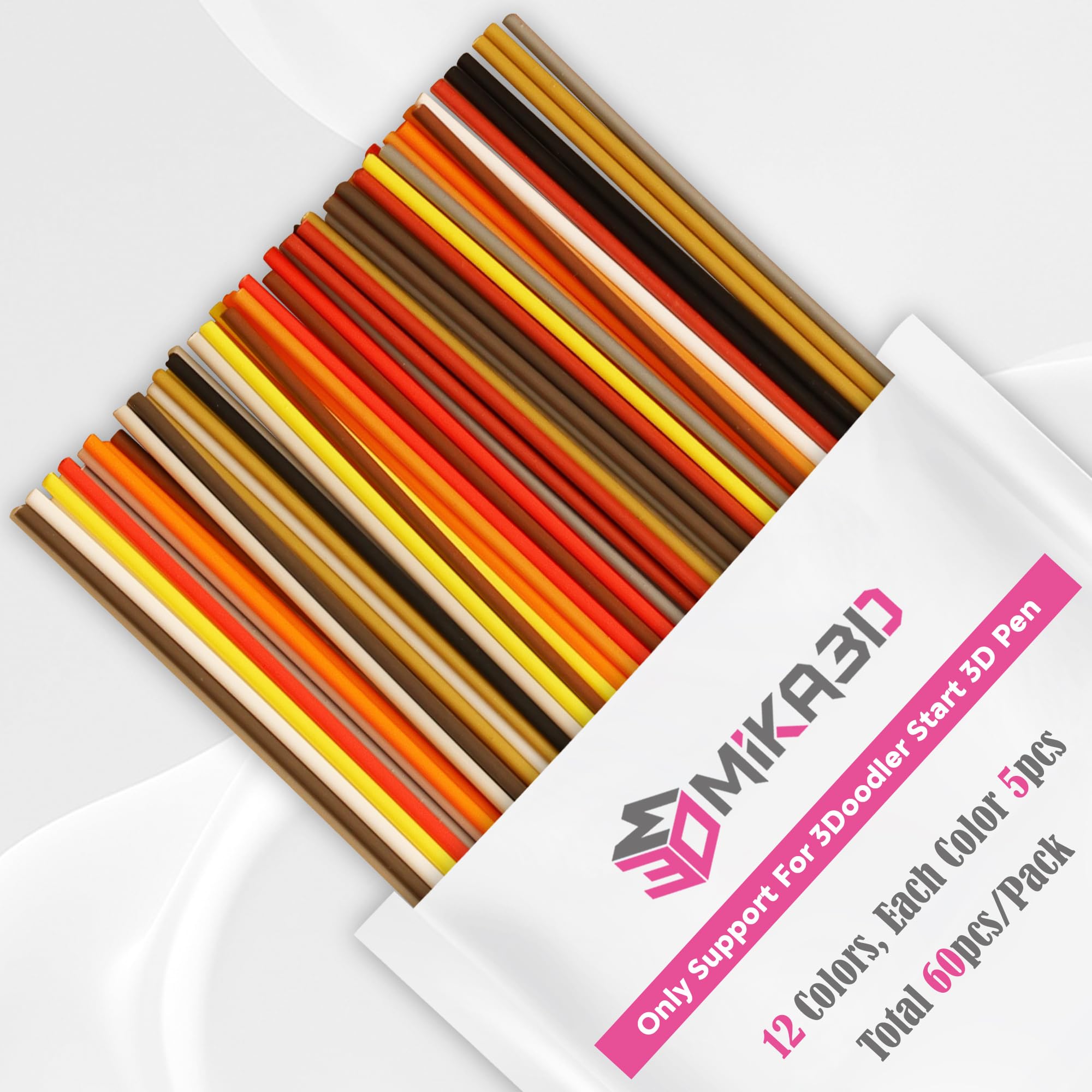
3Doodler Filament Bundle - 36 Strands, 12 Colors
⚠️ Essential
$19.99
When to buy:
Day one
Extra filament means you can experiment without worrying about running out. This bundle includes a variety of colors perfect for practice projects.
Start by asking: What do I want to make? (simple crafts, artwork, repairs?) What is my budget? ($30-200) Do I want a pen safe for kids? Then look for low-temperature, child-safe models. For adults, a PLA pen with adjustable speed is versatile. Consider also the availability of filament – popular brands like 3Doodler have wide support. Avoid pens with no brand or no customer reviews. Red flags: pens claiming 'professional' but with few reviews, or those with complex settings. If you're on a tight budget, a basic model like the MYNT3D Super 3D Pen is a good start. If you can spend a bit more, the 3Doodler Start+ is ideal for beginners and even kids. For serious beginners who want to grow, the 3Doodler Pro+ offers advanced features.
💰 Budget Guide for Beginners
150+
Professional entry – high-end pens with adjustable temperature, multiple nozzle sizes, and advanced capabilities. For beginners with larger budgets who want to grow.
40 - $80
Sweet spot – most beginner-friendly pens with reliable performance, safety features, and starter kits included.
80 - $150
Premium beginner – pens with better ergonomics, fine tip control, and extra features like dual-speed. Ideal for serious beginners.
Under $ - $40
Entry level – basic pens with limited features, good for trying out but may frustrate with jams. Best for absolute minimal budget.
⚠️ Common Beginner Mistakes to Avoid
Too many beginners buy the cheapest pen possible, only to find it clogs easily, overheats, or has poor filament feed. Others buy a high-end professional pen and get frustrated by the learning curve. Skipping a starter kit means you run out of filament quickly or lack a stand, which can cause burns. Another mistake is ignoring safety: never leave a hot pen unattended. Beginners also often try too complex projects too soon, then get discouraged. Finally, not reading instructions – each pen has a specific loading method – leads to jams. Avoid these by reading reviews, starting with simple templates, and buying a pen with good customer support.
×Buying a cheap, unknown brand pen that clogs easily
×Starting with high-temperature filaments like ABS
×Forgetting to buy extra filament or a stand
×Trying complex projects too soon
×Not reading the manual and causing jams
×Ignoring safety – leaving hot pen unattended
×Choosing a pen with no replacement parts available
📈 Your Progression Path: Beginner to Intermediate
Beginner phase (first few weeks): practice basic lines, shapes, and simple templates. Learn to control speed and flow. Intermediate phase (1-3 months): combine shapes, create 3D objects like cubes or leaves, explore different materials. Advanced beginner: repair plastic items, make custom designs from your imagination. Signs you've outgrown your beginner pen: you want finer control, larger projects, or dual-color capabilities. At that point, consider upgrading to a pen with adjustable temperature and multiple nozzle sizes. But most beginners are happy with their first pen for at least 6-12 months.
📚 Learning Resources for Beginners
📖Resource 1
📖Resource 2
📖Resource 3
📖Resource 4
🎯 Bottom Line: Our Recommendations
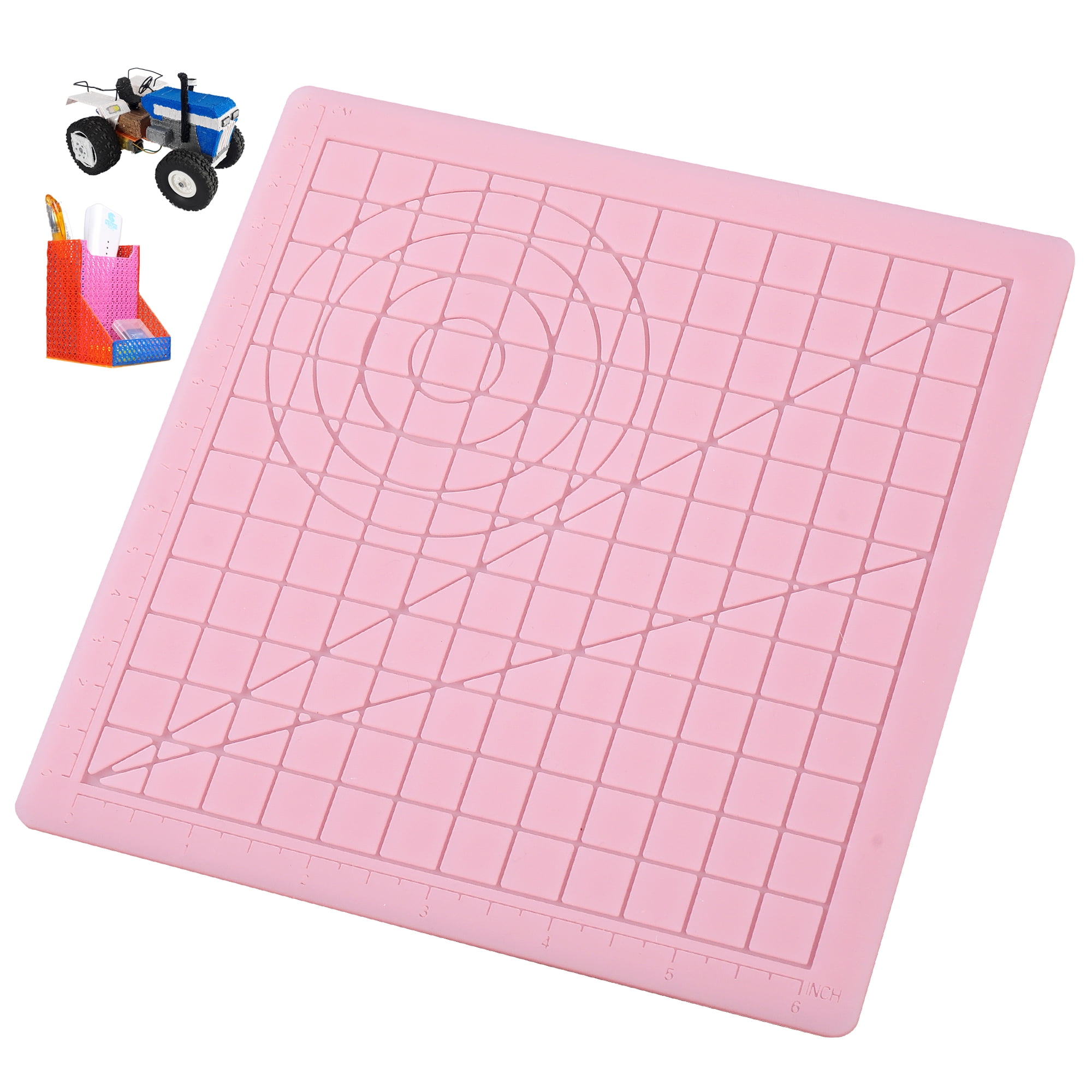
For most beginners, the best overall pick is the 3Doodler Start+ – it's safe, easy to use, and comes with everything you need. If you're on a budget, the MYNT3D Super 3D Pen offers great value. For those who want premium quality from the start, the 3Doodler Pro+ is excellent. Don't forget essential accessories: extra filament packs, a silicone mat, and replacement nozzles. Remember: your first pen doesn't have to be perfect – just start creating. The learning curve is gentle, and the fun is immediate. Happy doodling!
❓ Frequently Asked Questions
For most beginners, the 3Doodler Start+ is the best choice because it's safe, easy to use, and comes with a full starter kit. If you're on a tight budget, the MYNT3D Super 3D Pen is a great affordable option.
I recommend spending between $40 and $70 for a quality beginner pen. This range includes the 3Doodler Start+ and MYNT3D. Spending less than $30 often leads to frustration with clogs and poor build quality.
Beginners need safety (low temp or auto-off), easy filament loading, simple controls (one or two buttons), and a lightweight design. A starter kit with extra filament and templates is also very helpful.
The 3Doodler Start+ is the easiest – it uses low-temperature PCL filament, has only two buttons, and comes with a detailed activity guide. It's almost plug-and-play.
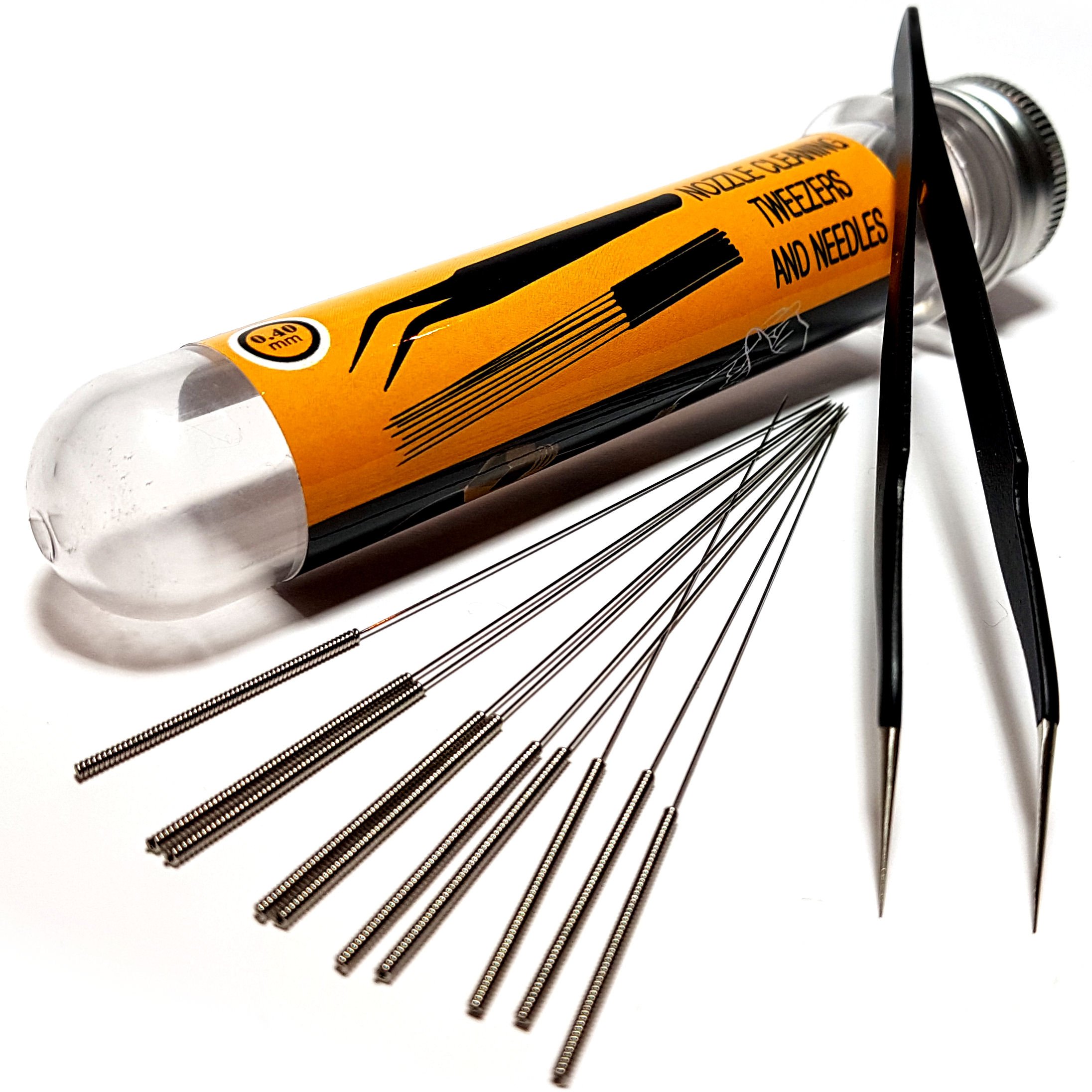
At a minimum, you need extra filament, a silicone mat, and a stand. A cleaning kit is also highly recommended. These items are inexpensive and greatly improve your experience.
Decide your budget, who will use it (kids vs adults), and what you want to make. Look for a pen with positive reviews, a reputable brand, and a starter kit. Avoid no-name pens with few reviews.
No, 3D pens are generally easy to learn. You'll create basic shapes within minutes. The challenge comes with more complex 3D objects, but practice makes perfect. Most beginners enjoy the learning process.
Common mistakes include buying a cheap pen that breaks, using high-temperature filament without experience, not having a stand (burns!), and trying too advanced projects too soon.
Yes, but only those designed for kids, like the 3Doodler Start+, which uses low-temperature (50°C) filament. Always supervise young children. Many pens are suitable for ages 8+.
Beginners should use PLA or PCL filament. PLA is common, biodegradable, and works with most pens. PCL is even safer (lower temperature) but only works with specific pens like the 3Doodler Start.