Choosing your first yoga mat can quickly become overwhelming. With dozens of materials, thicknesses, and prices on the market, you might find yourself staring at a wall of options, unsure what actually matters for your practice. A great mat supports your joints, keeps you stable in poses, and lasts for years—while a poor one can cause slipping, discomfort, and frustration, especially for beginners.
In this guide, we'll break down every important factor you need to consider, including practice style, material, thickness, texture, size, portability, and budget. You'll learn how to match a mat to your body, your yoga style, and your lifestyle. By the end, you'll feel confident about selecting a mat that fits your needs and helps you build a consistent, enjoyable practice.
We've done the research for you—gathering specifications, verified customer feedback, expert sources, and price data—so you can make an informed decision without the guesswork.
▸What You'll Need
- •A realistic assessment of your yoga practice style (hot, slow, flow, etc.)
- •Knowledge of any joint sensitivities or injuries
- •A budget range you're comfortable with
- •A tape measure (if you want to size up your home practice space)
- •Openness to reading catalog and user reviews
Estimated Time: 15-20 minutes to read and apply
Difficulty: beginner
▸Step-by-Step Instructions
Step 1: Assess Your Yoga Practice Style
Before you look at mats, think about the type of yoga you'll mostly do. Are you into gentle Hatha classes that involve holding poses for long periods? Or are you drawn to fast-paced Vinyasa flows where you'll be moving quickly from Downward Dog to plank? Your practice style directly impacts the mat that will serve you best.
Low-impact, slower styles like Yin or Hatha call for a thicker, more cushioned mat to protect your joints during long holds. Dynamic styles like Ashtanga or Vinyasa need a mat with excellent traction so your hands and feet don't slip when you're moving and perspiring. If you plan to do hot yoga, you'll need a mat that performs well when wet.
Being honest about how you'll practice is the first step to narrowing your options. If you're unsure, a versatile all-purpose mat that balances cushioning and grip is a smart starting point.
💡 Tips:
- •Try a few different classes before buying, so you know what you enjoy
- •If you plan to do multiple styles, look for a mat that works for both
⚠️ Warnings:
- •Don't buy an ultra-thin mat if you have sensitive knees or elbows
Step 2: Choose the Right Material
Yoga mats are typically made of PVC, TPE, natural rubber, cork, or jute. PVC is the most common and provides good cushion and grip, but it's not the most eco-friendly option. TPE mats are lighter and more biodegradable, but they may be less durable. Natural rubber offers excellent traction, especially when sweaty, but it has a strong odor and can cause allergies in some people. Cork mats are naturally antimicrobial and grippy when wet, but they can wear down over time. Jute offers a textured, eco-friendly surface but less cushioning.
Your material choice affects grip, durability, ease of cleaning, and environmental impact. For beginners, TPE or PVC mats are often the most forgiving and affordable. If sustainability is a priority, look for natural rubber, cork, or TPE.
Remember that some materials require a break-in period. Natural rubber mats can feel sticky at first but improve with use, while cork mats actually become grippier as they absorb oils from your skin.
💡 Tips:
- •If you have latex allergies, avoid natural rubber mats
- •Consider a mat with a textured surface for extra grip
⚠️ Warnings:
- •Some mats have a strong 'new' smell that can linger for weeks—choose a mat with good ventilation
Step 3: Pick the Ideal Thickness
Yoga mats come in thicknesses from 1/16 inch (1.5mm) to 1/4 inch (6mm) and even thicker. The right thickness largely depends on the style of yoga and your comfort level. A thinner mat (1.5-3mm) offers better balance and stability for standing poses, but provides less cushioning for your knees and spine. A thicker mat (5-6mm) feels more like a padded cushion, making it ideal for sensitive joints or styles with lots of floor work.
For beginners, a 4-5mm mat is a safe middle ground. It offers enough support for most poses without feeling too unstable. If you have knee issues, a 6mm mat can feel luxurious, but be aware that very thick mats can make balance poses more challenging.
Ultra-thin travel mats (1.5-2mm) are great for portability but not for daily practice. Think about where you'll practice: if you're on hard floors, thicker is better; if you're on carpet, you can go thinner.
💡 Tips:
- •If between sizes, choose the thicker option for comfort as a beginner
- •Consider a knee pad or towel for extra support on your knees
⚠️ Warnings:
- •Avoid mats thicker than 6mm for standing balance poses—they can feel unstable
Step 4: Evaluate Texture and Grip
Grip is arguably the most important factor for a yoga mat. It prevents your hands from sliding in Downward Dog and your feet from slipping in Warrior poses. Mats are either textured or smooth. A textured surface, like a raised pattern or a brushed finish, provides extra traction, especially good for hot yoga. Smooth mats can still be grippy when dry, but they often become slippery with sweat.
Test the mat's grip by pressing your hands on it and sliding them. A good mat should feel slightly sticky, not slippery. Some mats come with a 'sticky' texture that activates with the heat of your body—it sounds gimmicky but it's a real feature.
Keep in mind that grip can change over time. Natural rubber mats lose grip as they wear, while TPE mats may degrade and become slippery after a few years. Read customer reviews to see how the mat grips over time.
💡 Tips:
- •For hot yoga, look for mats specifically marketed as 'hot yoga mats' with extra sweat-grip
- •A yoga towel can be placed over your mat if it gets too slippery
⚠️ Warnings:
- •If a mat is too grippy, it can catch your toes—find a balance that feels comfortable
Step 5: Consider Size and Portability
Standard yoga mats are about 68 inches long and 24 inches wide. If you're taller than 6 feet, you may want a longer mat (72-74 inches) to keep your head and feet on the mat during Shavasana. Similarly, wider mats (25-30 inches) provide extra room for broader shoulders or large stances.
Portability is another major factor. If you plan to take your mat to classes, you'll want one that's lightweight and comes with a strap or carry bag. A heavy, thick mat can feel like a burden to tote around. Consider how you'll transport it: if you're walking or cycling, a lighter mat with a strap is essential.
Many mats are designed to be foldable for travel, but folding can create creases that never fully flatten. If you'll be carrying a mat frequently, look for one that rolls neatly and isn't too bulky.
💡 Tips:
- •If you're taller, seek out mats with 'long' or 'XL' in the name
- •Try rolling your mat and placing it in a bag to test the weight before buying
⚠️ Warnings:
- •Avoid folding a mat that's designed to roll—it may crack or deform over time
Step 6: Set a Budget That Matches Quality
Yoga mats range from under $20 to over $150. The price usually reflects material quality, durability, and brand reputation. A cheap mat might be fine for occasional use, but if you practice regularly, investing in a mid-to-high-end mat will likely save you money in the long run because it won't wear out as quickly.
As a beginner, you don't need to spend a fortune. A good-quality mat in the $30-$60 range is often enough to get you started. If you're committed to practicing several times a week, spending $80-$100 on a durable mat is worth it. Premium mats at $120+ offer features like alignment lines, premium materials, and lifetime warranties.
Set a budget before shopping, and don't be afraid to buy a lower-priced mat at first. You can always upgrade later once you've figured out what you really need.
💡 Tips:
- •Check for sales or bundle deals that include a carrying strap
- •Spend more on a mat if you practice more—think cost per use
⚠️ Warnings:
- •Beware of super-cheap mats that may contain harmful chemicals or have strong odors
Step 7: Read Reviews and Verify Quality
Once you've narrowed down your options based on material, thickness, grip, and size, dive into customer reviews. Look for patterns rather than one-off complaints. What do long-term users say about durability, shedding, or smell? Are there consistent complaints about slipping or wearing out quickly?
Also check expert reviews from yoga studios or fitness publications. They often test mats under real practice conditions and can highlight strengths that aren't obvious from marketing. Pay attention to verified purchasers and see if they have the same body type or practice style as you.
Finally, verify the company's warranty and return policy. If a mat fails within a few months, you want to know you can get a replacement. A lifetime warranty is a great signal that the brand believes in its product.
💡 Tips:
- •Filter reviews by 'verified purchase' for more trustworthy feedback
- •Look for reviews from people who do the same type of yoga you do
⚠️ Warnings:
- •Ignore fake-looking reviews that are overly promotional with no specifics
Step 8: Try Before You Buy (If Possible)
Nothing beats hands-on experience. If you have a local yoga studio or fitness store, ask if you can try a floor sample. Some studios offer loaner mats that you can use during a class. This is a great way to test grip and thickness in a real practice environment.
If you're shopping online, buy from a retailer with a generous return policy. Unroll the mat at home, lie on it, do a few poses, and feel how it performs. If it doesn't work, return it. Be mindful of the return window—usually 30 days.
Once you've found a mat that feels good, stick with it. A familiar mat can become a touchstone for your practice, giving you a consistent surface that helps you focus inward.
💡 Tips:
- •Bring a small towel to your trial class to simulate sweaty conditions if you plan to do hot yoga
- •Take note of how the mat smells—strong odors can be off-putting
⚠️ Warnings:
- •Don't be afraid to return a mat that doesn't feel right—practice quality over brand loyalty
▸Pro Tips
- •Think about cost per use: a $100 mat used 3x/week for 3 years costs about $0.50 per session.
- •If you practice multiple styles, a 5mm mat is the most versatile thickness.
- •Natural rubber mats work great for hot yoga, but they can have a strong smell that fades after a few days of airing out.
- •Cork mats are naturally antimicrobial and get grippier when wet—ideal for hot yoga.
- •If you have a joint replacement or chronic pain, consult your healthcare provider about mat thickness.
- •Keep your mat clean to maintain its grip—dirt and oils reduce traction.
- •Store your mat rolled loosely to avoid permanent creases.
- •Don't ignore the material of your mat in relation to the floor surface: a thicker mat is better on hard tile or wood.
▸Common Mistakes to Avoid
- •Buying a mat that's too slippery for your practice—check grip ratings or user reviews about sweating.
- •Choosing an ultra-thick mat for balance-heavy styles, leading to instability.
- •Ignoring the size and getting a mat that's too short or narrow for your body.
- •Purchasing the cheapest option without considering durability—often ends up quickly wearing out and needing replacement.
- •Not checking the return policy when buying online, leaving you stuck with a mat you dislike.
▸Troubleshooting
Problem: My mat is too slippery when I sweat
Solution: Wipe it with a damp cloth before practice; use a yoga towel on top; or switch to a natural rubber or polyurethane mat designed for hot yoga.
Problem: My mat has a strong chemical smell
Solution: Air it out for a few days in a well-ventilated area. If the smell persists, return it—especially if it's PVC or TPE.
Problem: My mat slides on the floor during practice
Solution: Place a non-slip mat underneath or use a mat with a rougher bottom. Also ensure the floor is clean and dry.
Problem: My mat is developing permanent creases or not lying flat
Solution: Roll it tightly and secure with a strap, then place a heavy object on it for a few hours. Avoid folding it if possible.
Problem: My mat is too thin and my knees hurt
Solution: Use an extra yoga mat on top or a kneeling pad. Consider upgrading to a thicker mat (5-6mm) for your next purchase.
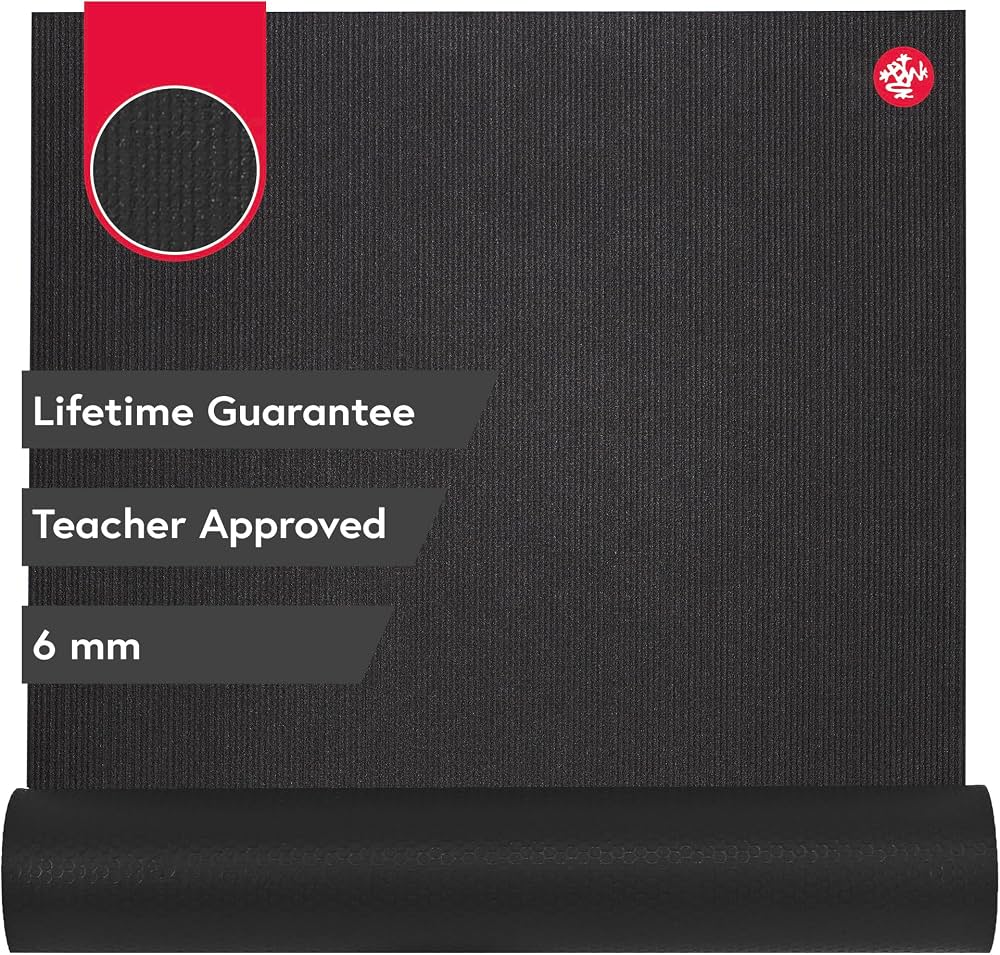
Manduka PRO Yoga Mat
A durable PVC mat with excellent cushioning and grip. It's a favorite among studio practitioners and comes with a lifetime warranty.
Best for: Best for daily practice on hard floors, requiring long-term durability and comfort.
Price Range: $100-$150
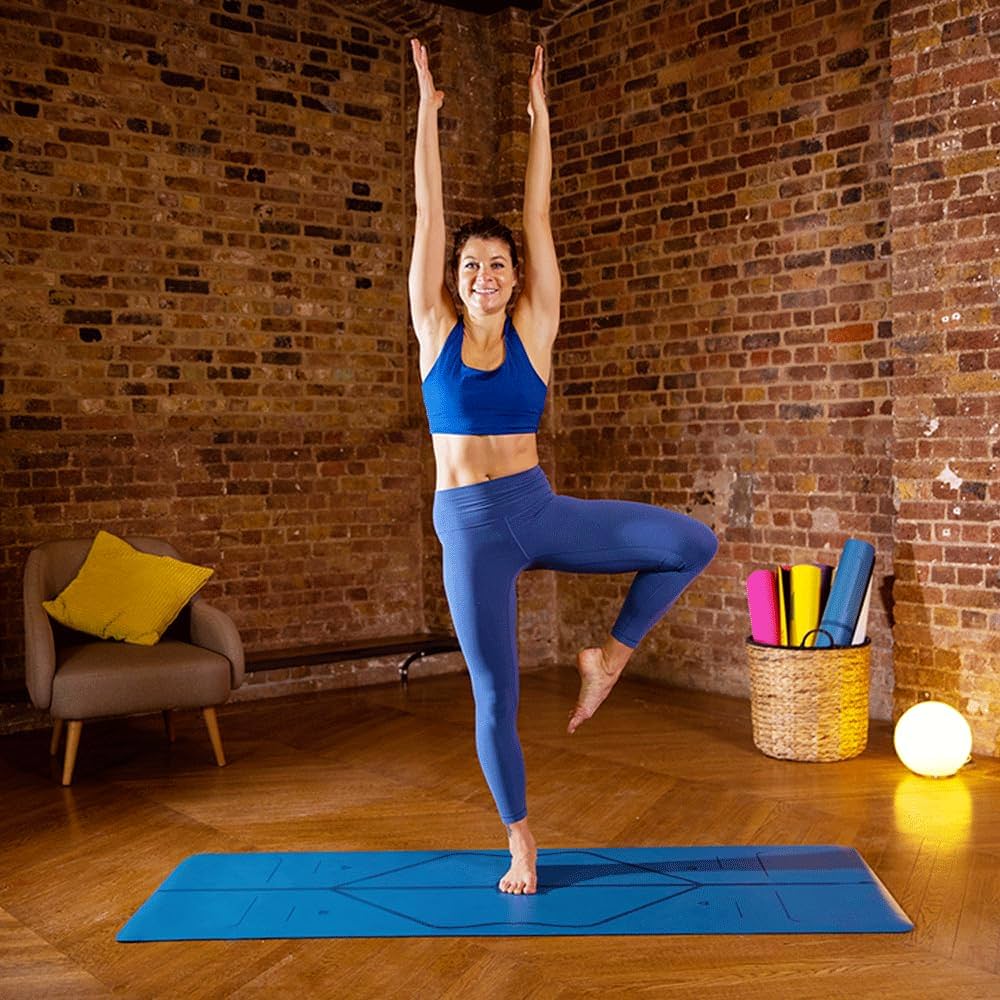
Liforme Yoga Mat
Known for its alignment guide lines and grippy polyurethane surface, it helps beginners learn pose alignment and prevents slipping.
Best for: Ideal for vinyasa and hot yoga, where alignment and moisture grip are crucial.
Price Range: $120-$150
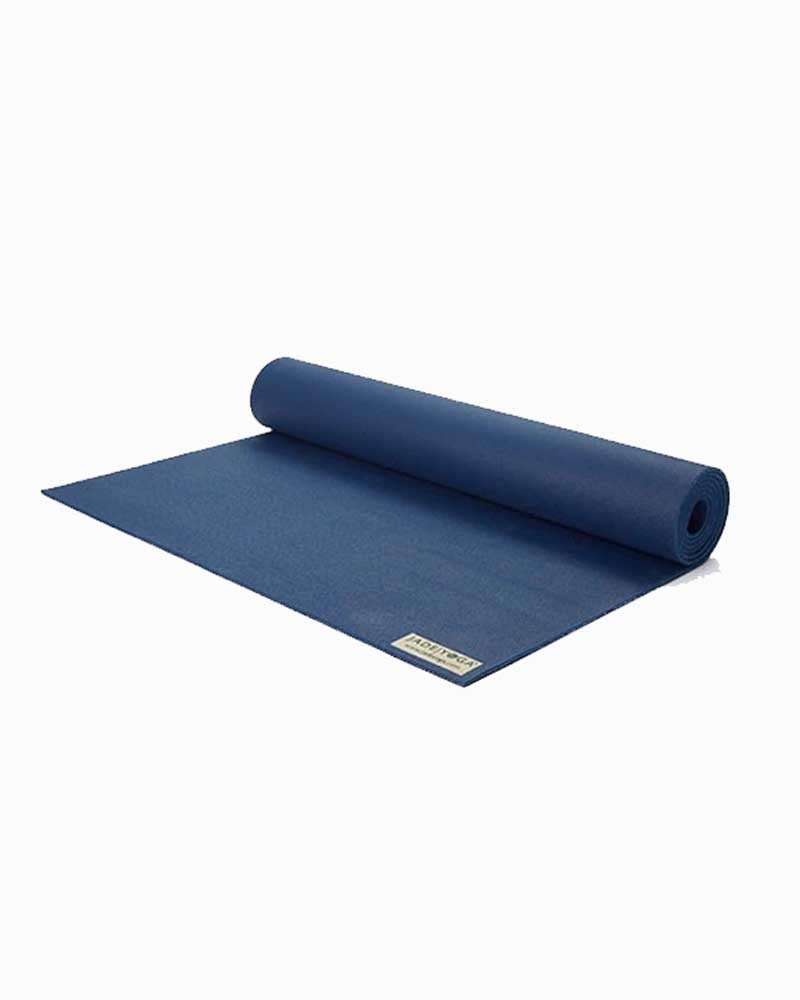
Jade Yoga Harmony Mat
An eco-friendly natural rubber mat with excellent grip and a cushioned feel. Supports better sweat-wicking and is naturally derived.
Best for: Great for hot yoga and natural rubber lovers, especially those who want a sustainable option.
Price Range: $80-$100
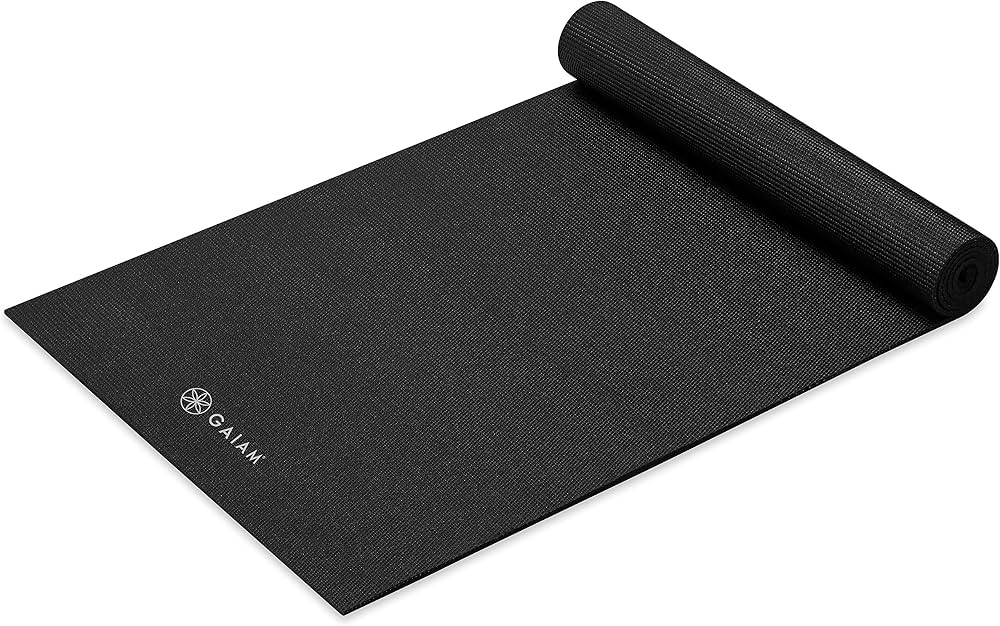
Gaiam Premium Yoga Mat
An affordable, reliable option for beginners with decent grip and cushion. It offers good value for those just starting out.
Best for: Best for occasional or home practice, where budget is a primary concern.
Price Range: $20-$40