Review Atlas
Review AtlasYour guide to a better purchase

Menu

Shop by Category

Get the App

Better experience on mobile

Beginners GuideGrooming

Is Best Safety Razor for beginners Worth It? Honest Review (2026)

Everything beginners need to know to choose their first Safety Razor with confidence.

Switching to a safety razor is one of the smartest grooming moves you can make — it saves money, eliminates razor burn, and gives you a closer shave. But if you're a beginner, standing in front of all those options can feel intimidating. What's a butterfly head? Why do people obsess over blade brands? You don't need to know any of that yet.

This guide was created to help complete beginners like you find their very first safety razor with zero confusion. I've researched what experienced wet shavers recommend, looked at the best-shaving options on Amazon, and cut through the jargon to give you a simple, honest, and practical path.

By the end, you'll know exactly which safety razor fits your needs and your budget, what accessories are worth buying from day one, and the most important steps to enjoy comfortable, nick-free shaves from the very first time.

📋 In This Guide

  • • Why Beginners Struggle with Safety Razor
  • • What to Look For (Key Features)
  • • Top 5 Beginner-Friendly Safety Razor
  • • Essential Accessories for Beginners
  • • Common Beginner Mistakes to Avoid
  • • Your Progression Path
  • • FAQ & Learning Resources

😰 Why Beginners Struggle with Safety Razor

The safety razor world is full of confusing terminology — 'mild vs aggressive,' 'blade gap,' 'base plate,' 'butterfly head,' 'sample pack.' Beginners can be overwhelmed by the enormous number of choices and afraid of buying the wrong thing. The only real way to learn is to start, but it helps to have the language and knowledge before you pull the trigger.

Then there's the fear factor. Putting a piece of sharp metal against your face is a big leap for someone used to a cartridge razor. But there's a huge misconception here: safety razors are actually safer than cartridge razors when used properly. The dangerous part is not understanding how they work — specifically that you have to let the razor's weight do the work and never press down. Once people learn this, the anxiety disappears.

Finally, beginners often don't know what features actually matter for them. Do you need an adjustable razor? Not initially. Should you spend $100 on your first? No. Without guidance, it's surprising how easy it is to buy the wrong thing and get frustrated, giving up before you experience the benefits that have made safety razors beloved by millions.

🔍 What to Look For: Key Beginner-Friendly Features

When you're a beginner, what matters most is forgiveness. You want a razor that will be gentle on your skin while you get the hang of the right shaving angle. The #1 thing to look for is a 'mild' razor — one with a smaller blade gap and a shallower blade angle. It's like learning to drive in a compact car instead of a sports car: it might not be the fastest, but it won't bite you when you make a mistake.

Look for a razor that's simple to load. Three-piece designs (a top cap, base plate, and threaded handle) are dead simple and easy to clean. Twist-to-open 'butterfly' designs are also beginner-friendly because you don't have to handle the blade as much. Both are fine; just avoid adjustable razors at first to spare yourself decision fatigue.

What you don't need yet: aggressive heads, slant razors, or ultra-expensive stainless steel bodies. You do need a razor that supports standard double-edge blades, since you'll want to experiment with different blade brands. Don't chase 'advanced features' on day one — the simpler, the better.

✅ Essential Features for Beginners

  • Mild Shave Angle - A razor head that naturally keeps the blade at a gentle, forgiving angle
  • Twist-to-Open or Simple Three-Piece Design - Easy to load and change blades
  • Textured / Knurled Handle - Provides a secure grip even with wet, soapy hands
  • Moderate Weight - Heavy enough to feel solid but light enough to stay in control
  • Standard Double-Edge Blade Compatibility - So you can buy any blade, from all drugstores to Amazon
  • Shorter Handle - Offers more precision and control for someone learning
  • Fixed Head (No Adjustments) - Removing the guesswork of dial settings while learning
  • Quality Milling / Coating - A corrosion-resistant finish that will last for years

🏆 Top 5 Best Safety Razor for Beginners

#1
⭐ Top Pick👍 Recommended

Merkur 34C HD Double Edge Safety Razor

Learning Curve: Easy

$54.95
Difficulty: 2/5
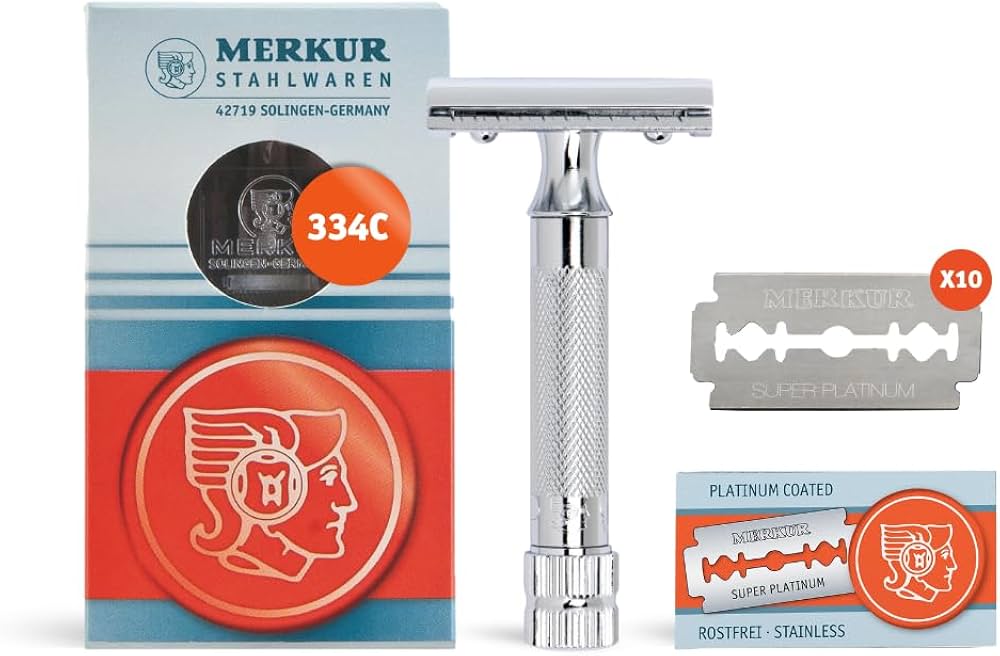
Merkur 34C HD Double Edge Safety Razor

Why Great for Beginners:

The Merkur 34C is widely regarded as one of the most forgiving safety razors on the market. Its angled head naturally guides the blade to the optimal angle, and its hefty weight lets gravity do the work — perfect for nervous beginners.

Beginner Pros

  • +Mild and forgiving
  • +Solid build quality
  • +Classic two-piece design easy to load
  • +Balanced weight
  • +Decades of community tutorials available

Beginner Cons

  • -May be too mild for some after a few months of experience
  • -Can be slightly expensive for a beginner budget
👍 Best for: Anyone who wants the most trusted, proven beginner-friendly razor — the most common 'first razor' recommendation on shaving forums.
👎 Not for: Someone looking for ultra-aggressive, extra-close shaves on a thick beard.

#2
👍 Recommended

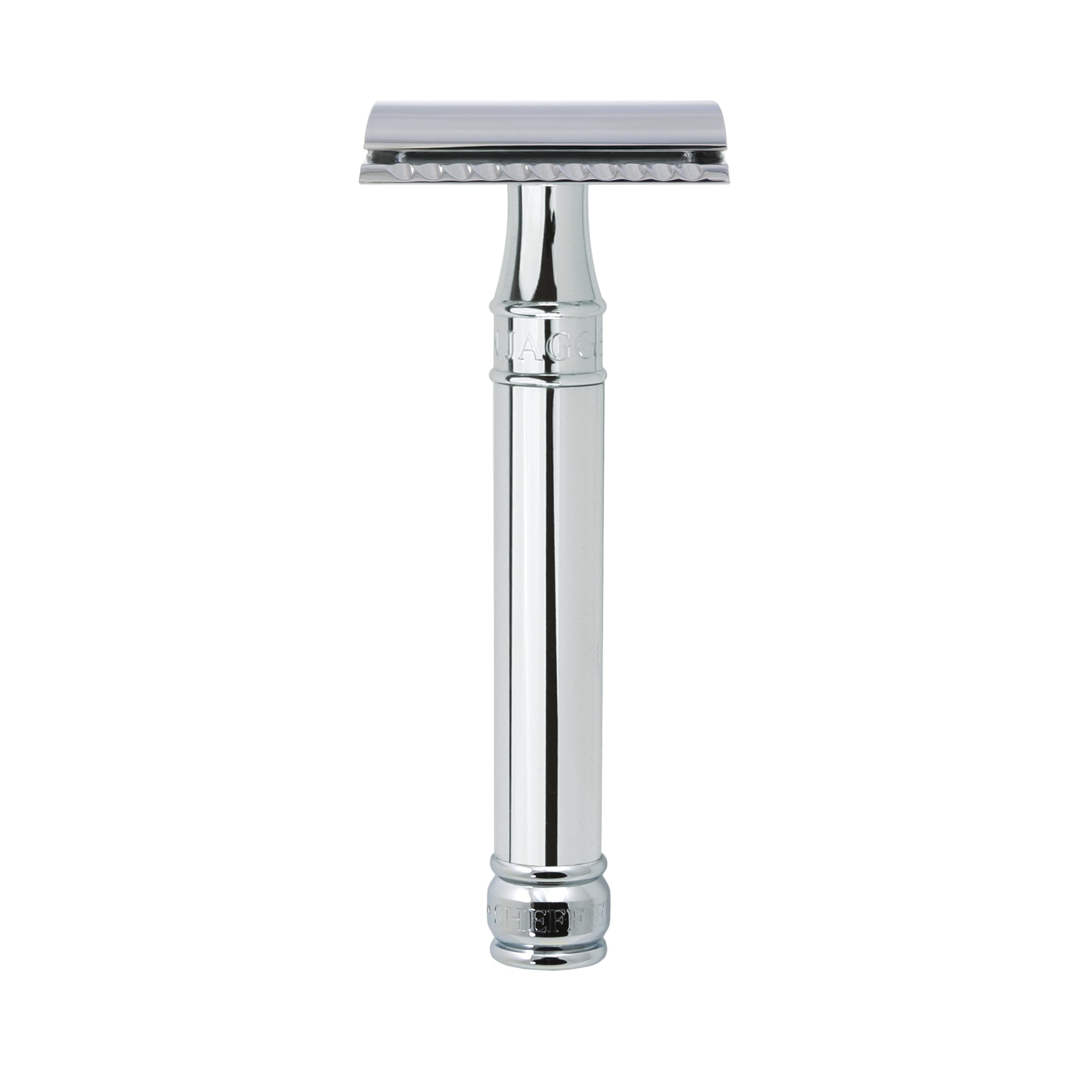
Edwin Jagger DE89 Double Edge Safety Razor (Chrome)

Learning Curve: Easy

$42.99
Difficulty: 2/5
Edwin Jagger DE89 Double Edge Safety Razor (Chrome)

Why Great for Beginners:

The DE89 from Edwin Jagger uses a similar mild, angled head design as the Merkur 34C, but at a slightly lower price. It comes in many finishes while remaining simple and user-friendly. It gives beginners a smooth, forgiving shave with no drama.

Beginner Pros

  • +Mild and smooth
  • +Lower price point
  • +Wide selection of colors and finishes
  • +Easy three-piece design
  • +Great for sensitive skin

Beginner Cons

  • -Can be too mild for tougher beards later on
  • -Aluminum and zinc-alloy head makes it feel a bit less premium than steel
👍 Best for: Beginners who want a proven performer without spending the extra $15 for the Merkur name.
👎 Not for: Those with very hard, coarse beards who need an aggressive shave.
#3
✨ Premium

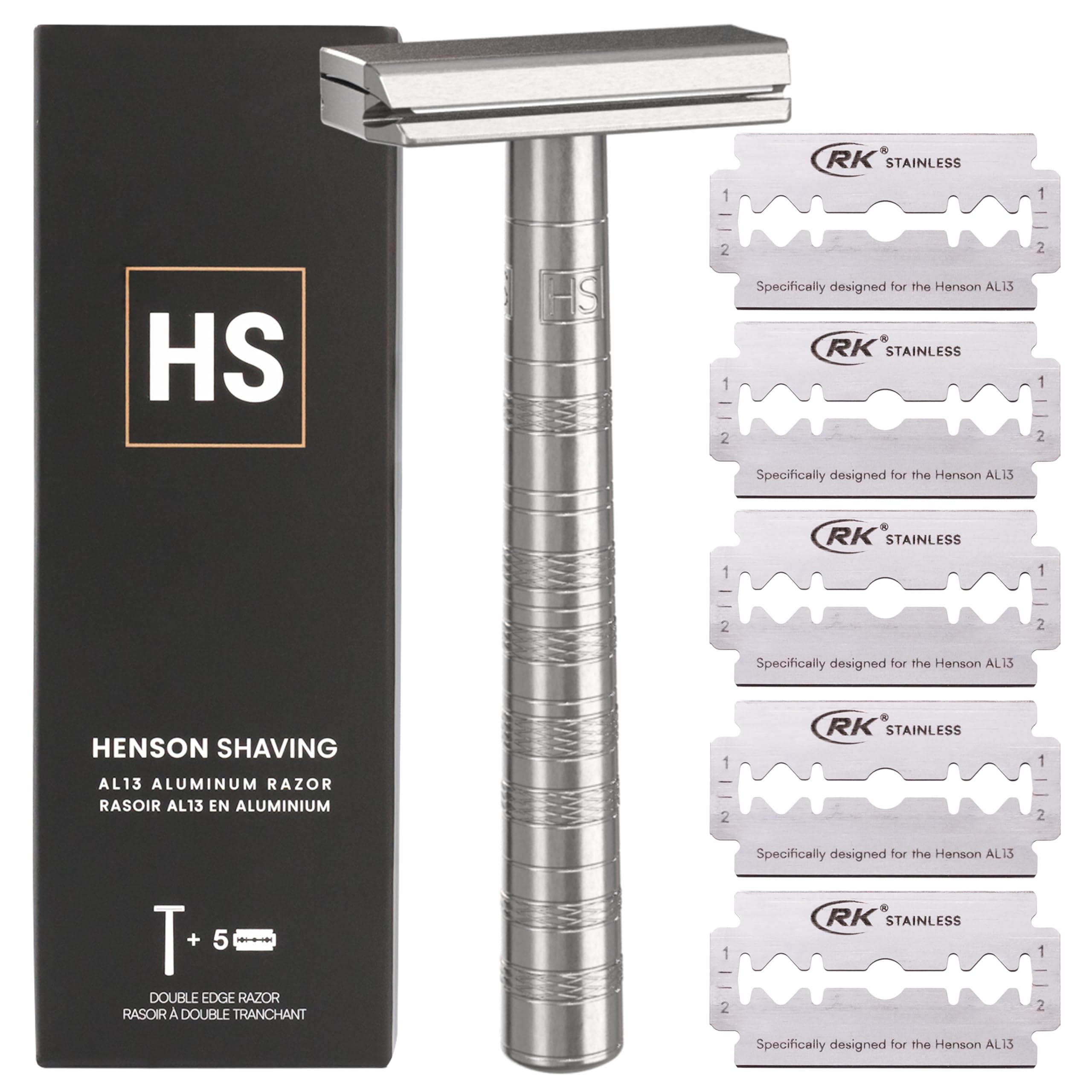
Henson AL13 Medium Precision Safety Razor

Learning Curve: Easy

$79.99
Difficulty: 1/5
Henson AL13 Medium Precision Safety Razor

Why Great for Beginners:

Henson's AL13 is a modern wonder — precision-machined from aircraft aluminum, it has a baked-in angle that's nearly foolproof. If you hold the handle just under the 'perfect,' it delivers a cutting edge at exactly the right angle, making it almost impossible to nick yourself while learning.

Beginner Pros

  • +Virtually foolproof angle
  • +Corrosion-proof aluminum
  • +Light yet solid
  • +Premium fits and finishes
  • +Backed by a big wet-shaving following

Beginner Cons

  • -Pricey for a first razor
  • -Aluminum means very light — some want heft
  • -Medium variant may feel a little aggressive to total newbies
👍 Best for: Beginners who want the easiest learning curve possible and are willing to pay more for a premium, future-proof first razor.
👎 Not for: Strictly limited budget; someone who prefers the heft and traditional feel of a stainless steel razor.
#4
💰 Budget

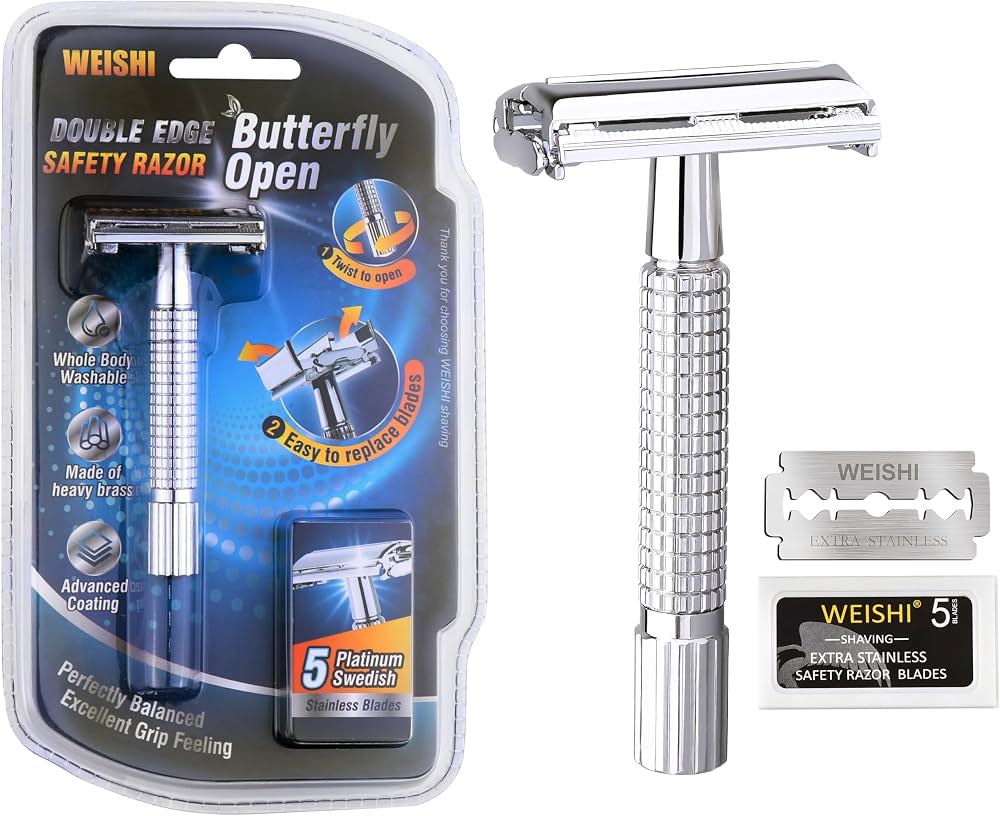
WEISHI 9306 Classic Double Edge Safety Razor

Learning Curve: Easy

$24.99
Difficulty: 2/5
WEISHI 9306 Classic Double Edge Safety Razor

Why Great for Beginners:

The Weishi 9306 is a classic heavy-duty twist-to-open design that mirrors the famous vintage Gillette Superspeed. It's very mild and cheap, making it a brilliant 'starter-safe' way to see if wet shaving is for you — without a big investment.

Beginner Pros

  • +Very affordable
  • +Mild and forgiving
  • +Twist-to-open makes blade loading easy
  • +Classic Gillette-style design
  • +Light

Beginner Cons

  • -Simple build quality may not last as long
  • -Head can feel 'clunky'
  • -Mildness might be limiting as you progress
  • -No brand prestige
👍 Best for: Someone on a strict budget who wants to try a safety razor with minimal upfront risk.
👎 Not for: People with heavy beards who need more efficiency and a durable tool for daily use.
#5
Alternative

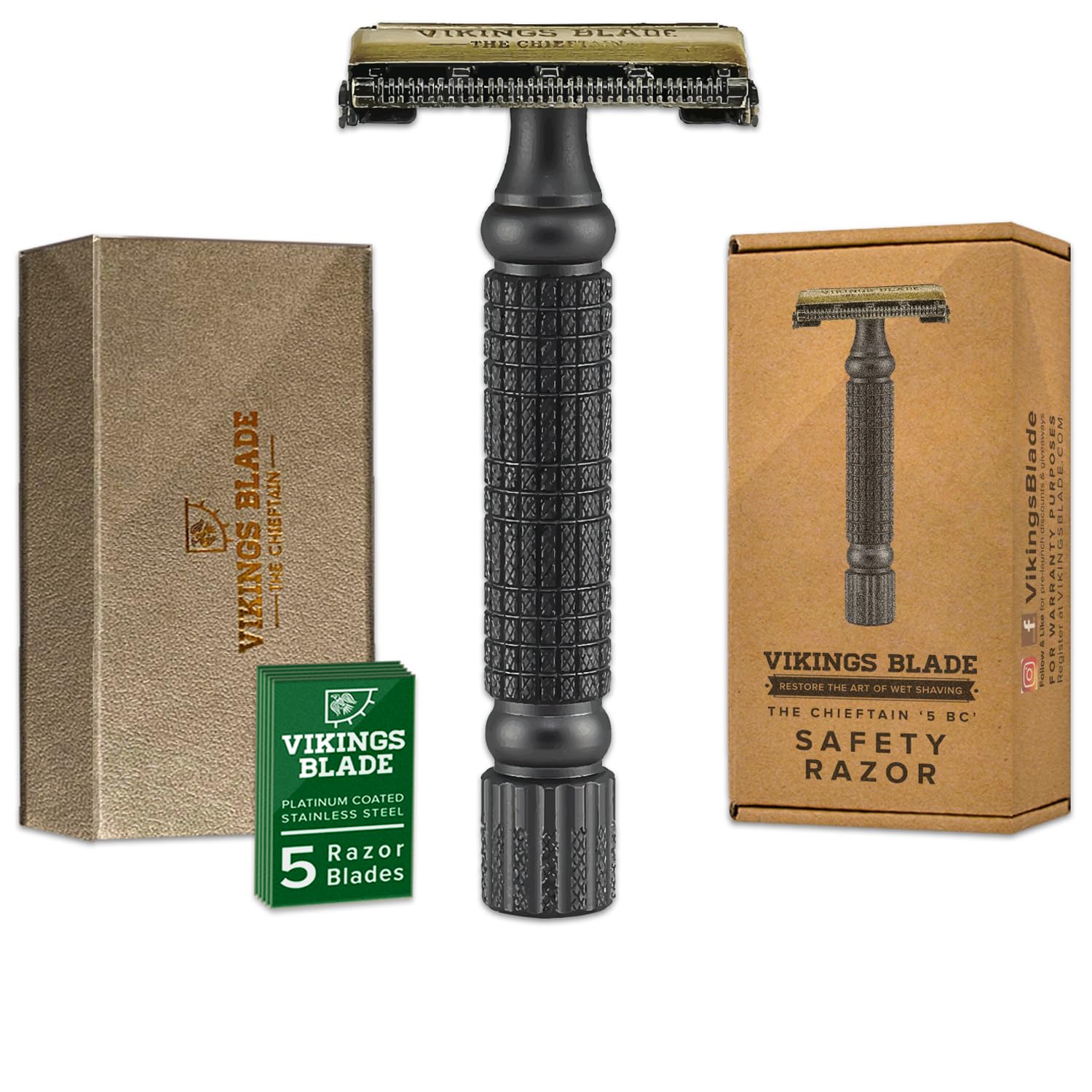
Vikings Blade The Chieftain Safety Razor

Learning Curve: Easy

$39.99
Difficulty: 2/5
Vikings Blade The Chieftain Safety Razor

Why Great for Beginners:

The Chieftain is a butterfly-head razor marketed specifically toward newcomers in the wet shaving community. It's made of brass and chrome-plated, it has a nice weight, and the head is on the mild side, making it a stress-free entry into safety razor shaving.

Beginner Pros

  • +Opening pattern has deeper channels that keep lather flowing
  • +Attractive resale value
  • +Mild head
  • +Good weight
  • +Semi-generous blade exposure to help with learning angle

Beginner Cons

  • -For some, the 21-mm handle might feel short
  • -Butterfly-head model can be a bit more challenging to fully rinse out
👍 Best for: Beginners who like the look and convenience of a butterfly head and want a budget-friendly way to own a modern 'classic'.
👎 Not for: Strict minimalists who want the absolute simplest three-piece head.

📖 Complete Beginner's Guide to Safety Razor

A safety razor is a beautifully simple tool. It holds a single double-edge blade (the same shape used for over a century) firmly in a head that exposes only a tiny sliver of metal. The razor is engineered so that, when held at the correct angle (around 30 degrees), the blade smooths away stubble without digging into the skin. It's a far cry from modern cartridge razors—and that's precisely what makes it better: less pulling, fewer ingrown hairs, and almost no razor burn when done right.

There are three fundamental types. The classic three-piece design consists of a handle with a threaded top, a base plate, and a cap that screws on. It's the most common, cheapest to produce, and easiest to clean—simply unscrew and rinse. Twist-to-open or butterfly razors have a head that opens like jaws when you twist the bottom of the handle; this is extremely convenient for loading blades and looks cool—though some models trap lather inside, so they need thorough rinsing. The third type is adjustable, featuring a dial or lever to change the blade gap. This type is not recommended for the first razor because it gives you too many variables to contend with.

When it comes to brands and styles, the sweet spot for beginners is a mild razor with a neutral, medium gap, like the Merkur 34C or the Edwin Jagger DE89. It has enough efficiency to cut the hairs without leaving your skin red and angry. You should also expect a short learning curve: the first three or four shaves will be slightly less smooth than your cartridge razor, but within a week or two, you'll notice the difference and never go back. Remember: let the weight of the razor do the work, don't press down, and only do short strokes at 30-degrees.

🔧 Essential Accessories for Beginners

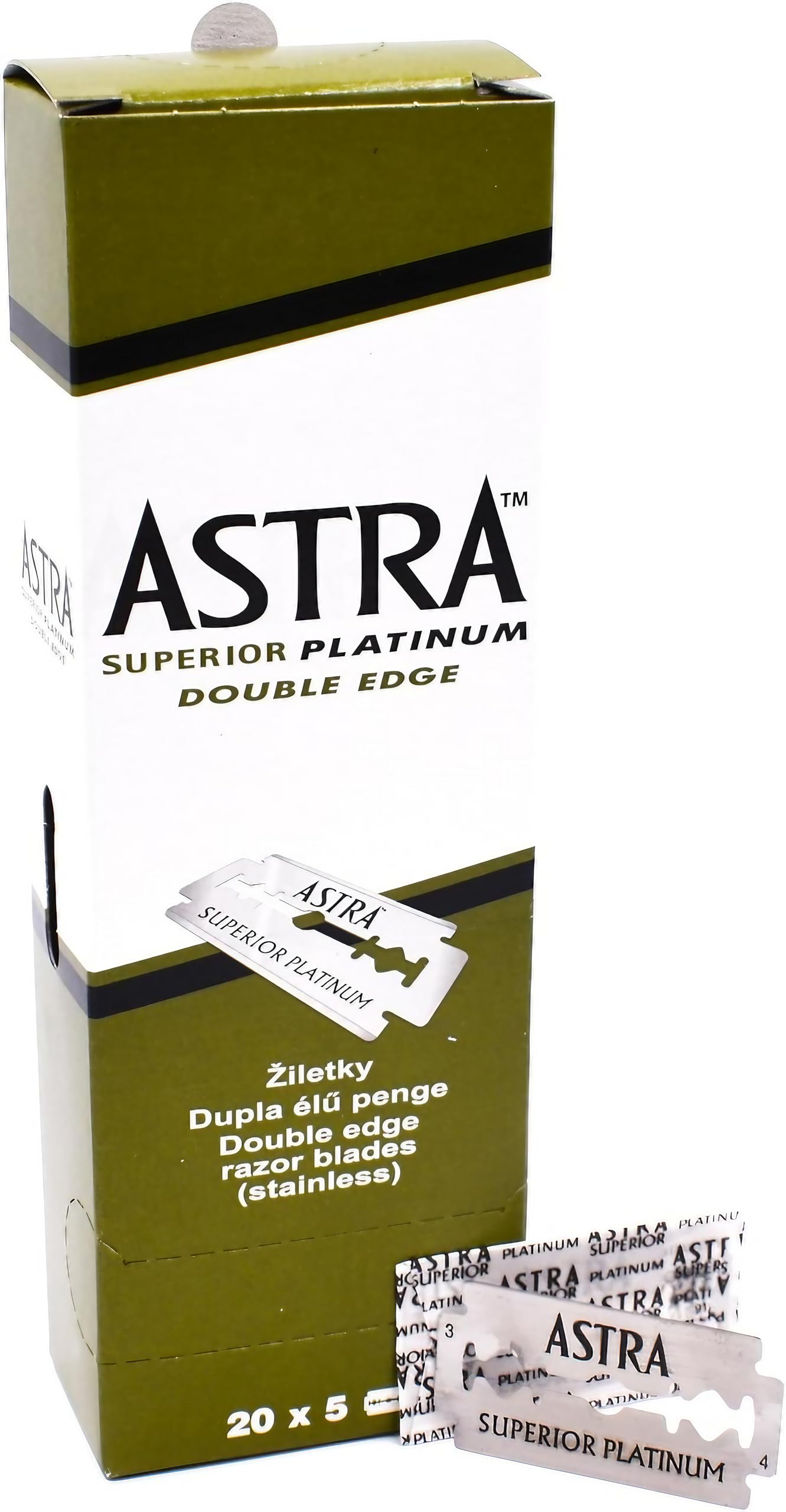
Astra Superior Platinum Double Edge Razor Blades (100 pack)

Astra Superior Platinum Double Edge Razor Blades (100 pack)

⚠️ Essential

$10.99

When to buy:
Day one

Blades are the consumable part of a safety razor and the single biggest factor in how a shave feels. Astra Superior Platinums are widely considered a 'safe' beginner blade — sharp enough for a close shave but smooth enough to forgive early angle mistakes. A 100-pack costs around $10, which is a year or more of blades.

Beginner Benefits:

  • Cheap enough to replace often (every 4-7 shaves)
  • Mild and smooth, ideal for beginners
  • Buying in bulk means you'll never worry about running out
  • Compatibility with all standard safety razors
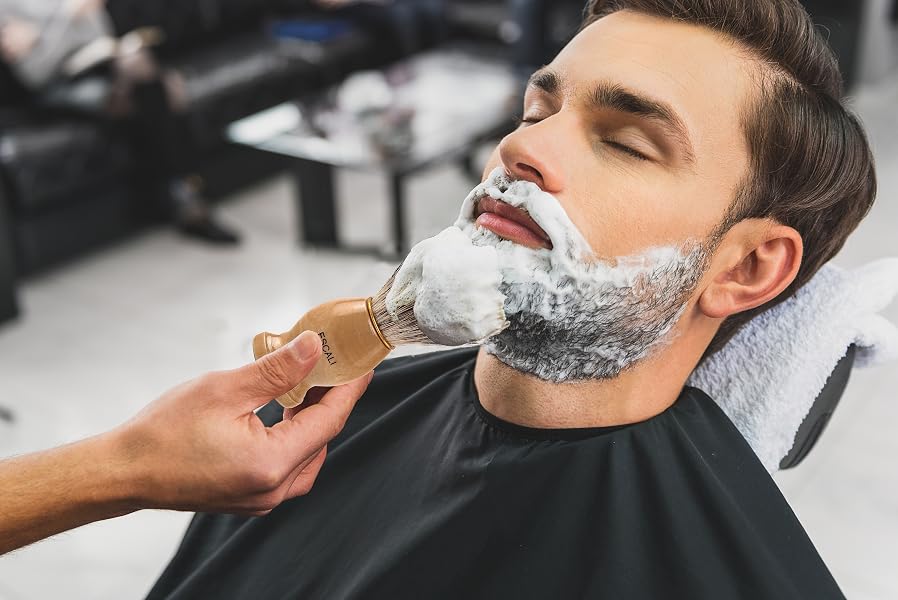
Escali 100% Pure Bristle Shaving Brush - Image 1 of 7

Escali 100% Pure Bristle Shaving Brush

👍 Recommended

$9.99

When to buy:
Day one

You can technically use a safety razor with canned foam, but a brush dramatically improves the shave. This brush lifts the hairs, exfoliates the skin, and whips up a protective lather that cushions the blade. The Escali is a cheap, reliable way to start building good habits.

Beginner Benefits:

  • Builds better lather that protects your skin
  • Exfoliates and lifts hairs for a closer shave
  • Very affordable way to test whether you enjoy traditional wet shaving
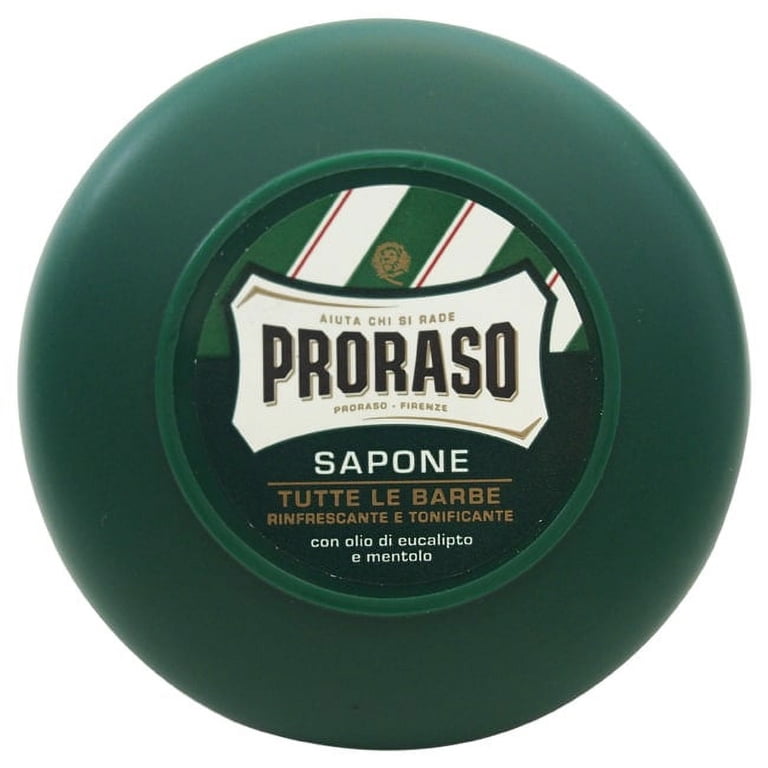
Proraso Shaving Soap (Green, 5.2 oz)

Proraso Shaving Soap (Green, 5.2 oz)

⚠️ Essential

$11.99

When to buy:
Day one

A good shaving soap is the foundation of a smooth, irritation-free shave. Proraso Green is the classic choice for beginners and pros alike — it has a refreshing eucalyptus and menthol scent, produces a thick slick lather, and is extremely forgiving if you're still honing your lather technique.

Beginner Benefits:

  • Slick lather helps prevent razor burn and nicks
  • Menthol cools and calms sensitive skin
  • Easy to lather with a brush
  • Long-lasting (months of daily shaves)
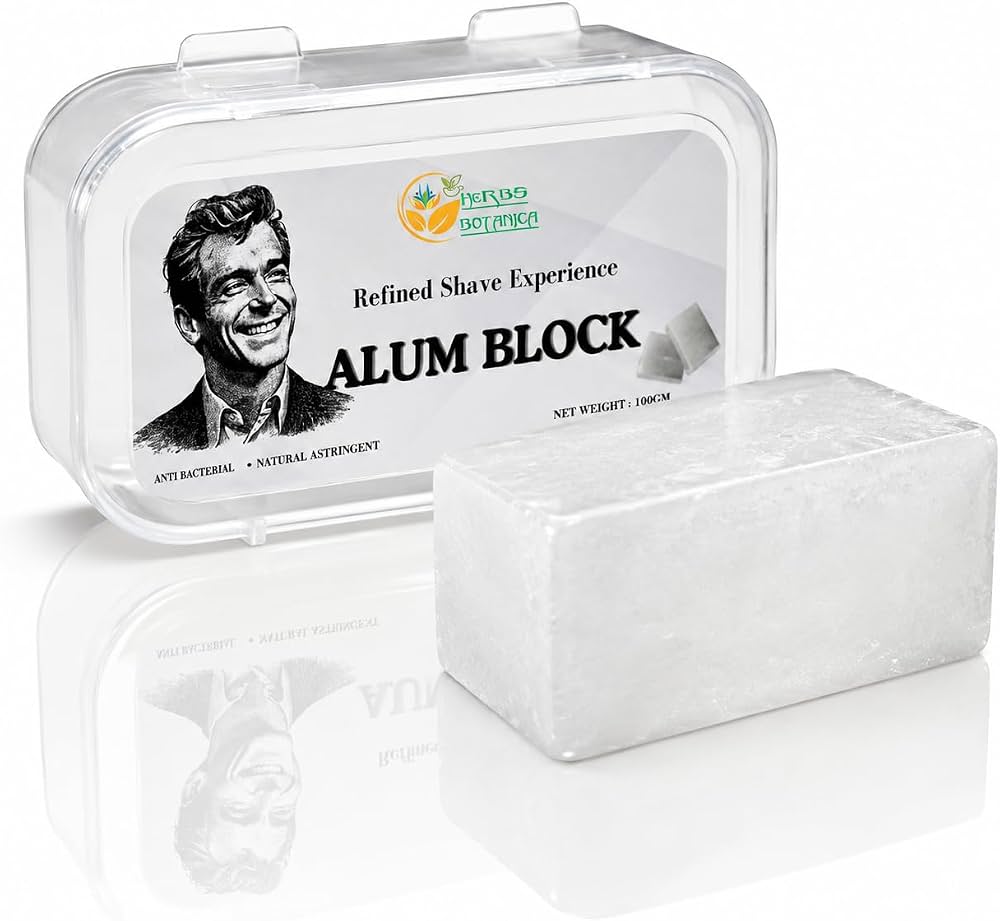
Natural Alum Block for Shaving (Crystal) - Image 1 of 10

Natural Alum Block for Shaving (Crystal)

👍 Recommended

$8.49

When to buy:
First month

An alum block is a mineral stone that stops small nicks, disinfects, and tightens the skin. Beginners love it because it gives immediate feedback on your technique — a slight sting tells you exactly where you pressed too hard. Use it after your shave, then rinse it off.

Beginner Benefits:

  • Stops minor bleeding instantly
  • Acts as a natural antiseptic
  • Teaches you where you're using too much pressure
  • Lasts for years with proper care
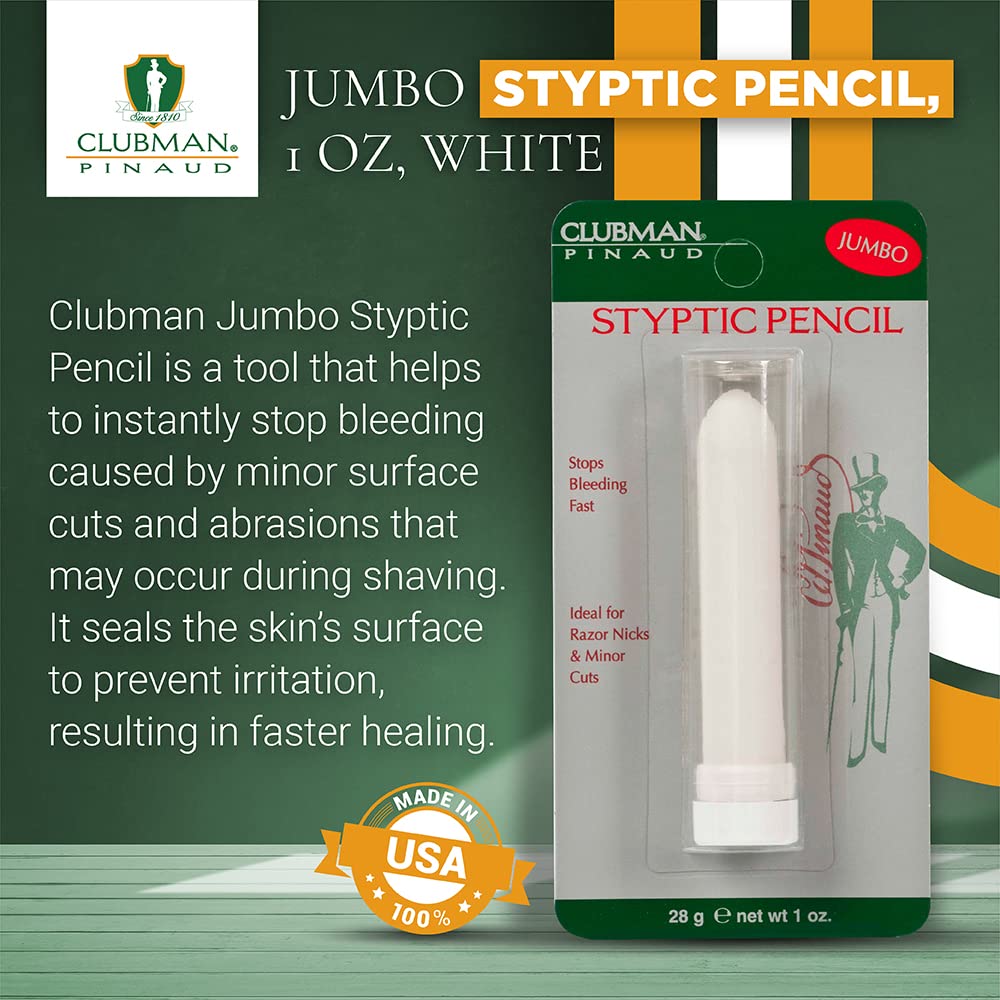
Pinaud Clubman Styptic Pencil

Pinaud Clubman Styptic Pencil

💡 Nice to Have

$5.99

When to buy:
Day one

No matter how careful you are, everyone nicks themselves now and then. A styptic pencil is the fastest way to stop bleeding on small cuts — just wet it and press it against the nick for a few seconds. It's a tiny insurance policy that costs under $7.

Beginner Benefits:

  • Immediate, reliable fix for small nicks
  • Very compact for travel
  • Cheap and long-lasting (one pencil lasts years)
  • Removes the fear of bleeding during the learning phase

🤔 How to Choose Your First Safety Razor

To choose your first safety razor, start by defining your wants and constraints. What's your budget? How does your skin behave (sensitive, oily, normal)? And what are you going to shave—just your face, or also your head? If you have sensitive skin, lean toward a very mild razor, like the Edwin Jagger DE89; if you have a thick beard, you can still use a mild razor, but you'll need good technique and patience—you might consider a slightly more efficient razor once you have a few weeks under your belt.

Next, factor in the 'extras' you'll need: blades, a brush, and shaving soap. Leaving $15 of your budget for those makes a better experience, so don't blow everything on the razor. A razor in the $30-60 range is a safe bet for 95% of beginners. If you want to save a little money at the beginning, pick the Weishi or another budget option, but know that the premium, expensive models often have better machining, cosmetics, and longevity. Red flags to watch out for: super aggressive preset razors, 'starter kits' bundling a razor with cheap-gel and unknown blades, and razors with weird head alignment issues reported by reviewers.

💰 Budget Guide for Beginners

120+

Luxury entry: for committed enthusiasts. You get beautiful machining, premium metals, and exquisite finishes, but your shave won't necessarily be 'better' than a $40 razor until technique develops.

30 - $60

Sweet spot: classic razors (Merkur 34C, Edwin Jagger DE89) that are reliable, loved by thousands, and will last for decades if you take care of them.

60 - $120

Premium beginner: high-precision, premium-feel razors (Henson AL13, Muhle R89) with better materials and a more premium shaving experience; ideal if you want to skip the upgrade path.

Under $ - $30

Entry level: cheap razors (Weishi, King C. Gillette) that are mild and forgiving but have simpler metal or finish. Good for testing the waters.

⚠️ Common Beginner Mistakes to Avoid

The most common mistake that beginners make with safety razors is applying too much pressure. Cartridge razors have a spring that lets you press the blades against your face, so most people unconsciously keep that pressure while switching. This leads to nicks and razor burn. It's important to unlearn this habit: a safety razor's job is to glide over the skin at a gentle angle, and the weight of the razor itself provides sufficient force for a close shave.

The second biggest mistake is buying the wrong razor right off the bat, by either going too cheap or too aggressive. A $10 super-cheap razor can have unbalanced heads and poor alignment, causing inconsistent blade exposure—which leads to random cuts and irritation. Meanwhile, buying an 'aggressive' razor marketed as providing a closer shave is also dangerous for a newbie. The right approach: buy a mild razor in the $30-$60 range and get a blade sampler set. The third most common mistake is skipping a proper shaving brush and lather: can foam from a can doesn't lubricate nearly enough. Learning to build good lather is half the battle for a great shave.

  • ×Pressing down too hard — safety razors need no pressure
  • ×Buying an aggressive razor too early
  • ×Sticking with the first blade regardless of whether it suits them
  • ×Skipping proper lather, which leads to razor burn
  • ×Only buying the razor and cheap gel — missing brush, cream, and a blade sampler pack
  • ×Expecting to get a perfect, zero-effort shave first time
  • ×Cranking it way too steeply, using a 90-degree angle rather than ~30 degrees
  • ×Buying the cheapest razor which may have head alignment issues and leads to nicks, turning people off forever

📈 Your Progression Path: Beginner to Intermediate

Your journey as a safety razor beginner starts with mastering the fundamentals: lathering thoroughly with a brush, and holding the razor at a 30-degree angle with zero pressure. In the first two weeks, try different blades from your sampler pack to find one that feels smooth and cuts without irritation. Focus on short strokes and don't try to pick up the speed; consistency is what makes your technique automatic.

Once you can shave without nicks and with minimal irritation—typically after a month or two of regular use—you'll sense that your beginner razor might feel slightly less efficient on certain face spots. That's a good sign: you're ready to experiment. Upgrading could mean trying a sharper blade, a slightly more aggressive base plate, or an adjustable razor to fine-tune the angle. You can also consider a stainless steel or brass razor for a change in weight and balance.

Most beginners stay with their first razor for several months to a year. The key signals that you've outgrown your beginner razor: you find yourself wanting closer shaves than it gives without irritation, you consistently get great results, or you want to branch out into fancier blades and tools. There's no shame in sticking with it longer; many people keep their first razor for life and simply upgrade aspects like blades, brush, and cream. The point is not to rush. Enjoy the process—it's a skill, not a task.

📚 Learning Resources for Beginners

  • 📖[Leisureguy's Guide to Gourmet Shaving: Shaving Made Enjoyable](https://www.amazon.com/s?k=leisureguy+guide+to+gourmet+shaving&linkCode=gg3&tag=ra075-20) — The classic book for beginners, covering everything from equipment to technique.
  • 📖[Double Edge Razor Blade Sampler Pack](https://www.amazon.com/s?k=safety+razor+blade+sampler+pack&linkCode=gg3&tag=ra075-20) — Try 5-10 different blade brands to find your perfect match.
  • 📖[Shaving Brush and Bowl Set](https://www.amazon.com/s?k=shaving+brush+and+bowl+set&linkCode=gg3&tag=ra075-20) — A solid brush and lather bowl upgrade your shaving routine.
  • 📖[Proraso Pre-Shave Cream Collection](https://www.amazon.com/s?k=proraso+pre+shave+cream&linkCode=gg3&tag=ra075-20) — Beginners often love pre-shave oils; this adds extra glide and skin protection.
  • 📖[Safety Razor Starter Kits](https://www.amazon.com/s?k=safety+razor+starter+kit&linkCode=gg3&tag=ra075-20) — Great for seeing all the components you'll need in one place before buying separately.

🎯 Bottom Line: Our Recommendations

For 95% of beginners, the Merkur 34C is the best all-around safety razor—it's mild, forgiving, and legendary in the community. If you're on a budget, the Edwin Jagger DE89 offers a similar high-quality experience for a slightly lower price. And if you want a premium, virtually foolproof razor that will last for decades, the Henson AL13 deserves the extra money.

No matter which safety razor you pick, don't forget the accessories: a blade sampler pack, a shaving brush, and a quality shaving soap. These make the experience ten times better and protect your skin while you learn. Skip them, and you're likely going to end up with a sub-par experience and blame the razor, not the missing tools.

Most importantly, remember that getting comfortable with a safety razor is a process. Give yourself a couple of weeks—don't expect to nail the perfect shave on the first try. Once you get the technique, you'll enjoy smoother shaves, absolute savings on blades, and a small morning ritual that feels satisfying. The best time to start is today.

❓ Frequently Asked Questions

The Merkur 34C is the default recommendation for beginners — it's mild, forgiving, and used by tens of thousands of shavers. If you want a slightly cheaper alternative, the Edwin Jagger DE89 is equally easy. For an almost foolproof modern design, the Henson AL13 is a premium choice.
Between $30 and $60 is the sweet spot. That covers high-quality razors like the Merkur 34C and Edwin Jagger DE89 that will last for decades. A $20-25 razor can work but materials/quality are lower; over $100 you're paying for precision engineering you won't fully appreciate until you develop your technique.
No, but it's different. Unlike cartridge razors, you don't press. You hold it at a ~30-degree angle and let the razor's own weight glide across your face. You'll notice a learning curve in the first few shaves, but after a week or two it becomes second nature.
Most people get comfortable in 5-10 shaves — typically 2-3 weeks if shaving daily. You'll make the 'click' once you find the right angle and understand that no pressure is required.
Yes, they're often excellent for sensitive skin. A single blade gliding over skin without the pulling of cartridge razors reduces razor burn and irritation. It's crucial to use a proper lather (brush and soap) and avoid pressing down.
Yes, strongly recommend. A brush lifts the hairs and builds a better lather, protecting your face. You can use any shaving gel in a can, but a brush and a decent shaving soap will make a much better experience. Both cheap options exist for under $15.
Change every 4-7 shaves, or when you feel the blade tugging. Blades are dirt cheap — around 10-25 cents each — so don't try to stretch them out.
Don't buy a single blade brand yet — get a blade sampler pack. Start with mild blades (Astra, Derby, Voskhod) and work your way to sharper (Bic, Feather) once you're comfortable. Blades are very personal; each brand feels different.
Three-piece means the head separates into a top cap, base plate, and handle. Butterfly (twist-to-open) lets you twist the handle to open the top doors for easy blade changes. Both are great for beginners; three-piece is simpler, butterfly is more convenient, but the latter can be harder to rinse fully.
Use a mild razor, prepare your skin with warm water and lather, and let the razor's weight do the work — no pressure. Do short strokes at a 30-degree angle. Rinse after every pass and consider using an alum block for relief and disinfection.
Yes, lots of people shave their heads with safety razors. For head shaving, consider a longer handle for better reach. Same principles apply: lather well, no pressure, use a short 30-degree angle.
At minimum you'll need blades, a shaving brush, and a shaving soap/cream. Highly recommend also a blade sampler pack, an alum block, and optionally a styptic pencil for immediate cuts. A blade bank is handy for safe disposal.

Related Articles