Review Atlas
Review AtlasYour guide to a better purchase

Menu

Shop by Category

Get the App

Better experience on mobile

Beginners Guide•Outdoor Observation

Is Best Monocular for beginners Worth It? Honest Review (2026)

Everything beginners need to know to choose their first Monocular with confidence

Choosing your first monocular can feel a little intimidating. With so many numbers, lens types, and brand names to decode, it's easy to worry you'll pick something overpriced, too complicated, or just wrong for your needs. But here's the good news: monoculars are one of the simplest, most forgiving optical tools you can own—especially when you know what to look for. This guide is designed to strip away the jargon and give you a clear, beginner-friendly path to picking your first monocular with confidence.

We'll walk through the handful of features that actually matter, explain them in plain language, and recommend only products that are genuinely easy to use and backed by solid customer feedback. Whether you're planning to use it for hiking, birdwatching, concerts, or travel, our goal is to make the decision simple, affordable, and even fun. By the end, you'll know exactly what to buy, what to skip, and how to start using it right away.

📋 In This Guide

  • • Why Beginners Struggle with Monocular
  • • What to Look For (Key Features)
  • • Top 4 Beginner-Friendly Monocular
  • • Essential Accessories for Beginners
  • • Common Beginner Mistakes to Avoid
  • • Your Progression Path
  • • FAQ & Learning Resources

😰 Why Beginners Struggle with Monocular

Beginners often struggle with monoculars because product listings are packed with numbers and terms that aren't explained anywhere: 10x42, roof prism, exit pupil, field of view, BAK-4 glass, ED coatings. For someone who just wants to see a distant bird or a mountain view, that information is overwhelming rather than helpful. You may start comparing specs and quickly feel lost, unsure which numbers matter and which are just marketing.

Another big struggle is the fear of making a mistake. A monocular is a purchase—and unlike a phone case, you can't easily return it if you pick the wrong one. There are hundreds of models at wildly different price points, from $20 impulse buys to $500 professional tools. Without a clear set of guidelines, it's natural to worry you'll be 'that person' who overpaid for something they barely use, or the one who bought a dud that breaks after two hikes. The truth is, most beginner struggles come down to a lack of simple, trustworthy guidance—which is exactly what this guide is here to fix.

🔍 What to Look For: Key Beginner-Friendly Features

When you're just starting out, the best monocular is one that feels easy, comfortable, and fun. You don't need a fully armored, nitrogen-purged astronomical instrument. You need something that:

  • Focuses quickly and smoothly
  • Fits comfortably in your hand (and your pocket)
  • Looks good through the lens—bright, sharp, and clear
  • Is simple enough to use without reading a manual
  • Won't fall apart if you accidentally drop it

The numbers that matter most for beginners are magnification (usually 8x to 10x), objective lens size (25mm to 42mm), and eye relief (16mm or more for eyeglass wearers). Lens coatings and prism types are nice to know about, but they should never overshadow how the device actually feels in your hands. Forget extreme zoom (it's shaky and hard to use), night vision, or fancy rangefinder features. What you do need is a simple, well-made image and a product you'll actually reach for when you step outside.

✅ Essential Features for Beginners

  • •Easy focusing – a smooth, large focus wheel that turns effortlessly
  • •Magnification (8x–10x) – enough to see details without being hard to hold steady
  • •Comfortable eye relief (15mm+) – critical for eyeglass wearers
  • •Lightweight design – under 12 ounces so you'll actually carry it
  • •Waterproof construction – forgives rain, splashes, and drops
  • •Wide field of view – makes finding birds and objects much easier
  • •Phone adapter compatibility – share and capture what you see
  • •Simple fixed magnification – no zoom modes to fiddle with

🏆 Top 4 Best Monocular for Beginners

#1
💰 Budget

Gosky Titan 10x42 Monocular with Smartphone Adapter

Learning Curve: Easy

$49.99
Difficulty: 1/5
Gosky Titan 10x42 Monocular with Smartphone Adapter

Why Great for Beginners:

The Gosky Titan 10x42 is one of the most popular beginner monoculars on Amazon. It comes bundled with a smartphone adapter, making it easy to capture what you see without extra gear. It's lightweight, waterproof, and focuses smoothly—all the essentials a beginner needs.

✓ Beginner Pros

  • +Includes smartphone adapter in the box
  • +Waterproof and durable for outdoor use
  • +Smooth, easy focus wheel
  • +Good bright image for the price
  • +Comes with a carry bag and strap

✗ Beginner Cons

  • -Slightly bulky for pocket carry
  • -Eye relief may be tight for eyeglass wearers
  • -Basic rubber armoring
  • -Tripod mount threading is not included
👍 Best for: Beginners on a budget who want an all-in-one starter kit without buying extra accessories, and who plan to take and share photos.
👎 Not for: Those who prefer a smaller, more pocketable design or who need long eye relief for glasses.

#2
👍 Recommended

Celestron Nature DX 8x25 Monocular

Learning Curve: Easy

$69.95
Difficulty: 1/5
Celestron Nature DX 8x25 Monocular - Image 1 of 9

Why Great for Beginners:

Celestron is a trusted optics brand, and the Nature DX 8x25 is the perfect entry point for beginners who want a serious, well-made monocular. It's compact, bright, and has a wide field of view that makes finding birds or wildlife easy. It also twists up for eyeglass wearers, so it's inclusive for every user.

✓ Beginner Pros

  • +Compact and lightweight—fits in a pocket
  • +Bright, sharp image in daylight
  • +Long eye relief for glasses wearers
  • +Trusted brand with great customer support
  • +Wide field of view for easy target finding

✗ Beginner Cons

  • -25mm objective lens limits low-light performance
  • -No included phone adapter
  • -Price is slightly above entry-level models
👍 Best for: Everyday beginners who plan to use it for hiking, birdwatching, or travel and want a quality name brand without extra weight.
👎 Not for: Those who need to see in very low light or who want a phone adapter included in the box.
#3
👍 Recommended

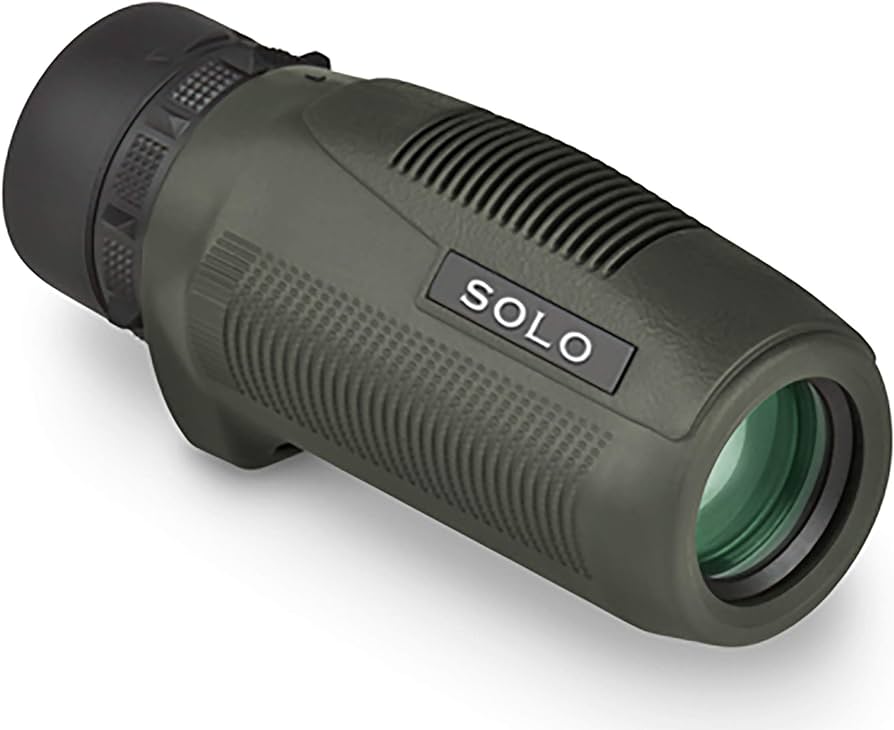
Vortex Solo R/T 8x25 Monocular

Learning Curve: Easy

$149.99
Difficulty: 1/5
Vortex Solo R/T 8x25 Monocular

Why Great for Beginners:

The Vortex Solo R/T is a premium beginner option because it's remarkably easy to use and comes with a lifetime warranty—you'll never outgrow or outlast it. It's lightweight, armored, and produces incredibly sharp, bright images for its size. For beginners who want to buy quality once, this is the pick.

✓ Beginner Pros

  • +Lifetime warranty—forgiving of mistakes
  • +Armored rubber coating for durability
  • +Smooth, precise focus
  • +Very compact and lightweight
  • +Aluminum body that lasts

✗ Beginner Cons

  • -Higher price may deter casual beginners
  • -8x25 setup isn't ideal for low light
  • -No phone adapter included
👍 Best for: Beginners who want a reliable, premium-quality monocular with a warranty that covers accidents and plan to use it for years.
👎 Not for: Budget-focused beginners or those who need a phone adapter for photo sharing.
#4
✨ Premium

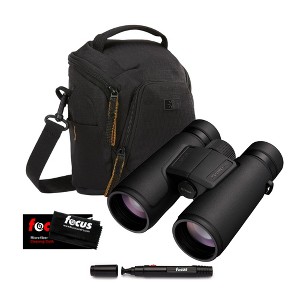
Nikon MONARCH M5 8x42 Monocular

Learning Curve: Easy

$249.99
Difficulty: 2/5
Nikon MONARCH M5 8x42 Monocular

Why Great for Beginners:

The Nikon MONARCH M5 8x42 is the premium pick for beginners with a bigger budget. It offers exceptional light transmission and color clarity, making it a joy to use even in shady woods or early dawn. Nikon's reputation for quality and wide field of view mean you won't feel the need to upgrade for years.

✓ Beginner Pros

  • +Excellent low-light performance
  • +Very sharp, high-contrast image
  • +Waterproof and fog-proof
  • +Premium brand and build quality
  • +Long eye relief for glasses

✗ Beginner Cons

  • -Most expensive option on our list
  • -Larger and heavier than compact 8x25 models
  • -No phone adapter included
👍 Best for: Beginners who are serious about outdoor observation and want an heirloom-quality device that won't limit their growth.
👎 Not for: Casual or price-sensitive beginners who just want to try a monocular.

📖 Complete Beginner's Guide to Monocular

A monocular is essentially half of a pair of binoculars. It uses a series of lenses and prisms to magnify distant objects into your eye. Because it only uses one eye, it's often lighter, more compact, and easier to handle than binoculars—which makes it an excellent choice for beginners who want portability without sacrificing clarity.

There are two main types of monoculars: roof prism and Porro prism. For beginners, the difference is largely a matter of size and shape. Roof prism models are slimmer and more modern-looking; Porro prism models are often cheaper but bulkier. Both can produce great images, but roof prism designs tend to be more popular in the $50–$200 range because they're compact and easy to carry.

The most common beginner specs are 8x25, 10x42, and 12x50. 8x25 gives a bright, wide view in a small package—perfect for hiking and general use. 10x42 is a classic all-rounder that gives more detail, but the larger lens adds weight. 12x50 is tempting because of the 'extra zoom,' but for beginners, it often causes shaky images and a narrow field of view, which can be discouraging.

Realistic expectations: a $50–$100 monocular will let you clearly see a bird on a tree branch, read a distant sign, or watch a stage at a concert. It won't be razor-sharp at extreme distances or in deep twilight, but it's more than enough for most first-timers. When you read product listings, focus on terms like 'fully multi-coated,' 'waterproof,' and 'wide field of view' rather than marketing phrases like 'military grade' or 'super zoom.' For your first monocular, the 'best' is simply the one that fits your budget, feels good in your hand, and makes you want to go outside and explore.

🔧 Essential Accessories for Beginners

Gosky Universal Smartphone Adapter - Image 1 of 8

Gosky Universal Smartphone Adapter

⚠️ Essential

$25.99

When to buy:
Day one

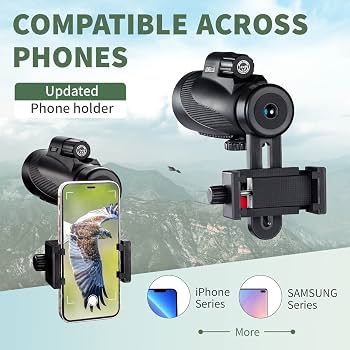
This adapter lets you attach your smartphone to any monocular so you can take photos of what you're looking at. It's the single best way for a beginner to share discoveries and build confidence in their new hobby.

Beginner Benefits:

  • • Share views with friends and family instantly
  • • Take photos to compare and ID birds later
  • • Ideal for travel and wildlife photography
  • • Quick setup—no technical skills required
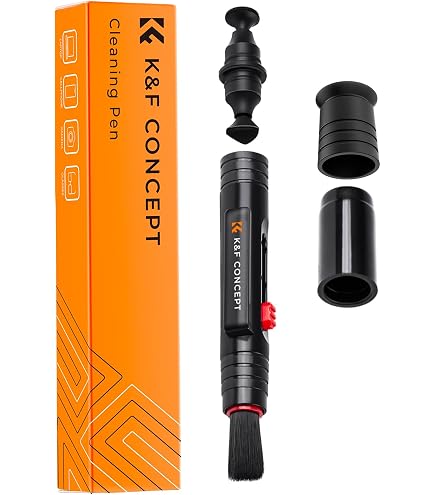
Kassa Lens Cleaning Pen

Kassa Lens Cleaning Pen

⚠️ Essential

$8.99

When to buy:
Day one

A good lens cleaning pen is the safest way to remove dust, fingerprints, and smudges without scratching your optics. Beginners touch lenses more than anyone—this little tool keeps everything bright and clear.

Beginner Benefits:

  • • Keeps your image sharp and bright
  • • Avoids scratched lenses from dirty clothing
  • • Pocket-sized so you always have it
  • • Inexpensive insurance for your gear
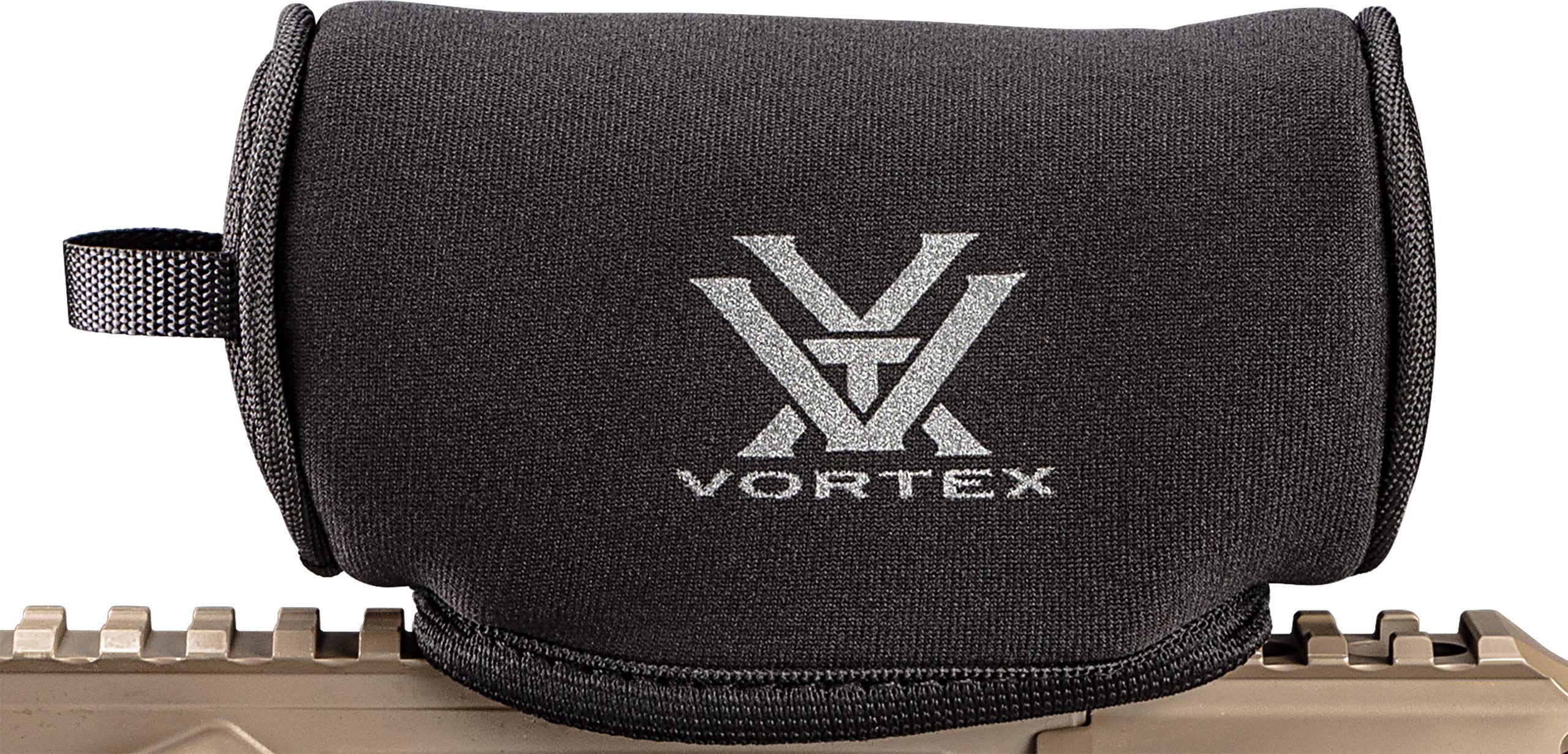
Vortex Optics Neoprene Case

Vortex Optics Neoprene Case

👍 Recommended

$15.99

When to buy:
First month

A neoprene case adds a layer of protection to your monocular and makes it easier to grab and carry. Beginners are more likely to take their monocular on trips if it's protected and easy to carry.

Beginner Benefits:

  • • Protects from drops and bumps
  • • Attaches to your belt or backpack
  • • Keeps the finish from wearing
  • • Quick-draw style for spontaneous viewing
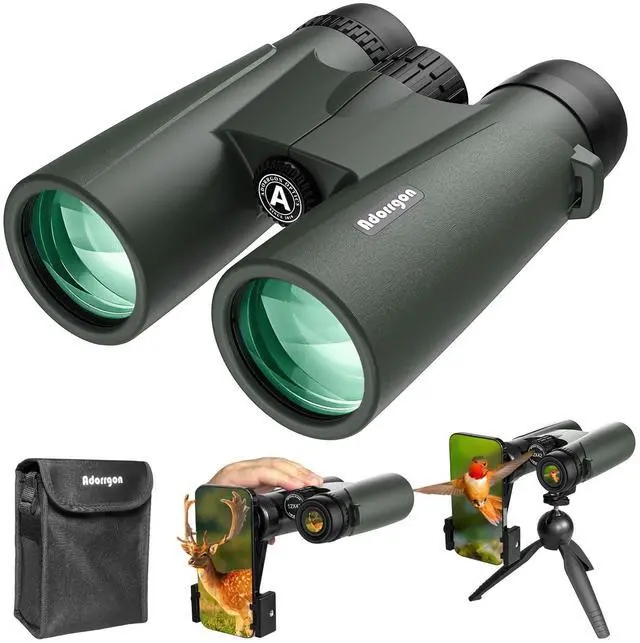
Adorrgon Monocular Tripod Mount

Adorrgon Monocular Tripod Mount

💡 Nice to Have

$10.99

When to buy:
When upgrading

This simple metal bracket screws into your monocular's tripod socket and converts it to fit on any standard tripod. It's an inexpensive way to unlock stable views and longer observation sessions.

Beginner Benefits:

  • • Makes the monocular tripod-ready
  • • Works with any standard tripod
  • • Small and feels permanent
  • • Enables longer, steadier viewing
Amazon Basics Lightweight Tripod - Image 1 of 6

Amazon Basics Lightweight Tripod

💡 Nice to Have

$24.99

When to buy:
When upgrading

A small tripod gives your monocular stability, especially at higher magnifications. Beginners often struggle with shaky hands; a mount turns your view into a crisp, steady image and makes long observation sessions painless.

Beginner Benefits:

  • • Eliminates hand shake
  • • Easier to birdwatch and record observations
  • • Helps you use the monocular for astronomy
  • • Very affordable upgrade

🤔 How to Choose Your First Monocular

Start by asking yourself three simple questions: What will I be looking at? Where will I use it? Do I wear glasses? If you're hiking or birdwatching in daylight, a lightweight 8x25 or 10x42 with waterproofing is a smart pick. If you're heading to concerts or the theater, you'll want compact size and a wide field of view. And if you wear glasses, buy a model with long eye relief (15mm+). Answering these questions first will automatically narrow your options.

Your budget should be based on how often you plan to use it. If you're just testing the waters, a $30–$60 monocular is fine—it will teach you what you like. If you know this is a hobby you'll grow into, spending $100–$250 gets you noticeably better glass, smoother focusing, and durable construction. Professional-grade options above $250 are rarely necessary for a beginner. Red flags to avoid: no-name brands with fake-looking specs, unusually high magnification claims (e.g., 25x), and prices under $15, which often mean plastic lenses and an image that resembles looking through a straw.

💰 Budget Guide for Beginners

200+

Professional entry — highest quality, ideal for serious beginners with a larger budget, but rarely necessary for casual use

30 - $80

Sweet spot — best value for most beginners; clear optics, good build, and beginner-friendly features

80 - $200

Premium beginner — excellent glass, smooth focus, often with lifetime warranty; great for those who know they'll use it often

Under $ - $30

Entry level — great for trying it out, but expect basic image quality and limited durability

⚠️ Common Beginner Mistakes to Avoid

The most common mistake beginners make is buying too cheap. A $15 monocular from an unknown brand might look like a bargain, but the plastic optics and flimsy construction usually deliver a blurry image that kills the excitement. It's better to spend $30–$60 on a well-reviewed brand like Celestron, Bushnell, or Gosky.

The other classic error is equating magnification with quality. '20x zoom' sounds impressive, but holding 20-power steady is nearly impossible without a tripod. Beginners end up with shaky, tiny images that are much worse than what a modest 8x or 10x can provide. Instead of chasing the biggest number, look for a wide field of view and good eye relief—those are the features that make a monocular genuinely beginner-friendly.

  • ×Buying too cheap and getting a blurry, frustrating view
  • ×Buying too expensive with features they don't need yet
  • ×Equating high magnification with better quality
  • ×Ignoring eye relief, then struggling with glasses
  • ×Skipping a smartphone adapter and missing photo opportunities
  • ×Not considering waterproofing, leading to early damage
  • ×Choosing zoom monoculars that are fiddly and dim
  • ×Forgetting to check field of view, making it hard to find targets

📈 Your Progression Path: Beginner to Intermediate

As a beginner, your first step is simply to get comfortable using your new monocular. Practice focusing on objects at different distances—start with a tree across the street, then try a bird, then a distant sign. Learn to find things quickly by using what's called 'sighting': look at the object first with your naked eye, then bring the monocular to your eye while keeping your gaze on the target. Once you're comfortable, try holding it for longer periods, experimenting with different lighting conditions, and pressing your thumb against your cheek for extra stability.

Most beginners stay at this stage for several months, which is completely normal. You'll know you're ready for the next step when you feel frustrated that you can't capture a photo of what you're seeing—that's the perfect time to invest in a smartphone adapter or tripod mount. Another sign is when you're drawn to more specific types of viewing, like digiscoping with your phone, which unlocks a whole new hobby.

When you feel you've outgrown your gear, don't replace everything at once. Start by adding a tripod mount, then a smartphone adapter, then a better strap. If after a year you find the image is no longer bright or sharp enough, that's the moment to upgrade to a premium monocular like the Nikon MONARCH M5 or even a full spotting scope. There's no rush—enjoy the simple joy of observing first, and let your curiosity drive your growth.

📚 Learning Resources for Beginners

  • 📖National Geographic Backyard Guide to the Birds of North America
  • 📖The Sibley Guide to Birds, 2nd Edition
  • 📖Bird Watching Log Book for Beginners
  • 📖National Geographic Field Guide to the Birds of Eastern North America

🎯 Bottom Line: Our Recommendations

For most beginners, the Celestron Nature DX 8x25 is the best overall pick: it's compact, bright, easy to focus, and made by a trusted optics brand. If your budget is tight, the Gosky Titan 10x42 includes a smartphone adapter and gives you everything you need to start observing right away. For a premium experience that you'll likely keep for years, the Vortex Solo R/T 8x25 comes with a lifetime warranty and can't be beaten in terms of value.

Whatever you choose, pick up a universal smartphone adapter, a lens cleaning pen, and a carrying case so you're ready for day one. These small additions make a massive difference in enjoyment and confidence. The best monocular is simply the one that goes outside with you. Keep it simple, focus on fun, and give yourself permission to be a beginner. The more you observe, the easier it becomes—and the more you'll see.

❓ Frequently Asked Questions

For most beginners, the Celestron Nature DX 8x25 is the best overall pick because it's compact, bright, and from a trusted brand. If you're on a budget, the Gosky Titan 10x42 is excellent and includes a phone adapter. For a premium experience with a lifetime warranty, the Vortex Solo R/T 8x25 is unbeatable.
Start with $30–$80 for a quality entry-level monocular. It's enough to get a bright, sharp, durable device without wasting money on features you won't need. If you're sure you'll use it frequently, $100–$200 is a great sweet spot for premium quality.
Look for 8x–10x magnification, a 25–42mm objective lens, comfortable eye relief (especially if you wear glasses), lightweight design, and waterproofing. A smooth focus wheel and a wide field of view are also important.
Monoculars with fixed 8x magnification are easiest to use because they don't shake as much and have a generous field of view. Models like the Celestron Nature DX 8x25 or Vortex Solo R/T 8x25 are effortless to focus and operate.
The essentials are a lens cleaning pen, a smartphone adapter, and a carrying case or strap. A tripod mount and mini tripod are highly recommended if you plan to use it for birdwatching or astronomy.
Ask yourself what you'll be viewing, where you'll use it, and whether you wear glasses. Use that to pick a magnification (8x or 10x) and objective size (25mm–32mm), then choose a reputable brand within your budget. Avoid no-name products and extreme zoom claims.
Not at all. A monocular is one of the easiest optical tools to pick up. There's no complicated setup—just look and focus. Within minutes, most beginners can comfortably spot objects. The only skill comes from holding it steady, which practice solves quickly.
The biggest mistakes are buying too cheap, equating high magnification with quality, ignoring eyeglass comfort, and not getting a phone adapter. Beginners also skip waterproofing, leading to early failure from moisture or dust.
8x25 means 8x magnification with a 25mm front lens—compact, lightweight, and better for daylight. 10x42 means 10x magnification with a 42mm lens—more detail and better in low light, but heavier and harder to hold steady.
Yes. Look for a model with long eye relief (15mm or more) and a twist-up eyecup. The Celestron Nature DX 8x25 and Vortex Solo R/T are both comfortable for eyeglass wearers.
8x is ideal for most beginners—it's steady, bright, and provides a wide field of view. 10x is okay if you have a steady hand, but avoid 12x and higher unless you use a tripod.
If you plan to use it outdoors or travel with it, yes. Waterproofing protects against rain, splashes, and humidity, so it's a smart, beginner-friendly feature that extends the life of your device.

Related Articles