Is Best Puzzle for beginners Worth It? Honest Review (2026)
Everything beginners need to know to choose their first jigsaw puzzle with confidence.
Choosing your first jigsaw puzzle can feel overwhelming with hundreds of options, piece counts, and brands. This guide simplifies the process, helping you find a puzzle that's fun, not frustrating. Whether you're looking for relaxation or a new hobby, we'll cover what to look for, top beginner-friendly picks, and common mistakes to avoid. By the end, you'll feel confident picking your first puzzle and getting started.
📋 In This Guide
• Why Beginners Struggle with Puzzle
• What to Look For (Key Features)
• Top 4 Beginner-Friendly Puzzle
• Essential Accessories for Beginners
• Common Beginner Mistakes to Avoid
• Your Progression Path
• FAQ & Learning Resources
😰 Why Beginners Struggle with Puzzle
Many beginners dive into puzzles with high piece counts or complex images, leading to frustration. Technical terms like 'random cut' or 'grid cut' can confuse. Fear of buying the wrong product is common, especially with the wide range of brands and difficulty levels. Beginners also overlook the importance of workspace and accessories, making the experience harder than it needs to be.
🔍 What to Look For: Key Beginner-Friendly Features
For your first puzzle, prioritize piece count (300-500 pieces is ideal), image clarity, and piece quality (interlocking, no dust). Avoid overly complex images like all-sky or repetitive patterns. Look for puzzles with a guide poster and sturdy box. Features like 'random cut' (unique piece shapes) add challenge later. Start with standard grid-cut puzzles from reputable brands like Ravensburger, Buffalo Games, or White Mountain.
✅ Essential Features for Beginners
•300-500 pieces
•Clear, high-contrast image
•Interlocking pieces (no puzzle dust)
•Includes reference poster
•Sturdy box for storage
•Standard grid cut (not random cut)
•Good brand reputation
•Positive reviews from other beginners
🏆 Top 4 Best Puzzle for Beginners
#1
💰 Budget
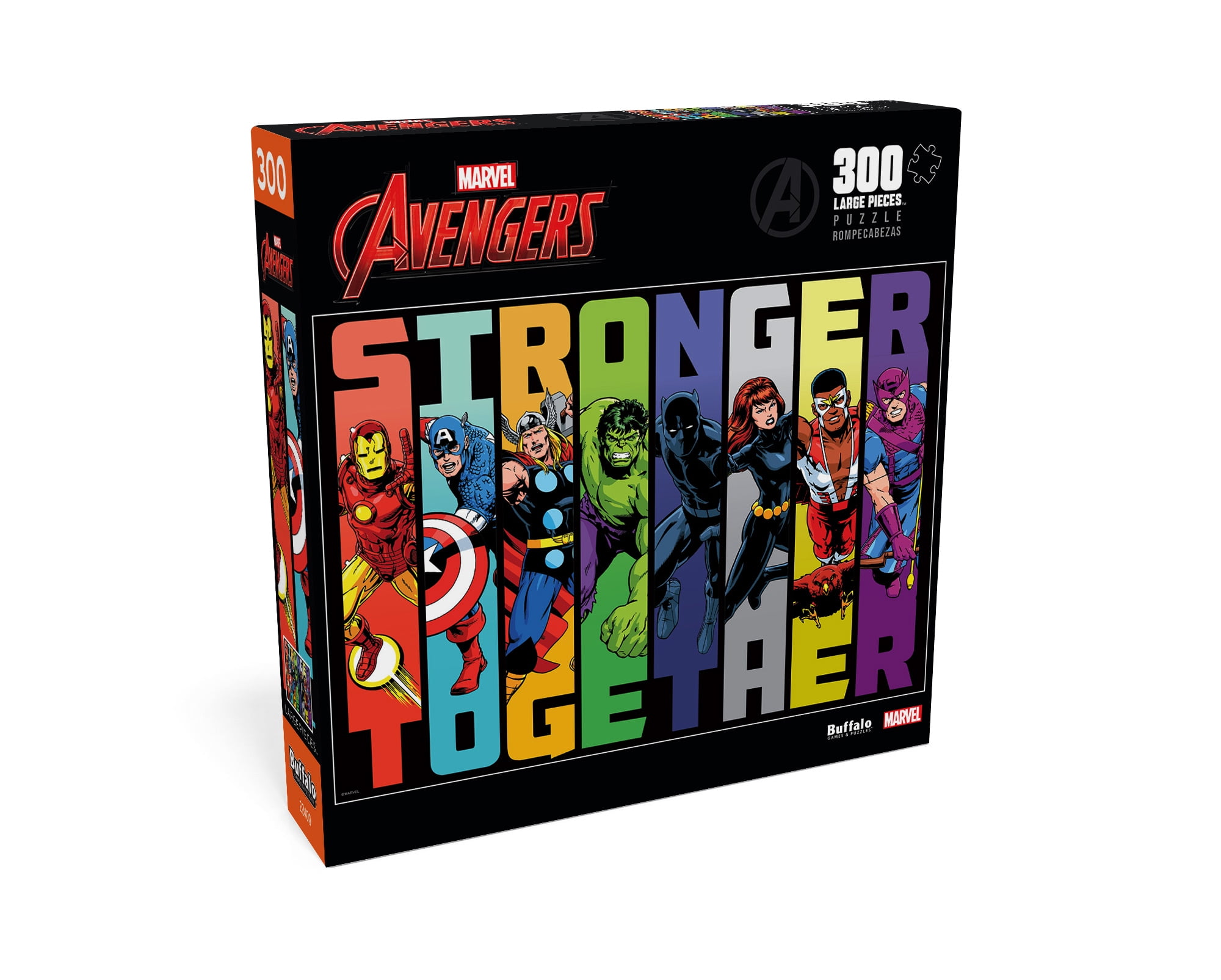
Buffalo Games - 300 Piece Jigsaw Puzzle for Adults
Learning Curve: Easy
$12.99
Difficulty: 1/5
Why Great for Beginners:
With 300 pieces, this puzzle is perfect for your first experience. The brand is known for clear images and well-fitting pieces. It's inexpensive but not low quality, making it a risk-free start.
✓ Beginner Pros
+Low piece count reduces frustration
+Clear, colorful image
+Good piece quality for the price
+Includes poster
✗ Beginner Cons
-Some reviews mention slight puzzle dust
-Limited piece variety (grid cut)
👍 Best for: Absolute beginners who want a quick, satisfying first puzzle.
👎 Not for: Those wanting a longer challenge or a puzzle to frame.
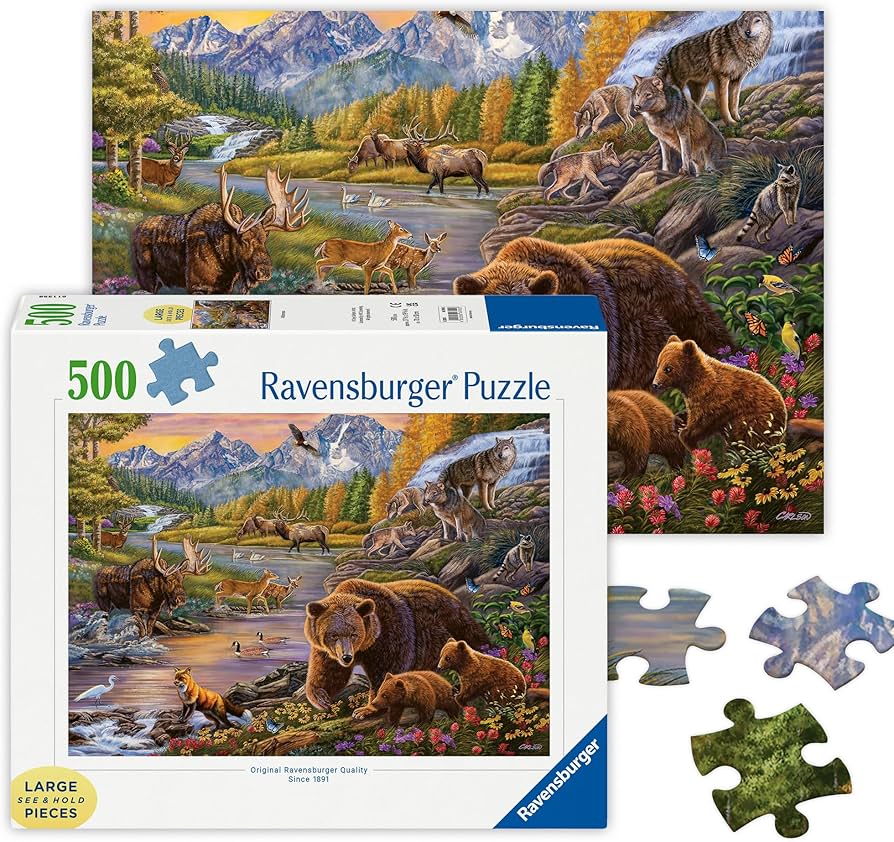
Ravensburger is a premium brand with soft-click technology and linen-structured paper to reduce glare. 500 pieces is the ideal sweet spot for beginners who want a meaningful challenge without being overwhelmed.
✓ Beginner Pros
+Superior piece quality with soft-click
+Linen finish reduces glare
+Clean cuts, no dust
+Large, sturdy box for storage
✗ Beginner Cons
-Slightly higher price than budget options
-500 pieces may be too easy for some after a few puzzles
👍 Best for: Beginners ready for a longer project (4-8 hours) with high quality.
👎 Not for: Those on a tight budget or looking for a very quick puzzle.
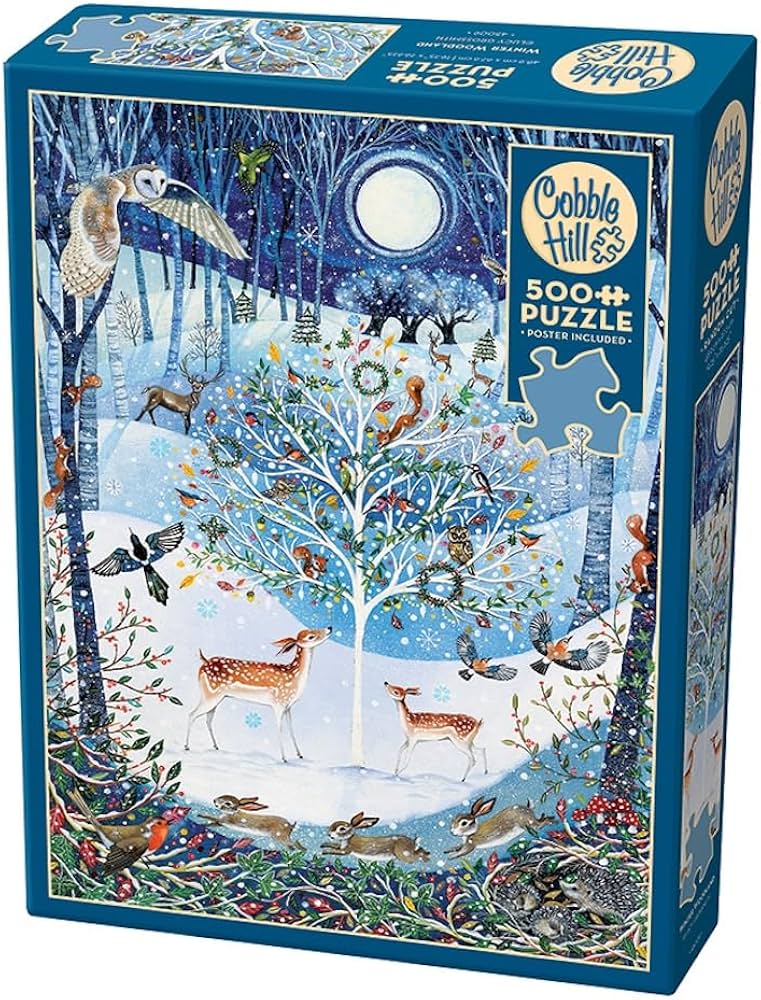
Cobble Hill offers random-cut pieces (unique shapes) that add variety without extra difficulty. 500 pieces is still manageable, and the whimsical images are engaging. Great for beginners who want a bit more challenge.
✓ Beginner Pros
+Unique piece shapes add fun
+Thick, durable pieces
+Beautiful, whimsical artwork
+Includes poster
✗ Beginner Cons
-Random cut can be confusing for some beginners
-Slightly higher price
👍 Best for: Beginners who enjoy a creative challenge and want to try something different.
👎 Not for: Those who prefer traditional grid-cut puzzles or want the simplest experience.
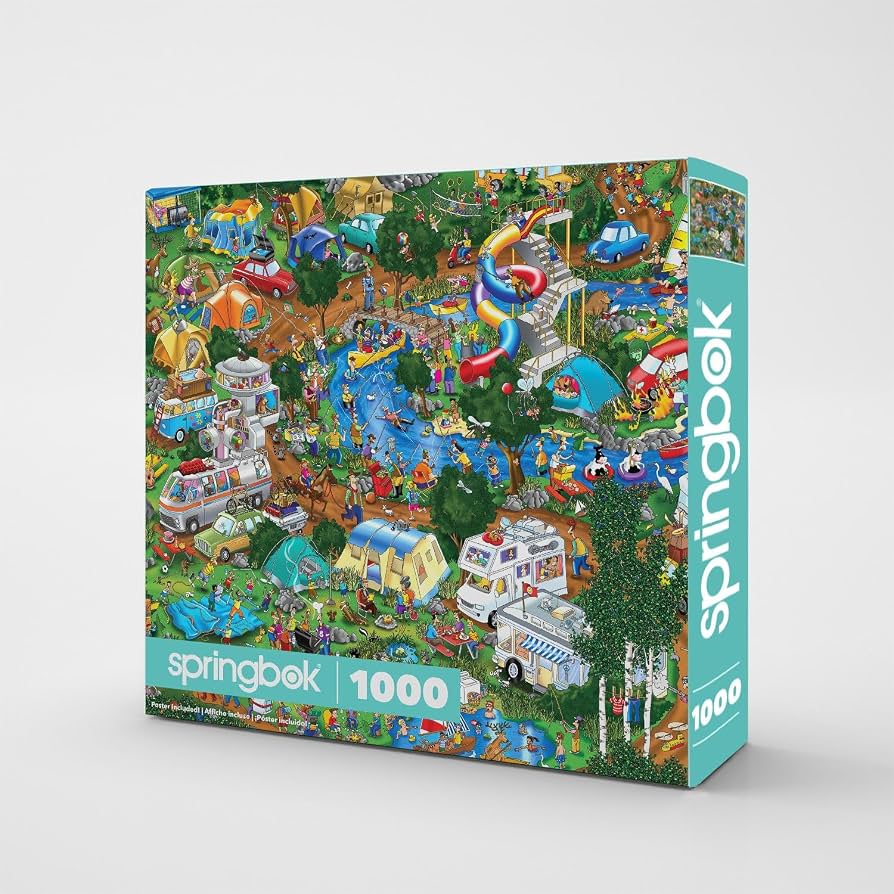
Springbok is known for their extra-thick pieces and unique random cut. While 1000 pieces is advanced, many beginners try it with a clear image. The quality is exceptional with a satin finish and no dust. Recommended only for confident beginners.
✓ Beginner Pros
+Extra-thick, sturdy pieces
+Unique random cut shapes
+Satin finish reduces glare
+Lifetime guarantee
✗ Beginner Cons
-1000 pieces may be too many for a first puzzle
-Higher price point
-Random cut can be disorienting
👍 Best for: Beginners who are determined and want a high-quality puzzle they can frame.
👎 Not for: First-timers or those easily frustrated.
Jigsaw puzzles consist of pieces that interlock to form a complete image. The most beginner-friendly type is a standard jigsaw with 300-500 pieces. These offer a satisfying challenge without being overwhelming. Look for puzzles with clear, contrasting images (landscapes, animals, or simple illustrations). Avoid puzzles with large areas of same color. Beginner-friendly means forgiving: pieces lock well, image guides are clear, and the puzzle fits on a standard table or puzzle mat. Reputable brands ensure consistent quality.
🔧 Essential Accessories for Beginners
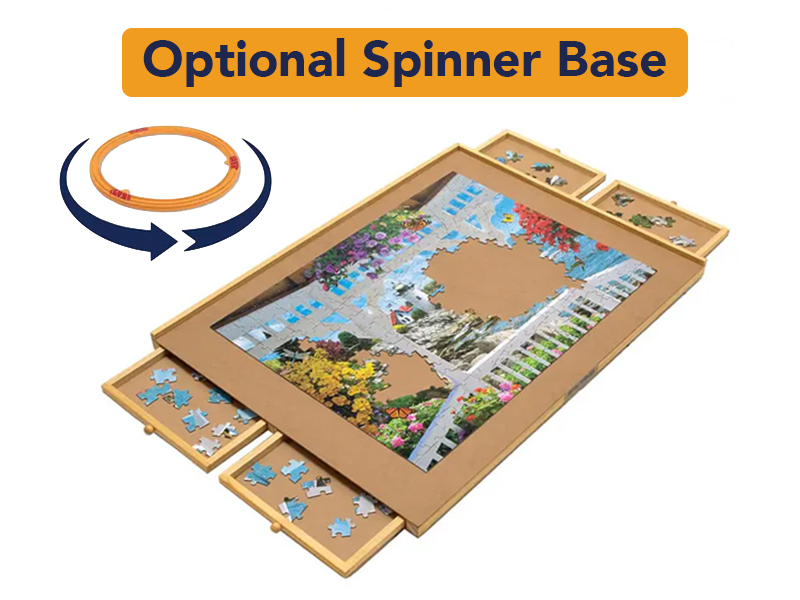
Jigsaw Puzzle Board with Drawers - Folding Sorting Tray Set
⚠️ Essential
$29.99
When to buy:
Day one
A puzzle board provides a dedicated, portable workspace and protects your puzzle from accidents. Drawers help sort pieces by color or edge, making assembly easier.
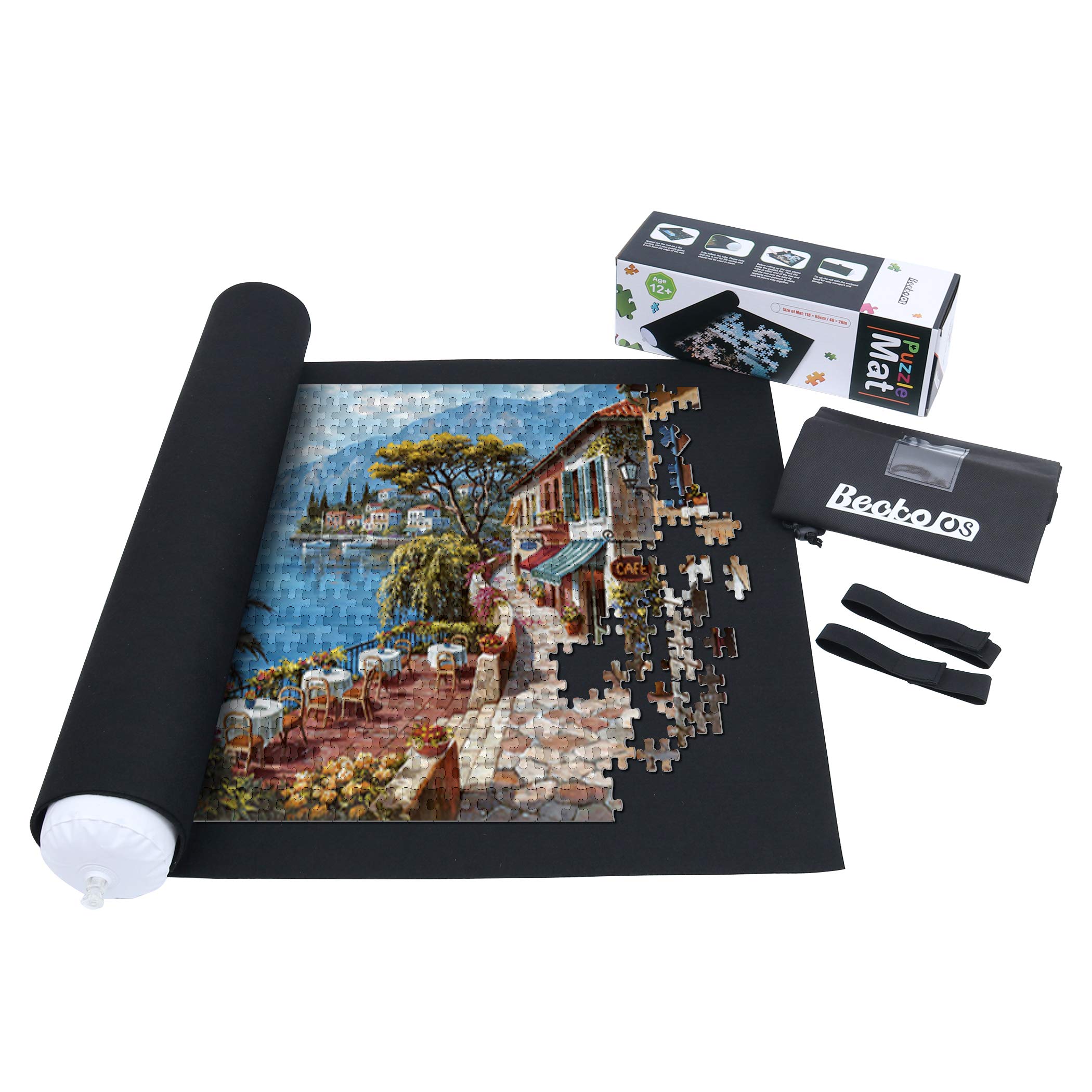
If you lack permanent workspace, a roll-up mat lets you safely store your puzzle in progress. It rolls up with the puzzle inside, perfect for small apartments.
Ask yourself: How much time do I want to spend? (300 pieces = 2-4 hours, 500 pieces = 4-8 hours). What space do I have? A 20x28 inch puzzle board is good for 500 pieces. What's my budget? Entry-level puzzles cost $10-15, premium $20-30+. For your first puzzle, spend $15-25 for a quality experience. Red flags: very low price (thin pieces, poor image), no brand name, or piece counts above 1000. Choose a puzzle with positive reviews, especially from other beginners.
💰 Budget Guide for Beginners
40+
Collector/Heirloom – custom or 3D puzzles. Consider only if you're sure about the hobby.
15 - $25
Sweet spot – best value for most beginners. Quality pieces and good images.
Entry level – good for trying, but quality may vary. Ideal for kids or casual fun.
⚠️ Common Beginner Mistakes to Avoid
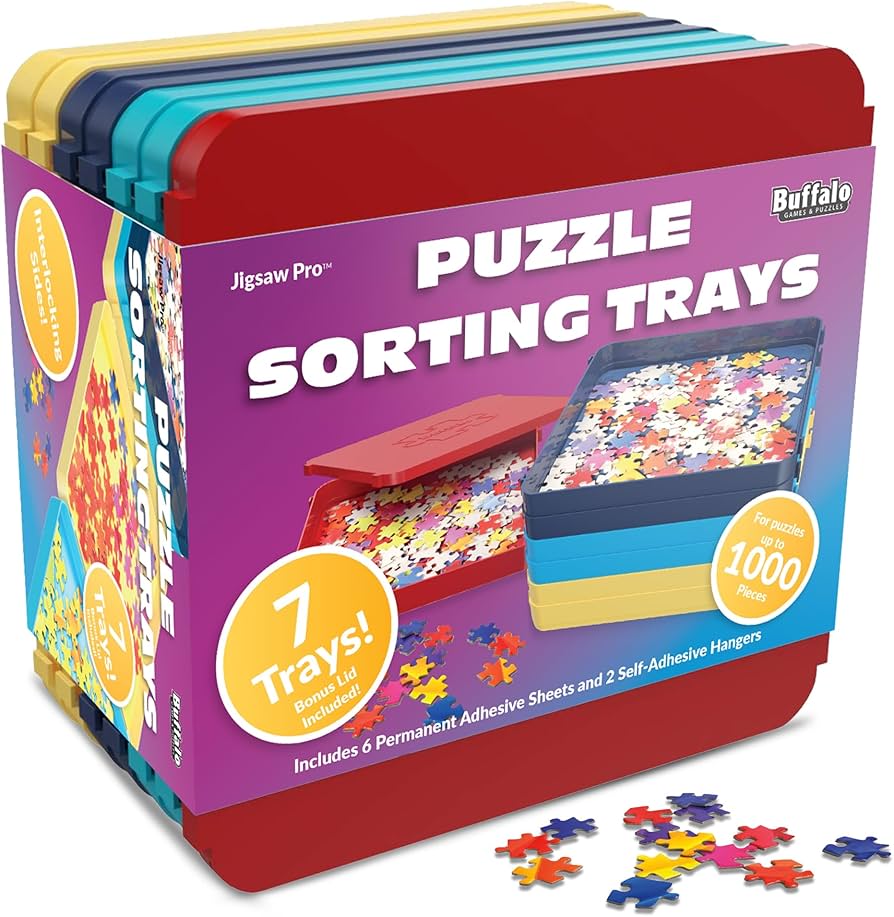
Starting with 1000+ pieces – too frustrating. 2) Choosing a dark or monochrome image. 3) Buying a cheap puzzle with flimsy pieces. 4) Forgetting a workspace – you need a flat, well-lit area. 5) Not sorting edges first. 6) Overlooking accessories like sorting trays or a puzzle mat. 7) Expecting to finish in one sitting – puzzles take time. 8) Not checking if pieces interlock well.
×Starting with too many pieces
×Choosing a dark or busy image
×Buying a cheap, poor-quality puzzle
×Not having a proper workspace
×Skipping essential accessories
×Expecting to finish too quickly
×Not sorting pieces first
📈 Your Progression Path: Beginner to Intermediate
Start with 300-500 piece puzzles to learn sorting and edge-building. Once comfortable, try 500-750 pieces with more challenging images. When you can complete a 500-piece in a day, move to 1000 pieces. Signs you're ready: you enjoy sorting by color and shape, you can work without the box image, and you want larger challenges. Upgrade to higher piece counts and brands known for complex cuts like Springbok or Cobble Hill.
📚 Learning Resources for Beginners
📖The Jigsaw Puzzle: A Beginner's Guide book on Amazon
📖Puzzle sorting techniques YouTube channels
📖Jigsaw puzzle podcasts (e.g., Jigsaw Junkies)
📖Online communities like r/Jigsawpuzzles
🎯 Bottom Line: Our Recommendations
For most beginners, a 500-piece puzzle from a trusted brand like Ravensburger or Buffalo Games is the best start. Budget pick: Buffalo Games 300-piece. Premium pick: Ravensburger 500-piece. Essential accessories: a puzzle board or mat, sorting trays, and good lighting. Remember, puzzles are about fun and relaxation – don't rush. Enjoy the process and celebrate each piece placed.
❓ Frequently Asked Questions
A 500-piece puzzle from a reputable brand like Ravensburger or Buffalo Games is ideal. Look for clear, high-contrast images and good-quality interlocking pieces.
Spend $15-25 for a quality beginner puzzle. This gets you good pieces and a fun image without breaking the bank.
Key features: 300-500 pieces, clear image, sturdy pieces, included poster, and a storage box. Avoid random cut or very dark images.
A 300-piece puzzle with bright, distinct colors and a grid cut. Brands like Buffalo Games or Ceaco offer easy options.
At minimum, a puzzle board or mat and sorting trays. Good lighting is also essential. Optional: a roll-up mat for storage.
Pick a puzzle with 300-500 pieces, a scene you love, and positive reviews. Start with trusted brands and avoid very complex images.
It can be if you choose too many pieces or a difficult image. But with the right puzzle (300-500 pieces, clear image), it's relaxing and fun.
Common mistakes: buying too many pieces, choosing dark images, cheap quality, forgetting workspace, and not sorting pieces.
A 300-piece puzzle takes 2-4 hours, a 500-piece takes 4-8 hours. It varies by experience and image complexity.
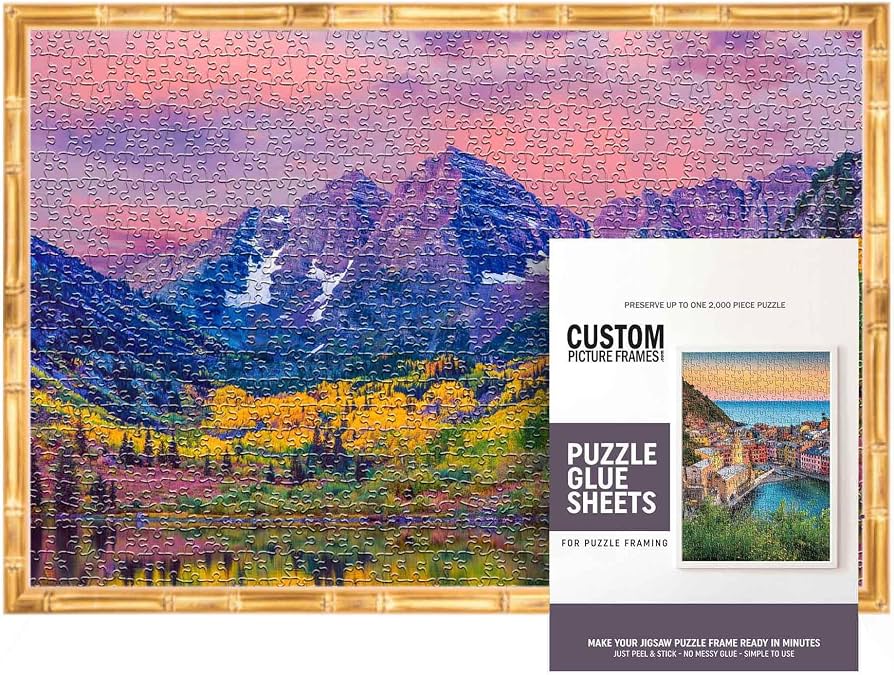
Yes, but you need puzzle glue. Many beginners enjoy framing their first puzzle as a memory.