Review Atlas
Review AtlasYour guide to a better purchase

Menu

Shop by Category

Get the App

Better experience on mobile

Beginners GuideFishing

Is Best Fish Finder for beginners Worth It? Honest Review (2026)

Everything beginners need to know to choose their first fish finder with confidence

Stepping into the world of fish finders can feel like learning a new language. Between GPS, CHIRP, downscan, side imaging, and a dozen other terms, it's easy to feel overwhelmed. But here's the good news: choosing your first fish finder doesn't have to be complicated.

In fact, with a few simple guidelines, you'll be able to select a device that fits your needs, your budget, and your skill level perfectly. This guide was created specifically for beginners who want to start fishing with confidence. We'll break down everything you need to know—from the basic features that matter most, to the common mistakes to avoid, to specific product recommendations available on Amazon.

By the end, you'll have a clear path forward and the knowledge to make a smart purchase.

📋 In This Guide

  • • Why Beginners Struggle with Fish Finder
  • • What to Look For (Key Features)
  • • Top 4 Beginner-Friendly Fish Finder
  • • Essential Accessories for Beginners
  • • Common Beginner Mistakes to Avoid
  • • Your Progression Path
  • • FAQ & Learning Resources

😰 Why Beginners Struggle with Fish Finder

Many beginners struggle with fish finders because the market is saturated with options. From budget units under $100 to advanced models costing thousands, the choice is intimidating. On top of that, manufacturers use technical jargon like 'CHIRP sonar', 'downscan', and 'frequency' that have no meaning to a newbie. Without understanding these terms, it's impossible to compare products.

Furthermore, there's the fear of making a mistake—buying something that's either too basic and gets outgrown quickly, or too complicated to learn. This anxiety leads many beginners to delay their purchase or buy a random product based on reviews, only to end up disappointed.

🔍 What to Look For: Key Beginner-Friendly Features

When shopping for your first fish finder, focus on simplicity, reliability, and ease of use. Look for features like auto-sonar modes that automatically adjust settings for you, a simple user interface with intuitive menus, and a clear display that's readable in bright sunlight.

A built-in GPS is a nice bonus because it helps you save waypoints and navigate back to your favorite fishing spots. As a beginner, you don't need every advanced feature—you need a device that works well out of the box and lets you learn as you go. Focus on the basics: fish detection, depth, and water temperature.

✅ Essential Features for Beginners

  • Auto Sonar Mode: Automatically adjusts sensitivity and depth range, so you don't need to fiddle with settings.
  • Simple Menu Interface: A clean, intuitive menu layout is crucial for finding your way around.
  • Built-in GPS: Helps you mark spots and navigate back to them, essential for learning structure and patterns.
  • High-Contrast Display: Readable in bright sunlight, so you can see fish and depth clearly.
  • Dual-Beam Sonar (or Conical): Broad coverage for easier fish detection than a single narrow beam.
  • Dedicated Flasher Mode: A classic flasher view helps beginners understand bottom structure and fish arcs.
  • Waypoint Mapping: Allows you to save 'hot spots' with a simple press of a button.
  • Portability: A compact, lightweight design that's easy to mount and remove, especially for kayakers.

🏆 Top 4 Best Fish Finder for Beginners

#1
💰 Budget

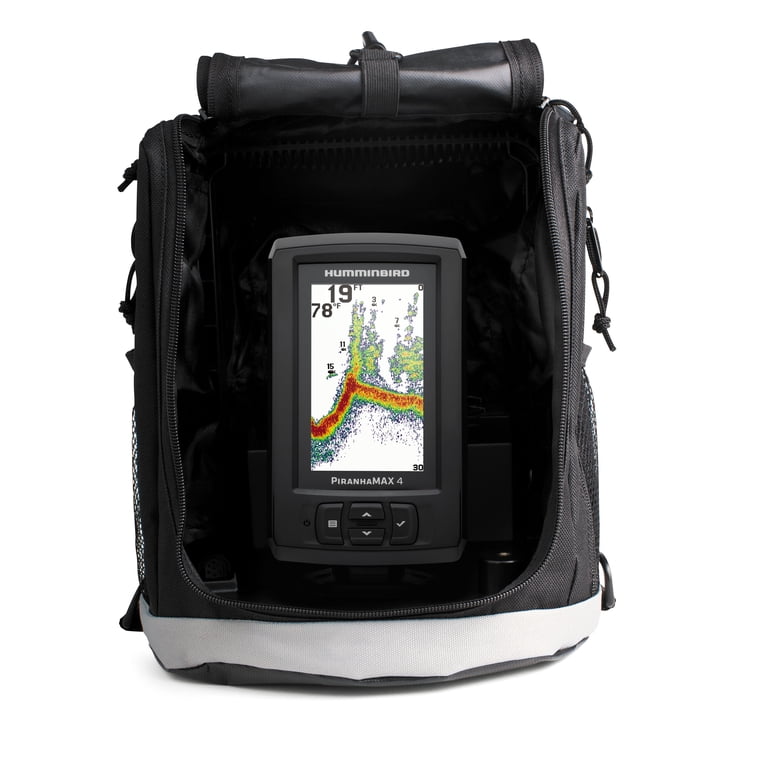
Humminbird PiranhaMAX 4X Fish Finder

Learning Curve: Easy

$99.99
Difficulty: 1/5
Humminbird PiranhaMAX 4X Fish Finder

Why Great for Beginners:

The PiranhaMAX 4X is incredibly easy to use with just a few buttons. The 4-inch display is readable in sunlight, and the dual beam sonar provides good coverage. It's an ideal first unit for those who want to learn without breaking the bank.

Beginner Pros

  • +Simple 3-button interface
  • +Very affordable
  • +Easy to install
  • +Dual beam sonar for a clear bottom view
  • +Includes a transom mount

Beginner Cons

  • -No built-in GPS or mapping
  • -Small screen size
  • -No CHIRP technology
👍 Best for: Beginners on a tight budget who want a simple, no-frills fish finder to learn the basics.
👎 Not for: Anglers who need GPS to navigate back to spots or who want larger screens.
#2
👍 Recommended

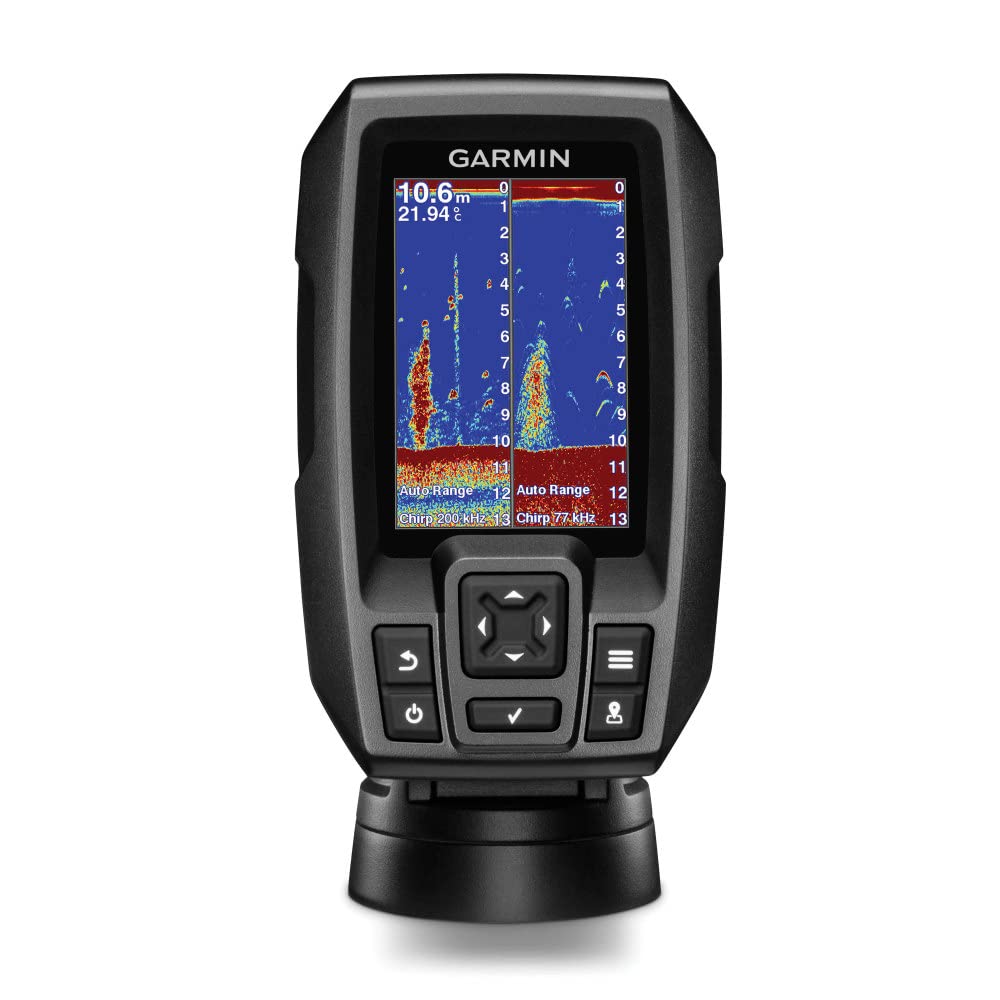
Garmin Striker 4 with Transducer

Learning Curve: Easy

$149.99
Difficulty: 2/5
Garmin Striker 4 with Transducer

Why Great for Beginners:

The Striker 4 is Garmin's most popular gate-level fish finder. It features GPS, a high-contrast 4.3-inch display, and easy-to-use presets. The auto mode adjusts sonar for you, making it perfect for first-time users.

Beginner Pros

  • +Built-in GPS and waypoint marking
  • +Very intuitive menu
  • +Portable and compact
  • +Clear display in sunlight
  • +Bundle includes a transducer, easy to install

Beginner Cons

  • -No preloaded maps
  • -Screen is not touchscreen
  • -Lower resolution compared to premium units
👍 Best for: Beginners who want GPS to mark their fishing spots and a proven name brand, without spending too much.
👎 Not for: Those who need detailed mapping or who will fish in very deep water.
#3
👍 Recommended

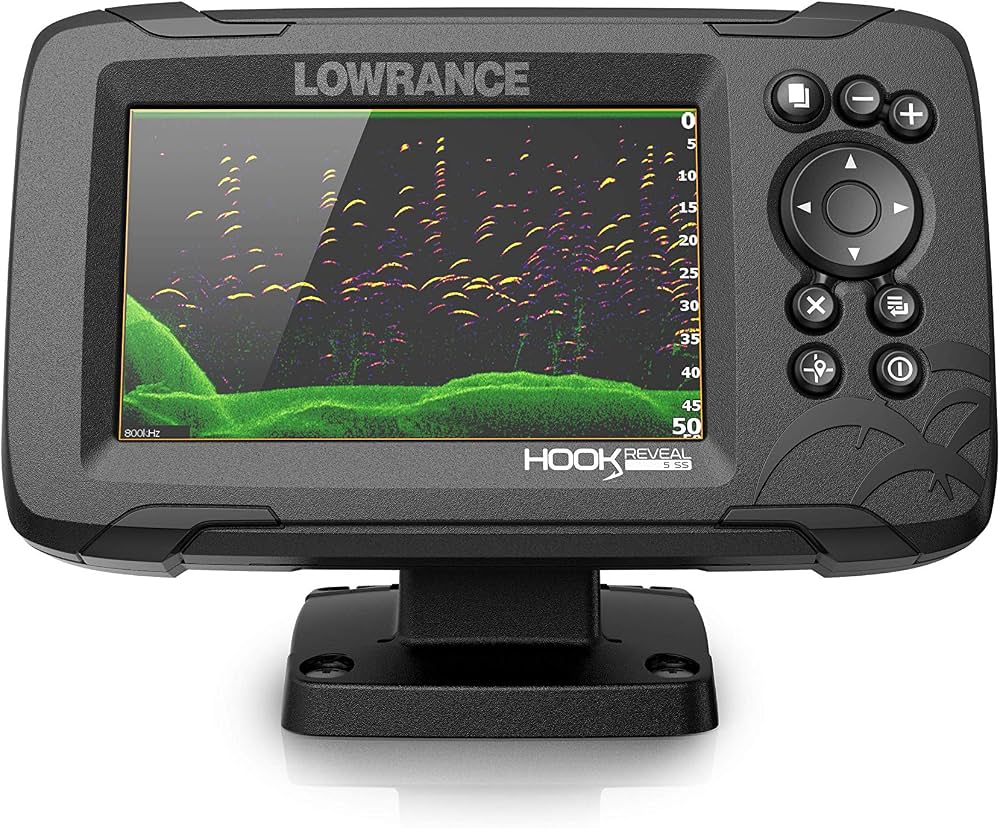
Lowrance Hook Reveal 5x SplitShot

Learning Curve: Easy to Moderate

$299.99
Difficulty: 2/5
Lowrance Hook Reveal 5x SplitShot

Why Great for Beginners:

The Hook Reveal 5x offers a larger 5-inch display and includes Lowrance's easy-to-read FishReveal technology that combines downscan and traditional sonar images. It's still simple enough for a beginner but has more advanced features to grow into.

Beginner Pros

  • +Large 5-inch screen
  • +FishReveal does the work for you
  • +DownScan technology for detailed structure
  • +Simple menu system
  • +Can be used on kayak or boat

Beginner Cons

  • -No GPS/mapping on this model (the non-'x' version has GPS)
  • -Slightly more expensive
  • -DownScan can confuse beginners initially
👍 Best for: Beginners who want a bigger screen and better imaging without GPS, and are willing to spend a bit more.
👎 Not for: Anyone who absolutely needs GPS built-in; consider the Hook Reveal 5 (non-x) for that.
#4
✨ Premium

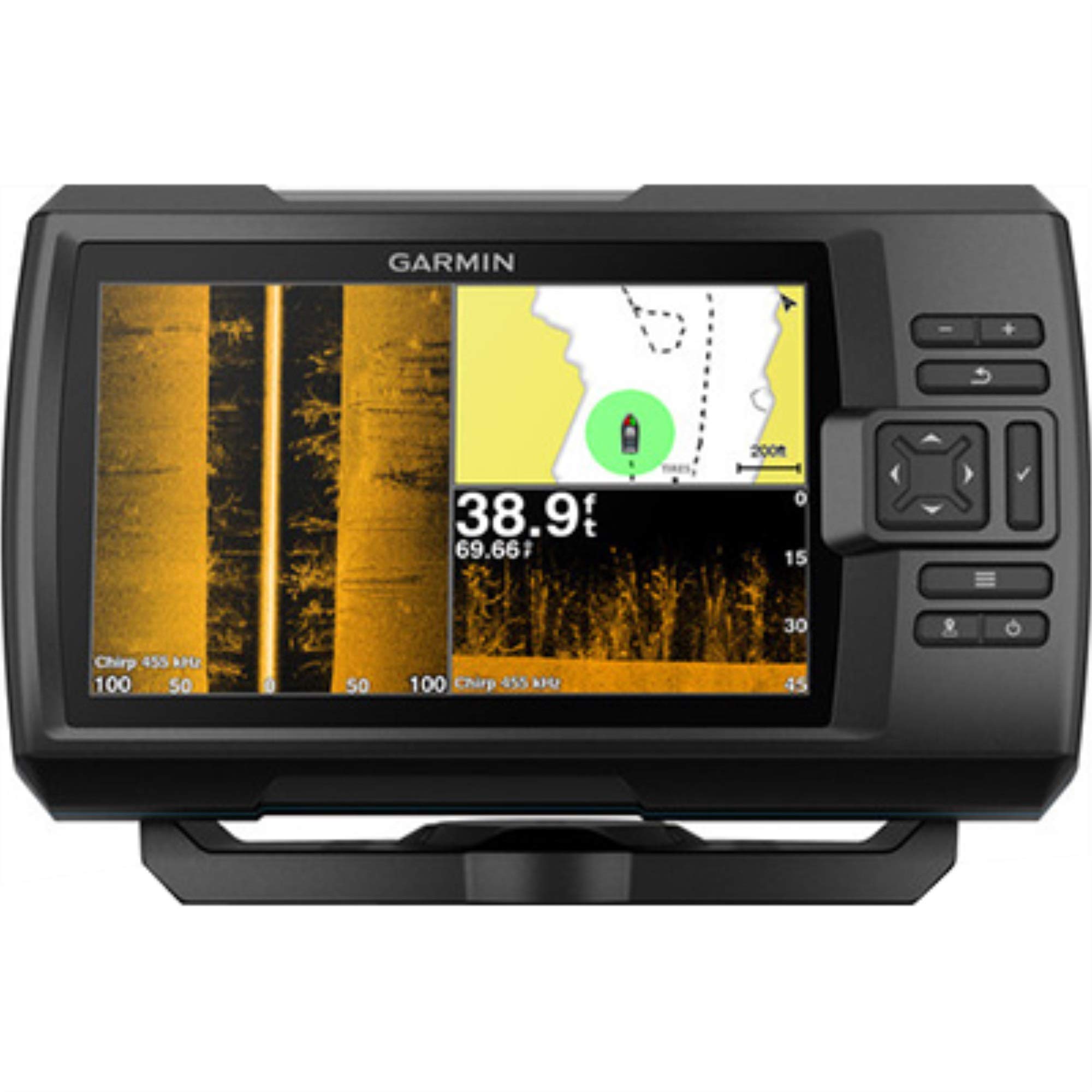
Garmin echoMAP UHD 7sv

Learning Curve: Moderate

$899.99
Difficulty: 3/5
Garmin echoMAP UHD 7sv

Why Great for Beginners:

If you're serious about fishing and want a device that will last years, the echoMAP UHD 7sv has a 7-inch touchscreen, built-in GPS, detailed maps, and advanced sonar like CHIRP and SideVü. Despite its advanced features, it includes auto modes that keep it approachable.

Beginner Pros

  • +Huge 7-inch touchscreen with easy menus
  • +Built-in GPS and coastal maps
  • +CHIRP, ClearVü, and SideVü sonar for a complete picture
  • +Future-proof - you won't outgrow it
  • +Auto-sonar tuning for ease of use

Beginner Cons

  • -Expensive for a beginner
  • -Features are overwhelming if you only want basic fish detection
  • -Large footprint may require a bigger kayak or boat
👍 Best for: Beginners with a large budget who want the best possible device from day one and plan to fish seriously.
👎 Not for: Budget-conscious beginners or those who only fish occasionally.

📖 Complete Beginner's Guide to Fish Finder

A fish finder is simply a device that uses sonar to send sound waves into the water and then listens for the echoes. It calculates the time it takes for the sound to bounce back, and from that, determines depth and detects objects like fish, weeds, and bottom structure. The information is displayed on a screen, helping you locate baitfish and predator fish.

There are several types of fish finders: fixed-mount, portable, and castable. Fixed-mount units are the most popular and are designed to be installed on a boat or kayak, with a transducer mounted on the hull or trolling motor. Portable units come with a suction-cup transducer and a small display, making them easy to move between boats or use on ice. Castable fish finders are like small footballs with a transducer that you cast out and then connect via Bluetooth to your phone. For beginners who fish from a kayak or small boat, a fixed-mount unit with a simple interface is usually the best choice because it offers reliable performance and a larger screen.

When you start, you won't need side imaging, CHIRP, or advanced mapping. These features come with a learning curve and a higher price tag. Instead, look for a device that has a 'simplified' or 'auto' mode that does the thinking for you. A good beginner fish finder will show you fish, depth, bottom structure, and water temperature without requiring hours of manual calibration.

Realistic expectations are important: a fish finder does not catch fish for you—it helps you find them. Even the best unit won't make you a pro overnight. But with practice, you'll learn to read the screen and understand how fish relate to structure. Most beginners pick up the basics within a few trips. The key is to choose a unit that grows with you, with features you can gradually explore as your skills develop.

Beginner-friendly also means a forgiving learning curve. Look for a device that is easy to install, has intuitive buttons, and offers a quick-start guide. Some premium models are packed with features that can frustrate newcomers. Conversely, extremely cheap models may have tiny screens and poor transducer quality, resulting in frustrating experience. The sweet spot for most beginners is a mid-range unit that's easy to use but future-proof enough to last a few seasons.

🔧 Essential Accessories for Beginners

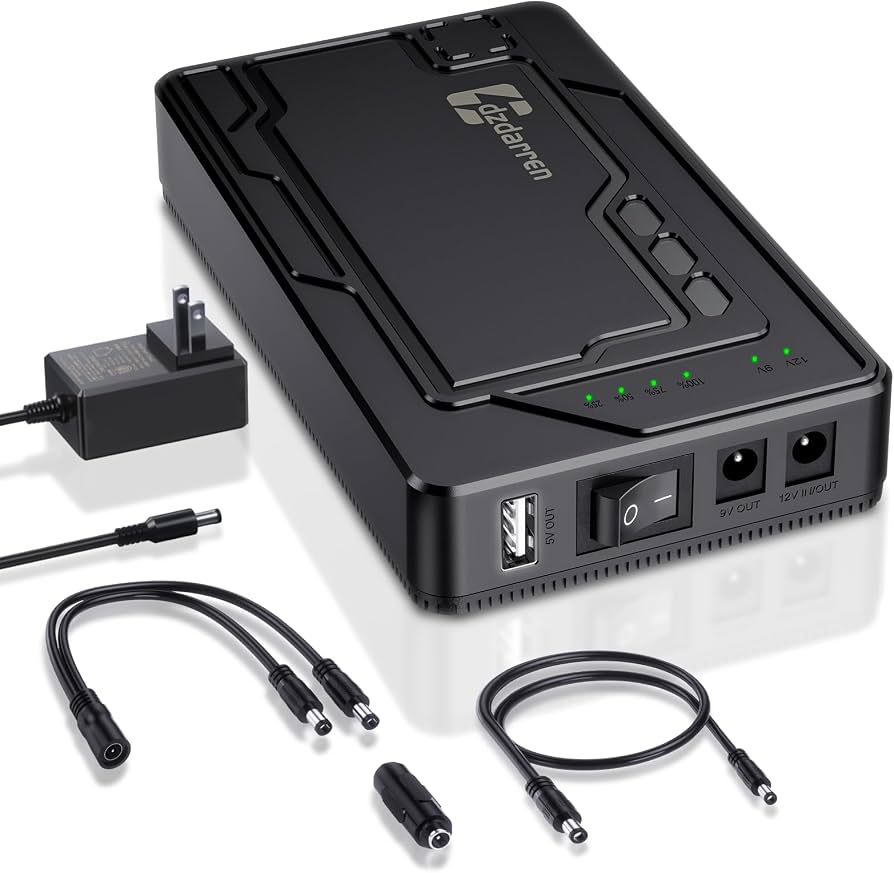
LUCKY Micro 12V Rechargeable Battery Pack

LUCKY Micro 12V Rechargeable Battery Pack

⚠️ Essential

$29.99

When to buy:
Day one

Fish finders need a power source. A lightweight, rechargeable battery pack like this one is perfect for kayaks and small boats. It's easy to charge and provides hours of reliable operation.

Beginner Benefits:

  • No need to wire into a boat's electrical system
  • Safe for use in a waterproof bag
  • Lasts a full day of fishing
  • Comes with a simple charger
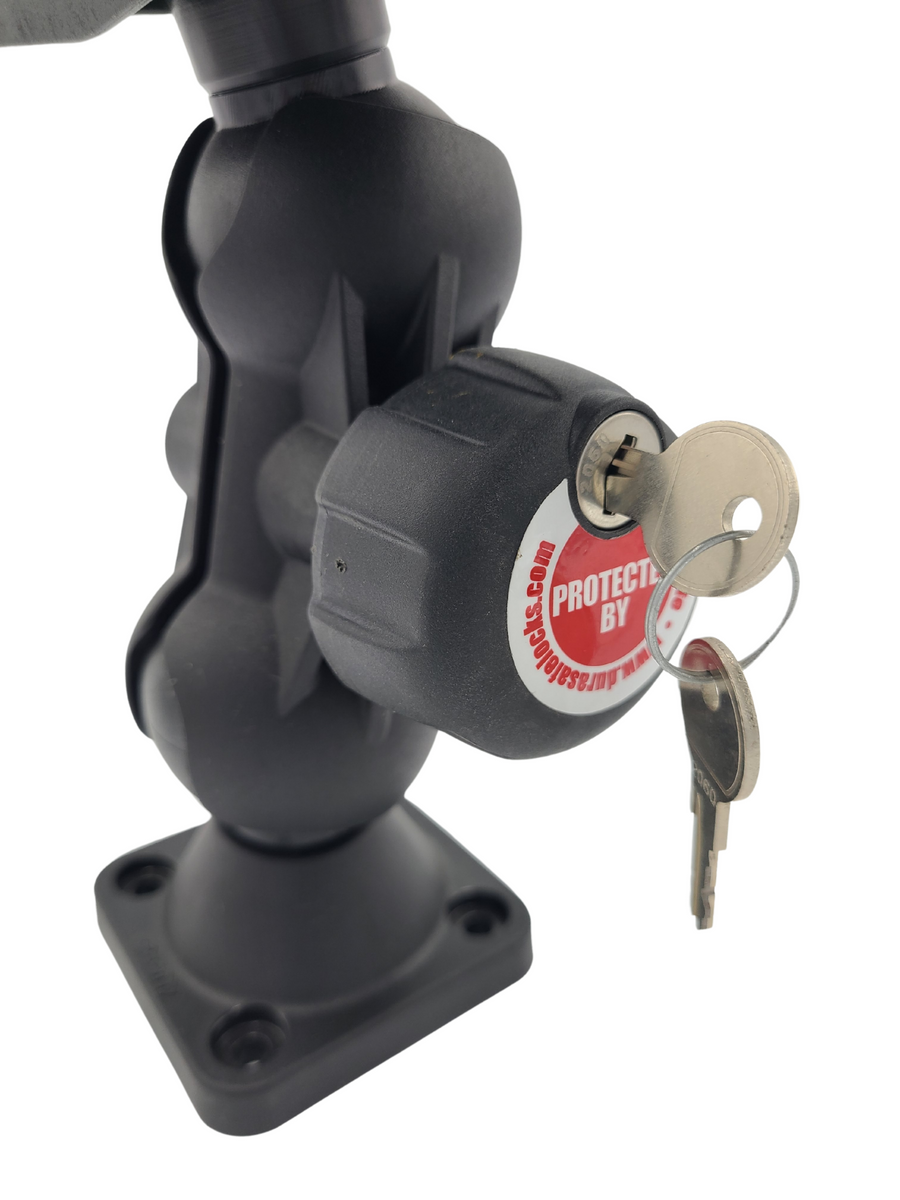
Scotty No. 450 Cam-Lock Mount

Scotty No. 450 Cam-Lock Mount

👍 Recommended

$19.99

When to buy:
Day one

A secure mount is essential for keeping your fish finder steady while you paddle or move. The Cam-Lock mount works with most fish finder units and can be installed on any flat surface.

Beginner Benefits:

  • Easy, tool-free installation
  • Adjustable viewing angle
  • Holds the unit firmly even in rough water
  • Quick release to remove your fish finder when not in use
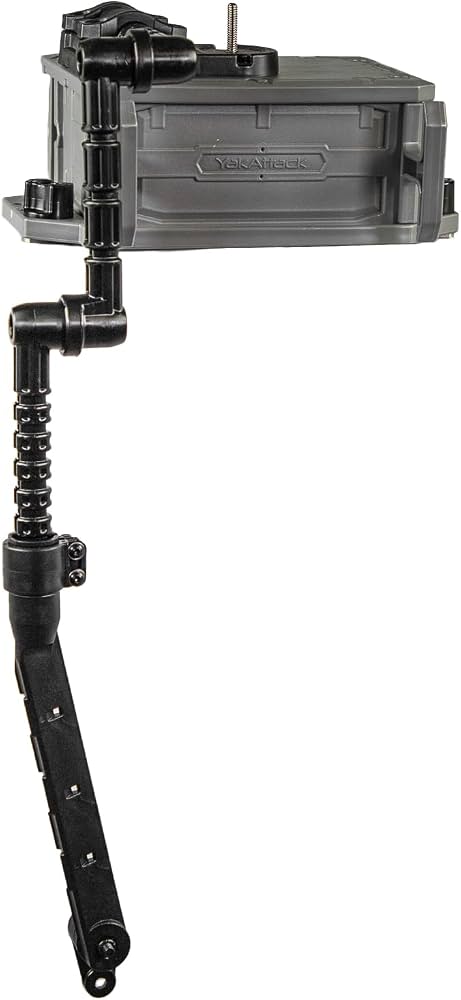
YakAttack Transducer Mount Kit for Kayaks

YakAttack Transducer Mount Kit for Kayaks

⚠️ Essential

$34.99

When to buy:
Day one

For kayak anglers, getting the transducer in the water without hull interference is critical. This mount attaches to the side of the kayak and keeps your transducer perfectly aligned.

Beginner Benefits:

  • No drilling required (uses suction or adhesive options)
  • Keeps transducer level for accurate readings
  • Quick to install and remove
  • Universal fits most transducers
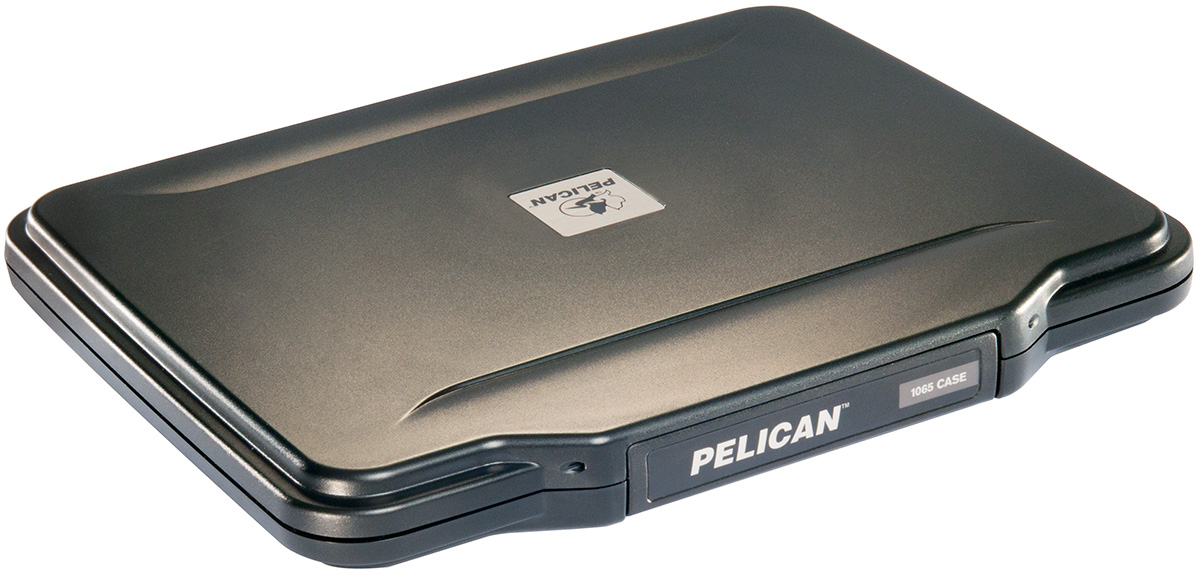
Pelican 1065 Waterproof Case

Pelican 1065 Waterproof Case

💡 Nice to Have

$49.99

When to buy:
First month

Protect your investment from water, dust, and impacts. A waterproof case is a great way to store your portable fish finder and accessories.

Beginner Benefits:

  • Keeps everything in one place
  • Floatable so it can be dropped overboard
  • Protects your device during transport
  • Extra space for cables and tools
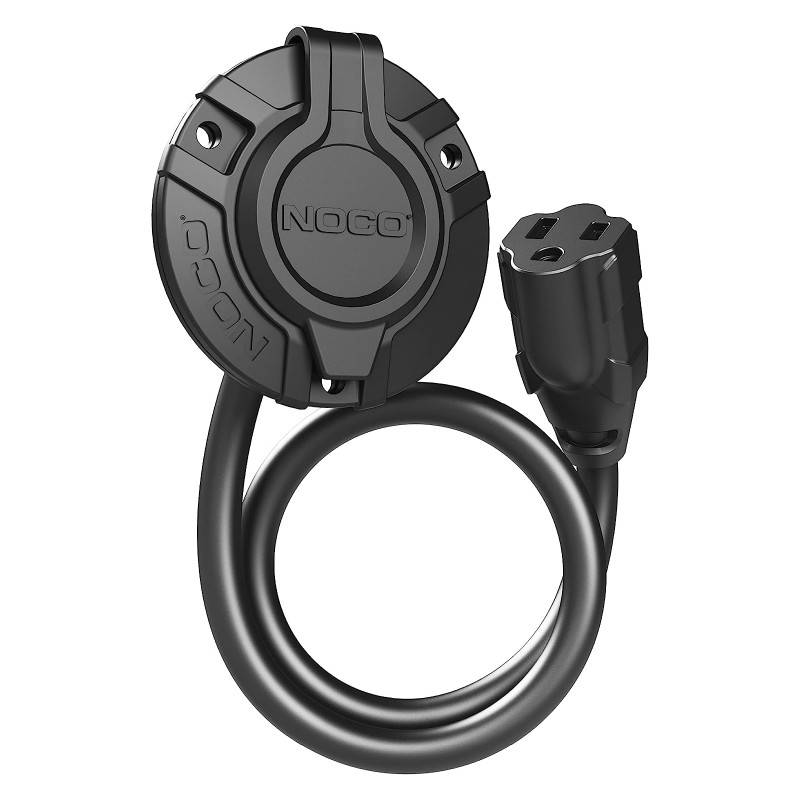
NOCO GCP1 12V Smart Charger

NOCO GCP1 12V Smart Charger

⬆️ Upgrade

$24.99

When to buy:
After you're comfortable

A smart charger ensures your battery is always ready to go and extends its lifespan. This charger is beginner-friendly with simple plug-and-start operation.

Beginner Benefits:

  • No need to understand battery charging
  • Prevents overcharging and damage
  • Small and lightweight
  • Comes with a full set of connectors

🤔 How to Choose Your First Fish Finder

Start by asking yourself where you'll primarily use the fish finder. Will you be on a kayak, a small aluminum boat, or from shore? Kayak anglers often prefer compact, battery-friendly units, while boaters can accommodate larger screens. Next, set a realistic budget. As a beginner, you shouldn't overspend on features you won't use. But buying too cheap can lead to disappointment and an early upgrade.

Consider how much you value GPS. If you fish in large lakes or want to return to waypoints, built-in GPS is a huge advantage. If you only fish small ponds, you can save money and skip it. Red flags to avoid: screens that are too small to read, transducers with poor sensitivity, and units that require constant manual tuning. Look for a unit that includes a mounting kit and a basic transducer in the box, so you don't need to buy extra parts immediately.

💰 Budget Guide for Beginners

500+

Professional entry – for serious beginners who demand the best, with side imaging and advanced GPS chartplotting.

100 - $250

Sweet spot – the best value for most beginners. You get reasonable screen size, GPS options, and reliable sonar.

250 - $500

Premium beginner – excellent screen quality, CHIRP sonar, and mapping. You won't outgrow it quickly.

Under $ - $100

Entry level – good for trying it out, but may lack GPS or have a small screen. Expect to upgrade soon.

⚠️ Common Beginner Mistakes to Avoid

Many beginners are lured by either the cheapest option on the shelf or the most feature-packed flagship. The cheapest often have tiny screens and poor sonar performance that leads to frustration. The most expensive come with advanced settings that are overwhelming and unnecessary for any new solo trip. Another frequent error is forgetting to budget for essential accessories like a battery and a proper mount. A fish finder without a sturdy mount is useless on a moving boat.

Instead of buying blindly, take a few minutes to understand what you'll use the device for. Ask yourself: where will I fish? How many hours? Do I need GPS? This will guide you toward the right tier. A great trick is to read the customer Q&A on Amazon for beginner questions like 'Is this easy to install?' or 'Does it work on a kayak?' Those answers are gold.

Experienced anglers recommend that beginners buy a mid-range unit with GPS and a decent screen. It's the safest way to enjoy fishing without outgrowing your gear too soon. Invest the time to learn the auto modes first, and gradually explore manual settings as you gain confidence.

  • ×Buying too cheap and getting a frustratingly low-quality display
  • ×Buying too expensive with features they never learn to use
  • ×Forgetting the necessary accessories like a battery or mount
  • ×Not considering the learning curve of advanced sonar
  • ×Choosing a fish finder without GPS when they mostly fish large water bodies
  • ×Ignoring transducer installation requirements for their specific kayak or boat
  • ×Not planning for growth and having to upgrade within a season
  • ×Skipping a simple waterproof case that could save the device from water damage

📈 Your Progression Path: Beginner to Intermediate

As a beginner, your first goal is to get comfortable using your fish finder to find fish and understand what the screen is telling you. Start by using the manufacturer's auto mode to read depth and detect fish. Go fishing with a simple goal: find a drop-off or a structure and mark it with a waypoint. Once you can do that, try using the flasher mode to see the bottom in real-time while ice fishing or drifting.

After a few successful trips, you'll want to explore manual sensitivity adjustments to filter out noise and improve target clarity. You'll begin to notice that fish appear as arcs or small icons, depending on your unit. When you find that the features of your fish finder are limiting you—maybe you want side imaging to find fish further away, or you need preloaded maps—it's time to consider upgrading.

Most beginners stay with their first fish finder for one to three seasons. When you upgrade, often it's to a larger screen with CHIRP and side-scan sonar. But even then, the experience you gained on the simpler unit will make the transition effortless.

📚 Learning Resources for Beginners

  • 📖[Fishing Basics: The Complete Illustrated Guide](https://www.amazon.com/s?k=Fishing+Basics+Complete+Illustrated+Guide&linkCode=gg3&tag=ra075-20)
  • 📖[Understanding Sonar for Fishermen](https://www.amazon.com/s?k=Understanding+Sonar+for+Fishermen&linkCode=gg3&tag=ra075-20)
  • 📖[The Art of Freshwater Fishing](https://www.amazon.com/s?k=The+Art+of+Freshwater+Fishing&linkCode=gg3&tag=ra075-20)
  • 📖[GPS and Fish Finder Navigation for Beginners](https://www.amazon.com/s?k=GPS+Fish+Finder+Navigation+for+Beginners&linkCode=gg3&tag=ra075-20)
  • 📖[Kayak Fishing: The Modern Guide](https://www.amazon.com/s?k=Kayak+Fishing+The+Modern+Guide&linkCode=gg3&tag=ra075-20)

🎯 Bottom Line: Our Recommendations

For most beginners, the Garmin Striker 4 is the perfect first fish finder. It offers the right balance of ease, GPS, and value. If you're on a tighter budget, the Humminbird PiranhaMAX 4X will help you learn the ropes without breaking the bank. Those with a larger budget who are confident they'll fish for years to come should invest in the Garmin echoMAP UHD 7sv for its top-tier performance.

Whichever you choose, the essentials are clear: get a battery, a reliable mount, and a case if possible. Start in auto mode, practice with waypoints, and gradually learn the advanced features. Remember, every angler started somewhere, and with this guide, you're already ahead of the curve. Good luck, and tight lines!

❓ Frequently Asked Questions

The Garmin Striker 4 is widely regarded as the best fish finder for beginners. It combines easy-to-use auto sonar modes with built-in GPS, a clear display, and a reasonable price. It's perfect for kayak and small boat anglers.
Most beginners should plan to spend between $100 and $250. In this range, you'll find reliable units with GPS and screens large enough to read easily. Avoid spending more than $500 until you've built experience and know exactly which advanced features you need.
Beginners need a simple interface, auto sonar mode, a clear display, and preferably built-in GPS. Dual-beam sonar is helpful for better coverage. You don't need side imaging, CHIRP, or complex mapping as a beginner.
Yes, many fish finders are ideal for kayaks. Look for compact units with a battery pack and a kayak-specific transducer mount. Units like the Garmin Striker 4 or Lowrance Hook Reveal 5x are popular choices.
A fish finder removes the guesswork from fishing. It shows you water depth, bottom structure, and fish whereabouts, helping you learn the lake or river quickly. It's a huge confidence builder for new anglers.
Not anymore. Modern beginner-friendly fish finders have 'auto' modes that automatically adjust settings. You can start fishing within minutes. As you learn, you can experiment with manual controls if you wish.
Yes, if possible. GPS lets you save waypoints, so you can return to promising spots. It's especially helpful on large lakes. Many affordable fish finders now include GPS, and it's worth the extra cost.
Budget fish finders typically have smaller screens, basic sonar, and no GPS. Premium units offer larger touchscreens, CHIRP and side imaging sonar, preloaded maps, and better construction. For beginners, a mid-range unit is usually the smartest choice.
Most fish finders display fish as arcs or icons. The shape of the arch indicates the fish's position in the sonar beam. Start by observing the bottom line and look for arches or signs of structure. Practice using the flasher mode if available.
Essential accessories include a battery pack, a mounting bracket, and a transducer mount if you're kayaking. A waterproof case is also a smart investment. These items ensure your fish finder is powered, positioned, and protected.
Absolutely. Most fish finders come with basic instructions and mounting hardware. If you're using a kayak, you can use a clamp-based transducer mount that requires no drilling. Many beginners install their fish finders in under an hour.
Common mistakes include buying small or overly cheap units, skipping GPS, not purchasing proper mounts, and ignoring the learning curve. Also, many beginners forget to protect their device from water. Read the tips section in this guide to avoid these pitfalls.

Related Articles