Review Atlas
Review AtlasYour guide to a better purchase

Menu

Shop by Category

Get the App

Better experience on mobile

Beginners GuideMusic

Is Best Banjo for beginners Worth It? Honest Review (2026)

Everything beginners need to know to choose their first Banjo with confidence

If you've always loved that bright, twangy sound of a banjo but feel intimidated by the idea of picking one out, you're not alone. There are different types of banjos, confusing terms like 'resonator' and 'tone ring', and a huge range of prices. Beginners often worry about buying the wrong instrument, spending too much, or ending up with a banjo that's too hard to play.

This guide takes the stress out of choosing your first banjo. We'll explain everything in plain language, show you exactly what to look for, and recommend a few beginner-friendly banjos you can find on Amazon without breaking the bank. By the end, you'll feel confident enough to make a smart choice and start plucking your very first notes.

📋 In This Guide

  • • Why Beginners Struggle with Banjo
  • • What to Look For (Key Features)
  • • Top 4 Beginner-Friendly Banjo
  • • Essential Accessories for Beginners
  • • Common Beginner Mistakes to Avoid
  • • Your Progression Path
  • • FAQ & Learning Resources

😰 Why Beginners Struggle with Banjo

The banjo world can seem overwhelming at first. For one thing, there are 4-string, 5-string, and 6-string banjos. There are open-back banjos, resonator banjos, bluegrass banjos, and clawhammer banjos. Words like 'scale length', 'action', 'truss rod', and 'tone ring' get thrown around in product descriptions without much explanation. Beginners often feel like they need to become an expert just to make a purchase.

Then there's the fear of wasting money. A cheap banjo might be impossible to keep in tune or hurt your fingers, while an expensive one might have features you'll never use. Many beginners end up waiting months just because they're afraid to pick wrong. If this sounds familiar, take a deep breath. The truth is that a beginner needs just a few simple things: a comfortable neck, decent tuners, and a setup that makes strings easy to press down. Everything else can wait.

🔍 What to Look For: Key Beginner-Friendly Features

The most beginner-friendly banjo is one that is easy to hold, easy to tune, and easy to press the strings down. Look for a 5-string banjo if you want to play bluegrass or folk. The fifth string is the short one that starts at the fifth fret and gives the banjo its signature sound. A 5-string is the standard for most beginners, so you'll find the most tutorials and support.

"Action" is the distance between the strings and the neck. A low action means the strings are closer, so your fingers don't have to press as hard. Many budget banjos come with high action because they aren't set up well. If you can, choose a banjo with 'geared tuners' instead of cheap friction pegs. Geared tuners hold pitch better and make tuning much less frustrating. A lightweight body also helps, because heavy banjos make your shoulder and back tired.

You don't need a fancy tone ring or an expensive resonator as a beginner. These affect the sound, but they won't make you play better. Instead, focus on the feel and playability. If possible, read customer reviews from other beginners about how easy it was to tune and play right out of the box.

✅ Essential Features for Beginners

  • 5-string configuration: Gives you the classic banjo sound and the most beginner learning materials.
  • Geared tuners: Keep the banjo in tune and are much easier for beginner fingers to adjust.
  • Low action setup: Makes strings easier to press, so your fingertips hurt less in the first few weeks.
  • Playable neck width: A comfortable, not-too-wide neck makes it easier to form chords and rolls.
  • Lightweight body: Reduces shoulder strain so you can practice longer without fatigue.
  • Clear tuning instructions: Beginner-friendly products often include a guide or video to help you tune the first time.

🏆 Top 4 Best Banjo for Beginners

#1
💰 Budget

Rogue BZ-5 5-String Banjo Starter Package

Learning Curve: Moderate

$179.99
Difficulty: 3/5
Rogue BZ-5 5-String Banjo Starter Package

Why Great for Beginners:

The Rogue BZ-5 is one of the most affordable 5-string banjos you can buy on Amazon. It gives you the chance to start playing without a huge financial commitment. It includes the essentials like a gig bag, picks, and a strap, so you can get started right out of the box.

Beginner Pros

  • +Very affordable entry point
  • +Includes beginner accessories in the package
  • +Sounds surprisingly decent for the price
  • +Good enough for practicing basic rolls

Beginner Cons

  • -Higher action can make strings harder to press
  • -Tuners are not the best; expect to tune frequently
  • -May need a professional setup for optimal playability
  • -Finish and hardware may wear after a few months
👍 Best for: True first-time beginners who are curious about banjo and don't want to spend a lot. Also good for younger players or those with a very small budget.
👎 Not for: Anyone who wants a reliable instrument to learn on for more than a year without frustration.
#2
👍 Recommended

Jameson 5-String Banjo with Geared Tuners

Learning Curve: Easy

$259.99
Difficulty: 2/5
Jameson 5-String Banjo with Geared Tuners

Why Great for Beginners:

The Jameson 5-string banjo is a great step up from budget models. It features a solid resonator, geared tuners, and a smoother playing neck. Beginners often mention that the action is lower than cheaper banjos, which makes it much easier to press the strings down.

Beginner Pros

  • +Lower action makes fretting easier
  • +Resonator gives a bright bluegrass tone
  • +Geared tuners hold tuning better
  • +Comfortable neck for smaller hands
  • +Looks professional without the premium price

Beginner Cons

  • -A little heavy for some beginners
  • -The setup may still need minor adjustments
  • -Strings could be upgraded for better tone
  • -No included case or gig bag
👍 Best for: The majority of beginners who want a reliable 5-string banjo that can teach them the fundamentals of bluegrass without breaking the bank.
👎 Not for: Those who prefer a lightweight open-back banjo for clawhammer style.
#3
👍 Recommended

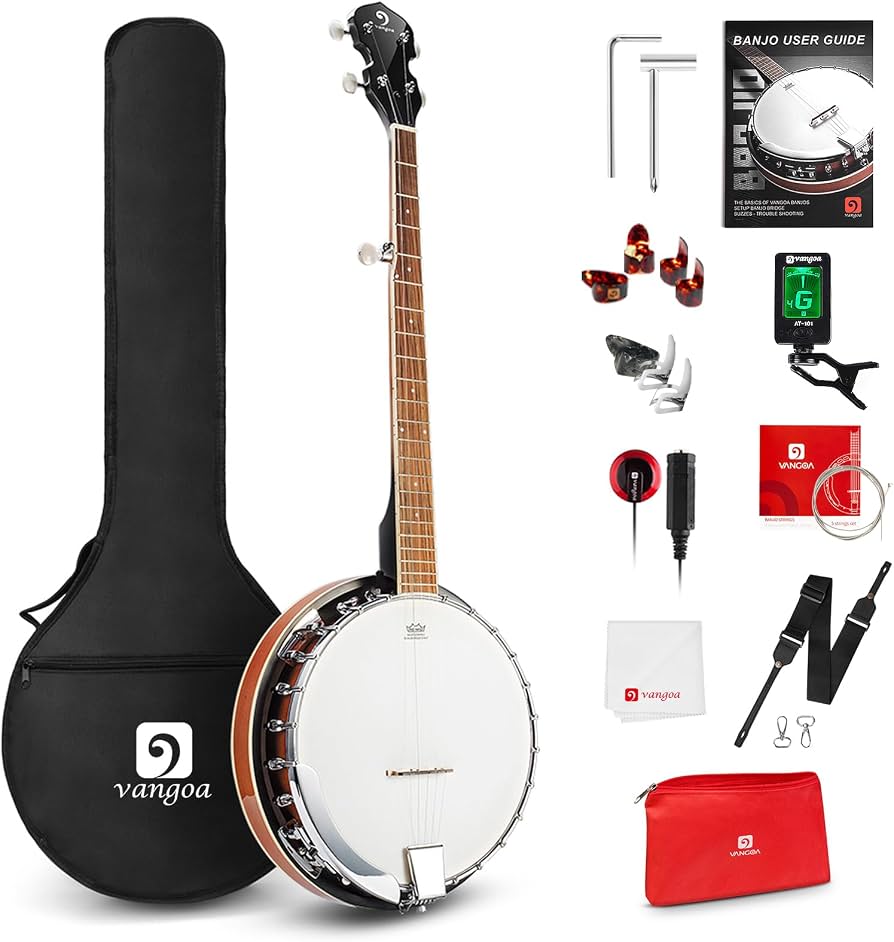
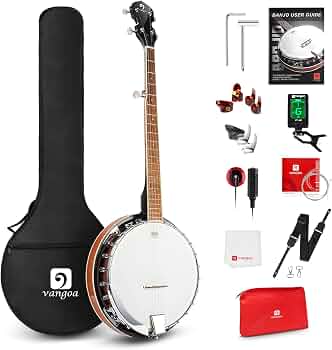
Vangoa 5-String Banjo with Resonator

Learning Curve: Easy

$219.99
Difficulty: 2/5
Vangoa 5-String Banjo with Resonator

Why Great for Beginners:

The Vangoa banjo offers great value with its closed-back resonator and solid build. It comes with a strap, picks, and a limited lifetime warranty, which makes it a dependable choice for beginners. The frets are smooth, and the action is generally low, reducing finger pain.

Beginner Pros

  • +Excellent value for the price
  • +Comes with strap, picks, and strings
  • +Closed-back resonator produces a warm, loud tone
  • +Lightweight enough for young beginners
  • +Good customer support and warranty

Beginner Cons

  • -Some models may arrive with a high bridge
  • -Tuner pegs can feel stiff initially
  • -Finish may have minor cosmetic flaws
  • -Not the most 'premium' sound for advanced players
👍 Best for: Budget-conscious beginners who don't want a toy, and who want everything they need in one box.
👎 Not for: Serious students who need a high-end tone quality for recording or performing.
#4
✨ Premium

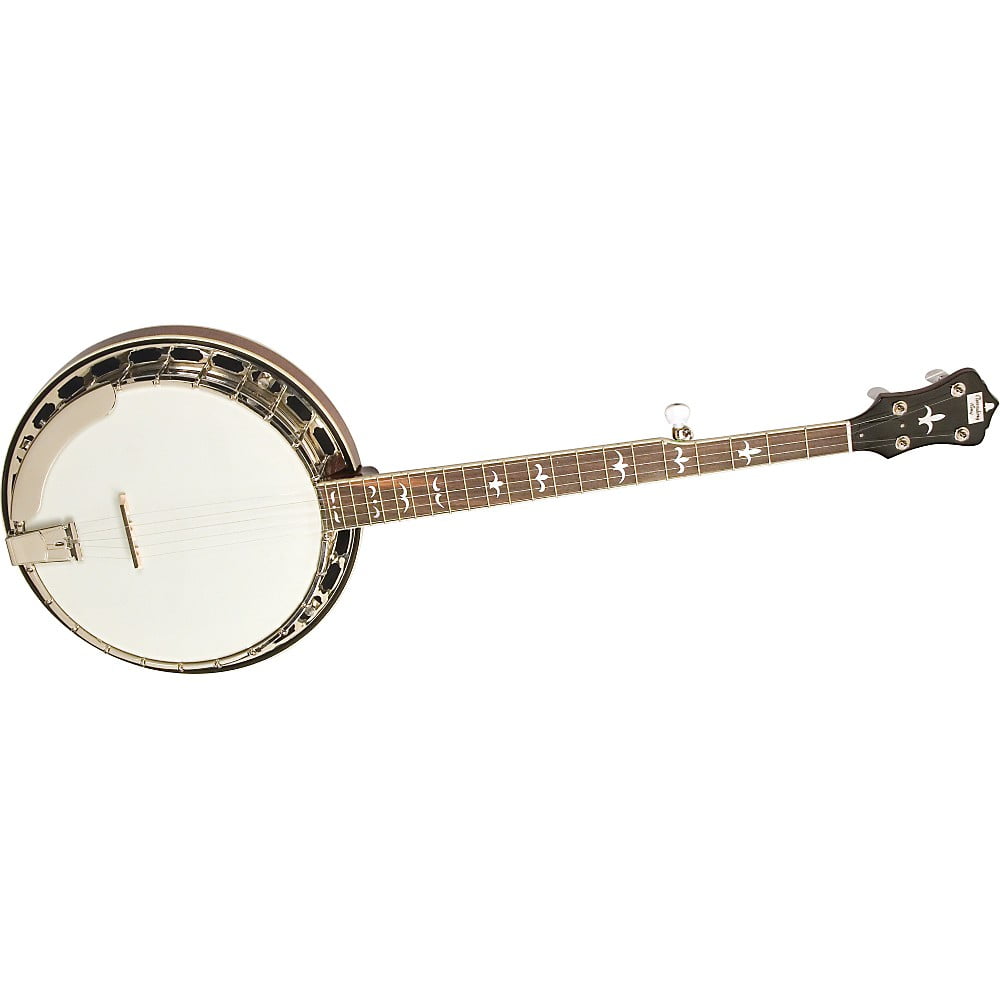
Recording King RK-R35 5-String Resonator Banjo

Learning Curve: Easy

$649.00
Difficulty: 1/5
Recording King RK-R35 5-String Resonator Banjo

Why Great for Beginners:

The Recording King RK-R35 is a serious step up for beginners who know they are committed to playing. It has a professional setup, a rich and powerful bluegrass tone, and high-quality components that will last for years. It's forgiving and easy to play, so even a beginner can appreciate the craftsmanship.

Beginner Pros

  • +Superb, easy-playing neck with low action
  • +Professional-grade tone ring and resonator reproduce the classic bluegrass sound
  • +High-quality tuners keep the banjo in tune
  • +Beautiful craftsmanship that will inspire practice
  • +Holds its value well if you upgrade later

Beginner Cons

  • -Higher price tag for a beginner
  • -Heavier than open-back options
  • -May be more than a beginner needs initially
👍 Best for: Committed beginners who have already tried a cheap banjo or who know for certain they want a lifetime hobby. Also great for players who want an instrument they can grow into without upgrading for many years.
👎 Not for: Casual experimenters or anyone still unsure if the banjo is the right instrument for them.

📖 Complete Beginner's Guide to Banjo

The banjo is a stringed instrument with a circular body like a drum. The most common type, and the one best for most beginners, is the 5-string banjo. It is played in two main styles: bluegrass (with fingerpicks and a bright, driving sound) and clawhammer (with a downward brushing motion and a more melodic folk sound). Both styles use the same banjo, so you don't need a different instrument to try either approach.

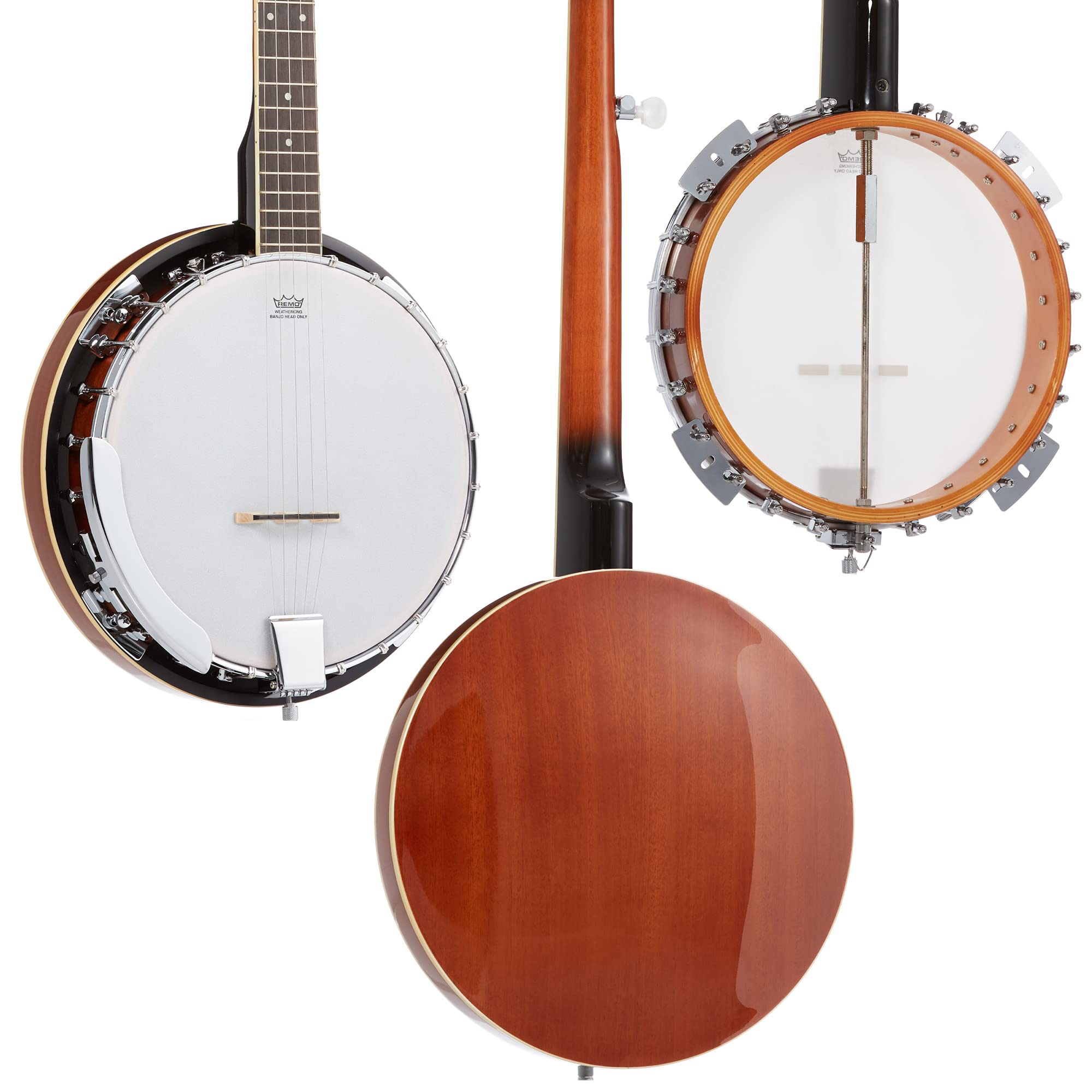
There are two body types: open-back and resonator. An open-back banjo has no back panel, so the sound escapes backwards. It is usually quieter, lighter, and often favored by clawhammer players. A resonator banjo has a wooden back that projects the sound forward, making it louder and punchier. That's the classic bluegrass banjo. For beginners, either one is fine. If you love bluegrass or want to play with others, a resonator banjo is a good goal, but a quality open-back or a resonator that isn't too heavy can work just as well while you learn.

When you see words like 'maple rim', 'tone ring', or 'Remo head', know that these affect the tone quality but you don't need to obsess over them yet. What matters more is whether the banjo stays in tune and is comfortable to play. 'Scale length' is simply the distance from the nut to the bridge; most banjos are 26.25 inches, and unless you have unusually small hands, it will be fine. A 'truss rod' is an adjustable metal rod in the neck that lets you correct bowing. Have it checked by a professional later if you can, but don't feel pressured to adjust it on day one.

As a beginner, expect your first weeks to be about building calluses on your fingertips and learning basic rolls (string patterns). You don't need a $1,000 banjo for that. You need an instrument that doesn't fight you. A well-set-up budget banjo is better than an expensive one that isn't set up. Look for customer comments like 'arrived in tune' and 'low action', those are beginner-friendly signs.

One thing to keep in mind is that no banjo is completely 'easy'. You will hit a learning curve, but a good beginner banjo keeps the curve from becoming a brick wall. If you can find a banjo in the $200-$400 range with geared tuners, a playable neck, and a decent setup, you'll be able to focus on playing rather than struggling with your instrument.

🔧 Essential Accessories for Beginners

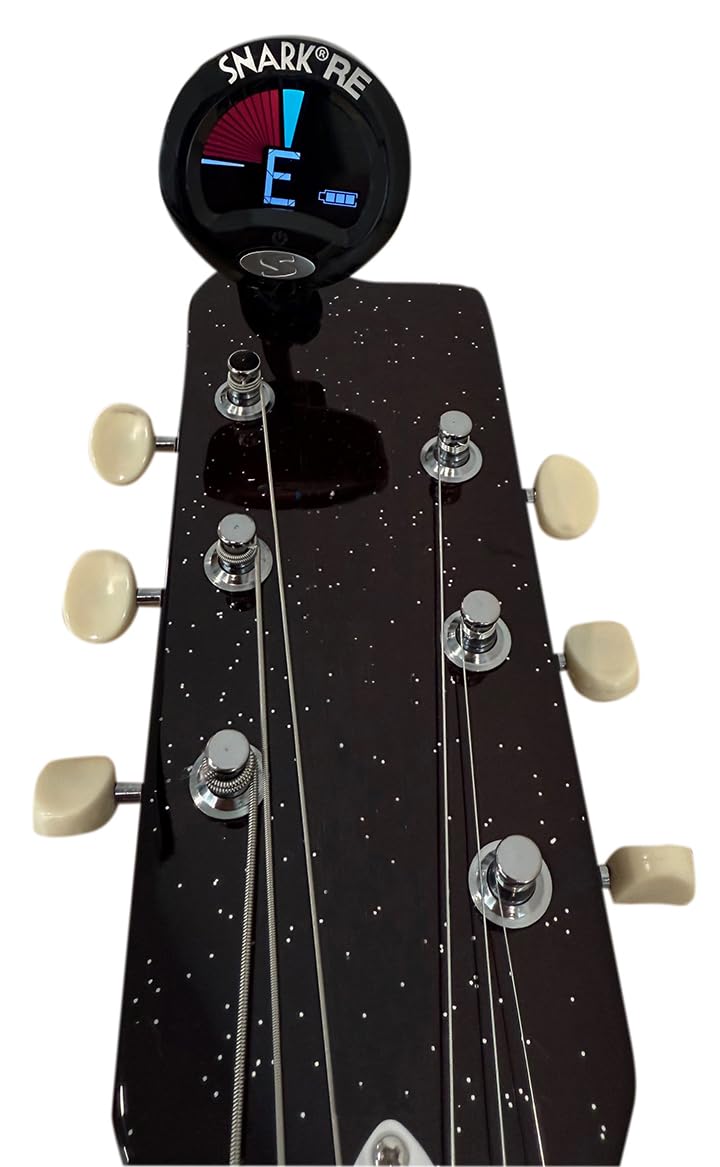
Snark SN-5X Clip-On Tuner

Snark SN-5X Clip-On Tuner

⚠️ Essential
When to buy:
Day one

A brand new banjo will not be perfectly in tune out of the box. A clip-on tuner clips to the headstock, detects the vibration of each string, and tells you exactly how to adjust the tuners. It is the single fastest way to make sure you sound good while practicing.

Beginner Benefits:

  • Removes the guesswork from tuning
  • Works even in rooms with background noise
  • Small enough to leave on your banjo
  • Gives clear visual feedback for each note
Dunlop 5-String Banjo Strap

Dunlop 5-String Banjo Strap

⚠️ Essential
When to buy:
Day one

The banjo is heavier than it looks, especially resonator models. A comfortable strap lets you play standing up and keeps the banjo from slipping. It also helps you hold the banjo in the correct position with less back and shoulder strain.

Beginner Benefits:

  • Supports the banjo so your left hand is free to fret notes
  • Reduces fatigue during practice
  • Helps you keep the banjo neck at the right angle
  • Fits most beginner banjo models
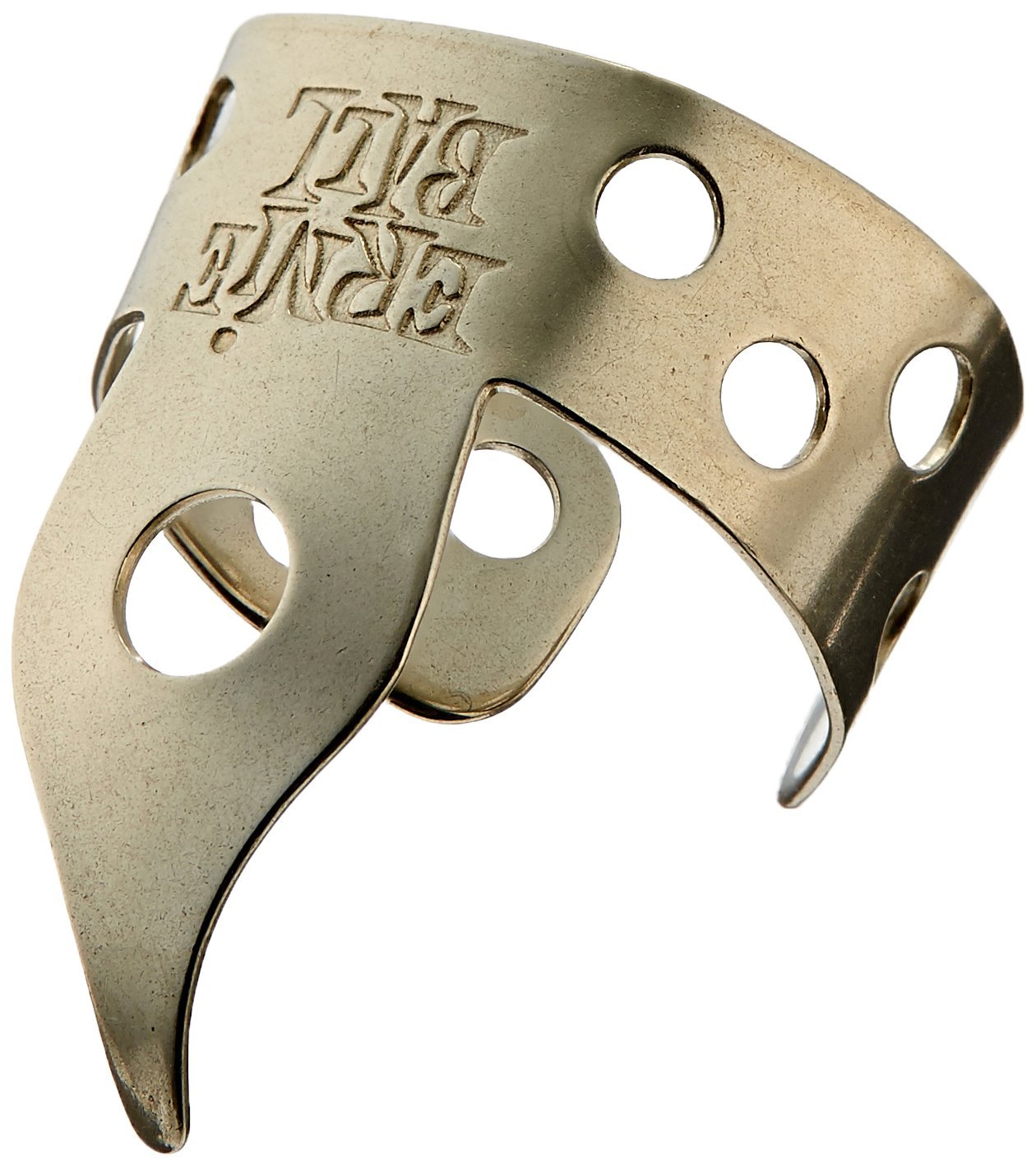
Ernie Ball Finger Picks & Thumb Pick

Ernie Ball Finger Picks & Thumb Pick

👍 Recommended
When to buy:
First month

Most bluegrass banjo picking is done with fingerpicks on the index and middle fingers and a thumb pick. Learning with picks from the start helps you build the correct right-hand technique, and it makes the banjo's bright tone come through.

Beginner Benefits:

  • Produces a clearer, louder banjo sound
  • Helps you build proper fingerpicking habits
  • Used in almost every bluegrass tutorial
  • Inexpensive and easy to replace
Gator Lightweight Banjo Case - Image 1 of 9

Gator Lightweight Banjo Case

👍 Recommended
When to buy:
First month

If you plan to take your banjo to lessons, a jam session, or anywhere else, a case protects it from bumps, dust, and changes in temperature. A soft gig bag is okay, but a lightweight rigid case gives much better protection for a similar price.

Beginner Benefits:

  • Prevents accidental damage to your investment
  • Makes it easy to transport your banjo safely
  • Stores picks and tuner in the small pocket
  • Fits both open-back and resonator banjos
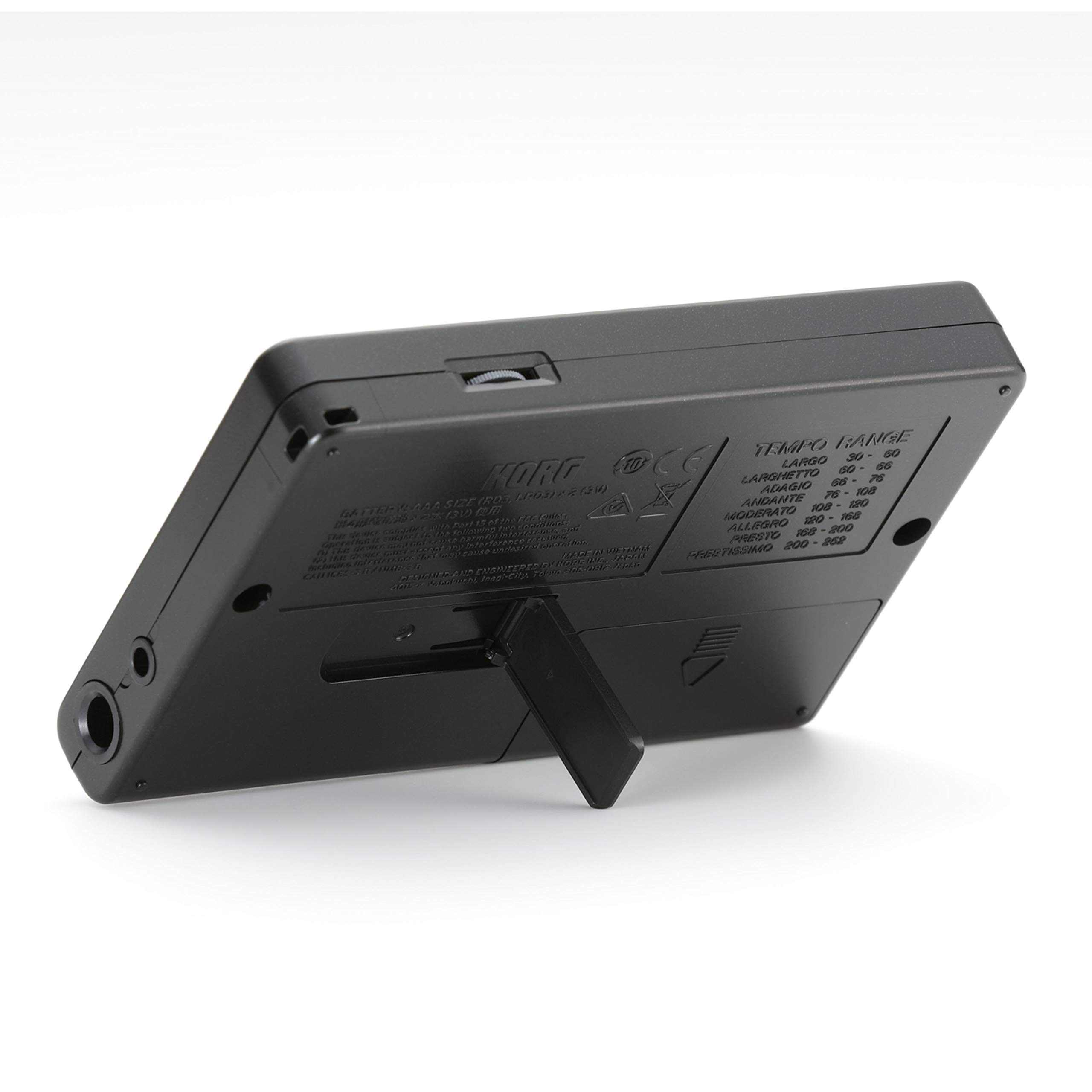
Korg TM60 Tuner & Metronome

Korg TM60 Tuner & Metronome

💡 Nice to Have
When to buy:
After you're comfortable

A metronome helps you keep steady rhythm, which is essential for banjo rolls. This compact device combines a tuner and a metronome, so you can practice timing and tuning in one tool. Beginners often overlook rhythm, but it's the key to sounding musical.

Beginner Benefits:

  • Builds a sense of timing from day one
  • Practices tuning and rhythm with one device
  • Helps you play rolls at a steady pace
  • Great for practicing with songs

🤔 How to Choose Your First Banjo

Start by asking yourself three questions: What kind of music do I want to play? How much do I want to spend? And am I willing to learn basic maintenance like changing strings or adjusting the bridge? If your heart is set on bluegrass, choose a resonator banjo. If you like folk and traditional Appalachian music, an open-back banjo might be ideal. Both can work for a beginner, so pick the one that excites you more.

Next, set a realistic budget. As a beginner, you should aim for the $200 to $400 range. That might sound like a lot, but it's the sweet spot where banjos are actually playable. Under $200, many banjos have poor tuners and high action, which will frustrate you. Spending over $600 on your very first banjo is risky because you might decide you prefer guitar or ukulele. There's nothing wrong with starting with a slightly cheaper starter banjo if you're still exploring, but remember that buying a $150 banjo that makes you quit is not a bargain.

Look for banjos that come with a setup from the shop or brand. Since you're buying online, read reviews specifically from beginners. Positive comments about tuning stability, low action, and the bridge being placed correctly are worth more than fancy-looking wood. Avoid banjos with zero reviews or reviews complaining about peeling paint, broken tuners, or a warped neck. Also, factor in a clip-on tuner and a good strap. They are small expenses that make a huge difference.

💰 Budget Guide for Beginners

700+

Professional entry: This is serious investment territory. You'll get great tone, beautiful craftsmanship, and an instrument you could use on stage, but you don't need this as a brand-new beginner unless you have a generous budget and strong commitment.

200 - $400

Sweet spot: This range gives you a much better playing experience. Banjos here have geared tuners, decent setup, and will keep you happy for one to two years. This is the best value for most beginners.

400 - $700

Premium beginner: These banjos sound noticeably richer and have better build quality. You won't outgrow them as quickly, and they can take you into intermediate level without an immediate upgrade.

Under $ - $200

Entry level: Minimum viable budget. You can find beginner banjos like the Rogue, but expect to tune often and possibly need a professional setup. Good for testing if you like banjo, but you'll likely want an upgrade within a year.

📈 Your Progression Path: Beginner to Intermediate

As a beginner, your first milestones are simple: tune the banjo, learn the basic G chord, and play a simple roll pattern. The 5-string banjo is famous for 'rolls', which are right-hand picking patterns that form the backbone of bluegrass. Spend your first month practicing rolls and a few easy two-finger chords. You don't need to know music theory. Just get comfortable holding the banjo and producing a clean sound.

After three to six months, you'll probably be able to play familiar folk songs and a basic bluegrass break. That's when you'll know if you've outgrown your starter banjo. Signs include the banjo constantly going out of tune, your fingers never feeling comfortable, or you wanting a more resonant, professional sound. When that happens, your first upgrade should be a better instrument, not a bunch of accessories. A $300 to $500 upgrade can make a world of difference.

Many beginners stay at this beginner stage for about a year, which is completely normal. The key is to practice consistently, even just 15 minutes a day. As you progress, you'll develop calluses and muscle memory, and the banjo will start to feel natural. After a year, you might start learning advanced rolls, chord shapes higher on the neck, and even your own improvisations. That's when you know you're becoming an intermediate player.

📚 Learning Resources for Beginners

  • 📖[Hal Leonard Banjo Method Book](https://www.amazon.com/s?k=Hal+Leonard+Banjo+Method+Book&linkCode=gg3&tag=ra075-20)
  • 📖[Earl Scruggs and the 5-String Banjo: The Best Banjo Book](https://www.amazon.com/s?k=Earl+Scruggs+5-String+Banjo+Book&linkCode=gg3&tag=ra075-20)
  • 📖[Absolute Beginner Banjo for Dummies](https://www.amazon.com/s?k=Absolute+Beginner+Banjo+for+Dummies&linkCode=gg3&tag=ra075-20)
  • 📖[Banjo Picking Tabs and Practice Charts](https://www.amazon.com/s?k=Banjo+Tabs+and+Practice+Charts&linkCode=gg3&tag=ra075-20)

🎯 Bottom Line: Our Recommendations

For most beginners, the best choice is a solid 5-string banjo in the $200 to $400 price range with geared tuners and a setup that lets you play comfortably. If you want the best value for your money, look for a trusted brand like Recording King or a well-reviewed beginner model. The Jameson 5-string banjo is a great all-around choice because it's affordable, easy to play, and can carry you through your first year. If you're on a really tight budget, the Rogue starter banjo is a passable place to begin, but plan to upgrade sooner rather than later.

Whatever banjo you pick, add a clip-on tuner, a strap, and a beginner book to your order. Those three items will help you more than any expensive accessory. Don't overthink the decision. The best banjo for a beginner is simply one that is playable, affordable, and inspires you to pick it up every day. Start with a good beginner model, practice a little every day, and you'll be amazed at how quickly you improve. Your journey begins here, and you've got a fun, twangy road ahead.

❓ Frequently Asked Questions

The best banjo for most beginners is a 5-string resonator banjo in the $200-$400 range, like the Jameson or Vangoa models featured above. These are easier to tune, have playable action, and give you the bright bluegrass tone you're likely looking for. If you have a larger budget, the Recording King RK-R35 is a premium choice that will last many years.
Plan to spend at least $200 to get a banjo that is reliable and comfortable to play. Under $200, banjos often have high action and poor tuners, which can frustrate beginners. The $200-$400 range is the sweet spot for most learners. Avoid spending more than $700 until you know you'll stick with it long-term.
Beginners need a 5-string setup (for bluegrass/folk), geared tuners, low action, and a comfortable neck width. A resonator body is nice if you want a louder bluegrass sound. You don't need fancy tone rings or premium wood as a beginner.
The easiest banjo to learn on is one with a short scale (so your fingers don't have to reach far), low action, and a lighter body. Many beginners also find open-back banjos easier because they are lighter and quieter, but 5-string resonator banjos like the Jameson are still very approachable.
At minimum, get a clip-on tuner and a strap. A tuner keeps you from sounding bad while practicing, and a strap supports the instrument. Fingerpicks are also highly recommended if you want to play bluegrass. A case or gig bag will protect your investment.
First, decide what music you want to play: bluegrass or folk. Then set a budget between $200 and $400. Read customer reviews from other beginners, and choose a banjo with geared tuners and a low action setup. Avoid banjos with no reviews or a price that seems too good to be true.
The banjo has a learning curve, but it's not impossibly hard. The left hand plays simple chord shapes, and the right hand uses repeated picking patterns called rolls. Once you build calluses and practice 15-20 minutes a day, you'll feel progress within a few weeks.
The biggest mistakes are buying a very cheap banjo and skipping a tuner. Cheap banjos are hard to keep in tune and hurt your fingers, which makes you want to quit. Other mistakes include choosing the wrong string count, not buying fingerpicks, and not getting a strap.
Yes, you can definitely learn the basics yourself using books, YouTube, and online courses. However, a beginner book like the Hal Leonard Banjo Method helps structure your learning and makes sure you don't skip important techniques. If you can, a few private or online lessons will also be valuable.
If 'cheap' means under $150, try to avoid it. A better approach is to buy a used quality banjo or save a little more for a $200-$300 instrument. A playable beginner banjo is a better investment and will save you from the frustration of an unplayable one.
With regular practice, you should be able to play simple rolls and basic songs within 1-3 months. To become comfortable improviser or play at a jam session, it usually takes a year or more. The key is consistency, not speed.

Related Articles