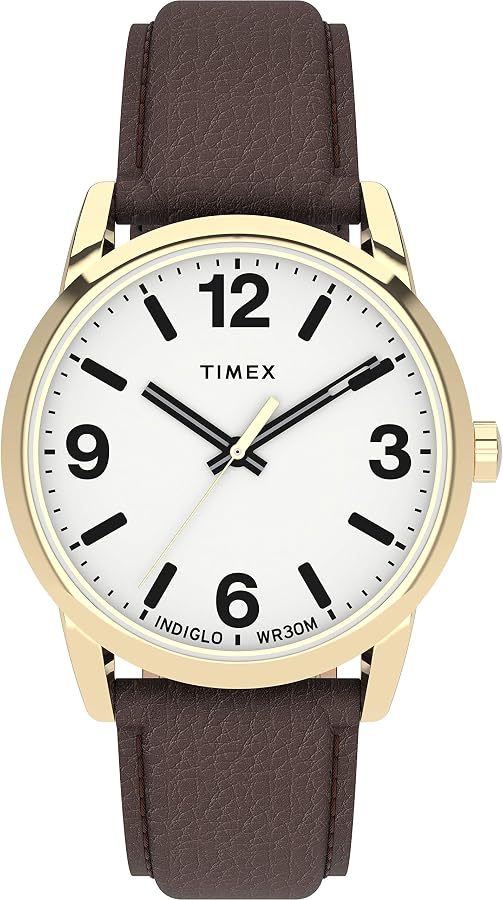
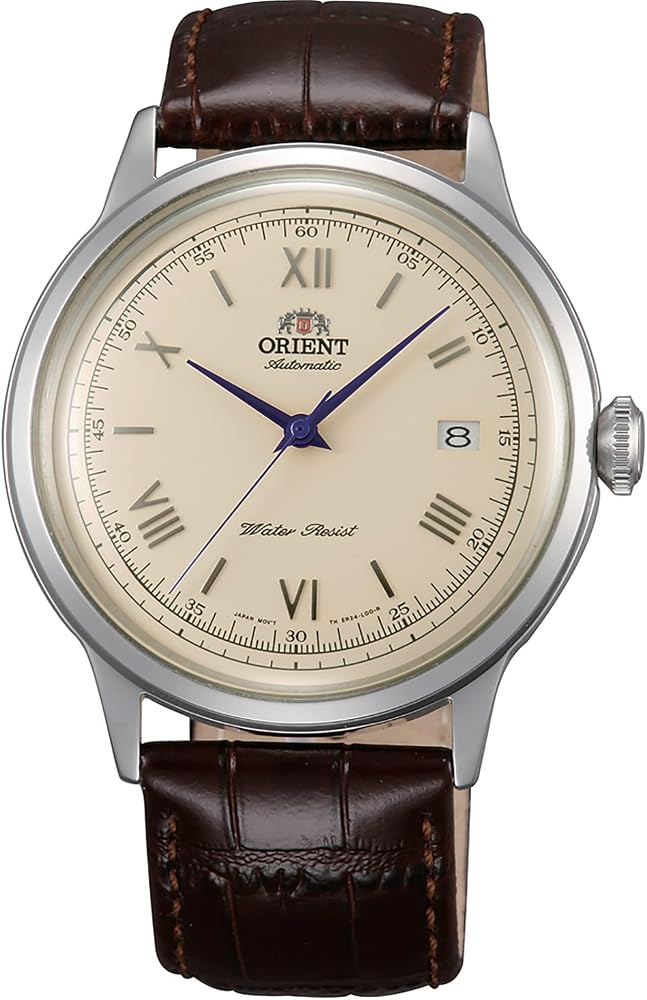
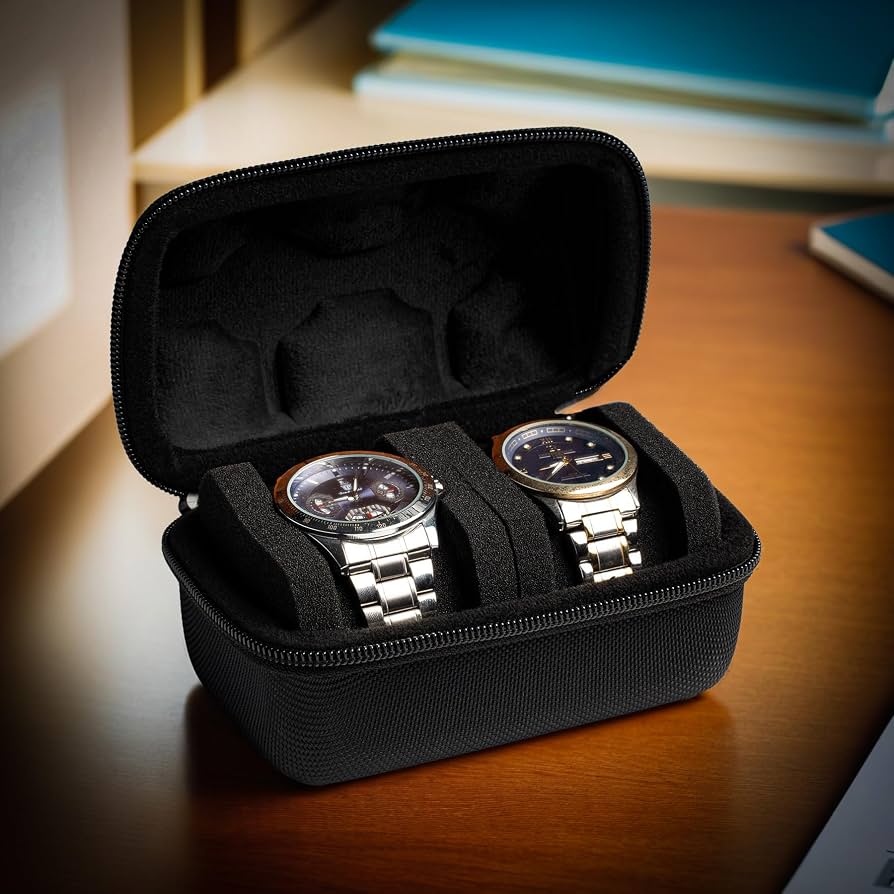
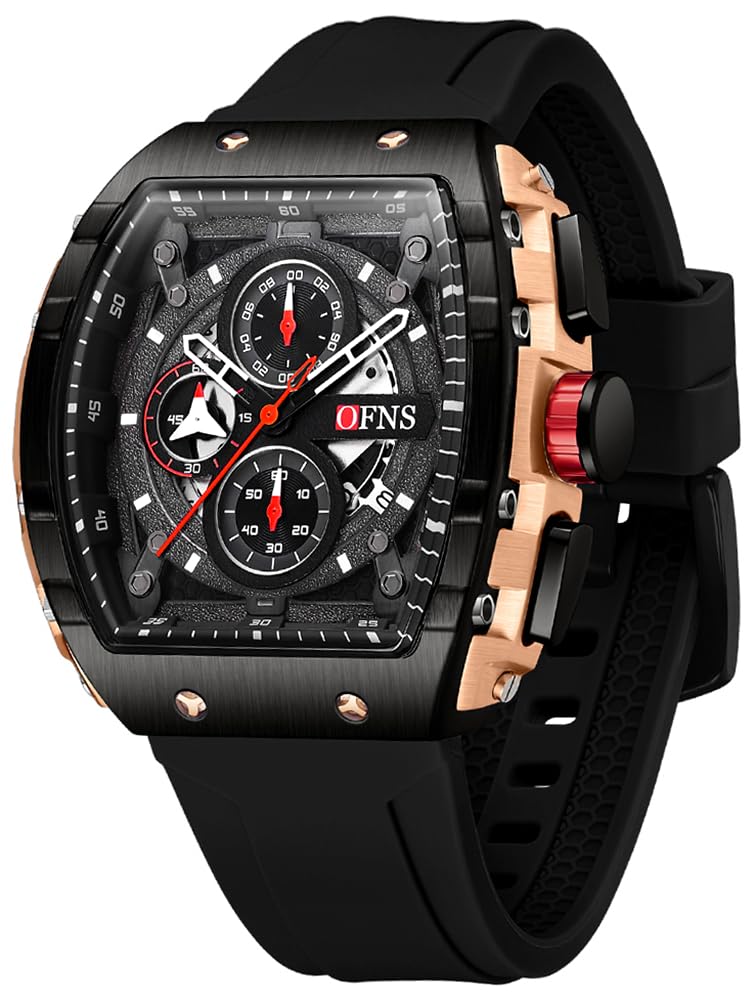
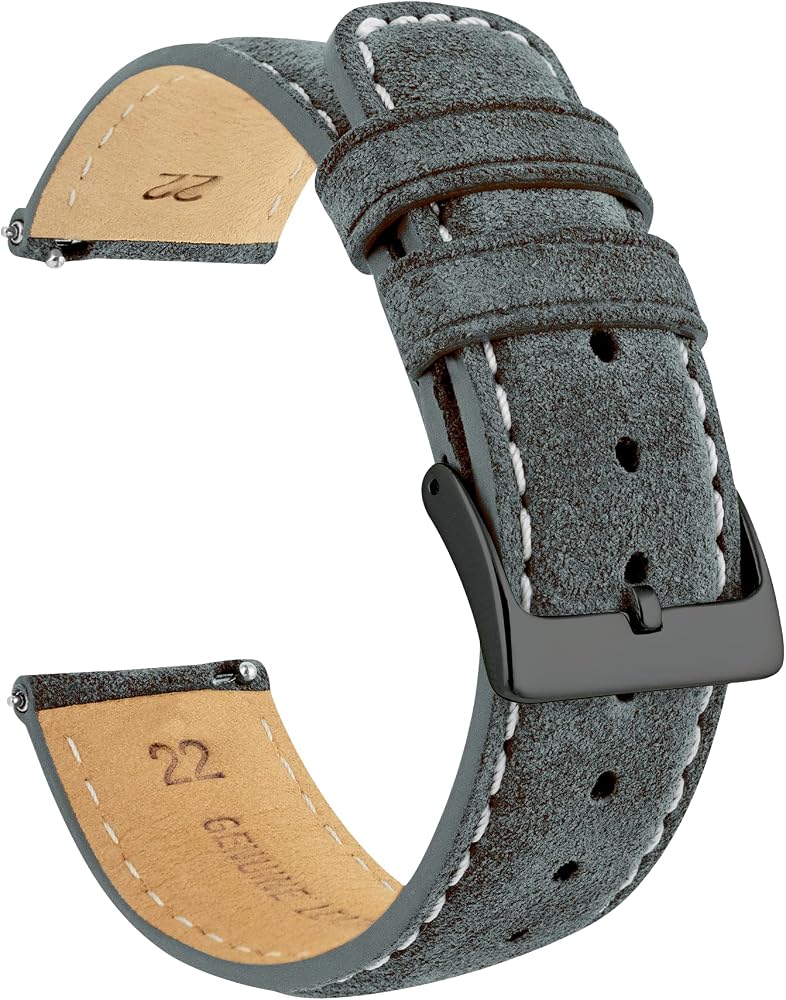
An analog watch tells time with hands that rotate around a dial, powered either by a quartz crystal (battery) or a mechanical movement. Quartz movements are like the reliable sedan of the watch world: start it (put in a battery), and it runs accurately for a year or two. Mechanical movements are the classic sports-car option: they're fascinating, but they need regular winding and occasional servicing to stay at their best. If you're completely new, start with quartz. It gives you instant confidence and a zero-stress introduction to reading an analog face.
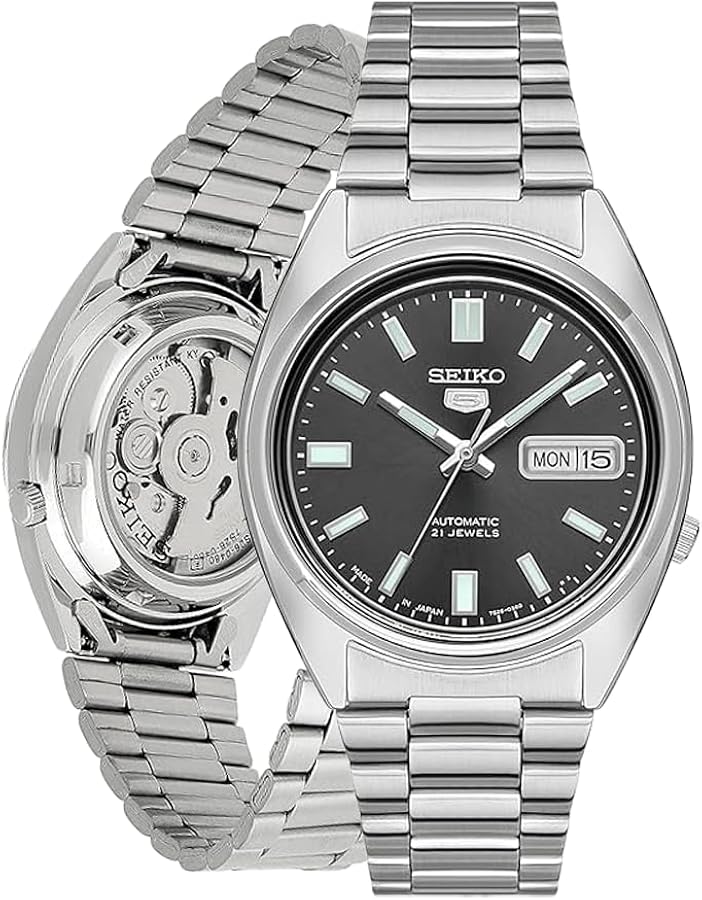
Automatic watches, a subcategory of mechanical, wind themselves through the natural movement of your wrist. They're enchanting to watch and make a great second watch once you're comfortable with the basics. But they also require you to wear them regularly (or keep them in a winder) and can be less accurate than quartz. A good compromise: choose a quartz watch with a clean, classic style, and leave the automatics for your next purchase.
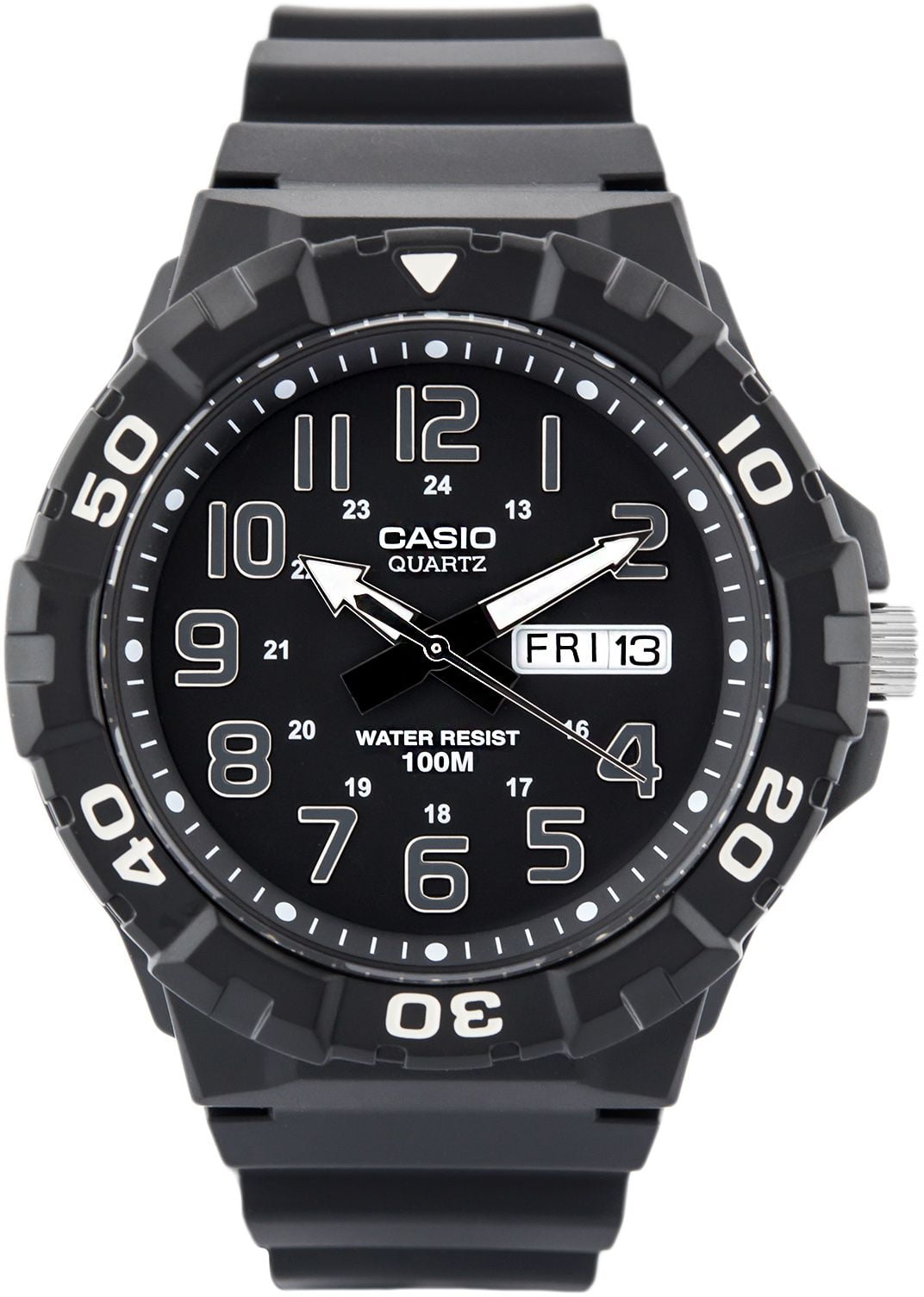
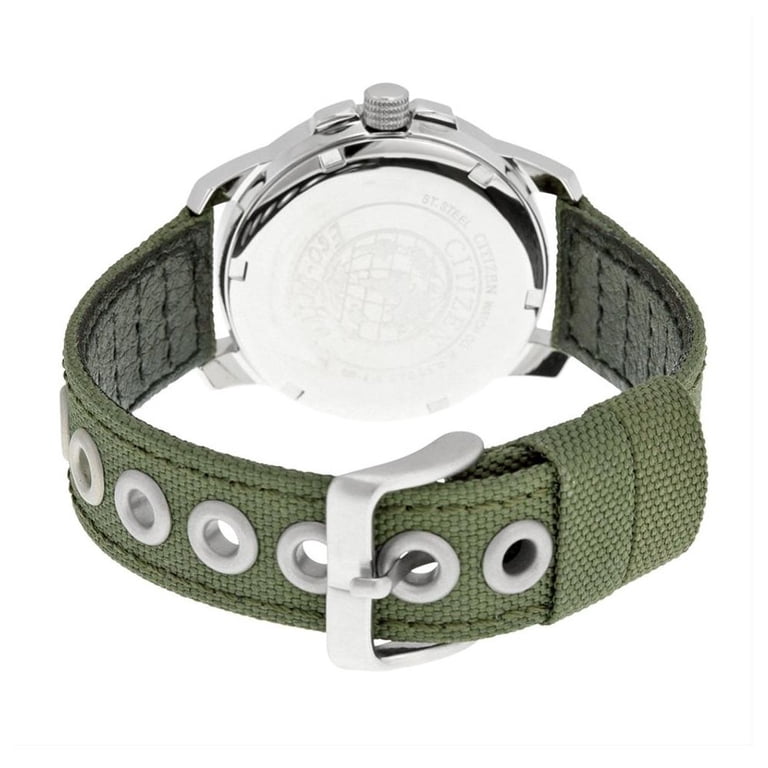
When it comes to style, there are four main families. Dress watches are thin and elegant, with leather straps and minimal dials. Casual or everyday watches are versatile and built for daily wear. Field watches have bold, highly legible dials and often come on durable fabric or leather straps. Sports watches add features like a chronograph, tachymeter, or extra water resistance. For beginners, a casual or field-style quartz watch is usually the sweet spot—it's tough enough for daily use and smart enough to wear to most events.
Case size matters more than beginners think. A 38–40mm case fits average wrists comfortably and looks proportional. If you have a smaller wrist, stick to 36–38mm; if you have a larger wrist, 40–42mm will feel more substantial. Don't chase 'oversized' panic-buys—comfort is what keeps you coming back to a watch.
Water resistance is another useful spec, but only up to a point. A rating of 30–50 meters is fine for hand washing and splashes, but not for swimming. If you plan to swim with a watch, look for at least 100 meters. However, most beginners don't need that level of water resistance in their first watch.