
Is Which Drones should I buy Worth It? Honest Review (2026)
Compare the best drones under 250g and find your perfect match for travel and hobby flying.
Our Top Pick
DJI Mini 4 Pro (with RC-N2 Controller)
Best OverallTravel creators, drone hobbyists, and serious videographers who want the best all-round sub-250g drone and can stretch their budget.
View on Amazon →Key Factors to Consider
- 1.Weight and regulation: Sub-250g avoids registration in many countries, but always verify local rules.
- 2.Camera quality: Sensor size, resolution, and gimbal stabilization determine video/photo output.
- 3.Flight time: Longer batteries allow more shooting per session.
- 4.Obstacle avoidance: Front, rear, and down sensors reduce crash risk.
- 5.Controller and transmission range: Important for reliable control and FPV monitor.
- 6.Portability: Foldable size affects how easily you can travel with it.
- 7.Brand support and software: Updates, app reliability, and customer service matter.
- 8.Price and value: Consider your budget vs. features and how often you'll fly.
- 9.Intelligent flight modes: ActiveTrack, Waypoint, and vertical shooting can boost creativity.
- 10.Future-proofing: Newer models with 4K HDR, 10-bit color, and O4 transmission last longer.
The Products
DJI Mini 4 Pro (with RC-N2 Controller)
✓ Pros
- •Sub-250g = no registration in many countries and easier travel approval
- •Excellent 4K HDR video and 48MP RAW photos
- •Omnidirectional obstacle sensing (APAS 5.0) prevents crashes
- •34-minute max flight time
- •10-bit D-Log M color profile for professional editing
- •ActiveTrack 360 and advanced intelligent flight modes
✗ Cons
- •Price is significantly higher than entry-level models
- •No mechanical zoom lens, only digital zoom
- •RC-N2 controller requires a smartphone screen
- •ND filters are sold separately, adding cost
Best For:
Travel creators, drone hobbyists, and serious videographers who want the best all-round sub-250g drone and can stretch their budget.
Not Recommended For:
Budget buyers who only need basic 4K clips or casual weekend flying.
Key Features:
Standout Feature:
Best-in-class camera and obstacle sensing for a drone under 250g.
VS Others:
Compared to the DJI Mini 3 and Mini 4K, the Mini 4 Pro offers superior camera quality, safety features, and flight intelligence. It costs about 60% more than the Mini 3, but the imaging upgrades and omnidirectional sensing justify the premium for serious shooters.
Why This One:
If you need the most capable lightweight drone available and want room to grow as your skills improve, the Mini 4 Pro is the safest choice. It delivers professional-level footage in a tiny package.
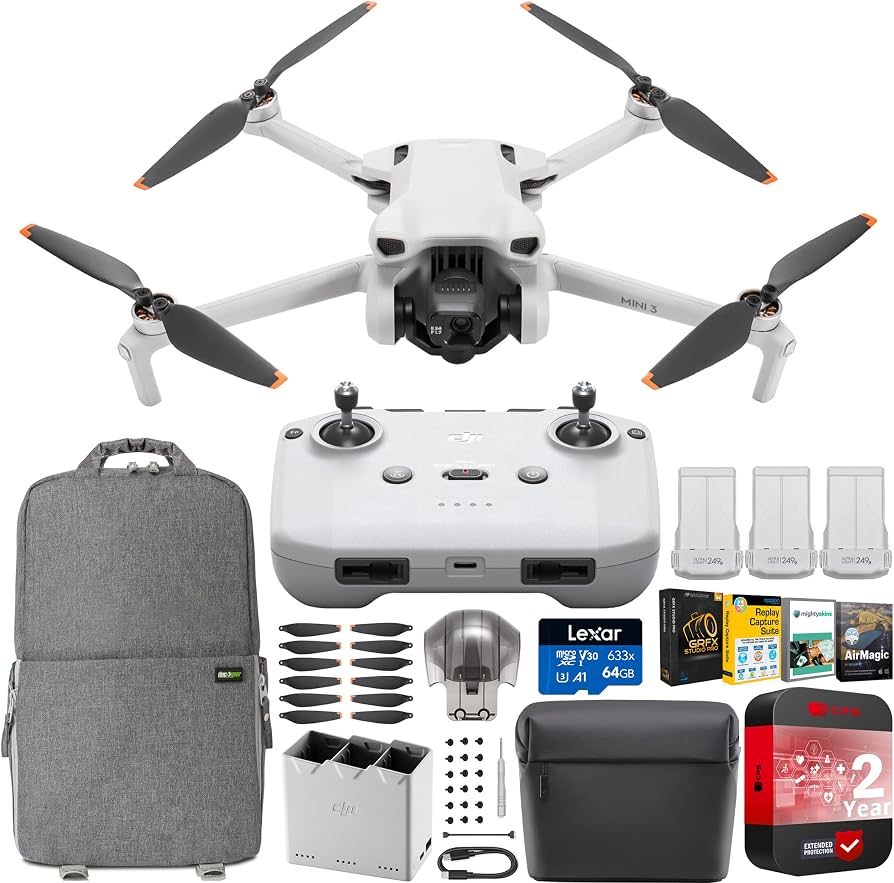
DJI Mini 3 (with DJI RC-N1 Controller)
✓ Pros
- •Vertical gimbal makes portrait-mode videos effortless for TikTok/IG
- •38-minute max flight time with the long-life battery
- •Same 1/1.3-inch sensor as DJI Mini 3 Pro
- •True 4K HDR video at a mid-range price
- •Foldable and ultra-portable at 248g
✗ Cons
- •No forward/rear obstacle sensing, only downward
- •Cannot shoot 4K/60fps (only 4K/30)
- •No 10-bit D-Log M color profile
- •RC-N1 controller requires a phone
Best For:
Travel creators and hobbyists who mainly shoot vertical video and want long flight time without overspending.
Not Recommended For:
Anyone who needs obstacle avoidance, 4K/60fps, or a controller with a built-in screen.
Key Features:
Standout Feature:
Vertical camera gimbal that creates social-media-ready content without cropping.
VS Others:
The Mini 3 costs $280 less than the Mini 4 Pro while sharing the same sensor. You lose obstacle sensing and some smart flight modes, but you gain a longer max flight time if you choose the extended battery. It's a better value for casual creative users.
Why This One:
If you've been eyeing a DJI drone but want to stay under $500, the Mini 3 delivers the best combination of image quality and flight time.
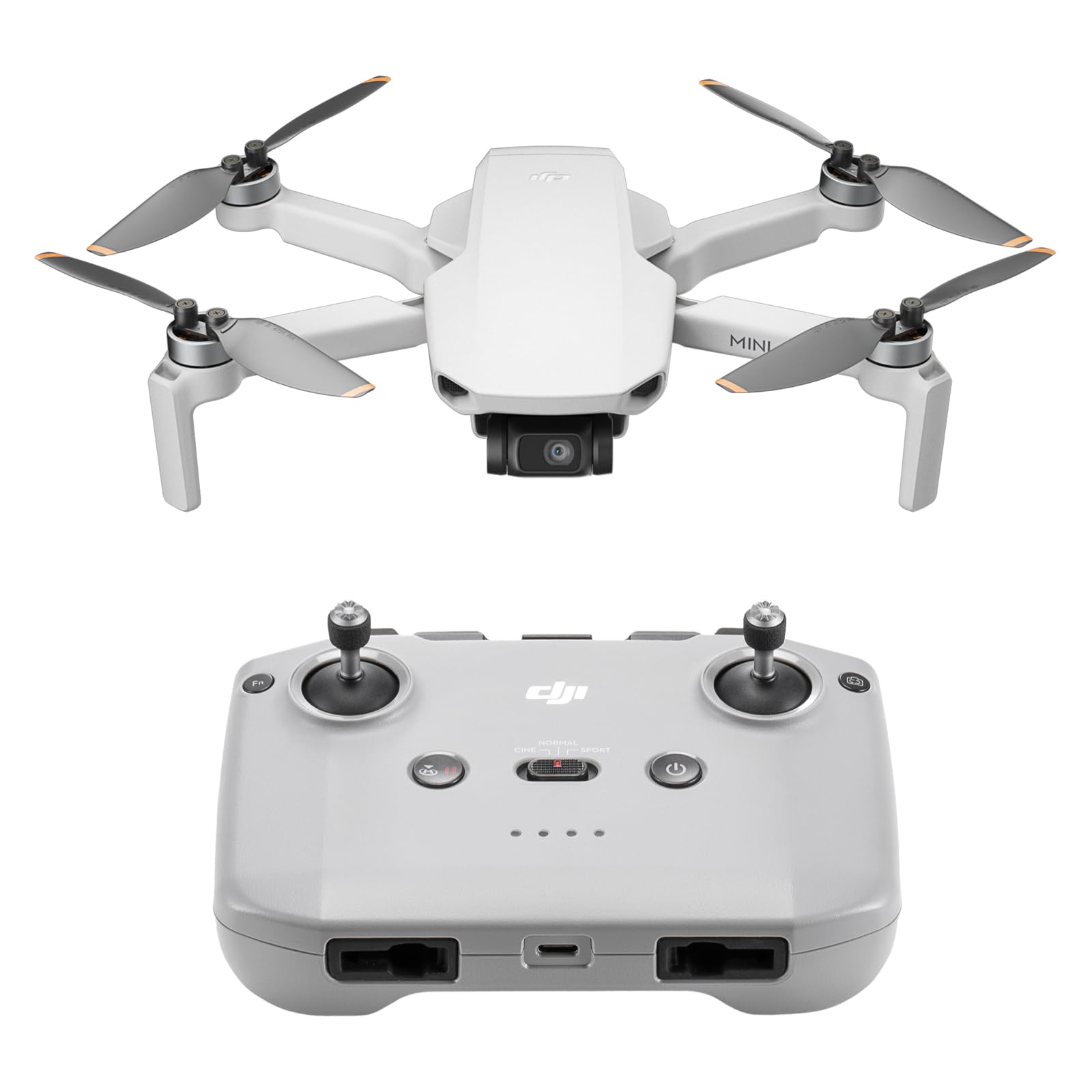
DJI Mini 4K (with Remote Controller)
✓ Pros
- •True 4K video recording at an unbeatable price
- •Sub-250g category for easy travel
- •31-minute flight time with Intelligent Flight Battery
- •DJI reliability and customer support
- •GPS + Return-to-Home for peace of mind
✗ Cons
- •No obstacle sensors
- •Smaller camera sensor produces less dynamic range
- •No RAW photo or vertical gimbal
- •Digital zoom is low quality
Best For:
First-time flyers and budget-conscious hobbyists who want dependable 4K footage without a big investment.
Not Recommended For:
Experienced creators who need advanced camera controls, RAW, or obstacle avoidance.
Key Features:
Standout Feature:
The most affordable way to get true 4K video from a DJI drone that's still under 250g.
VS Others:
This is the no-frills pick. For $180 less than the Mini 3, you get a less capable camera and no vertical rotation. If you can stretch your budget, the Mini 3 offers a far better sensor and gimbal, but for less than $300 the Mini 4K is unbeatable.
Why This One:
Choose this if you simply want to start flying and capturing decent 4K clips with minimal financial risk.
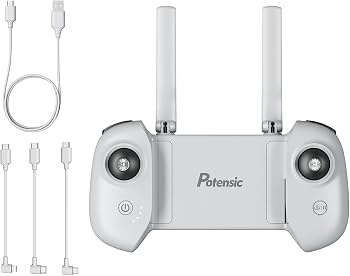
Potensic ATOM 4K GPS Drone (Standard Remote)
✓ Pros
- •3-axis mechanical gimbal for smooth 4K video
- •32-minute max flight time
- •Sub-250g and foldable
- •Lower price than DJI Mini 3
- •GPS and Return-to-Home included
✗ Cons
- •App and software less refined than DJI Fly
- •No obstacle avoidance
- •No RAW photo format
- •Fewer accessories and less resale value
- •Camera sensor less capable in low light
Best For:
Budget flyers who want smooth gimbal footage and are willing to try a lesser-known brand.
Not Recommended For:
Users who want the safest, most user-friendly drone with strong app support.
Key Features:
Standout Feature:
3-axis mechanical gimbal normally reserved for more expensive drones, at an entry-level price.
VS Others:
It sits between the DJI Mini 4K and Mini 3: you get a mechanical gimbal like the Mini 3, but the camera sensor quality and transmission technology are not as polished. For around $290, the ATOM is the best non-DJI budget option.
Why This One:
If you prioritize smooth gimbal stabilization over brand pedigree, the Potensic ATOM offers a very attractive price-to-feature ratio.
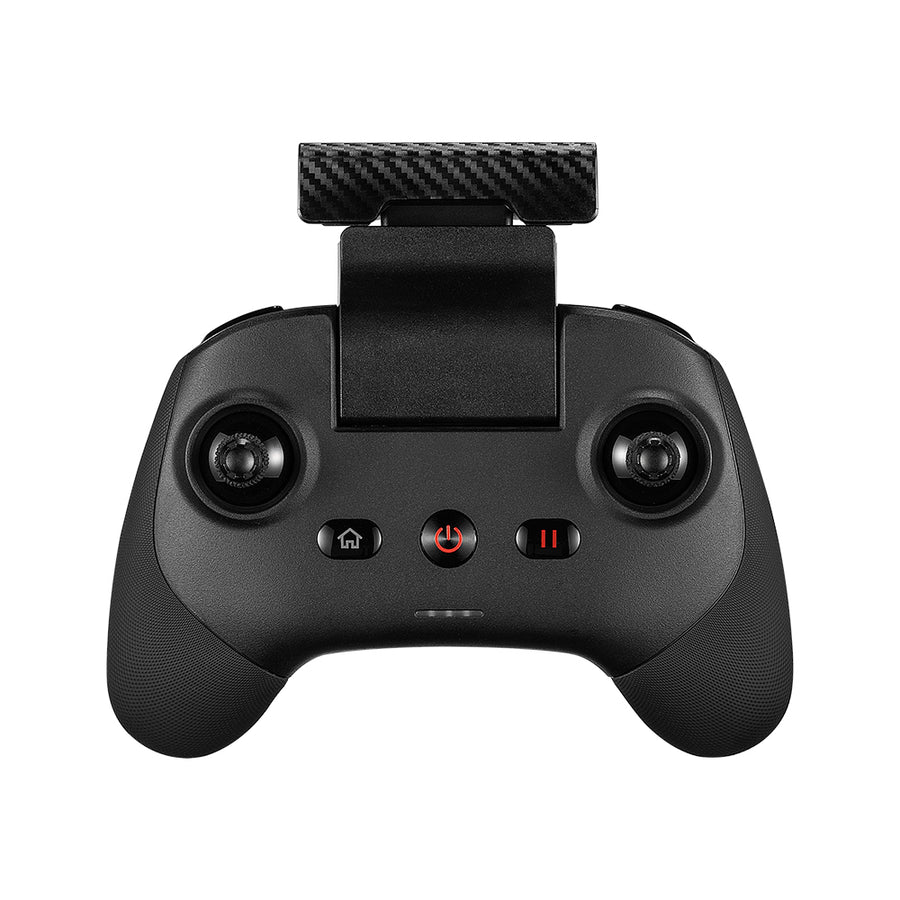
Autel EVO Nano+ (Standard Remote Controller)
✓ Pros
- •50MP RAW photos with RYYB sensor for better low-light
- •4K/30fps video with high dynamic range
- •Three-way obstacle avoidance (front, rear, down)
- •249g weight for easy travel
- •No geofencing in many regions
✗ Cons
- •4K/60fps is not supported
- •Only 28-minute flight time (shorter than DJI rivals)
- •App experience is less intuitive than DJI Fly
- •Higher price for similar video capabilities
Best For:
Photography-focused drone pilots who prioritize 50MP raw stills and want a real DJI alternative.
Not Recommended For:
Videographers who need 4K/60fps or the largest selection of accessories.
Key Features:
Standout Feature:
The 50MP camera and RYYB sensor make it the best still-photo lightweight drone under $1,000.
VS Others:
The EVO Nano+ is more expensive than the Mini 4 Pro while offering fewer video features and shorter flight time. However, its 50MP stills with the dual-native ISO often appeal to photographers. Choose it if you specifically need high-resolution images or a non-DJI brand.
Why This One:
If you want a lightweight drone that makes capturing detailed, high-res stills a priority, the Nano+ beats every DJI in this round-up.
Hubsan Zino Mini Pro (4K Camera, 249g)
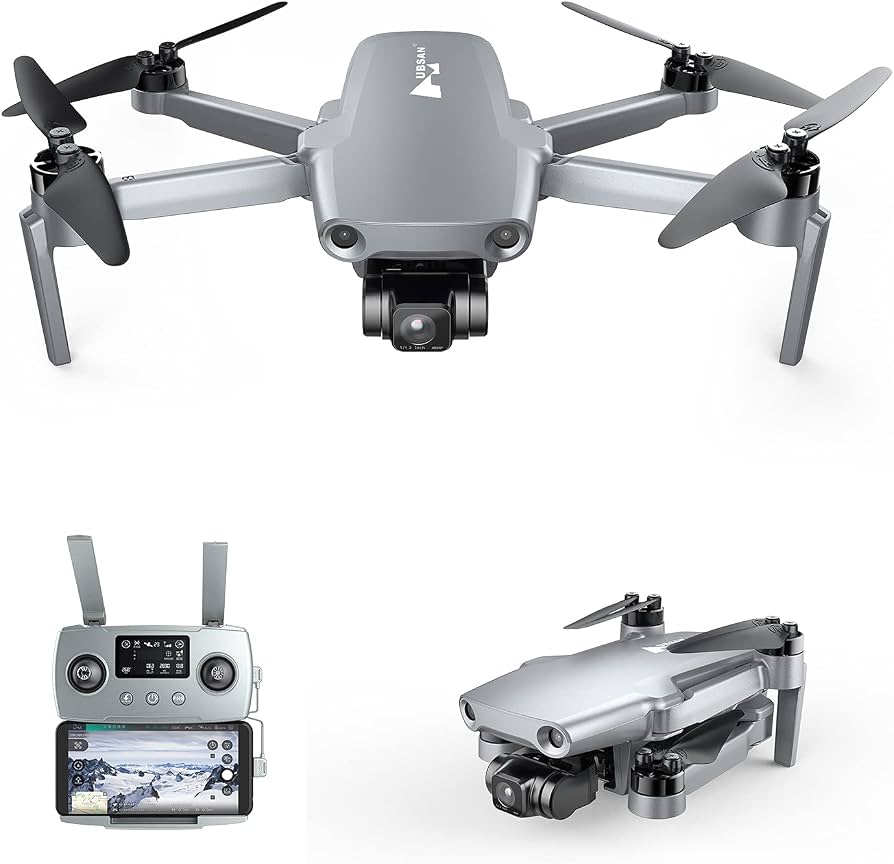
✓ Pros
- •4K/60fps video and 48MP photos
- •3-axis gimbal for smooth footage
- •Three-way obstacle avoidance
- •Sub-250g and foldable
- •Lower price than DJI Mini 4 Pro
✗ Cons
- •Shorter flight time (around 24 min)
- •App and transmission less refined
- •Hubsan support is sparse
- •Limited accessory ecosystem
- •Not as beginner-friendly
Best For:
Tinkerers and budget pilots who want 4K60 and obstacle avoidance on a sub-250g drone without paying DJI prices.
Not Recommended For:
Beginners who want a seamless, user-friendly experience straight out of the box.
Key Features:
Standout Feature:
4K/60 fps video and obstacle avoidance in a sub-$550 package.
VS Others:
The Zino Mini Pro undercuts the DJI Mini 4 Pro on price but doesn't match DJI's camera tuning or reliability. It's a worthy alternative if you want 4K60 and obstacle avoidance without paying a premium, but be prepared to troubleshoot.
Why This One:
If you're intrigued by Hubsan's impressive feature sheet and are comfortable with a less polished ecosystem, this is a capable and affordable choice.
Who Should Get What?
Budget-Conscious Hobbyist
A student or casual user who wants to try drones without dropping $700. They plan to fly a few times per month, capture social media clips, and want a drone that's simple to use and won't break the bank.
Recommended:
DJI Mini 4K (with Remote Controller)
At $299 it offers real 4K from a trusted brand and still weighs under 250g. The fly-away risk is low because DJI’s GPS and return-to-home work reliably. If you find flying isn't for you, this is the least painful financial loss.
View on Amazon →Travel Vlogger on a Mid-Range Budget
A content creator traveling 3-4 times a year. They need lightweight gear, vertical video for TikTok/IG, 4K HDR quality, and long battery life for shooting multiple locations without recharging constantly.
Recommended:
DJI Mini 3 (with DJI RC-N1 Controller)
The Mini 3's vertical gimbal is perfect for social content, and the 38-minute flight time is a real advantage when you're out exploring. It shares the Mini 3 Pro's sensor, so image quality stays high at a price that leaves room for extra batteries and a travel case.
View on Amazon →Serious Creator / Professional
A wedding videographer or commercial pilot who already has a Mavic 3 for heavy work but needs a sub-250g backup for travel and international gigs. They must have reliable obstacle sensing, 10-bit color, and 4K/60fps without sacrificing image quality.
Recommended:
DJI Mini 4 Pro (with RC-N2 Controller)
You need the best sub-250g camera and flight system available. Omnidirectional obstacle sensing lets you focus on the shot while the drone takes care of avoiding branches. It shoots 10-bit D-Log M for color grading and 4K/60fps, giving you a miniature cinema camera.
View on Amazon →Photography Enthusiast
A landscape photographer who isn't interested in video but wants high-resolution aerial stills for prints and stock submissions. They value raw capture and low-light sensor performance, and like the idea of a non-DJI option.
Recommended:
Autel EVO Nano+ (Standard Remote Controller)
The EVO Nano+ captures 50MP RAW photos with a RYYB sensor that's excellent in low light. Its 3-way obstacle avoidance is sufficient for landscape flying, and the 249g weight means you can pack it in a small pouch—ideal for long hikes.
View on Amazon →First-Time Flyer Who Wants Quality Without Hassle
A person with zero drone experience who wants a dependable under-250g drone from a known brand. They are willing to spend mid-range but want the easiest learning curve and best aftersales support.
Recommended:
DJI Mini 3 (with DJI RC-N1 Controller)
The Mini 3 is the best balance of beginner-friendliness, flight stabilisation and price. DJI Fly has a simple interface with tutorials, and the camera quality means you'll still be happy with your shots as you improve.
View on Amazon →Buying Guide: How to Choose
Bottom Line
Frequently Asked Questions
Which lightweight drone under 250g is best in 2026?▼
Is it worth paying extra for the DJI Mini 4 Pro?▼
Which is better: DJI Mini 4 Pro or Autel EVO Nano+?▼
Do I need obstacle avoidance on a sub-250g drone?▼
What's the best budget drone under $300?▼
Can I fly a sub-250g drone without registration?▼
How long do DJI Mini 3 batteries last?▼
Which drone has the longest flight time in this guide?▼
Can the Potensic ATOM compete with DJI?▼
Is Hubsan Zino Mini Pro good?▼
Do travel creators need ND filters?▼
Are DJI drones banned in some areas?▼
Need More Help Deciding?
Explore more buying guides to find the perfect product for your needs.
View All Buying Guides