Review Atlas
Review AtlasYour guide to a better purchase

Menu

Shop by Category

Get the App

Better experience on mobile

7 Best Which Camera Drones should I buy in 2026: Tested & Ranked

Compare the best Camera Drones first drone and find your perfect match based on needs and budget

Camera Dronesfirst dronenew pilots$300-$800
Buying your first drone is exciting, but the sheer number of options can be overwhelming. Between DJI, Autel, and budget brands, each promising the best camera, safest flight, and longest battery, it's hard to know what truly matters. This guide cuts through the noise to help you pick the perfect camera drone in the $300-$800 range. Whether you're a travel vlogger, a weekend hobbyist, or a concerned parent, we'll break down the key differences and match you with the right drone. By the end, you'll know exactly which drone fits your budget, skill level, and creative goals.

Our Top Pick

DJI Mini 4 Pro

Best Overall

New pilots who want the safest, most advanced mini-drone experience and are willing to pay for the best.

View on Amazon →

Key Factors to Consider

  • 1.Camera Quality: Look at sensor size (1/1.3-inch or larger is good), video resolution (4K/30 or 60fps), bitrate, and gimbal stability. A larger sensor captures better low-light footage.
  • 2.Flight Time: Most drones in this range offer 25–38 minutes. More time in the air means more creative possibilities, but consider that real-world flight is often shorter due to wind and maneuvers.
  • 3.Obstacle Avoidance: For beginners, sensors that detect obstacles from 3 directions (forward, back, downward) are a safety net that can prevent crashes. Full 360° sensing is rare in this budget, but 3-way is a huge help.
  • 4.Weight and Portability: Drones under 249g are in the lowest regulatory category in the US, no registration required, and are easier to carry. Heavier drones often fly better in wind but require registration and more caution.
  • 5.Transmission Range: Look for O3 or O4 transmission (DJI) or similar digital systems (Autel, Potensic) for 8–20km range. For most hobbyists, 4-5km is more than enough, but a stronger signal means fewer disconnects.
  • 6.Ease of Use: Features like auto takeoff/landing, return-to-home (RTH), and beginner mode simplify control. A well-designed app with clear menus and quick settings is crucial for a smooth learning curve.
  • 7.Build Quality and Durability: Drones that can take a minor bump are better for beginners. Consider the materials, gimbal protection, and whether spare parts are readily available.
  • 8.Price and Value: Your budget shouldn't be blown on specs you won't use. Prioritize camera and safety features, but know that you can always upgrade later. Don't forget to budget for extra batteries and accessories.
  • 9.Brand and Support: Established brands like DJI offer better customer service, firmware updates, and a larger ecosystem. Budget brands may be cheaper but often lack support and after-sale reliability.
  • 10.Gimbal: A 3-axis mechanical gimbal is essential for smooth footage. Some budget drones use 2-axis or electronic stabilization, which is not as good.

The Products

#1

DJI Mini 4 Pro

Best Overall
DJI Mini 4 Pro
Overall
9.5/10
Value
7.5/10
Performance
9.5/10
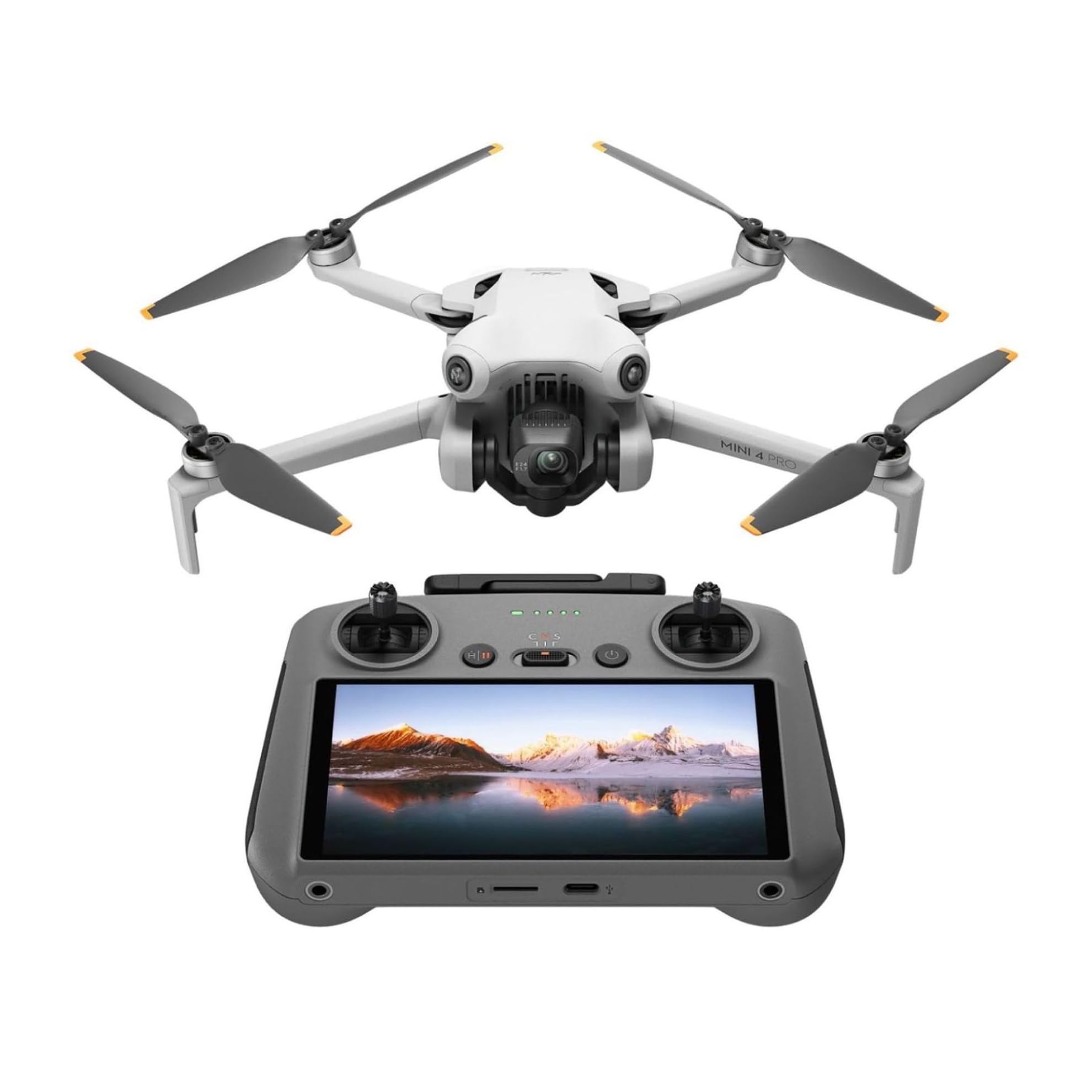
The DJI Mini 4 Pro is the ultimate mini-drone for new pilots who want professional-grade features without the bulk and regulatory headaches of a heavier drone. Weighing just 249g, it slips into a pocket and doesn't require FAA registration for recreational use. It packs a 1/1.3-inch CMOS sensor that captures stunning 4K/60fps HDR video and 48MP photos. The standout feature is omnidirectional obstacle sensing, a first for a mini drone in this class, making it incredibly forgiving for beginners. With up to 34 minutes of flight time and O4 video transmission with a 20km range, it's also a performer. The intuitive RC-N2 controller and DJI Fly app offer a smooth, secure flying experience, even for those who have never flown before. The Mini 4 Pro also supports vertical shooting, ideal for social media, and boasts a host of intelligent features like ActiveTrack 360 and MasterShots that automate complex camera movements. It can be flown indoors with confidence thanks to downward sensors and stable hovering. While it's the priciest drone in this guide, it delivers a complete package that minimizes the learning curve and elevates your creativity right from day one. If your budget allows, this is the drone that will grow with you as you move from novice to experienced pilot.

Pros

  • Omnidirectional obstacle sensing prevents crashes in every direction
  • Excellent 4K/60fps HDR video with a large 1/1.3-inch sensor
  • Weighs only 249g – no registration required and extremely portable
  • 34-minute max flight time
  • 20km O4 video transmission with strong signal stability
  • Vertical video and intelligent shooting modes (ActiveTrack, MasterShots)

Cons

  • Premium price – can be 30% more than the DJI Mini 3
  • Requires a smartphone for the controller, adding a step
  • ND filters are not included, often needed for brighter scenes
  • Batteries and accessories are expensive compared to budget brands

Best For:

New pilots who want the safest, most advanced mini-drone experience and are willing to pay for the best.

Not Recommended For:

Budget-conscious travelers who just need a simple point-and-shoot drone.

Key Features:

1/1.3-inch CMOS sensor, 4K/60fps HDROmnidirectional obstacle sensing (3-way + downward)34-min max flight time20km O4 digital video transmissionVertical recording for social mediaWeighs 249g (under FAA registration limit)ActiveTrack 360 and MasterShotsReturn-to-home, Beginner Mode, and one-tap takeoff

Standout Feature:

Omnidirectional obstacle sensing – the most comprehensive safety system in a sub-250g drone.

VS Others:

Compared to the DJI Mini 3, it adds obstacle sensors, 4K/60fps, and stronger transmission, but costs $200 more. It’s clearly the best all-rounder for safety-conscious new pilots. The Autel EVO Nano+ offers a larger sensor but lacks the same advanced safety features and polish.

Why This One:

If you're new and worried about crashing, this drone gives you the best chance of a safe, enjoyable flight. The camera is also top-notch for this class, and it will remain relevant for years. It's the most recommended drone for those who can stretch their budget.

#2

DJI Mini 3

Best Value
DJI Mini 3
Overall
8.5/10
Value
9/10
Performance
8/10
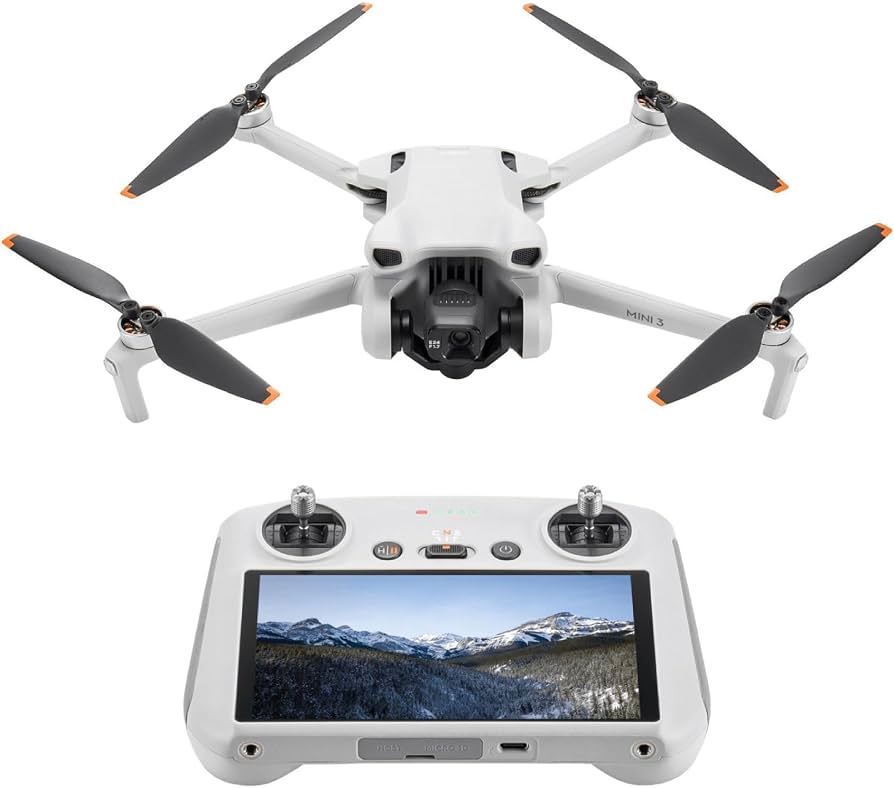
The DJI Mini 3 is a sweet spot for new pilots looking for exceptional quality without the high cost of the Pro version. It retains the same 1/1.3-inch sensor and 4K/30fps video capability as the Mini 4 Pro, but omits obstacle sensors and cuts some premium features to bring the price down. It still offers vertical shooting, 38 minutes of flight time (even longer than the Pro!) and weighs under 249g, making it a dream for travel. The camera produces sharp, true-to-life colors and works great in low light thanks to its f/1.7 aperture. With automatic takeoff, quick shots, and Return-to-Home, it's easy for a beginner to get smooth footage right away. The Mini 3 is a smart choice for those who prioritize camera quality and portability over autonomous safety. The lack of obstacle sensors means you'll need to fly with more attention, but it also means you're not paying for technology you might not need. For many hobbyists, the Mini 3's balance of price and performance is irresistible, making it the best value drone for most new pilots.

Pros

  • Superb 4K/30fps camera with large 1/1.3-inch sensor
  • 38-minute max flight time – best in class
  • Vertical video for TikTok/Insta friendly footage
  • Under 249g – no registration needed
  • Lower price than the Mini 4 Pro

Cons

  • No obstacle sensors – you must fly actively
  • Only 4K/30fps, not 4K/60
  • Transmission range is 10km vs 20km on Pro (still generous)
  • Controller is older RC-N1 (no built-in screen)

Best For:

Budget-minded new pilots and travel vloggers who want premium camera quality without the safety extras.

Not Recommended For:

Anyone who wants automatic obstacle avoidance to prevent crashes.

Key Features:

1/1.3-inch CMOS sensor, 4K/30fps38-min max flight timeVertical shootingUnder 249g – fits in a coat pocket10km O2 video transmissionQuickShots, Panorama, and Return-to-Home

Standout Feature:

The longest flight time in the DJI Mini line-up, squeezed into a sub-250g package.

VS Others:

It’s like the Mini 4 Pro but without the safety net and some premium specs, yet it costs $200 less. The Potensic ATOM is cheaper but has a smaller sensor and less reliable software. The Mini 3 is the best choice for those who care about image quality and budget.

Why This One:

You get 90% of the image quality of the Mini 4 Pro at 73% of the price. For many new pilots, this is the perfect first drone – a fantastic camera, long battery life, and it doesn’t require registration. If you're comfortable flying with extra care, this is your drone.

#3

DJI Mini 4K

Best Budget
DJI Mini 4K
Overall
7/10
Value
8.5/10
Performance
6.5/10
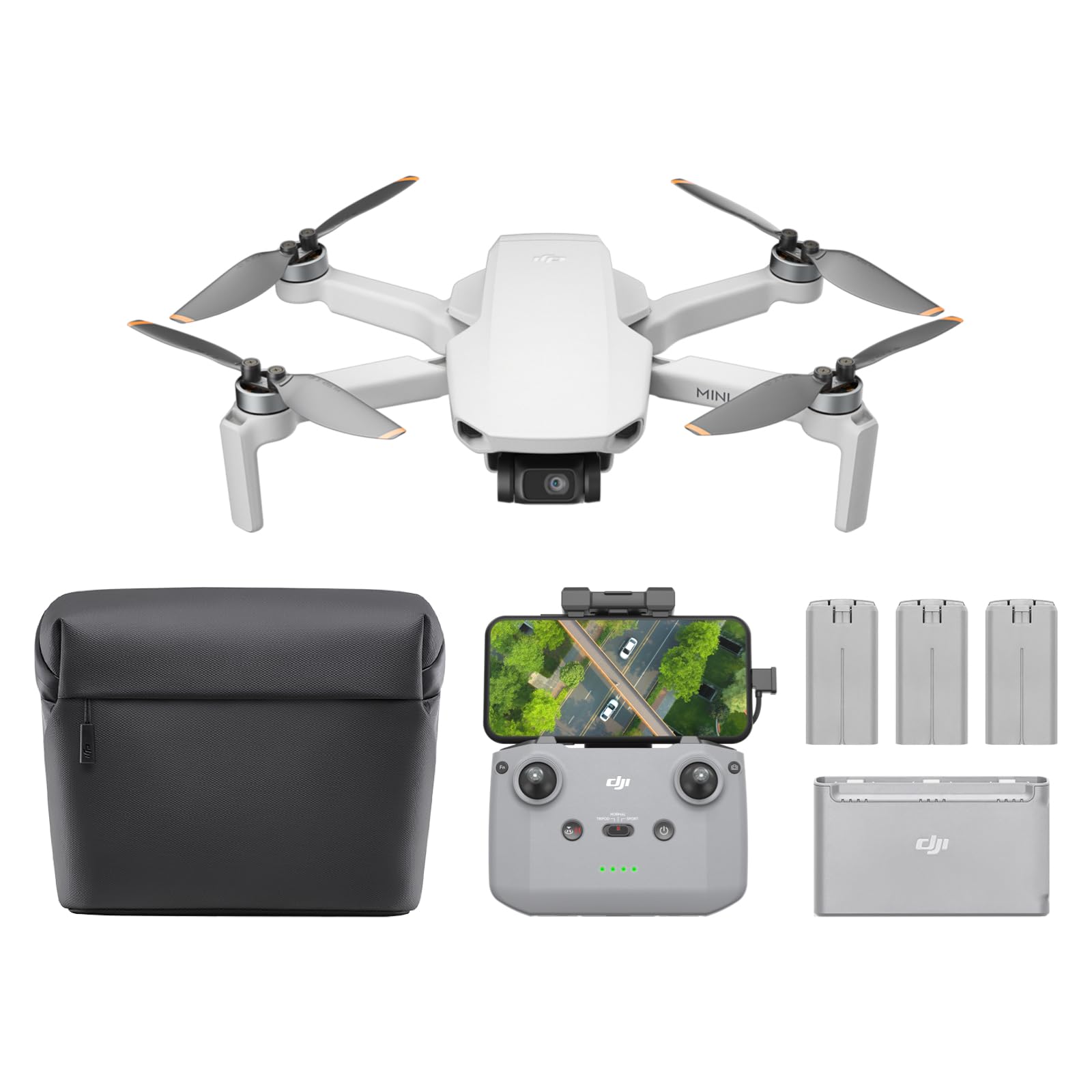
The DJI Mini 4K is DJI’s entry-level drone designed to deliver true 4K video at an unbeatable price. It’s the perfect opening offer for first-time pilots who want a reliable, easy-to-fly drone without investing heavily. It keeps the compact 249g foldable design, a stabilized 3-axis gimbal, and a 1/2.6-inch sensor that records cinema-grade 4K/30fps footage. The flight time is 31 minutes, and it has GPS-assisted hovering and automatic Return-to-Home. You won’t find obstacle sensors, but at this price, that’s expected. What makes the Mini 4K stand out is that it’s a genuine DJI product with the same app and intuitive controls as more expensive models. It gives beginners a taste of professional drone flying without the fear of spending a fortune. It’s an ideal stepping stone – learn to fly confidently and then upgrade later. The camera quality is good enough for social media and casual projects, and the 2.7K mode is also available for smoother frame rates.

Pros

  • Unbeatably low price for a DJI drone
  • True 4K/30fps video and 3-axis gimbal
  • 31-minute flight time – impressive for the price
  • Weighs 249g – no registration needed
  • Familiar DJI Fly app and beginner-friendly features

Cons

  • No obstacle sensors or vertical shooting
  • Smaller sensor (1/2.6-inch) than Mini 3/4 – less low-light capability
  • Battery life and range are slightly reduced (10km transmission)
  • Plastic build feels less premium than higher-end models

Best For:

Drone newbies on a tight budget who still want the reliability of a DJI and 4K video.

Not Recommended For:

Those who need advanced safety features or professional image quality.

Key Features:

4K/30fps video, 2.7K/60fps, 1080p1/2.6-inch CMOS sensor31-min max flight time10km O2 video transmission3-axis mechanical gimbalUnder 249g – foldable and portableGPS Return-to-Home and Precision Hover

Standout Feature:

The cheapest way to get into DJI’s ecosystem with true 4K video.

VS Others:

This is the budget king in this guide, costing half as much as the Mini 3. It sacrifices sensor size and smart features, but for absolute beginners, it's the least risky purchase. It vastly outperforms other drones in its price range like the Ruko F11 Pro in terms of camera stability and app polish.

Why This One:

If you are unsure if drone flying is for you, or you just need a fun holiday companion, the Mini 4K maximizes value. You get a genuine DJI product with great support, and you won't cry if you bump it. It's the best budget first drone in 2026.

#4

Autel EVO Nano+

Autel EVO Nano+
Overall
8/10
Value
7/10
Performance
8.5/10
The Autel EVO Nano+ is DJI’s closest competitor in the sub-250g category, offering a 50MP photo resolution and 4K/30 HDR video from a 1/1.28-inch sensor. It’s an excellent choice for photographers who want slightly more detail and control than the DJI Mini 3, thrown into a rugged, all-weather-ready shell. The drone features 3-way obstacle avoidance (forward, backward, down), which is a solid safety net for new pilots. It also offers two-way quick controls and a robust app that has grown in polish over the years. The EVO Nano+ weighs exactly 249g, putting it in the same regulatory class as the Mini drones. Flight time is 28 minutes, a bit less than the Mini 3, and the video transmission is 6.3km, shorter than DJI’s O2. However, the camera excels in low light, producing cleaner visuals and better dynamic range. For pilots who prefer not to fly the market leader, or who want a slightly larger sensor for photography, the EVO Nano+ is a compelling option.

Pros

  • 50MP stills and 4K/30 HDR video with excellent low-light performance
  • 3-way obstacle avoidance (forward, back, down)
  • Weighs 249g – no registration required
  • Compact, rugged build with a more solid feel than DJI Mini
  • Active Track and dynamic track features

Cons

  • Flight time (28 minutes) is shorter than Mini 3's 38 minutes
  • Video transmission range is only 6.3km (vs 10km+ on DJI)
  • App can be less intuitive than DJI Fly for beginners
  • Customer support is not as extensive as DJI's

Best For:

New pilots who want a slight edge in camera resolution and low-light footage, and like having physical buttons on the remote.

Not Recommended For:

Tech novices who value a simple app and seamless beginner experience.

Key Features:

1/1.28-inch CMOS sensor, 4K/30 HDR, 50MP stills28-min max flight time6.3km transmission range3-way obstacle avoidanceUnder 249g – no registrationSmart shooting modes (Sharks/Quickshots)

Standout Feature:

The 50MP camera is the highest resolution in this guide, ideal for printing photos.

VS Others:

The EVO Nano+ offers a larger sensor than the DJI Mini 3 and similar obstacle avoidance to the Mini 4 Pro, but it lacks the seamless app and O4 transmission. It’s a niche competitor for those who prioritize still photography and want something other than DJI.

Why This One:

If you’re a still photographer or want a drone that feels premium and offers a safety net, this is your pick. It’s not as beginner-friendly as the DJI Mini 3, but it rewards pilots who engage with manual settings and like a more hands-on control experience.

#5

Potensic ATOM

Potensic ATOM
Overall
7.5/10
Value
9/10
Performance
7/10
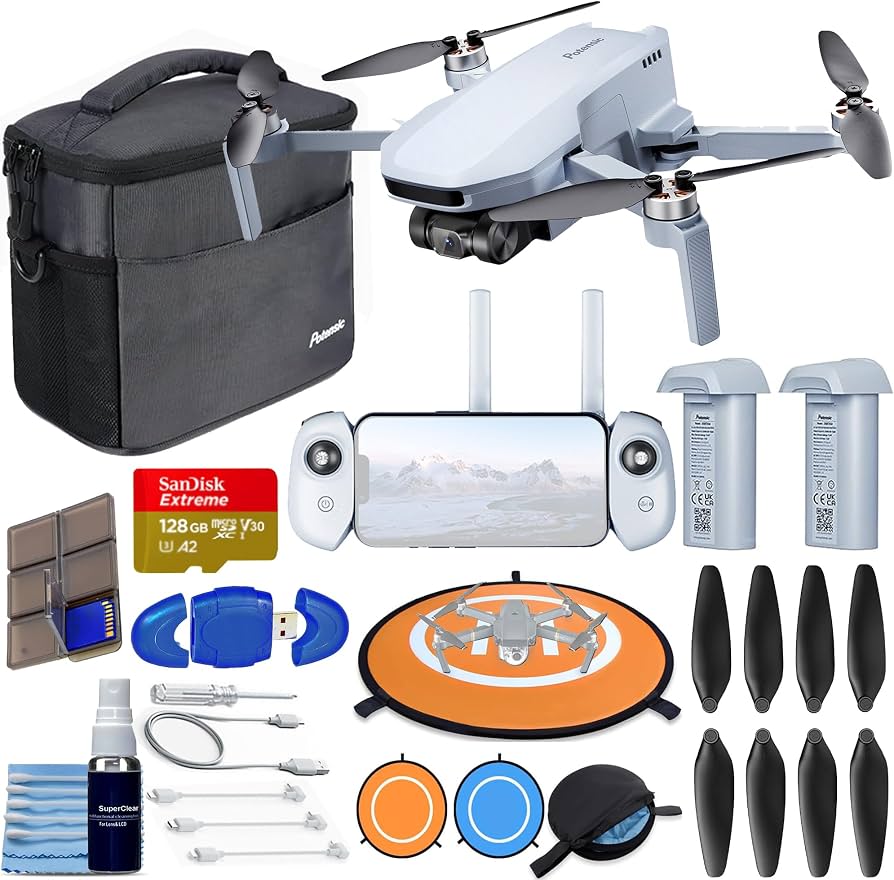
The Potensic ATOM is a hidden gem in the budget drone market, offering a bang-for-your-buck package that threatens DJI’s dominance. It features a 1/2.6-inch CMOS sensor that records 4K/30fps video and 12MP stills, a 32-minute flight time, and an 8km 4K transmission system. The drone weighs just 249g and has a 3-axis gimbal, which is incredible for its price. It also has a convenient GPS return-to-home and a foldable design. While it lacks obstacle sensors, the ATOM is incredibly stable and easy to fly, making it a strong competitor to the DJI Mini 4K. The remote controller boasts a built-in screen, eliminating the need to mount your smartphone, a feature some users love. Potensic has significantly improved its app, which now offers gesture control and beginner-friendly tutorials. For new pilots who want to spend as little as possible but still get 4K quality, the ATOM is an excellent choice.

Pros

  • Highly competitive price for the features offered
  • 32-minute flight time – exceeds the Mini 4K
  • Built-in screen on the remote – no phone needed
  • 8km transmission range with strong stability
  • Weighs under 249g – no registration
  • Includes GPS, Return-to-Home, and Follow Me modes

Cons

  • No obstacle sensors
  • Photo quality (12MP) is less detailed than DJI's 48MP
  • App can be slightly less polished, occasional connection drops
  • Build quality is decent but not as premium as DJI

Best For:

Thrifty new pilots who want a long flight time and a controller with a built-in screen, without paying a DJI premium.

Not Recommended For:

Those who prioritize a huge ecosystem or want the absolute best image quality.

Key Features:

4K/30fps video, 12MP stills1/2.6-inch CMOS sensor32-min max flight time8km digital transmission3-axis mechanical gimbalUnder 249g, foldableRemote with built-in 3.5" HD screen

Standout Feature:

Remote controller with integrated screen – a rare luxury in its price range.

VS Others:

The ATOM bests the DJI Mini 4K in flight time, battery life, and far superior transmission range. It even has a longer range than the DJI Mini 3, and it costs the same as the Mini 4K. The trade-off is slightly less camera sharpness compared to DJI's newer 1/1.3-inch sensors.

Why This One:

If you’re willing to leave the DJI ecosystem, you’ll get a drone that outperforms other budget drones in many specs, and the built-in screen is a game-changer for beginners who don’t want to fumble with a smartphone. It’s the best value in the sub-$350 segment.

#6

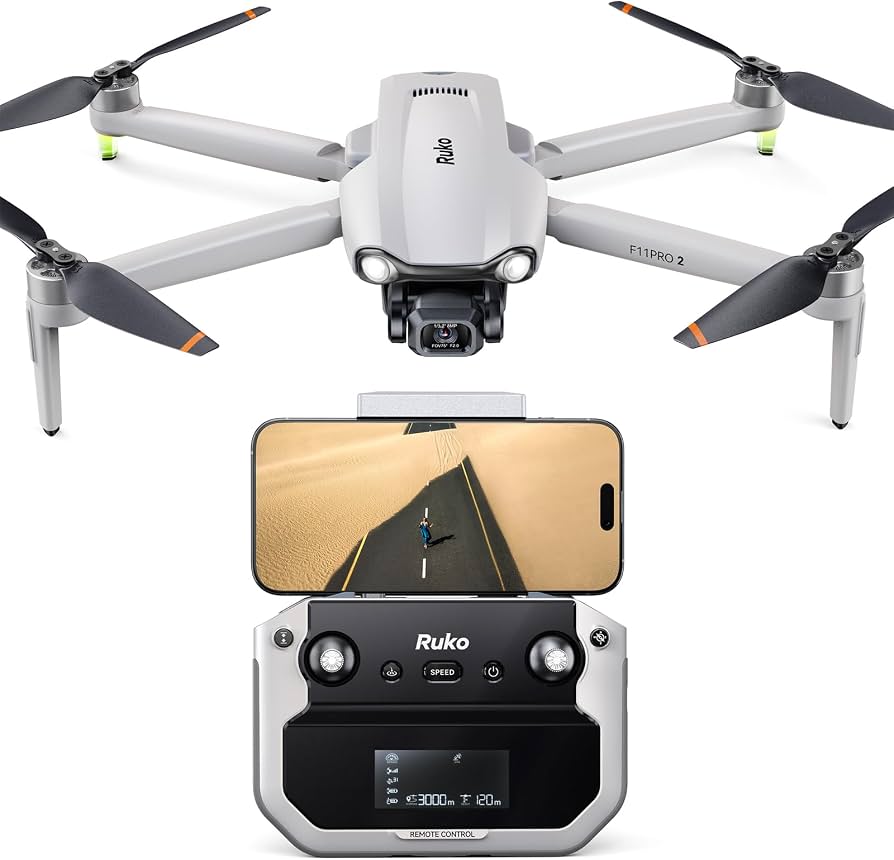
Ruko F11 Pro

Ruko F11 Pro
Overall
6.5/10
Value
6.5/10
Performance
7.5/10
The Ruko F11 Pro is a larger drone designed for stability and wind resistance rather than portability. It features a 4K/30fps camera with a 5-axis gimbal (electronic + mechanical), a 30-minute flight time, and an impressive GPS system. This drone is built to withstand more aggressive conditions, making it a good choice for outdoor enthusiasts. It weighs around 590g, so it does require FAA registration, but it flies more smoothly in windy weather thanks to its larger size and stronger motors. The controller has a 4.3-inch LCD screen, so you don’t need a smartphone to see the feed. It also offers intuitive controls, foldable landing gear, and a storage bag. The video transmission range is up to 1.2km (lower than others), which is a noticeable drawback in this price range. For new pilots who prioritize durability over portability and don’t mind the registration, it’s a rugged option.

Pros

  • Excellent stability in windy conditions
  • 4K/30fps video and 5-axis gimbal for smooth footage
  • 30-minute flight time
  • Built-in remote with LCD screen (no phone needed)
  • Rugged build and foldable landing gear

Cons

  • Weighs 590g – requires FAA registration
  • Only 1.2km transmission range (shortest in this guide)
  • Not as portable or handy for travel
  • Camera sensor is smaller than DJI Mini 3, lower image quality in low light

Best For:

First-time pilots who fly in gusty areas and want a drone that won’t be easily pushed around.

Not Recommended For:

Anyone who wants a pocket-sized drone or needs a long-range video feed.

Key Features:

4K/30fps video with 5-axis gimbal30-min max flight timeGPS return-to-home, altitude holdRemote with LCD screenMax wind speed resistance 38 km/hFAA registration required (over 249g)

Standout Feature:

Superior wind resistance for a seamless flight in breezy conditions.

VS Others:

Compared to the DJI Mini 3, the F11 Pro is heavier, has a worse camera and much shorter range, but it’s cheaper and flies better in wind. It can’t match the sleek design or app experience of DJI, but it’s a niche pick for those living in windy regions.

Why This One:

If you don’t need portability and just want a robust machine that handles like a larger drone, this is a solid, affordable choice. However, most new pilots are better off with a lighter, feature-rich drone.

Who Should Get What?

College Student on a Budget

Jessica is a 20-year-old college student who loves making vlogs for her small YouTube channel. She has a tight budget and wants to get her first drone to film campus life and travel moments. She's careful with her money but doesn't want a toy-grade drone.

Budget:Under $400
Use:Travel vlogging, social media videos

Recommended:

DJI Mini 4K

The DJI Mini 4K offers genuine 4K video, DJI reliability, and under-249g portability at an unbeatable under-$300 price. It doesn’t have obstacle sensors, but Jessica can learn to fly safely with practice. It's the perfect first drone for her budget and future-proof enough for social media content.

View on Amazon →

Creative Professional

Mark is a freelance commercial photographer who needs a compact drone for his creative projects. He already has a mirrorless camera and wants a drone that can produce high-res stills and excellent video, with good safety features so he can focus on composition. He's not price-sensitive as it's a business investment.

Budget:$700-$900
Use:Commercial photo/video projects for clients

Recommended:

DJI Mini 4 Pro

The Mini 4 Pro’s 4K/60fps HDR, 48MP photos, and omnidirectional obstacle avoid allow Mark to work confidently in dynamic environments. It’s under 250g, which is less restrictive for commercial work, and its advanced tracking modes (ActiveTrack 360) help create sweeping cinematic shots with ease.

View on Amazon →

Concerned Parent

Laura is a mother of two teenagers who wants to introduce them to drone flying in a controlled way. She’s worried about crashes and wants a drone that will minimize the risk of accidents while still being fun and providing good video for family memories.

Budget:$600-$800
Use:Family outings, basic learning

Recommended:

DJI Mini 4 Pro

The Mini 4 Pro is the safest choice because of its omnidirectional obstacle sensing. It will brake or stop before hitting obstacles, which is crucial when kids are flying. The beginner mode and precise hovering make it forgiving, and the excellent image quality means Laura can capture great family moments right from day one.

View on Amazon →

Travel Vlogger

Alex is a full-time travel influencer with an Instagram and TikTok following. He needs a drone that is ultra-light, easy to pack, and can shoot vertical video quickly without editing. He flies in remote areas, so a reliable connection is also important.

Budget:$500-$700
Use:Vertical content for social media, travel videos

Recommended:

DJI Mini 3

The Mini 3 excels in both portability and vertical shooting, offering 4K/30 with exceptional dynamic range. Its 38-minute battery is the best in this guide, letting Alex capture more footage on every trip. Without the extra weight and cost of obstacle sensors, it’s a compromise between quality and affordability, perfect for his social media-driven workflow.

View on Amazon →

Weekend Hobbyist

Tom is a 35-year-old engineer who wants to relax on weekends by flying a drone in local parks. He’s not into photography, but he enjoys aerial views and wants something simple, reliable, and not too expensive. He doesn't mind registering a drone if it flies better.

Budget:$300-$400
Use:Recreational flying, occasional photos

Recommended:

Potensic ATOM

The Potensic ATOM gives Tom a great balance of price and specs: 4K, 32-minute flight, and a built-in screen controller, all for under $350. It's easy to fly and offers more range than the Mini 4K. The slight lack of DJI polish is acceptable for his casual needs, and the remote screen simplifies the experience without extra phone clutter.

View on Amazon →

Buying Guide: How to Choose

When choosing your first camera drone, start by honestly asking yourself: what will I really use it for? If you just want to fly for fun and take occasional photos, a budget-friendly drone like the DJI Mini 4K or Potensic ATOM is more than enough, saving you hundreds of dollars. If you plan to create social media content, prioritize vertical video, a good sensor, and long flight time – the DJI Mini 3 is the perfect partner. If safety is your top concern or you want a drone that can autonomously avoid obstacles, the DJI Mini 4 Pro is worth every penny. Budget is more than the upfront cost. Consider extra batteries, spare props, a carrying case, and potentially a controller upgrade. But you don't need to buy everything at once – start with the essential bundle and expand as you grow. One key mistake new pilots make is obsessing over camera specs while ignoring the drone's stability and ease of use. A 1/1.3-inch sensor will always outperform a 1/2.6-inch in low light, but for daylight shooting, the difference is subtle. On the other hand, obstacle avoidance can save you from costly repairs. Finally, never forget regulatory rules. Drones under 249g are the easiest to manage – no registration, more places to fly. Heavier drones (like the Ruko F11 Pro) might be more robust, but they carry restrictions. For a first drone, staying under 249g is the smartest move, as it removes barriers to practice and lets you fly with less stress. Choose a drone that matches your current skill level, not one that requires a steep learning curve, so you can focus on enjoying the flight.

Bottom Line

In 2026, the camera drone market is dominated by DJI, and for good reason – they offer the most beginner-friendly and polished flying experience. For most new pilots, the DJI Mini 3 is the sweet spot: it combines a superb camera, 38-minute flight, and pocket-friendly size at a manageable price. However, if you're willing to spend more for piece of mind, the DJI Mini 4 Pro is the ultimate first drone thanks to its unbeatable obstacle avoidance and best-in-class video specs. It's our all-around Top Pick. If you're on a strict budget, don't settle for a no-name drone – get the DJI Mini 4K or the Potensic ATOM. Both deliver 4K video and under-250g portability for under $350, giving you a fantastic foundation for exploring the world from the sky. Regardless of your choice, we recommend you start with a simple model, practice in open fields, and most importantly, have fun. Every pilot was once a beginner, and with the right drone, you'll be capturing breathtaking footage in no time.

Frequently Asked Questions

Which Camera Drone should I buy as my first drone?
The DJI Mini 3 is the best first drone for most people in the $300-$800 range. It offers the perfect balance of camera quality, flight time, price, and portability. If you have a higher budget and want extra safety, the DJI Mini 4 Pro with its obstacle sensing is the best first drone you can buy.
Is the DJI Mini 4 Pro worth the extra money over the Mini 3?
Yes, for many users. The Mini 4 Pro adds omnidirectional obstacle avoidance, 4K/60fps recording, and a stronger transmission system. If you're a beginner who wants peace of mind and don't mind the $200 upgrade, it's absolutely worth it. If you're a casual flyer, the Mini 3 gives nearly the same camera performance at a lower cost.
What's the best budget camera drone in this price range?
The DJI Mini 4K is the best budget option, providing genuine 4K video, a reliable gimbal, and DJI's excellent app for under $300. The Potensic ATOM is also a strong contender with a longer flight time and a built-in screen controller, but it sacrifices some camera quality and brand refinement.
Do I need a drone with obstacle avoidance as a beginner?
While obstacle avoidance is a great safety feature, it's not strictly necessary, especially if you plan to fly in open spaces. It's more important to learn to fly manually and respect your surroundings. However, if you are at high risk of crashing or want to use the drone around children, investing in the Mini 4 Pro's obstacle sensors is a wise decision.
Should I register my drone with the FAA?
If your drone weighs less than 249 grams (0.55 pounds) and is used for recreational purposes, you do not need to register it with the FAA in the United States. Drones like the DJI Mini 3 and Mini 4K fall into this category. Heavier drones, such as the Ruko F11 Pro, require registration. Always check your local regulations before flying.
What is more important: sensor size or video resolution?
For most consumers, sensor size is more important than raw resolution. A larger sensor (e.g., 1/1.3-inch) captures more light, producing better dynamic range and low-light performance, even if it only records 4K/30. A smaller sensor with 4K/60 may still look inferior in quality. For new pilots, we recommend focusing on a 4K/30 camera from a trusted brand over the highest frame rate.
Can I fly a mini drone in windy conditions?
Mini drones like the DJI Mini series can handle winds up to about 10.7 m/s (24 mph) due to their light weight. Higher winds can cause instability. If you live in a windy area, consider a heavier drone like the Ruko F11 Pro, but be aware of the registration requirements. Always check the wind forecast before flying and avoid strong gusts until you've mastered the controls.
Is it better to buy a DJI or a budget brand like Potensic?
If you value a seamless user experience, reliable apps, and excellent customer support, DJI is the safer choice, even if it costs a bit more. Budget brands like Potensic offer incredible spec-per-dollar but may have occasional software bugs or weaker support. If you are tech-savvy and enjoy troubleshooting, a budget brand can save you money. Otherwise, stick to DJI for your first drone.
What's the best drone for travel vlogging?
The DJI Mini 3 is the best travel vlogging drone due to its vertical video capability, 38-minute flight time, and ultra-light design. It lets you shoot Instagram-ready vertical footage directly and pack it in a small bag. The Mini 4 Pro is even better if you need 4K/60 and obstacle avoidance, but it's larger and more expensive.
Do I need to buy extra batteries for my drone?
Yes, it's highly recommended. Most drones come with one battery, which gives you about 30 minutes of flight time. In real-world conditions, you'll get around 20-25 minutes per battery. Having 2-3 extra batteries lets you fly for an hour or more, making your outings more enjoyable and efficient. Consider the cost when choosing your drone.
How difficult is it to learn to fly a drone?
Modern camera drones are remarkably easy to fly thanks to GPS, gimbals, and automatic features like Return-to-Home. Most new pilots can get comfortable with the controls in about an hour. Start in an open park, use Beginner Mode to limit speed/altitude, and read the manual. After a few sessions, you'll be flying confidently and capturing stunning footage.

Need More Help Deciding?

Explore more buying guides to find the perfect product for your needs.

View All Buying Guides

Related Articles

7 Best Which Camera Drones should I buy in 2026: Tested & Ranked | Review Atlas