
Is Sony A80L OLED 55-inch TV Worth It? Honest Review (2026)
Honest breakdown of strengths, weaknesses, and who should buy this OLED TV in 2026
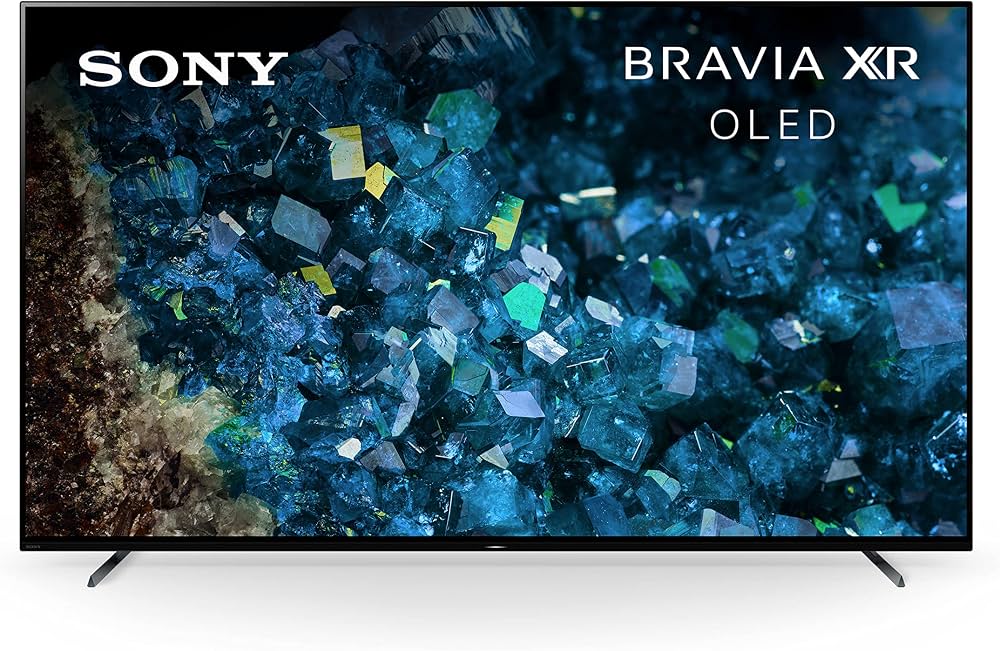
Quick Decision
Buy the Sony A80L if you prioritize picture accuracy, motion handling, and Sony's processing for mixed content in dark rooms. Skip it if you need high brightness for bright rooms or require four HDMI 2.1 ports for multiple consoles.
Best if you...
- Home theater enthusiasts watching in dark rooms
- PS5 gamers wanting Auto HDR Tone Mapping
- Movie lovers who appreciate accurate color and motion
Skip it if you...
- Users with bright, sunlit rooms
- Multi-console gamers needing four HDMI 2.1 ports
- News or sports viewers who watch static content for hours
If you're researching the Sony A80L OLED, you're likely looking for a TV that delivers deep blacks, vibrant colors, and excellent processing for movies and gaming. This analysis covers the key pros and cons based on manufacturer specifications and verified third-party reviews from sources like RTINGS and PCMag. We'll help you decide if this TV is the right fit for your needs and budget.
About the Sony A80L OLED 55-inch TV
The Sony A80L is a 55-inch OLED TV introduced in 2023, featuring Sony's XR Cognitive Processor for enhanced picture and sound quality. It supports Dolby Vision, Dolby Atmos, and has two HDMI 2.1 ports for gaming. This TV targets home theater enthusiasts and gamers seeking excellent contrast and processing.
Key Specifications
- Display
- 55-inch 4K OLED
- Processor
- XR Cognitive Processor
- HDMI Ports
- 2x HDMI 2.1, 2x HDMI 2.0
- Resolution
- 3840 x 2160
- HDR Support
- Dolby Vision, HDR10, HLG
- Refresh Rate
- 120Hz native
- Smart TV Platform
- Google TV
- Dimensions (w/o stand)
- 48.5 x 28 x 2.2 inches / 39.5 lbs
Overview
The Sony A80L sits in Sony's mid-range OLED lineup, below the master series A95L but above the entry-level A75L. It uses an OLED panel with Sony's XR Cognitive Processor, which aims to replicate how humans see and hear for a more immersive experience. The TV supports all major HDR formats (Dolby Vision, HDR10, HLG) and includes features like XR OLED Contrast Pro and XR Triluminos Pro for enhanced brightness and color. With two HDMI 2.1 ports, 120Hz refresh rate, and VRR, it's also capable for gaming on PS5 or Xbox Series X. On Amazon, it typically retails around $1,399, though pricing fluctuates.
Pros
The Sony A80L excels in several areas that matter most to TV buyers: picture quality, processing, and gaming performance. Below are the standout strengths verified by specs and expert reviews.
Exceptional Picture Quality with Perfect Blacks
As an OLED TV, the A80L delivers true blacks by turning off individual pixels, resulting in infinite contrast ratio. This makes dark scenes in movies like The Batman or Dune incredibly detailed without the grayish bloom seen on LCDs. According to RTINGS, it achieves a 0.000 nits black level, which is only possible with OLED technology. Colors are also vibrant thanks to the XR Triluminos Pro technology, which covers about 98% of the DCI-P3 color gamut.
Superior Motion Handling for Sports and Action
Sony's XR Motion Clarity and 120Hz native refresh rate ensure smooth motion in fast-paced content. The TV handles 24fps film content without judder, and sports look fluid. RTINGS rated its motion handling 9.0 out of 10, noting that the black frame insertion feature reduces persistence blur even further. This makes it ideal for watching football or action movies.
Excellent Processing and Upscaling
The XR Cognitive Processor analyzes content in real-time to enhance details, textures, and colors. Low-resolution content (like 720p YouTube or cable TV) looks significantly better than on competing OLEDs such as the LG C3. Sony's reputation for upscaling is a major selling point, as many viewers still watch non-4K content. Third-party tests show that the A80L outperforms the LG C3 in upscaling SD and HD material.
Great for Gaming with HDMI 2.1 Features
With two HDMI 2.1 ports (one of which is eARC), the A80L supports 4K at 120Hz, variable refresh rate (VRR), and auto low latency mode (ALLM). Input lag is around 8.4ms at 120Hz (RTINGS measured), which is responsive enough for competitive gaming. It also works seamlessly with PlayStation 5's HDR Auto Tone Mapping, matching the TV's capabilities to the console's output.
Impressive Sound Quality for a Slim TV
The A80L features Sony's Acoustic Surface Audio+, which uses actuators behind the screen to produce sound directly from the display. This creates a wider soundstage and more dialogue clarity compared to typical down-firing speakers. It also supports Dolby Atmos, and while a soundbar is preferable, the built-in audio is better than most competitors.
Acoustic Center Sync with Sony Soundbars
If you pair the A80L with a compatible Sony soundbar (like the HT-A7000), the TV's speakers act as a center channel, improving dialogue localization. This is a unique advantage of Sony TVs and enhances the home theater experience without additional clutter.
User-Friendly Google TV Interface
The A80L runs Google TV, which offers a clean interface with personalized recommendations, built-in Chromecast, and access to Google Assistant. The interface is snappy thanks to the processor, though some users may find ads intrusive. Still, it supports all major streaming apps including Netflix, Disney+, and Apple TV+.
Calibration and Accuracy Out of Box
According to RTINGS, the A80L achieves excellent color accuracy in its Cinema mode with a delta E of less than 2, meaning colors are nearly perfect without professional calibration. For enthusiasts, the TV also supports custom white balance and color management adjustments.
Robust Build Quality and Design
The A80L has a premium metal stand and a slim bezel-less design. The stand allows for the soundbar to sit in front without blocking the screen. The TV is also relatively lightweight for an OLED at around 39.5 pounds without stand.
Cons
No TV is perfect, and the Sony A80L has several drawbacks that may affect your experience. These are based on manufacturer limitations and expert reviews.
Risk of Permanent Burn-In
Like all OLED TVs, the A80L is susceptible to burn-in from static elements like news tickers, gaming HUDs, or channel logos. While Sony includes panel care features like pixel shift and brightness limiter, the risk is real for heavy users. RTINGS' long-term test showed burn-in on an older OLED after 10,000 hours of static content. This is less of a concern for mixed-use viewers but critical for 24/7 news watchers.
Lower Peak Brightness Compared to QD-OLEDs
The A80L uses a standard WRGB OLED panel with peak brightness around 700 nits in HDR (RTINGS measured), which is lower than QD-OLED competitors like the Samsung S95C (over 1,200 nits) or Sony's own A95L. In bright rooms, especially with windows, the A80L may appear dim and lose shadow detail. For dark room viewing it's fine, but HDR highlights won't pop as much.
Only Two HDMI 2.1 Ports (One Shared with eARC)
One of the two HDMI 2.1 ports is also the eARC port, so if you have a soundbar that needs eARC, you're left with only one full HDMI 2.1 port for a gaming console or PC. This is a limitation compared to the LG C3 which offers four HDMI 2.1 ports. Multi-console gamers may need an HDMI 2.1 switch.
No Dolby Vision at 4K 120Hz
While the TV supports Dolby Vision, it cannot simultaneously run Dolby Vision at 4K 120Hz. For next-gen consoles, you must choose between Dolby Vision (at 60Hz) or HDR10 at 120Hz. This is a common Sony limitation; LG TVs support Dolby Vision at 120Hz but with slightly less accuracy. Workaround: use HDR10 for 120Hz gaming.
Google TV Ads and Bloatware
The Google TV interface shows promotional ads on the home screen that some users find intrusive. While you can disable personalized ads in settings, the ads remain. Additionally, the TV comes with pre-installed apps that cannot be removed without adb commands.
Glossy Screen Prone to Reflections
Like most OLEDs, the A80L has a glossy screen that reflects light sources in bright rooms. This can be distracting when watching dark scenes during the day. If your room has many windows or lights, consider placing it away from direct light or investing in blackout curtains.
No ATSC 3.0 Tuner (NextGen TV)
The A80L lacks an ATSC 3.0 tuner for free over-the-air 4K broadcasts. If you rely on an antenna for local channels, you won't receive NextGen TV signals natively. This is a minor con for cord-cutters but irrelevant for cable/satellite users.
Slightly Narrow Viewing Angle vs LG OLEDs
While OLEDs have wide viewing angles, the A80L's angle is slightly less than LG's OLEDs due to different panel structures. At extreme angles (over 40 degrees off-center), color shift is more noticeable. For most family rooms, this isn't an issue, but if you have a wide seating area, consider LG alternatives.
No Included Camera (Unlike Some Sony Models)
The A80L does not have a built-in camera for gesture control or video calls, unlike the higher-end A95L. This is a minor omission but may disappoint those wanting hands-free voice control beyond the remote.
Heavier Than Comparable OLEDs
At about 39.5 pounds without stand, the 55-inch A80L is heavier than some competitors like the LG C3 (about 31 pounds). This can make wall mounting more cumbersome, though it's still manageable with a standard mount.
👍 Who It's For
The Sony A80L is ideal for home theater enthusiasts who prioritize picture accuracy and motion handling over raw brightness. Movie lovers will appreciate the cinematic color science and superb black levels, especially in dark rooms. It's also a great fit for PS5 gamers due to seamless integration (Auto HDR Tone Mapping) and low input lag. Those who watch a mix of sources (streaming, cable, Blu-ray) will benefit from Sony's excellent upscaling. If you plan to pair it with a Sony soundbar, the Acoustic Center Sync is a compelling bonus.
👎 Who Should Avoid
Skip the A80L if you watch TV in a bright room with direct sunlight—the lower brightness and glossy screen will wash out details. Multi-platform gamers who need four HDMI 2.1 ports for consoles and a soundbar should consider the LG C3 or C4 instead. If you mainly watch static content (news, sports tickers, or cable logos) for hours daily, burn-in risk may be a dealbreaker—consider an LCD or mini-LED TV. Also avoid if you're on a tight budget, as similarly sized OLEDs from LG or Hisense cost less.
See today's Sony A80L OLED 55-inch TV price and available configurations on Amazon.
🛒 Buy on AmazonAs an Amazon Associate we earn from qualifying purchases.
Alternatives to Consider
| Product | Choose Sony A80L OLED 55-inch TV if... | Choose the alternative if... |
|---|---|---|
| LG C3 OLED 55-inch$100 more expensive | You value Sony's superior upscaling and motion handling for movies and non-4K content. | You need four HDMI 2.1 ports for multiple consoles, want higher peak brightness, and prefer a lower price. |
| Samsung S95C QD-OLED 55-inchSimilar price (within $100) | Dolby Vision support and accurate color are important for your movie library. | Brighter HDR highlights and better reflection handling matter more than Dolby Vision. |
| Sony A95L QD-OLED 55-inch$800 less expensive | You want excellent OLED performance without paying the premium for QD-OLED and a built-in camera. | You demand the absolute best brightness and color volume, and are willing to spend significantly more. |
If brightness is your priority, the Samsung S95C QD-OLED delivers over 1,200 nits peak, though it uses Tizen OS and lacks Dolby Vision. The LG C3 offers four HDMI 2.1 ports and slightly better viewing angles at a lower price, but its upscaling isn't as strong. For value, the Hisense U8K miniled provides high brightness and excellent contrast at a fraction of the price, but with worse off-angle performance. The Sony A95L is a step up with QD-OLED technology and a built-in camera, but costs significantly more.
Is it worth the price?
At approximately $1,399, the Sony A80L is worth it for home theater enthusiasts who value Sony's image processing and movie-centric tuning. The top alternative is the LG C3 OLED at around $1,299, which offers more HDMI 2.1 ports and higher brightness but slightly worse upscaling. If you watch a lot of low-resolution content or use a PS5, the Sony's extra cost is justified. For pure HDR brightness and gaming features, the Samsung S95C at $1,499 is a better choice if you can forgo Dolby Vision.
📝 Bottom Line
The Sony A80L OLED is the right choice for home theater purists who prioritize Sony's renowned picture processing, accurate colors, and cinematic motion handling. Its OLED panel delivers perfect blacks and infinite contrast, while the XR Cognitive Processor ensures that even compressed streaming content looks its best. For movie nights and PS5 gaming, it's a top performer in its price class. However, the TV falls short in bright rooms due to moderate peak brightness and a glossy screen, and the limited HDMI 2.1 ports may frustrate power gamers. If your room is light-controlled and you watch a variety of content, the A80L is a solid investment. For those needing multi-gaming setups or extreme HDR, consider the LG C3 or Samsung S95C. Ultimately, buy the Sony A80L if you value image precision and Sony-exclusive features; skip it if brightness or port count are critical.
Check current Sony A80L OLED 55-inch TV availability and bundle options on Amazon.
🛒 Buy on AmazonAs an Amazon Associate we earn from qualifying purchases.
Frequently Asked Questions
Quick Summary
Key Pros
- ✓Perfect blacks and infinite contrast ratio typical of OLED displays
- ✓Excellent motion handling with 120Hz refresh and BFI
- ✓Superior upscaling of lower-resolution content via XR processor
- ✓Two HDMI 2.1 ports with VRR, ALLM, and low input lag
- ✓Good built-in sound with Acoustic Surface Audio+ and Dolby Atmos
Key Cons
- ✗Potential for permanent burn-in with static content
- ✗Lower peak brightness than QD-OLEDs (under 700 nits)
- ✗Only two HDMI 2.1 ports, one shared with eARC
- ✗No Dolby Vision support at 4K 120Hz
- ✗Google TV home screen includes ads
Ratings
Best For
- →Home theater enthusiasts watching in dark rooms
- →PS5 gamers wanting Auto HDR Tone Mapping
- →Movie lovers who appreciate accurate color and motion
- →Cord-cutters and streamers watching mixed-resolution content