Is Best Wi-Fi Router for beginners Worth It? Honest Review (2026)
Everything beginners need to know to choose their first Wi-Fi Router with confidence
Choosing your first Wi-Fi router can feel overwhelming. With technical terms like dual-band, MU-MIMO, and mesh systems, it's easy to get lost. But don't worry—this guide is designed for complete beginners. We'll break down everything you need to know in plain English, help you avoid common mistakes, and recommend the best routers to get you started. By the end, you'll feel confident picking the perfect router for your home.
📋 In This Guide
• Why Beginners Struggle with Wi-Fi Router
• What to Look For (Key Features)
• Top 4 Beginner-Friendly Wi-Fi Router
• Essential Accessories for Beginners
• Common Beginner Mistakes to Avoid
• Your Progression Path
• FAQ & Learning Resources
😰 Why Beginners Struggle with Wi-Fi Router
Many beginners don't know what features matter most for their home. They often buy a router that's too weak or too expensive, or they get confused by marketing hype. Plus, setting up a router can seem technical—connecting wires, logging into a web interface, and configuring settings. The fear of buying the wrong product or breaking something during setup often leads to frustration. But with a little guidance, anyone can choose and install a great router.
🔍 What to Look For: Key Beginner-Friendly Features
For beginners, the most important features are ease of setup, a simple app for management, good coverage for your home size, and enough speed for your internet plan. You don't need the latest Wi-Fi 7 standard or advanced features like VLANs. Look for a router that works out of the box with your internet provider and offers a mobile app for quick setup. Also consider: dual-band (2.4GHz and 5GHz), at least AC1200 or AX1800 speed rating, and built-in security features.
✅ Essential Features for Beginners
•Easy setup via mobile app (no technical knowledge needed)
•Dual-band (2.4GHz and 5GHz) for balancing range and speed
•Automatic security updates to protect your network
•Guest network feature (friends can use Wi-Fi without your main password)
•LED lights that can be turned off for bedrooms
🏆 Top 4 Best Wi-Fi Router for Beginners
#1
💰 Budget
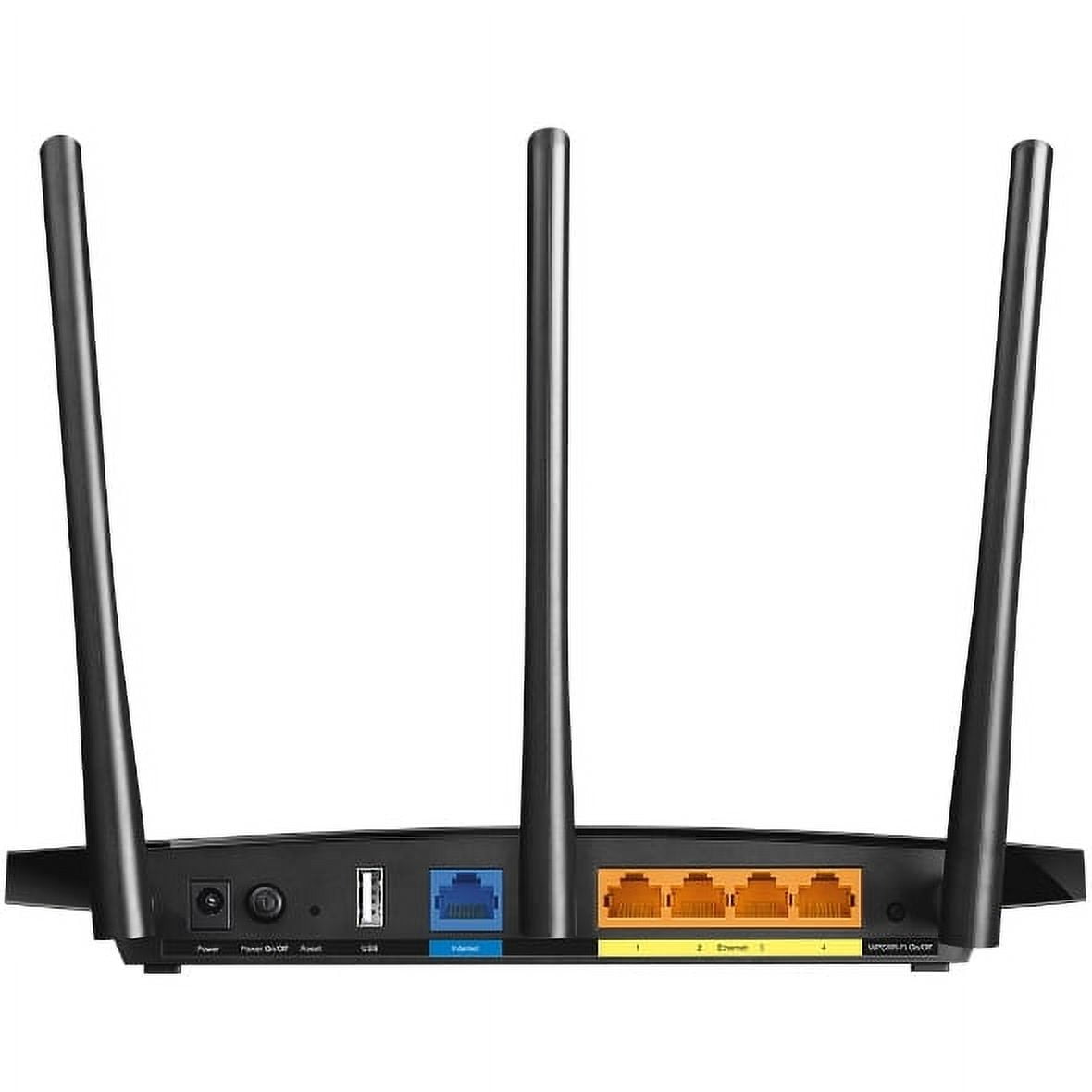
TP-Link Archer A7 (AC1750) - Budget
Learning Curve: Easy
$59.99
Difficulty: 1/5
Why Great for Beginners:
Extremely easy setup with the Tether app, reliable performance for small homes, and a very affordable price. Perfect for first-time users who want a no-fuss router.
✓ Beginner Pros
+Simple app-based setup
+Good range for apartments
+Cheap and reliable
+Dual-band with guest network
✗ Beginner Cons
-Only AC1750 (slower than Wi-Fi 6)
-Firmware updates can be less frequent
👍 Best for: Beginners on a tight budget or in a small apartment
👎 Not for: Large homes or heavy streaming/gaming needs
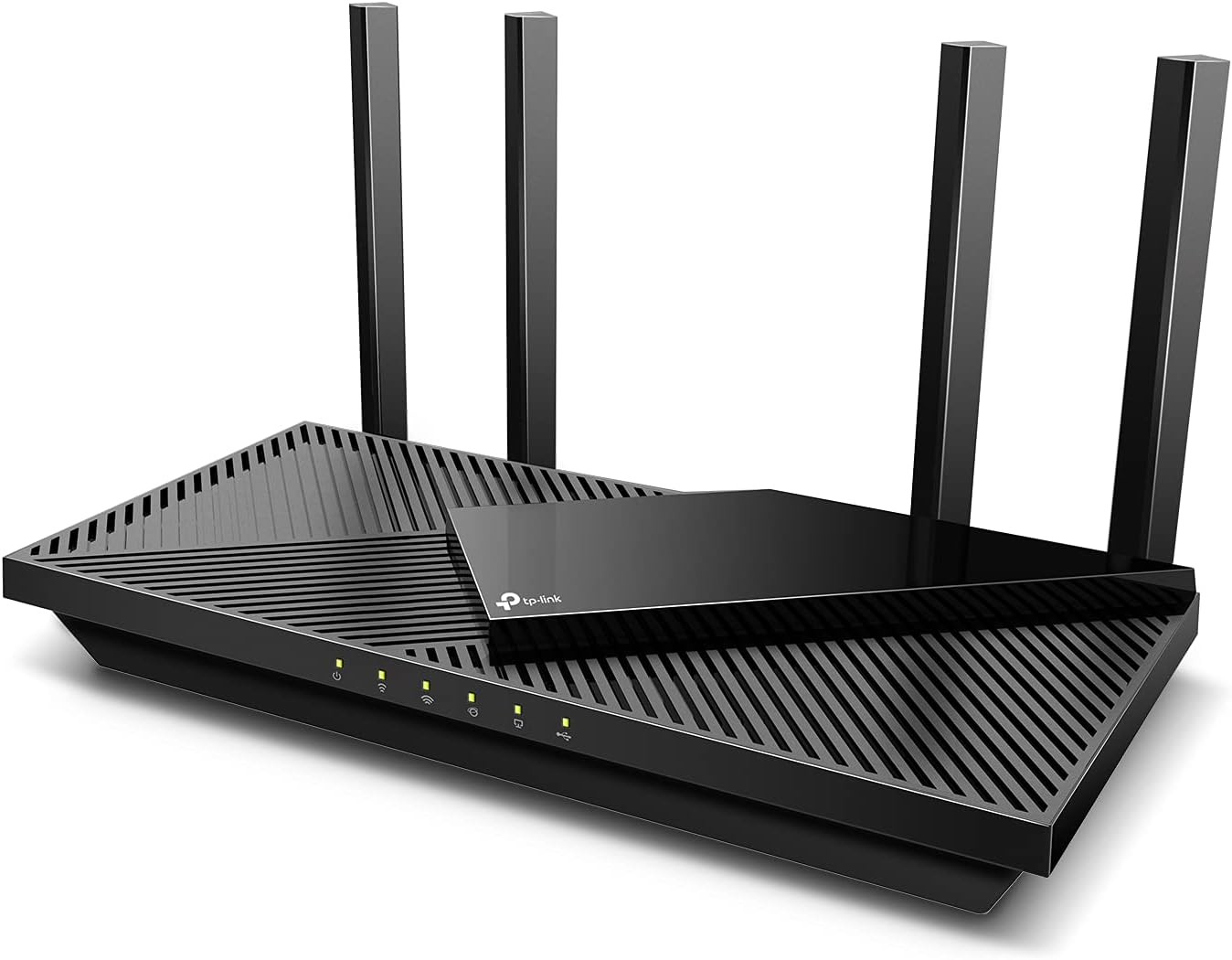
Offers Wi-Fi 6 speed and capacity at a reasonable price. Setup is still app-based, and it handles many devices easily. Great for families with multiple phones, tablets, and laptops.
✓ Beginner Pros
+Wi-Fi 6 future-proof
+Strong performance for medium homes
+App setup with guided tutorials
+Parental controls
✗ Beginner Cons
-Slightly larger size
-Not compatible with all ISPs out of the box? (most work)
👍 Best for: Most beginners with 2-4 bedroom homes and multiple devices
👎 Not for: Extremely large homes (need mesh) or advanced users needing VLANs
Top-of-the-line Wi-Fi 6 router that's still easy to set up via app. Has 8 antennas for excellent coverage and speed. Great for beginners who want the best and don't want to upgrade for years.
✓ Beginner Pros
+Excellent coverage and speed
+App setup is simple
+Strong security features
+Handles 50+ devices
✗ Beginner Cons
-Overkill for small homes
-Higher price
👍 Best for: Beginners with large homes or wanting the best performance out of the gate
👎 Not for: Budget-constrained beginners or small apartments
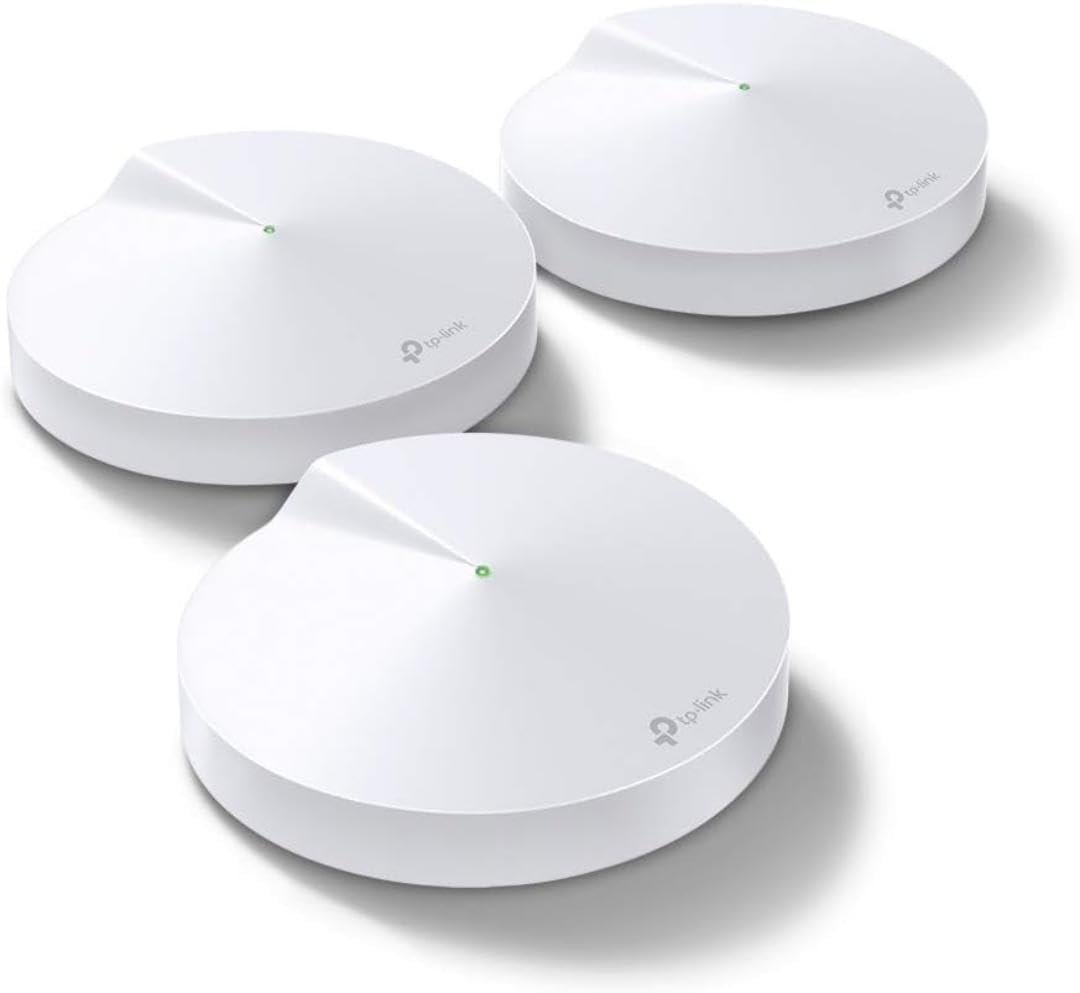
If your home has dead spots or multiple floors, a mesh system like Deco M5 eliminates coverage gaps. Setup is via app and the units work together seamlessly. Ideal for beginners with larger homes.
✓ Beginner Pros
+No dead zones
+App-based setup
+Automatically updates firmware
+Looks like a decoration
✗ Beginner Cons
-Slightly slower speeds than a single high-end router
-More expensive than a single router
👍 Best for: Beginners in large houses or awkward layouts where a single router won't cover
👎 Not for: Small apartments or users who want maximum speed in one room
A Wi-Fi router connects your devices to the internet and creates a wireless network in your home. For beginners, the simplest option is a single all-in-one router (router + switch + Wi-Fi). These are easy to set up and affordable. If you have a large home or dead spots, consider a mesh system (like the TP-Link Deco), which uses multiple units that work together to cover your whole home. For most apartments or medium houses, a good standalone router is plenty. Don't worry about technical specs like beamforming or OFDMA—most modern routers handle these automatically. Your main goal: reliable internet everywhere you need it.
🔧 Essential Accessories for Beginners
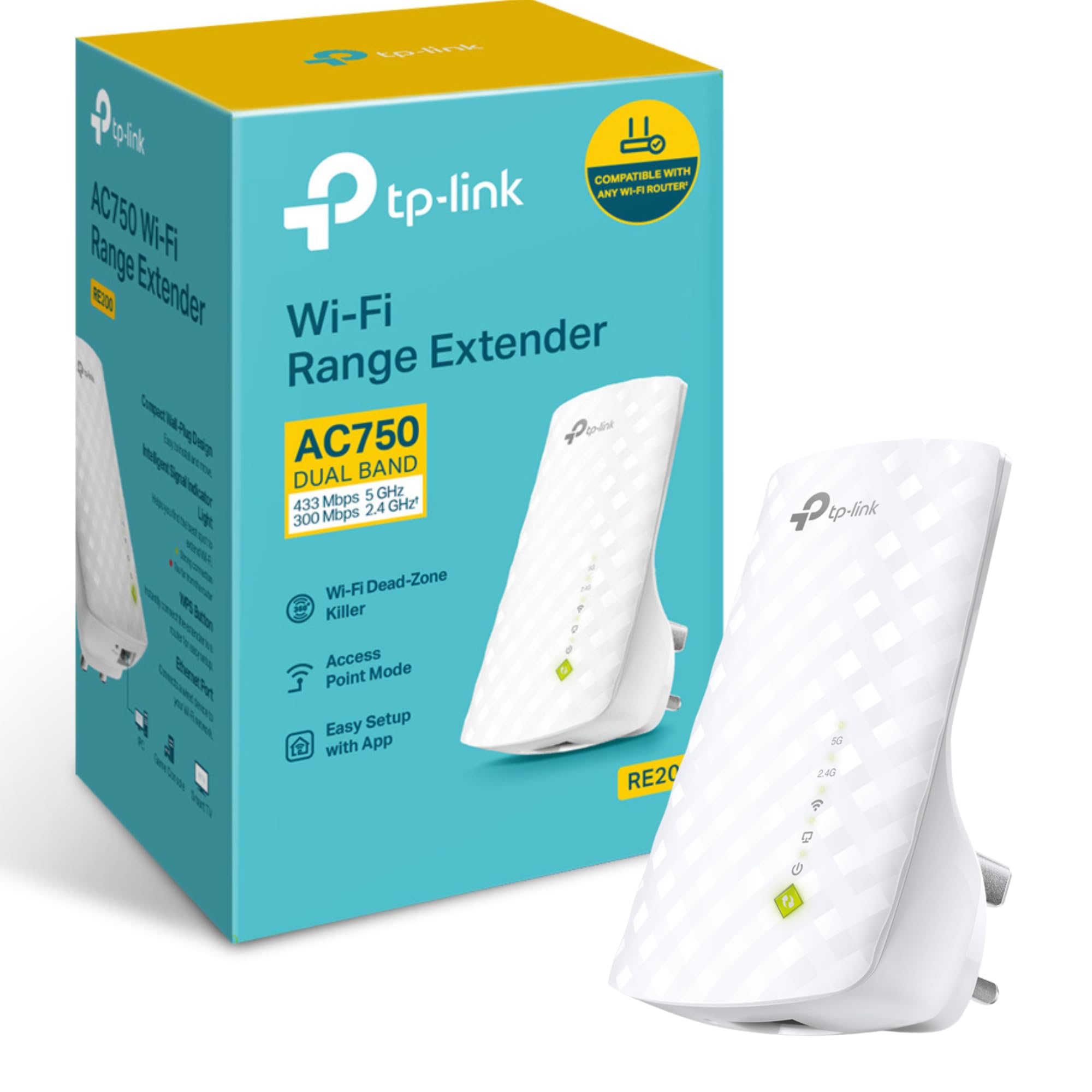
TP-Link RE200 AC750 Wi-Fi Range Extender
💡 Nice to Have
$24.99
When to buy:
After you're comfortable
If you discover a dead zone after buying your router, an extender can expand coverage cheaply. Easy to set up via the same Tether app.
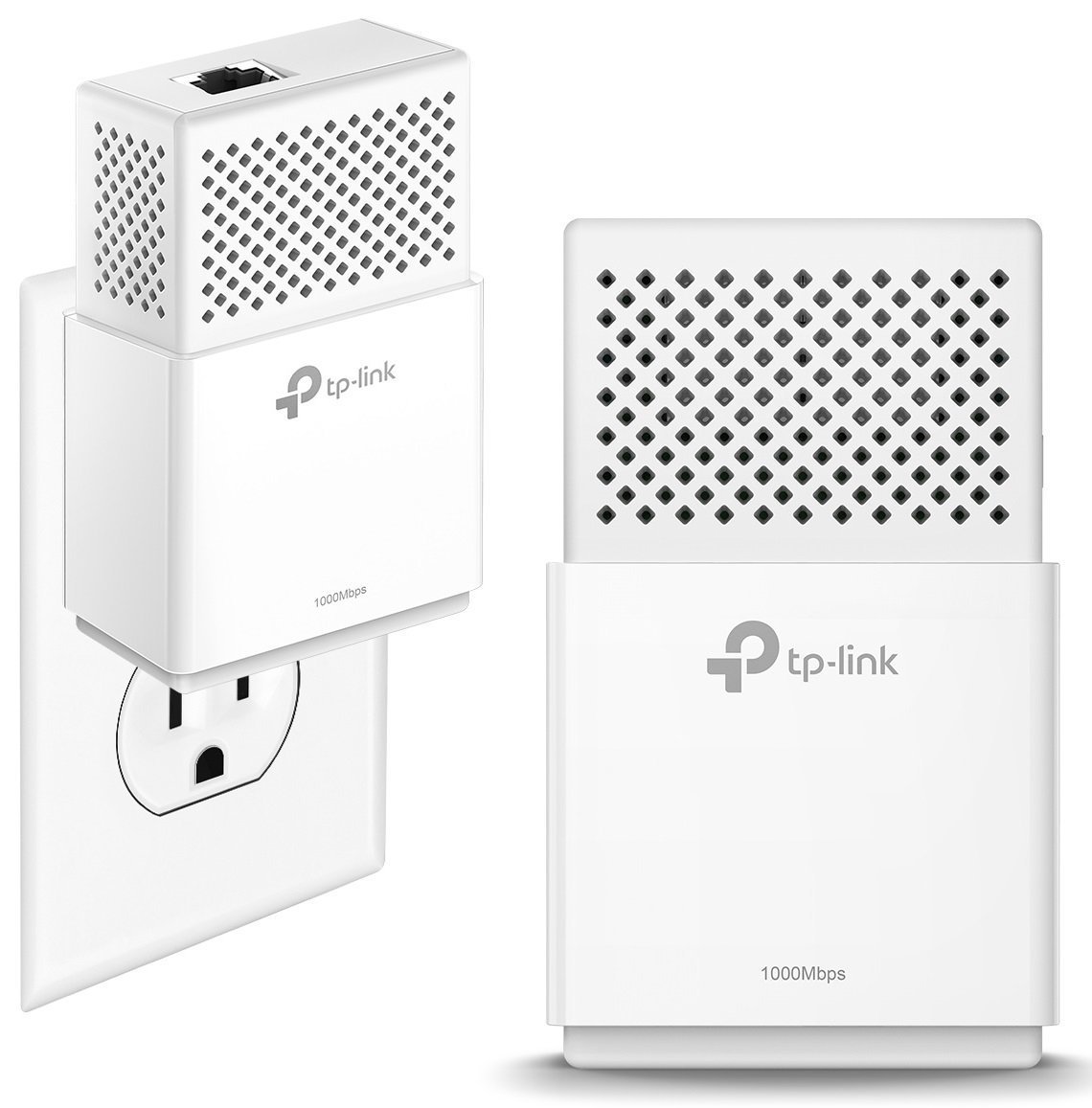
For rooms far from the router, powerline adapters use your home's electrical wiring to create a wired connection. More stable than Wi-Fi extenders and easier to set up.
Beginner Benefits:
• No configuration needed (plug and play)
• Provides wired reliability for gaming or streaming
Amazon Basics Cat6 Ethernet Cable 10ft (Pack of 2)
⚠️ Essential
$9.99
When to buy:
Day one
Most routers only include a short cable for setup. A longer Ethernet cable lets you place the router in an optimal location and connect devices for fastest speeds.
Start by asking: How big is my home? How many devices will connect? What internet speed do I pay for? For a 1-2 bedroom apartment, a budget router like the TP-Link Archer A7 ($60) is perfect. For a 3-4 bedroom house with many devices, go with the recommended TP-Link AX50 ($150). If you want the best performance and future-proofing, the TP-Link Archer AX6000 ($200) is excellent. Beware of very cheap routers under $30—they often have weak range and slow speeds. Also avoid routers with too many advanced features you won't use.
💰 Budget Guide for Beginners
$300+
High-end - usually mesh systems or gaming routers. Not necessary for most beginners.
Under $100
Entry level - good for small apartments or low-speed internet. Typically AC1200 class. Example: TP-Link Archer A7.
$100 - $ $200
Sweet spot - most beginners. Wi-Fi 6 (AX) models with good speed and coverage. Example: TP-Link Archer AX50.
One big mistake is buying a router that’s too weak for your internet plan. For example, if you have 500Mbps internet but buy a router with only 100Mbps LAN ports, you’ll never get full speed. Another mistake is ignoring the number of devices; cheap routers can’t handle 20+ devices. Beginners also often skip essentials like Ethernet cables (most routers don’t include long ones) and forget about placement—putting the router in a corner kills coverage. Finally, don’t assume a more expensive router is always better; many premium features are wasted on beginners.
×Buying a router that is too weak for your internet speed
×Not checking if the router matches your ISP type (DSL, cable, fiber)
×Placing the router in a closed cabinet or corner (kills signal)
×Ignoring the need for Ethernet cables (most routers don't include long ones)
×Choosing a mesh system when a single router is enough
📈 Your Progression Path: Beginner to Intermediate
As a beginner, start with easy setup and default settings. Once comfortable, explore your router’s app to change the Wi-Fi name and password, set up a guest network, or prioritize devices for gaming. After a few months, you might want to optimize channels or enable QoS (quality of service) for streaming. When you have 30+ devices or need whole-home coverage, consider upgrading to a mesh system or a higher-end router. Typically, beginners stay at the entry level for 1-2 years before feeling ready for more.
📚 Learning Resources for Beginners
📖"Wi-Fi Home Networking" by James T. Geier (book on Amazon)
📖Amazon eero 6+ Mesh System (if you want mesh with easy setup guide)
🎯 Bottom Line: Our Recommendations
For most beginners, the TP-Link Archer A7 is the best budget pick—easy to set up and reliable. If you can spend a bit more, the TP-Link AX50 offers faster Wi-Fi 6 speeds and better handling of multiple devices. For those who want top performance and longevity, the TP-Link Archer AX6000 is a great premium choice. Don’t forget essential accessories: a good Ethernet cable (like Amazon Basics Cat6) and optionally a Wi-Fi extender if you have dead zones. Remember: you don’t need the fanciest router—just one that fits your home and internet plan. Happy surfing!
❓ Frequently Asked Questions
The TP-Link Archer A7 ($60) is the best budget beginner router. For most beginners with average needs, the TP-Link Archer AX50 ($150) offers Wi-Fi 6 and great performance. If you have a large home, consider the TP-Link Deco M5 mesh system.
Most beginners should spend between $50 and $150. This range gets you reliable speed, good coverage, and easy setup. Spending over $200 is unnecessary unless you have a large home or many devices.
Beginners need: easy app-based setup, dual-band (2.4GHz and 5GHz), at least AC1200 or AX1800 speed, guest network, and automatic firmware updates. Additional features like MU-MIMO are nice but not required.
The TP-Link Archer A7 and TP-Link Deco M5 are very easy to set up via the free Tether app. The Deco M5 is especially beginner-friendly with its mesh system that auto-configures.
Essential: an additional Ethernet cable (at least 10 feet) for better router placement. Highly recommended: a powerline adapter if your home has thick walls, and a Wi-Fi extender if you have dead zones.
Consider your home size, internet speed, and number of devices. For a 1-2 bedroom apartment on under 200Mbps internet, a budget router like the Archer A7 is enough. For 3-4 bedrooms and 300-500Mbps, get an AX50. For large homes or 500+ Mbps, consider an AX6000 or mesh.
Modern routers are very easy to set up. Most have a mobile app that guides you step-by-step. You just plug in the router, open the app, and follow instructions. No technical knowledge required.
Common mistakes: buying a router too weak for their internet plan, neglecting placement (putting router in a corner), ignoring the number of devices, and skipping essential Ethernet cables. Also, many beginners buy a mesh system when a single router would work.
If your budget allows, yes. Wi-Fi 6 offers better performance and future-proofing, but it's not essential if you have slow internet (under 200Mbps). For most beginners, a good AC1200 or AC1750 router is fine.
A single router broadcasts Wi-Fi from one point. A mesh system uses multiple nodes that work together to cover your whole home with one seamless network. Mesh is better for larger homes or those with many walls.