Review Atlas
Review AtlasYour guide to a better purchase

Menu

Shop by Category

Get the App

Better experience on mobile

Beginners GuideCooking

Is Best Sous Vide for beginners Worth It? Honest Review (2026)

Everything beginners need to know to choose their first Sous Vide with confidence

Thinking about trying sous vide but feel overwhelmed by all the options? You're not alone. Many beginners worry that sous vide is complicated, expensive, or only for professional chefs.

This guide is here to change that. We've researched hundreds of customer reviews, expert opinions, and product specs to find the best sous vide machines for beginners. Our goal is to help you find a model that is easy to use, forgiving of mistakes, and won't break the bank.

By the end of this guide, you'll know exactly what to look for, which features matter (and which don't), and have a clear recommendation that fits your budget. Let's take the mystery out of sous vide and get you cooking confidently.

📋 In This Guide

  • • Why Beginners Struggle with Sous Vide
  • • What to Look For (Key Features)
  • • Top 5 Beginner-Friendly Sous Vide
  • • Essential Accessories for Beginners
  • • Common Beginner Mistakes to Avoid
  • • Your Progression Path
  • • FAQ & Learning Resources

😰 Why Beginners Struggle with Sous Vide

Sous vide can seem intimidating because of technical jargon like 'immersion circulator,' 'PID controller,' and 'flow rate.' Many beginners don't know what these terms mean or how they affect cooking.

Another big struggle is the overwhelming number of choices—from budget models to premium machines with app connectivity, Wi-Fi, and multiple presets. It's easy to fear buying the wrong product and ending up with something too basic or needlessly complex.

Additionally, beginners often worry about safety (leaving a device on for hours) or ruining expensive ingredients. Without clear guidance, it's easy to get stuck in analysis paralysis.

🔍 What to Look For: Key Beginner-Friendly Features

For a beginner, the most important features are simplicity, reliability, and forgiving performance. Look for a sous vide machine with automatic temperature control and a clear interface—ideally with preset programs for common foods like steak, chicken, and eggs.

Ease of cleaning is also key; models with a removable stainless steel heating element are easier to maintain. A powerful circulation pump (800-1000 watts) allows you to cook larger batches without uneven heating. Finally, consider whether you want a smartphone app for step-by-step guidance—a great help for beginners.

Avoid machines with too many manual adjustments, overly complex timers, or lack of safety features like automatic shut-off. You don't need professional-grade accuracy; +/- 0.2°F is more than enough for perfect results.

✅ Essential Features for Beginners

  • Automatic temperature control – sets and holds the exact temp without manual fiddling
  • Preset cooking programs – one-touch settings for steak, chicken, vegetables, and more
  • App connectivity – guided recipes and timers on your phone for step-by-step help
  • Powerful pump – ensures water circulates evenly, preventing cool spots
  • Easy-to-clean design – removable heating element and smooth surfaces
  • Clamp or mount – simple attachment to any pot or container
  • Safety features – auto shut-off, overheat protection, and low-water alert
  • Clear display – large, easy-to-read screen with temperature and time

🏆 Top 5 Best Sous Vide for Beginners

#1
💰 Budget

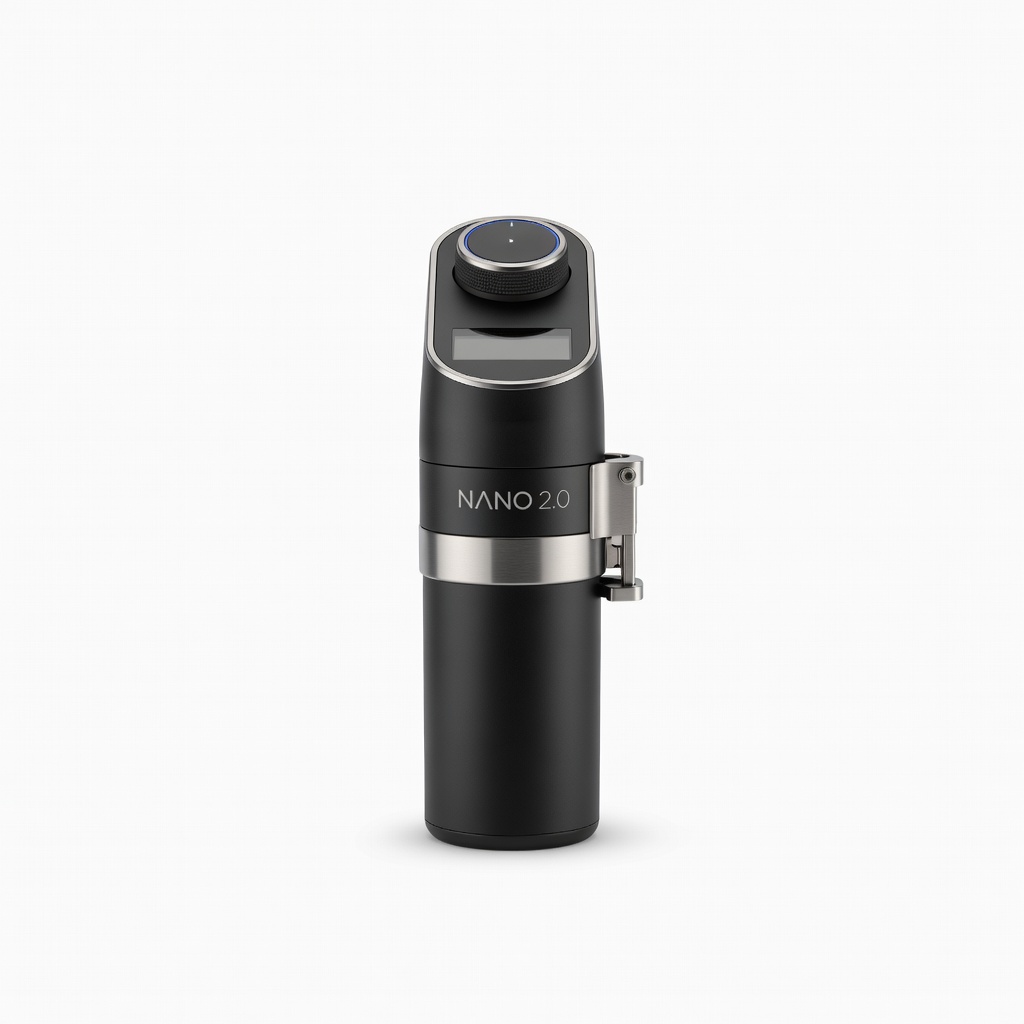
Anova Culinary Precision Cooker Nano

Learning Curve: Easy

$79.99
Difficulty: 1/5
Anova Culinary Precision Cooker Nano

Why Great for Beginners:

The Nano is compact, simple to use, and has a straightforward dial interface. It's powerful enough for most home cooks and comes at a price that won't scare beginners away.

Beginner Pros

  • +Easy to set up with just a twist of the dial
  • +Small size fits easily in a drawer
  • +Reliable temperature accuracy within 0.1°F
  • +Great customer support and active online community

Beginner Cons

  • -No Wi‑Fi or app connectivity
  • -Clamp design may not fit very thick pots
  • -Lower wattage (800W) means slower heating for large volumes
👍 Best for: Budget-conscious beginners who want a no-fuss machine for occasional use
👎 Not for: Users who want smartphone control or plan to cook for large parties regularly

#2
👍 Recommended

Anova Culinary Precision Cooker Pro

Learning Curve: Easy

$149.99
Difficulty: 2/5
Anova Culinary Precision Cooker Pro

Why Great for Beginners:

The Pro adds Wi‑Fi and a feature-rich app that guides beginners through recipes step by step. It's more powerful (1000W) and heats water faster, making it suitable for larger batches.

Beginner Pros

  • +App with video tutorials and preset timers
  • +Stronger pump for better water circulation
  • +Durable stainless steel construction
  • +Can handle up to 8 gallons of water

Beginner Cons

  • -Slightly more expensive than basic models
  • -App can be overwhelming with too many options
  • -Larger footprint takes up more storage space
👍 Best for: Tech-savvy beginners who want guided cooking and extra power
👎 Not for: People who dislike phone apps or have a very tight budget
#3
✨ Premium

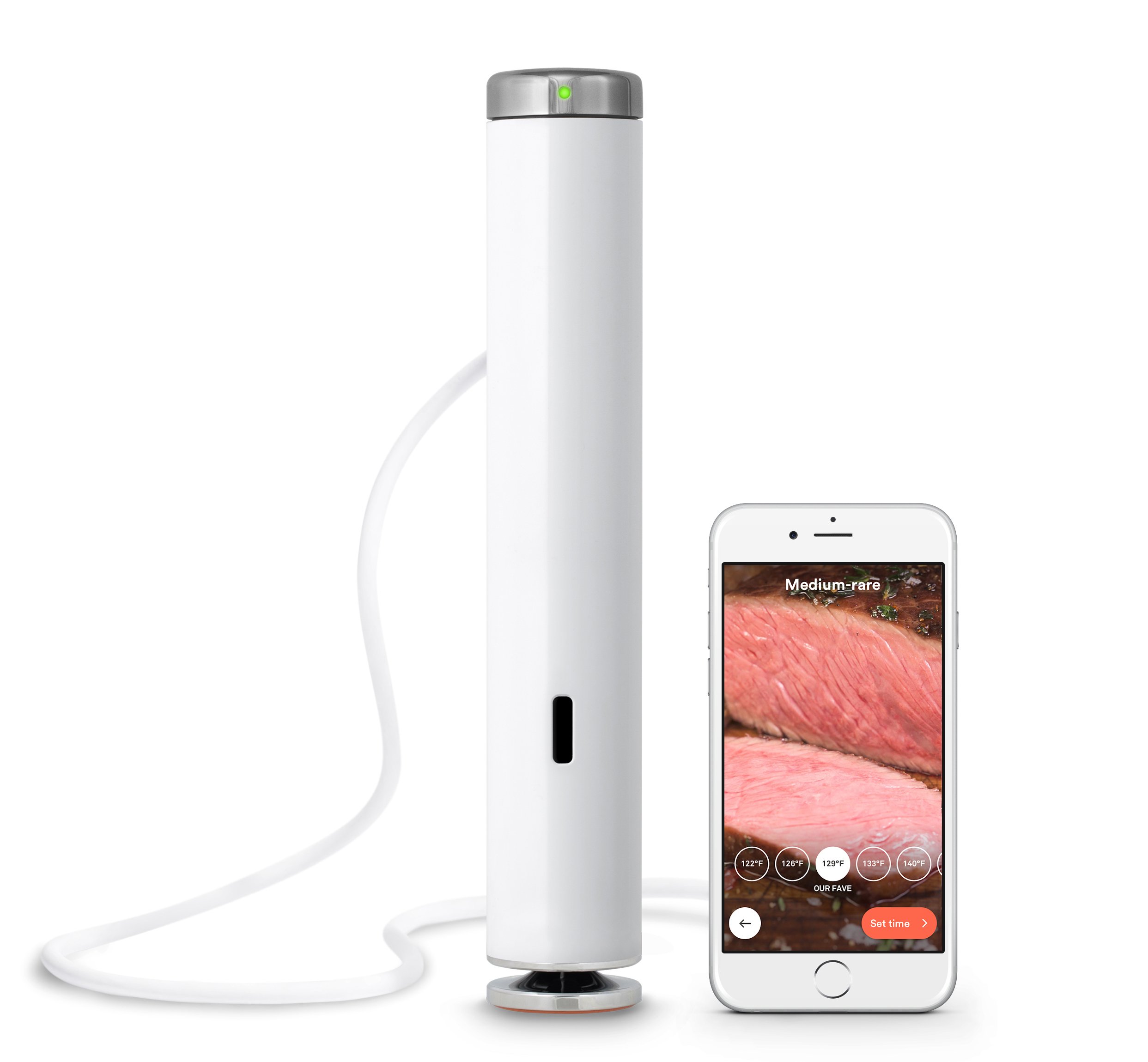
Breville Joule Smart Sous Vide

Learning Curve: Easy

$199.99
Difficulty: 2/5
Breville Joule Smart Sous Vide

Why Great for Beginners:

The Joule is incredibly compact yet powerful (1100W). It connects only via app, which is beautifully designed and offers step-by-step recipes. Its small size and fast heating make it a joy for beginners.

Beginner Pros

  • +Ultra-small design fits in a mug
  • +Fastest heating in its class
  • +App is intuitive with video guidance
  • +Magnetic base for easy attachment to metal pots

Beginner Cons

  • -Requires smartphone to operate (no onboard controls)
  • -No physical buttons – some may find it inconvenient
  • -Higher price point than budget models
👍 Best for: Beginners who love using smartphones and want premium build quality
👎 Not for: Anyone who prefers manual controls or doesn't own a smartphone
#4
Alternative

Wancle Sous Vide Cooker

Learning Curve: Easy

$69.99
Difficulty: 1/5
Wancle Sous Vide Cooker

Why Great for Beginners:

A budget-friendly alternative with a clear display and manual controls. It's simple to use and includes a built-in timer, making it a solid choice for beginners who want a no-frills experience.

Beginner Pros

  • +Very affordable, under $70
  • +Large, easy-to-read LCD screen
  • +Includes a stylish glass container with lid
  • +Simple button controls (no app needed)

Beginner Cons

  • -Lower wattage (750W) – slow heating for large volumes
  • -Plastic housing is less durable than stainless steel
  • -Limited to 5 gallons maximum container size
👍 Best for: Absolute beginners on a strict budget who want to try sous vide without financial commitment
👎 Not for: Users who cook large roasts or need app features
#5
Alternative

Inkbird Sous Vide Cooker

Learning Curve: Moderate

$89.99
Difficulty: 2/5
Inkbird Sous Vide Cooker - Image 1 of 7

Why Great for Beginners:

Offers excellent value with a wand design, Wi‑Fi connectivity, and a clear user interface. It's compatible with smart home systems (Alexa/Google) and includes a handy storage case.

Beginner Pros

  • +Wi‑Fi and voice control for hands-free operation
  • +Includes a durable carrying/storage case
  • +Good accuracy (±0.1°F) and 1000W power
  • +Budget-friendly compared to other smart sous vides

Beginner Cons

  • -App can be buggy at times
  • -Clamp design may not fit very thick pots
  • -Customer support not as responsive as major brands
👍 Best for: Tech enthusiasts on a budget who want smart home integration
👎 Not for: Those who want the most reliable app experience or premium build

📖 Complete Beginner's Guide to Sous Vide

Sous vide is French for 'under vacuum' and it involves cooking food sealed in a bag in a water bath at a precisely controlled temperature. Unlike traditional cooking, there's no risk of overcooking because the water never gets hotter than your target. This makes it incredibly forgiving for beginners.

There are two main types of sous vide devices: immersion circulators (which attach to a pot) and all-in-one water ovens. For beginners, immersion circulators are more flexible, affordable, and easier to store. They work with any pot you already own, and you can easily start with a simple stockpot.

Realistic expectations: sous vide is not instant (steaks can take 1-2 hours), but it produces restaurant-quality results with almost no effort. You don't need to be a good cook—precision is built-in. Most beginners master the basics in their first few cooks.

When evaluating options, focus on ease of use first. Look for a machine that has clear controls, a temperature range of at least 32-210°F, and a flow rate of 5-10 liters per minute. Marketing terms like 'wattage' matter less than reliability and customer support.

Word of caution: skip models that require complicated setup or lack safety certifications. Stick to reputable brands like Anova, Breville, or Inkbird—they have proven track records and active communities for beginners.

🔧 Essential Accessories for Beginners

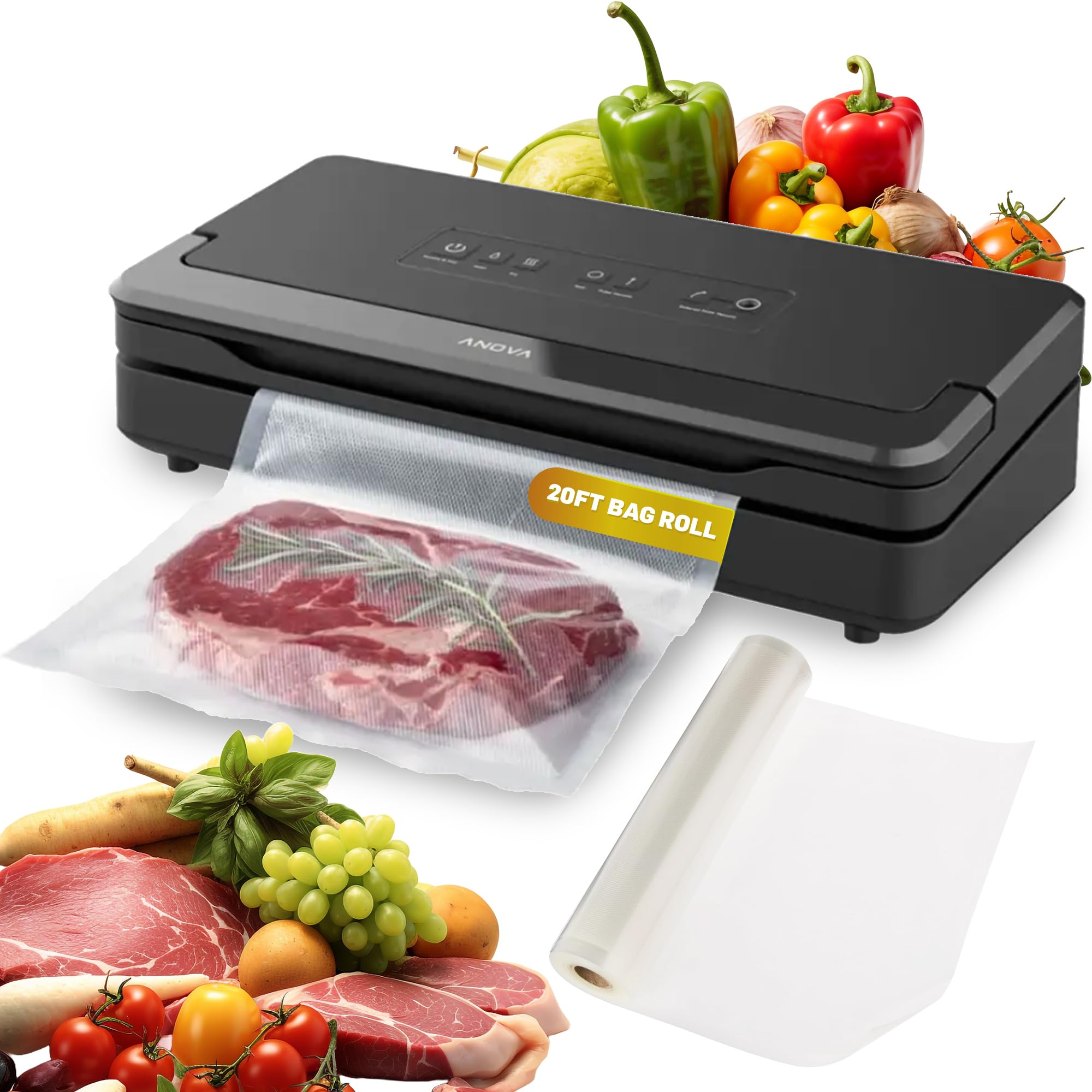
Anova Vacuum Sealer Pro

Anova Vacuum Sealer Pro

⚠️ Essential

$89.99

When to buy:
Day one

A vacuum sealer ensures a proper airtight seal for sous vide, preventing water from leaking into bags. It also allows you to buy in bulk and store food perfectly.

Beginner Benefits:

  • Eliminates the need for the water displacement method
  • Creates strong seals that prevent leaks during long cooks
  • Includes beginner-friendly presets for delicate foods
  • Saves money by allowing bulk food storage
Sous Vide Container (10L) with Lid - Image 1 of 6

Sous Vide Container (10L) with Lid

⚠️ Essential

$39.99

When to buy:
Day one

A dedicated container eliminates the risk of a pot not holding stable temperature and prevents water evaporation. Many come with a lid that reduces heat loss.

Beginner Benefits:

  • Optimal size for most beginner recipes
  • Lid keeps water hot and reduces evaporation
  • Clear sides let you see the water level easily
  • Durable and easy to clean
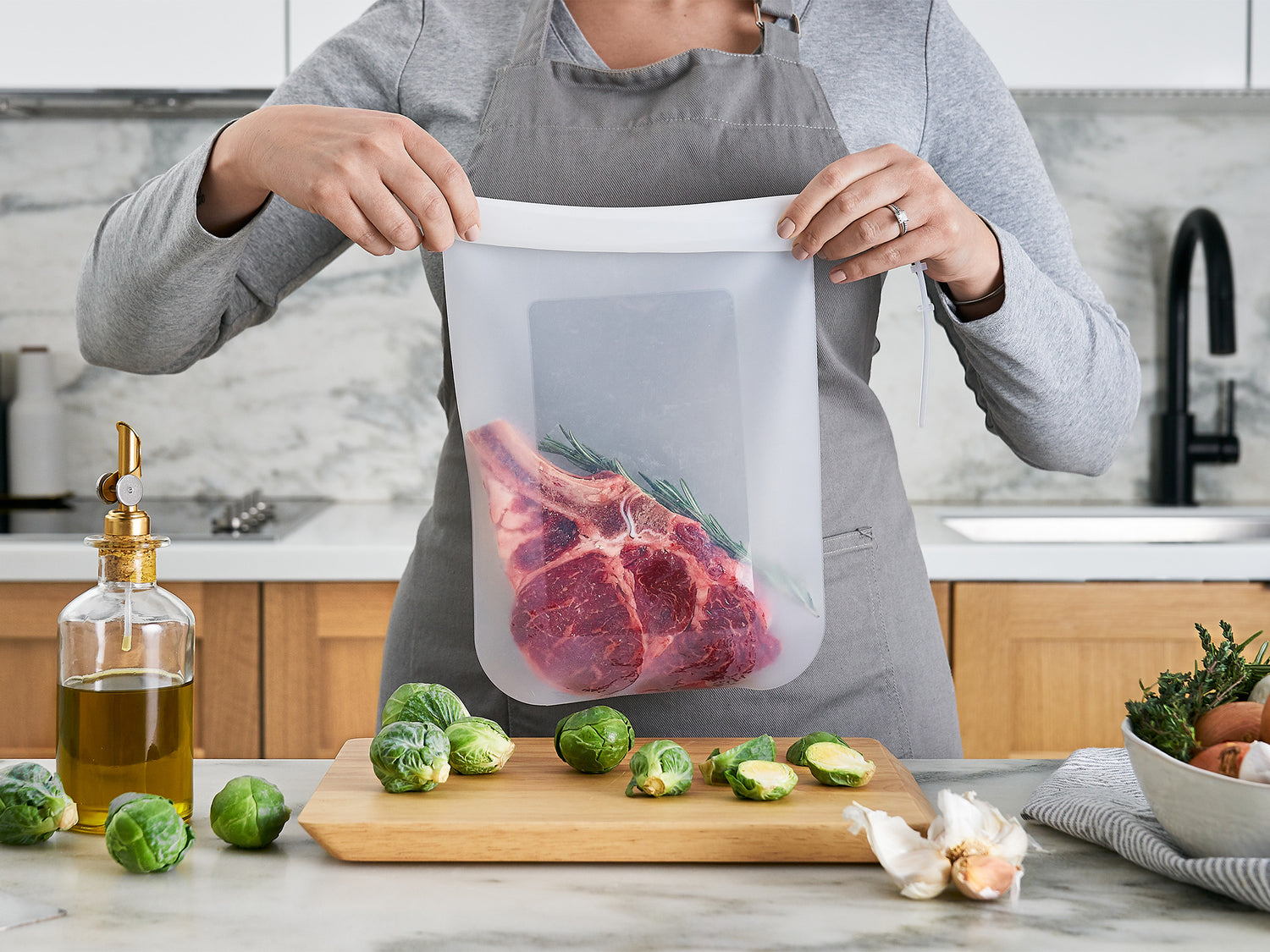
Anova Silicone Reusable Sous Vide Bags

Anova Silicone Reusable Sous Vide Bags

👍 Recommended

$24.99

When to buy:
First month

Reusable silicone bags are an eco-friendly and cost-effective alternative to disposable plastic bags. They are sturdy enough for repeated sous vide cooks.

Beginner Benefits:

  • Can be used hundreds of times, saving money over time
  • No risk of plastic leaching into food
  • Easy to clean in dishwasher
  • Double sealing prevents leaks
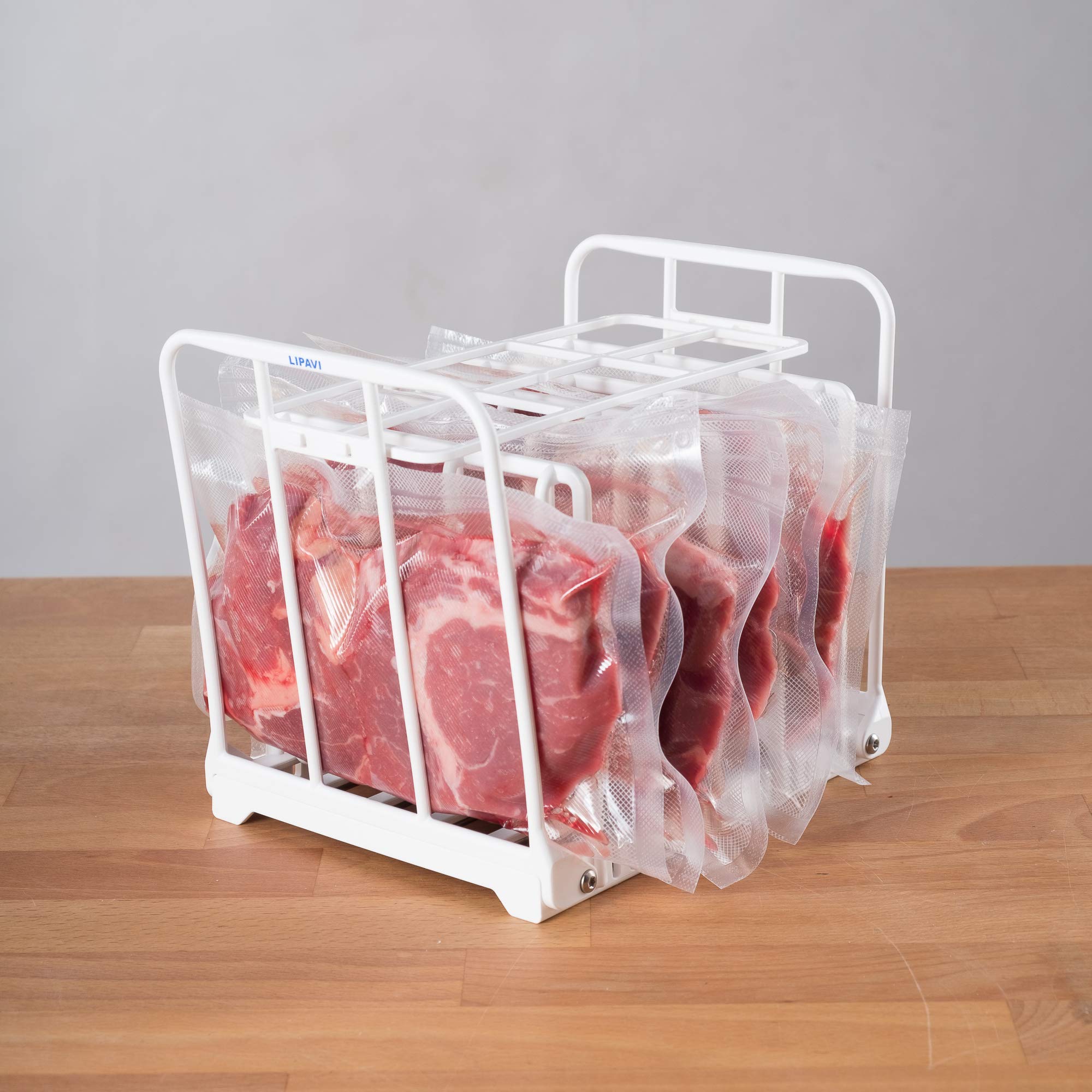
Sous Vide Rack or Weights

Sous Vide Rack or Weights

💡 Nice to Have

$14.99

When to buy:
After you're comfortable

Weights keep bags fully submerged, ensuring even cooking. A rack elevates bags off the bottom for better water circulation, especially important for beginners.

Beginner Benefits:

  • Prevents floating bags – a common beginner issue
  • Ensures even heat distribution around each bag
  • Simple, affordable piece of gear
  • Fits in most containers
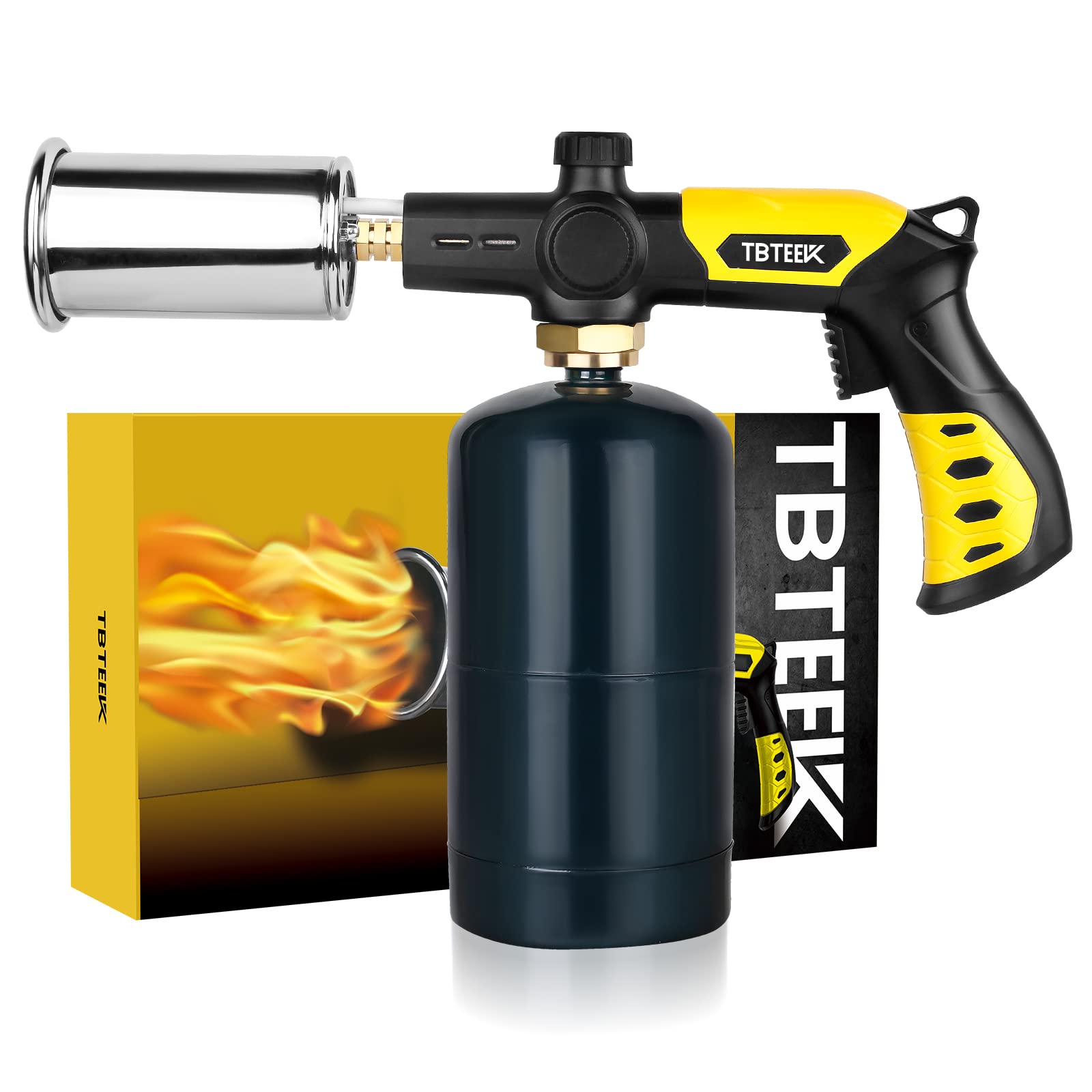
Kitchen Torch (Propane) for Searing

Kitchen Torch (Propane) for Searing

👍 Recommended

$29.99

When to buy:
First month

Searing is essential after sous vide to develop a flavorful crust. A torch is the easiest way for beginners to get a perfect sear without overcooking.

Beginner Benefits:

  • Gives you complete control over the sear
  • Works on any surface – skillet is optional
  • Quick and easy clean up
  • Adds a fun 'flame effect' to your cooking

🤔 How to Choose Your First Sous Vide

Start by asking yourself: How often do I plan to sous vide? If it's once a week or less, a budget model will do. If you're a foodie planning to cook multicourse meals, invest in a premium machine.

Next, consider your kitchen setup. Do you have a large pot? If not, some models come with a container, or you can buy one separately. Think about storage space too—some circulators are compact and easy to pack away.

Finally, decide on the app. If you like following guided recipes on your phone, a Wi‑Fi model is worth it. If you prefer a simple dial, go with a non‑connected model. Avoid paying extra for features you won't use.

Red flags: machines with no customer reviews, very low wattage (under 700W), or plastic heating elements can mean poor performance or durability.

💰 Budget Guide for Beginners

400+

Pro entry – commercial-grade accuracy and capacity, ideal for serious home chefs

100 - $200

Sweet spot – reliable machines with app control and good accuracy, perfect for most beginners

200 - $400

Premium beginner – excellent build quality, faster heating, and advanced features like Wi‑Fi and multi-cook presets

Under $ - $100

Entry level – good for trying sous vide, but may lack power and precision for longer cooks

⚠️ Common Beginner Mistakes to Avoid

One of the biggest beginner mistakes is buying the cheapest model without checking wattage or build quality. This often leads to slow heating, inaccurate temperatures, and frustration.

Another mistake is skipping essential accessories like a vacuum sealer. While ziplock bags work (water displacement method), a sealer gives better results and is much easier for long cooks.

Beginners also often ignore the container size—using a small pot limits capacity and can cause water to evaporate below the minimum water line. Always use a container large enough for your food plus a few inches of water.

Finally, many beginners jump into complex recipes before mastering basics like cooking a perfect egg or steak. Start simple to build confidence.

  • ×Buying the cheapest model with low wattage and poor temperature accuracy
  • ×Skipping a vacuum sealer and struggling with ziplock bags
  • ×Using a pot that's too small, causing water evaporation during long cooks
  • ×Ignoring safety features and leaving the device unattended on a flammable surface
  • ×Trying complex recipes (like 72-hour short ribs) before mastering basics
  • ×Not pre-heating the water bath properly, leading to uneven cooking
  • ×Overfilling the container and blocking the water circulation
  • ×Assuming sous vide is fast—plan ahead for long cook times

📈 Your Progression Path: Beginner to Intermediate

Start with basic recipes: eggs, chicken breasts, and steak. Learn to season, bag, and set time/temperature. Once you're comfortable, move to tougher cuts of meat like brisket (24-hour cooks) or vegetables.

After a few months, you'll outgrow a basic budget model if you start cooking for crowds or want finer temperature control. Signs you're ready to upgrade: you wish the machine were quieter, faster-heating, or had a larger capacity.

The next step is exploring advanced techniques like sous vide cheesecake, infused spirits, or simultaneous cooking with multiple circulators. Most beginners stay at the intermediate level for 6-12 months before feeling the need for a pro-grade machine.

📚 Learning Resources for Beginners

  • 📖Sous Vide for Beginners: A Cookbook by Lisa Q. Peterson
  • 📖The Complete Sous Vide Cookbook by Sarah James
  • 📖Sous Vide Made Simple: 100 Recipes by Amanda Mason
  • 📖Anova Culinary Sous Vide App (free)

🎯 Bottom Line: Our Recommendations

For most beginners, the best choice is the Anova Culinary Precision Cooker Nano—it's affordable, reliable, and super easy to use. If you have a slightly larger budget and want app features, the Breville Joule is a fantastic premium pick.

Don't forget to pick up a vacuum sealer (like the Anova Vacuum Sealer Pro) and a good container. With these, you'll be making perfect steaks within days.

Remember: sous vide is one of the most forgiving cooking methods. You will not ruin a meal. So pick a model that fits your budget, get started, and enjoy the journey!

❓ Frequently Asked Questions

For most beginners, the Anova Culinary Precision Cooker Nano offers the best balance of price, ease of use, and reliability. If you want app guidance, the Breville Joule is the top premium choice.
Budget at least $80-$150 for a quality machine. Spending under $60 often means lower wattage and poor accuracy. The $130-$200 range offers the best value for beginners.
Automatic temperature control, presets, a clear display, and a powerful pump (800W+). App connectivity is nice but not essential. Safety features like auto shut-off are important.
The Anova Nano is the easiest due to its simple dial control. The Breville Joule is also very easy but requires a smartphone for operation.
A vacuum sealer (or at least quality ziplock bags), a container (or large pot), and a way to weight/secure bags. A kitchen torch is highly recommended for searing.
Consider your budget, how often you'll cook, and whether you prefer app guidance. Read reviews, check warranty, and pick a reputable brand like Anova or Breville.
No – sous vide is one of the easiest cooking methods for beginners. You can't overcook because the water never exceeds the target temperature. Start with eggs or chicken breasts.
Common mistakes: not using enough water, using thin plastic bags that melt, skipping the sear, and not preheating the water. Also, buying too cheap a machine.
Not strictly – you can use the water displacement method with ziplock bags. But a sealer is easier, gives better results, and is essential for long cooks (over 4 hours).
Yes – any heavy-bottomed pot works. Ensure it's deep enough to cover the food and allow water circulation. A dedicated sous vide container is more efficient but not required.
With proper care, a quality machine should last 3-5 years. Avoid letting it run dry and clean it after each use to extend its life.
Absolutely – it's widely recommended by beginners and experts alike for its low price, simplicity, and reliable performance. It's a great starting point.

Related Articles