Is Best Soccer Ball for beginners Worth It? Honest Review (2026)
Everything beginners need to know to choose their first soccer ball with confidence
Choosing your first soccer ball can feel overwhelming with so many options, sizes, materials, and price points. Beginners often worry about picking the wrong ball that's too hard, too bouncy, or wears out quickly. This guide is here to simplify everything. You'll learn exactly what to look for, what to avoid, and get specific recommendations for balls that are forgiving, durable, and easy to start with. Whether you're playing in the backyard, at the park, or just starting practice, we'll help you pick a ball that builds your skills without breaking the bank.
📋 In This Guide
• Why Beginners Struggle with Soccer Ball
• What to Look For (Key Features)
• Top 3 Beginner-Friendly Soccer Ball
• Essential Accessories for Beginners
• Common Beginner Mistakes to Avoid
• Your Progression Path
• FAQ & Learning Resources
😰 Why Beginners Struggle with Soccer Ball
Many beginners struggle because they don't know the difference between a match ball, training ball, and youth ball. Soccer balls come in different sizes (1-5), materials (PVC, PU, leather), and constructions (machine-stitched vs hand-stitched). Jargon like 'butyl bladder' or 'TPU panels' can be confusing. Another challenge is choosing the right size – adults often buy a size 5 ball, but if you're a youth player or just starting, a smaller size might be better. Plus, price ranges from $10 to $200+, making it hard to know what's worth spending. Common beginner frustrations include balls that deflate quickly, feel too hard, or don't hold up on grass.
🔍 What to Look For: Key Beginner-Friendly Features
For a beginner, the most important features are durability, proper size, and a forgiving touch. Look for a ball made of PVC or PU material – PVC is cheaper and good for rough surfaces, while PU feels softer and is better for skill development. A machine-stitched ball is affordable and durable enough for practice. Avoid high-end match balls that are too hard and expensive to replace. Beginners should also consider a visible color (like white with black panels) for easy tracking. Size wise: size 3 for ages 8 and under, size 4 for 8-12, size 5 for 12 and up. Features like a butyl bladder (holds air longer) are nice but not essential at first. What you don't need: FIFA quality certification (for beginners, that's overkill) or super lightweight panels.
✅ Essential Features for Beginners
•Right size: Choose size 3, 4, or 5 based on age – never guess.
•Durable cover: PVC for rough surfaces, PU for better feel on grass.
•Machine-stitched construction: Affordable and holds up to regular use.
•Butyl bladder: Holds air longer so you don't have to pump every day.
•Visible color: Bright or high-contrast panels help you track the ball.
•Forgiving touch: PU cover feels softer on the foot and reduces pain when juggling.
🏆 Top 3 Best Soccer Ball for Beginners
#1
💰 Budget
Wilson Traditional Soccer Ball
Learning Curve: Easy
$19.99
Difficulty: 1/5
Why Great for Beginners:
Classic design, durable PVC cover, machine-stitched, and comes in multiple sizes. Perfect for backyard and park play without breaking the budget.
✓ Beginner Pros
+Affordable
+Durable on grass
+Classic feel
+Good air retention with butyl bladder
✗ Beginner Cons
-PVC can feel hard
-Not for very rough surfaces
-Color may fade
👍 Best for: Casual players and kids who play on grass
👎 Not for: Serious trainees or those playing on concrete
Soft PU cover for better touch, thermally bonded panels for consistent flight, and a butyl bladder for long air retention. Great for developing skills.
✓ Beginner Pros
+Softer touch than PVC
+Good for turf and grass
+Visible design
+Holds air well
✗ Beginner Cons
-More expensive
-Not as durable on concrete
👍 Best for: Beginners who want to improve control and practice regularly
👎 Not for: Very young kids or rough outdoor surfaces
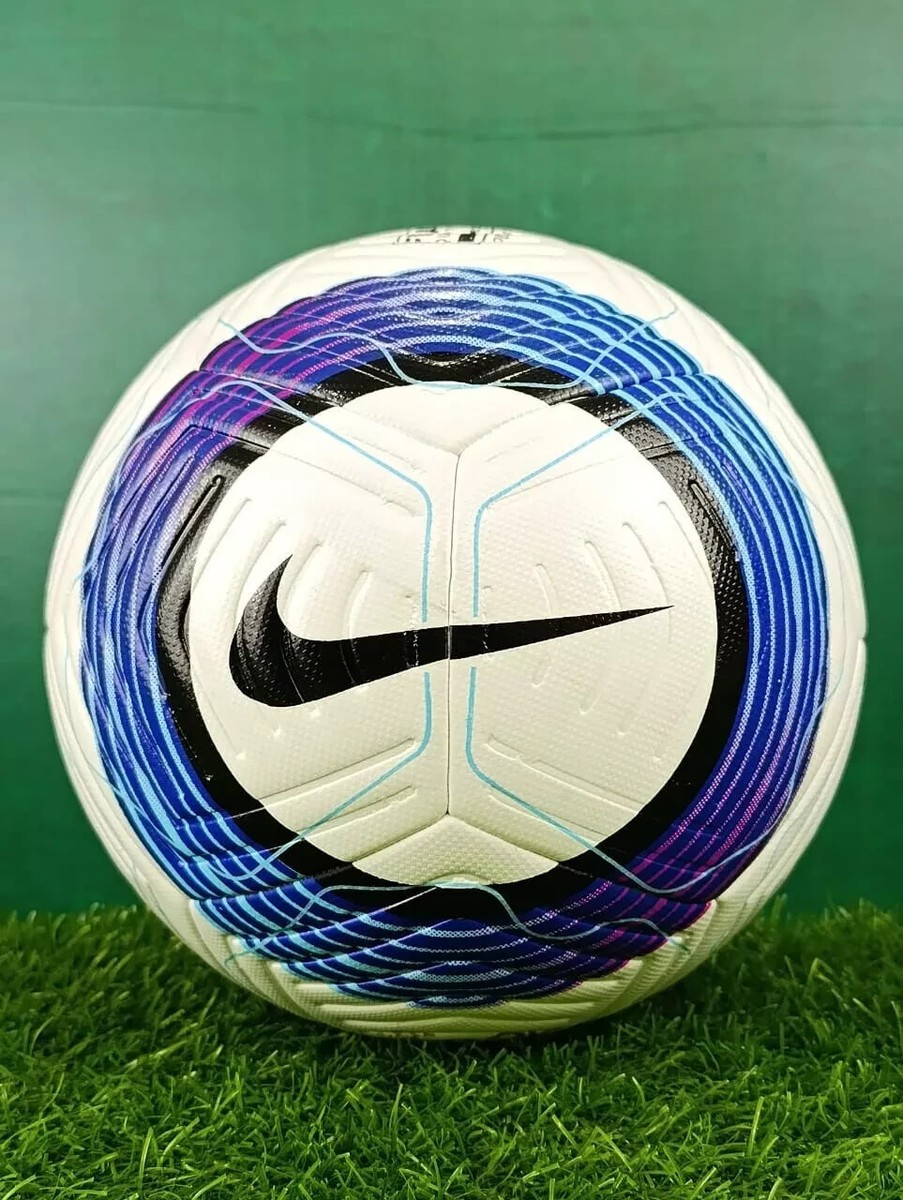
High-end construction with a 4-panel design for consistent shape, Aerowtrac grooves for stable flight, and a soft textured cover. Excellent for skill development but expensive for casual use.
✓ Beginner Pros
+Excellent touch and control
+Very durable
+Holds shape well
+Approved for matches
✗ Beginner Cons
-Expensive
-Too hard for some beginners
-Best used on grass
👍 Best for: Serious beginners who play on good grass fields and plan to compete
A soccer ball is made of three main parts: the cover (outer layer), the lining (beneath cover), and the bladder (inside that holds air). The cover can be PVC (vinyl) – durable and cheap, but can be hard when cold; PU (polyurethane) – softer, more comfortable, better for control; or leather – rare, expensive, and only for premium match balls. For beginners, a PVC ball is fine for casual play, but if you plan to practice a lot, a PU ball will feel nicer and help you learn ball control. Next, stitching: machine-stitched balls are common and affordable; hand-stitched balls are more expensive but last longer. Beginners don't need hand-stitched. Then there's the bladder: butyl bladders retain air better than latex, but latex bladders give a softer touch. For a beginner, butyl is better because you won't have to pump it up as often. Finally, the shape and panel design: traditional 32-panel balls are classic, but newer designs with fewer panels (like 12 or 6) offer a more consistent bounce. Beginners can choose any; what matters most is that the ball stays round after use.
🔧 Essential Accessories for Beginners
B0SOCCERACC01
⚠️ Essential
$12.99
When to buy:
Day one
A ball pump is essential because soccer balls lose air over time. Without it, you'll be playing with a flat ball that doesn't bounce right and can be frustrating.
Start by asking: Where will you play? If mostly on grass or turf, a lower-cost PVC ball is fine. If you plan to practice on hard surfaces like concrete or asphalt, consider a 'street ball' with a thicker cover. Ask yourself: What is your goal? If just having fun, any ball in the $10-25 range works. If you want to improve skills and practice regularly, invest $25-50 for a PU ball with better touch. Also consider your age/size. Red flags to avoid: balls that look perfect but feel too light or hard, balls with a strong chemical smell (poor quality), or balls that are sold without a picture of the actual product (stock images). Stick to reputable brands like Wilson, Adidas, Nike, or Senda.
💰 Budget Guide for Beginners
60+
Serious beginner – high-quality training or match balls, only if you play regularly on good surfaces.
15 - $30
Sweet spot – best value for most beginners: durable, proper size, decent feel.
Entry level – good for casual play on grass, may need replacement in a few months.
⚠️ Common Beginner Mistakes to Avoid
Common mistakes beginners make include buying the wrong size ball (e.g., size 5 for a 10-year-old is too big). Another mistake is choosing a match ball (like the official World Cup ball) which is too hard and expensive for practice. Beginners also forget to buy a pump – nothing is more frustrating than a flat ball. Some buy balls that are too cheap (under $10) that lose their shape quickly, leading to frustration. Others spend too much on a premium ball that they're afraid to scuff. Finally, beginners often ignore surface type – using a high-quality ball on asphalt will ruin it fast.
×Buying the wrong size for your age/height.
×Choosing a match ball that is too hard and expensive for practice.
×Forgetting a ball pump – flat balls ruin practice.
×Buying too cheap (under $10) – they lose shape quickly.
×Buying too expensive (over $100) – unnecessary features for a beginner.
×Using a quality ball on concrete – it will wear out fast.
×Ignoring the type of bladder – latex needs frequent pumping.
×Not considering skill level – a beginner needs a training ball, not a competition ball.
📈 Your Progression Path: Beginner to Intermediate
As a beginner, start by learning to dribble, pass, and control the ball – a basic training ball is perfect. After a few months, you'll notice the ball's feel matters more; consider upgrading to a better PU training ball. When you can consistently juggle 20+ times and your ball feels too bouncy or hard, you're ready for a match-level ball. Typically, beginners stay in the training ball phase for 6 months to a year. Intermediate players should look for a ball with a stitched, not glued, cover and better air retention. The first upgrade should be from PVC to PU, then from machine-stitched to a higher-quality thermally bonded ball if you compete.
📚 Learning Resources for Beginners
📖{"resourceName":"Soccer for Beginners: Skills, Drills & Tactics (Book)","asin":"B0SOCCERBOOK01","url":"https://www.amazon.com/s?k=soccer+for+beginners+book&linkCode=gg3&tag=ra075-20"}
📖{"resourceName":"Solo Soccer Training Equipment Pack (Cones + Ball + Pump)","asin":"B0SOCCERTRAIN01","url":"https://www.amazon.com/s?k=soccer+training+set+beginner&linkCode=gg3&tag=ra075-20"}
🎯 Bottom Line: Our Recommendations
For most beginners, the best pick is the Wilson Traditional Soccer Ball (size 5) – it's affordable, durable, and has a classic feel. If you want something softer for skill work, go with the Adidas Performance UCL Club ball. For a premium option that will last through intermediate play, the Nike Flight Premier League ball is excellent but only if you're serious and have a grass turf to play on. Essential accessories: a ball pump and a mesh bag. Don't forget – the right size ball matters more than the brand. Start simple, practice often, and you'll quickly outgrow your first ball.
❓ Frequently Asked Questions
The best ball for most beginners is the Wilson Traditional Soccer Ball (budget) or the Adidas Performance UCL Club (recommended). Both are size 5 (for adults), durable, and have good air retention. The Wilson is cheaper; the Adidas offers a softer touch.
Spend between $15 and $35. That gets you a durable, properly sized ball with a butyl bladder. Under $10 balls lose shape quickly; over $60 is unnecessary unless you're serious.
Size 3 for ages 8 and under, size 4 for ages 8-12, size 5 for ages 12 and up. If you're an adult, always go with size 5.
PVC is cheaper and lasts on rough surfaces but feels hard. PU is softer, better for control, and more comfortable. If you play mostly on grass, go with PU; if on concrete or asphalt, PVC might be better.
No. FIFA certification ensures the ball is top-tier for match play, but it's overpriced for beginners. A training ball is fine.
A ball pump (essential) and a carry bag (highly recommended). Optional: a set of cones for dribbling drills.
With a butyl bladder, once a week or before each session. Latex bladders need pumping before every use.
You can, but match balls are designed for top performance and can be too hard or expensive to scuff. Training balls are better for daily use.
Machine-stitched is cheaper and durable enough for beginners. Hand-stitched is more expensive and lasts longer but not necessary for learning.
It will wear down the cover faster. If you have to, get a 'street ball' with a thicker cover or a cheap PVC ball.