Is Best Snow Blower for beginners Worth It? Honest Review (2026)
Everything beginners need to know to choose their first snow blower with confidence.
If you're new to snow removal, choosing your first snow blower can feel overwhelming. With terms like 'single-stage,' 'auger,' and 'clearing width,' it's easy to get lost. This guide is here to simplify everything. We'll help you understand what features actually matter for a beginner, avoid common buying mistakes, and recommend the best snow blowers for your needs and budget. By the end, you'll know exactly which machine is right for your driveway.
📋 In This Guide
• Why Beginners Struggle with Snow Blower
• What to Look For (Key Features)
• Top 4 Beginner-Friendly Snow Blower
• Essential Accessories for Beginners
• Common Beginner Mistakes to Avoid
• Your Progression Path
• FAQ & Learning Resources
😰 Why Beginners Struggle with Snow Blower
Beginners often feel intimidated by the variety of snow blowers: electric, gas, single-stage, two-stage. Add technical jargon like 'impeller,' 'chute control,' and 'traction drive,' and it's easy to make a costly mistake. Many newcomers either buy a cheap, underpowered model that can't handle heavy snow, or overspend on a professional machine with features they'll never use. Without knowing what to prioritize, choices seem endless. This guide cuts through the noise, focusing on what a beginner truly needs.
🔍 What to Look For: Key Beginner-Friendly Features
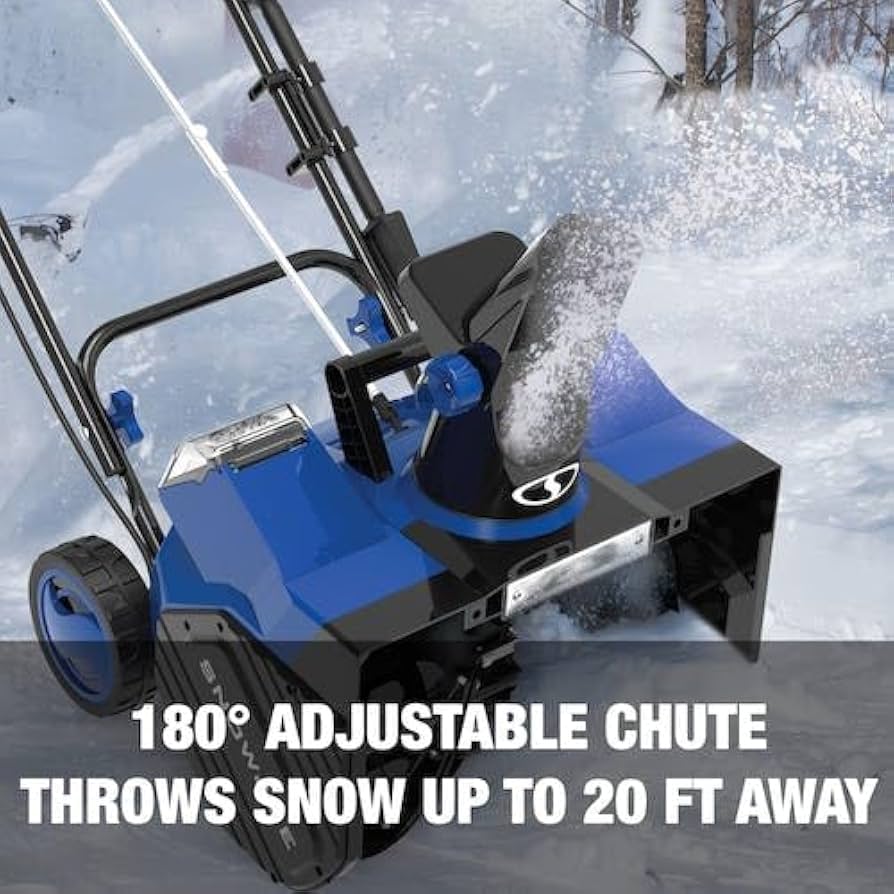
For beginners, the most important feature is ease of use. Look for a machine with simple start mechanisms – push-button electric start instead of a pull cord. A lightweight design makes maneuverability easier. Electric snow blowers are especially beginner-friendly: no gas, no oil changes, just plug in and go. However, if you have a long driveway, a cordless battery model or a small gas single-stage might be better. Key beginner-friendly qualities include an adjustable chute (preferably with a stick or remote), a handle that's comfortable, and a clearing width around 18-22 inches for manageable size. Avoid features like heated handles or drift cutters – they add cost but aren't essential for learning.
✅ Essential Features for Beginners
•Electric start (push-button) – no pull cord struggle
•Lightweight design (under 50 lbs) – easy to push and store
•Simple chute control (manual stick) – intuitive to direct snow
•Single-stage auger – less complex than two-stage
•Adjustable handle height – comfortable for different users
•Built-in LED lights – helpful in early morning or evening clearing
•No-load start – safe and easy for first-timers
🏆 Top 4 Best Snow Blower for Beginners
#1
⭐ Top Pick👍 Recommended
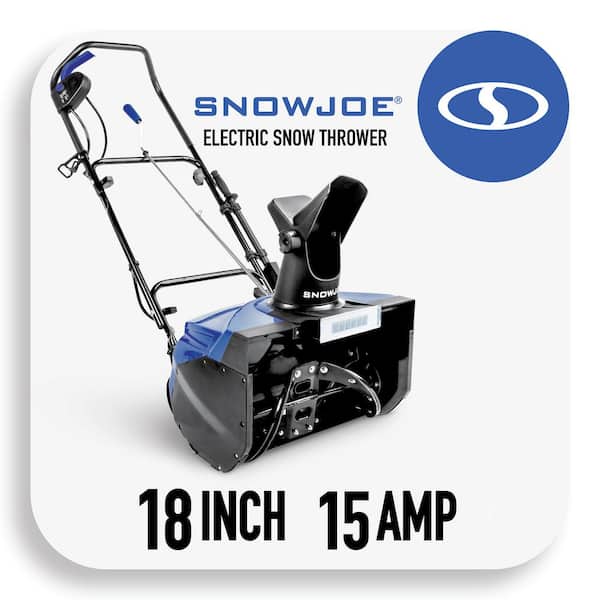
Snow Joe SJ623E 18-Inch 15-Amp Electric Snow Thrower
Learning Curve: Easy
$179.99
Difficulty: 1/5
Why Great for Beginners:
Lightweight (under 35 lbs), push-button start, and simple controls. Perfect for small to medium driveways. Widely praised by first-time users.
✓ Beginner Pros
+Easy to assemble – 5 minutes out of box
+Corded electric – no gas or battery worries
+Auto-cleaning skid shoes prevent clogging
✗ Beginner Cons
-Cord can be restrictive (need a long extension cord)
-Not powerful enough for heavy, wet snow
👍 Best for: Beginners with a flat, paved driveway under 20 feet and moderate snowfall.
👎 Not for: Those with long, steep driveways or heavy snow conditions.
Snow blowers come in three types: electric corded, battery-powered, and gas-powered. For beginners, electric models (corded or battery) are the best starting point. They require almost no maintenance, start instantly, and are lightweight. Corded models (e.g., 15-amp motor) are ideal for small to medium driveways near an outlet. Battery models offer freedom of movement but limited runtime. Gas models offer more power for heavy snow, but they require fuel mixing (for 2-stroke) or oil changes (for 4-stroke) and regular maintenance. As a beginner, ask yourself: How much snow do you get? What's the size of your driveway? Electric is great for occasional use and moderate snow (up to 8 inches). For deeper snow or larger areas, a small gas single-stage is acceptable but expect more upkeep. Remember that 'self-propelled' is usually not necessary for electric models, but it helps on gas ones.
🔧 Essential Accessories for Beginners
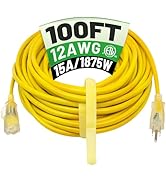
Camco 12-Gauge 100-Ft Outdoor Extension Cord
⚠️ Essential
$49.99
When to buy:
Day one
A heavy-duty extension cord is required for corded electric snow blowers. This 12-gauge cord won't voltage drop and is weather-resistant.
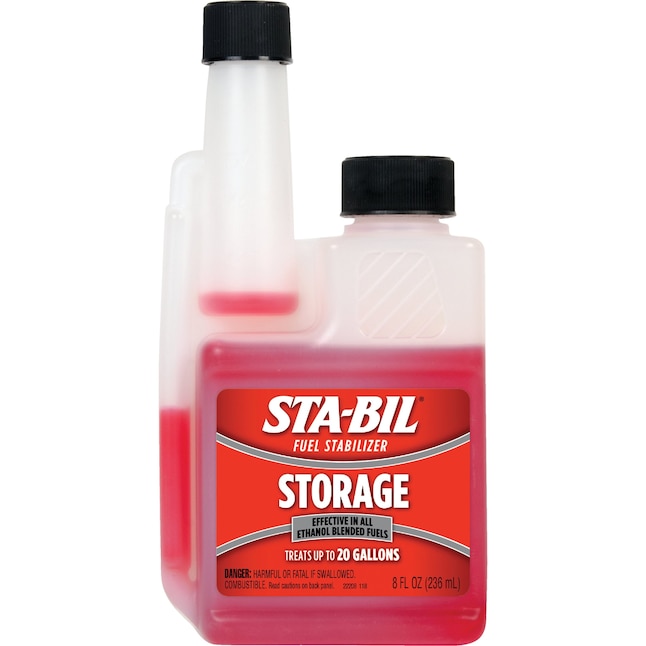
If you choose a gas snow blower, fuel stabilizer prevents fuel from gumming up during storage. Beginners often forget this and face starting problems next season.
Start by measuring your driveway or walkway length. For a 2-car driveway (up to 20 feet), a 15-amp electric snow blower (corded) is sufficient. For 3-car driveways or longer, consider a battery model with two batteries or a small gas single-stage. Next, check your snow conditions: light, fluffy snow is easy for any blower; wet, heavy snow demands more power. Budget-wise, set realistic expectations: a decent beginner electric snow blower costs $150-$250. Gas models start around $300. Avoid the cheapest options (under $100) as they often have plastic augers and limited power. Also, consider storage space – electric models are compact, gas models need ventilation. Finally, read customer reviews specifically from first-time users to gauge ease of use.
💰 Budget Guide for Beginners
400+
Serious beginner – gas single-stage with enhanced features (electric start, heated grips). For those with big driveways and heavy snow who want a machine that lasts years.
150 - $250
Sweet spot – solid electric snow blowers with metal augers, adequate power (15-amp), and easy assembly. Best value for most beginners.
250 - $400
Premium beginner – includes powerful battery models (two batteries) or small gas single-stage. Ideal for larger driveways or heavier snow.
Under $ - $150
Entry level – basic corded electric models, limited power and plastic components. Good for tiny patios or light dustings, but will likely need replacement within a season.
⚠️ Common Beginner Mistakes to Avoid
One of the biggest mistakes beginners make is buying a snow blower that's too small – a lightweight model may struggle with icy chunks or heavy snowfall. Conversely, buying a massive two-stage machine for a short driveway is overkill and hard to store. Another common error is ignoring the type of snow blower: a gas unit requires yearly maintenance (spark plug, oil, fuel stabilizer) which beginners often neglect. Many first-timers also forget essential accessories like an extension cord for electric models or a chute lubricant to prevent snow clogs. Finally, not reading the manual thoroughly leads to assembly mistakes or improper use, causing frustration.
×Buying a snow blower too small or too powerful for the driveway
×Choosing gas over electric for light snow conditions
×Forgetting to get the right extension cord (too long or thin gauge)
×Neglecting assembly instructions and misaligning parts
×Not lubricating the chute, causing snow clogs
×Storing the machine without cleaning, leading to rust
×Ignoring safety – wearing loose clothing near the auger
📈 Your Progression Path: Beginner to Intermediate
Start by mastering your electric snow blower: learn to adjust the chute direction, use the correct extension cord gauge, and clear snow in straight passes. After a season or two, you'll naturally notice if you need more power or runtime. That's when you consider upgrading to a larger battery model or a gas single-stage. Intermediate users might try a gas two-stage for deep snow or gravel driveways. As you gain confidence, you'll learn to maintain gas engines, handle icy conditions, and clear snow faster. Most beginners stay with an electric for 2-3 seasons before upgrading.
📚 Learning Resources for Beginners
📖{"resourceName":"Snow Blower Maintenance and Repair Manual","asin":"B0F7G8H9I0","price":19.99,"type":"book","descriptionMd":"Step-by-step guide covering all types of snow blowers. Includes troubleshooting, winter storage tips, and monthly maintenance."}
📖{"resourceName":"Outdoor Power Equipment Safety Guide (Poster)","asin":"B0J1K2L3M4","price":12.99,"type":"poster","descriptionMd":"Laminated poster with safety tips for snow blowers, lawn mowers, etc. Perfect for the garage."}
📖{"resourceName":"Snow Clearing Techniques DVD","asin":"B0N5O6P7Q8","price":14.99,"type":"DVD","descriptionMd":"Visual guide on how to clear snow efficiently with different machines. Covers chute control and patterns."}
📖{"resourceName":"Extension Cord Storage Reel","asin":"B0R9S1T2U3","price":29.99,"type":"tool","descriptionMd":"Keep your extension cord tangle-free and ready. A reel makes storage easy for beginners."}
🎯 Bottom Line: Our Recommendations
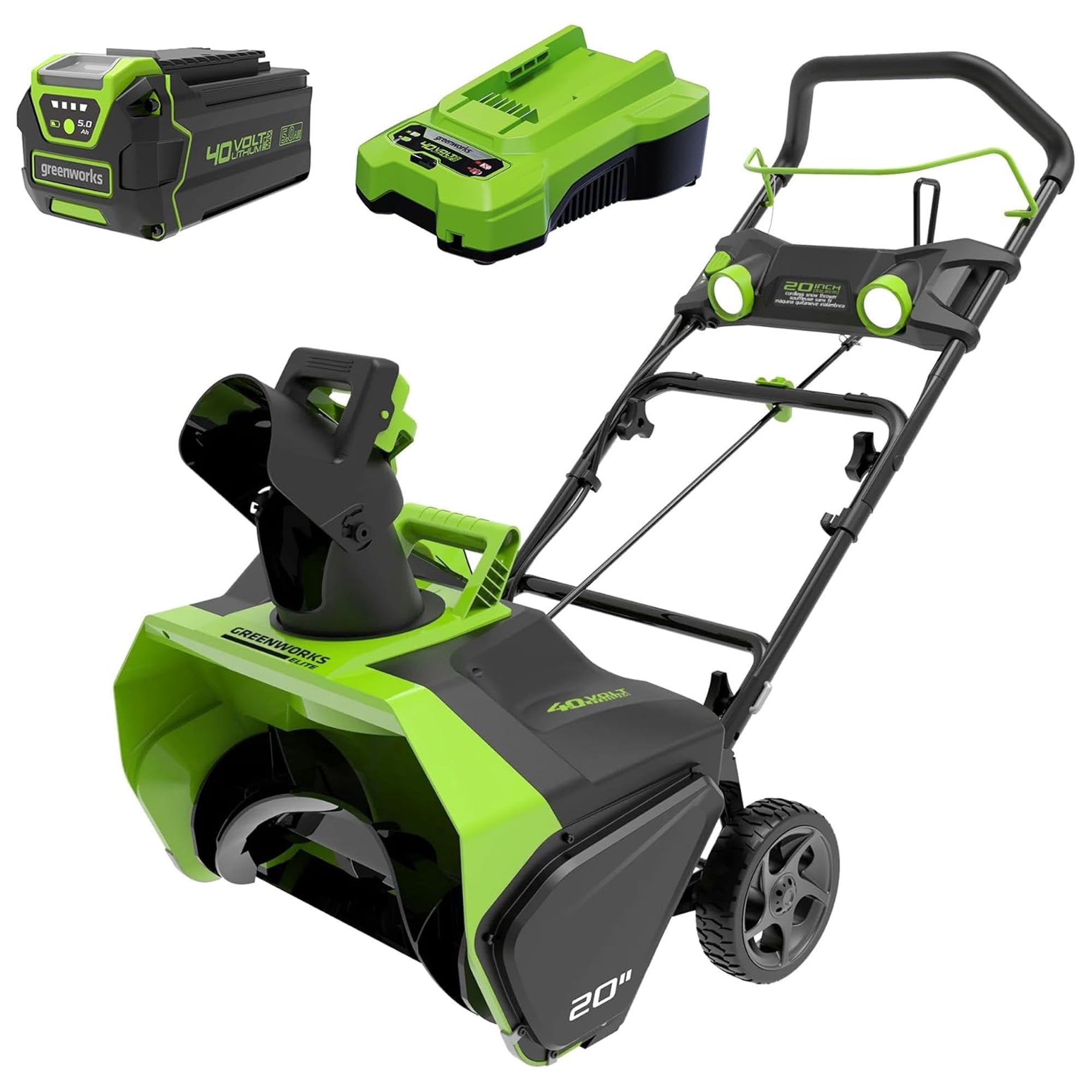
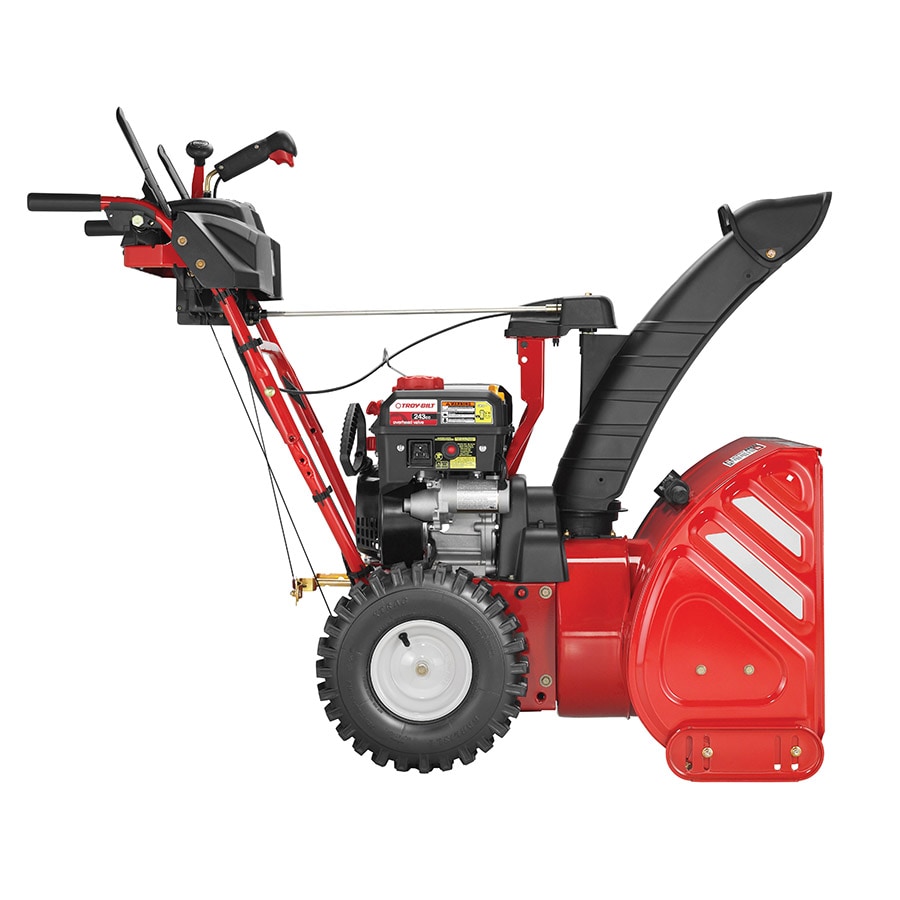
For most beginners, an electric corded snow blower like the Snow Joe SJ623E is the best overall pick: affordable, lightweight, and easy to use. If you need portability, the Greenworks 40V cordless model is excellent. For those with big driveways and heavy snow, the Troy-Bilt Storm 2625 gas single-stage offers good value. Don't forget a heavy-duty extension cord (12-gauge, 100 ft) and a chute lubricant. Start simple, learn the basics, and you'll be a confident snow warrior in no time.
❓ Frequently Asked Questions
The Snow Joe SJ623E electric snow thrower is widely recommended for beginners due to its low price, ease of use, and reliable performance on small to medium driveways.
For a beginner, spending between $150 and $250 is the sweet spot. This gets you a quality electric model that's easy to use and won't break the bank.
Beginners need an electric start (push-button), lightweight design, simple chute control, and a single-stage auger. Avoid complex two-stage machines at first.
Corded electric models like the Snow Joe SJ623E or Greenworks 40V cordless are the easiest. No gas, no oil, just plug or battery and go.
A heavy-duty extension cord (12-gauge) for electric models, chute lubricant spray, and for gas models, fuel stabilizer. A cover is optional but recommended.
Measure your driveway, note typical snowfall, and decide between electric and gas. For light use, choose electric corded. For heavier snow, consider a battery or small gas model.
Modern snow blowers are designed to be user-friendly. Electric models are especially easy: just press a button and go. Gas models require a bit more maintenance but are still manageable.
Common mistakes include buying too small or too large, forgetting to lubricate the chute, using the wrong extension cord, and neglecting seasonal maintenance.
Unless you have a very long driveway and heavy snow, choose electric. It's simpler, quieter, and maintenance-free. Gas is only necessary for extreme conditions.
A well-maintained electric snow blower can last 5–7 years. Gas models last longer (10+ years) but need more upkeep. As a beginner, plan to use your first blower for 3–4 seasons.
No, use only a heavy-duty outdoor extension cord rated for cold weather (12-gauge minimum). Regular cords can overheat and cause power loss.
For electric models, self-propelled is rarely necessary because they are light. For gas single-stage models, self-propelled is convenient but not essential – most beginners can push a 50–80 lb machine.