Is Best Smoker for beginners Worth It? Honest Review (2026)
Everything beginners need to know to choose their first Smoker with confidence
Choosing your first smoker can feel overwhelming. With so many types, brands, and features, it's easy to get lost in technical jargon and end up with a smoker that's too complicated or not right for your needs. This guide simplifies the process, helping you understand what matters most for a beginner. We'll walk you through key features, common mistakes, and our top picks so you can start smoking delicious meat with confidence, not confusion.
📋 In This Guide
• Why Beginners Struggle with Smoker
• What to Look For (Key Features)
• Top 5 Beginner-Friendly Smoker
• Essential Accessories for Beginners
• Common Beginner Mistakes to Avoid
• Your Progression Path
• FAQ & Learning Resources
😰 Why Beginners Struggle with Smoker
Many beginners struggle because they don't know the difference between charcoal, electric, pellet, and gas smokers. Terms like 'offset,' 'water pan,' and 'briquettes' can be intimidating. There's also fear of buying the wrong type—spending too much on a high-end model they don't need or too little on a cheap smoker that won't hold temperature. The variety of options (over 100 models on Amazon alone) makes it hard to compare. Beginners often overlook essential accessories like a reliable thermometer or wood chips, leading to frustrating results.
🔍 What to Look For: Key Beginner-Friendly Features
For a beginner, look for a smoker that is easy to control temperature, forgiving of mistakes, and simple to assemble. Key features include: a built-in thermometer (or easy access for a probe), good insulation to maintain heat, a large enough cooking area for your needs (typically 500-700 sq in for a family), and readily available fuel. Avoid smokers with too many manual dampers or complex digital controls that require constant adjustment. Electric and pellet smokers are the most beginner-friendly because they automate temperature regulation. Charcoal offset smokers, while offering great flavor, have a steeper learning curve.
✅ Essential Features for Beginners
•Automatic temperature control (digital thermostat or PID controller)
•Simple set-up and assembly (minimal tools required)
•Built-in thermometer with easy-to-read dial or digital display
•Ample cooking space for family meals (at least 500 sq in)
•Easy access door or side loader for adding fuel and wood chips
•Good insulation to maintain steady heat in all weather
•Water pan included for moisture
🏆 Top 5 Best Smoker for Beginners
#1
💰 Budget
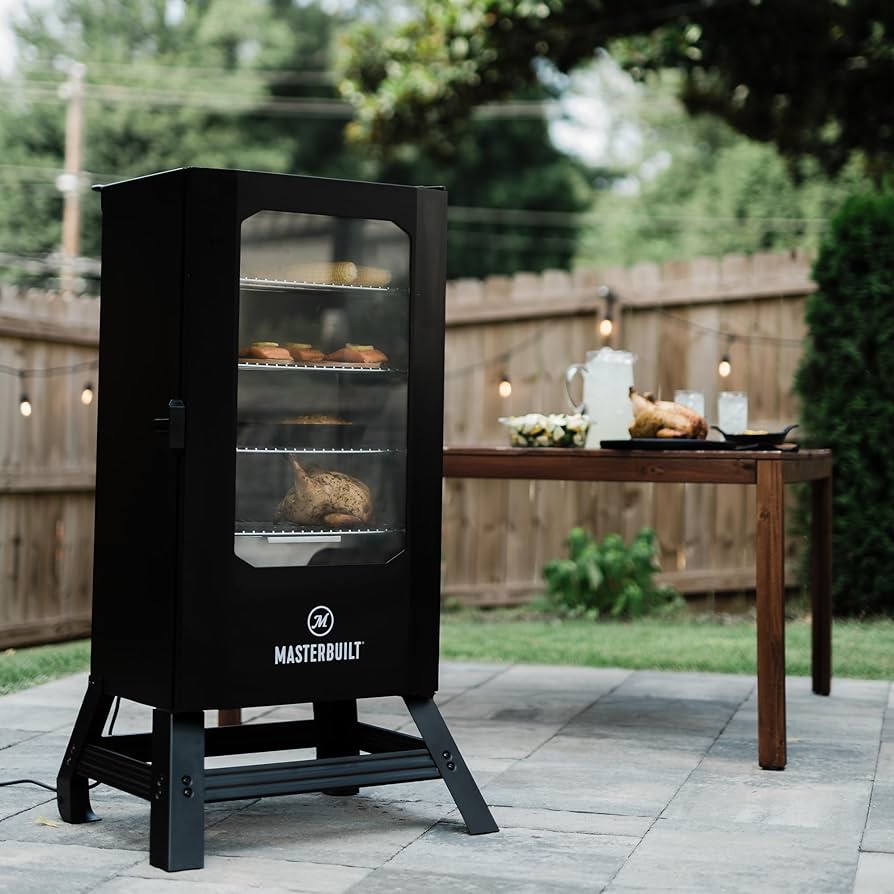
Masterbuilt MB20079017 Electric Digital Smoker
Learning Curve: Easy
$199.99
Difficulty: 1/5
Why Great for Beginners:
Simply plug it in, set the temperature, and add wood chips. The digital thermostat maintains steady heat automatically, so you can focus on the meat.
✓ Beginner Pros
+Set and forget operation
+Built-in thermometer
+Easy assembly and cleaning
✗ Beginner Cons
-Small capacity (730 sq in)
-Less smoke flavor than charcoal
-Temperature can drift in cold weather
👍 Best for: Beginners who want the easiest possible start and minimal hands-on time.
👎 Not for: Those who want strong smoke flavor or plan to smoke large quantities.
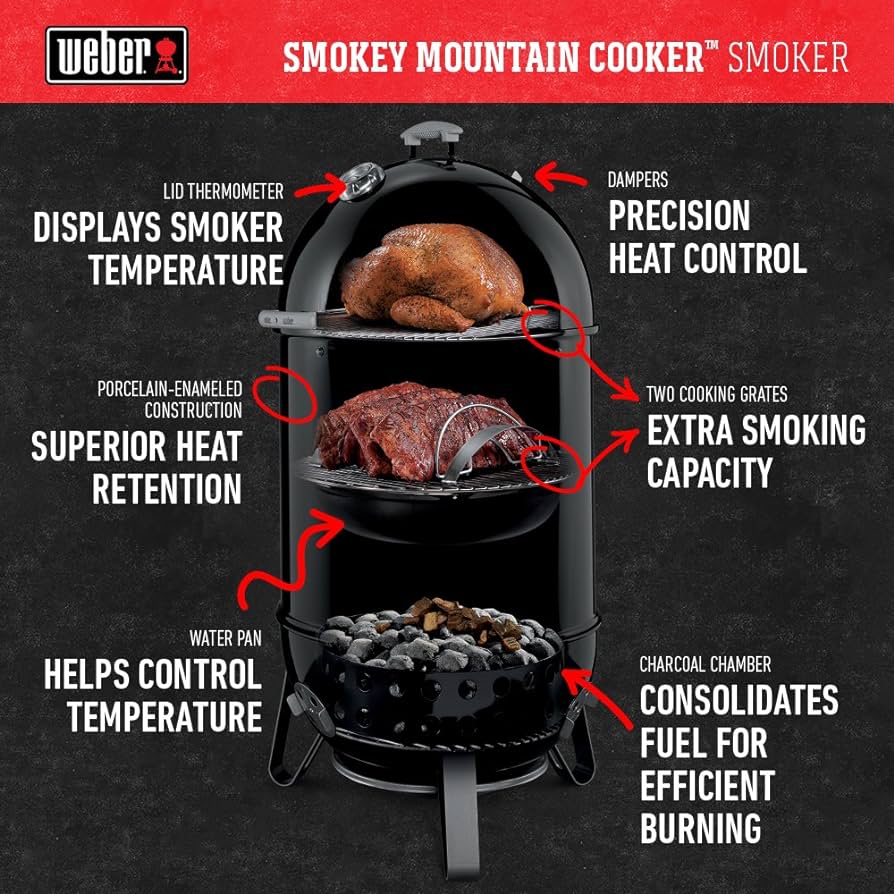
Legendary for its set-it-and-forget charcoal design, excellent build quality, and great smoke flavor. Holds temperature beautifully once you learn to adjust the bottom vents.
✓ Beginner Pros
+Excellent build quality
+Great smoke flavor
+Large community support
✗ Beginner Cons
-Learning curve for vent control
-Heavy and bulky
-Need to add charcoal every 6-8 hours
👍 Best for: Beginners who want the best charcoal smoking experience and are willing to learn basic fire management.
👎 Not for: Those who want pure convenience or have mobility issues.
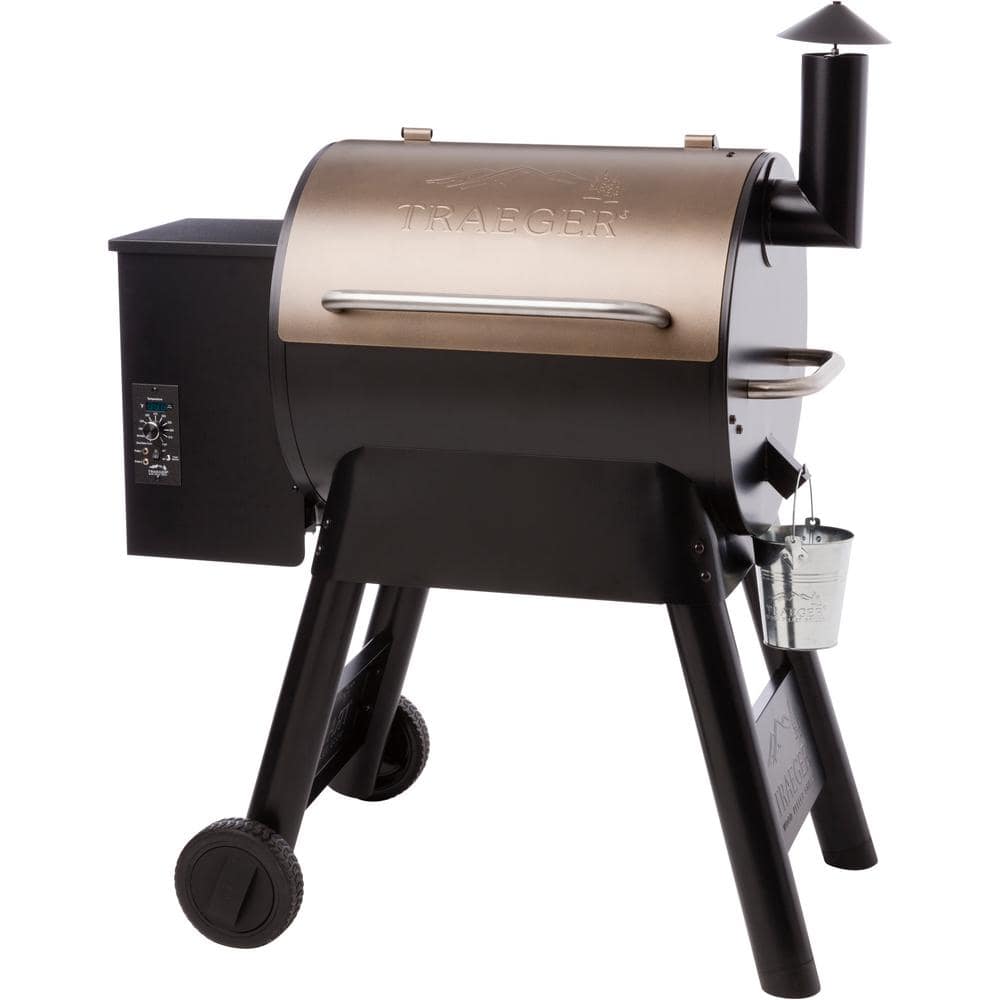
Pellet grills are incredibly beginner-friendly; set the temperature and the auger feeds pellets automatically. WiFIRE lets you monitor from your phone.
✓ Beginner Pros
+Digital control with WiFIRE app
+Versatile (grill and smoke)
+Consistent temperature
✗ Beginner Cons
-Higher price
-Requires electricity
-Pellet consumption can be high
👍 Best for: Beginners who want premium convenience, app control, and the ability to grill and smoke.
👎 Not for: Budget-conscious or those wanting pure charcoal flavor.
A smoker cooks food with low, indirect heat (225-275°F) and wood smoke for hours, breaking down tough cuts into tender, flavorful meals. The main types: Electric – plug-in, set temperature, add wood chips; easiest but less smoky flavor. Pellet – uses wood pellets fed automatically; great balance of convenience and flavor. Charcoal (Kettle or Offset) – most flavor but requires managing airflow and fuel; traditionalists prefer this. Gas – uses propane, easy but less smoke flavor. For beginners, electric or pellet smokers are highly recommended because they are 'set and forget.' You can always upgrade to charcoal later. Don't expect perfect results on the first try; smoking is a skill. Look for a smoker with adjustable air vents, a water pan (for moisture), and easy access for adding fuel.
🔧 Essential Accessories for Beginners
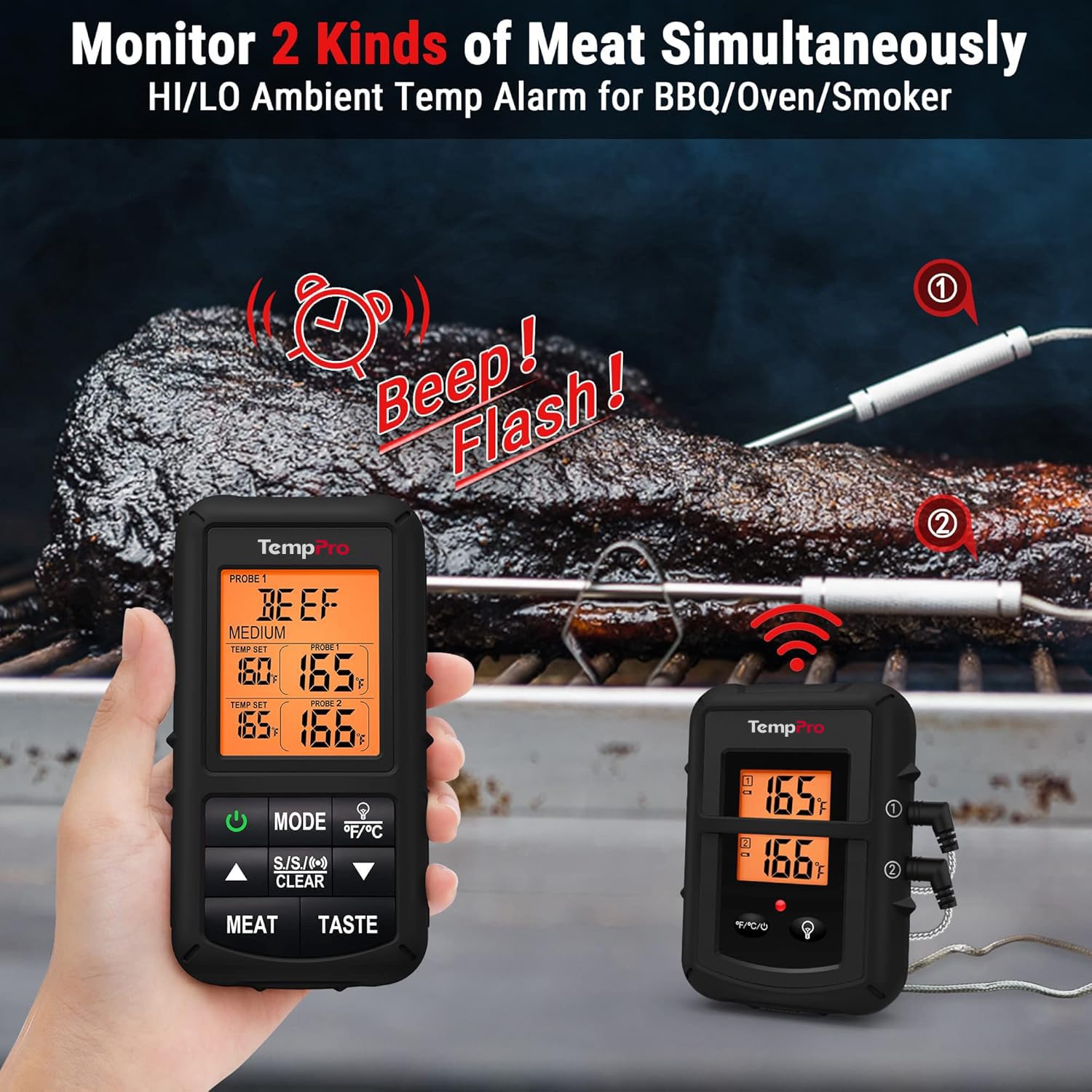
ThermoPro TP20 Digital Meat Thermometer
⚠️ Essential
$29.99
When to buy:
Day one
Built-in thermometers are often inaccurate. This dual-probe thermometer lets you monitor both smoker temperature and meat internal temperature from outside, preventing overcooking or undercooking.
Ask yourself: What's your budget? (Basic electric smokers start under $200; good pellet smokers $400-700). How much time do you want to spend tending the smoker? (Electric/pellet = less, charcoal = more). What's your main goal? (Just trying it out? Entertaining friends? Competing?). For most beginners, an electric smoker like the Masterbuilt or a entry-level pellet smoker like the Traeger Pro 22 is ideal. If you want the best flavor and are willing to learn, a Weber Smokey Mountain charcoal smoker is a solid choice. Red flags: tiny smokers (under 400 sq in), no warranty, or complicated digital panels with bad reviews.
💰 Budget Guide for Beginners
200 - $400
Sweet spot – Weber Smokey Mountain (charcoal) or entry-level Traeger (pellet); best value for most beginners, room to grow.
400 - $700
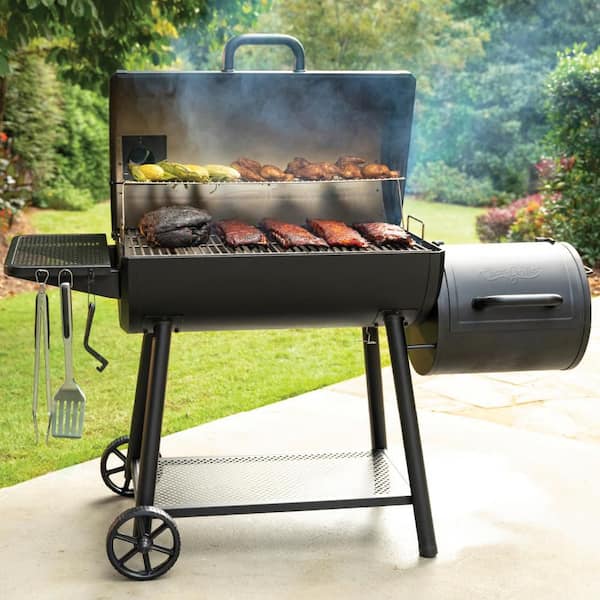
Premium beginner – Higher-end pellet smokers (Traeger Pro 22) or larger offsets (Oklahoma Joe's); excellent quality, won't outgrow quickly.
700 - $plus
Professional entry – Green Mountain, Yoder, or large Kamado; serious beginners with bigger budget who want advanced features.
Under $ - $200
Entry level – Electric smokers like Masterbuilt; good for trying smoking, but may have smaller capacity and less temperature stability.
⚠️ Common Beginner Mistakes to Avoid
The biggest mistake beginners make is buying a smoker based on price alone, often getting a cheap electric unit that rusts quickly or a tiny offset that can't hold temperature. Another mistake is skipping an accurate thermometer—built-in ones are often off by 50°F. Many beginners also forget to season the smoker (burn it off before first use) and fail to use a water pan, leading to dry meat. They also buy too much or wrong type of wood chips (e.g., mesquite for smoking a mild fish) or oversmoke food. Finally, neglecting to clean the smoker after each use shortens its lifespan.
×Buying a smoker that's too small for the number of people being cooked for
×Relying on the built-in thermometer without verifying accuracy
×Forgetting to season (burn off) the smoker before first use
×Not using a water pan, resulting in dry meat
×Using too much or wrong type of wood (e.g., mesquite for poultry)
×Not managing airflow properly (vents open too wide or closed too much)
×Skipping regular cleaning and maintenance
×Purchasing a cheap smoker that rusts or fails after a few uses
📈 Your Progression Path: Beginner to Intermediate
Start with an electric or pellet smoker to master temperature control and basic techniques like brisket, ribs, and chicken. Learn about wood flavors and how to rest meat. After 6-12 months, you might want more smoke flavor, so consider a charcoal smoker like the Weber Smokey Mountain. At that point, you'll understand airflow and fuel management. Eventually, you may upgrade to a larger offset for competitions or a high-end pellet grill like Yoder. Most beginners stay with a mid-range smoker for 2-3 years before upgrading.
📚 Learning Resources for Beginners
📖Meathead: The Science of Great Barbecue and Grilling by Meathead Goldwyn (Book)
📖Franklin Barbecue: A Meat-Smoking Manifesto by Aaron Franklin (Book)
📖Smoking Meat: Chuck's Home Smoking Guide (Kindle)
📖YouTube Channel: HowToBBQRight by Malcom Reed (Free)
For most beginners, the Masterbuilt MB20079017 Electric Smoker (budget-friendly and simple) or the Traeger Pro 22 (pellet smoker with great flavor and app control) are the best picks. If you want charcoal and don't mind a bit more work, the Weber Smokey Mountain 18-inch is legendary. Remember to buy essential accessories: a good digital thermometer like ThermoPro TP20, wood chips, a smoker cover, and heat-resistant gloves. Don't overthink it—your first smoker is just the start of a delicious journey. Happy smoking!
❓ Frequently Asked Questions
The best smoker for most beginners is an electric smoker like the Masterbuilt MB20079017 or a pellet smoker like the Traeger Pro 22, because they automatically control temperature. If you want charcoal, the Weber Smokey Mountain 18-inch is forgiving once you learn basic ventilation.
Beginners should expect to spend between $200 and $400 for a quality smoker that won't be frustrating. Electric smokers start around $200, while pellet smokers are $400-$700. Avoid very cheap smokers under $150 as they often have poor temperature control.
Key features include: automatic temperature control (digital thermostat or pellet auger), a built-in thermometer (or easy probe access), a water pan, good insulation, and easy access for adding fuel or wood chips. Avoid complex multiple dampers initially.
Electric smokers are the easiest because you just set the temperature and add wood chips. Pellet smokers are also very easy with digital controls. The Masterbuilt electric smoker is widely recommended for its simplicity.
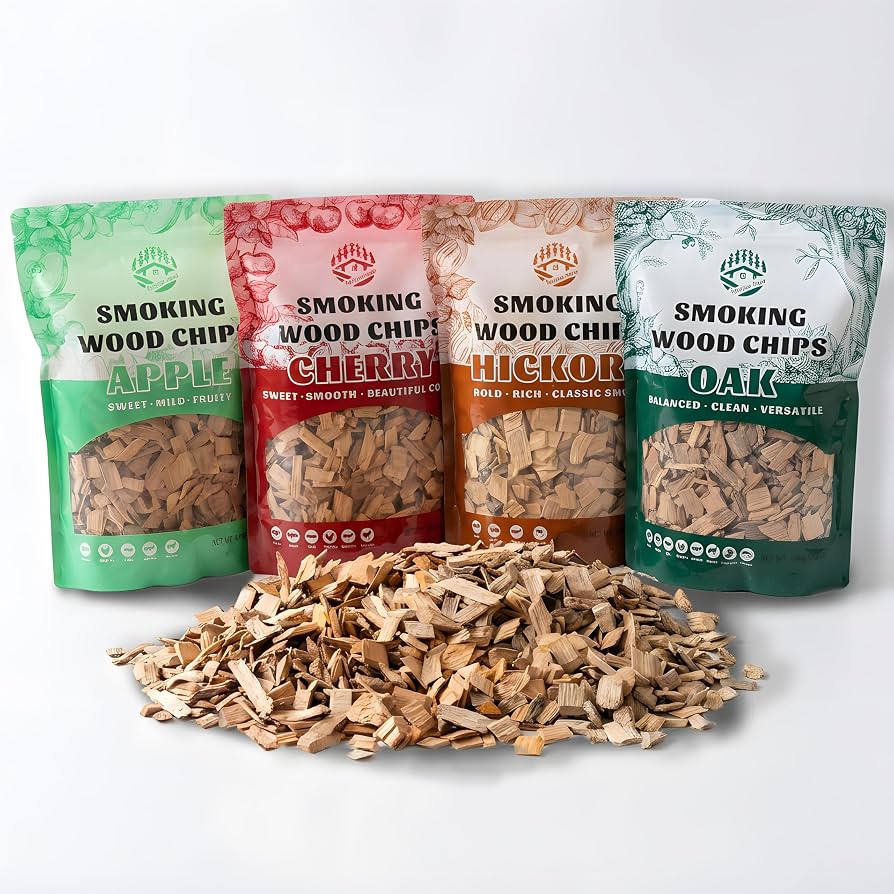
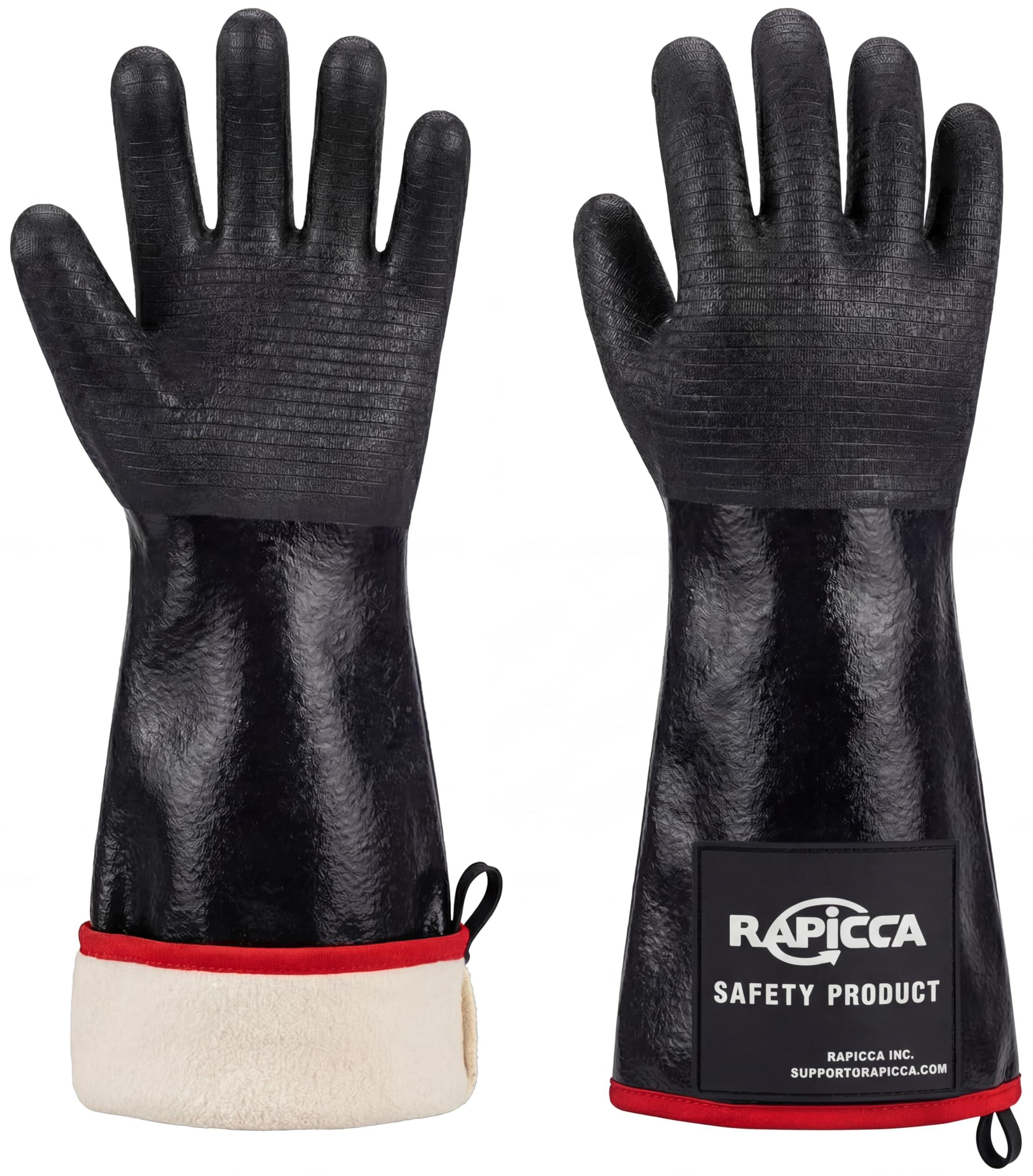
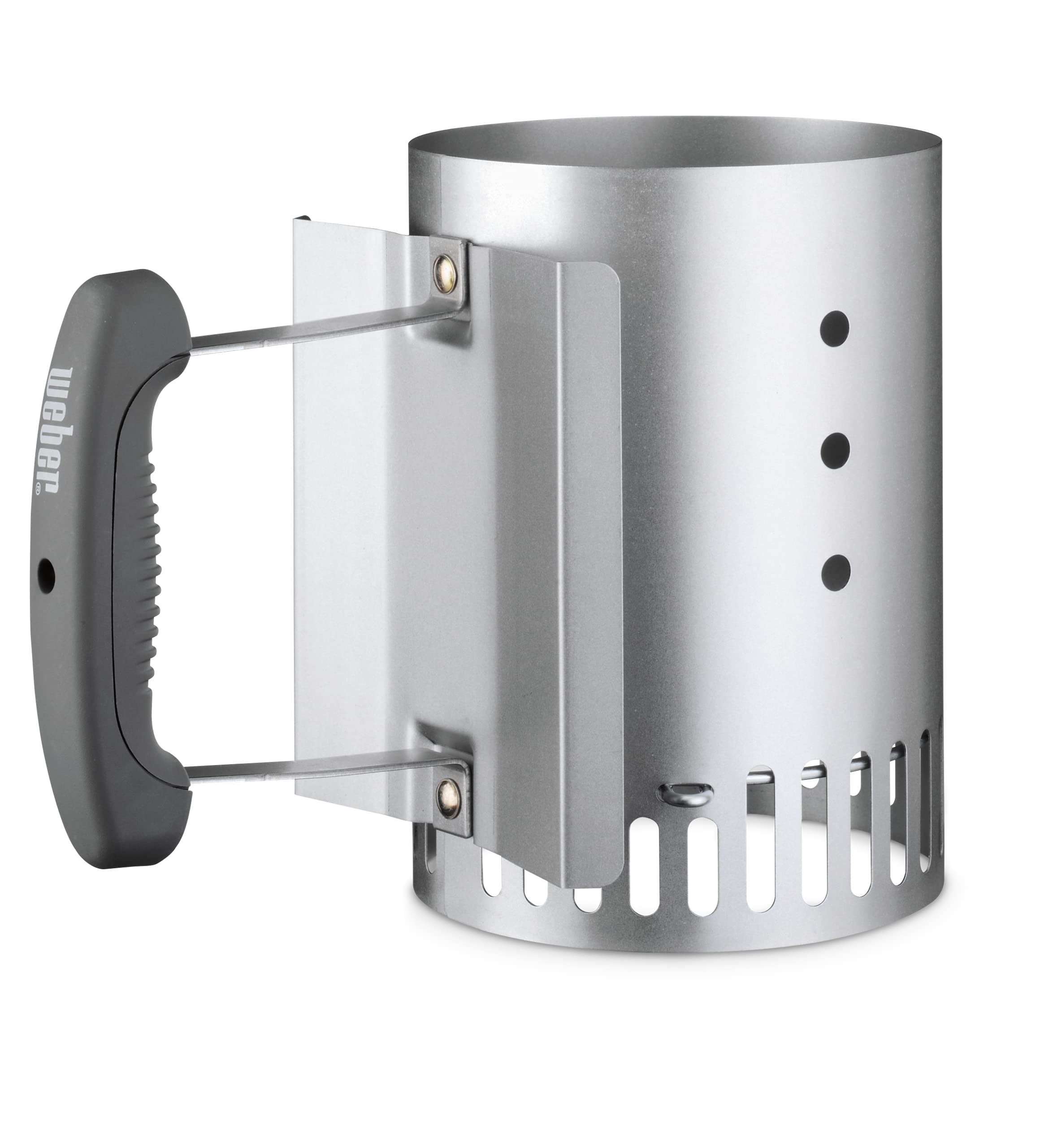
Essential: a reliable digital meat thermometer (like ThermoPro TP20), wood chips/variety pack, heat-resistant gloves, and a smoker cover. Highly recommended: a chimney starter if using charcoal, and an extra water pan.
Consider your budget, the time you want to spend tending the smoker, and desired smoke flavor. For low effort: electric or pellet. For better flavor and hobby: charcoal (Weber Smokey Mountain). Read reviews and ensure you have space for storage.
Not with the right smoker. Electric and pellet smokers make it easy to maintain temperature, so you can focus on the meat. Charcoal requires more attention to fire management, but with practice it's very rewarding. Start with forgiving cuts like pork shoulder.
Common mistakes: buying too cheap (frustration with temp control), not using a water pan (dry meat), relying on built-in thermometers (inaccurate), oversmoking with too much wood, and not cleaning the smoker regularly.
Some smokers can also grill, like pellet smokers and kettle-style charcoal smokers. Offset smokers are primarily for smoking, not high-heat grilling. If you want both, a pellet grill like Traeger is a good choice.
You can produce good results on your first try with an electric smoker. Mastering charcoal or offset smoking may take several sessions. Most beginners feel comfortable after 5-10 cooks. Focus on temperature control and internal meat temps.