Is Best Smart Plug for beginners Worth It? Honest Review (2026)
Everything beginners need to know to choose their first smart plug with confidence.
Feeling overwhelmed by all the smart plug options? You're not alone. With countless brands, protocols, and features, it's easy to get lost. This guide strips away the jargon and focuses on what truly matters for a beginner: simplicity, reliability, and value. By the end, you'll know exactly which smart plug to buy and how to set it up without frustration.
📋 In This Guide
• Why Beginners Struggle with Smart Plug
• What to Look For (Key Features)
• Top 4 Beginner-Friendly Smart Plug
• Essential Accessories for Beginners
• Common Beginner Mistakes to Avoid
• Your Progression Path
• FAQ & Learning Resources
😰 Why Beginners Struggle with Smart Plug
Many beginners jump into smart plugs without understanding the ecosystem. Terms like Wi-Fi vs. Zigbee, 'works with Alexa' vs. 'HomeKit,' and energy monitoring can be confusing. The fear of buying a plug that doesn't work with their existing setup is real. Plus, the sheer number of choices—from $5 no-name brands to $50 premium models—makes it hard to know where to start. Beginners also worry about installation complexity, but most smart plugs simply plug into an outlet and connect via an app.
🔍 What to Look For: Key Beginner-Friendly Features
For a beginner, the most important feature is ease of setup. Look for plugs that work with your existing voice assistant (Alexa, Google, or Siri) without needing a separate hub. Reliable Wi-Fi connectivity is key; a plug that disconnects often will drive you crazy. Also consider safety certifications (UL, ETL) to avoid fire hazards. Features like scheduling, timer, and remote control are standard on good beginner plugs. Avoid plugs with complicated apps or those that require a subscription. Energy monitoring is nice but not essential for first-timers.
✅ Essential Features for Beginners
•Simple App Setup: No complex wiring—just plug in, download app, follow steps.
•Voice Assistant Compatibility: Works with Alexa and Google Assistant out of the box.
•Reliable Wi-Fi: Stays connected without constant resets.
•Schedule & Timer: Set lights to turn on/off automatically—great for security.
•Compact Design: Fits in most outlets without blocking the second socket.
🏆 Top 4 Best Smart Plug for Beginners
#1
💰 Budget
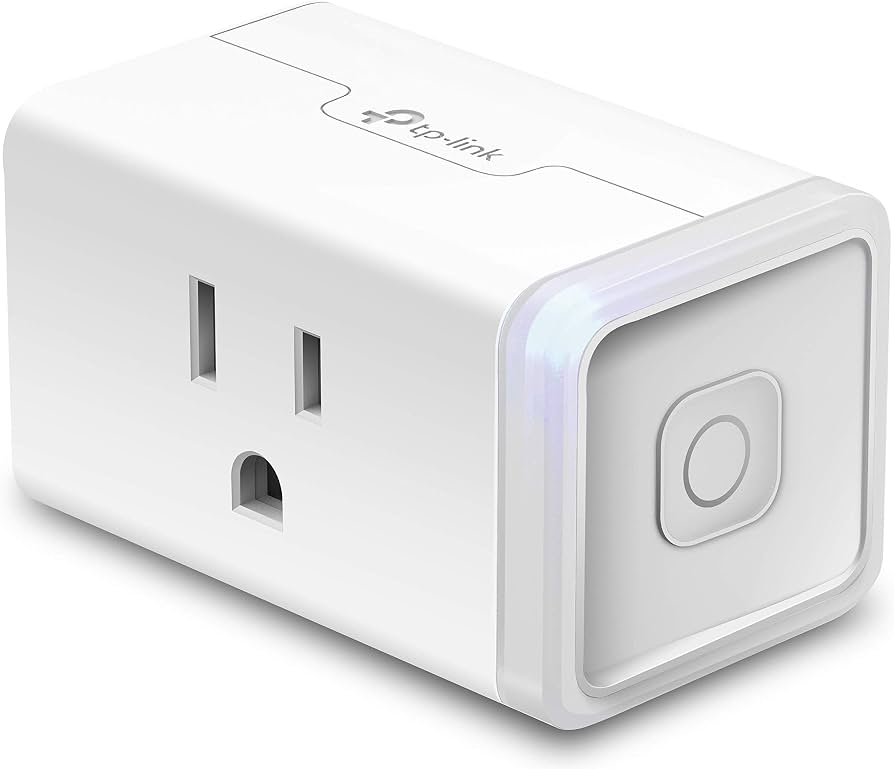
TP-Link Kasa Smart Plug HS103
Learning Curve: Easy
$12.99
Difficulty: 1/5
Why Great for Beginners:
The HS103 is one of the most affordable reliable smart plugs. Setup takes minutes via the Kasa app, and it works seamlessly with Alexa and Google. Its compact design doesn't block adjacent outlets, and the app is intuitive with scheduling features.
✓ Beginner Pros
+Very affordable
+Easy app setup
+Compact design
+Works with Alexa and Google
✗ Beginner Cons
-No energy monitoring
-No HomeKit support
-Requires 2.4 GHz Wi-Fi
👍 Best for: Budget-conscious beginners who want a simple, reliable plug for basic on/off control.
👎 Not for: Those needing HomeKit or energy monitoring.
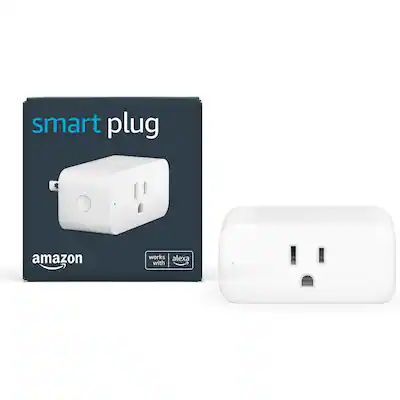
Designed specifically for Alexa users, this plug sets up in under a minute using the Alexa app. It's compact, doesn't need a hub, and automatically discovers compatible devices. Frequent software updates ensure reliability.
✓ Beginner Pros
+Extremely easy setup with Alexa
+Compact and doesn't block outlets
+Reliable connectivity
+Works with routines and hunches
✗ Beginner Cons
-Alexa-only (no Google or HomeKit)
-No energy monitoring
-Slightly more expensive than budget options
👍 Best for: Alexa users who want the simplest possible setup and integration.
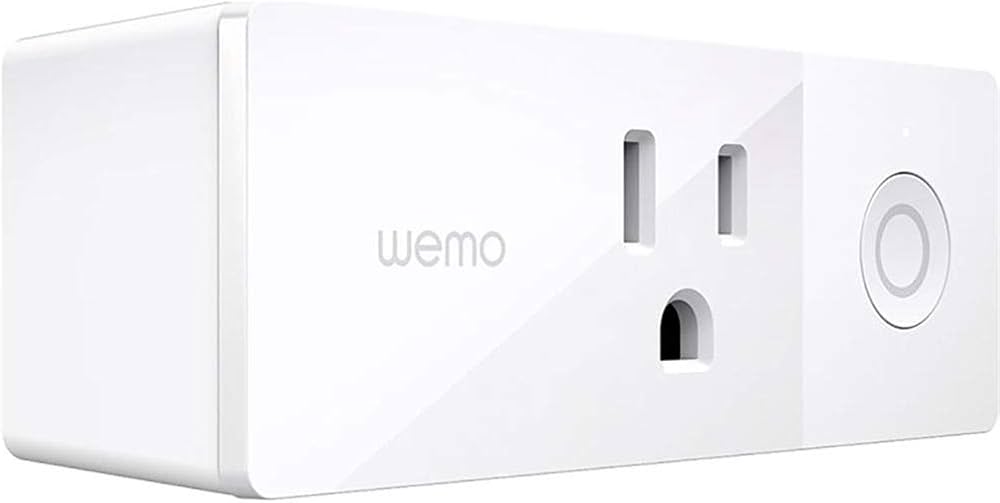
The Wemo Mini supports both Alexa and Google, plus Apple HomeKit for iOS users. Its compact design is outlet-friendly, and the Wemo app offers easy scheduling. It's a bit pricier but known for reliability and a cleaner look.
✓ Beginner Pros
+Supports Alexa, Google, and HomeKit
+Very compact
+Reliable Wi-Fi connection
+No hub required
✗ Beginner Cons
-Higher price
-Setup can be slightly less intuitive for non-HomeKit users
-No energy monitoring
👍 Best for: Beginners who want the widest voice assistant compatibility, especially HomeKit users.
👎 Not for: Budget-focused buyers or those wanting energy monitoring.
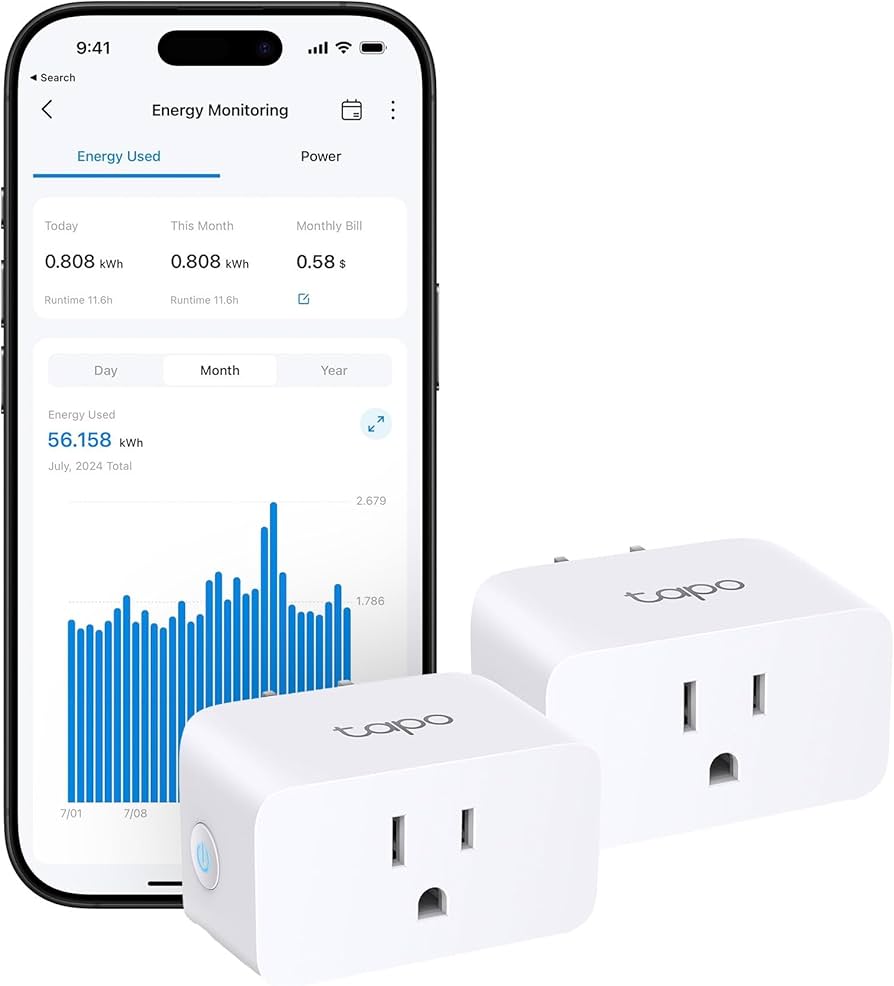
This model adds energy monitoring to the reliable Kasa platform. Beginners can track power usage of appliances, helping them save money. Setup is identical to the HS103, and it's still very affordable.
✓ Beginner Pros
+Energy monitoring at a low price
+Easy Kasa app
+Compact design
✗ Beginner Cons
-Slightly bulkier than HS103
-Still no HomeKit
-Energy data may be overkill for some
👍 Best for: Beginners who are curious about energy consumption and want to save on electricity.
👎 Not for: Those who just need simple on/off control.
A smart plug is a simple device that lets you control any plugged-in appliance remotely via an app or voice. It replaces your ordinary wall outlet for that appliance. Most smart plugs connect directly to your home Wi-Fi (2.4 GHz) and work with popular voice assistants. There are two main types: Wi-Fi plugs (most common for beginners) and hub-based plugs (Zigbee/Z-Wave, which need a separate hub but offer better reliability). For beginners, Wi-Fi plugs are the best choice because they're cheaper, easier to set up, and don't require extra hardware. Realistic expectations: you can turn lamps, fans, coffee makers, or holiday lights on/off from your phone or with voice commands. Some plugs also track energy usage. 'Beginner-friendly' means the setup takes less than 5 minutes, the app is intuitive, and the plug stays connected without constant troubleshooting.
🔧 Essential Accessories for Beginners
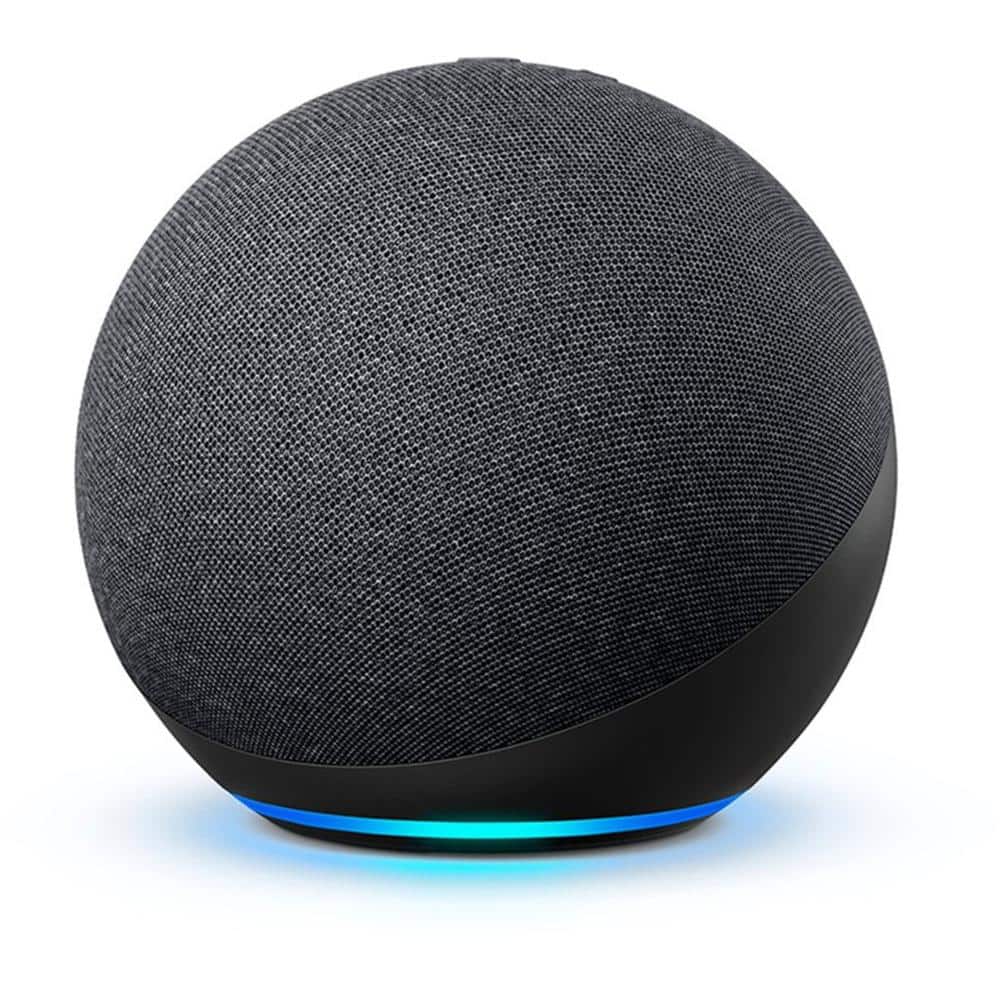
Amazon Echo Dot (5th Gen)
👍 Recommended
$49.99
When to buy:
Day one
A voice assistant like Echo Dot makes controlling your smart plug effortless. Just say 'Alexa, turn on the lamp'—no phone needed. It also enables routines and voice control for other smart devices.
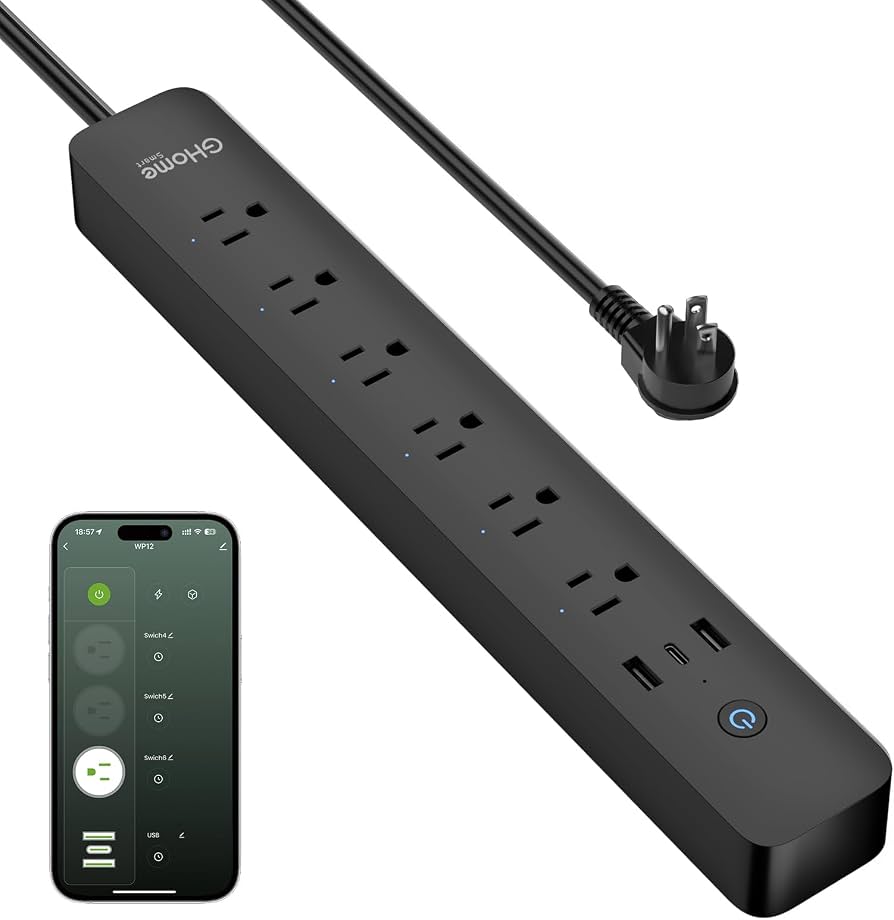
A smart power strip lets you control multiple devices with one plug point, saving space. Some models allow individual outlet control, perfect for automating a home office or entertainment center.
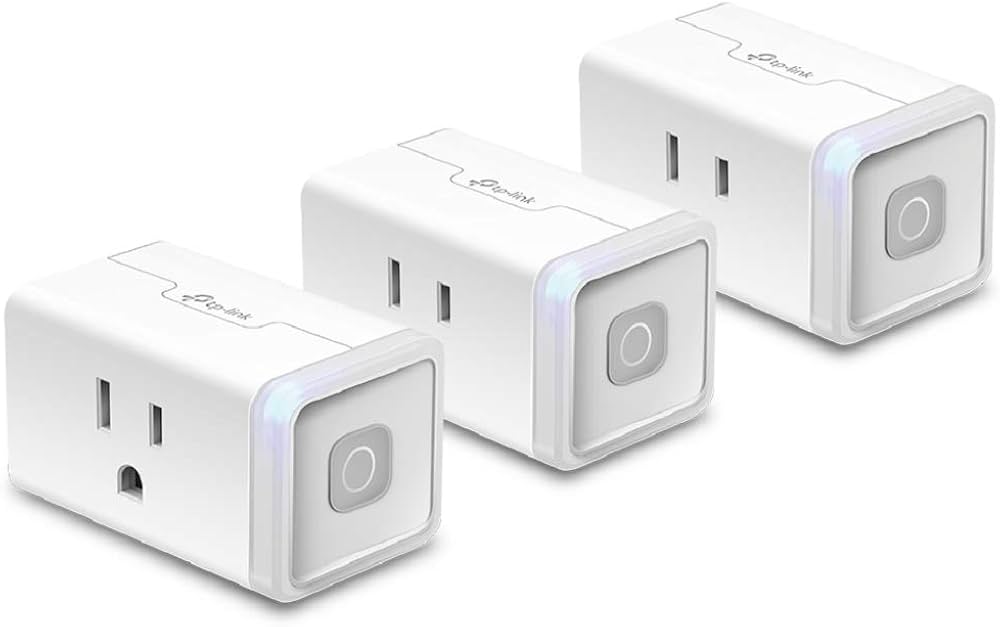
Once you see how convenient one smart plug is, you'll want more. Buying an additional unit lets you automate another appliance—like a fan or holiday lights—without much extra cost.
If you plan to use a smart plug outside (e.g., for string lights), a weatherproof cover protects it from rain and moisture, preventing damage and safety hazards.
Start by asking: Which voice assistant do I use (Alexa, Google, or Apple HomeKit)? Most plugs work with Alexa and Google, but HomeKit is less common. Then decide on budget: under $15 gets you a basic, reliable plug; $20-$30 gets you a brand with better support and possibly energy monitoring. Also think about where you'll use it: indoor or outdoor? For outdoor, you need a weatherproof plug. For high-power devices like space heaters, ensure the plug is rated for 15A. Avoid plugs with poor app ratings or those that require a subscription. Red flags: no UL/ETL certification, vague company info, or no customer support.
💰 Budget Guide for Beginners
15 - $30
Sweet spot – best value with reliable performance, good app support, and compact size.
30 - $50
Premium beginner – offers energy monitoring, HomeKit support, or unique designs like wall-plug replacement.
Under $ - $15
Entry level – basic functionality, may have fewer features or bulkier design.
⚠️ Common Beginner Mistakes to Avoid
One big mistake is buying a plug that doesn't match your Wi-Fi band (2.4 GHz vs. 5 GHz). Most smart plugs only support 2.4 GHz, so if your router uses only 5 GHz, you'll need to adjust settings. Another mistake is buying too cheap: some off-brand plugs malfunction or fail after a few months. Beginners also forget to check outlet clearance—some plugs are bulky and block adjacent outlets. Not reading compatibility lists is another: some plugs don't work with certain brands of smart speakers. Finally, skipping the app updates can cause connectivity issues.
×Buying a plug that only works on 2.4 GHz Wi-Fi without checking router compatibility.
×Choosing a no-name brand to save a few dollars, then facing connectivity issues.
×Not considering the physical size—some plugs block adjacent outlets.
×Skipping UL/ETL certification—safety first!
×Assuming all smart plugs work with their voice assistant (especially HomeKit).
📈 Your Progression Path: Beginner to Intermediate
Start with one or two smart plugs to control lamps or a fan. Learn to set schedules and use voice commands. After a few weeks, explore routines (e.g., turn on lights at sunset). When you're comfortable, consider adding a smart speaker or hub to expand automations. Signs you're ready to level up: you want to control multiple devices together, or you need more reliable connectivity. Next steps might include smart light bulbs, smart switches, or a hub like SmartThings. Most beginners stay at the plug stage for 3-6 months before expanding.
📚 Learning Resources for Beginners
📖Amazon Smart Plug User Guide (included with purchase)
📖'Smart Home for Dummies' book on Amazon
📖YouTube tutorials like 'How to Set Up a Smart Plug' (not a physical product)
🎯 Bottom Line: Our Recommendations
For most beginners, the Amazon Smart Plug or TP-Link Kasa are excellent choices—they're reliable, easy to set up, and affordable. If you want the absolute cheapest option that still works well, go with the Kasa HS103. For premium simplicity and Apple HomeKit support, the Wemo Mini is worth the extra cost. Pair your plug with an Echo Dot if you want voice control, and a smart plug power strip for multiple devices. Remember: start small, follow the setup instructions, and you'll be automating your home in minutes.
❓ Frequently Asked Questions
For most beginners, the Amazon Smart Plug or TP-Link Kasa HS103 are top choices. The Amazon plug is easiest if you use Alexa; the Kasa is cheaper and still very simple.
You can get a reliable plug for $12-$15. Spending $20-$30 gets you better design and support. Avoid very cheap no-name plugs (under $10) as they may lack reliability and safety certifications.
Essential features: easy app setup, voice control compatibility (Alexa/Google), scheduling, and a compact design. Energy monitoring is a nice bonus but not needed for first-timers.
The Amazon Smart Plug is arguably the easiest because it sets up directly through the Alexa app with almost no steps. The Kasa plugs are also very easy with intuitive apps.
A voice assistant like Echo Dot is highly recommended for hands-free control. Extra plugs are useful as you expand. An outdoor cover is needed only for outdoor use.
First, note which voice assistant you use. If Alexa, consider Amazon Smart Plug. If Google or unsure, go with Kasa (works with both). Then check your Wi-Fi is 2.4 GHz. Finally, pick based on budget and whether you want energy monitoring.
No, it's very easy. Most plugs just plug into an outlet, download the app, and follow setup. It typically takes less than 5 minutes.
Common mistakes: buying a plug incompatible with their Wi-Fi band, ignoring safety certifications, buying too cheap, and not checking size if they have tight outlets.
Yes, but only if the plug is rated for the appliance's wattage. Most plugs handle 15A (1800W). For high-power devices, check the rating. Never exceed.
For Wi-Fi smart plugs, no hub needed. They connect directly to your router. Zigbee/Z-Wave plugs require a hub, so avoid those as a beginner.
Most smart plugs only support 2.4 GHz Wi-Fi. If your router broadcasts only 5 GHz, you may need to enable a separate 2.4 GHz network (common in dual-band routers).
Quality smart plugs typically last 3-5 years or more. Factors include build quality, surge protection, and usage. Avoid cheap plugs that may fail sooner.