Review Atlas
Review AtlasYour guide to a better purchase

Menu

Shop by Category

Get the App

Better experience on mobile

Beginners GuideCrafts

Is Best Sewing Kit for beginners Worth It? Honest Review (2026)

Everything beginners need to know to choose their first sewing kit with confidence

Choosing your first sewing kit can feel surprisingly stressful. You scroll through Amazon and see dozens of kits with hundreds of pieces, mysterious tools, and claims of 'all-in-one' that make you wonder what you actually need. It's easy to worry: What if I buy the wrong one? What if I waste money on tools I never use? What if I'm not 'good enough' yet?

That's exactly why this guide exists. We've researched beginner feedback, customer reviews, and expert advice to break down everything you need to know in plain, simple language. No confusing jargon, no assume-you-already-know-this advice.

By the time you finish reading, you'll know exactly what makes a sewing kit beginner-friendly, what those odd tools are for, how much you should spend, and which kit will let you sit down and start your first project with confidence.

📋 In This Guide

  • • Why Beginners Struggle with Sewing Kit
  • • What to Look For (Key Features)
  • • Top 4 Beginner-Friendly Sewing Kit
  • • Essential Accessories for Beginners
  • • Common Beginner Mistakes to Avoid
  • • Your Progression Path
  • • FAQ & Learning Resources

😰 Why Beginners Struggle with Sewing Kit

The biggest struggle is information overload. Search 'sewing kit' and you'll find travel kits the size of a wallet, giant boxes with hundreds of pieces, kids' kits, and deluxe sets with professional tools. Beginners often don't know what they're looking at or what they actually need.

Another challenge is scary terminology: bobbin, seam ripper, rotary cutter, thread tension, thimble... It feels like a different language. This leads to fear of choosing wrong. Then there's the fear of wasting money. No one wants to spend $50 on a kit and discover it doesn't have the right needle sizes or that the scissors are flimsy.

🔍 What to Look For: Key Beginner-Friendly Features

Focus on the core tools that make your first project successful. First, quality scissors. You'll use them constantly. Second, a needle threader—it's the single most time-saving item for a beginner. Third, multiple needles in different sizes. Fourth, a seam ripper so you can fix mistakes without ruining fabric. Fifth, an organized storage tray that keeps everything visible and in place.

A beginner-friendly kit doesn't need 300 pieces. It needs quality basics that are easy to find and forgiving to use. Look for kits where the thread is labeled, the case has compartments, and replacements are easy to buy. Read reviews that mention durability and whether the scissors actually cut.

✅ Essential Features for Beginners

  • Clearly organized storage tray or compartmentalized box
  • Needle threader included
  • Quality scissors that actually cut fabric
  • Several needle sizes and spare needles
  • At least 8-12 basic thread colors
  • Seam ripper for fixing mistakes
  • Measuring tape for sizing and fitting
  • Thimble for comfortable hand sewing

🏆 Top 4 Best Sewing Kit for Beginners

#1
💰 Budget

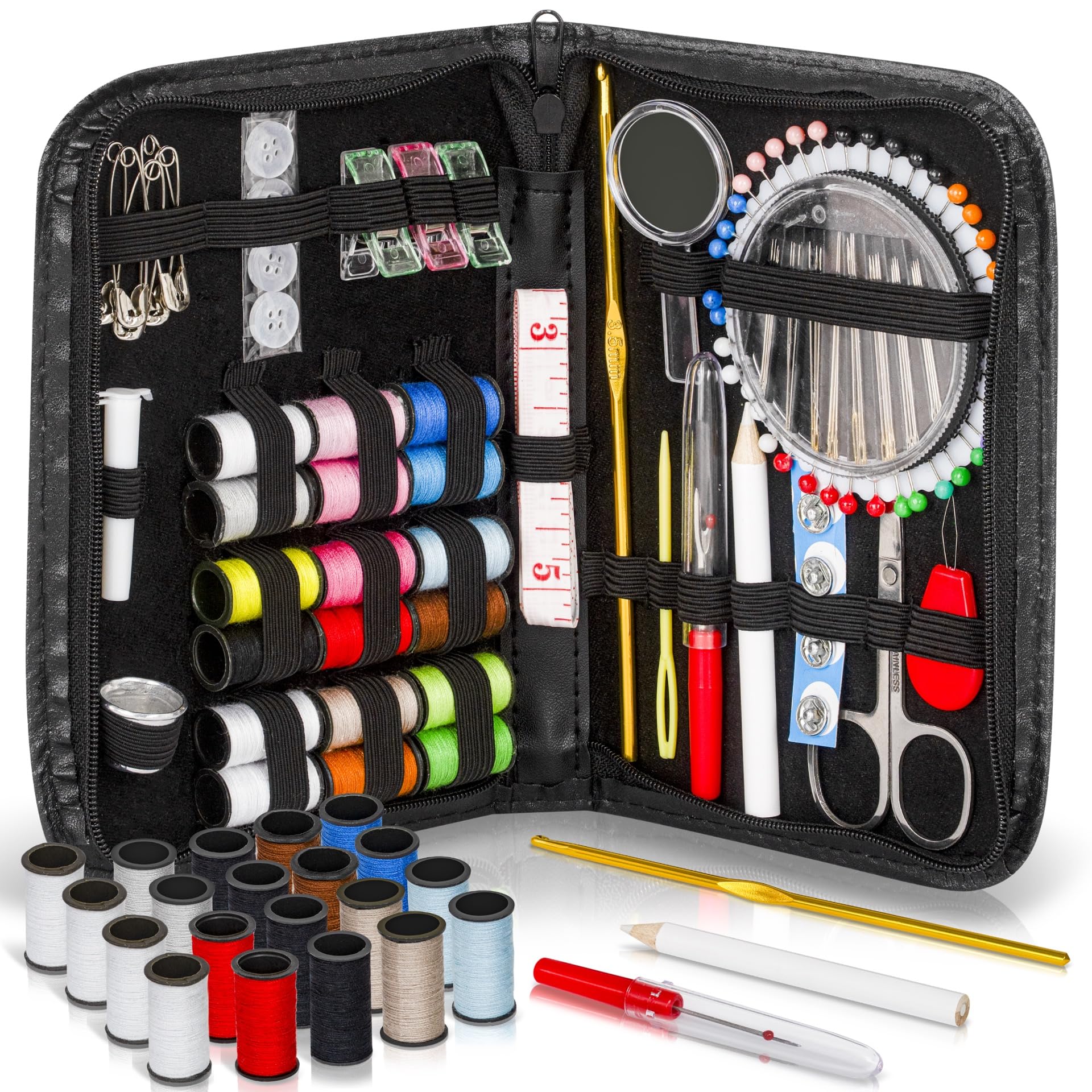
Craftt World 200-Piece Sewing Kit with Storage Box

Learning Curve: Easy

$19.99
Difficulty: 1/5
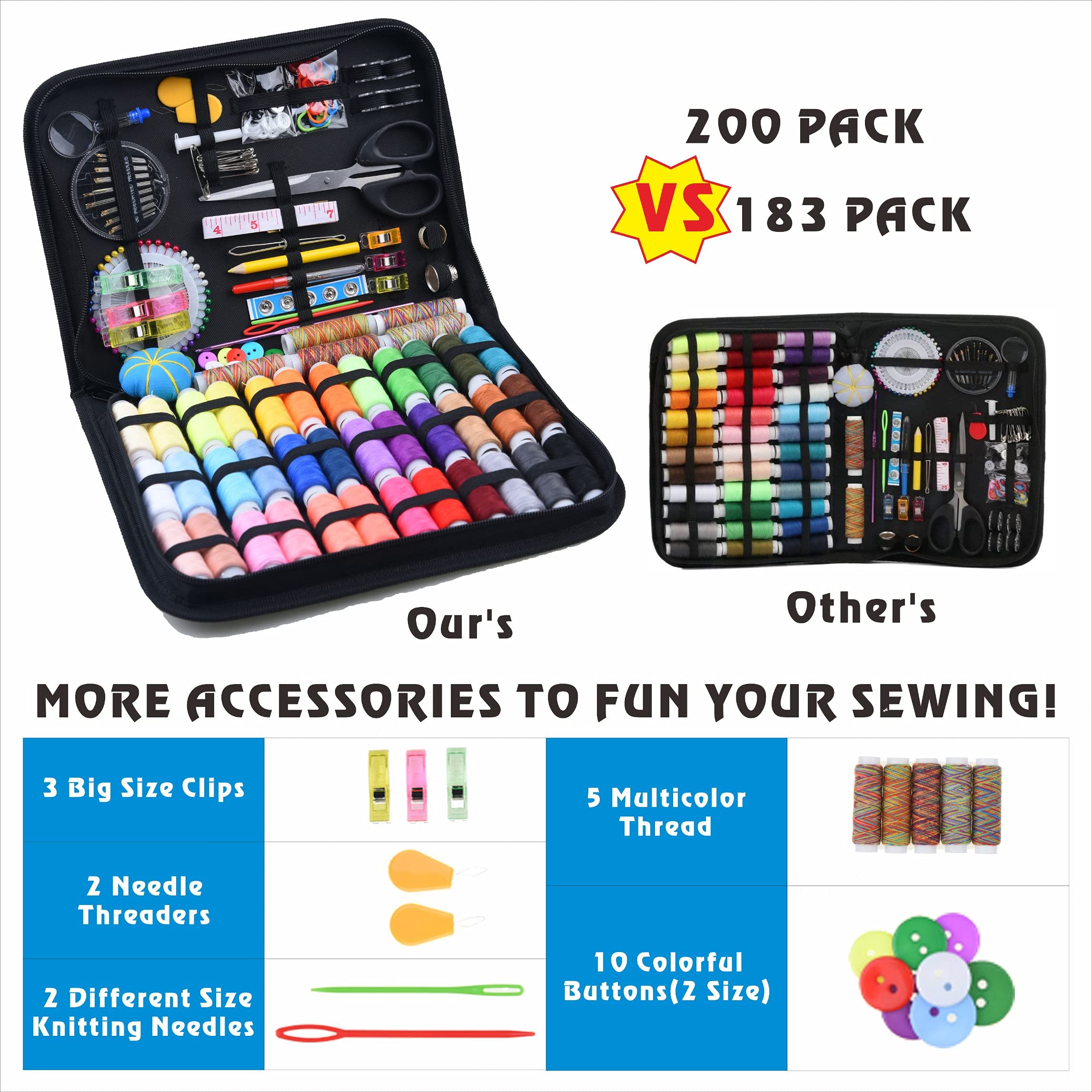
Craftt World 200-Piece Sewing Kit with Storage Box

Why Great for Beginners:

This kit has everything you need to start without breaking the bank. The fold-out storage tray makes tools easy to find, and the plastic case is tough enough for home or travel. It's forgiving because it comes with extra needles and enough thread to practice a variety of stitches.

Beginner Pros

  • +Budget-friendly
  • +Includes 18 thread colors
  • +Organized storage tray
  • +Comes with a needle threader
  • +Ideal starter size

Beginner Cons

  • -Scissors are a bit basic
  • -Thread quality is good but not premium
  • -Not built for advanced projects
👍 Best for: Beginners on a tight budget who need a full set to start practicing right away.
👎 Not for: Anyone who wants professional-grade tools or plans to do heavy clothing alterations.

#2
👍 Recommended

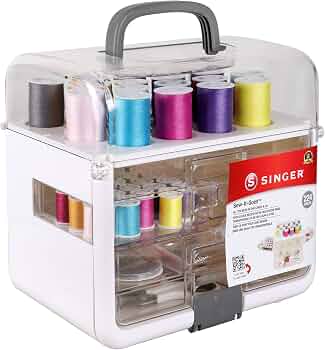
Singer 02541 Sewing Kit with 100-Piece Storage Box

Learning Curve: Easy

$29.99
Difficulty: 2/5
Singer 02541 Sewing Kit with 100-Piece Storage Box

Why Great for Beginners:

Singer is a trusted brand in sewing, and this kit lives up to that name. It's compact, straightforward, and includes the essential tools for repairs and small projects. The clear compartmentalized case makes it easy to see what you have and put everything away.

Beginner Pros

  • +Trusted Singer brand
  • +Compact and easy to store
  • +Includes seam ripper and needle threader
  • +Clear compartmentalized case
  • +Good value for quality

Beginner Cons

  • -Only 100 pieces
  • -Thread colors are basic
  • -Scissors are small
  • -Limited room for growth
👍 Best for: Most beginners looking for a reliable, no-fuss kit for repairs and simple projects.
👎 Not for: Sewists who want a large, color-rich kit or advanced hobbyist tools.
#3
✨ Premium

Smiry 260-Piece Sewing Kit with Aluminum Case

Learning Curve: Easy

$59.99
Difficulty: 2/5
Smiry 260-Piece Sewing Kit with Aluminum Case

Why Great for Beginners:

This premium kit feels like a step up from the moment you open the aluminum case. It has a huge selection of thread colors and quality tools, so you won't feel limited as your skills grow. The organized interior makes it beginner-friendly despite the larger size.

Beginner Pros

  • +Premium aluminum storage case
  • +50 thread colors for variety
  • +High-quality scissors
  • +Lots of accessories included
  • +Long-lasting and durable

Beginner Cons

  • -Heavier and bulkier than basic kits
  • -More expensive
  • -May be more than a casual beginner needs
👍 Best for: Serious beginners who want one high-quality kit that will last through the intermediate level.
👎 Not for: Budget shoppers or people who need a simple portable kit.
#4
Alternative

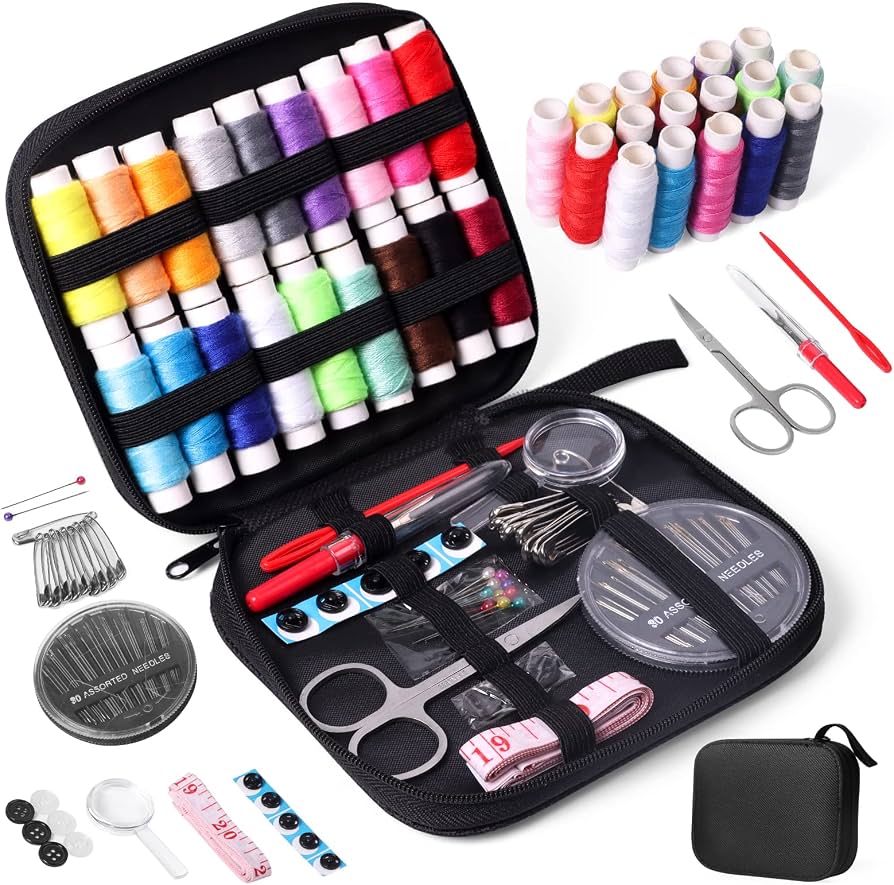
Jinhe 186-Piece Portable Sewing Kit

Learning Curve: Easy

$17.99
Difficulty: 1/5
Jinhe 186-Piece Portable Sewing Kit

Why Great for Beginners:

If you need a sewing kit that fits in a backpack or desk drawer, this portable option is perfect. It includes all the basic tools in a compact trifold case, making it great for on-the-go repairs. It's simple and easy to use, though not meant for heavy projects.

Beginner Pros

  • +Compact trifold design
  • +Includes essential tools
  • +Very affordable
  • +Great for travel or office
  • +Easy to store

Beginner Cons

  • -Small scissors
  • -Limited thread colors
  • -Tools are on the basic side
👍 Best for: Beginners who want a small travel or emergency kit to keep at work, in their car, or in a suitcase.
👎 Not for: Home sewers who need a spacious, comprehensive kit for regular projects.

📖 Complete Beginner's Guide to Sewing Kit

At its heart, a sewing kit is just a box of hand-sewing tools and supplies stored in one place. Unlike a sewing machine, it's for hand stitching, repairs, and small projects. A good kit includes thread, needles, scissors, a measuring tape, pins, a thimble, and maybe a needle threader and seam ripper.

There are several types. Compact travel kits are small and perfect for emergencies but not for regular projects. All-in-one home kits, usually 100 to 300 pieces, are the best middle ground. Kids' craft kits are not ideal for adults, despite being beginner-friendly. Hobbyist or deluxe kits contain premium tools and large thread selections but cost more and may overwhelm a new sewer.

For most beginners, the best choice is an all-in-one home kit with around 150 to 200 pieces. It has enough variety to practice different stitches and complete small repairs, but it won't bury you under unnecessary extras. A sturdy case is important because it protects your tools and keeps your workspace tidy.

Set realistic expectations: sewing is a skill, not magic. You will make wavy stitches, poke your finger, and maybe have to unpick a seam. That's normal. The goal is to practice and improve. When you see marketing words like 'professional' or 'deluxe', look at the actual contents. A cheap kit labeled 'deluxe' may still have flimsy scissors. Check customer photos and reviews, and pay attention to what experienced sewists say about thread quality and tool durability.

🔧 Essential Accessories for Beginners

Magnetic Wristband for Pins and Needles with 15 Pins - Image 1 of 7

Magnetic Wristband for Pins and Needles with 15 Pins

👍 Recommended

$11.99

When to buy:
After you're comfortable

Losing pins and needles is one of the most frustrating parts of sewing. A magnetic wristband keeps metal pieces close and prevents painful surprises when you reach into your workspace.

Beginner Benefits:

  • Keeps needles/pins from dropping
  • Reduces risk of stepping on pins
  • Allows hands-free access
  • Builds safe habits early
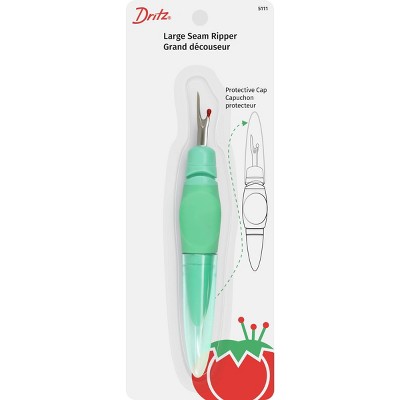
Dritz Seam Ripper with Cushion Handle

Dritz Seam Ripper with Cushion Handle

⚠️ Essential

$5.99

When to buy:
Day one

You will make mistakes. A seam ripper lets you remove stitches without damaging fabric, so you can practice without fear of ruining your work.

Beginner Benefits:

  • Easy to grip
  • Great for fixing mistakes
  • Cheap and durable
  • Builds confidence to experiment
Fiskars 8-Inch SoftGrip Scissors for Fabric - Image 1 of 10

Fiskars 8-Inch SoftGrip Scissors for Fabric

⚠️ Essential

$12.99

When to buy:
First month

Most budget kits include flimsy scissors that don't cut fabric cleanly. A good pair of fabric scissors is the single best upgrade for a beginner because it makes every cut easier and more precise.

Beginner Benefits:

  • Crisp cuts reduce frustration
  • Comfortable handles
  • More control
  • Lasts much longer than kit scissors
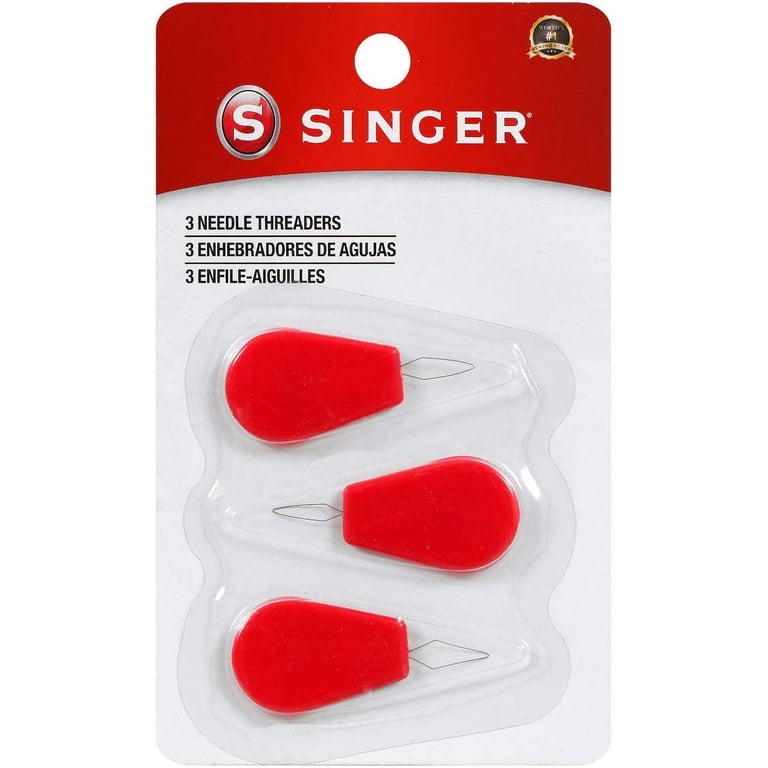
SINGER 4-Piece Needle Threader

SINGER 4-Piece Needle Threader

💡 Nice to Have

$5.49

When to buy:
Day one

Threading a needle can be the hardest first step for new sewers. A threader makes it instant and saves your eyes, especially in low light.

Beginner Benefits:

  • Eliminates eye strain
  • Saves time
  • Reduces frustration
  • Ideal for low-light areas

🤔 How to Choose Your First Sewing Kit

Ask yourself three questions: Where will you use it? What will you sew? How much do you want to spend? If you'll sew at home, get a larger kit with a stable case. If you need portability, get a compact trifold kit. If you're mostly fixing buttons and hems, a mid-size kit is perfect. If you know you'll move to a sewing machine eventually, start with a quality hand-sewing kit and don't spend too much on machine-specific accessories.

Budget matters, but don't go rock-bottom. Very cheap kits often have dull scissors and thread that tangles, which will make your first hour miserable. A mid-priced kit in the $25 to $50 range is the sweet spot. Red flags include unrealistically low prices, overly complex packaging, and reviews that complain about broken zippers, missing pieces, or scissors that don't cut.

💰 Budget Guide for Beginners

25 - $50

Sweet spot - best value for most beginners; decent tools, good thread selection, and a case that lasts

50 - $100

Premium beginner - quality tools, wider range of thread colors, and a durable storage case; won't outgrow quickly

100 - $plus

Professional entry - highest-quality accessories and comprehensive supplies; ideal for serious beginners

Under $ - $25

Entry level - enough supplies for small repairs and practice; tools may be basic and need replacing soon

⚠️ Common Beginner Mistakes to Avoid

Most beginners buy too cheap or too big. Too-cheap kits come with dull scissors and thread that breaks constantly, making the first project miserable. Too-big kits are overwhelming and full of unused pieces. The best plan is to choose a mid-size kit of 100 to 200 pieces with quality basics and add tools as you grow. Also, always buy a seam ripper; you will need it sooner than you think. And if your kit's scissors feel dull, replace them immediately—bad scissors make every cut difficult.

  • ×Buying the absolute cheapest kit to save money, then getting frustrated by bad tools
  • ×Buying a massive 500-piece kit with dozens of items you'll never use
  • ×Not checking that the kit includes a seam ripper
  • ×Ignoring thread quality—cheap thread breaks constantly
  • ×Choosing a kit without a clear storage tray
  • ×Jumping straight to a sewing machine before learning hand-sewing basics
  • ×Using one universal needle for every type of fabric
  • ×Not practicing on scrap fabric first

📈 Your Progression Path: Beginner to Intermediate

Start with hand-sewing basics. Learn how to thread a needle, tie a knot, and do a running stitch and a backstitch. Practice on fabric scraps before touching any real clothing. Once you can sew a button and mend a seam confidently, you can move on to simple projects like hemming pants or adjusting curtains.

After a few months, you'll know your kit's strengths and weaknesses. When the tools start to feel limiting—maybe the scissors aren't sharp enough or you need more thread colors—that's your cue to upgrade one piece at a time. Many hand sewers eventually add a sewing machine, but hand-sewing remains a valuable skill.

📚 Learning Resources for Beginners

  • 📖First Time Sewing: The Absolute Beginner's Guide
  • 📖Sewing for Dummies
  • 📖Sewing for Beginners: Learn to Sew in No Time
  • 📖The Complete Book of Sewing
  • 📖Beginner Sewing Practice Fabric Pack

🎯 Bottom Line: Our Recommendations

For most beginners, a mid-priced kit in the $25 to $50 range—like the Singer 02541—is the sweet spot. It gives you quality basics without overwhelming you. If your budget is tight, the Craftt World 200-piece kit is still a great starting point. If you know you'll stick with sewing, invest in the Smiry aluminum case kit to get premium tools from day one.

No matter which kit you choose, also get a seam ripper and a needle threader. They'll save you time and anxiety. Remember, every expert was once a beginner. Start small, practice often, and enjoy the process of learning to create and repair things with your own hands.

❓ Frequently Asked Questions

For most beginners, a mid-size all-in-one kit is best. Look for one that includes a needle threader, a seam ripper, good scissors, measuring tape, and an organized storage case. The Singer 02541 is a popular choice in the $25-30 range.
You don't need to spend a lot. A good starter kit costs between $20 and $50. Under $20 kits are often too low quality; over $100 kits usually include premium extras you won't need yet. Start in the $25-50 range and upgrade individual tools later.
Need a needle threader, a seam ripper, scissors, needles in several sizes, basic thread colors, measuring tape, pins, and a thimble. A clear storage tray helps you see and organize everything.
Easiest kits are ones that are organized and have a needle threader. The Craftt World 200-piece kit is simple and intuitive. Singer's kit is also easy due to clear labels and compartments.
A seam ripper is the most important extra because you'll make mistakes. A magnetic wristband keeps pins and needles safe. A good pair of fabric scissors is a worthwhile upgrade. Needle threaders also reduce frustration.
Think about your projects, your workspace, and your budget. For general repairs at home, choose a 100-200 piece all-in-one kit with a storage case. For travel, choose a compact trifold kit. Check reviews for tool quality.
Hand sewing is not hard, but it requires patience. You can learn a running stitch, backstitch, and button sewing within an afternoon. Expect mistakes at first; they're part of the learning process.
Buying cheap kits with dull scissors, buying huge kits that overwhelm you, forgetting essential accessories like a seam ripper, and using poor quality thread. Avoid these by choosing a quality mid-size kit.
You can absolutely start with a hand-sewing kit. Many repairs, buttons, hems, and small projects are done by hand. If you later want to do larger projects, add a sewing machine once you've learned basic hand-sewing.
You'll feel comfortable with basic stitches within a few hours of practice. Developing even stitching and confidence usually takes a few weeks of regular small projects. Don't rush—enjoy the process.
Replace them. Dull scissors make cutting fabric difficult and can damage both fabric and your confidence. A pair of quality fabric scissors is a worthwhile investment.
No, unless you want tiny tools designed for small hands. Kids' kits are often lower quality and limited. A proper adult starter kit will serve you much better.

Related Articles