Is Best Saucepan for beginners Worth It? Honest Review (2026)
Everything beginners need to know to choose their first saucepan with confidence
Choosing your first saucepan can feel overwhelming. With so many materials, sizes, and price points, it's easy to get lost in technical jargon and marketing hype. Many beginners worry about buying the wrong pan, wasting money, or ending up with something that's too hard to use. This guide cuts through the noise to help you find the perfect saucepan for your cooking needs and skill level. We'll explain what matters, what doesn't, and give you clear recommendations so you can start cooking with confidence.
📋 In This Guide
• Why Beginners Struggle with Saucepan
• What to Look For (Key Features)
• Top 4 Beginner-Friendly Saucepan
• Essential Accessories for Beginners
• Common Beginner Mistakes to Avoid
• Your Progression Path
• FAQ & Learning Resources
😰 Why Beginners Struggle with Saucepan
New cooks often struggle because saucepan terminology – tri-ply, clad, anodized, nonstick – sounds like a foreign language. They don't know what size they need, whether they should invest in stainless steel or nonstick, or how much to spend. Many fear that a cheap pan will burn food or warp, while an expensive pan might be wasted on simple tasks. The sheer number of options on Amazon (thousands of saucepans) makes decision paralysis real. Beginners also worry about maintenance: can it go in the dishwasher? Will it scratch? Is it oven-safe? These concerns are valid but can be resolved with a little guidance.
🔍 What to Look For: Key Beginner-Friendly Features
For your first saucepan, focus on three things: material, size, and ease of care. The best beginner material is either tri-ply stainless steel (conducts heat evenly, durable, dishwasher-safe) or a high-quality nonstick (for low-fat cooking and easy cleanup). Avoid cheap lightweight pans that scorch easily. A 2-quart or 3-quart saucepan is ideal – big enough for sauces, rice, oatmeal, and soups, but not too bulky. Look for a tight-fitting lid, a comfortable stay-cool handle, and a pan that's oven-safe to at least 350°F. Beginner-friendly features include a helper handle (easier to lift), measurement markings inside, and a pour spout. Also, choose a pan with a heavy bottom or fully clad construction to prevent hot spots. Stay away from single-layer stainless steel or unknown brands without reviews.
✅ Essential Features for Beginners
•Heavy, even-heating base to prevent burning
•Comfortable, stay-cool handle for safe handling
•Tight-fitting lid to lock in moisture
•Oven-safe up to at least 350°F for versatility
•Dishwasher safe for easy cleanup
•Clear measurement marks inside the pan
🏆 Top 4 Best Saucepan for Beginners
#1
⭐ Top Pick👍 Recommended
Tramontina Tri-Ply Clad 2-Quart Saucepan
Learning Curve: Easy
$74.99
Difficulty: 2/5
Why Great for Beginners:
This fully clad stainless steel pan heats evenly and is dishwasher safe, making it forgiving and easy to clean. The riveted handle stays cool on the stovetop.
✓ Beginner Pros
+Even heat distribution prevents scorching
+Dishwasher safe for effortless cleanup
+Stay-cool handle adds safety
+Oven safe to 500°F for versatility
+Compatible with all stovetops including induction
✗ Beginner Cons
-Heavier than nonstick pans
-Food may stick if not using enough oil
👍 Best for: Beginners who want a durable, versatile pan that will last for years and don't mind a little learning curve with sticking.
👎 Not for: Someone who wants completely nonstick cooking for eggs or delicate sauces without oil.
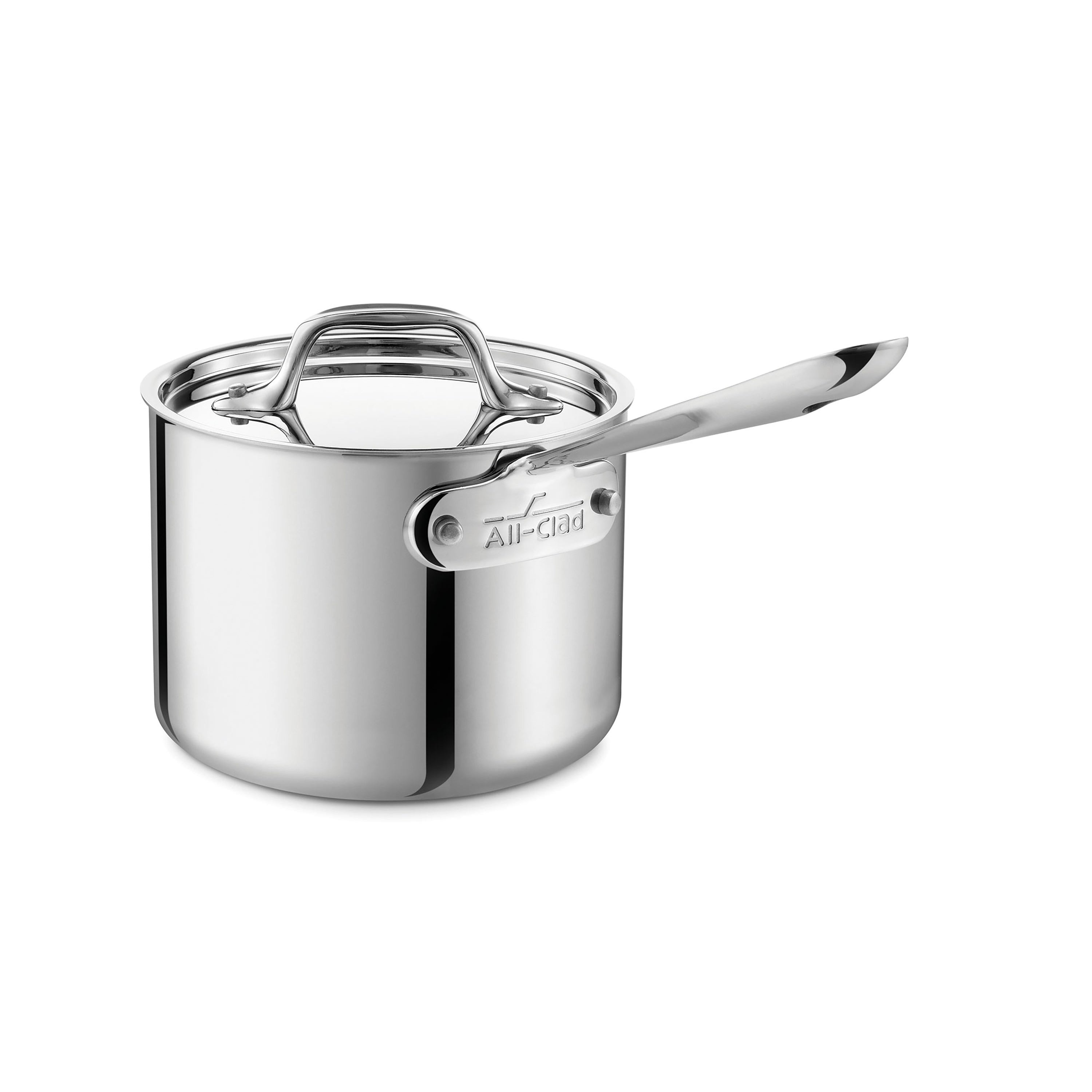
The gold standard in tri-ply cookware, this pan offers flawless even heating and a lifetime warranty. Beginners who invest in this will never need another saucepan.
✓ Beginner Pros
+Superb even heating eliminates hot spots
+Professional-grade build quality
+Oven safe to 600°F
+Dishwasher safe
+Induction compatible
✗ Beginner Cons
-Expensive for a beginner
-Heavy (about 2 lbs)
👍 Best for: Beginners who have a larger budget and want a buy-it-for-life pan that will grow with their skills.
👎 Not for: Budget-conscious beginners or those who only cook occasionally.
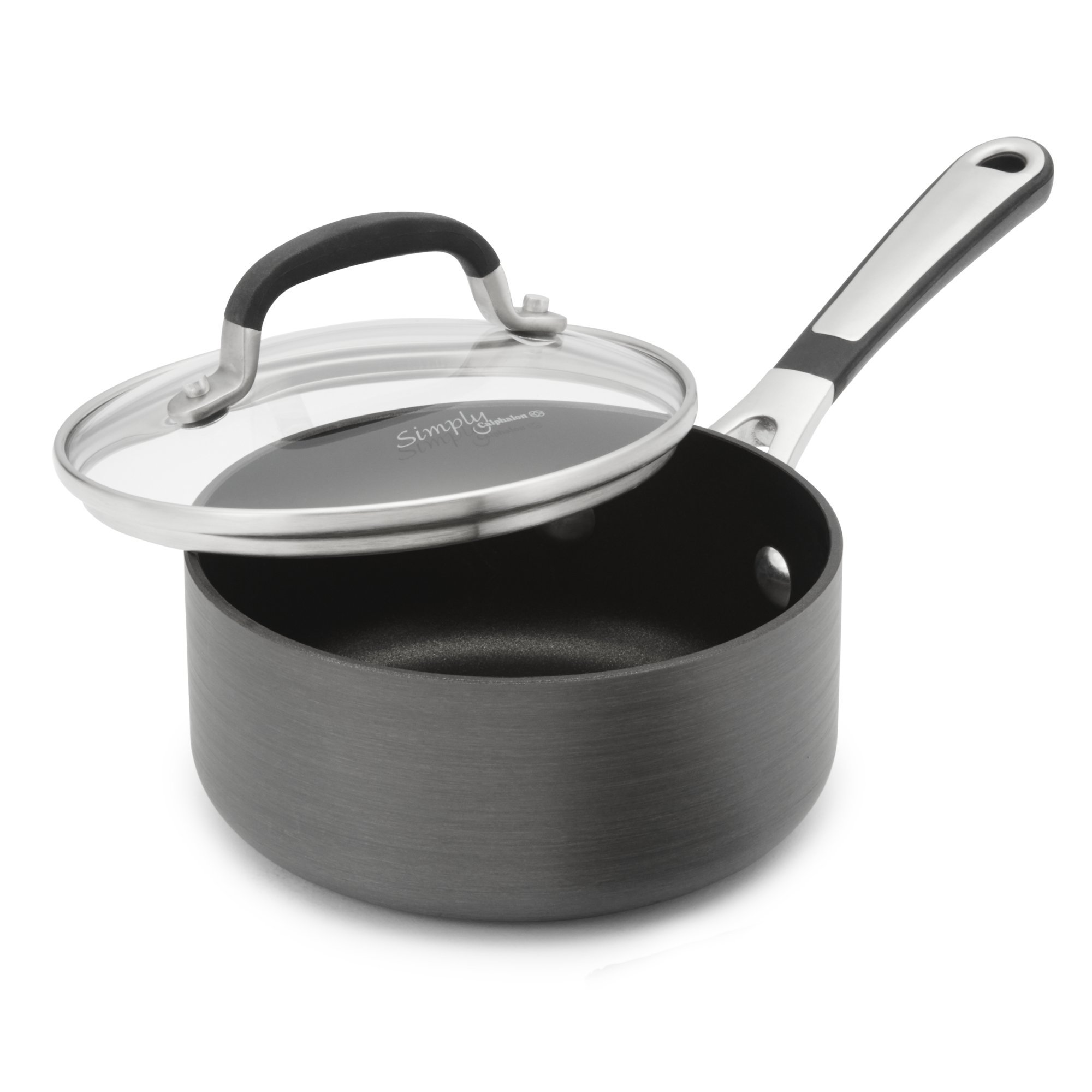
A durable nonstick with a hard-anodized body that heats evenly and is scratch-resistant. The heavy base prevents warping, and the stay-cool handle adds comfort.
✓ Beginner Pros
+Hard-anodized aluminum for even heat
+Nonstick surface holds up well
+Oven safe to 450°F
+Dishwasher safe
✗ Beginner Cons
-Not induction compatible (unless stainless base)
-Slightly heavier than standard nonstick
👍 Best for: Beginners who want a high-quality nonstick that lasts longer than budget options, for everyday cooking.
👎 Not for: Those who need induction compatibility or prefer stainless steel.
A saucepan is a deep pot with a long handle and straight sides, used for making sauces, boiling pasta, cooking grains, and simmering soups. They range from 1 to 4 quarts; beginners should start with 2 or 3 quarts. The material determines performance: stainless steel with an aluminum or copper core (clad) heats evenly and is non-reactive. Nonstick saucepans are great for eggs and delicate sauces but can scratch and don't brown food as well. Enameled cast iron holds heat superbly but is heavy. For a first pan, tri-ply stainless steel offers the best balance of even heating, durability, and versatility – you can sear, simmer, and even use metal utensils without worry. Avoid single-ply stainless steel or thin aluminum that warps. 'Beginner-friendly' means the pan is forgiving (doesn't burn easily), easy to clean (dishwasher safe), and has clear heat markings. It also means the handle stays cool and the lid fits snugly. Most importantly, a beginner saucepan should inspire you to cook, not frustrate you.
🔧 Essential Accessories for Beginners
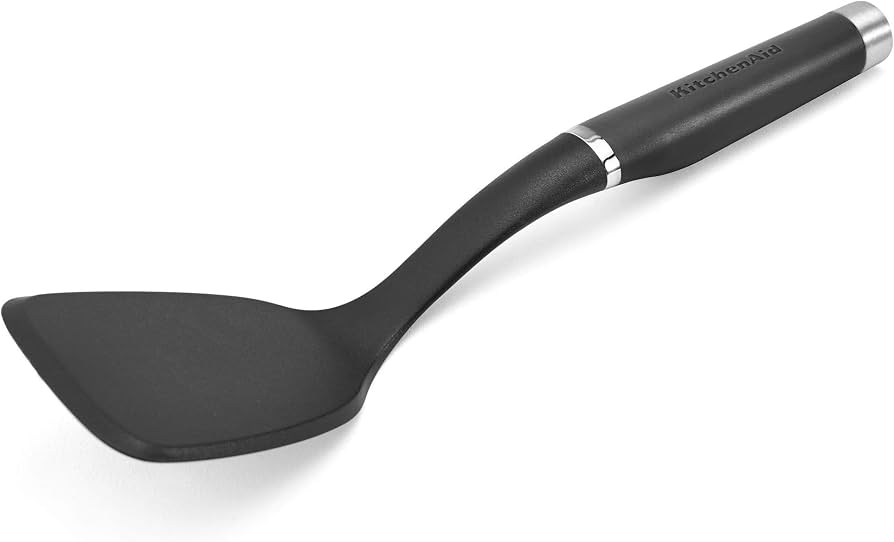
OXO Good Grips 11-Inch High Heat Silicone Spatula
⚠️ Essential
$12.99
When to buy:
Day one
A silicone spatula is safe for nonstick pans and won't scratch. It's perfect for stirring, scraping, and folding sauces.
Start by asking: What will you cook most? If you make a lot of eggs, oatmeal, or sticky sauces, a nonstick saucepan is easier. For browning meats or cooking acidic foods like tomato sauce, go with stainless steel. Next, consider your stove type – induction requires a magnetic base, which tri-ply stainless provides. Then set a budget: $30-50 gets a decent nonstick; $50-100 gets a good stainless steel; $100+ gets premium tri-ply or clad pans. Always read reviews from other beginners – look for comments about ease of use and cleaning. Red flags: pans with riveted handles that loosen over time, nonstick coatings that claim 'scratch-proof' (none are), and overly heavy pans that are hard to handle. Finally, don't buy a set – get one good saucepan first, then expand.
💰 Budget Guide for Beginners
200+
Professional entry – heirloom quality, fully clad, lifetime warranty. Only if you know you'll cook a lot.
50 - $100
Sweet spot – best value for most beginners. Quality tri-ply stainless or durable nonstick from reputable brands.
100 - $200
Premium beginner – excellent construction, even heating, and features like induction compatibility and oven-safe to 500°F.
Under $ - $50
Entry level – good for occasional use, but may need replacement soon if used heavily. Usually nonstick or thin stainless.
⚠️ Common Beginner Mistakes to Avoid
Many beginners buy too cheap and end up with a warped pan that burns food. Others overspend on a full set of professional pans they never use. A common mistake is ignoring the lid – a cheap glass lid can shatter. Beginners also forget that nonstick pans need gentle utensils and hand washing; they scratch the coating and then replace it. Another error is choosing the wrong size: a 1-quart is too small for most recipes, while a 4-quart can be too large for small batches. Many skip essential accessories like a silicone spatula or a lid holder. Finally, beginners often don't consider the handle – a metal handle that gets hot requires a towel, while a silicone handle stays cool but might not be oven-safe.
×Buying too cheap and getting a warped or burning pan
×Overspending on a full set before learning what you need
×Ignoring the lid quality – cheap lids can shatter
×Using metal utensils on nonstick and ruining the coating
×Forgetting that handles get hot – need a pot holder
×Buying a pan that's too heavy to handle easily
📈 Your Progression Path: Beginner to Intermediate
Start with one 2-quart saucepan. Learn to make rice, oatmeal, scrambled eggs, and simple sauces. Once comfortable, add a 3-quart for soups and larger portions. After mastering basic techniques, you might want a saucier pan (curved sides for whisking) or an enameled cast iron for braising. Signs you've outgrown beginner gear: you notice uneven heating, you want better browning, or you're frustrated by sticking. Upgrading to a fully clad (multi-layer) stainless steel pan is the next step. Most beginners stay at this level for 6-12 months before feeling the need for advanced cookware.
📚 Learning Resources for Beginners
📖The Science of Good Cooking by Cook's Illustrated
📖Joy of Cooking by Irma S. Rombauer
📖Saucepan-specific cooking classes on Udemy
📖Food Wishes YouTube channel for technique videos
🎯 Bottom Line: Our Recommendations
For most beginners, the Tramontina Tri-Ply Clad 2-Quart Saucepan is the top pick – it offers professional performance at a reasonable price, and it's dishwasher safe. If your budget is tight, the Cuisinart 2-Quart Nonstick Saucepan is a solid entry-level choice. For those who want to buy once and never upgrade, the All-Clad D3 2-Quart is the gold standard. Don't forget to grab a silicone spatula and a pan protector. Your first saucepan should be a trusted kitchen companion, not a source of stress. Start with one of our recommendations, and you'll be making perfect rice and velvety sauces in no time.
❓ Frequently Asked Questions
The Tramontina Tri-Ply Clad 2-Quart Saucepan is the best overall beginner saucepan. It offers professional-grade heat distribution at a reasonable price, is dishwasher safe, and works on all stovetops including induction.
Beginners should spend between $40 and $100. For under $50, you can get a good nonstick pan like the Cuisinart. For $75-100, you can get a quality tri-ply stainless steel pan that will last much longer.
A 2-quart saucepan is the most versatile size for a beginner. It's large enough for sauces, rice, and oatmeal, but small enough to handle easily. A 3-quart is also good if you cook for multiple people.
Look for: a heavy bottom or clad construction for even heat, a stay-cool handle, a tight-fitting lid, oven-safe to at least 350°F, measurement marks, and dishwasher safety. Nonstick is optional but helpful for beginners.
Stainless steel (especially tri-ply) is more durable and versatile, but has a learning curve with sticking. Nonstick is easier to use and clean, but coatings wear out. For a first pan, choose based on what you cook most: nonstick for eggs/sauces, stainless for browning and longevity.
Many quality saucepans are dishwasher safe, but check the manufacturer instructions. Nonstick pans and anodized aluminum may degrade faster in the dishwasher. Hand washing is always safer for longevity.
Essential: a silicone spatula, a trivet or lid holder, and oven mitts. Nice-to-have: nylon utensils, a pan scraper, and pan protectors for storage.
Common mistakes: buying too cheap (warping), buying a full set before learning, using metal utensils on nonstick, choosing the wrong size, and not preheating the pan properly.
Let the pan cool before washing. For stainless steel, use a pan scraper or barkeeper's friend for stains. For nonstick, use only silicone or nylon utensils. Store with pan protectors to avoid scratches.
Upgrade when you notice uneven heating, food sticking more often, or you want better browning and control. Typically after 1-2 years of regular use. A fully clad stainless steel pan is a natural next step.