Is Best Running Shoe for beginners Worth It? Honest Review (2026)
Everything you need to confidently choose your first running shoe—no jargon, just clear advice.
Choosing your first running shoe can feel overwhelming. With endless options, technical terms like 'pronation' and 'drop,' and prices ranging from $50 to $250, it's easy to get lost. But the right shoe makes running more enjoyable and injury-free. This guide simplifies everything: what features truly matter for beginners, how to find the perfect fit, and which shoes offer the best value. Whether you're starting a couch-to-5K or just want to jog around the block, you'll finish this guide confident in your choice.
📋 In This Guide
• Why Beginners Struggle with Running Shoe
• What to Look For (Key Features)
• Top 4 Beginner-Friendly Running Shoe
• Essential Accessories for Beginners
• Common Beginner Mistakes to Avoid
• Your Progression Path
• FAQ & Learning Resources
😰 Why Beginners Struggle with Running Shoe
Most beginners don't know what they need. Terms like 'neutral,' 'stability,' and 'heel-to-toe drop' sound like a foreign language. Many end up picking a shoe based on looks or price, only to find it uncomfortable after a few miles. Others buy the most expensive model thinking it's best, but premium racing shoes are often too stiff for new runners. The sheer number of brands and models—over 100 types from major brands—adds to the confusion. Without guidance, beginners risk injury, blisters, or simply hating their first experience.
🔍 What to Look For: Key Beginner-Friendly Features
For a beginner, comfort and cushioning are king. You don't need the latest carbon-fiber plate or super lightweight mesh. Look for a shoe that feels plush underfoot, has a roomy toe box (so your toes can splay), and provides a smooth heel-to-toe transition. Key beginner-friendly qualities: 'forgiving' (tolerates imperfect form), 'stable' (doesn't wobble), and 'versatile' (works for walking and jogging). Avoid extreme minimal shoes or maximalist shoes with huge stack heights. Stick with a 4-8mm drop range. Most importantly, always try shoes on in the afternoon (feet swell) and with your running socks.
✅ Essential Features for Beginners
•Generous cushioning for impact protection
•Neutral support (for most runners)
•Breathable upper to prevent overheating
•Roomy toe box for toe splay
•Durable outsole rubber for mileage
•Heel collar grip (no slipping)
•Versatile use (walking, jogging, short runs)
🏆 Top 4 Best Running Shoe for Beginners
#1
💰 Budget
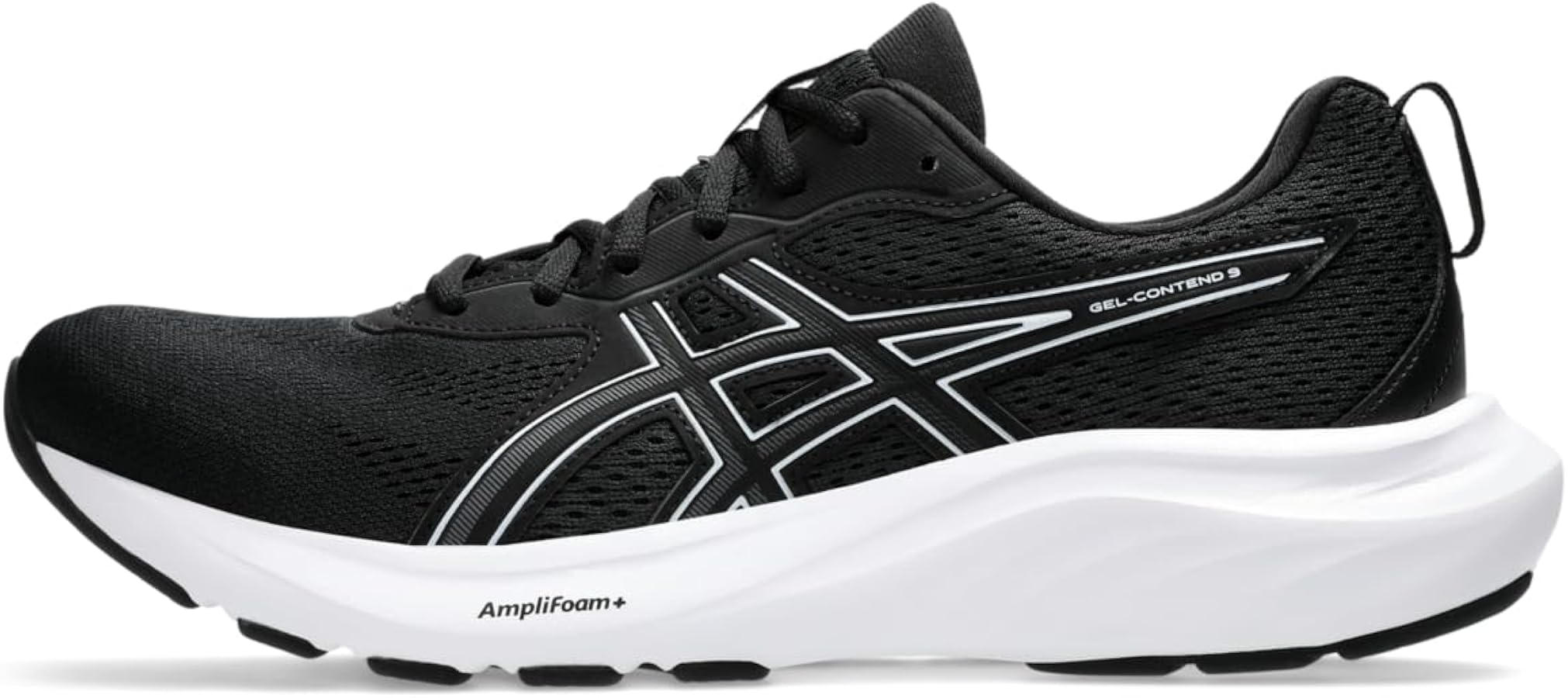
ASICS Gel-Contend 9
Learning Curve: Easy
$64.99
Difficulty: 1/5
Why Great for Beginners:
Affordable yet reliable for short runs. The rearfoot GEL™ cushioning provides shock absorption, and the mesh upper keeps feet cool. Perfect for absolute beginners testing the waters.
✓ Beginner Pros
+Very affordable
+Decent shock absorption
+Breathable upper
✗ Beginner Cons
-Less durable than premium shoes
-Limited color options
-Medium cushioning not for long distances
👍 Best for: Budget-conscious beginners who want a simple, functional shoe for walking and light jogging.
👎 Not for: Runners planning to log over 15 miles per week or needing specific arch support.
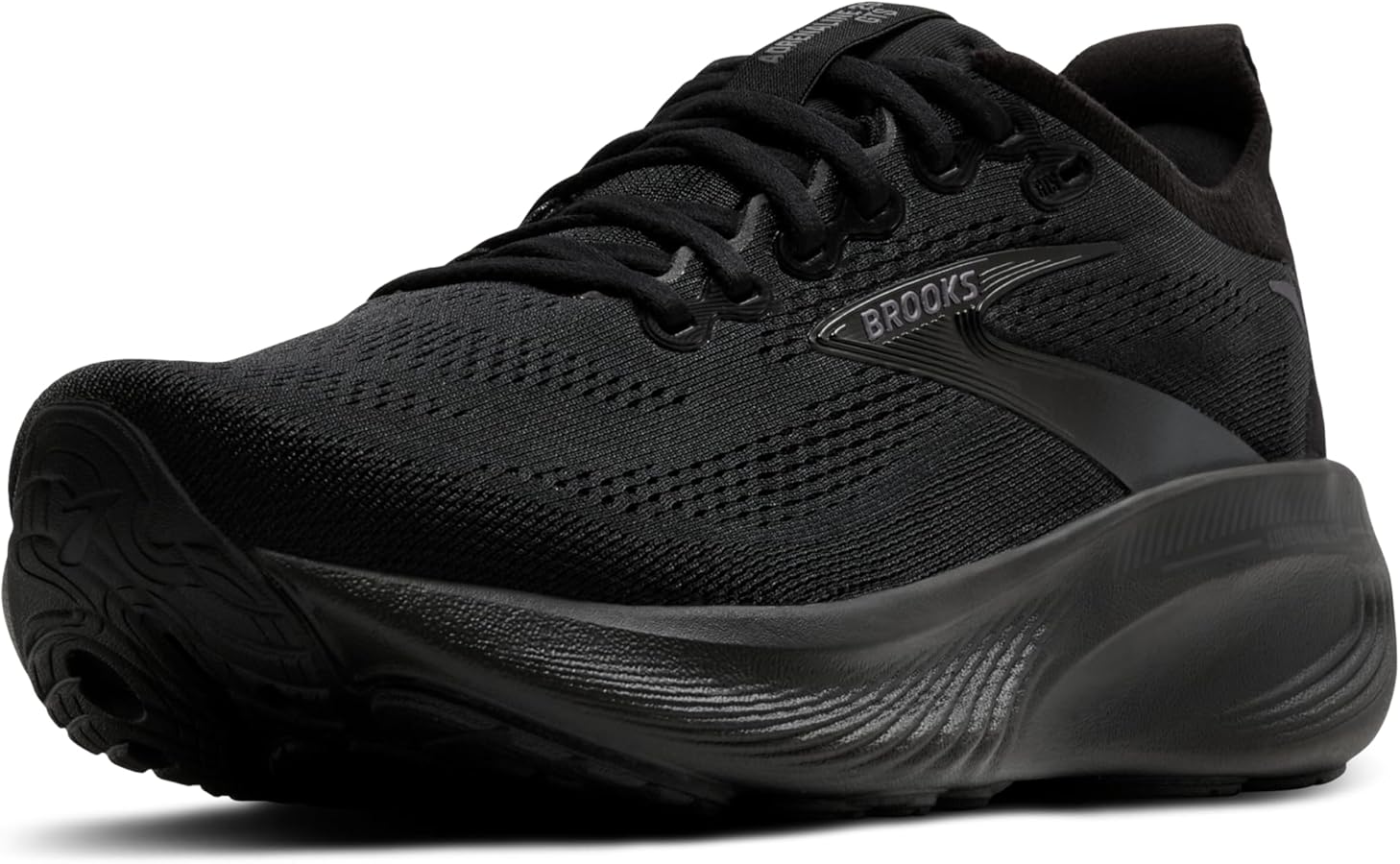
The Ghost is a legendary daily trainer known for its soft, balanced cushioning and smooth ride. It accommodates many foot shapes and running styles – a true 'jack of all trades' for beginners.
✓ Beginner Pros
+Plush cushioning
+Very stable
+Wide sizing available
+Durable outsole
✗ Beginner Cons
-May feel too soft for some
-Price is mid-range
👍 Best for: Most beginners who want a comfortable, versatile shoe they can keep using as they progress.
👎 Not for: Runners who prefer a very firm or minimal feel, or those needing extra arch support.
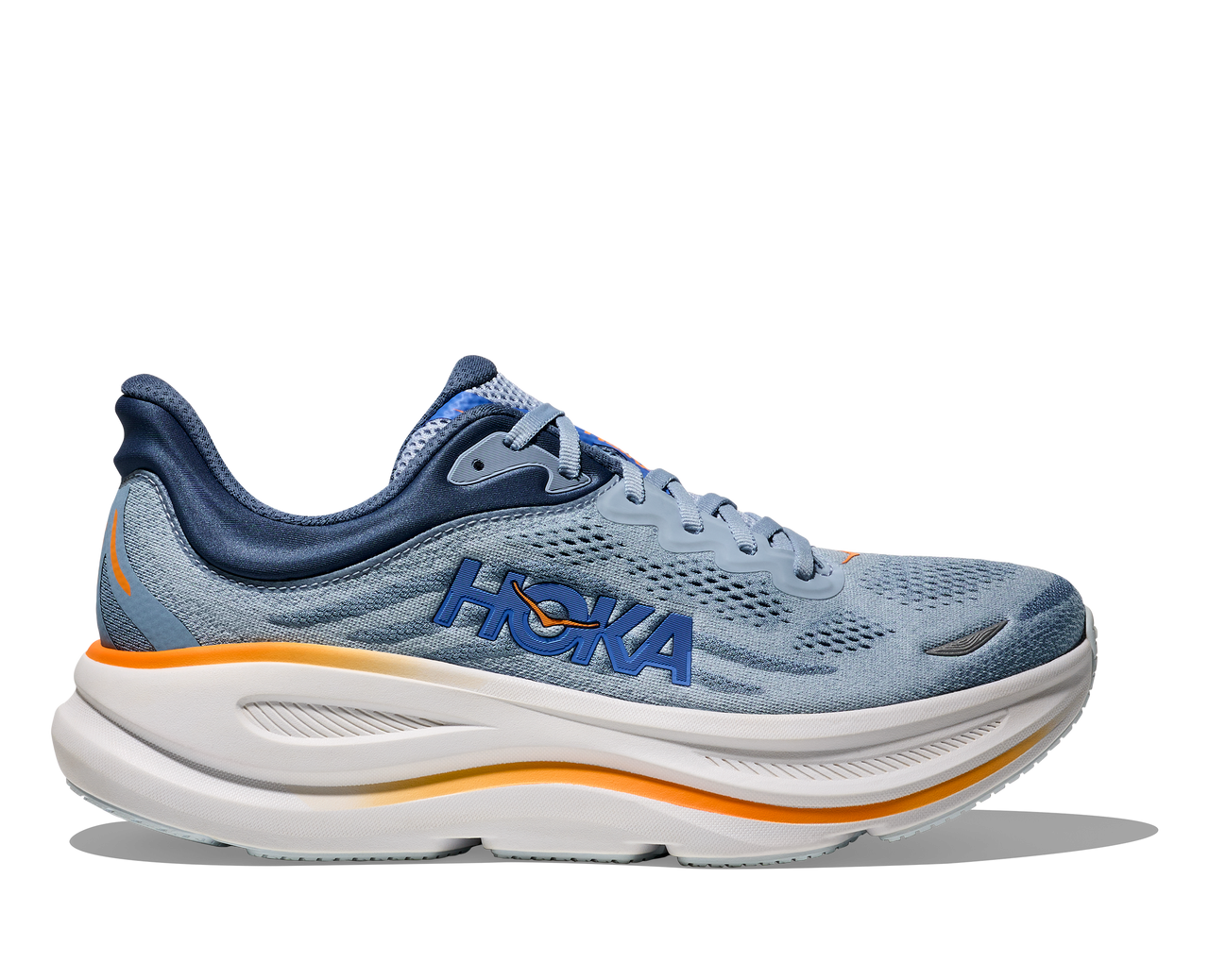
The Clifton 9 offers maximum cushioning in a surprisingly light package. Its Meta-Rocker technology helps beginners achieve a smoother stride, reducing fatigue and encouraging good form.
✓ Beginner Pros
+Extremely cushioned and comfortable
+Lightweight
+Promotes smooth rolling motion
+Good for longer walks/jogs
✗ Beginner Cons
-Pricey
-Narrower fit compared to other brands
-Tall stack height may feel unstable for some
👍 Best for: Beginners willing to invest in a premium shoe for supreme comfort, especially those with joint concerns.
👎 Not for: Runners with wide feet or who prefer a lower, more natural feel.
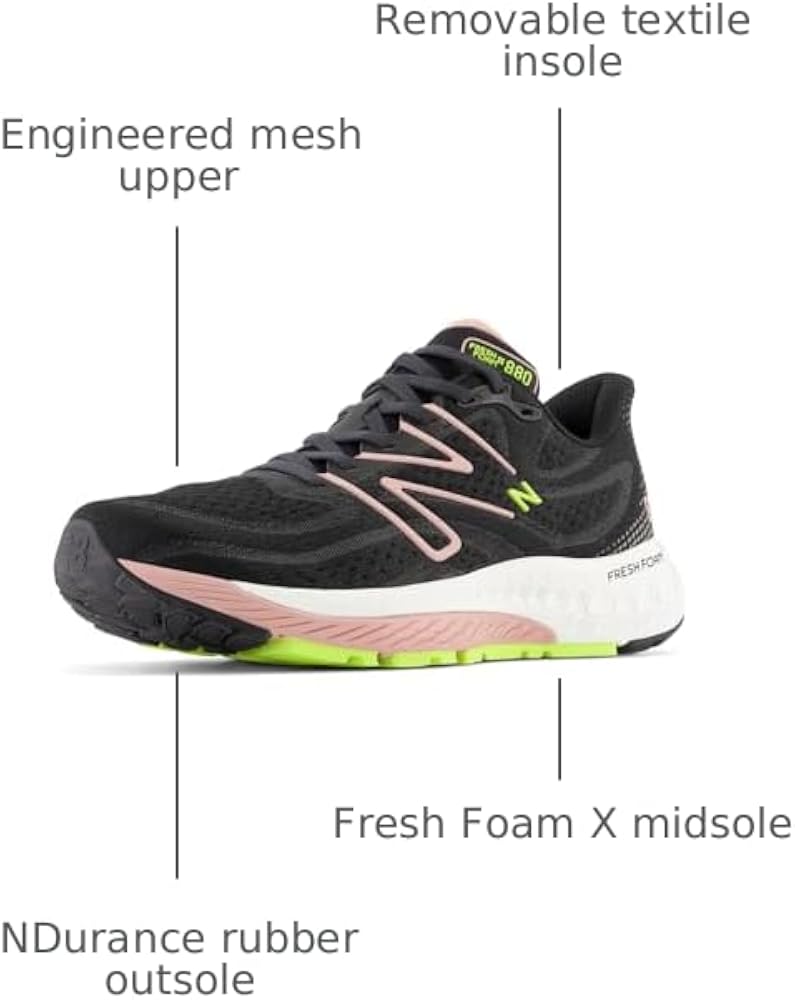
A reliable neutral trainer with a spacious toe box and plush Fresh Foam midsole. It's a great alternative if Brooks Ghost feels too snug or if you need a wider fit.
✓ Beginner Pros
+Roomy toe box
+Soft, comfortable cushioning
+Durable
+Good value for quality
✗ Beginner Cons
-Lacks energy return of higher-end foams
-Heavier than some competitors
👍 Best for: Beginners with wider feet or those who want a classic, non-flashy trainer.
👎 Not for: Runners seeking a lightweight speed shoe or very responsive feel.
Running shoes fall into three main categories: neutral, stability, and trail. Neutral shoes are the best choice for most beginners—they offer balanced cushioning without extra support. Stability shoes have medial posts or guides for overpronation (foot rolls inward), but only about 20% of runners need them; a gait analysis at a running store can confirm. Trail shoes are for off-road and have aggressive tread; skip unless you run on dirt or gravel. For beginners, a neutral daily trainer is ideal: cushioned, durable, and forgiving. Brands like Brooks, ASICS, Hoka, and New Balance all have excellent beginner models. Expect to spend $80-$140 for a quality shoe that lasts 300-500 miles. Don't be swayed by marketing hype about 'energy return' or 'speed'—focus on comfort.
🤔 How to Choose Your First Running Shoe
Start by asking: What type of running will you do? Mostly pavement? Then a road shoe. Any trails? Consider a hybrid. Next, set a budget: $60-$80 gets a decent entry-level shoe; $100-$130 is the sweet spot for quality and durability; $150+ often adds weight-saving features you don't need yet. Then, prioritize fit over anything else. Try shoes on with the socks you'll run in, and leave a thumb's width between your longest toe and the end. Finally, check the return policy—beginner runners sometimes need a week to decide. Red flags: shoes that feel tight across the midfoot, have narrow toe boxes, or cause immediate discomfort.
💰 Budget Guide for Beginners
180+
Professional entry: advanced foams and design, but often less forgiving. Only if you have extra budget and know your stride.
80 - $130
Sweet spot: best value for beginners. Plenty of cushioning, durable, and great support. Most trusted options here.
130 - $180
Premium beginner: excellent comfort and lighter weight. Suits those with higher arches or who want a plush ride from day one.
Under $ - $80
Entry level: good for trying out running, but may lack durability and cushioning. Expect to replace sooner.
⚠️ Common Beginner Mistakes to Avoid
Many beginners buy shoes that are too small (toes hit the front) or too tight (blisters form). Others choose a stability shoe when they don't need it, leading to excessive support that feels awkward. Another big mistake: buying the cheapest possible shoe from a discount store—those often have poor cushioning and wear out fast. Conversely, buying the most expensive shoe because it's 'pro-level' can be a waste, as those shoes often require stronger ankles and better form. Finally, skipping a proper try-on session and buying online without trying first leads to many returns.
×Buying shoes too small (toes touch the end)
×Choosing stability shoes unnecessarily
×Picking based on looks rather than fit
×Buying the cheapest shoe from a discount store
×Buying the flagship model (too stiff for beginners)
×Not allowing break-in time (expecting instant perfection)
📈 Your Progression Path: Beginner to Intermediate
As a beginner, focus on logging miles in your first shoe. Over the first 3-6 months, you'll notice if you tend to underpronate or overpronate. When you feel comfortable and run 10+ miles per week, you might want a second pair for rotation. Intermediate runners often pair a cushioned daily trainer with a lighter speed shoe. Signs you've outgrown beginner gear: you're consistently running 3+ days a week, you notice specific desires like more responsiveness or less weight, and you understand your stride. Then it's time to try a shoe with a slightly lower drop or more advanced foam.
📚 Learning Resources for Beginners
📖{"title":"Running for Beginners: The Complete Guide to Getting Started","type":"Book","description":"eBook that covers how to start running safely, avoid injury, and build up to a 5K. Includes beginner training plans and shoe advice."}
📖{"title":"Couch to 5K Training Plan (PDF)","type":"Training Plan","description":"A classic 9-week interval program designed for absolute beginners. Combine with your new shoes to build up to 3.1 miles."}
📖{"title":"The Running Sock Sampler Pack","type":"Accessory","description":"Try different sock thicknesses and heights to see what feels best. Essential for preventing blisters before committing to one style."}
📖{"title":"Foam Roller for Runners (TriggerPoint Grid)","type":"Recovery Tool","description":"A foam roller helps with muscle soreness and injury prevention. Beginners often neglect recovery – this tool makes self-massage easy."}
📖{"title":"Running Form 101 Video Series (YouTube playlist)","type":"Online Course","description":"Free videos from licensed coaches explaining proper posture, foot strike, and breathing. No expensive gear needed."}
🎯 Bottom Line: Our Recommendations
For most beginners, the best pick is a neutral daily trainer like the Brooks Ghost 16 (recommended tier). It's plush, reliable, and works for most feet. If you're on a tight budget, the ASICS Gel-Contend 9 offers decent cushioning for under $70. For a premium upgrade, the Hoka Clifton 9 provides maximum comfort and a smooth ride. Don't forget essential accessories: moisture-wicking socks, a proper running shirt, and maybe a hat. The most important step is to visit a running store or try shoes in person. Remember: the best running shoe is the one that fits you comfortably. Start slow, enjoy the journey, and your feet will thank you.
❓ Frequently Asked Questions
For most beginners, the Brooks Ghost 16 is an excellent choice. It offers balanced cushioning, a smooth ride, and a comfortable fit that works for various foot shapes. The Hoka Clifton 9 is also great if you prefer maximum cushioning.
Plan to spend $80-$130 for a quality pair that will last 300-500 miles. Cheap shoes under $60 often lack durability and cushioning, while expensive $150+ shoes usually have features you don't need as a beginner.
Look for good cushioning (heel and forefoot), a comfortable upper, a secure heel fit, and a shoe that matches your arch type (neutral is safest). Focus on fit first, then features.
The ASICS Gel-Contend 9 is very easy to slip on and run in due to its soft padding and simple design. The Brooks Ghost 16 is also very forgiving and requires no break-in period.
At minimum, get proper moisture-wicking socks. Then consider a technical shirt, a hat or sunglasses, and a small running belt for essentials. For longer runs, fuel like energy gels may be needed.
Determine your running surface (road vs. trail), set a budget around $100, and prioritize fit over brand. Try shoes on in the afternoon with your running socks, and walk/jog around the store. If possible, get a gait analysis.
It can be physically challenging at first, but the right shoes and a gradual plan like Couch to 5K make it manageable. Expect muscle soreness initially – that's normal. Good shoes reduce joint impact.
Common mistakes: buying shoes too small, buying stability shoes when you don't overpronate, ignoring socks, and buying shoes based solely on reviews without trying them on.
Running shoes typically last 300-500 miles. If you run 10 miles per week, replace them every 7-12 months. Signs of wear include creased midsoles, flattened cushioning, or pain in your knees/feet.
Yes, but walking shoes are usually more rigid. Running shoes are great for walking, especially if you plan to occasionally jog. The extra cushioning is beneficial for all daily activities.