Review Atlas
Review AtlasYour guide to a better purchase

Menu

Shop by Category

Get the App

Better experience on mobile

Beginners GuideQuilting

Is Best Quilting Kit for beginners Worth It? Honest Review (2026)

Everything beginners need to know to choose their first quilting kit with confidence.

Starting quilting is an exciting journey, but choosing your first quilting kit can feel overwhelming. With so many options—different sizes, patterns, tools, and price points—it's easy to get lost in technical jargon and end up with a kit that's either too advanced or missing essential items. This guide is designed to simplify the process. We'll break down what beginners truly need, highlight beginner-friendly features, and recommend specific kits and accessories to help you start stitching with confidence. By the end, you'll know exactly what to look for and which kit is right for you.

📋 In This Guide

  • • Why Beginners Struggle with Quilting Kit
  • • What to Look For (Key Features)
  • • Top 4 Beginner-Friendly Quilting Kit
  • • Essential Accessories for Beginners
  • • Common Beginner Mistakes to Avoid
  • • Your Progression Path
  • • FAQ & Learning Resources

😰 Why Beginners Struggle with Quilting Kit

Many beginners are intimidated by quilting terminology like 'seam allowance,' 'batting,' and 'binding.' They worry about buying the wrong kit—one that's too cheap and frustrating, or too expensive and overwhelming. The sheer variety of kits can make decision paralysis set in. Additionally, some kits assume prior sewing knowledge, leaving newbies confused. Fear of wasting money or starting a project they can't finish holds many back. Understanding these struggles helps us focus on kits that are forgiving, instructional, and complete.

🔍 What to Look For: Key Beginner-Friendly Features

Look for a kit that includes pre-cut fabric pieces (so you skip the cutting step), clear step-by-step instructions, all necessary materials (fabric, batting, thread, needles), and a simple pattern suitable for a first project. Avoid kits with complex curves or intricate piecing. Beginner-friendly qualities include: pre-printed patterns, color-coded fabrics, oversized seam allowances for mistakes, and online video support. Nice-to-have extras like a rotary cutter and mat can wait until you're comfortable. You don't need expensive specialty rulers or a walking foot yet. Focus on completeness and clarity.

✅ Essential Features for Beginners

  • Pre-cut fabric pieces to avoid cutting mistakes
  • Step-by-step instructions with clear diagrams
  • All materials included (fabric, batting, thread, needles)
  • Simple, small-scale pattern (e.g., 12 x 12 inch)
  • Oversized seam allowance for forgiveness

🏆 Top 4 Best Quilting Kit for Beginners

#1
💰 Budget

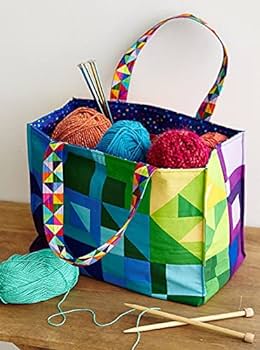
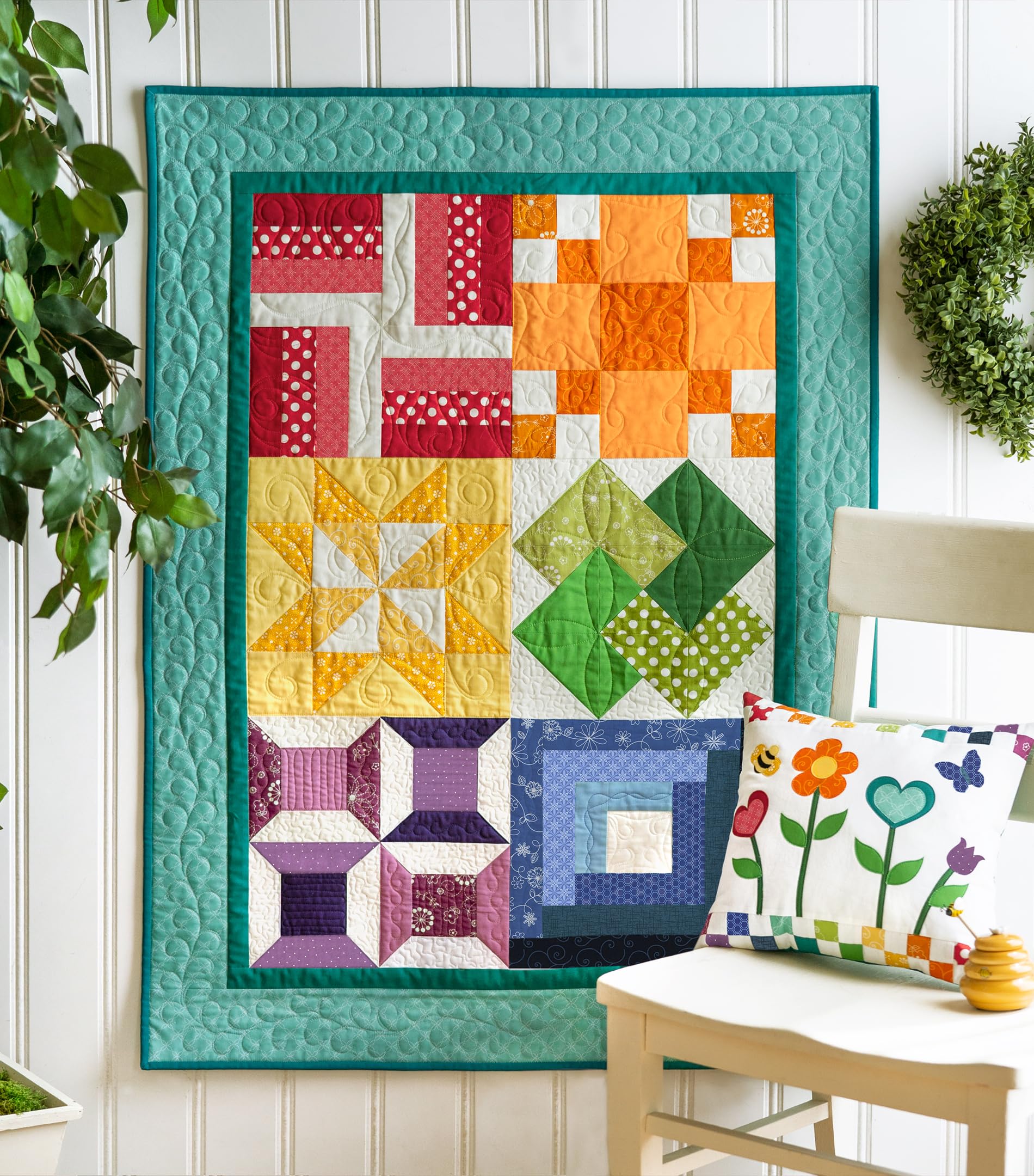
Beginner's Quilt Kit - Patchwork Set

Learning Curve: Easy

$39.99
Difficulty: 1/5
Beginner's Quilt Kit - Patchwork Set

Why Great for Beginners:

This budget-friendly kit includes pre-cut fabric squares and simple instructions for a small patchwork project. It's perfect for trying quilting without a big investment, though fabric quality is basic.

Beginner Pros

  • +Very affordable entry point
  • +Pre-cut pieces save cutting errors
  • +Simple pattern builds confidence

Beginner Cons

  • -Lower fabric quality may fray
  • -No tools included (need own needles, thread)
  • -Limited pattern variety
👍 Best for: Complete beginners on a tight budget who want to test quilting
👎 Not for: Those wanting a finished project with heirloom quality

#2
👍 Recommended

Starter Quilting Bundle

Learning Curve: Easy

$79.99
Difficulty: 2/5
Starter Quilting Bundle

Why Great for Beginners:

This all-in-one bundle includes high-quality pre-cut fabrics, batting, thread, needles, and a clear instructional booklet. It's designed specifically for first-time quilters with a forgiving pattern and online video support.

Beginner Pros

  • +Everything needed in one box
  • +High-quality fabric holds shape
  • +Video tutorials available

Beginner Cons

  • -Slightly higher price than entry-level
  • -Pattern only one project
👍 Best for: Beginners who want a complete, worry-free start
👎 Not for: Those who prefer to source materials individually
#3
Alternative

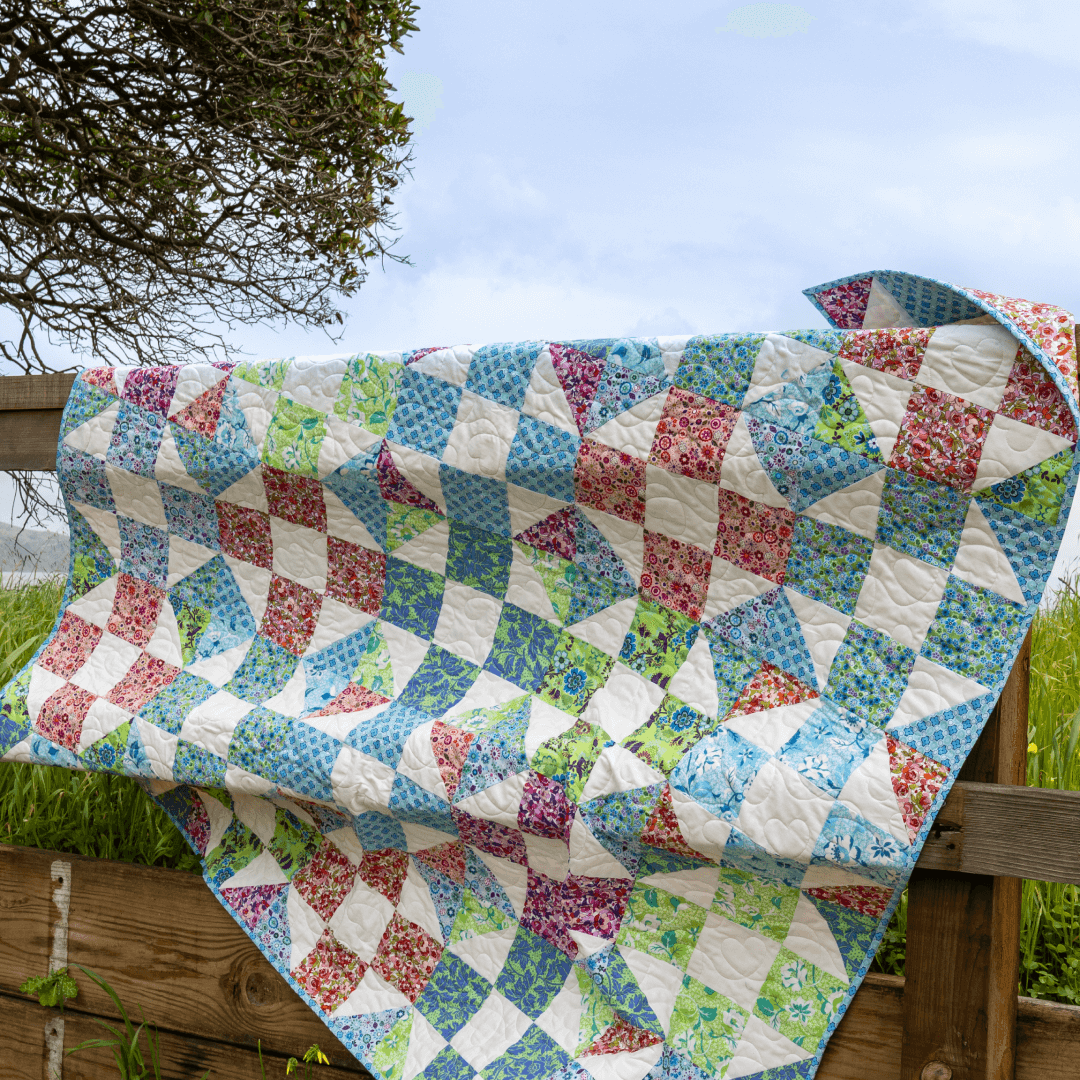
Complete Quilting Kit for Beginners

Learning Curve: Moderate

$59.99
Difficulty: 3/5
Complete Quilting Kit for Beginners - Image 1 of 6

Why Great for Beginners:

A mid-range kit that offers a larger project (crib-size) with more color options. It includes a rotary cutter and ruler, making it a good value for those who want to practice cutting as well.

Beginner Pros

  • +Includes rotary cutter and ruler
  • +Larger project for more learning
  • +Good fabric selection

Beginner Cons

  • -Instructions less detailed than recommended
  • -Cutting tools may intimidate some beginners
👍 Best for: Beginners ready to learn cutting skills from the start
👎 Not for: Those who prefer pre-cut only
#4
✨ Premium

Premium Quilting Kit

Learning Curve: Moderate

$149.99
Difficulty: 3/5
Premium Quilting Kit

Why Great for Beginners:

This premium kit uses top-quality designer fabrics and includes professional tools like a self-healing mat, ergonomic rotary cutter, and acrylic rulers. The pattern is still beginner-friendly but yields a stunning result. It's an investment that eliminates the need to buy tools later.

Beginner Pros

  • +Professional-grade tools included
  • +Excellent fabric quality
  • +Comprehensive instructions

Beginner Cons

  • -Higher cost
  • -Advanced tools may be overwhelming initially
👍 Best for: Serious beginners who want top quality and plan to quilt long-term
👎 Not for: Casual hobbyists or very tight budgets

📖 Complete Beginner's Guide to Quilting Kit

Quilting kits typically contain fabric pieces (pre-cut or to be cut), batting, backing fabric, threads, needles, and instructions. Some are project-specific (e.g., a small wall hanging or baby quilt), while others are general starter sets with tools. For beginners, the best type is an all-in-one project kit: everything you need in one box, with a pattern rated 'easy.' A realistic first project is a small lap quilt or table runner. 'Beginner-friendly' means the kit forgives small errors—pre-cut squares that still work even if seams aren't perfect. Marketing terms like 'fat quarters' or 'layer cake' refer to pre-cut sizes; don't be overwhelmed—just choose a kit labeled 'for beginners.'

🔧 Essential Accessories for Beginners

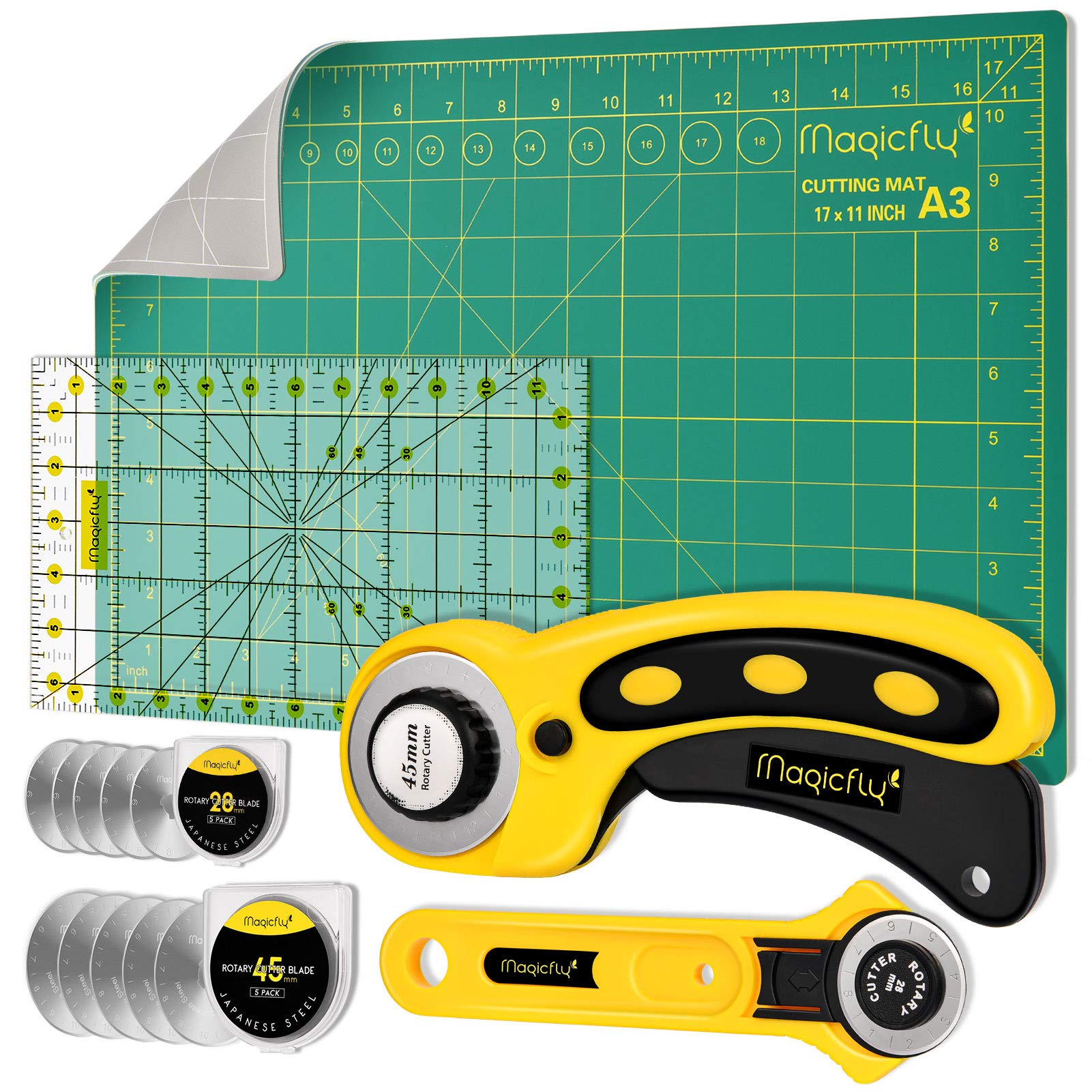
Rotary Cutter and Mat Set

Rotary Cutter and Mat Set

👍 Recommended

$29.99

When to buy:
First month

A rotary cutter and self-healing mat make cutting fabric accurate and safe. Beginners often struggle with scissors; this set speeds up cutting and reduces frustration.

Beginner Benefits:

  • Faster cutting
  • More accurate cuts
  • Protects work surface
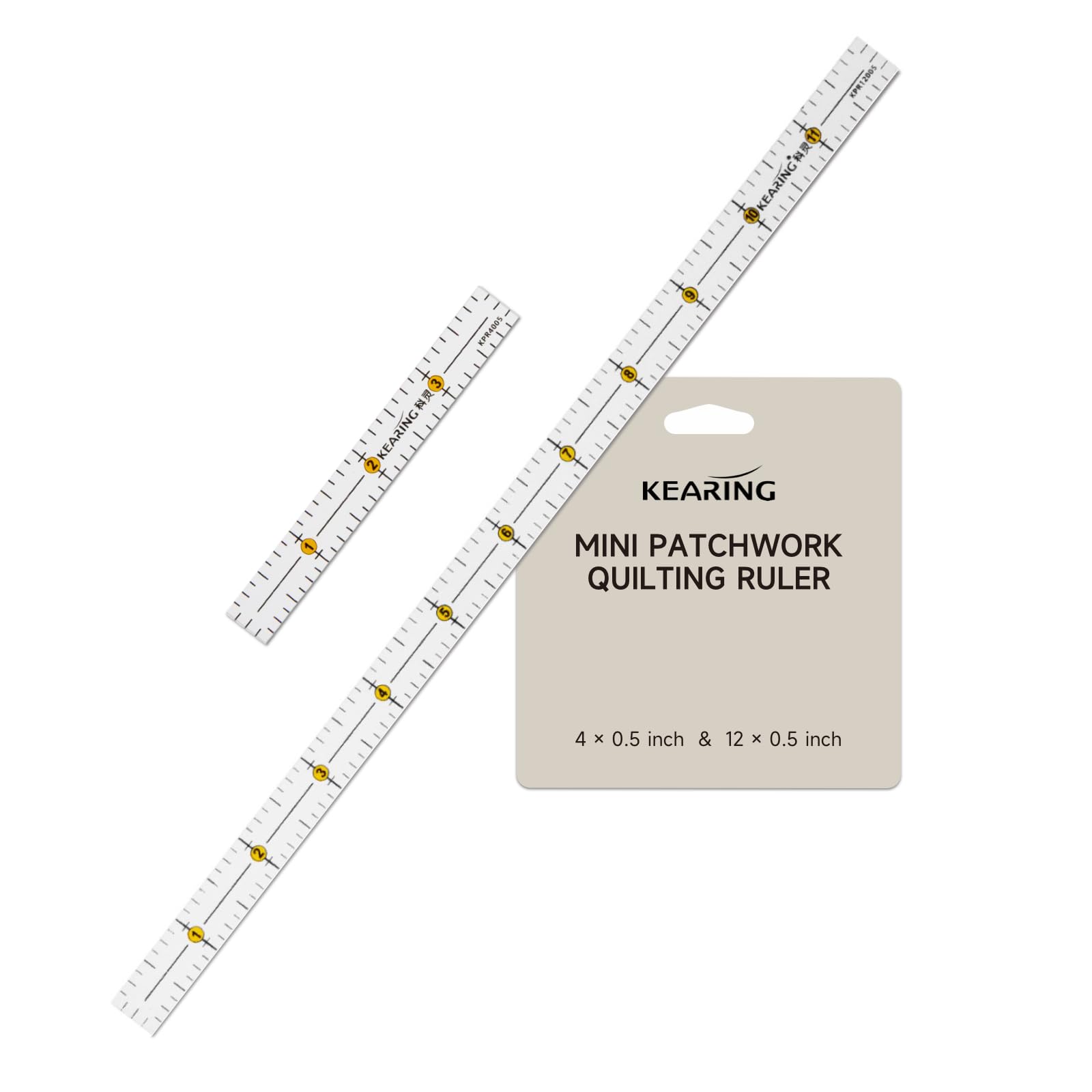
Quilting Ruler Set

Quilting Ruler Set

👍 Recommended

$19.99

When to buy:
Day one (if not included in kit)

Transparent acrylic rulers help you measure and cut precisely. Beginners often underestimate the importance of accurate measurements; these rulers ensure straight lines and correct seam allowances.

Beginner Benefits:

  • Precision cutting
  • Easy to see fabric through ruler
  • Multiple sizes for different projects
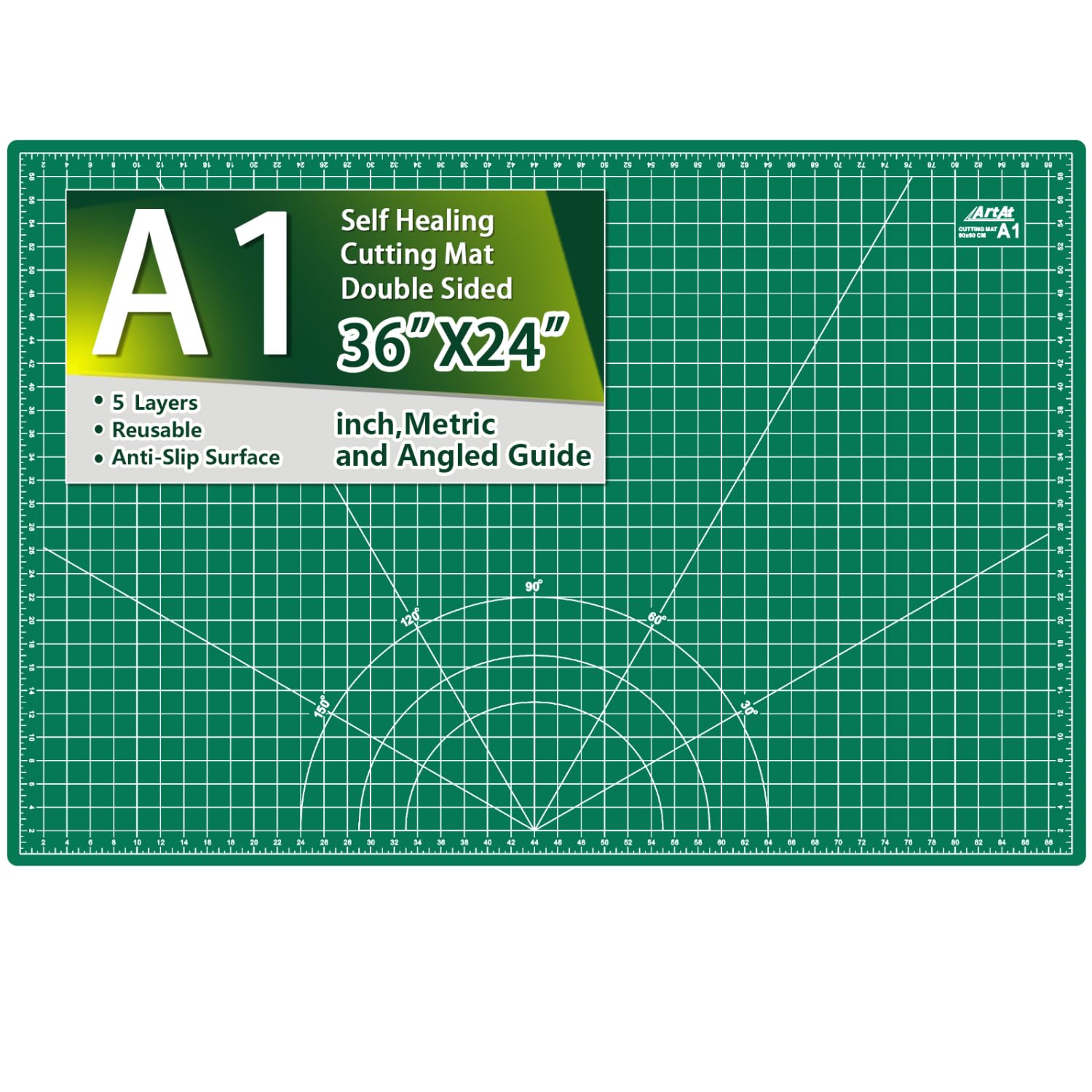
Cutting Mat

Cutting Mat

⚠️ Essential

$24.99

When to buy:
Day one

A self-healing cutting mat protects your table and extends blade life. It also has grid lines to help with alignment. Beginners often skip this and damage surfaces or make crooked cuts.

Beginner Benefits:

  • Protects surfaces
  • Aligns fabric easily
  • Blade-friendly material

🤔 How to Choose Your First Quilting Kit

Ask yourself: What size project do I want? (Smaller is better for first time.) Does the kit include all materials? (Avoid kits that require separate purchases.) Are the instructions clear and visual? Look for actual photos or diagrams, not just text. Consider your budget: entry-level kits ($30-60) are good for testing, but often lack quality fabric or tools; sweet spot ($60-120) offers better fabric and guidance; premium kits ($120+) often include tools you'd need later. Red flags: kits with no reviews, vague descriptions, or that require special tools not included. Choose a kit that matches your patience level—some take hours, others days.

💰 Budget Guide for Beginners

200+

Professional entry - for serious beginners wanting top materials and comprehensive tools.

50 - $100

Sweet spot - balanced quality and completeness; best value for most beginners.

100 - $200

Premium beginner - high-quality fabric, often includes basic tools; won't outgrow quickly.

Under $ - $50

Entry level - basic kit with low fabric quality, may need additional tools; good for testing interest.

⚠️ Common Beginner Mistakes to Avoid

Beginners often buy a kit that's too cheap—poor fabric frays and puckers, leading to frustration. Conversely, spending too much on a complex kit with design elements beyond their skill level. Another mistake is skipping essential accessories like a rotary cutter and mat, making cutting tedious and inaccurate. Ignoring the learning curve—quilting requires time and precision, and rushing leads to mistakes. Also, not reading instructions thoroughly before starting. Finally, many quit after one project because they chose a pattern they didn't love; pick a design you'll be excited to display.

  • ×Buying too cheap a kit with low-quality fabric
  • ×Choosing a complex pattern before mastering basics
  • ×Forgetting essential tools like a seam ripper
  • ×Not reading instructions before starting
  • ×Ignoring pressing and accurate seam allowance
  • ×Buying a kit that requires additional supplies not included
  • ×Quitting after one project due to unrealistic expectations

📈 Your Progression Path: Beginner to Intermediate

Start with a simple patchwork project (e.g., a nine-patch quilt) using pre-cut squares. Once you've mastered consistent 1/4-inch seams and pressing, try a small lap quilt with basic strips. Next, add skills like mitered corners or simple appliqué. When you feel confident cutting fabric accurately, invest in a rotary cutter, mat, and ruler. Upgrading your sewing machine to one with a bigger throat and walking foot expands possibilities. You'll know you've outgrown beginner kits when you want to design your own patterns or work with specialty fabrics. Most beginners stay at this level for 3-6 months.

📚 Learning Resources for Beginners

  • 📖Quilting for Beginners: The Complete Guide (Book)
  • 📖The First Step to Quilting (Book)
  • 📖Quilting 101 Online Course (available on Amazon Digital)
  • 📖Ultimate Quilting Kit for Beginners (Includes tools and videos)

🎯 Bottom Line: Our Recommendations

For most beginners, the best overall pick is a mid-priced all-in-one kit like our recommended 'Starter Quilting Bundle' – it balances quality, completeness, and clear instructions. On a tight budget, the 'Beginner's Quilt Kit - Patchwork Set' offers a low-cost introduction. If you're serious about quilting and can invest more, the 'Premium Quilting Kit' includes tools like a rotary cutter and mat that you'd otherwise buy separately. Don't forget essential accessories: a good cutting mat and ruler will make your first project much easier. Remember, every quilter started exactly where you are—take it step by step, and enjoy the process!

❓ Frequently Asked Questions

The best overall is the 'Starter Quilting Bundle' (B08M3N4P5R), which includes all materials, clear instructions, and video support. It's forgiving and designed for first-time quilters.
Expect to spend $50-$100 for a quality kit that includes everything. Budget kits under $50 are fine for testing but may frustrate with fabric quality. Premium kits over $100 are worthwhile if you plan to continue quilting and want tools included.
Look for pre-cut fabric pieces, step-by-step instructions with photos or diagrams, all materials included (fabric, batting, thread, needles), and a simple pattern with large pieces. Avoid kits that require additional purchases or advanced techniques.
Kits with pre-cut squares and a simple patchwork design are easiest. The 'Beginner's Quilt Kit - Patchwork Set' (B07QH1K2L8) is a great low-risk option, while the 'Starter Quilting Bundle' offers more guidance.
Essential: a cutting mat, acrylic ruler, and a rotary cutter (if not included). These help with accurate cutting. A seam ripper and good fabric scissors are also handy. Most kits do not include these, so plan to buy them separately.
Consider your budget, desired project size (start small), and whether the kit includes all materials. Read reviews from other beginners. Choose a kit with a pattern you genuinely like—you'll be more motivated to finish.
Not if you start with a beginner-friendly kit. Quilting requires patience and attention to detail, but basic patchwork is straightforward. Many complete their first project in a weekend. The key is choosing a kit designed for your skill level.
Common mistakes: buying a kit with too much fabric (large quilt) for the first project, ignoring instructions, not pressing seams, using the wrong thread or needle, and skipping the test piece. Also, rushing through steps leads to errors.
Yes, most standard sewing machines can handle basic quilting. You'll need a walking foot for even feeding, especially for thicker layers. Some kits assume you have a machine; if not, check that the kit is hand-sewable.
A small project like a 12x12 inch wall hanging can take 4-6 hours. A lap quilt might take 10-15 hours over several days. Plan for short sessions to avoid fatigue. The learning curve means the first project takes longer, but each subsequent one speeds up.

Related Articles