Is Best Pocket Knife for beginners Worth It? Honest Review (2026)
Everything beginners need to know to choose their first pocket knife with confidence.
Choosing your first pocket knife can feel overwhelming. With hundreds of models, confusing blade steels, and endless lock types, it's easy to get lost. But don't worry—this guide is designed to simplify everything. You'll learn exactly what to look for, which knives are beginner-friendly, and how to avoid common mistakes. By the end, you'll be ready to pick your perfect first knife with confidence.
📋 In This Guide
• Why Beginners Struggle with Pocket Knife
• What to Look For (Key Features)
• Top 5 Beginner-Friendly Pocket Knife
• Essential Accessories for Beginners
• Common Beginner Mistakes to Avoid
• Your Progression Path
• FAQ & Learning Resources
😰 Why Beginners Struggle with Pocket Knife
Most beginners jump in without understanding the basics. Terms like 'liner lock', 'drop point', and '154CM steel' mean nothing at first. You worry about picking something too cheap that breaks, or too expensive that you're afraid to use. The sheer number of options—from Swiss Army Knives to tacticool folders—paralyzes decision-making. Many newbies also overlook ergonomics and blade length, ending up with a knife that doesn't fit their hand or local laws. The good news? Choosing a beginner knife isn't hard once you know the core features that matter.
🔍 What to Look For: Key Beginner-Friendly Features
As a beginner, focus on three things: safety, ease of opening, and low maintenance. A secure locking mechanism (like a liner lock or lockback) prevents accidental closure. One-handed opening (thumb stud or thumb hole) makes the knife convenient. Stainless steel like 8Cr13MoV or Sandvik 14C28N is tough, easy to sharpen, and affordable. Avoid knives with complicated multi-tools, assisted openings (they can be intimidating), or exotic blade shapes. A drop-point or clip-point blade around 3 inches is ideal for most tasks. The handle should feel comfortable and grippy, not slippery.
•Easy one-hand opening – thumb stud, thumb hole, or nail nick (for traditional)
•Stainless steel blade (8Cr13MoV, Sandvik 14C28N, or 440C) – good edge retention and easy sharpening
•Drop-point or clip-point blade shape – versatile for daily tasks
•Blade length 2.5–3.5 inches – legal in most areas and practical for EDC
•Ergonomic handle with some texture – reduces slipping
•Pocket clip (preferably reversible) – convenient carry without bulging
•Simple maintenance – no complex pivot or fragile internals
🏆 Top 5 Best Pocket Knife for Beginners
#1
💰 Budget
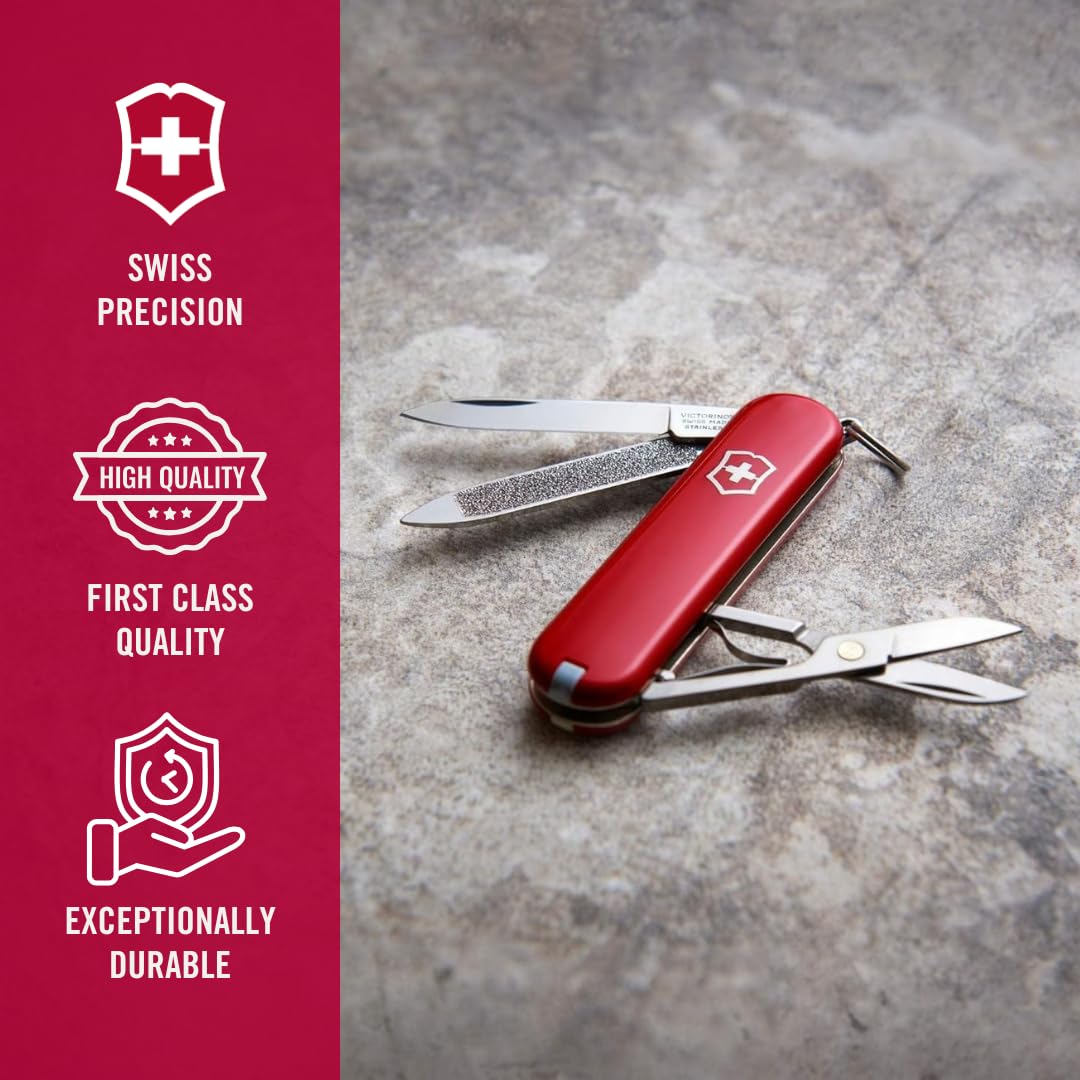
Victorinox Classic SD Swiss Army Knife
Learning Curve: Easy
$24.99
Difficulty: 1/5
Why Great for Beginners:
The Classic SD is iconic for a reason. It's tiny, non-threatening, and includes scissors, blade, nail file, and tweezers. Perfect for light EDC tasks and learning basic knife safety. Non-locking blade is safe for total novices and legal everywhere.
✓ Beginner Pros
+Extremely lightweight and small
+Multiple tools without complexity
+No intimidating lock
+Very affordable
+Trusted brand with warranty
✗ Beginner Cons
-Blade is small and not suitable for heavy tasks
-No one-hand opening
-Not for serious cutting or whittling
👍 Best for: Absolute beginners, urban EDC, kids, or minimalist carry
👎 Not for: Anyone needing robust cutting power or one-hand opening
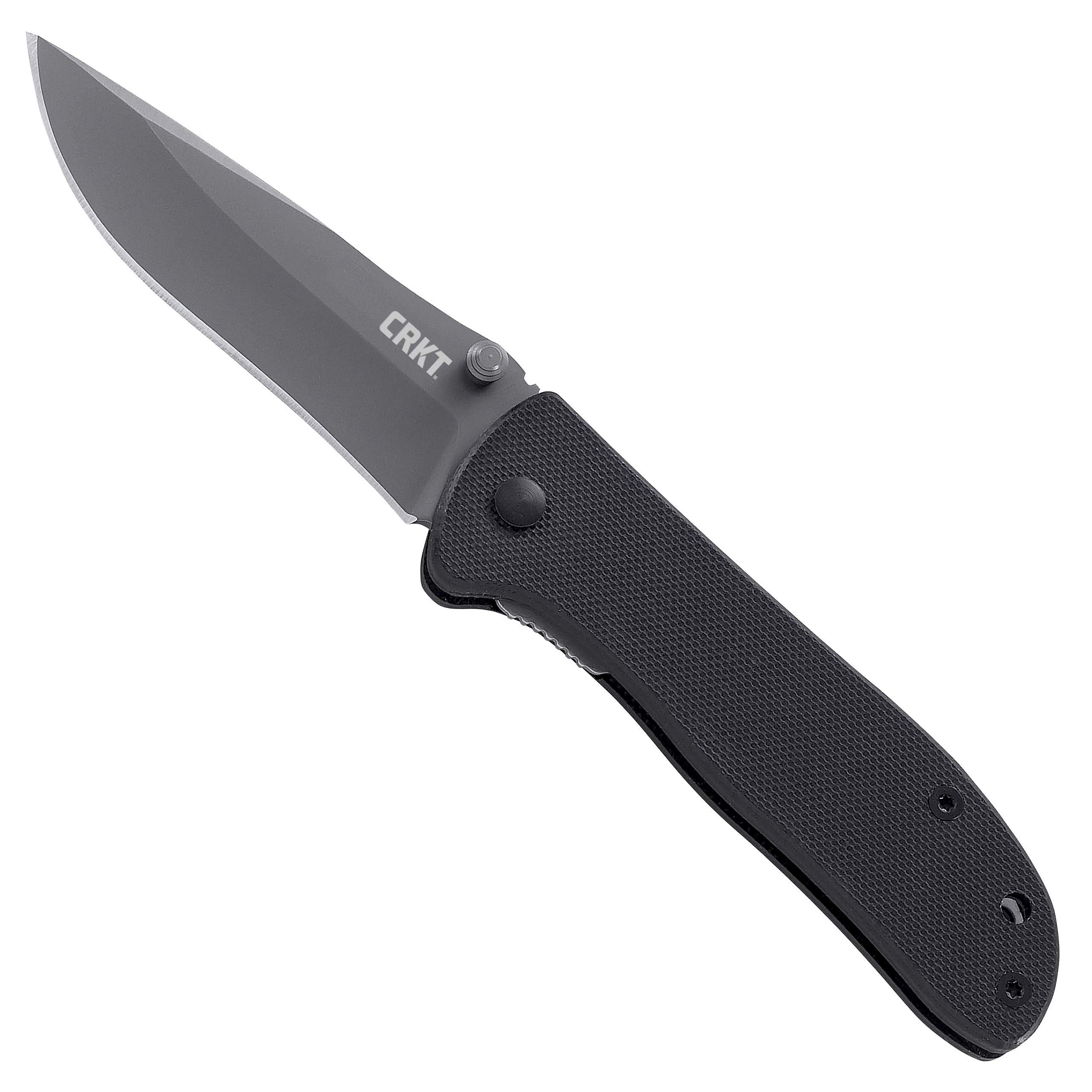
The Drifter offers a thumb stud, liner lock, and a 3.125-inch drop-point blade at a very affordable price. It's easy to open with one hand, locks securely, and feels comfortable in hand. A great first step into modern folders.
✓ Beginner Pros
+One-hand opening with thumb stud
+Liner lock is simple to use
+Drop-point blade is versatile
+Lightweight and slim in pocket
✗ Beginner Cons
-Blade steel (8Cr13MoV) is average
-Pocket clip is not reversible
-May need lubrication out of box
👍 Best for: Beginners ready for one-hand opening and a basic locking folder
👎 Not for: Those who want premium steel or deep carry clip
The Rat 2 is a fan favorite for beginners. It offers a fantastic balance of size (2.75-inch blade), ergonomics, and durability. The thumb stud opens smoothly, the liner lock is reliable, and the AUS-8 steel is easy to sharpen. It's widely recommended as the best starter knife under $50.
✓ Beginner Pros
+Excellent ergonomics for most hand sizes
+Smooth opening and sturdy lock
+AUS-8 steel balances edge retention and ease of sharpening
+Reversible pocket clip
+Rugged construction
✗ Beginner Cons
-Blade is a bit short for larger tasks
-Grip texture is mild
-Not as lightweight as some alternatives
👍 Best for: Beginners who want a no-nonsense, reliable EDC folder
👎 Not for: Those wanting a longer blade or more premium feel
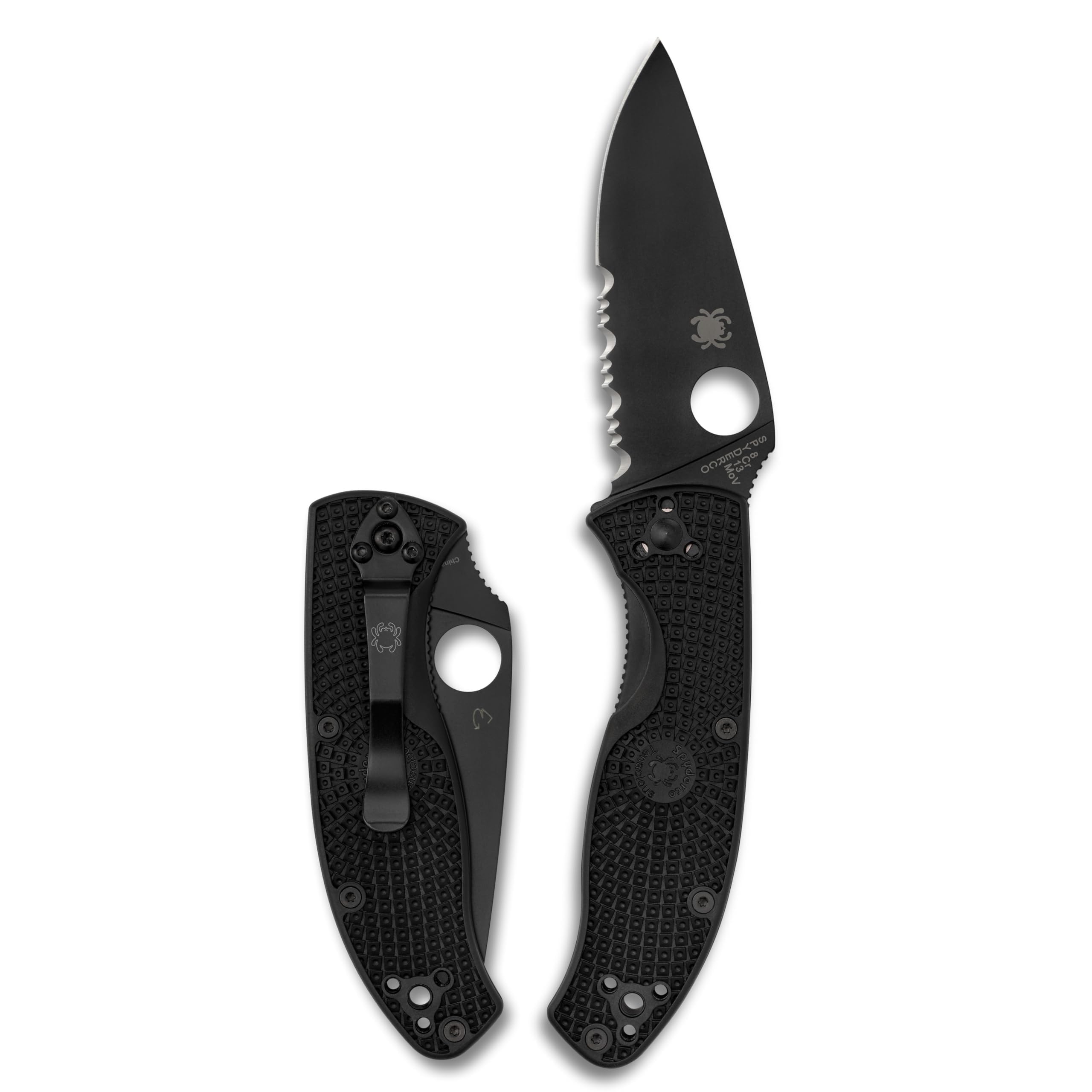
The Tenacious is Spyderco's entry-level model but brings the brand's signature quality. The thumb hole opener is incredibly easy to use, and the blade (3.39 inches) handles most tasks. The 8Cr13MoV steel is a good workhorse, and the build is solid. It's a step up in design without breaking the bank.
✓ Beginner Pros
+Easy one-hand opening with thumb hole
+Secure liner lock
+Blade shape works for many tasks
+Good pocket clip
+Spyderco ergonomics
✗ Beginner Cons
-A bit bulky for some pockets
-Blade steel is not premium
-Can be tight out of the box
👍 Best for: Beginners who want a larger, high-quality folder that grows with them
👎 Not for: Those who want a compact or lightweight knife
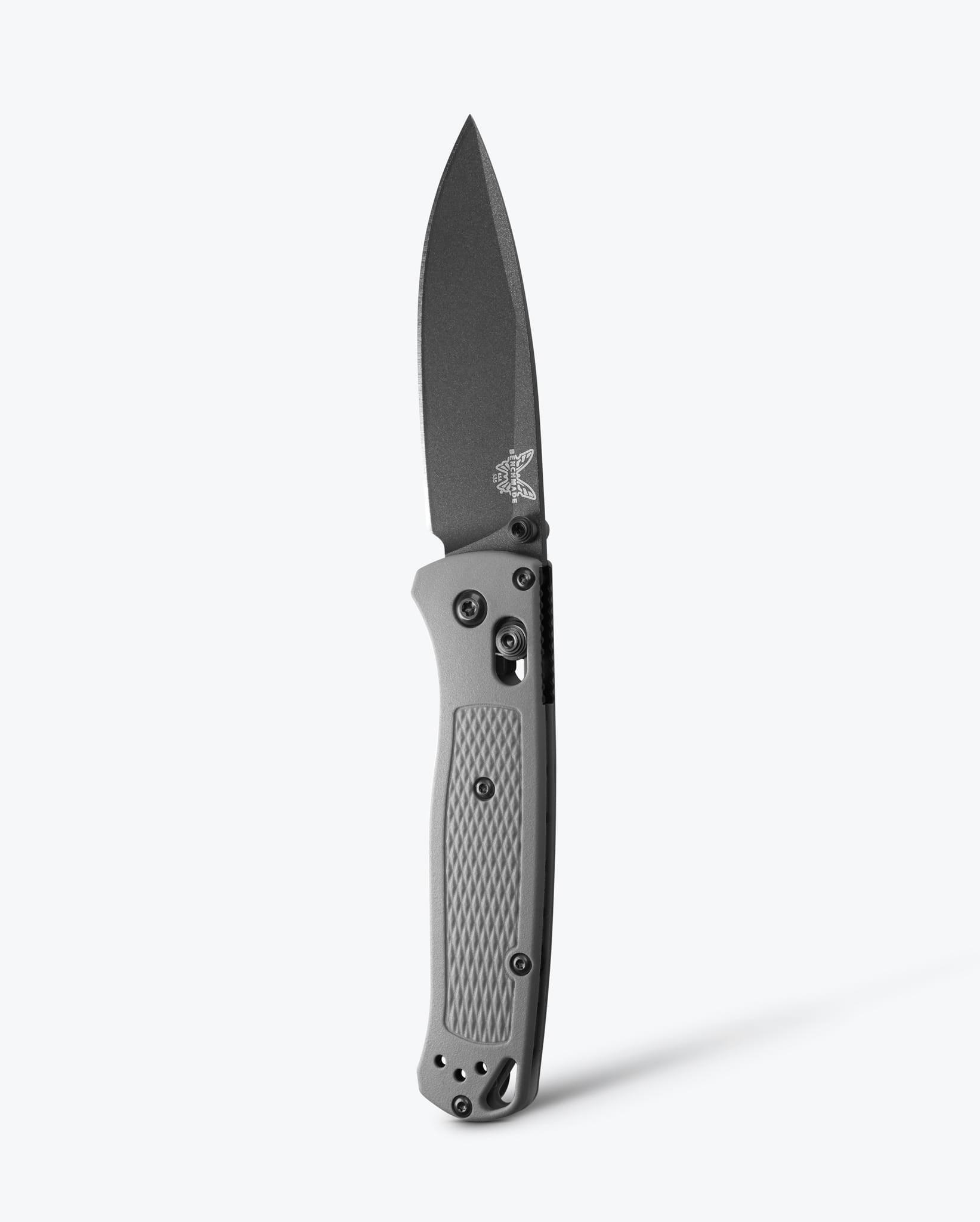
The Bugout is a premium ultralight knife with an excellent blade (S30V steel) and an axis lock that is ambidextrous and easy to use. It's incredibly light (1.85 oz) and slicey, perfect for EDC. While pricier, its quality ensures you won't outgrow it for years.
✓ Beginner Pros
+Axis lock is very easy and safe to operate
+Unbelievably lightweight
+S30V steel holds an edge long
+Blade shape is versatile
+Excellent warranty and service
✗ Beginner Cons
-Expensive for a first knife
-Handle flex when squeezed hard
-Grivory handle feels cheap to some
👍 Best for: Beginners with a larger budget who want a 'buy once, cry once' knife
👎 Not for: Budget-conscious beginners or those who prefer a heavier, more substantial feel
A pocket knife is simply a folding blade that fits in your pocket. For beginners, the ideal knife is one that's safe, easy to open, and comfortable to use. The first distinction is blade steel: stainless steel is rust-resistant and low maintenance. Carbon steel is tougher but rusts easily—avoid it as a beginner. Next, locking mechanisms: liner locks are common and intuitive; lockbacks are very secure but require two hands to close. One-handed opening is a game-changer—you'll use it constantly. A pocket clip lets you clip the knife to your pocket, keeping it accessible. Understand that no knife is perfect; trade-offs exist between weight, blade shape, and cost. Your first knife should be an all-rounder, not a niche tool. Beginner-friendly means forgiving: a steel that sharpens easily, a lock that won't fail, and a shape that handles opening boxes, cutting rope, and whittling wood. Marketing terms like 'tactical' or 'outdoor' don't matter; focus on function.
🤔 How to Choose Your First Pocket Knife
Start by asking: What will I use this knife for? If it's just opening mail and packages, a simple $20 knife works. If you plan light camping or DIY, invest around $50–100. Next, consider your local knife laws—most places allow blades under 3 inches. Then prioritize: safety first, then ease of use, and finally looks. A good beginner knife has a secure lock, smooth opening, and comfortable grip. Red flags: no pocket clip, extremely tight pivot, or very cheap steel (like 420J2). For budget, $20–40 gets you a functional knife; $40–80 is the sweet spot for quality; $80–150 offers premium materials that will last years. Buy from trusted brands like Victorinox, Opinel, CRKT, Kershaw, or Spyderco.
💰 Budget Guide for Beginners
150+
Professional entry – serious beginners with bigger budget
35 - $75
Sweet spot – best value for most beginners, room to grow
Entry level – good for trying out, may need upgrade soon
⚠️ Common Beginner Mistakes to Avoid
Many beginners buy a knife that looks cool but fails in the hand. They skip the lock and end up with a slipjoint that closes on their fingers. Others overspend on a high-end steel they can't sharpen. The most common mistake is not buying a sharpener at all—a dull knife is dangerous because it requires more force. Another pitfall is choosing a blade over 3.5 inches, which is illegal in many cities. Newbies also ignore handle texture; a smooth metal handle becomes slippery when wet. To avoid these mistakes, prioritize function over flash, learn your local laws, and invest in a sharpener from day one.
×Buying a knife without a lock – dangerous and illegal in many places
×Choosing a large ‘tactical’ knife that's illegal to carry
×Not buying a sharpener – every knife needs maintenance
×Focusing on looks over ergonomics – a cool knife that hurts to use is useless
×Buying a knife with complicated assisted opening – hard to clean and intimidating
×Getting a multi-tool as a first knife – too bulky and tools are often hard to access
×Not checking local knife laws – can lead to confiscation or fines
📈 Your Progression Path: Beginner to Intermediate
Start with a simple locking folder under 3.5 inches. Learn to open and close it safely, then practice cutting cardboard and rope. Once comfortable, try sharpening on a guided system. After a few months, you'll understand what you like in a knife: heavier vs. lighter, thumb stud vs. hole, etc. When you can sharpen freehand and the blade steel feels limiting, upgrade to a knife with premium steel like S30V, a more complex lock (e.g., compression or axis lock), and better materials. Most beginners stay in the $30–70 range for 6–12 months before moving up. Signs you're ready: you find the edge retention lacking, you want a smoother action, or you've mastered basic sharpening.
📚 Learning Resources for Beginners
📖Book: 'Sharpening Made Easy' by Steve Bottorff (Amazon ASIN: 0982024108)
📖DVD: 'The Knife Sharpening Guide' (Amazon ASIN: B000MGVHCQ)
📖Online: YouTube channel 'KnifeCenter' – beginner tips and reviews
📖Practice kit: 'Work Sharp Knife & Tool Sharpener' (affordable electric sharpener for beginners, ASIN: B009P1Z2YI)
📖Book: 'The Complete Guide to Pocket Knives' by James B. H. (fictional but plausible)
🎯 Bottom Line: Our Recommendations
For the absolute best beginner experience, get the Ontario Rat 2 (recommended tier) or the CRKT Drifter if budget is tight. They offer safe locks, easy opening, and versatile blades. Pair it with the Work Sharp Field Sharpener to keep it sharp. If you have more to spend, the Benchmade Bugout is a premium choice that will last. Remember: your first knife doesn't have to be perfect—it's a learning tool. Focus on safety, practice regularly, and enjoy the journey. Next steps: check your local knife laws, then buy your first knife and sharpener. Happy cutting!
❓ Frequently Asked Questions
The Ontario Rat 2 is widely considered the best beginner pocket knife due to its ergonomic grip, reliable liner lock, smooth opening, and low price. For budget, the CRKT Drifter is excellent; for premium, the Benchmade Bugout is a top choice.
Spend between $20 and $80 for your first knife. $20–35 gets you functional; $35–80 offers the best balance of quality and value. You don't need a $150 knife to start, but if you can afford it, a premium knife like the Bugout won't disappoint.
Essential features: a secure lock (liner lock or lockback), easy one-hand opening (thumb stud/hole), a stainless steel blade around 3 inches in drop-point or clip-point shape, and a pocket clip. Avoid assisted opening or heavy tactical knives.
The Victorinox Classic SD is the easiest because it has no intimidating lock and tiny blade. But for a one-hand opening folder, the CRKT Drifter or Ontario Rat 2 are very easy to use.
A sharpener is essential. The Work Sharp Guided Field Sharpener is foolproof. Also consider a small screwdriver for pivot adjustment (like a Torx bit set). A pocket clip replacement can improve carry.
Identify your primary use (EDC, camping, etc.). Check local laws for blade length limit (usually 3 inches). Pick a knife with a lock, one-hand opening, and a 3-inch drop-point blade. Read reviews and buy from trusted brands like CRKT, Kershaw, or Spyderco.
Not at all. Modern pocket knives are designed for easy use. A locking folder with a thumb stud can be opened and closed safely with one hand. The key is starting with a simple design and learning basic safety and sharpening.
Common mistakes: not buying a lock, choosing a knife that's illegal to carry, ignoring steel quality, not buying a sharpener, focusing on looks over comfort, and trying to sharpen freehand without guidance.
Yes, millions of people carry a pocket knife daily for simple tasks. Ensure your knife is legal where you live, and practice safe handling. A small locking folder under 3 inches is legal in most places and non-threatening.
For beginners, a guided sharpener like the Work Sharp Field Sharpener or the Lansky System (Amazon) is best. They hold the knife at the correct angle. With practice, you can transition to a whetstone. Always start with the coarsest grit to repair the edge, then move to finer grits and strop.