Is Best Pasta Maker for beginners Worth It? Honest Review (2026)
Everything beginners need to know to choose their first pasta maker with confidence
Making fresh pasta at home sounds magical—but for a beginner, the thought of buying your first pasta maker can be intimidating. With manual machines, electric models, attachments, and a sea of technical terms, it's easy to feel overwhelmed. This guide is designed to cut through the noise. We'll explain what you actually need, why certain features matter for beginners, and help you pick a machine that's forgiving, easy to learn, and won't break the bank. By the end, you'll feel confident to make your first batch of homemade pasta.
📋 In This Guide
• Why Beginners Struggle with Pasta Maker
• What to Look For (Key Features)
• Top 4 Beginner-Friendly Pasta Maker
• Essential Accessories for Beginners
• Common Beginner Mistakes to Avoid
• Your Progression Path
• FAQ & Learning Resources
😰 Why Beginners Struggle with Pasta Maker
Many beginners jump in without knowing the difference between manual and electric pasta makers, or what attachments are essential. Common struggles include: fearing the dough will stick or tear, not understanding how to adjust thickness settings, and worrying about cleanup. Additionally, cheap machines can be flimsy and frustrating, while expensive ones may have features that go unused. The sheer variety of options on Amazon makes it hard to know where to start. This guide addresses those pain points head-on.
🔍 What to Look For: Key Beginner-Friendly Features
For beginners, the most important features are: sturdy construction (to avoid wobbling), easy cleaning (stainless steel or non-stick), simple thickness adjustment (marked settings), and a reasonable learning curve. For manual machines, look for a stable clamp and comfortable crank handle. For electric machines, look for intuitive controls and automatic mixing/kneading to simplify the process. Avoid machines with too many shape dies or advanced features—you can always add those later. Beginner-friendly machines tolerate a bit of stickiness and are easy to disassemble and clean.
✅ Essential Features for Beginners
•Sturdy clamp and non-slip base for stability
•Easy-to-read thickness settings with clear markings
•Removable rollers and cutters for simple cleaning
•Comfortable crank handle (for manual) or one-button operation (for electric)
•Stainless steel construction (resists rust and is durable)
•Compatibility with optional shape attachments for future growth
🏆 Top 4 Best Pasta Maker for Beginners
#1
⭐ Top Pick👍 Recommended
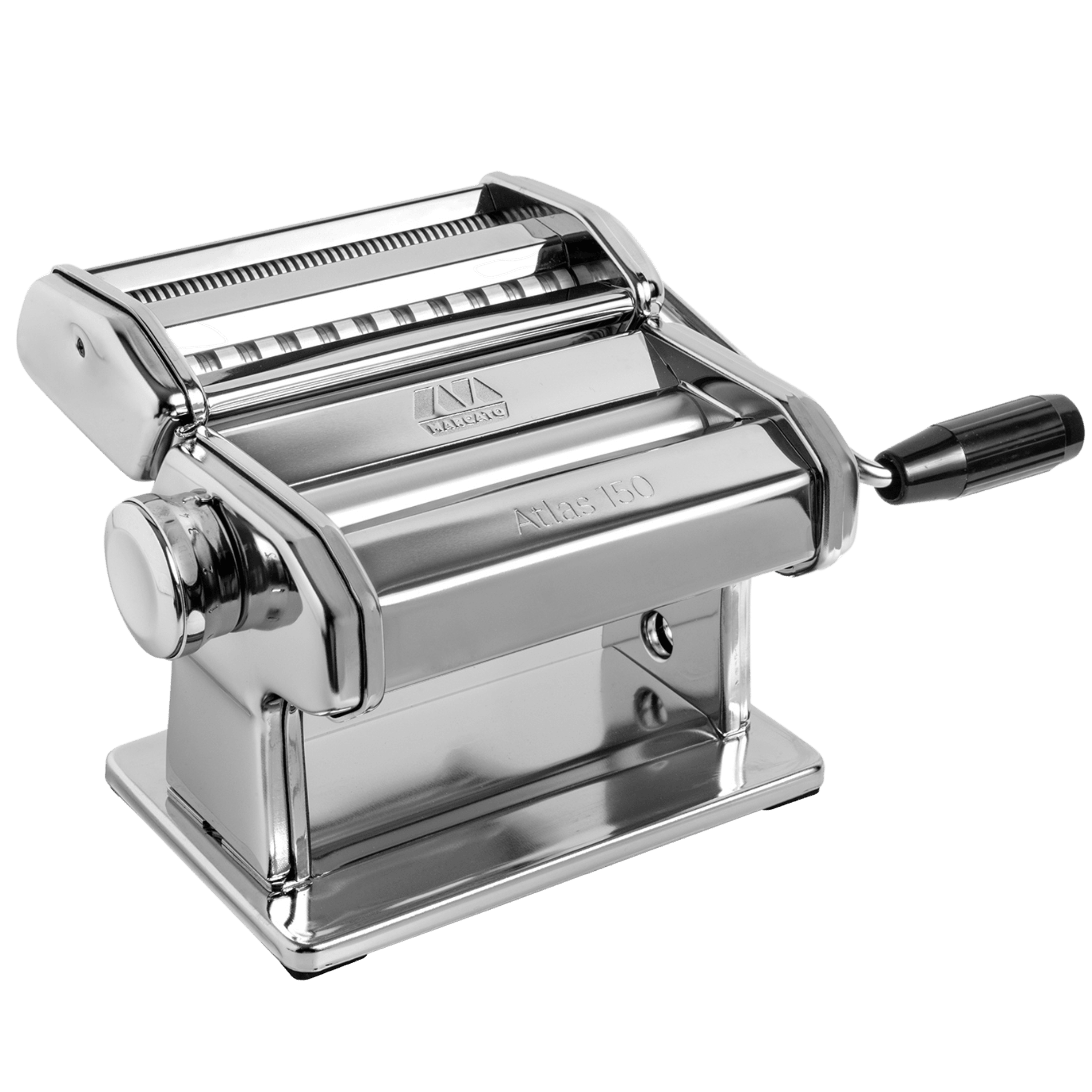
Marcato Atlas 150 Classic Pasta Machine
Learning Curve: Easy
$69.99
Difficulty: 2/5
Why Great for Beginners:
The Marcato Atlas 150 is widely considered the gold standard for manual pasta machines. Its stainless steel rollers are smooth and durable, and the thickness adjustment is intuitive. Beginners love how easy it is to clean and how consistent the pasta sheets come out.
✓ Beginner Pros
+Easy thickness settings with numbered dial
+Sturdy clamp holds firm on counter
+Smooth cranking with no sticking
+Simple to disassemble and clean
✗ Beginner Cons
-Requires arm strength for repeated cranking
-Only makes sheets and fettuccine/spaghetti (additional cutters needed)
👍 Best for: Beginners who want hands-on control and durability without spending a fortune
👎 Not for: Those who want fully automatic pasta making or multiple shapes out of the box
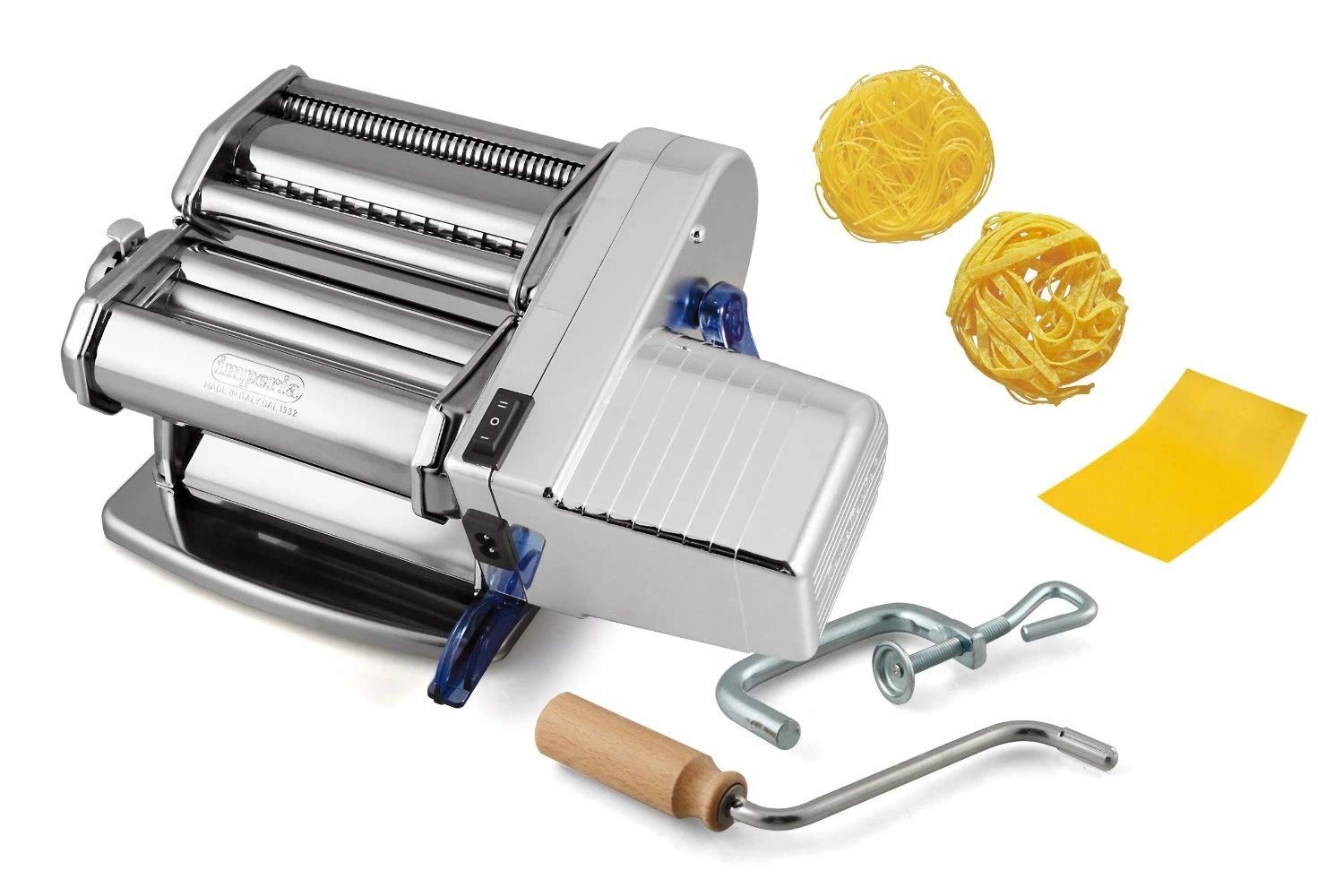
The Imperia SP150 is a budget-friendly manual machine that still delivers decent results. It's a good entry point if you're not sure pasta making is for you, though it may not last as long as higher-end models.
✓ Beginner Pros
+Affordable price for testing interest
+Lightweight and easy to store
+Comes with both fettuccine and spaghetti cutters
✗ Beginner Cons
-Clamp can slip on thinner countertops
-Some users report sticking issues with wet dough
👍 Best for: Newcomers on a tight budget who want to experiment
👎 Not for: Anyone planning to make pasta regularly or expecting high durability
The Philips Pasta Maker 7000 is an electric machine that mixes, kneads, and extrudes pasta in minutes. It's incredibly beginner-friendly because it does almost all the work—just add flour and liquid, then choose a shape.
✓ Beginner Pros
+Fully automatic from mixing to shaping
+9 different shape discs included
+Consistent results every time
✗ Beginner Cons
-Higher upfront cost
-Takes up more counter space
👍 Best for: Beginners who want convenience and consistency without learning dough techniques
👎 Not for: Those who enjoy the hands-on process or have limited counter space
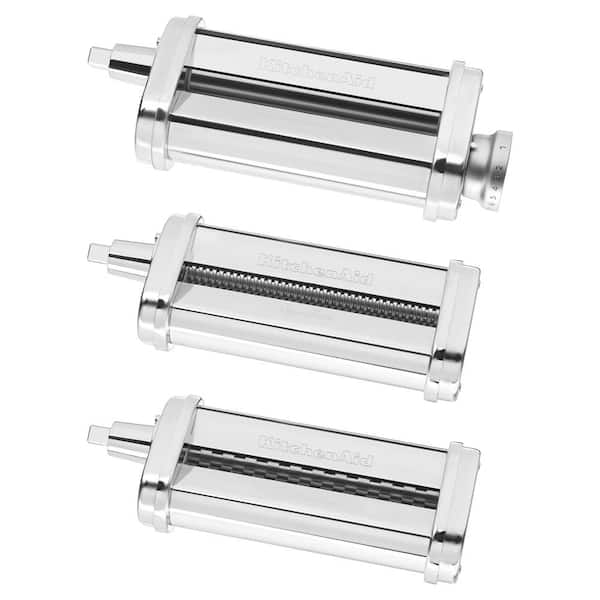
If you already own a KitchenAid stand mixer, this attachment is a fantastic space-saving option. It uses the mixer's power to crank the pasta, giving you consistent results without extra motor noise.
✓ Beginner Pros
+Attaches to KitchenAid mixer (no extra motor)
+Rolls and cuts smoothly
+Easy to clean
✗ Beginner Cons
-Requires a KitchenAid mixer (not standalone)
-Only makes sheets, fettuccine, and spaghetti (extra attachments needed for shapes)
👍 Best for: KitchenAid owners who want to add pasta making without buying a separate machine
👎 Not for: Those without a KitchenAid mixer or who want a standalone unit
Pasta makers fall into two main categories: manual (hand-crank) and electric (automatic). Manual machines are affordable, compact, and give you full control over thickness—ideal for learning the basics of pasta dough. Electric machines are pricier but mix, knead, and extrude pasta automatically, making them perfect if you're short on time or want consistent results. For most beginners, a manual machine is the best starting point because it's forgiving, requires minimal maintenance, and teaches you the feel of proper dough. As you gain experience, you can upgrade to an electric model or add attachments for different shapes. Realistic expectation: your first few batches might not be perfect—that's normal. Focus on getting the dough right (not too wet, not too dry) and the machine will do the rest.
🔧 Essential Accessories for Beginners
OXO Good Grips Pasta Drying Rack
⚠️ Essential
$14.99
When to buy:
Day one
Fresh pasta must be dried before cooking or storing to prevent sticking. A drying rack holds noodles neatly and is much easier than laying them on towels.
Start by asking yourself: Do I want hands-on control or convenience? How much counter space do I have? What's my budget? If you love cooking from scratch and have a little patience, a manual machine (around $50–$80) is the best value. If you plan to make pasta weekly or have a busy schedule, an electric machine ($150–$300) will save time. Also consider future growth: will you want to make different shapes? If so, choose a machine with interchangeable dies or attachments. Red flags to avoid: machines with plastic gears, weak clamps, or non-removable rollers—they will frustrate you quickly.
💰 Budget Guide for Beginners
200+
Premium electric – high-end design, multiple shapes, and long-term investment
50 - $100
Sweet spot for manual machines – best value, reliable, and room to grow
100 - $200
Electric entry models – convenient and consistent, good for frequent cooks
Under $ - $50
Entry level – good for trying it out, but may lack durability and features
⚠️ Common Beginner Mistakes to Avoid
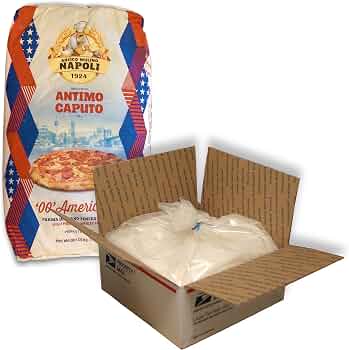
The top beginner mistakes include: (1) Buying the cheapest machine and struggling with flimsy parts. (2) Not reading the manual and improperly assembling the machine. (3) Using all-purpose flour for pasta (semolina or '00' flour produce better texture). (4) Forgetting to clean and dry the machine thoroughly, leading to rust. (5) Starting with complex shapes like ravioli before mastering basic sheets. (6) Overloading the machine with dough that's too thick—always start on the thickest setting and gradually reduce. Avoid these by investing in a decent machine, using the right flour, and practicing simple fettuccine first.
×Buying a machine with plastic internal parts
×Using bread flour instead of semolina or '00' flour
×Not drying pasta properly before storing
×Starting with too thick or too wet dough
×Skipping the cleaning and drying after use
×Trying complex shapes too early
×Forgetting to let dough rest before rolling
📈 Your Progression Path: Beginner to Intermediate
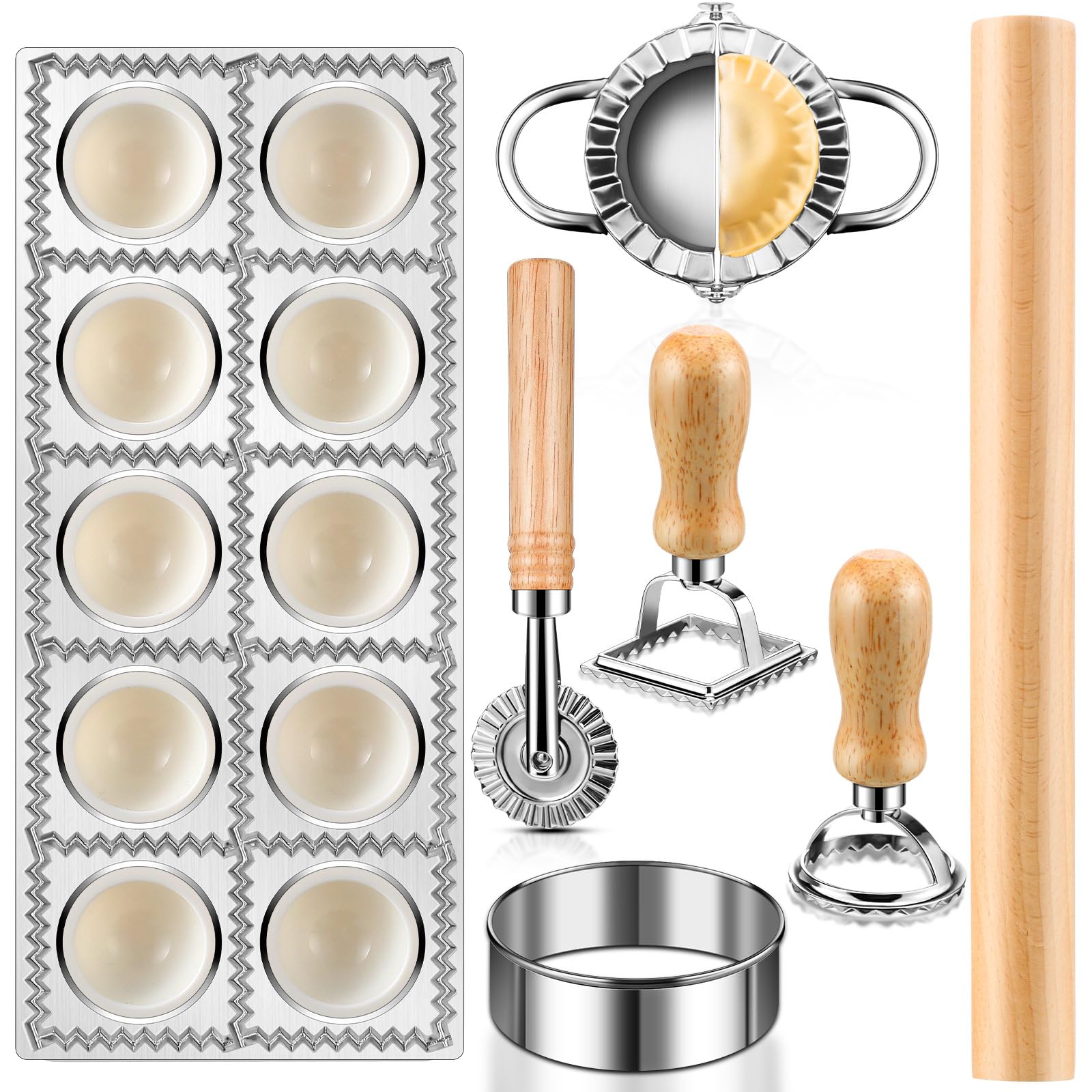
Start with a manual machine and master basic sheet pasta (lasagna, fettuccine). Once you're comfortable with dough consistency and thickness, try cutting into shapes. Next, experiment with egg dough vs. water dough. After a few months, consider trying stuffed pasta (ravioli) with a dedicated mold. When you feel limited by manual cranking (arm fatigue or speed), upgrade to an electric machine. Signs you've outgrown beginner gear: you want to make pasta faster, need consistent thickness without effort, or want to explore multiple shapes. Most beginners stay at manual level for 6–12 months before upgrading.
📚 Learning Resources for Beginners
📖The Pasta Bible: The Definitive Guide to Fresh Pasta (book)
📖Pasta Maker Cookbook for Beginners (book)
📖Video course on Amazon Prime (search 'pasta making basics')
🎯 Bottom Line: Our Recommendations
For most beginners, the Marcato Atlas 150 manual pasta machine is the best overall pick—it's durable, easy to clean, and produces restaurant-quality sheets. If you want a budget option, the Imperia SP150 is a solid alternative at a lower price. For those ready to invest in automation, the Philips Pasta Maker 7000 does all the work and is incredibly beginner-friendly. Don't forget essential accessories: a pasta drying rack and a cleaning brush. Start simple, be patient, and enjoy the process. Homemade pasta is easier than you think!
❓ Frequently Asked Questions
The Marcato Atlas 150 is the top choice for most beginners due to its durability, ease of use, and consistent results. For electric convenience, the Philips Pasta Maker 7000 is also excellent.
For a manual machine, budget $50–$80 for a quality model. Electric machines typically start around $150. Spending less than $50 often leads to frustration. You don't need to go over $250 unless you want premium features.
Look for sturdy stainless steel construction, easy-to-adjust thickness settings, and simple cleanup. For manual machines, a comfortable crank and a stable clamp are key. For electric, automatic operation and multiple shape dies are helpful.
The Philips Pasta Maker 7000 is the easiest because it does everything automatically. Among manual machines, the Marcato Atlas 150 is very beginner-friendly with its intuitive dial.
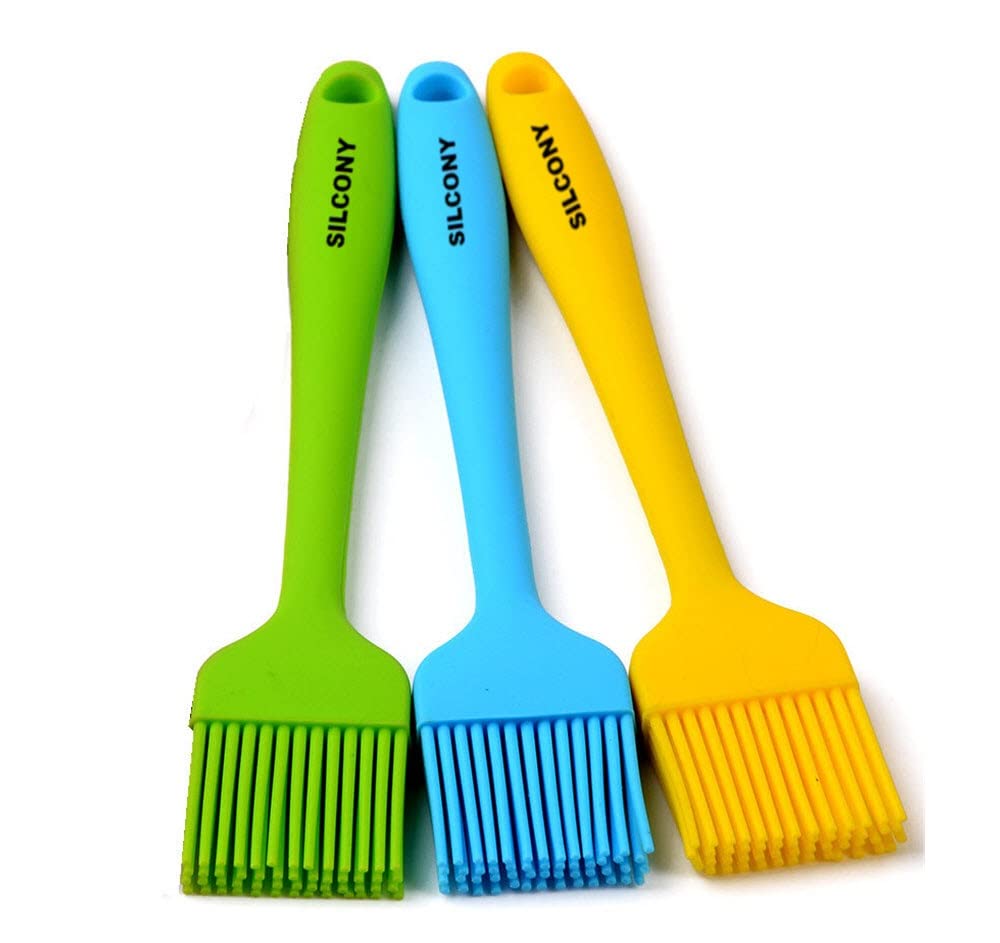
Essential: a pasta drying rack and a cleaning brush. Highly recommended: '00' flour and a pastry brush. Nice-to-have: a ravioli mold once you're comfortable.
Decide between manual (hands-on, cheaper) and electric (convenient, pricier). Consider your budget, counter space, and how often you'll make pasta. Read reviews from other beginners and avoid ultra-cheap models.
No, with a good machine and simple recipes, you can make decent pasta on your first try. Expect a few learning experiences with dough moisture and thickness, but it's very forgiving.
Common mistakes: using the wrong flour, not dusting enough flour, overloading the machine, and failing to clean after use. Also, starting with complex shapes too soon.
Yes, but gluten-free dough is more delicate. Manual machines work, but you may need to adjust the recipe. Some electric machines have specific gluten-free settings.
With proper care (cleaning and drying after each use), a quality manual machine like the Marcato Atlas 150 can last decades. Cheap machines may only last a year or two.
A rolling pin works but is much more labor-intensive and harder to achieve even thickness. A pasta maker is a worthwhile investment if you make pasta more than once a month.
Manual machines require you to crank the dough through rollers; they are cheaper, quieter, and portable. Electric machines mix, knead, and extrude pasta automatically; they are faster and more consistent but cost more and take up more space.