Is Best Paint Set for beginners Worth It? Honest Review (2026)
Everything beginners need to know to choose their first paint set with confidence.
Starting painting is exciting but choosing your first paint set can feel overwhelming. With dozens of options, confusing jargon, and varying quality, it's easy to make a costly mistake. This guide simplifies everything: we explain what features actually matter for beginners, recommend specific products (all available on Amazon), and help you avoid common pitfalls. Whether you're an adult exploring a new hobby or buying for a child, you'll finish this guide ready to pick the perfect set and start painting with confidence.
📋 In This Guide
• Why Beginners Struggle with Paint Set
• What to Look For (Key Features)
• Top 4 Beginner-Friendly Paint Set
• Essential Accessories for Beginners
• Common Beginner Mistakes to Avoid
• Your Progression Path
• FAQ & Learning Resources
😰 Why Beginners Struggle with Paint Set
Beginners often feel paralyzed by the sheer number of paint sets available. Technical terms like 'pigment load', 'lightfastness', and 'body' can confuse. Many start with cheap, low-quality sets that are hard to work with, leading to frustration. Others overspend on professional-grade paints they don't yet need. Common struggles include not knowing which paint type (acrylic, watercolor, oil) to choose, what accessories are essential, and how to recognize a beginner-friendly product. Reviews may use inconsistent language, making comparison difficult. This guide cuts through the noise.
🔍 What to Look For: Key Beginner-Friendly Features
For beginners, prioritize ease of use, forgiveness, and value. Look for a paint set that includes a reasonable range of colors (12-24), has good pigmentation but not too expensive, and comes with clear instructions. Acrylic paint is most beginner-friendly because it dries quickly, is water-soluble, and easy to correct. Avoid sets with tiny tubes or pots that run out fast. Check that the paint is non-toxic (especially for kids) and includes a basic color mixing guide. Features like a numbered palette or included brushes add value. Don't worry about lightfastness or professional grades yet—focus on enjoying the process.
✅ Essential Features for Beginners
•Non-toxic and safe for all ages
•Good pigmentation without being overly expensive
•Includes basic color mixing guide
•Quick drying time (especially acrylics)
•Containers that are easy to open and close
•Range of 12-24 core colors
•Smooth consistency that blends easily
🏆 Top 4 Best Paint Set for Beginners
#1
⭐ Top Pick👍 Recommended
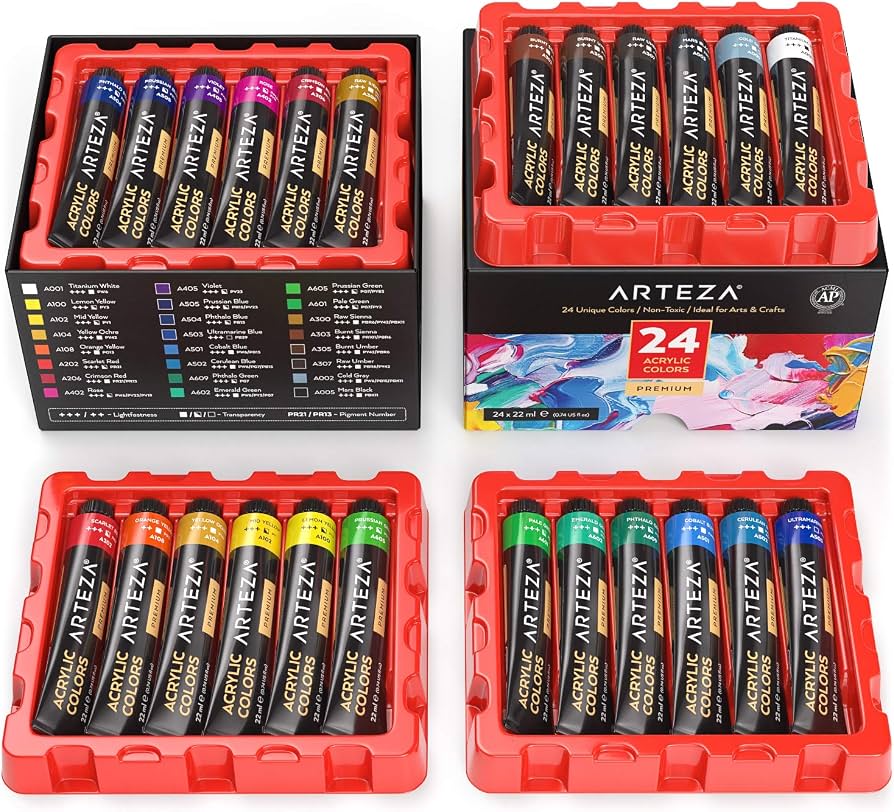
Arteza Acrylic Paint Set, 24 Colors (60ml)
Learning Curve: Easy
$29.99
Difficulty: 1/5
Why Great for Beginners:
This set offers 24 high-pigment colors in generous 60ml tubes, includes a color mixing guide and basic brushes. It's affordable, non-toxic, and easy to handle—perfect for learning color theory and brushwork.
✓ Beginner Pros
+Large quantity per tube, lasts long
+Includes mixing guide and brushes
+Bright, opaque coverage
+Non-toxic and AP certified
✗ Beginner Cons
-Brushes are basic quality
-Some colors may be slightly translucent
👍 Best for: Adults and teens starting acrylic painting
👎 Not for: Serious artists needing professional-grade paint
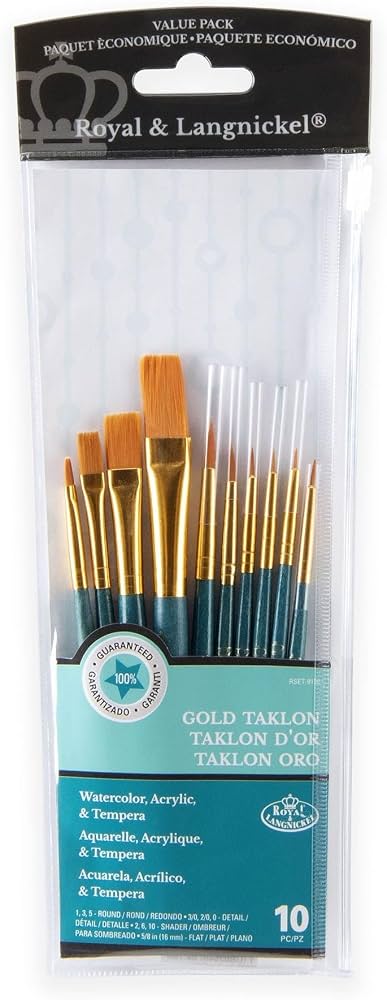
A versatile set of synthetic brushes suitable for acrylics and watercolors. Includes various shapes and sizes, perfect for practicing different techniques without breaking the bank.
✓ Beginner Pros
+Affordable and durable
+Includes flat, round, and detail brushes
+Good starter range for learning
+Easy to clean
✗ Beginner Cons
-May shed bristles over time
-Not ideal for heavy body paints
👍 Best for: Beginners needing a basic brush set
👎 Not for: Experienced artists requiring professional quality
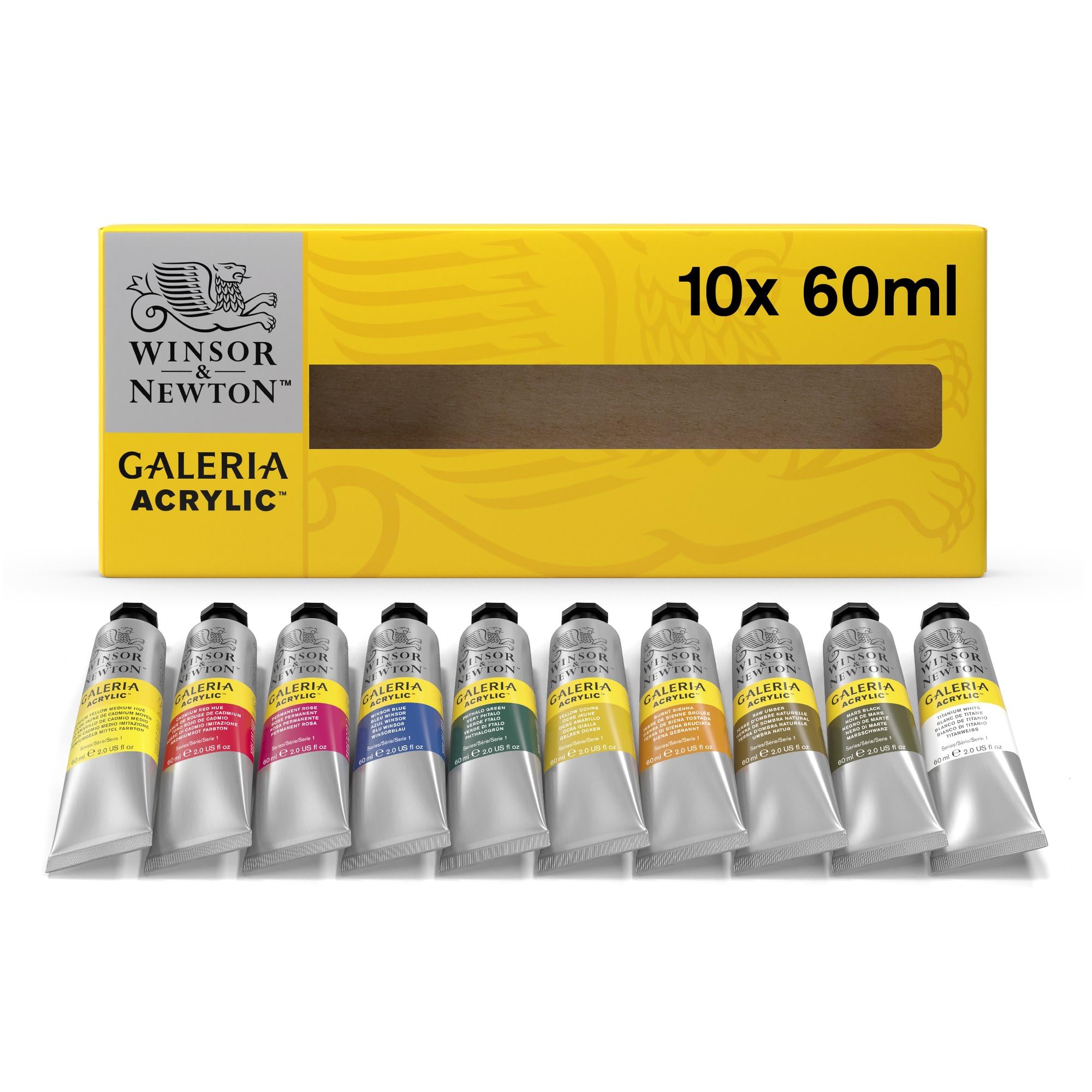
Winsor & Newton Galeria Acrylic Color Set, 10x60ml
Learning Curve: Moderate
$49.99
Difficulty: 2/5
Why Great for Beginners:
A step up in quality with excellent pigmentation and smooth consistency. The 10 essential colors teach mixing, and the paint is more forgiving (stays workable longer). Great for serious beginners.
✓ Beginner Pros
+High pigment load for vibrant mixes
+Smooth, buttery texture
+Good range of primaries and earth tones
+Reliable brand with consistent quality
✗ Beginner Cons
-Only 10 colors (need mixing)
-More expensive per tube
-Limited color range compared to 24-color sets
👍 Best for: Beginners who want to learn color mixing properly
👎 Not for: Anyone needing many ready-to-use colors
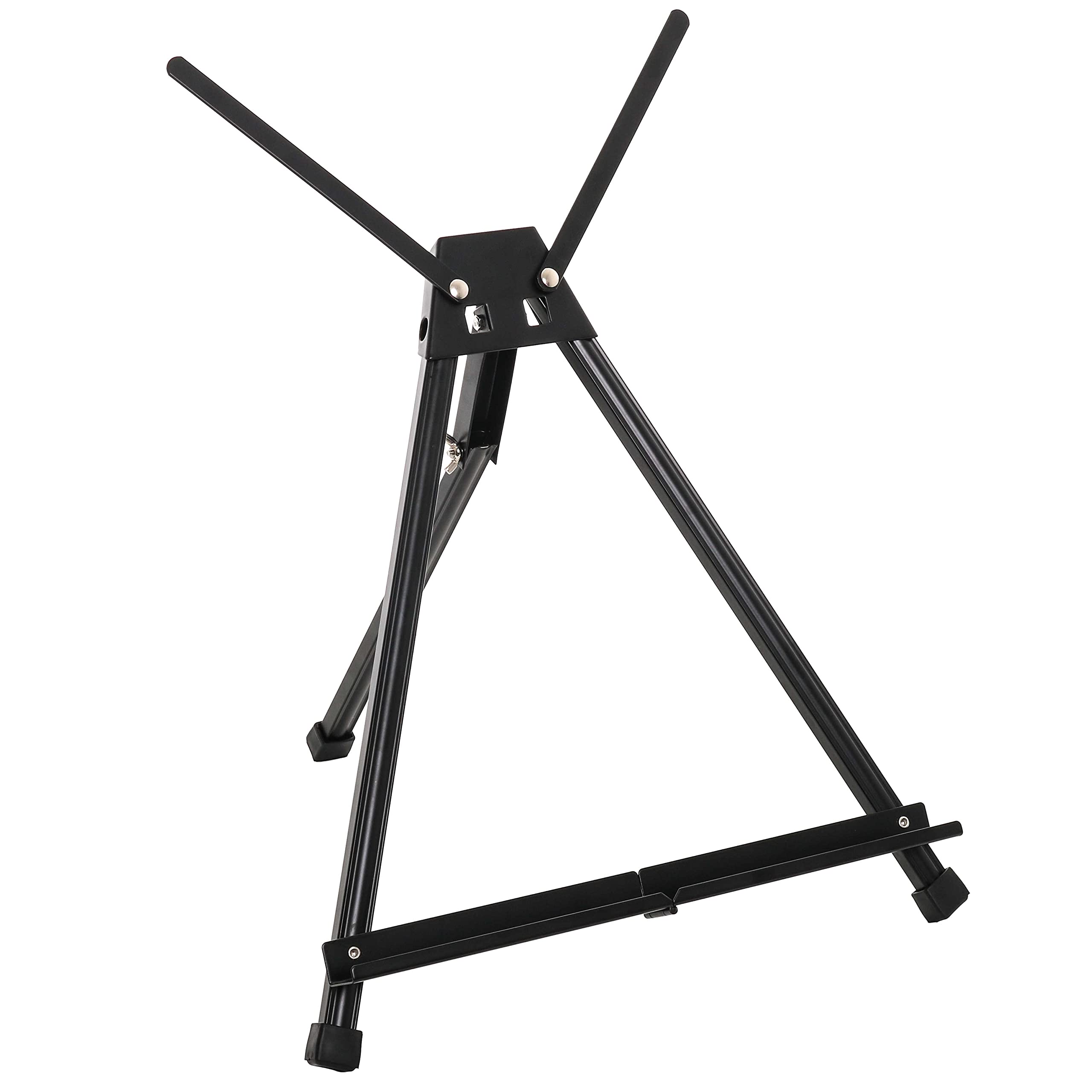
A sturdy yet affordable easel that holds canvas securely. Lightweight and foldable, it encourages proper painting posture. Essential for any painter to work comfortably.
✓ Beginner Pros
+Easy to set up and store
+Adjustable height and angle
+Stable for small to medium canvases
+Includes canvas pins
✗ Beginner Cons
-Not suitable for large canvases
-Aluminum may be light if bumped
👍 Best for: Beginners painting at a desk or table
👎 Not for: Those needing a floor easel for large works
Paint sets come in three main types: acrylic, watercolor, and oil. For complete beginners, acrylic is the best choice—it's forgiving, dries fast, and can be used on many surfaces like canvas, paper, or wood. Watercolors are also beginner-friendly but require more control and layering. Oils are tricky because they take days to dry and require solvents. When shopping, ignore high-end jargon like 'professional grade' and 'archival quality'—those are for seasoned artists. Instead, look for 'student grade' or 'beginner set'. Consider the number of colors: 12-24 is ideal. Too many colors can overwhelm, too few limit creativity. Also check that the set includes a palette and basic brushes; if not, you'll need to buy them separately. Realistic expectation: your first few paintings may not look perfect, but that's normal. A good beginner set helps you learn without fighting the materials.
🔧 Essential Accessories for Beginners
Artograph Palette, Stay-Wet Palette
👍 Recommended
$12.99
When to buy:
Day one
A stay-wet palette keeps acrylic paints from drying out for hours, reducing waste and frustration. Beginners can take their time mixing colors without rushing.
Canvas pads are cheaper than stretched canvas and great for practice. This pad has 10 sheets of quality acrylic paper that takes paint well without wrinkling.
Ask yourself: 1) What type of painting do I want to do? (Acrylic is best for beginners.) 2) Who will use this set? (Adult or child?) 3) What is my budget? (Under $30 for entry-level, $30-60 for good quality, $100+ for premium.) 4) Do I already have brushes, canvas, or palette? If not, consider a kit that includes these. For most beginners, a mid-range acrylic set with 24 colors and basic brushes is perfect. Red flags: extremely cheap sets (<$10) often have chalky, weak paints; sets with dozens of tiny pots (e.g., 60) may indicate low quality. Trust brands like Arteza, Liquitex Basics, or Winsor & Newton Galeria for reliable beginner options.
💰 Budget Guide for Beginners
100+
Serious enthusiast - professional-grade, not necessary for beginners
25 - $50
Sweet spot - best value for most beginners, decent quality
50 - $100
Premium beginner - excellent quality, will last through learning phase
Under $ - $25
Entry level - good for casual use or kids, may need upgrade soon
⚠️ Common Beginner Mistakes to Avoid
Many beginners buy the cheapest set and become frustrated when paints are watery or chalky. Others buy a huge set with 50+ colors thinking more is better, but they rarely use half. Some skip essential accessories (brushes, palette, canvas) and start with incomplete tools. Beginners often underestimate the learning curve and give up too quickly. Another mistake: choosing oil paints for a first project because they look 'professional'—they're actually harder to master. Not checking for non-toxic labels when kids are involved is another. Finally, ignoring color mixing: a set without a mixing guide or primary colors makes it hard to learn.
📈 Your Progression Path: Beginner to Intermediate
Start by learning basic techniques: color mixing, brush strokes, and layering. Use your beginner set to create simple paintings like landscapes or abstract pieces. After 3-6 months, you'll notice if paints feel limiting (e.g., not enough pigment, dry too fast). That's when to consider upgrading to artist-grade paints. Gradually invest in better brushes and canvas. Intermediate artists often expand to 36 colors, explore mediums like glazing or impasto, and try watercolors or oils. Keep your beginner set for practicing or travel. Typical time to move beyond beginner: 6-12 months with regular practice.
📚 Learning Resources for Beginners
📖The Art of Painting in Acrylic (book)
📖Bob Ross DVD Set: The Joy of Painting
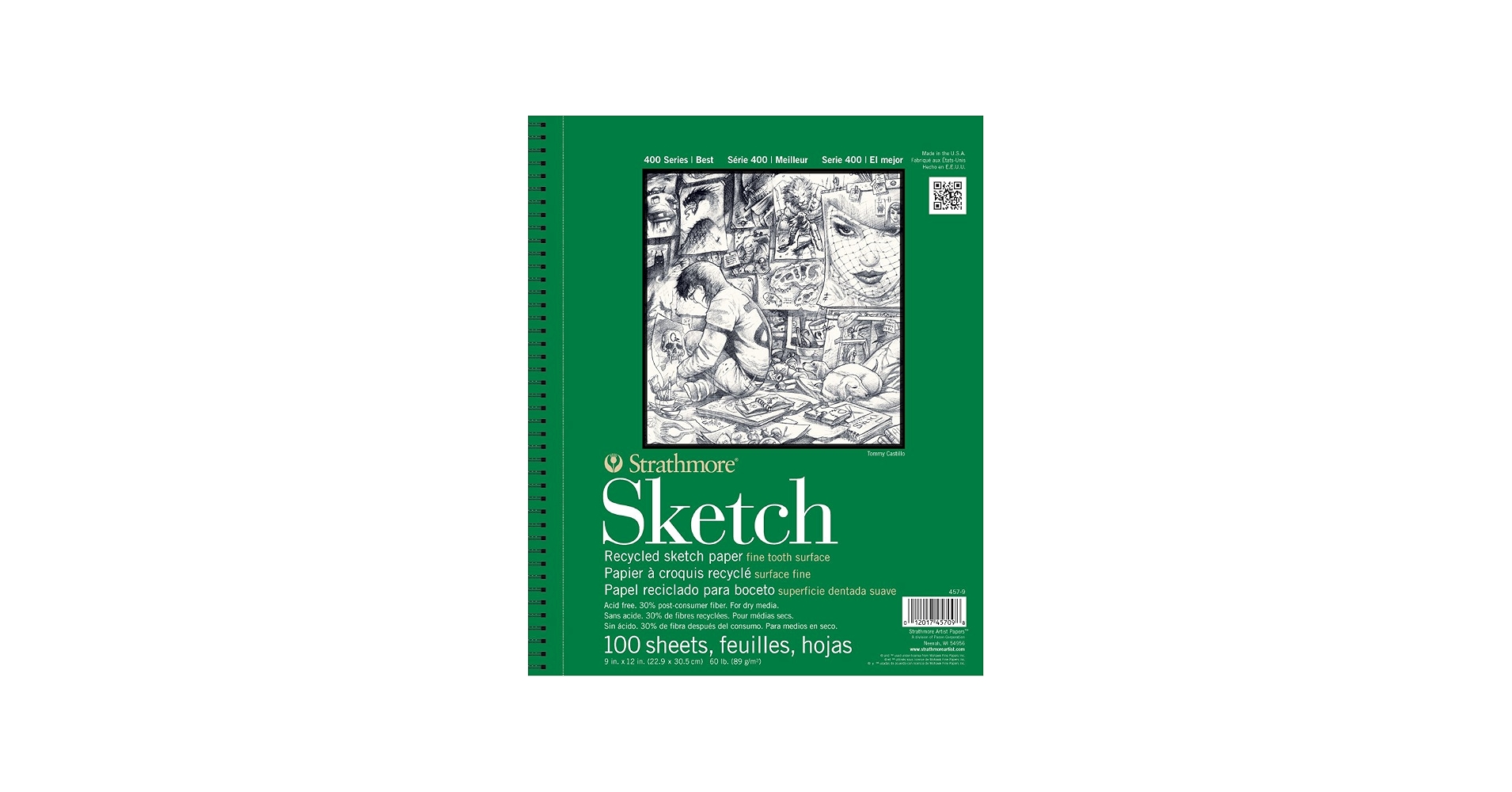
📖Artist's Loft Sketch Pad
📖Color Mixing Guide for Painters
📖Acrylic Painting for Dummies
🎯 Bottom Line: Our Recommendations
For most beginners, the best overall pick is a mid-range acrylic set like the Arteza 24-Color Acrylic Paint Set (B07R4S5T6U). It's affordable, high-quality, and includes essential accessories. On a tight budget, the Royal & Langnickel Brush Set (B08V7W8X9Y) paired with a basic paint set works well. If you can invest more, the Winsor & Newton Galeria Set (B09Z1A2B3C) offers superior pigmentation and longevity. Don't forget essential accessories: brushes (if not included), canvas pads, a palette, and a water cup. Start with simple projects, be patient with yourself, and enjoy the journey. Remember: every expert was once a beginner. Your first paint set is a stepping stone, not a final destination.
❓ Frequently Asked Questions
For most beginners, the Arteza Acrylic Paint Set (24 colors) is the best overall choice. It offers good quality at an affordable price, includes basic brushes, and is non-toxic.
Spend between $20 and $50 for a quality beginner set. Under $20 may lead to frustration from low quality; over $100 is unnecessary until you're more experienced.
Look for non-toxic labels, 12-24 colors in decent-sized tubes (not tiny pots), a mixing guide, and preferably basic brushes included. Acrylic is most forgiving.
Acrylic paint sets are easiest because they dry quickly, are water-soluble, and easy to correct or paint over. The Arteza 24-color set is a top easy-to-use option.
Essential: brushes (if not included), canvas or paper, a palette, water cup. Highly recommended: an easel and stay-wet palette for acrylics.
Decide on paint type (acrylic is best), set a budget ($20-50), choose a set with 12-24 colors, check for non-toxic certification, and read beginner reviews.
Painting has a learning curve, but with a good beginner set and simple projects, you can create satisfying art quickly. Acrylics are forgiving of mistakes.
Common mistakes: buying too cheap, buying too many colors, skipping essential accessories, choosing oil paints as a first set, and not learning color mixing.
Watercolors are okay but require more control. Oils are not recommended for beginners due to long drying times and toxic solvents. Stick with acrylics first.
With moderate use, a 24-color set of 60ml tubes can last 6-12 months. You'll likely want to upgrade sooner for better quality.