Is Best Ocarina for beginners Worth It? Honest Review (2026)
Everything beginners need to know to choose their first Ocarina with confidence
The ocarina is a charming wind instrument that has captivated players of all ages, especially with its iconic sound in video games like The Legend of Zelda. But for a beginner, the world of ocarinas can seem overwhelming: there are different types—pendant, transverse, single chamber, multi-chamber—and materials like clay and plastic. You might worry about buying the wrong one and giving up in frustration. This guide is here to make your choice simple and confident. We'll explain everything you need to know—no jargon, just clear advice—and recommend specific products that are perfect for beginners. By the end, you'll know exactly what to look for and which ocarina to buy.
📋 In This Guide
• Why Beginners Struggle with Ocarina
• What to Look For (Key Features)
• Top 5 Beginner-Friendly Ocarina
• Essential Accessories for Beginners
• Common Beginner Mistakes to Avoid
• Your Progression Path
• FAQ & Learning Resources
😰 Why Beginners Struggle with Ocarina
Many beginners struggle because they don't know which type of ocarina to start with. Pendant ocarinas (with 4–6 holes) look simple but actually have a limited range and require complex fingerings to play scales. Transverse ocarinas (with 10–12 holes) are more intuitive and allow you to play a full chromatic scale. Another common challenge is material: clay ocarinas produce beautiful sound but are fragile and can crack if dropped or exposed to moisture. Plastic ocarinas are durable and affordable, but beginners often wonder if they sound 'good enough.' Finally, there's the fear of buying the wrong size or tuning. Most beginner music is written for an ocarina tuned in C, but some ocarinas are in G or F, which can confuse a new player. Without guidance, it's easy to pick a beautiful-looking ocarina that's not actually beginner-friendly.
🔍 What to Look For: Key Beginner-Friendly Features
For a beginner, the ideal ocarina is a 12-hole transverse ocarina in the key of C. This is the standard type used in most beginner tutorials and songbooks. Look for an ocarina with smooth, well-spaced finger holes that feel comfortable in your hands. The instrument should sound clear and consistent across all notes—if some notes sound airy or require extreme breath pressure, it's not well-made. Beginners should prioritize durability, so a high-quality plastic ocarina (like the Night by Noble) is a great first choice. It won't break if you drop it, and it's waterproof and easy to clean. Some plastic ocarinas even have a nice, warm tone that rivals entry-level clay. Avoid pendant ocarinas for now; they seem easier but actually have a steeper learning curve. Also, avoid multi-chamber ocarinas (double, triple) until you've mastered single-chamber breath control.
✅ Essential Features for Beginners
•12-hole transverse design – Allows you to play a full chromatic scale (all sharps and flats) and is the standard for beginner tutorials.
•Key of C – Most beginner music and resources are written for C-major ocarinas, making it easier to find songs.
•Lightweight and durable material – Plastic ocarinas are ideal for beginners because they won't break easily and are weather-resistant.
•Ergonomic design – Smooth, rounded shape with finger holes that are easy to cover without straining your hands.
•Included fingering chart – A clear diagram of which holes to press for each note is essential until you memorize them.
•Good intonation – Notes sound in tune without needing extreme breath adjustments; this is more common in quality instruments.
•Affordable price – Beginners don't need to spend over $100; a good plastic ocarina costs between $25 and $50.
🏆 Top 5 Best Ocarina for Beginners
#1
💰 Budget
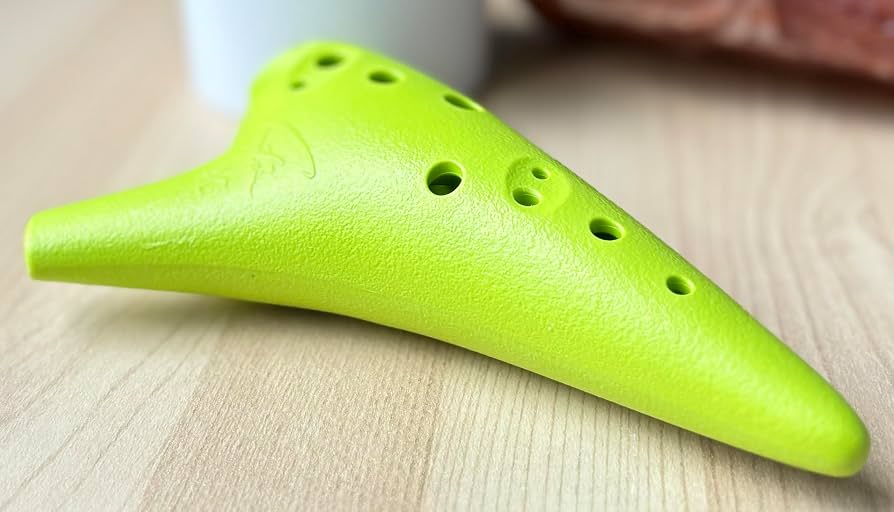
12-Hole Plastic Ocarina in C (Green)
Learning Curve: Easy
$19.99
Difficulty: 1/5
Why Great for Beginners:
Affordable, lightweight, and durable plastic ocarina that is easy to clean and won't break if dropped. Suitable for total beginners to test their interest without a big investment.
✓ Beginner Pros
+Very affordable
+Durable plastic won't break
+Lightweight for small hands
+Easy to produce sound
✗ Beginner Cons
-May have slightly airy high notes
-Plastic feel less premium
-Limited color options
👍 Best for: Complete beginners who want to try the instrument with minimal cost.
👎 Not for: Players who want a richer tone or plan to perform; consider upgrading after a few months.
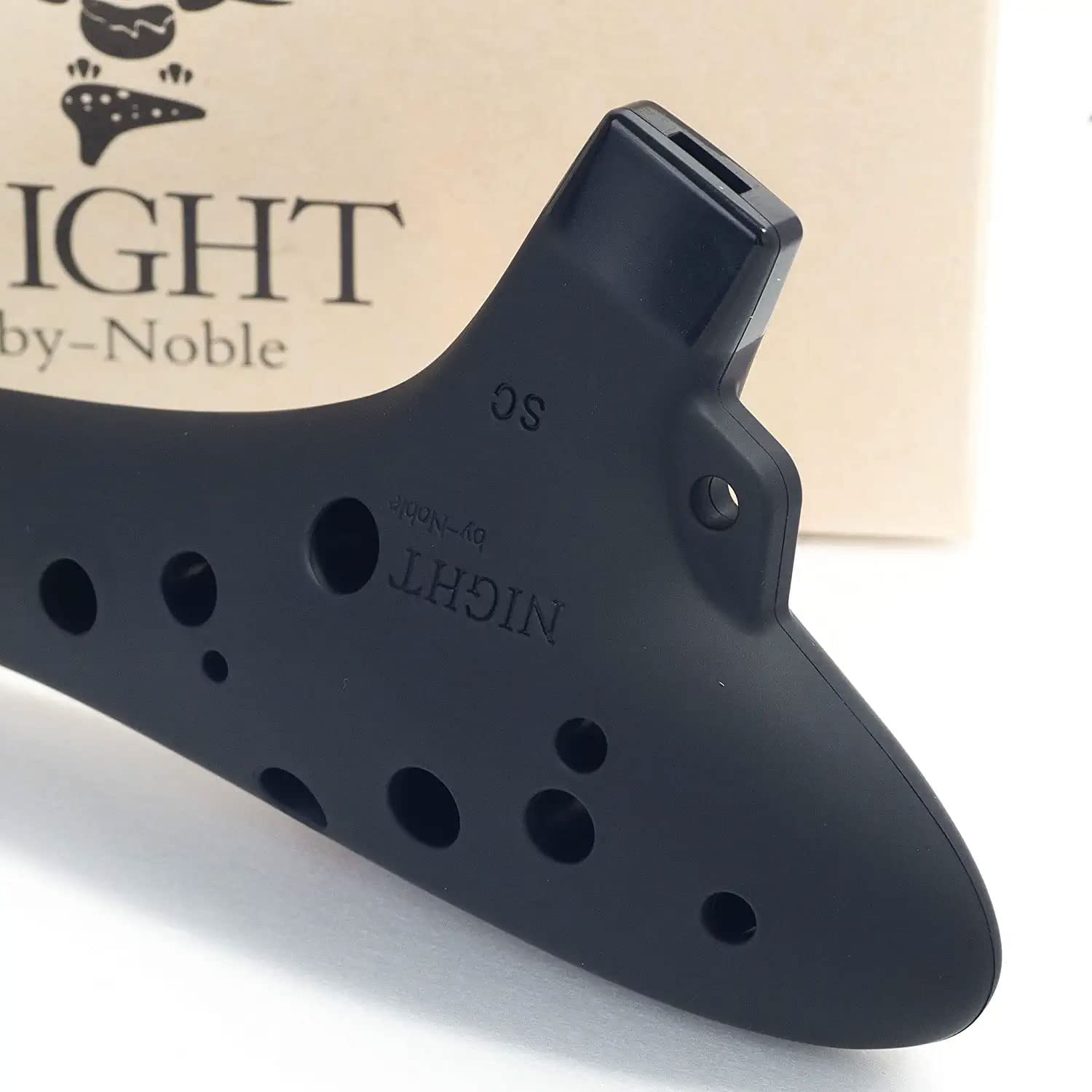
Widely considered the best plastic ocarina for beginners. Praised for its warm tone, excellent intonation, and comfortable ergonomics. Highly recommended by teachers and experienced players.
✓ Beginner Pros
+Warm, pleasant tone similar to ceramic
+Excellent intonation across all notes
+Comfortable rounded shape
+Comes with a soft pouch and fingering chart
✗ Beginner Cons
-Slightly more expensive than budget plastic
-Only available in black
👍 Best for: Beginners of all ages who want a reliable, great-sounding ocarina without worrying about breakage.
👎 Not for: Those who prefer ceramic aesthetics or need a different color.
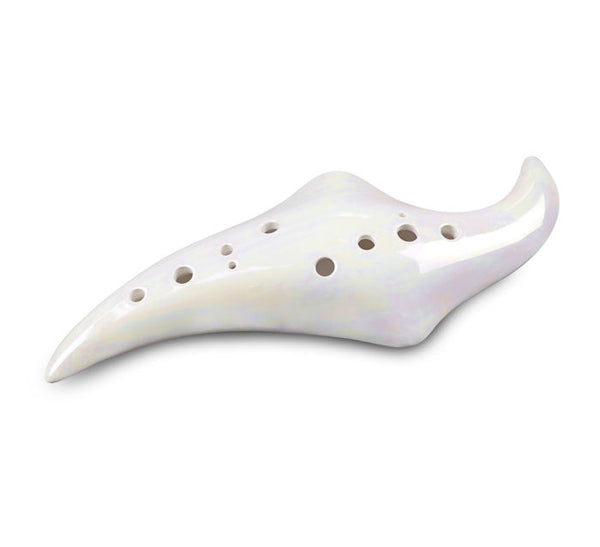
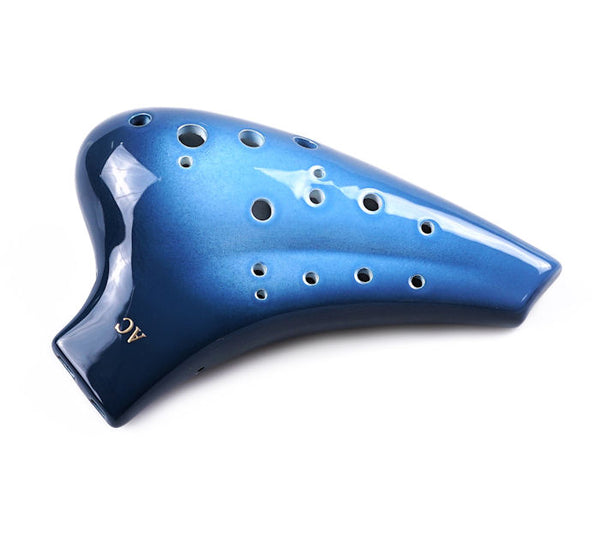
An affordable entry into ceramic ocarinas. Offers a classic earthy tone and a beautiful glaze finish. The finger holes are well-spaced and smooth, ideal for learning proper technique.
✓ Beginner Pros
+Rich ceramic tone
+Beautiful appearance
+Good intonation
+Comes with fingering chart
✗ Beginner Cons
-Fragile – can crack if dropped
-Requires more careful cleaning
-Slightly heavier than plastic
👍 Best for: Beginners who are careful with their belongings and prefer the feel and sound of ceramic.
👎 Not for: Clumsy players, children, or those who want to play outdoors often.
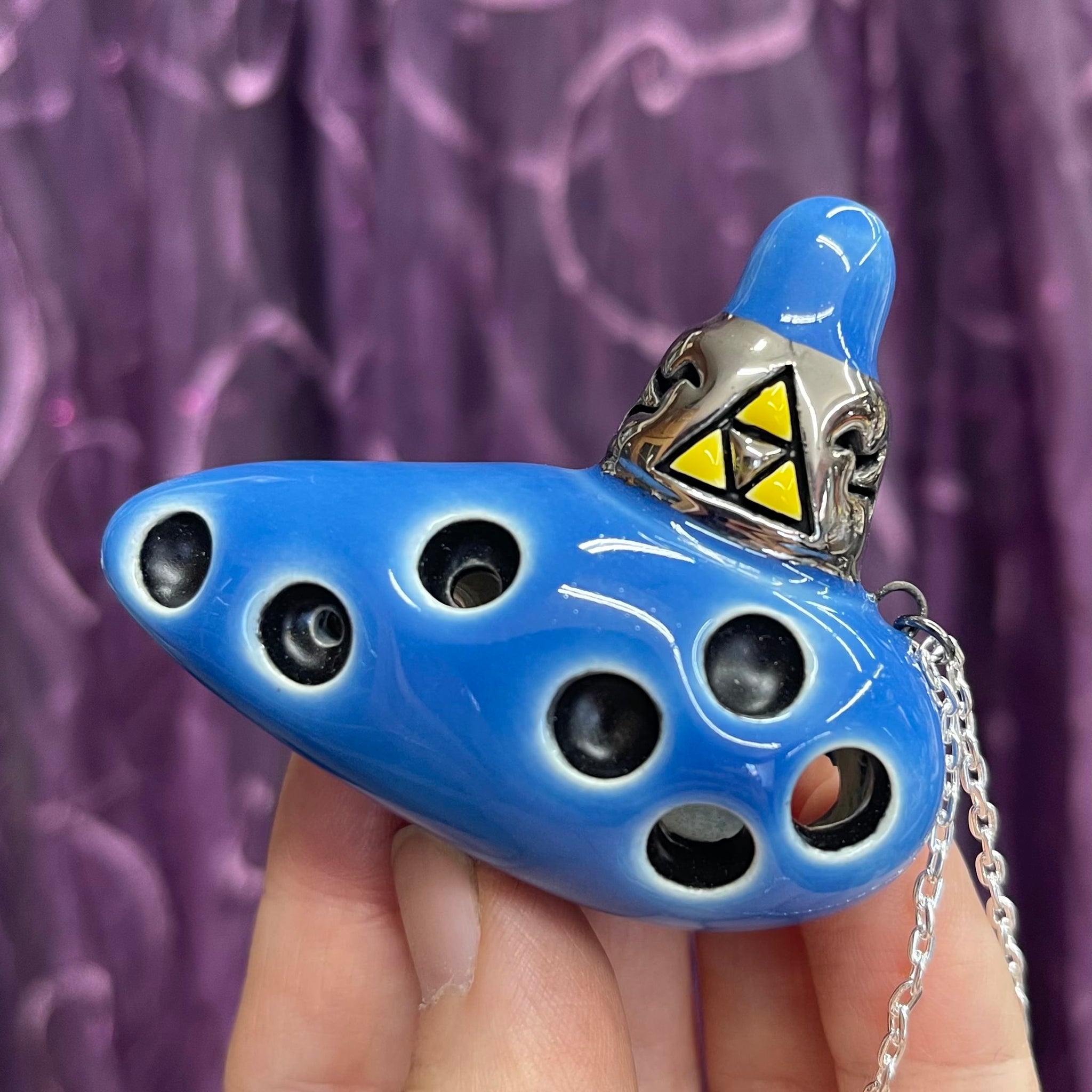
This pendant ocarina is a popular alternative for those who want something small and portable. It can play a full octave and is fun for simple melodies, but requires learning non-linear fingerings.
✓ Beginner Pros
+Very small and cute
+Easy to play basic notes
+Inexpensive
+Fun for kids
✗ Beginner Cons
-Limited range (one octave)
-Fingerings are not intuitive
-Not suitable for playing most songs
-Tuning can be inconsistent
👍 Best for: People looking for a novelty or for young children with small hands who just want to make sounds.
👎 Not for: Serious beginners who want to learn to play melodies or progress to advanced pieces.
Although multi-chamber ocarinas are advanced, this premium model is designed with a smooth transition between chambers and a comfortable grip, making it accessible for motivated beginners who want to grow into a more capable instrument.
✓ Beginner Pros
+Extended range (2+ octaves)
+Excellent build quality
+Rich, powerful sound
+Comes with hard case and accessories
✗ Beginner Cons
-Expensive
-Requires mastering breath control for each chamber
-Heavier than single chamber
👍 Best for: Serious beginners with a larger budget who are committed to learning for the long term and want a versatile instrument.
👎 Not for: Casual beginners, children, or those on a tight budget.
Ocarinas are divided into two main types: pendant and transverse. Pendant ocarinas have 4 to 6 holes and are held like a pendant on a necklace. They produce a limited range of notes and require complex finger combinations to change notes. While they are small and cute, they are not recommended for beginners who want to play melodies. Transverse ocarinas (also called 'sweet potato' ocarinas) are held horizontally and have 10 to 12 holes. They cover a full chromatic scale of about one and a half octaves, making them ideal for playing most songs. The 12-hole ocarina is the standard for beginners and is used in almost all instructional materials. Within transverse ocarinas, there are single chamber (one sound cavity) and multi-chamber (two or three chambers for extended range). Multi-chamber ocarinas are advanced and should not be a beginner's first instrument. Material matters: clay/ceramic ocarinas produce a rich, earthy tone but are fragile, sensitive to temperature, and can crack. Plastic ocarinas are durable, lightweight, and have a surprisingly good sound—often indistinguishable from ceramic in the hands of a beginner. Many professional players recommend plastic for beginners because it removes the fear of breaking your instrument. Additionally, plastic ocarinas require less breath control to stay in tune (they are less affected by moisture changes). The most popular beginner plastic ocarina is the 'Night by Noble' (also known as the 'Noble Plastic Ocarina'), which is praised for its tone, comfort, and price. Another excellent option is the Focalink Plastic Ocarina, which is also highly rated. For those who prefer ceramic, look for a beginner-friendly model with a soft, curved shape and smooth hole edges, like the STL Ocarina 12-Hole in C. Remember: the best beginner ocarina is one that is in tune, comfortable to hold, and inspires you to practice.
🔧 Essential Accessories for Beginners
Protective Ocarina Case (Padded Pouch)
⚠️ Essential
$12.99
When to buy:
Day one
Protects your ocarina from bumps, scratches, and drops. Essential for ceramic models, but even plastic benefits from storage that prevents dust and damage.
Start by asking yourself: What do I want to play? Most beginners want to play video game themes, folk songs, or classical melodies—all of which are easily playable on a 12-hole C ocarina. Next, consider your budget. If you want to spend under $30, a plastic ocarina is your only option; make sure it's a reputable brand like Night by Noble or Focalink. If you can spend between $30 and $70, you can get a very good plastic ocarina with a better finish or a beginner ceramic model from STL or Songbird Ocarina. Above $70, you're looking at higher-quality ceramic ocarinas or decorative pieces—but these are not necessary for a beginner. Think about your environment: if you plan to play outside, travel with it, or have children around, get plastic. If you're careful and want the best sound from day one, ceramic is fine. Lastly, read reviews from other beginners—avoid ocarinas that have complaints about sharp edges, airy notes, or poor tuning. Red flags include very cheap no-name ocarinas (under $15) and ocarinas that don't specify the number of holes or key.
💰 Budget Guide for Beginners
150+
Professional-grade ceramic or double-chamber ocarinas. Not recommended for true beginners unless budget is not a concern and you have a teacher.
30 - $70
Sweet spot for most beginners. Plastic ocarinas in this range (e.g., Night by Noble, Focalink) offer excellent intonation and durability. Some ceramic beginner models also fall here.
70 - $150
Higher quality ceramic ocarinas with better finish and a warmer, more resonant tone. Ideal for beginners who are certain they'll continue and want an instrument that will last for years.
Under $ - $30
Entry level plastic ocarinas suitable for trying out the instrument. They may have minor tuning imperfections or rough edges, but can be good starting points if from reputable brands like Night by Noble.
⚠️ Common Beginner Mistakes to Avoid
The most common mistake beginners make is buying a pendant ocarina because it looks simpler. While pendant ocarinas have fewer holes, they actually require more complex fingerings to play even basic scales, which can be frustrating. Another mistake is buying a very cheap, unbranded ocarina from an unknown seller. These often have poor tuning, rough edges, and holes that are hard to cover. Beginners also sometimes buy a multi-chamber ocarina thinking they'll 'grow into it,' but these require advanced breath control and finger technique—they're better as a second ocarina. Not checking the key is another pitfall: a C-major ocarina is standard, but some are in G or F, and music for those is less common. Finally, neglecting proper breath technique leads to squeaks and frustration. Beginners often blow too hard or too softly; practice with a tuner app is recommended.
×Buying a pendant ocarina (4-6 holes) thinking it's easier – it's actually harder to play melodies.
×Choosing a very cheap no-name ocarina (under $15) that has poor tuning and rough edges.
×Purchasing a multi-chamber ocarina as a first instrument – advanced technique required.
×Ignoring the key – buying an ocarina in G or F when most tutorials are in C.
×Blowing too hard or too softly – lack of breath control causes squeaks and out-of-tune notes.
×Not protecting a ceramic ocarina – dropping or getting it wet can crack it.
📈 Your Progression Path: Beginner to Intermediate
As a beginner, start with a single-chamber 12-hole ocarina in C. Spend your first few weeks learning the standard fingering and playing simple songs like 'Twinkle Twinkle Little Star.' After a month or two, you should be comfortable with scales and basic songs. The next step is improving breath control and vibrato. After 3-6 months, consider upgrading to a high-quality ceramic ocarina from STL, Songbird, or Oberon. These will have a richer tone and better responsiveness, allowing you to play more expressively. Once you've mastered the full range of the single chamber (about 1.5 octaves), you might want a double-chamber ocarina to extend your range. This usually happens after a year of consistent practice. Signs you've outgrown your beginner plastic ocarina: the sound feels too bright or thin, notes require more effort to stay in tune, or you find yourself wanting more dynamic range.
📚 Learning Resources for Beginners
📖How to Play Ocarina: A Beginner's Guide (Book on Amazon) – Step-by-step lessons with fingerings and songs.
📖Ocarina Method Book: Volume 1 (Amazon) – Comprehensive method with exercises and theory.
📖YouTube Channels: 'Ocarina Time', 'David Erick Ramos' – Free video tutorials for beginners.
📖Ocarina Tuner App (phone app) – Helps train your ear and check tuning (free on iOS/Android).
📖Beginner Practice Pad (small foam finger trainer) – Not essential but helps practice finger placement without sound.
🎯 Bottom Line: Our Recommendations
For most beginners, the best choice is a 12-hole plastic ocarina in the key of C, such as the Night by Noble or the Focalink Plastic. These are affordable, durable, and sound great, giving you a solid foundation without breaking the bank or causing frustration. If you're careful and prefer ceramic, the STL 12-Hole Ocarina in C is a fantastic beginner ceramic option. Whichever you choose, be sure to pick up a fingering chart and a protective case. Remember: the best ocarina is the one you'll actually play. Start simple, practice regularly, and you'll be amazed at how quickly you improve. Enjoy your musical journey!
❓ Frequently Asked Questions
The best beginner ocarina is a 12-hole transverse ocarina in the key of C. Among budget options, the Night by Noble plastic ocarina is highly recommended for its excellent tone, durability, and comfort. For those who prefer ceramic, the STL 12-hole ocarina in C is a great choice.
A reliable beginner ocarina costs between $30 and $70. The Night by Noble plastic is about $40, offering the best value. You can find functional ocarinas under $30, but they may have quality issues. Spending over $100 is not necessary for a first instrument.
Beginners need a 12-hole ocarina tuned in C, made of durable material (preferably high-quality plastic), with smooth finger holes and good intonation. An included fingering chart is very helpful. Avoid multi-chamber or pendant ocarinas.
The Night by Noble plastic ocarina is widely considered the easiest for beginners due to its comfortable shape, consistent tone, and ergonomic hole placement. It produces a clear sound with minimal effort.
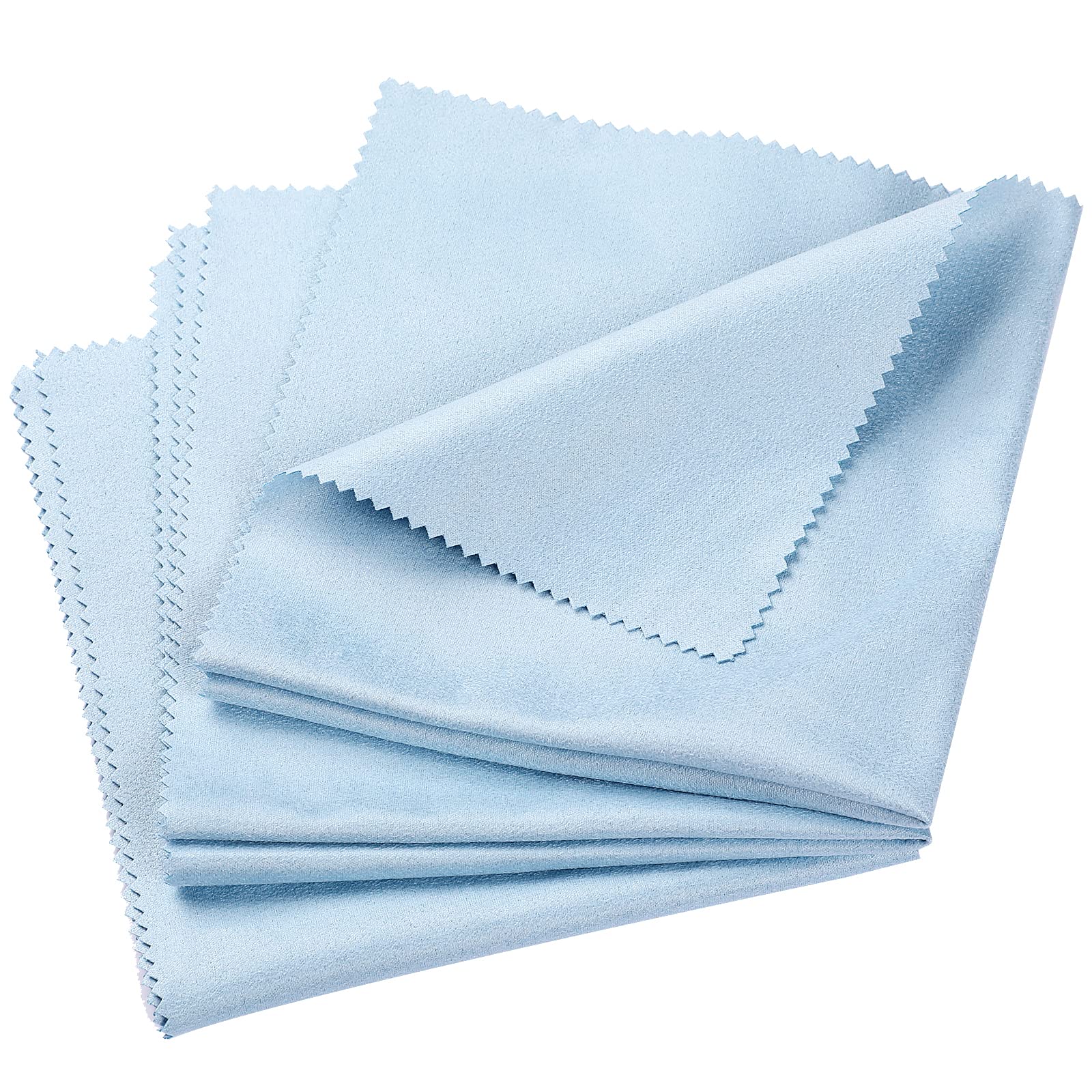
Beginners should get a protective case and a fingering chart. A cleaning cloth is also recommended. A beginner songbook can be helpful but is not essential.
Decide between plastic and ceramic based on your needs. Plastic is more durable and cheaper; ceramic has better sound but is fragile. Make sure it's a 12-hole C ocarina from a reputable brand like Night by Noble, Focalink, STL, or Songbird.
The ocarina is considered one of the easier wind instruments to learn. With a 12-hole transverse ocarina, you can play simple songs within a week of regular practice. Breath control takes time, but the basics are accessible.
Common mistakes include buying a pendant instead of transverse, choosing a cheap unknown brand, buying a multi-chamber ocarina too soon, and not using proper breath support. Also, many beginners ignore the key – always get C major.
Yes, there are many free YouTube tutorials, websites with sheet music, and paid online courses. Books like 'How to Play Ocarina: A Beginner's Guide' are also available on Amazon to supplement your learning.
With daily practice, most beginners can play simple songs within two weeks. After 3-6 months, you'll be comfortable with scales and intermediate pieces. Mastery of advanced techniques like vibrato and tonguing takes a year or more.