Is Best Model Kit for beginners Worth It? Honest Review (2026)
Everything beginners need to know to choose their first Model Kit with confidence
Starting your first model kit can feel overwhelming. With hundreds of options, technical terms, and the fear of making a costly mistake, it's easy to get stuck before you even begin. This guide cuts through the confusion. We'll explain what makes a model kit beginner-friendly, how to choose the right one, and which products and accessories will set you up for success. By the end, you'll feel confident and excited to start building.
📋 In This Guide
• Why Beginners Struggle with Model Kit
• What to Look For (Key Features)
• Top 5 Beginner-Friendly Model Kit
• Essential Accessories for Beginners
• Common Beginner Mistakes to Avoid
• Your Progression Path
• FAQ & Learning Resources
😰 Why Beginners Struggle with Model Kit
Beginners often face a few common hurdles. First, there's the jargon: 'snap-fit,' 'injection-molded,' 'decals,' 'panel lines'—it can sound like a foreign language. Second, the sheer variety of kits—from cars to planes to ships—makes it hard to know where to start. Many beginners also worry about buying a kit that's too difficult, leading to frustration and abandonment. Finally, the fear of needing expensive tools and paints can be intimidating. This guide addresses all these pain points.
🔍 What to Look For: Key Beginner-Friendly Features
For your first kit, prioritize ease of assembly. Look for kits labeled 'snap-tite' or 'no glue required'—these click together without adhesive. Also seek kits with a low parts count (under 100 pieces) and pre-colored plastic. You don't need to worry about painting or complex decals yet. Avoid kits with many small, fragile parts or those requiring advanced techniques like sanding or filling. A good beginner kit is forgiving: it fits well, has clear instructions, and can be built with just basic tools like side cutters and a hobby knife.
✅ Essential Features for Beginners
•Snap-tite assembly (no glue needed)
•Pre-colored plastic (no painting required)
•Low parts count (under 100 pieces)
•Clear, well-illustrated instructions
•Good fit of parts (minimal sanding)
•No fragile or tiny pieces
•Positive beginner reviews online
•Skill level 1 or 2 on the box
🏆 Top 5 Best Model Kit for Beginners
#1
💰 Budget
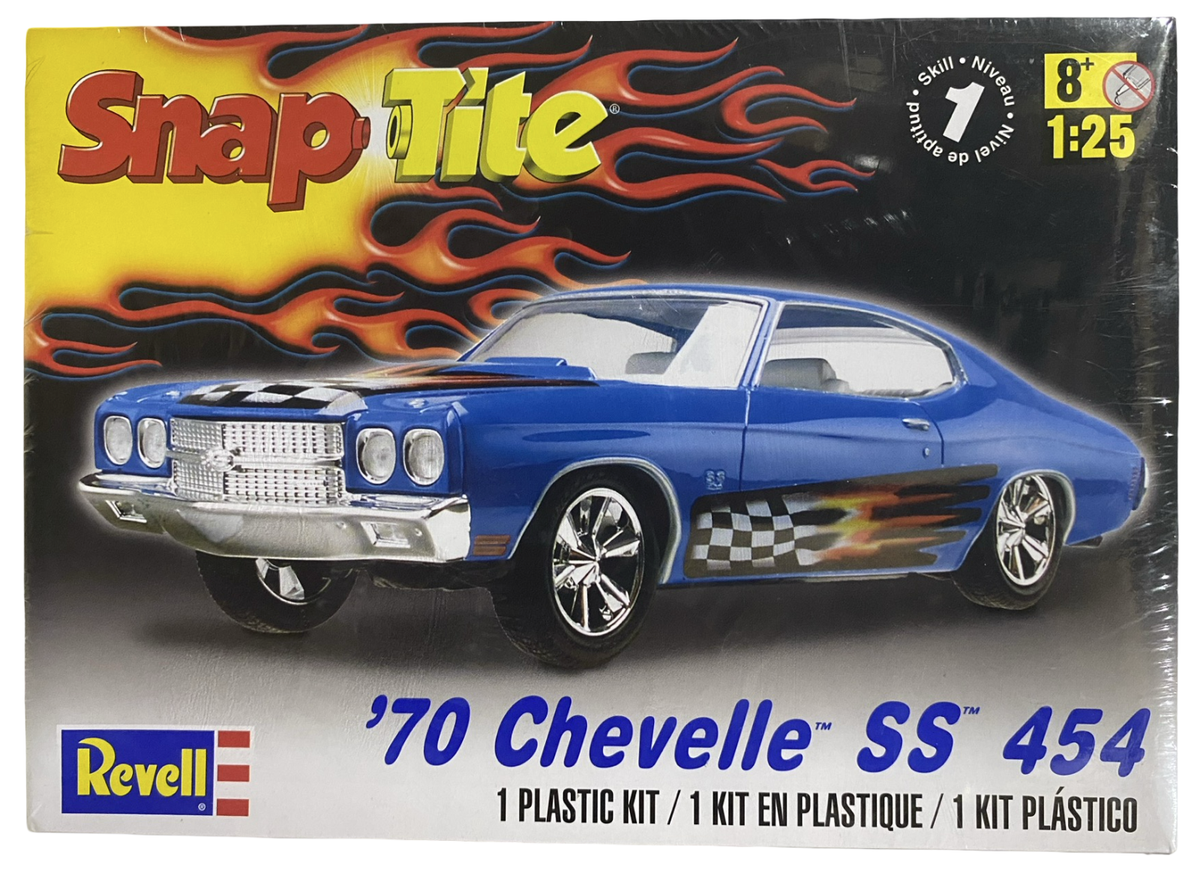
Revell SnapTite 1970 Chevelle
Learning Curve: Easy
$19.99
Difficulty: 1/5
Why Great for Beginners:
This snap-tite kit requires no glue or paint, perfect for absolute beginners. Parts click together easily and the instructions are clear.
✓ Beginner Pros
+No glue needed
+Pre-colored plastic
+Low parts count
+Affordable
✗ Beginner Cons
-Limited detail
-Not for those wanting painting experience
👍 Best for: Total beginners who want a quick, frustration-free first build
👎 Not for: Those seeking a more realistic, detailed model
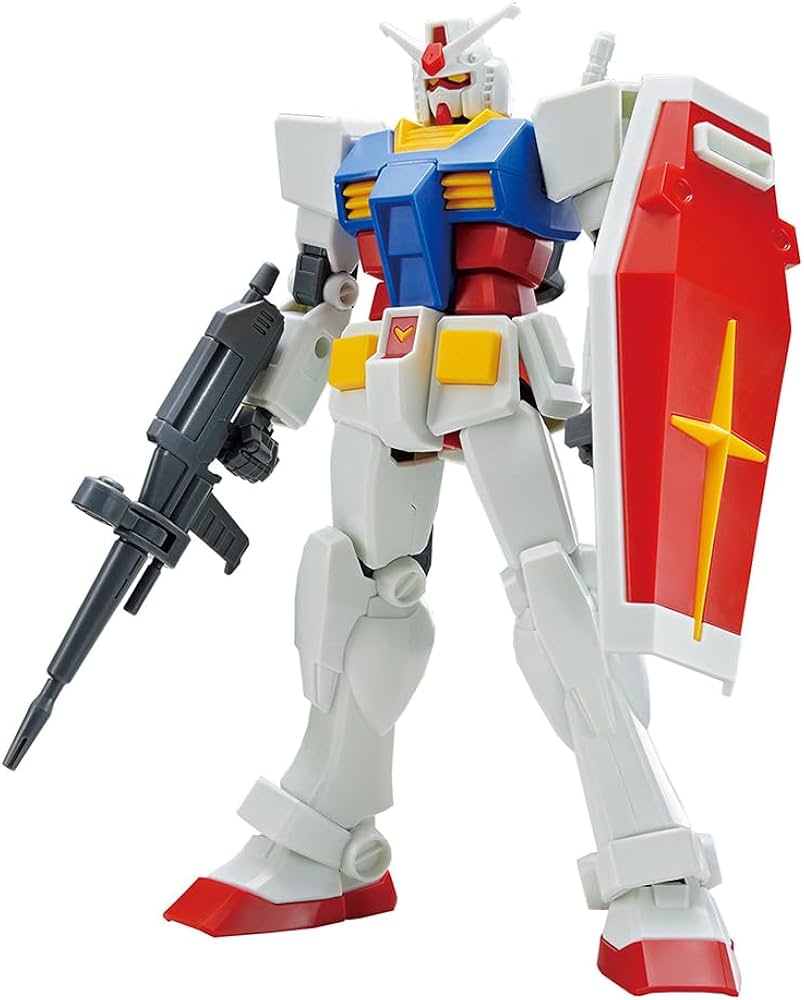
Model kits come in many types: cars, airplanes, military vehicles, ships, and even robots (like Gundam). For beginners, we recommend starting with a car or a simple aircraft kit. Cars often have fewer parts and less complex assembly. Snap-tite kits are ideal because they require no glue—just press parts together. Skill level 1 or 2 (often indicated on the box) are for beginners. Brands like Revell and Tamiya offer many beginner-friendly options. Realistic expectations: your first build won't be perfect, and that's okay. The goal is to learn the basics: reading instructions, trimming parts, and assembling. As you gain confidence, you can move to more detailed kits.
🤔 How to Choose Your First Model Kit
Start by asking yourself: What subject excites me most? A car, plane, or something else? Then consider your budget. Entry-level kits range from $10-$20, but a sweet spot for beginners is $20-$50 for a quality snap-tite or simple glued kit. Check the skill level on the box—stick with 1 or 2. Also look for positive reviews from other beginners who mention clean moldings and easy assembly. Avoid kits with many clear parts or complex engines unless you're up for a challenge. If you're unsure, classic beginner kits like a muscle car or a WWII fighter are safe bets.
💰 Budget Guide for Beginners
100+
Professional entry - serious beginners with bigger budget. Advanced kits with many parts and options.
20 - $50
Sweet spot - best value for most beginners, room to grow. Quality snap-tite or simple glue kits.
50 - $100
Premium beginner - excellent quality, won't outgrow quickly. Detailed kits with some painting required.
Under $ - $20
Entry level - good for trying it out, may need upgrade soon. Simple snap-tite kits.
📈 Your Progression Path: Beginner to Intermediate
Start with a snap-tite car or plane. Build two or three to learn the basics. Then try a simple glue kit (e.g., Revell Skill Level 2). Next, experiment with painting using brush paints (acrylics) and basic detailing. Once comfortable, move to kits with more parts and advanced techniques like airbrushing, masking, and weathering. You'll know you've outgrown beginner gear when you crave more detail and enjoy the challenge of complex assemblies.
📚 Learning Resources for Beginners
📖{"resourceName":"The Complete Guide to Building Model Cars – Book","type":"book","url":"https://www.amazon.com/s?k=model+car+building+guide+book&linkCode=gg3&tag=ra075-20"}
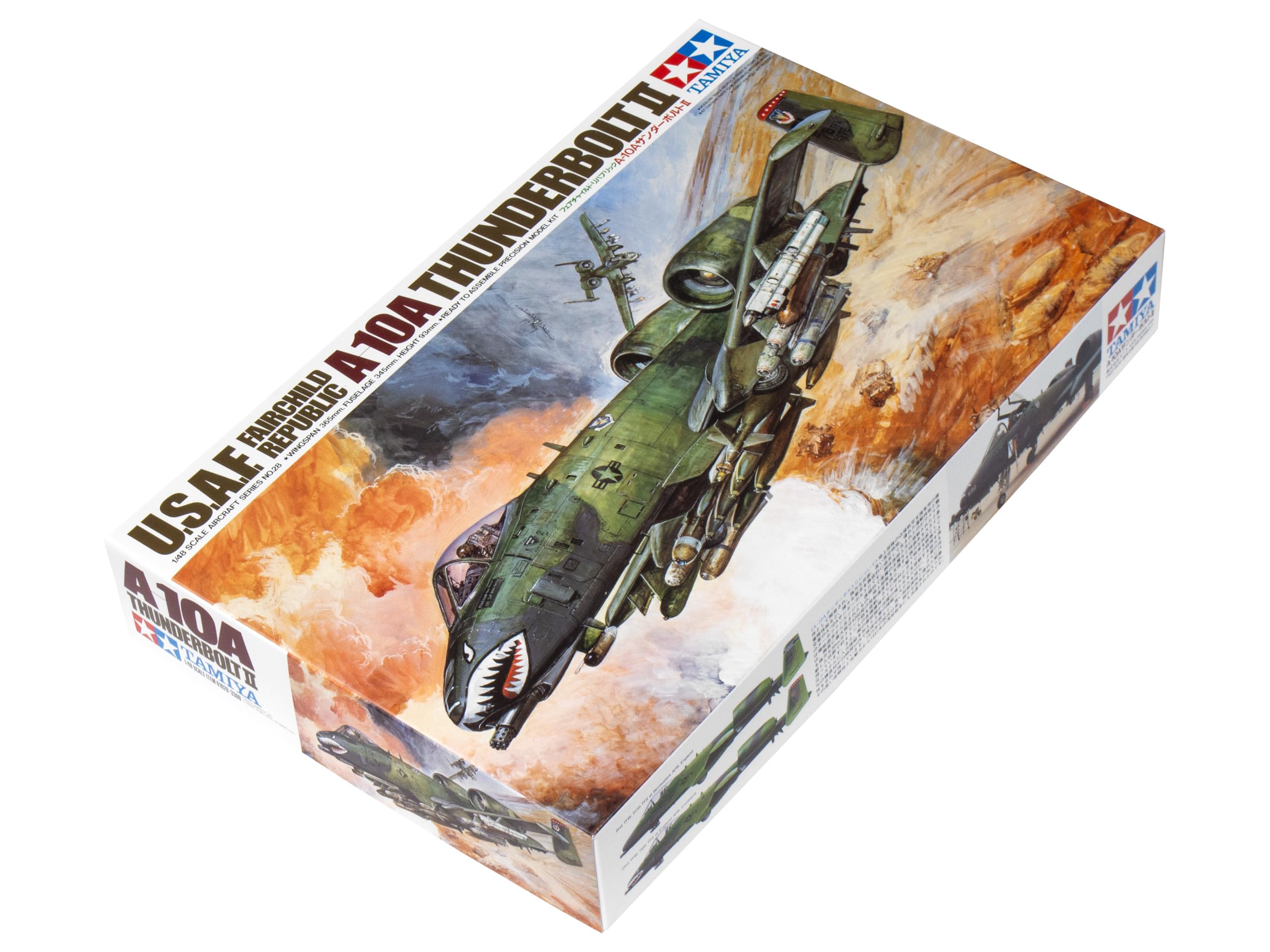
For most beginners, the best pick is a snap-tite car or plane in the $20-$30 range. We recommend the Revell SnapTite 1970 Chevelle (B07L8JKVHN) for its ease and value. If you want a bit more detail, the Tamiya 1/48 A-10A Thunderbolt (B08GYP4H9V) offers a premium experience with clear instructions. Essential accessories include a basic tool set, side cutters, and a hobby knife. Don't forget to have fun—the journey is as rewarding as the finished model.
❓ Frequently Asked Questions
For most beginners, a snap-tite car or plane from Revell or Tamiya in the $20-$30 range is ideal. The Revell SnapTite 1970 Chevelle (B07L8JKVHN) is a top pick.
Start with a kit under $30. The sweet spot is $15-$25 for a quality snap-tite kit. You can go up to $40 if it's a well-reviewed Tamiya kit.
No, many beginner kits are snap-tite and come pre-colored. Look for 'no glue' or 'snap assembly' on the box. You can always add painting later.
Essential: side cutters, hobby knife, and a small file or sandpaper. Optional: tweezers, glue (if required), and paint brushes.
Not with the right kit! Snap-tite kits are very easy. Even simple glue kits are manageable with patience. The key is to start simple and follow instructions.
A simple snap-tite kit can be built in 1-3 hours. A glue kit may take 5-10 hours spread over a few sessions.
Revell, Tamiya, and Bandai (for Gundam) are trusted brands. They offer kits with good instructions and fit.
Yes, you can paint snap-tite kits if you want. The plastic is usually paintable, but stick with acrylic paints.
Cars are generally easier than ships or aircraft because they have fewer parts and less complex assemblies.
Common mistakes: buying a kit that's too advanced, not investing in basic tools, rushing assembly, and skipping instructions.
YouTube has many channels like 'Scale Model Workshop' or 'Modeling Insanity'. Also check the websites of Revell and Tamiya.
Cars are slightly easier due to fewer parts and less intricate shapes. But if you love planes, a simple snap-tite plane is fine too.