Is Best Keyboard for beginners Worth It? Honest Review (2026)
Everything you need to choose your first digital piano with confidence
Buying your first keyboard can feel overwhelming. With dozens of models, confusing specs, and a wide price range, it's easy to make a choice you'll regret. This guide cuts through the noise, focusing on what matters most for beginners: ease of use, realistic expectations, and value. We'll help you find the perfect instrument to start your piano journey without frustration or overspending.
📋 In This Guide
• Why Beginners Struggle with Keyboard
• What to Look For (Key Features)
• Top 4 Beginner-Friendly Keyboard
• Essential Accessories for Beginners
• Common Beginner Mistakes to Avoid
• Your Progression Path
• FAQ & Learning Resources
😰 Why Beginners Struggle with Keyboard
Many beginners get lost in technical jargon like 'weighted keys', 'polyphony', or 'velocity sensitivity'. Others buy a toy-like keyboard with unweighted keys and quickly lose motivation. A common fear is spending too much on a hobby you might not stick with—or buying too cheap and struggling with poor sound and feel. The sheer number of options on Amazon doesn't help. This guide simplifies everything so you can choose wisely.
🔍 What to Look For: Key Beginner-Friendly Features
For beginners, the most important feature is touch response: keys that feel somewhat like a real piano (weighted or semi-weighted). Next is sound quality: built-in speakers that are clear and pleasant. Also essential: easy connectivity for headphones (so you can practice silently) and a sustain pedal input (pedal often sold separately). You don't need hundreds of sounds or recording features yet. Focus on a good core piano experience.
✅ Essential Features for Beginners
•Weighted or semi-weighted keys - mimics a real piano's resistance
•Built-in speakers - play without extra equipment
•Headphone jack - practice quietly
•Sustain pedal input - essential for proper technique
•Simple interface - easy to switch sounds and settings
•Good built-in lessons or learning features (some models includes dedicated learning apps)
🏆 Top 4 Best Keyboard for Beginners
#1
💰 Budget
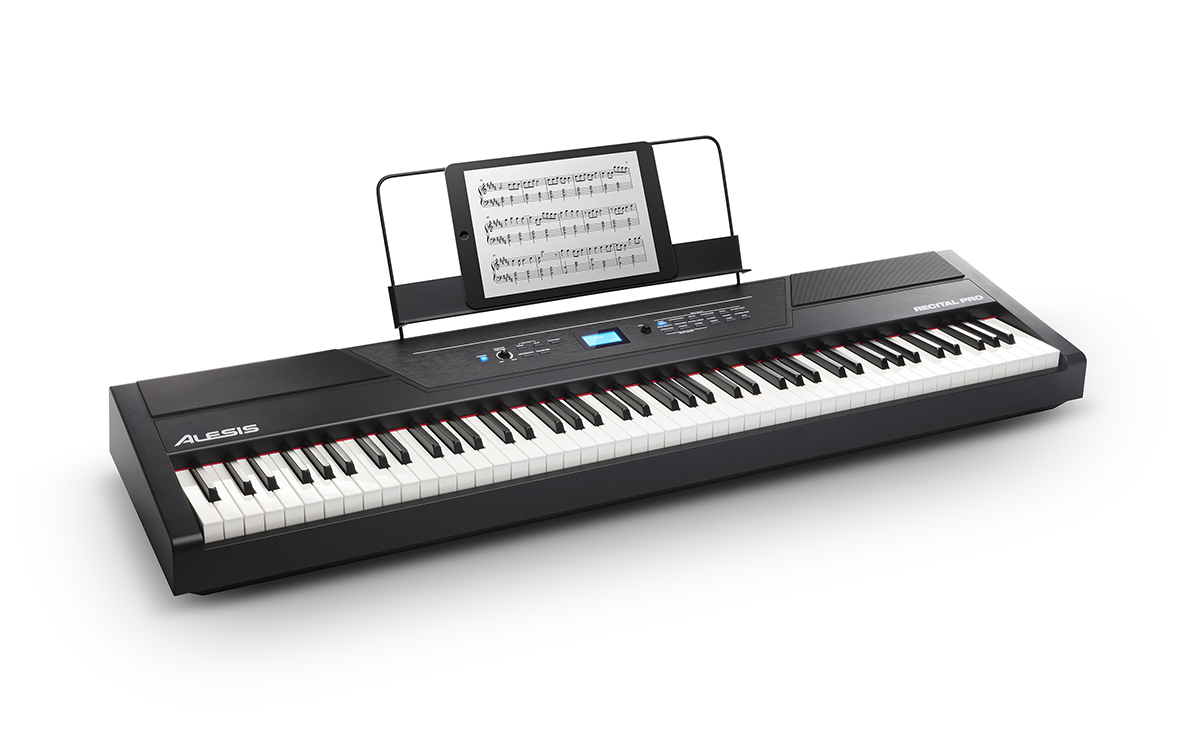
Alesis Recital Pro
Learning Curve: Easy
$199.00
Difficulty: 1/5
Why Great for Beginners:
Affordable 88-key keyboard with fully weighted keys, a rarity at this price. Built-in speakers and headphone jack make it ideal for practice. Simple interface with 12 sounds.
✓ Beginner Pros
+88 fully weighted keys for realistic feel
+Very affordable
+Includes power adapter and stand (some bundles)
+Headphone output for silent practice
✗ Beginner Cons
-Sound quality is decent but not premium
-Key action is heavier than higher-end models
-Limited piano sound variation
-No Bluetooth or advanced learning features
👍 Best for: Beginners on a tight budget who want weighted keys
👎 Not for: Players who want a polished sound or advanced connectivity
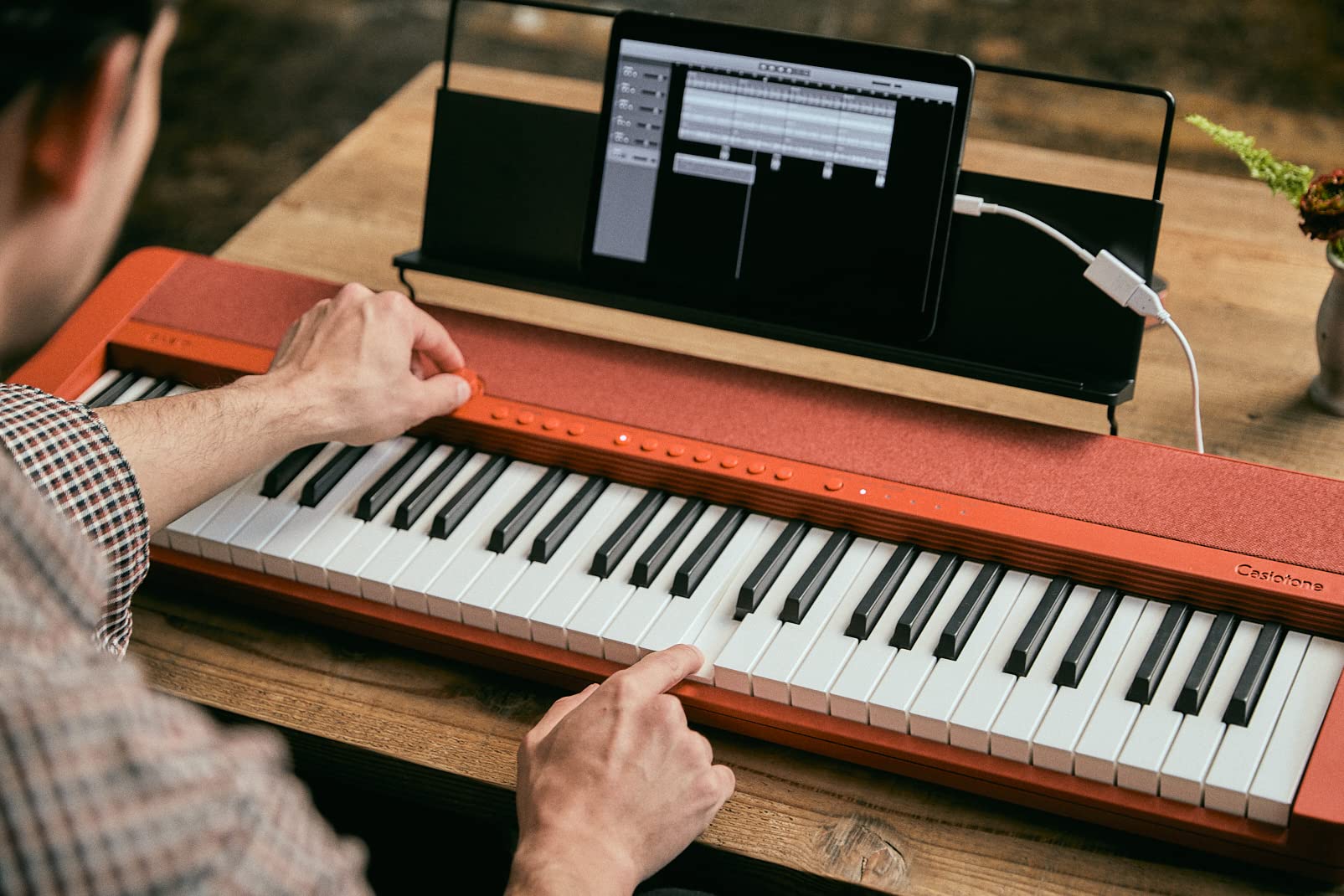
Compact 61-key portable keyboard with excellent sound engine and semi-weighted keys. Weighs only 10 pounds, perfect for small spaces. Includes Bluetooth for learning apps.
✓ Beginner Pros
+Semi-weighted keys with good resistance
+Excellent piano sound (AiX engine)
+Very lightweight and portable
+Bluetooth audio and MIDI for apps
+Built-in songs and rhythm patterns
✗ Beginner Cons
-Only 61 keys (may limit some classical pieces)
-No sustain pedal included
-No music stand (sold separately)
-Speakers are adequate but not powerful
👍 Best for: Beginners who need portability and modern connectivity
👎 Not for: Players wanting a full 88-key piano feel for serious classical study
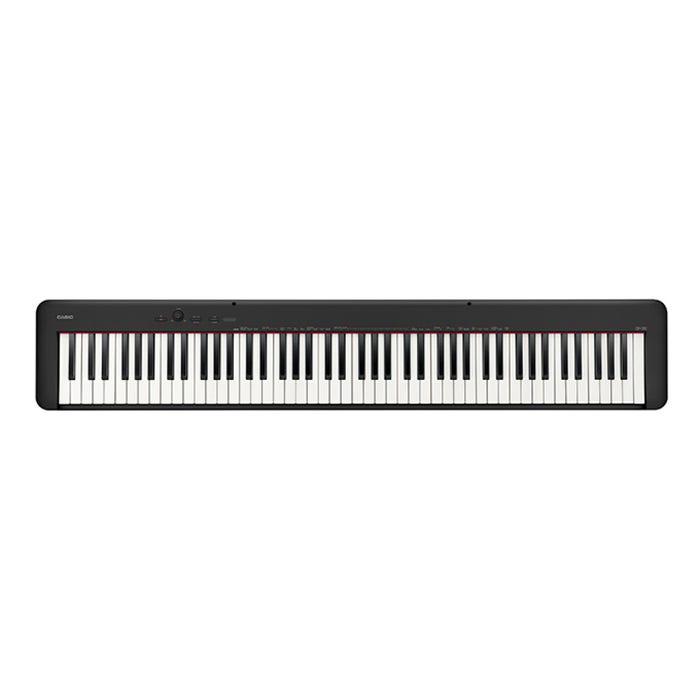
The gold standard for beginner digital pianos. 88 fully weighted keys with Graded Hammer Standard (GHS) action. Beautiful grand piano sound and powerful built-in speakers. Includes music rest and sustain pedal.
✓ Beginner Pros
+88 fully weighted keys with GHS action (heavier in bass, lighter in treble)
+Excellent grand piano sound from Yamaha's CFX
+Powerful 2-way speaker system
+Built-in metronome, recorder, and 10 demo songs
+USB to host for apps and computer connection
✗ Beginner Cons
-More expensive than other beginner models
-No Bluetooth (requires adapter)
-Sustain pedal included is basic (upgrade recommended)
-No learning lessons built-in
👍 Best for: Serious beginners who want the most realistic feel and sound for long-term use
A beginner keyboard is an electronic piano designed for learning. The key difference from a real piano is that digital keyboards are portable, have various sounds (organ, strings, etc.), and can be used with headphones. The two main types are portable keyboards (lightweight, often with unweighted keys for beginners) and digital pianos (heavier, with weighted keys that feel more realistic). For most beginners, a digital piano with 88 weighted keys is the best choice because it builds correct finger technique. However, a quality portable keyboard with semi-weighted keys can also be a great start if budget is tight. 'Beginner-friendly' means forgiving: keys that don't require perfect finger strength, good sound that encourages practice, and affordable price. Avoid tiny keyboards with fewer than 61 keys—they limit your playing range.
🔧 Essential Accessories for Beginners
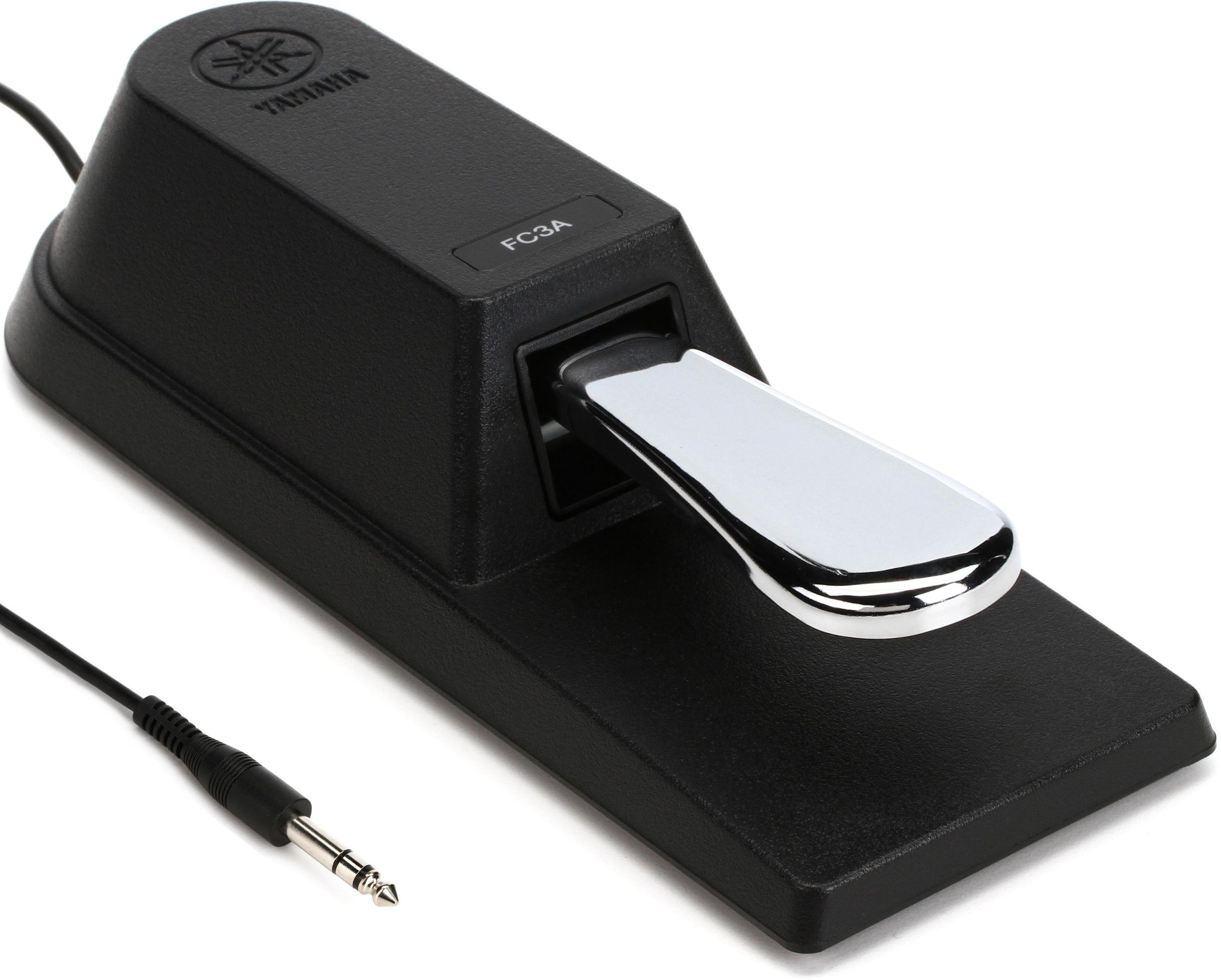
Yamaha FC3A Sustain Pedal
⚠️ Essential
$29.99
When to buy:
Day one
A sustain pedal is crucial for playing piano properly—it holds notes and adds expression. The FC3A is durable, responsive, and works with most keyboards.
Ask yourself: What's your budget? How serious are you? Do you want to eventually play classical, pop, or just learn casually? If you're unsure, aim for the 'sweet spot' range ($200–$400) where you get good weighted-action keys and decent sound without overspending. If you're very serious, invest more ($500–$700) for a premium model that will last years. Beginners should avoid the cheapest keyboards (under $100) as they often have poor touch response and sound. Also, consider room: if you live in an apartment, headphones and a compact size are vital. A red flag is any keyboard that doesn't specify 'weighted keys' or 'touch sensitive'—they are probably toys.
💰 Budget Guide for Beginners
500+
Professional entry – top-tier digital pianos that can last a lifetime
150 - $300
Sweet spot – best value for most beginners, often includes semi-weighted or light weighted keys
300 - $500
Premium beginner – excellent weighted action, rich sound, great for serious learners
Under $ - $150
Entry level – basic unweighted keys, ok for very casual play but limited growth
⚠️ Common Beginner Mistakes to Avoid
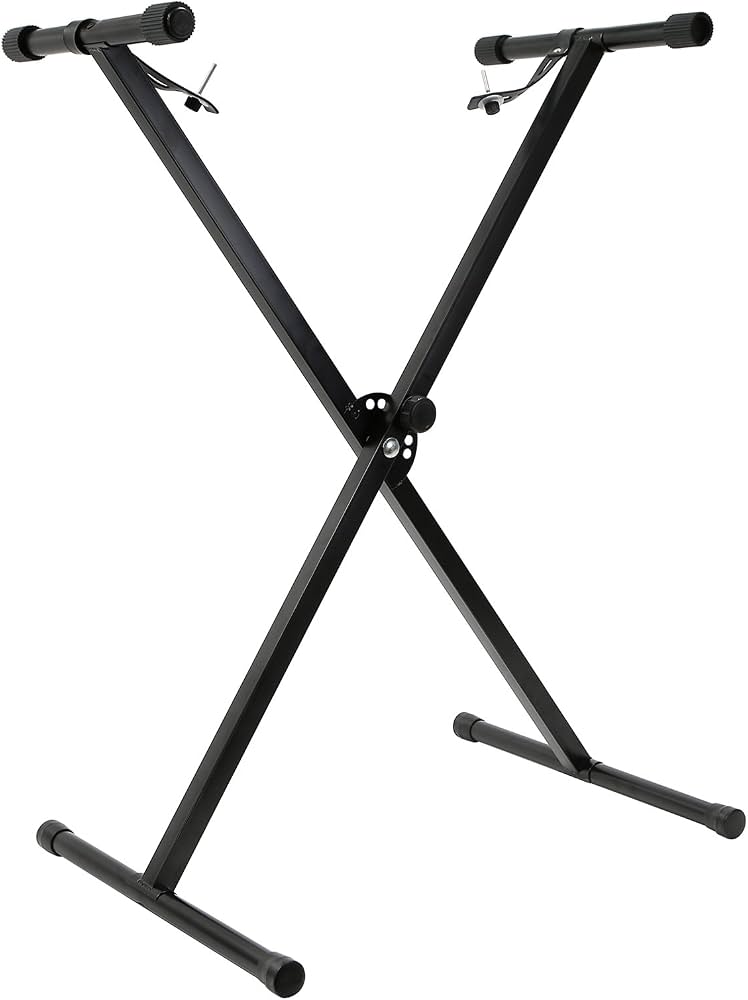
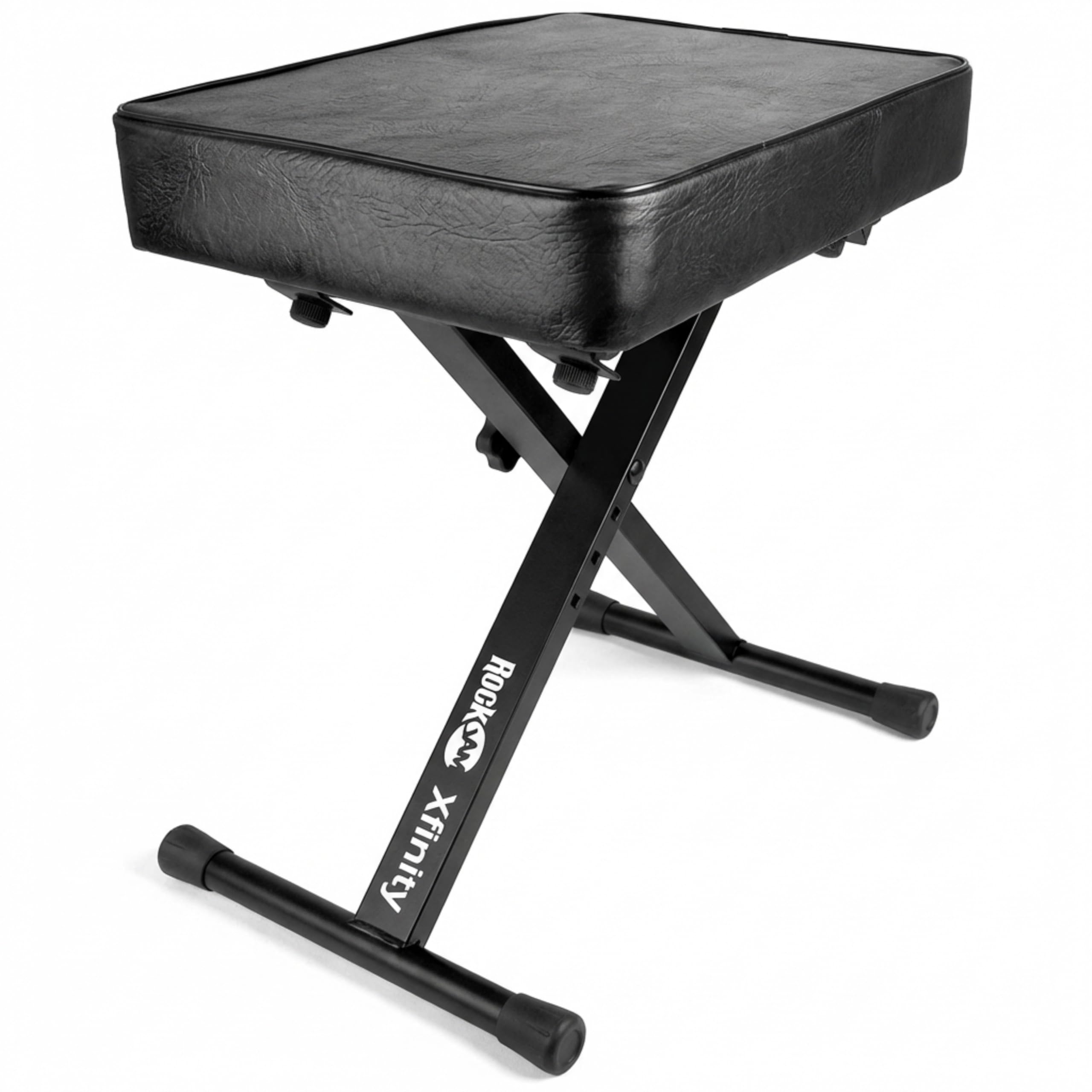
Many beginners buy a keyboard without weighted keys and later find it hard to transition to a real piano. Others skip the sustain pedal, which is essential for playing expressively. Another mistake is ignoring the stand and bench—playing on a table with a chair is uncomfortable and hurts your posture. Beginners also tend to focus on the number of sounds (voices) rather than key action and sound quality. Finally, many don't check if the keyboard has a headphone jack, which is critical for silent practice.
×Buying a keyboard without weighted keys
×Skipping the sustain pedal
×Ignoring a proper stand and bench
×Focusing on number of sounds instead of key action
×Not checking for headphone jack
×Buying too small (fewer than 61 keys)
×Underestimating the importance of built-in speakers
📈 Your Progression Path: Beginner to Intermediate
Start by learning basic scales and simple songs. Use built-in learning features or apps like Simply Piano. After 3–6 months, you'll outgrow a keyboard without weighted keys if you got one. Next, explore different piano sounds and experiment with the sustain pedal. As you improve, you may want a keyboard with more advanced features like Bluetooth connectivity for apps, better speaker systems, or more realistic action. Serious pianists eventually upgrade to a full digital or acoustic piano.
📚 Learning Resources for Beginners
📖Simply Piano by JoyTunes (app-based learning)
📖Alfred's Basic Adult Piano Course (book)
📖YouTube tutorial channels (Piano Lessons on the Web)
📖Synthesia (game-like practice software)
📖Metronome (app or physical device)
🎯 Bottom Line: Our Recommendations
For most beginners, the Casio CT-S1 offers the best balance of quality and price—it's portable, sounds great, and has weighted-like keys. If you have a bit more budget, the Yamaha P-125 gives you the most realistic piano feel and premium sound, perfect for long-term use. On a tight budget, the Alesis Recital Pro gets you weighted keys at an unbeatable price. Don't forget the essentials: a sustain pedal (like the Yamaha FC3A), an adjustable stand, and a comfortable bench. These will make learning much more enjoyable. Start simple, practice regularly, and enjoy the journey!
❓ Frequently Asked Questions
For most beginners, the Casio CT-S1 is an excellent choice due to its great sound, portability, and Bluetooth connectivity. If you want a full 88 weighted keys on a budget, the Alesis Recital Pro is unbeatable. For serious learners with a higher budget, the Yamaha P-125 offers the best realistic feel and sound.
Aim for $200–$400 for a quality instrument that will last you a couple of years. Avoid under $150 as those often have poor key action. If you're very serious, $500–$700 gets you a premium model that lasts for years.
Weighted or semi-weighted keys, built-in speakers, headphone jack, sustain pedal input, and simple controls. Extra sounds and recording are nice but not essential.
For classical piano, 88 keys are ideal. Many beginners start with 61 keys and later upgrade. If you're on a tight budget, 61 keys can work for popular music. Consider a 76-key model as a middle ground.
The Casio CT-S1 is very easy to use with a straightforward layout and Bluetooth for apps that guide you. The Alesis Recital Pro is also simple and includes an easy-to-navigate control panel.
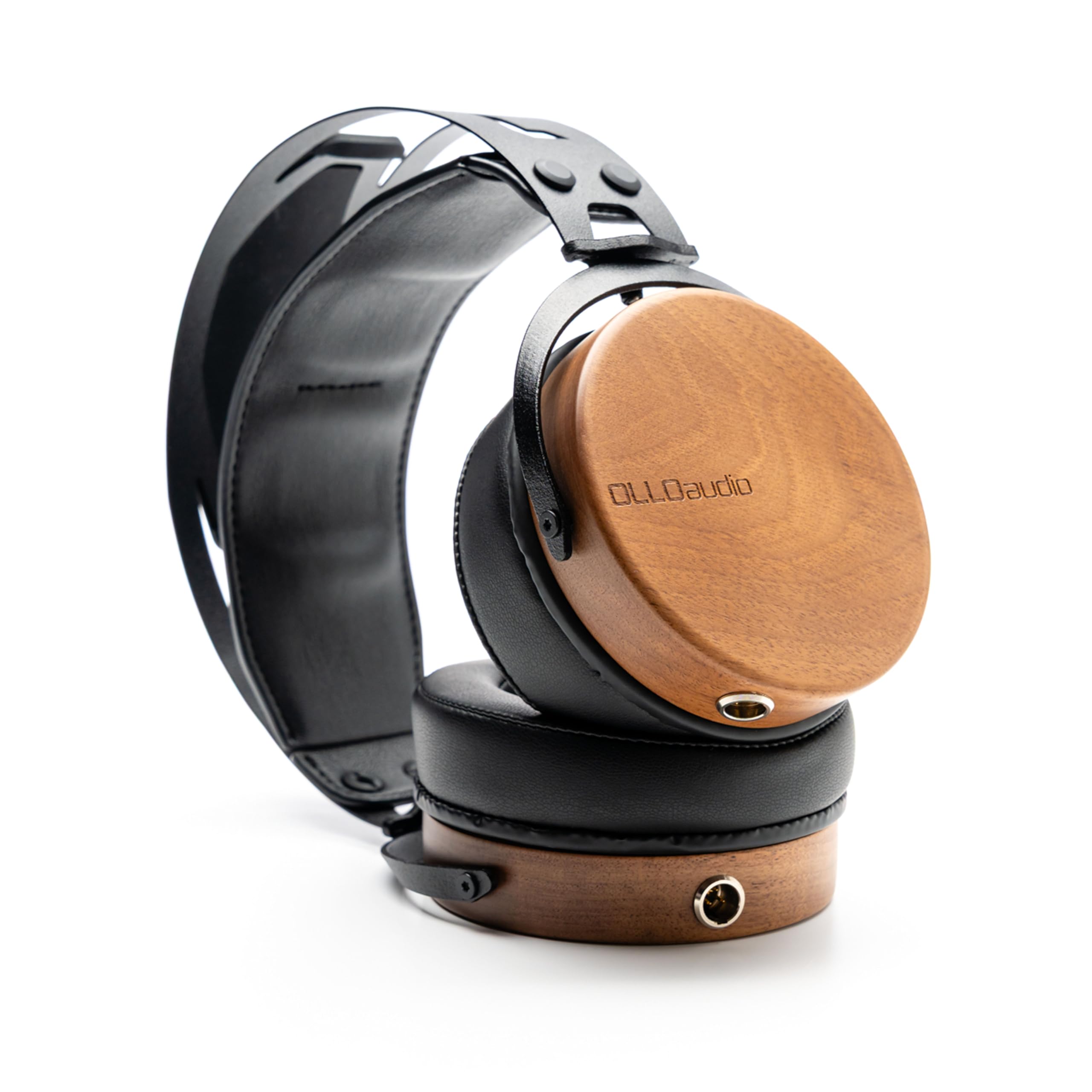
Essentials: sustain pedal, adjustable stand, and headphones. Highly recommended: adjustable bench. Nice-to-have: dust cover and a music rest if not included.
Decide your budget, how serious you are, and where you'll play. Look for weighted keys, good sound, and headphone support. Read reviews from beginners. If possible, try in a store.
Like any instrument, it requires consistent practice, but keyboards are forgiving and you can learn at your own pace. Many apps and online courses make learning fun and accessible.
Buying without weighted keys, skipping the sustain pedal, ignoring proper seating, focusing on sound count rather than key action, and buying too cheap.
Yes, for most beginners it's enough for the first year or two. You'll eventually want 88 keys for advanced pieces, but you can learn fundamentals on 61 keys.
Digital pianos are best for serious learners because they have weighted keys and full size. Portable keyboards are lighter and more affordable but often lack weighted keys. For long-term learning, invest in a digital piano.
Used can save money, but check for damaged keys, broken pedal jacks, or speaker issues. Stick with reputable brands and ensure it includes all necessary accessories.