#1
💰 Budget
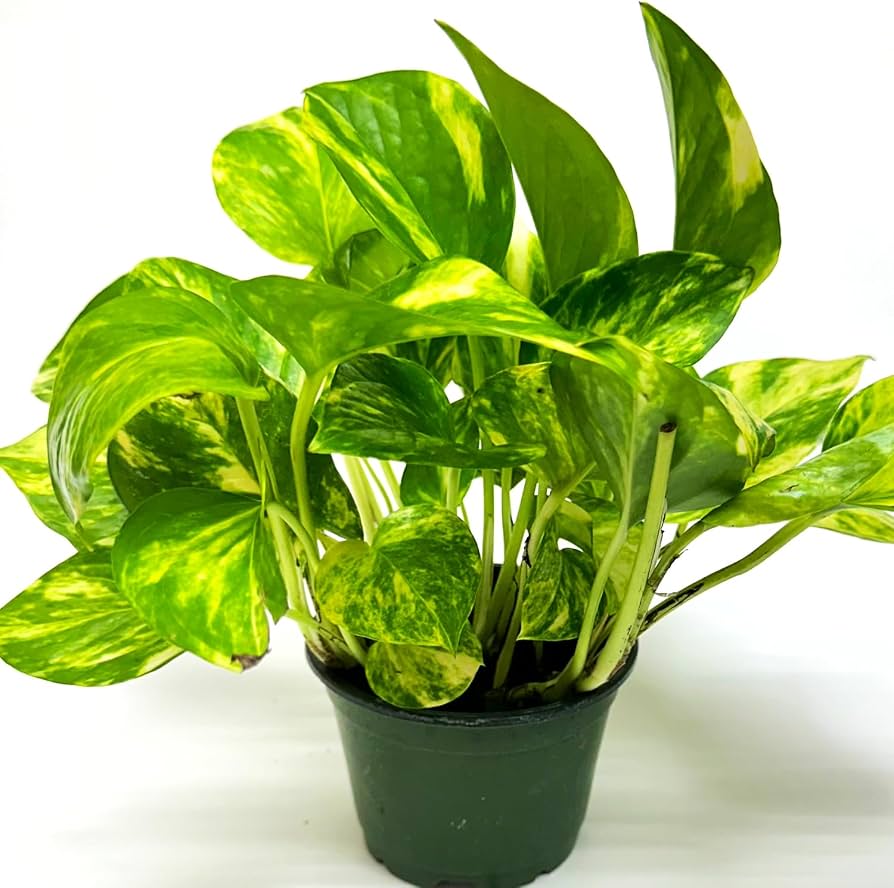
Golden Pothos Live Plant
Learning Curve: Easy
$15.00
Difficulty: 1/5
Why Great for Beginners:
This incredibly forgiving vine tolerates low light, irregular watering, and can even be grown in water. Pothos shows obvious drooping when thirsty, and it bounces back quickly. Perfect for learning to read your plant's cues. Buy on Amazon
✓ Beginner Pros
- +Very forgiving of missed waterings
- +Droops visibly when thirsty, so it's easy to read
- +Grows well in low light
- +Fast enough to be rewarding, but not overwhelming
- +Can be propagated from cuttings easily
✗ Beginner Cons
- -Mildly toxic to pets
- -Can become leggy if light is too low
- -Needs occasional pruning to stay tidy
👍 Best for: Complete beginners who want a fast-growing, easy-to-care-for vine and are okay with pet toxicity.
👎 Not for: Pet owners with cats/dogs that may chew plants, or anyone wanting a more upright plant.