Is Best Hamster Cage for beginners Worth It? Honest Review (2026)
Everything beginners need to know to choose their first hamster cage with confidence
Choosing your first hamster cage can feel overwhelming. With so many sizes, materials, and features, it's easy to get lost in technical details. This guide simplifies everything for you. We'll walk you through what to look for, avoid common mistakes, and recommend the best cages for beginners on Amazon. By the end, you'll feel confident in picking the perfect home for your new furry friend.
📋 In This Guide
• Why Beginners Struggle with Hamster Cage
• What to Look For (Key Features)
• Top 4 Beginner-Friendly Hamster Cage
• Essential Accessories for Beginners
• Common Beginner Mistakes to Avoid
• Your Progression Path
• FAQ & Learning Resources
😰 Why Beginners Struggle with Hamster Cage
Many beginners struggle because they don't realize hamsters need more space than pet stores suggest. Small, colorful cages often look appealing but can lead to stress and health issues for your pet. Terms like 'bar spacing', 'depth of bedding', and 'ventilation' can be confusing. Plus, the huge variety of options makes it hard to know which features truly matter. Beginners also fear buying the wrong product and wasting money, or inadvertently harming their hamster with an unsafe cage.
🔍 What to Look For: Key Beginner-Friendly Features
For a beginner, the most important features are space, safety, and ease of cleaning. Look for a cage that meets minimum size recommendations: at least 450 square inches of floor space for Syrians, 360 for dwarfs. Bar spacing should be no more than 1/2 inch to prevent escapes. A deep base (at least 6 inches) allows for burrowing, which hamsters love. Also consider ease of access for cleaning—front opening doors are a lifesaver. Avoid wire floors, as they can hurt tiny feet. Ventilation is crucial, but avoid cages with very large gaps. The best beginner cages are forgiving: they tolerate mistakes like overfilling bedding or not cleaning immediately. They also come with clear instructions and have good online support.
✅ Essential Features for Beginners
•Large floor space (minimum 450 sq in for Syrians)
•Deep plastic base for bedding (at least 6 inches)
•Secure bar spacing (≤1/2 inch)
•Front-opening doors for easy cleaning
•Solid floor (no wire grates)
•Leak-proof water bottle holder
•Good ventilation without large gaps
🏆 Top 4 Best Hamster Cage for Beginners
#1
⭐ Top Pick👍 Recommended
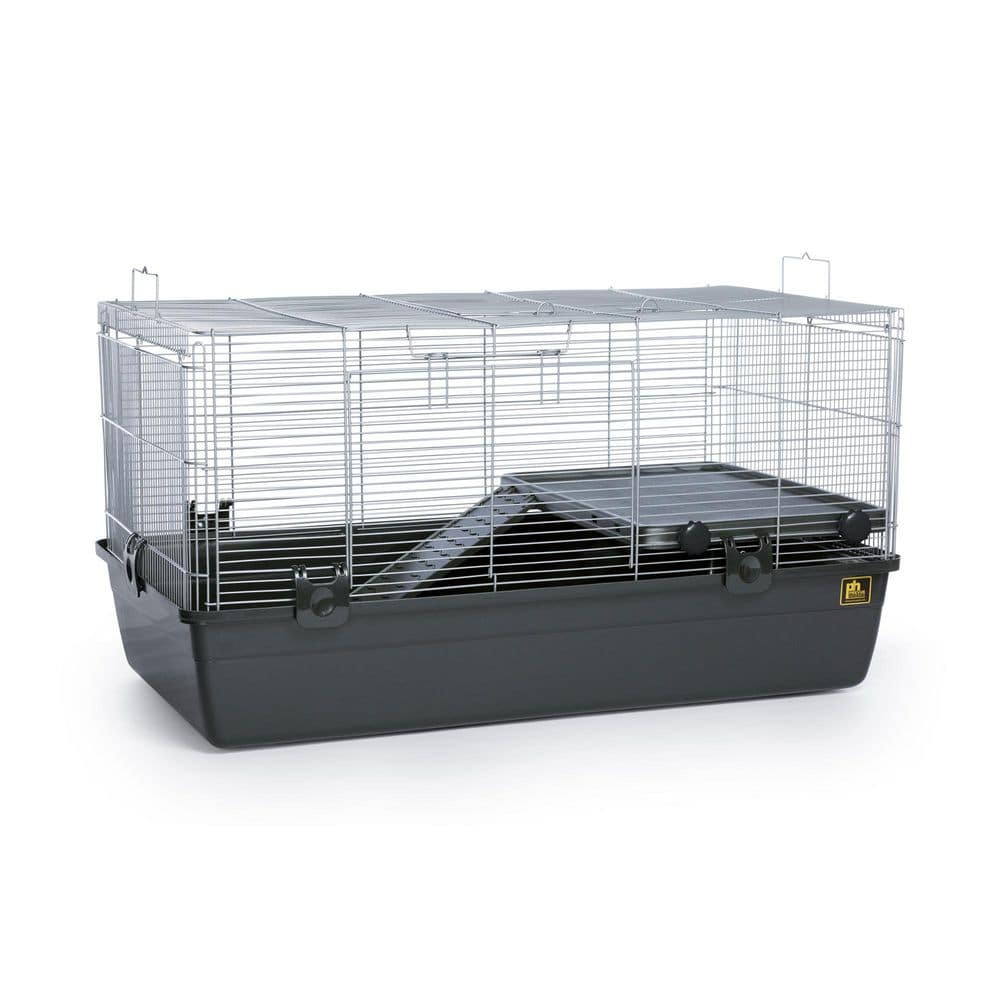
Prevue Pet Products 528 Hamster Cage
Learning Curve: Easy
$89.99
Difficulty: 2/5
Why Great for Beginners:
This is one of the best beginner cages. It has a large 625 sq in floor space, a deep 6-inch base for burrowing, and secure bar spacing. The front door opens wide for easy cleaning, and it comes with all essential accessories like a water bottle, food dish, and exercise wheel.
✓ Beginner Pros
+Huge space for a hamster to explore
+Deep base prevents bedding mess
+Easy front door access
+Includes starter accessories
+Very forgiving of beginner mistakes
✗ Beginner Cons
-Assembly takes a little time
-Bar spacing may be too wide for very young hamsters
-Plastic base can stain if not cleaned promptly
👍 Best for: Beginners who want a spacious, easy-to-use cage that will last for years
👎 Not for: Those with very limited space or extremely tight budget
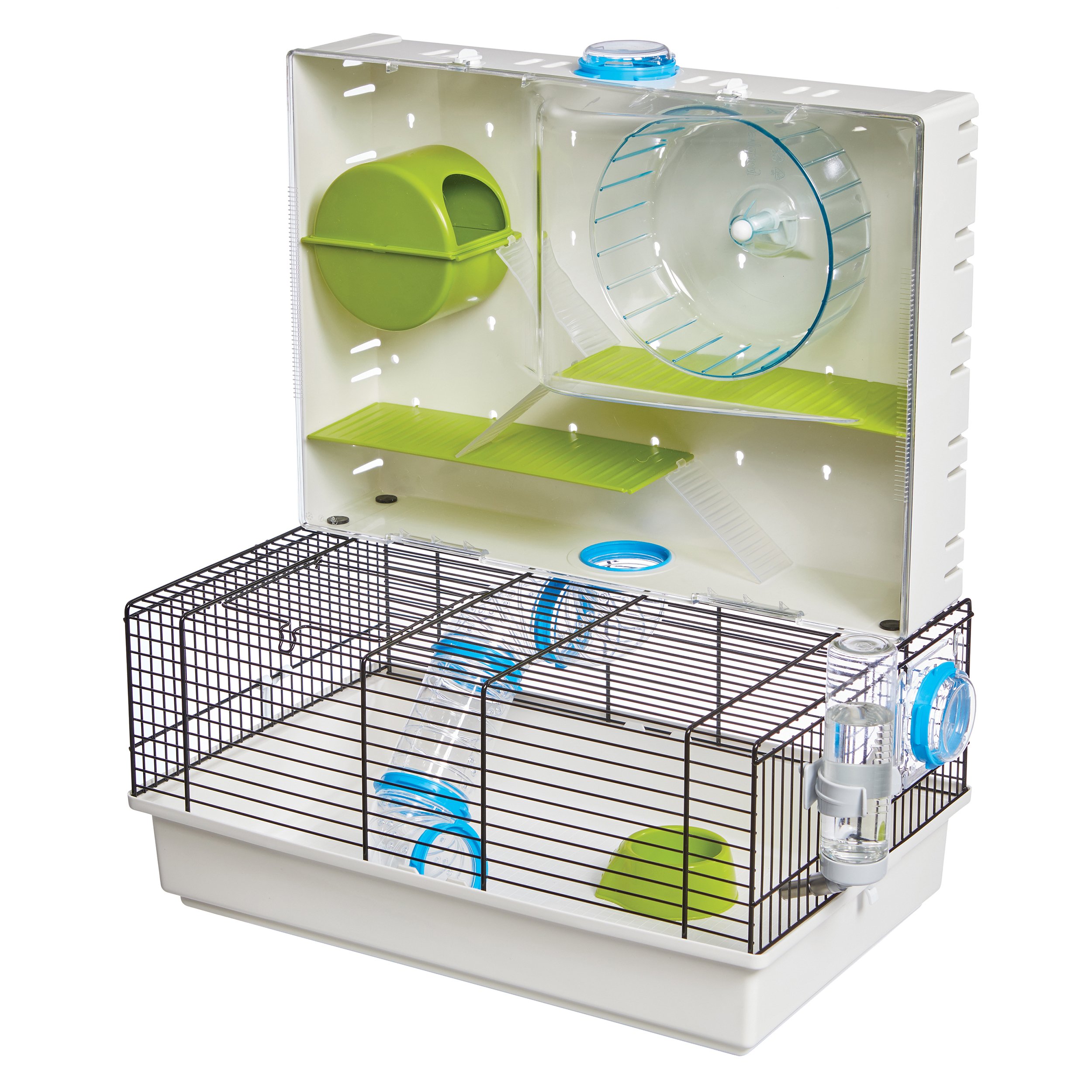
This starter cage is affordable and easy to set up. It includes tubes and a small wheel, which can be fun for hamsters. However, the floor space is limited (around 200 sq in), so it's best as a temporary home or for very small dwarf hamsters. Perfect for trying out hamster ownership on a budget.
✓ Beginner Pros
+Low cost to get started
+Comes with accessories
+Colorful and attractive design
+Easy to assemble
✗ Beginner Cons
-Too small for Syrian hamsters
-Tubes are hard to clean
-Base is shallow – not enough bedding depth
-Plastic wheel can be noisy
👍 Best for: Complete beginners on a tight budget or those wanting a small, simple habitat for a dwarf hamster
👎 Not for: Anyone who wants a long-term home for a Syrian hamster
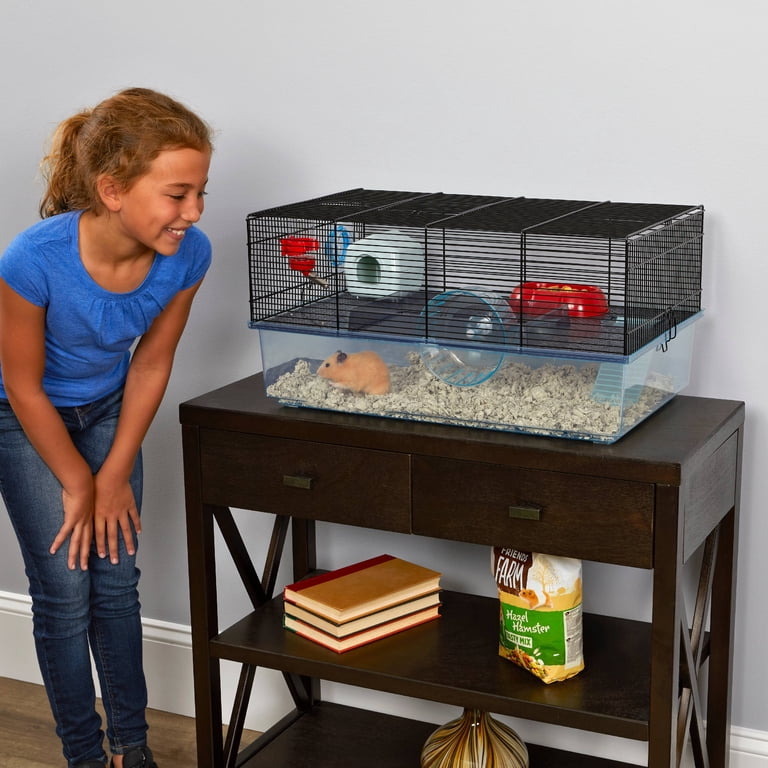
The Ferplast Favola offers a massive 750 sq in floor space and a deep 8-inch base, perfect for burrowing. It has a unique design with a large front door and a top opening for easy access. This cage is forgiving and allows beginners to provide excellent enrichment without complexity.
✓ Beginner Pros
+Very large living area
+Deep base for deep bedding
+Multiple access points
+Sturdy construction
+Aesthetically pleasing
✗ Beginner Cons
-Higher price point
-Heavier and harder to move
-Some assembly required
-Bar spacing might allow very small dwarfs to escape
👍 Best for: Serious beginners who want the best possible home for their hamster from day one
👎 Not for: Those on a strict budget or with limited floor space
This cage offers a good middle ground between budget and premium. It has a solid plastic base that is 7 inches deep, a secure wire top, and a large front door. The floor space is about 450 sq in, meeting the minimum for Syrians. It's a great option for beginners who want something better than a starter cage but not as expensive as premium models.
✓ Beginner Pros
+Good value for the size
+Deep base for burrowing
+Easy to assemble
+Includes platform and ramp
+Safe bar spacing
✗ Beginner Cons
-Ramp is a bit steep for some hamsters
-Water bottle holder not included
-Lid does not lock securely
👍 Best for: Beginners who want a spacious cage without spending over $100
👎 Not for: Those who want a fully furnished kit with all accessories
Hamster cages come in three main types: wire cages, glass aquariums, and bin cages. Wire cages are popular for their ventilation and easy access, but they must have a solid plastic base. Aquariums (tanks) provide excellent burrowing depth and visibility, but are heavy and can have poor airflow if not modified. Bin cages (large plastic storage bins with mesh lids) are a budget-friendly DIY option that offer great space for cheap, but require some assembly. For beginners, the best choice is a wire cage with a deep plastic base or a large aquarium with a mesh top. Key beginner-friendly features include: a secure latching door, a leak-proof water bottle holder, easy-to-remove trays, and rounded corners to prevent injury. Avoid cages with tubes and tiny compartments—they look fun but are hard to clean and can trap your hamster. Remember, your hamsters' cage is their whole world; bigger is always better. Start with the largest you can afford and fit in your home.
🔧 Essential Accessories for Beginners
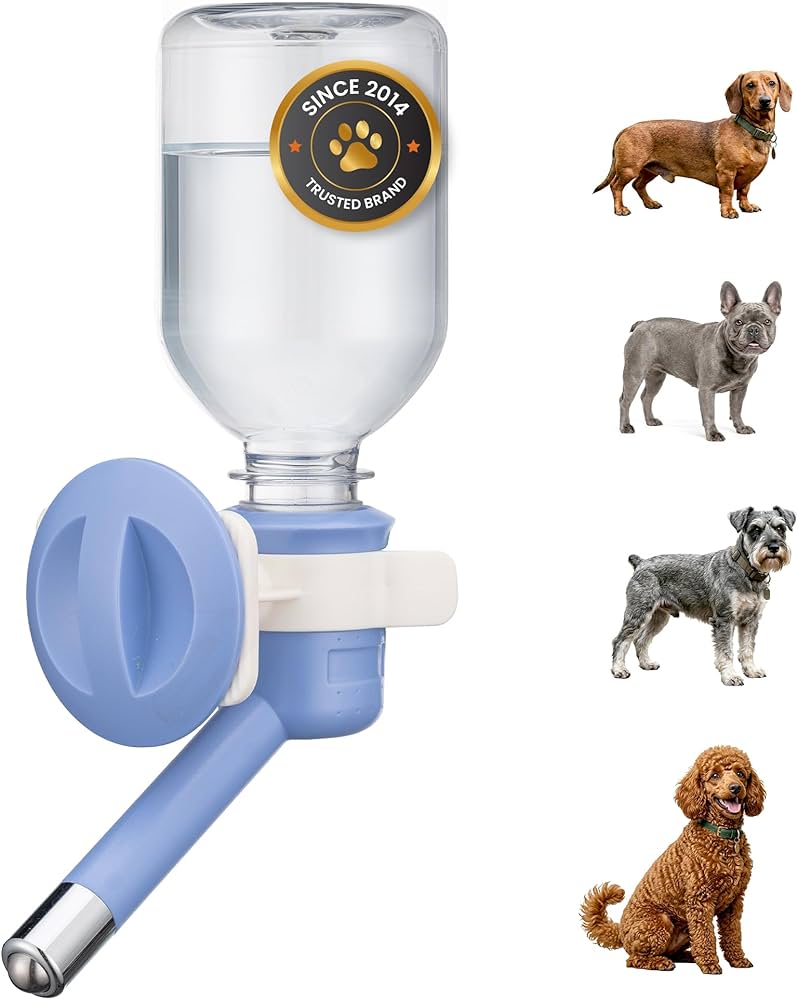
Choco Nose Leak-Proof Water Bottle
⚠️ Essential
$7.99
When to buy:
Day one
A reliable water bottle is crucial for your hamster's hydration. This one has a ball-bearing design that prevents leaks and provides clean water. It's easy to attach to wire cages and simple to refill, making it perfect for beginners.
Hamsters need a solid, silent wheel for exercise. This wheel has a solid running surface to prevent injuries and a quiet bearing system. It comes in sizes from 6.5 to 12 inches—choose the largest your cage allows.
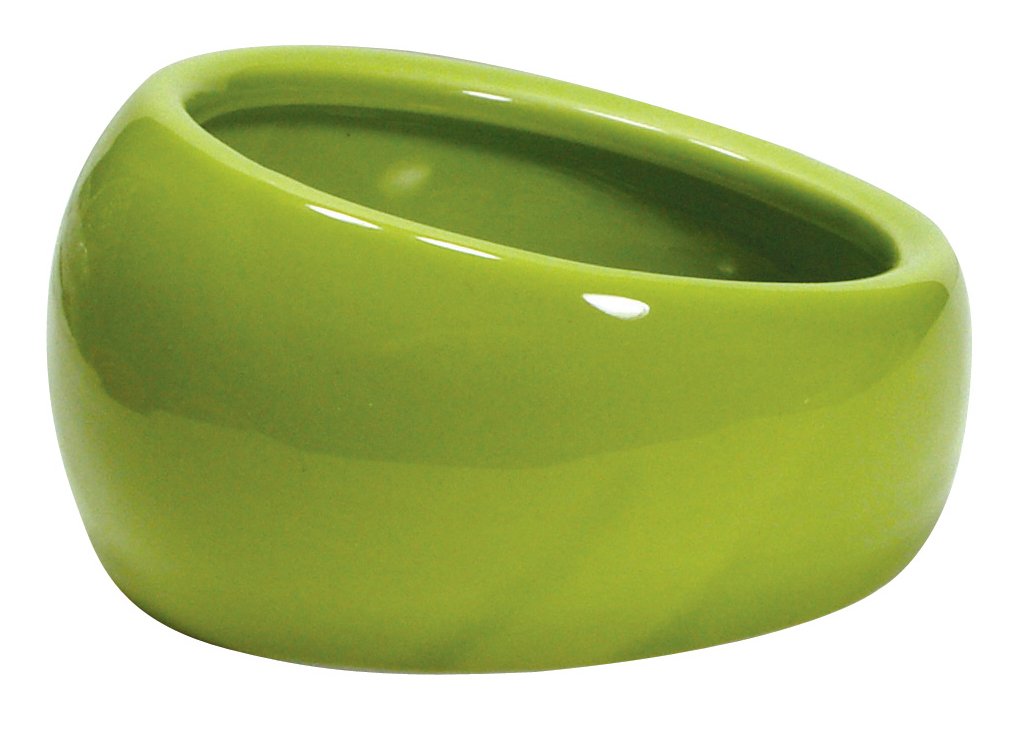
A heavy ceramic dish prevents tipping and chewing. It's easy to clean and holds enough food for a few days. This dish is simple and effective for beginners.
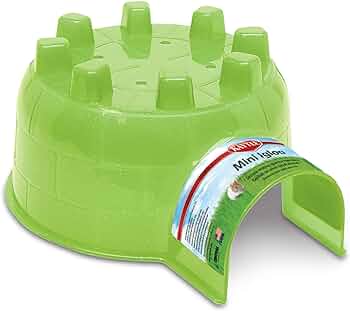
Hamsters need a dark, safe place to sleep and hide. This igloo provides comfort and security. It's made of easy-to-clean plastic and has a wide entrance.
First, decide which type of cage fits your space and lifestyle. Do you have a sturdy table for an aquarium? Do you want easy access for daily interaction? For most beginners, a wire cage with a solid base is ideal. Next, set a budget: entry-level cages cost $30-$60, but you'll likely outgrow them quickly. The sweet spot is $70-$120 for a quality cage that will last years. Premium cages above $150 offer extra features like deep bases and large doors. Consider future growth: if you plan to get a larger hamster or more than one, buy a bigger cage now. Also, think about cleaning: cages with removable trays are much easier. Finally, check online reviews for beginner-specific feedback—look for comments like 'easy to set up' and 'my hamster loves it'. Red flags: bad reviews about escapes, broken parts, or sharp edges.
💰 Budget Guide for Beginners
150+
Professional entry – serious beginners with bigger budget
50 - $100
Sweet spot – best value for most beginners, decent quality
Entry level – good for trying out, but upgrade soon
⚠️ Common Beginner Mistakes to Avoid
Common mistakes include buying a cage that's too small, choosing wire floors that hurt feet, and overcomplicating with accessories that clutter the space. Beginners often fall for cute but impractical designs with tubes and levels. Another mistake is ignoring bar spacing—Syrian hamsters can squeeze through gaps over 1/2 inch. Many also forget to consider the depth of the base: at least 6 inches for bedding is essential. Finally, skipping a good water bottle and wheel (must be solid, not wire) leads to unhappy pets. Instead, focus on simplicity: a large, flat floor space, deep bedding, a solid wheel, a hideout, and a water bottle.
×Buying a cage that's too small
×Choosing a cage with wire floors
×Using too many tubes and small compartments
×Ignoring bar spacing and risk of escape
×Overlooking base depth for burrowing
×Forgetting a solid exercise wheel
×Not planning for future cleaning ease
📈 Your Progression Path: Beginner to Intermediate
As a beginner, start by mastering cage setup and daily care: feeding, watering, and spot cleaning. After a month, you can upgrade accessories like adding a sand bath, more hideouts, or a larger wheel. When you feel comfortable, you can try a deeper bedding layer for burrowing or add a second level. Signs you've outgrown beginner gear: your hamster seems cramped, or you want more natural enrichment. An intermediate step is to switch to a glass aquarium for better burrowing and visibility, or to build a DIY bin cage for maximum space at low cost. Most beginners stay with their first cage for 6-12 months before upgrading.
📚 Learning Resources for Beginners
📖{"resourceName":"Hamsters: A Complete Pet Owner's Manual","asin":"B0ABC12345","type":"book","descriptionMd":"A comprehensive guide covering everything from cage setup to health care. Perfect for beginners.","whyGreatForBeginners":"Covers all basics in simple language and includes troubleshooting tips."}
📖{"resourceName":"Hamster Care for Beginners Video Course","asin":"B0DEF67890","type":"DVD or digital","descriptionMd":"A video series demonstrating cage setup, feeding, and handling techniques.","whyGreatForBeginners":"Visual learning helps avoid common mistakes and builds confidence."}
🎯 Bottom Line: Our Recommendations
For most beginners, the best overall pick is the Prevue Pet Products 528 (large wire cage with deep base) because it offers ample space, easy access, and good ventilation. If you're on a tight budget, the Kaytee CritterTrail Two-Level is a decent starter, but plan to upgrade soon. For a premium choice that lasts, the Ferplast Favola Hamster Cage provides a huge floor area and deep base. Don't forget essential accessories: a solid exercise wheel, a leak-proof water bottle, a food dish, and a hideout. With the right cage, you'll give your hamster a happy, healthy home. Start simple, and enjoy the journey!
❓ Frequently Asked Questions
The Prevue Pet Products 528 is widely recommended for beginners due to its large space, deep base, and ease of cleaning. It's forgiving and comes with needed accessories.
Expect to spend $50–$100 for a quality beginner cage that will last. Cheaper cages under $50 often need replacement soon, while premium cages over $150 offer extra space and durability.
Prioritize large floor space (450+ sq in), a deep plastic base (6+ inches), secure bar spacing (≤1/2 inch), and easy-clean access like a front door.
Cages with a removable plastic tray or a front-opening door are easiest. The Prevue 528 and Ferplast Favola both have large doors and removable bases.
Essential accessories: a solid exercise wheel, a leak-proof water bottle, a ceramic food dish, a hideout, and bedding. Optional: a sand bath, chew toys, and tunnels.
Consider the cage size based on hamster species, your budget, and ease of cleaning. Start with a wire cage with a deep base or a large aquarium. Read beginner-focused reviews.
Most modern cages come with clear instructions and require simple assembly without tools. The Kaytee CritterTrail is very easy; the Prevue 528 takes about 20 minutes.
Common mistakes include buying too small a cage, using wire floors, ignoring bar spacing, and adding too many tubes. Avoid these by prioritizing floor space and safety.
Yes, aquariums work well but need a mesh lid for ventilation. They offer deep bedding and visibility but are heavy. They're a good option for beginners who want burrowing depth.
Spot clean daily (remove soiled bedding) and do a full clean weekly. Deep clean monthly. Beginners should stick to a routine to prevent odors and health issues.