Is Best Ham Radio for beginners Worth It? Honest Review (2026)
Everything you need to know to choose your first ham radio with confidence.
Starting with ham radio can feel overwhelming. There are dozens of models, technical specs, and accessories to consider. But don't worry—this guide is designed to cut through the clutter and help you choose a radio that's easy to use, forgiving of mistakes, and won't break the bank. Whether you're looking to chat with local hams, participate in emergency communications, or explore the hobby, we'll walk you through everything step by step.
📋 In This Guide
• Why Beginners Struggle with Ham Radio
• What to Look For (Key Features)
• Top 5 Beginner-Friendly Ham Radio
• Essential Accessories for Beginners
• Common Beginner Mistakes to Avoid
• Your Progression Path
• FAQ & Learning Resources
😰 Why Beginners Struggle with Ham Radio
Many beginners are intimidated by the technical jargon: terms like 'dual band', 'CTCSS', 'memory channels', and 'power output' can sound like a foreign language. There's also the fear of buying the wrong radio—one that's too complicated, too limited, or missing essential features. With hundreds of options on Amazon, it's easy to feel paralyzed. Newcomers often start with ultra-cheap radios and get frustrated by poor audio quality or confusing menus, while others overspend on advanced gear they don't need. The key is knowing which features actually matter for a beginner and which ones can wait.
🔍 What to Look For: Key Beginner-Friendly Features
For a first ham radio, prioritize ease of use, forgiveness, and value. Look for a handheld (HT) with dual-band (VHF/UHF) capability—this covers most local repeaters and simplex operations. A simple menu system, large display, and good audio are essential. Avoid radios with too many knobs or a steep learning curve. Features like a built-in flashlight, NOAA weather alerts, and a standard charging dock are nice bonuses. Beginners don't need high power (4–5 watts is plenty), digital modes, or complex programming software. Instead, focus on radios that are intuitive out of the box and have strong community support for learning.
✅ Essential Features for Beginners
•Dual-band VHF/UHF operation – covers all local repeaters and simplex
•Simple menu system – easy to navigate without a manual
•Good audio quality – clear transmit and receive sound
•Built-in flashlight – handy for emergencies
•NOAA weather alerts – automatic warnings for severe weather
•Standard charging dock – no fiddling with cables
🏆 Top 5 Best Ham Radio for Beginners
#1
💰 Budget
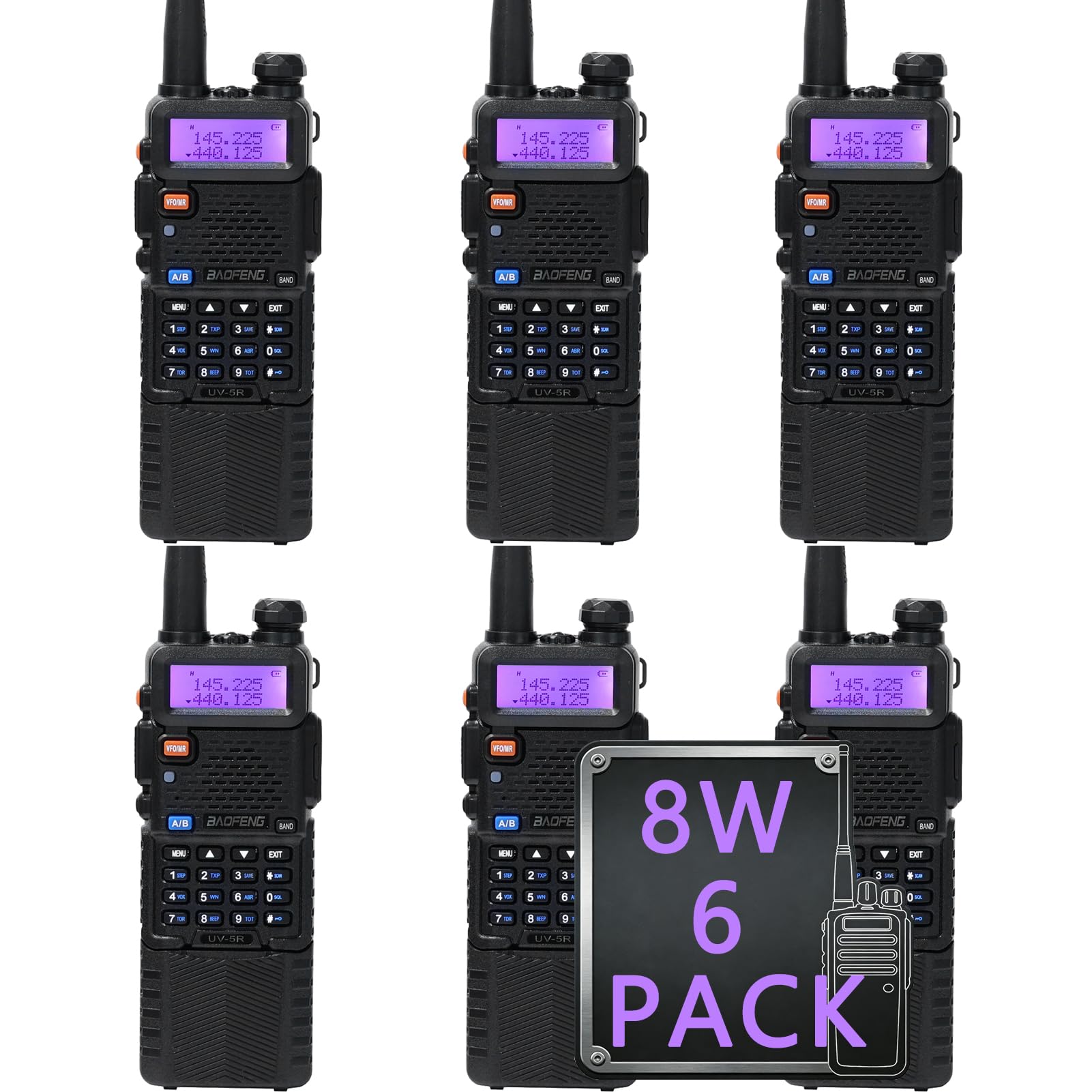
Baofeng UV-5R Dual Band Two Way Radio
Learning Curve: Moderate
$25.99
Difficulty: 3/5
Why Great for Beginners:
The UV-5R is the most popular beginner radio due to its low price and huge community support. It's dual-band, has a simple enough menu, and is forgiving if you drop it or make programming mistakes.
✓ Beginner Pros
+Extremely affordable
+Dual-band VHF/UHF
+Large online community offers tutorials
+Simple menu structure once you learn it
✗ Beginner Cons
-Menu not intuitive at first
-Audio can be scratchy on stock antenna
-Build quality feels cheap
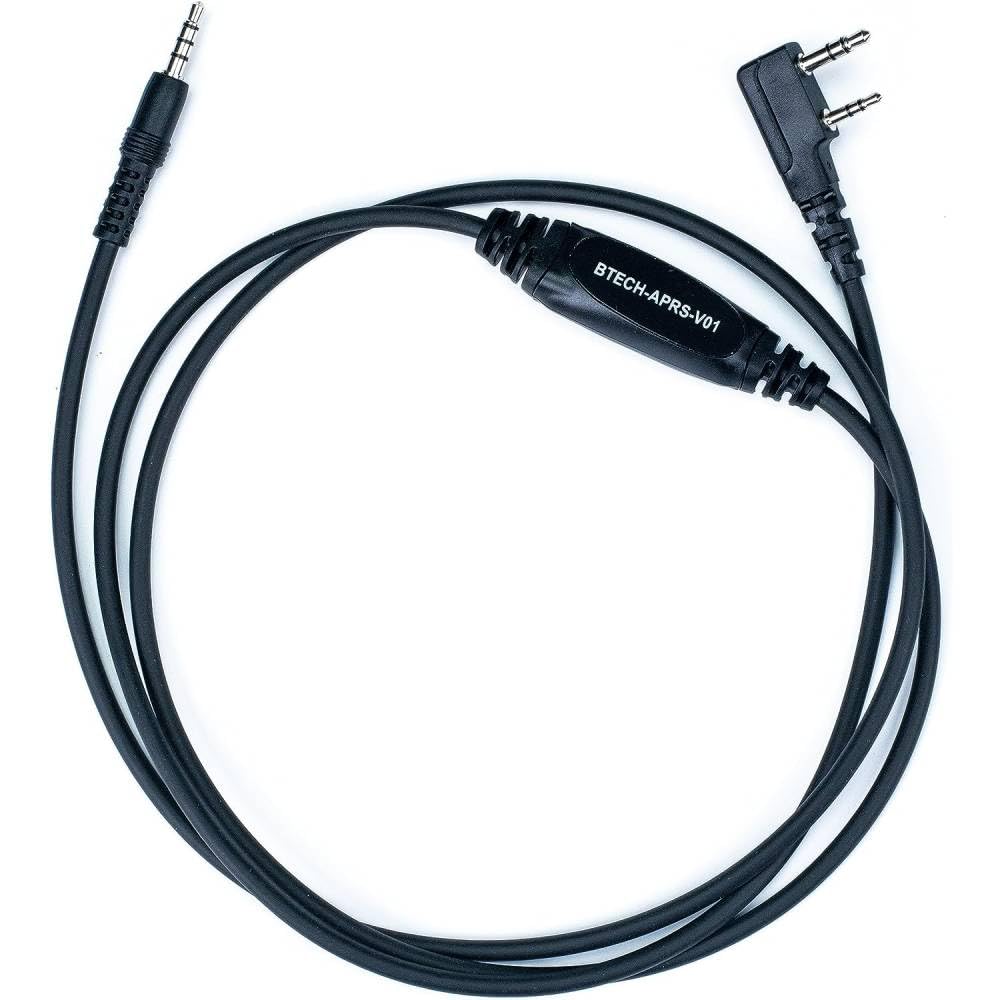
-Programming cable recommended for serious use
👍 Best for: Budget-conscious beginners who want to get on the air quickly and don't mind a bit of initial learning
👎 Not for: Those who want a polished user experience out of the box or need excellent audio quality
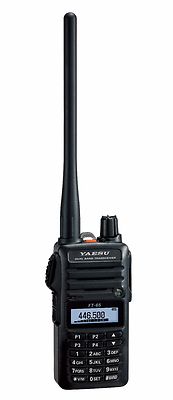
The FT-65R offers a significant quality jump with clearer audio, a more rugged build, and easier manual programming. Its large display and intuitive interface make it a joy for beginners who can afford a bit more.
✓ Beginner Pros
+Outstanding audio quality
+Sturdy build with IP54 rating
+Large, easy-to-read display
+Simple menu with dedicated buttons
✗ Beginner Cons
-Higher price than budget options
-No NOAA weather alerts
-Battery life slightly below some competitors
👍 Best for: Beginners who value reliability, audio quality, and ease of use and have a budget of ~$150
👎 Not for: Those on a strict budget or who need weather alert features
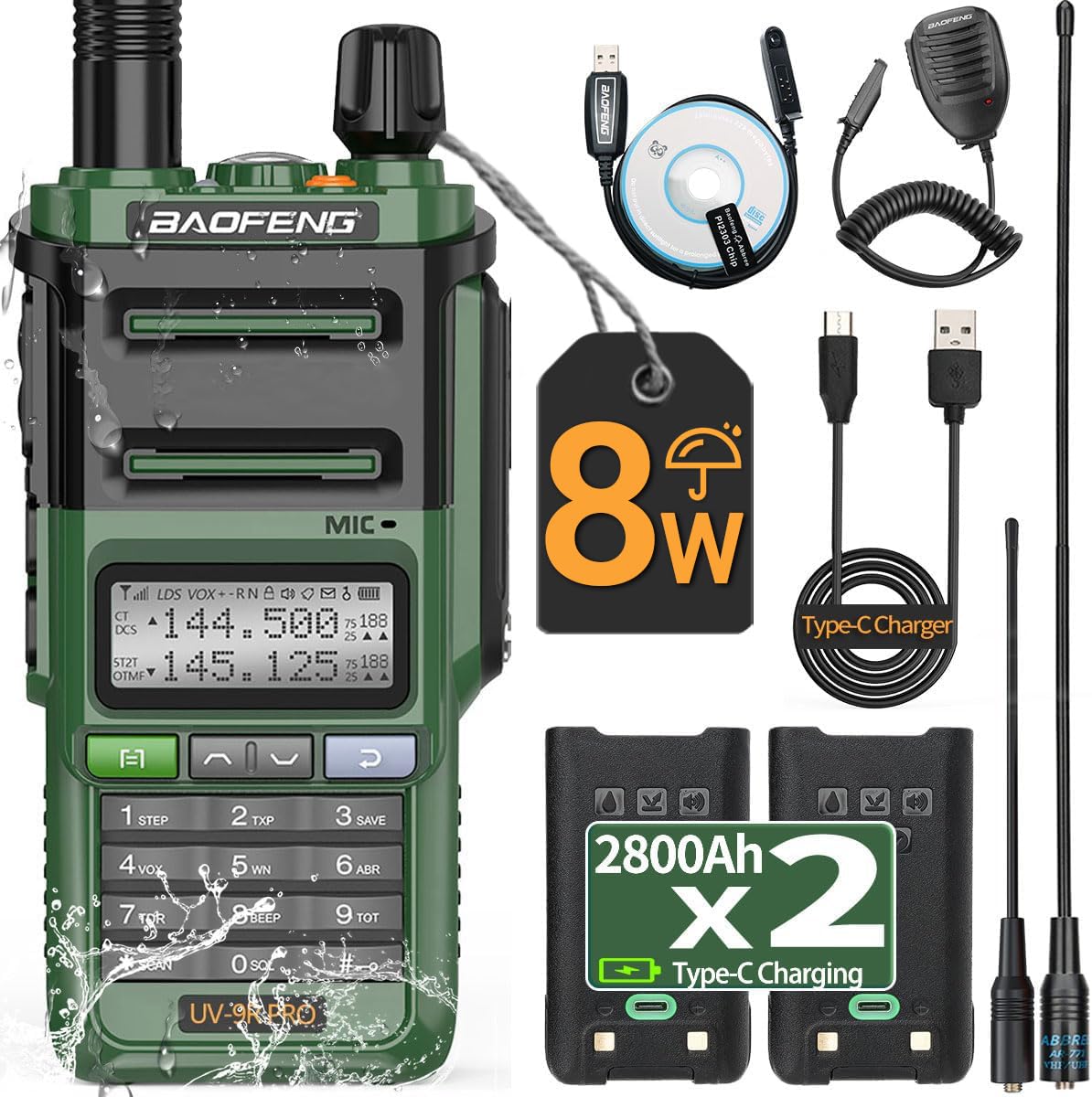
The UV-9R is a waterproof variant of the UV-5R with upgraded audio and an IP67 rating. It's a great choice if you plan to take your radio outdoors or in wet conditions, and it's still very affordable.
✓ Beginner Pros
+Waterproof (IP67) – peace of mind in rain or snow
+Better audio than UV-5R
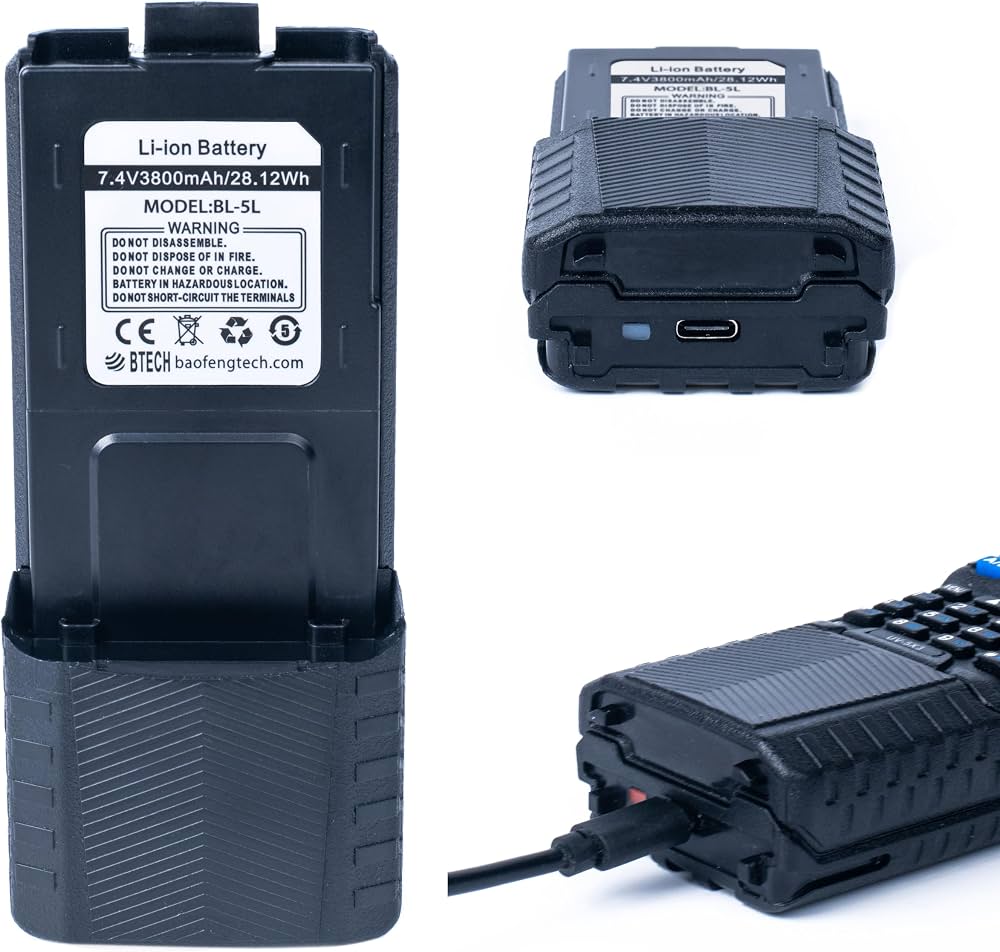
+Larger battery capacity
+Dual-band
✗ Beginner Cons
-Same menu complexity as UV-5R
-Slightly bulkier
-No major feature improvements besides waterproofing
👍 Best for: Outdoor enthusiasts or those who want a rugged, weatherproof radio
👎 Not for: Beginners who prioritize ease of programming over durability
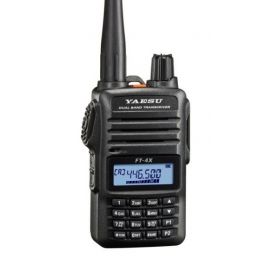
The FT-4X is the perfect sweet spot for most beginners. It's simpler than the UV-5R with a more intuitive interface, and it offers great audio at a moderate price. Its compact size is ideal for carrying.
✓ Beginner Pros
+Very beginner-friendly menu
+Clear audio
+Compact and lightweight
+Good battery life
+Built-in CTCSS/DCS encode/decode
✗ Beginner Cons
-Only 5W power (same as others)
-No weather alerts
-Smaller display
👍 Best for: The majority of beginners who want a no-hassle, quality radio without spending too much
👎 Not for: Those who need weather alerts or the most rugged build
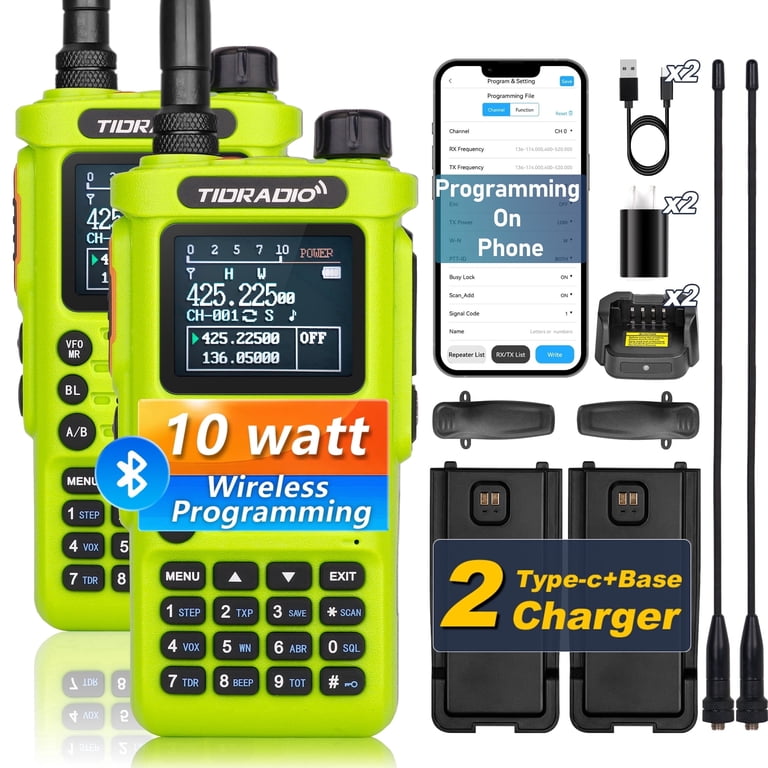
The TD-H8 is a modern alternative to the UV-5R with a better screen, USB-C charging, and a more intuitive interface. It's an excellent choice for beginners who want a little more refinement without spending over $100.
✓ Beginner Pros
+USB-C charging – no separate charger needed
+Large color screen
+Pre-programmed with many repeaters
+Good audio
✗ Beginner Cons
-Brand less known than Yaesu
-Manual could be better
-Battery life average
👍 Best for: Tech-savvy beginners who like modern features like USB-C and a color screen
👎 Not for: Those who prefer a well-known brand or need weather alerts
Ham radio is a hobby where licensed operators use designated frequencies to communicate locally, regionally, and even worldwide. For beginners, the most common radio type is a handheld transceiver (HT), similar to a walkie-talkie but more powerful and versatile. HTs operate on two main bands: VHF (very high frequency, 144–148 MHz) and UHF (ultra high frequency, 420–450 MHz). These bands cover local repeaters (which extend your range) and direct simplex conversations. Most beginners start with a simple dual-band HT. These radios are portable, require no installation, and have a low cost of entry. As you grow, you can add a mobile radio for your car or a base station for your home. For now, focus on a radio that is easy to program (either manually or with free software), has a clear manual, and is popular enough that you can find tutorials and help online.
🔧 Essential Accessories for Beginners
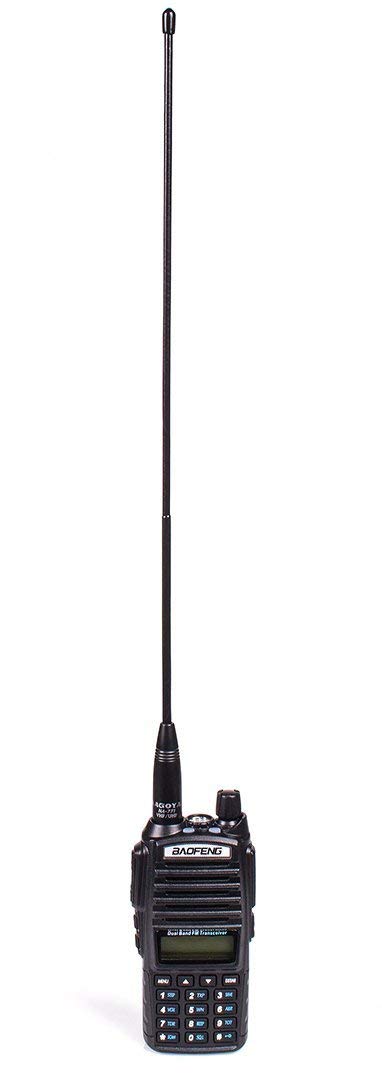
Nagoya NA-771 15.6-Inch Dual Band Antenna
⚠️ Essential
$15.99
When to buy:
Day one
The stock antenna on most cheap radios is inefficient. A Nagoya NA-771 significantly improves transmit and receive range, making your first contacts much more enjoyable.
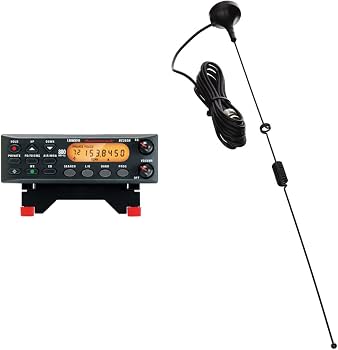
For those who also want to listen to aviation or police frequencies (receive only), a dedicated scanning antenna can open up more listening fun alongside ham use.
Start by asking yourself: What do I want to do with ham radio? Chat with local friends on a repeater? Participate in emergency drills? Learn about electronics? For most beginners, a dual-band HT under $100 will suffice. Set a realistic budget: for a complete starter package (radio, charger, extra antenna, and maybe a programming cable), plan to spend between $50 and $150. Avoid the temptation to buy the cheapest radio—it often has poor build quality and audio. Instead, look for a radio that has a good reputation for reliability and user-friendliness. Check online forums and Amazon reviews for beginner-friendly feedback. A red flag is a radio that requires a computer to do basic functions like scanning repeaters; manual programming should be straightforward.
💰 Budget Guide for Beginners
250+
Serious beginner – advanced features like GPS, digital modes, or all-band coverage; consider only if you're sure this hobby is for you.
50 - $150
Sweet spot – best value for most beginners; includes solid handhelds like Baofeng UV-5R or Yaesu FT-4X.
150 - $250
Premium beginner – higher quality from brands like Yaesu or Icom; better receiver and durability.
Under $ - $50
Entry level – good for tasting the hobby, but expect limitations in audio and build quality.
⚠️ Common Beginner Mistakes to Avoid
The most common mistake is buying too cheap—radios under $20 are often frustrating and may not be FCC compliant. Another mistake is buying a radio with too many features you'll never use, like DMR digital modes, which require a complex codeplug setup. Beginners also forget to buy a better antenna—the stock antenna is often mediocre. Skipping a programming cable is another error, as manual programming can be tedious. Finally, many beginners buy a radio without checking if it covers the bands used by local repeaters (e.g., 2m and 70cm). Always verify band coverage.
×Buying too cheap – poor audio and build quality
×Buying too advanced – digital features you don't need
×Forgetting a better antenna – stock antennas are weak
×Skipping a programming cable – manual programming is tedious
×Not checking local band usage – radio might not cover your area's repeaters
📈 Your Progression Path: Beginner to Intermediate
Start by learning to program your radio manually for a few favorite local repeaters. Then, experiment with simplex (direct) communication. Once you're comfortable, upgrade to a better antenna (like a Signal Stick) to improve range. Next, consider a programming cable and free software (like Chirp) to manage channels. After a few months, you might want a mobile radio for your car or a more powerful HT with better receiver sensitivity. Signs you've outgrown beginner gear: you want to operate digital modes (DMR, FT8), need more power for weak signals, or crave more memory channels. Typically, beginners stay with their first HT for 6 months to a year.
📚 Learning Resources for Beginners
📖{"resourceName":"ARRL Ham Radio License Manual (4th Edition)","type":"Book","description":"The official study guide for the Technician license exam. Covers everything from radio theory to operating procedures in plain English."}
📖{"resourceName":"Ham Radio for Dummies (3rd Edition)","type":"Book","description":"A beginner-friendly reference that explains everything from buying your first radio to making contacts on the air."}
📖{"resourceName":"Baofeng UV-5R Programming Guide (eBook)","type":"Book","description":"A step-by-step guide to mastering the most common beginner radio, including Chirp programming and frequency setup."}
📖{"resourceName":"TIDRADIO TD-H8 User Manual","type":"Downloadable Guide","description":"Detailed official manual available from the manufacturer's website, helps beginners set up and operate the TD-H8 easily."}
🎯 Bottom Line: Our Recommendations
For most beginners, the best value is the Yaesu FT-65R or the Baofeng UV-5R if you're on a tight budget. Pair either with a Signal Stick antenna and a programming cable, and you're set to explore the hobby. Remember, ham radio is a journey—your first radio doesn't have to be perfect. Start simple, learn the ropes, and upgrade when you're ready. The most important step is getting on the air and making that first contact.
❓ Frequently Asked Questions
The best overall beginner radio is the Yaesu FT-65R for its ease of use and audio quality. For a tight budget, the Baofeng UV-5R is a great starter, but expect a steeper learning curve.
Plan to spend between $50 and $150 for a handheld. That covers a quality radio, a better antenna, and a programming cable. Avoid radios under $20.
Essential features: dual-band VHF/UHF, simple menu, good audio, memory channels, and NOAA weather alerts (if available). Avoid DMR or digital modes at first.
The Yaesu FT-4X and FT-65R are among the easiest to use thanks to their intuitive menus and clear displays.
A better antenna (e.g., Nagoya NA-771) and a programming cable are essential. A spare battery is nice to have.
Pick a dual-band handheld within your budget that has good reviews for beginner-friendliness. Check if it covers the bands used by local repeaters (2m and 70cm).
It can seem complex at first, but with a simple radio and a good guide, most newcomers are on the air within a week. The ham community is very helpful.
Buying the cheapest radio, skipping a better antenna, not learning to program it properly, and buying a radio with more features than they need.
Yes, in most countries you need an amateur radio license to transmit. However, you can listen without a license to learn. The Technician license is the entry level in the US.
Yes, but only if all users are licensed for amateur frequencies. For unlicensed family use, consider FRS/GMRS radios instead.