Review Atlas
Review AtlasYour guide to a better purchase

Menu

Shop by Category

Get the App

Better experience on mobile

Beginners Guideβ€’Music

Is Best Guitar for beginners Worth It? Honest Review (2026)

Everything beginners need to know to choose their first Guitar with confidence

Buying your first guitar can feel overwhelming. With so many brands, types, and price points, it's easy to worry about making a mistake. This guide cuts through the noise and helps you choose a guitar that matches your needs, budget, and goals. Whether you want to strum acoustic folk songs or riff on an electric, we'll walk you through the essential features and top picks so you can start playing with confidence.

πŸ“‹ In This Guide

  • β€’ Why Beginners Struggle with Guitar
  • β€’ What to Look For (Key Features)
  • β€’ Top 3 Beginner-Friendly Guitar
  • β€’ Essential Accessories for Beginners
  • β€’ Common Beginner Mistakes to Avoid
  • β€’ Your Progression Path
  • β€’ FAQ & Learning Resources

😰 Why Beginners Struggle with Guitar

Many beginners struggle because guitar terminology can be confusing: What is a cutaway? What makes a guitar 'beginner-friendly'? Plus, there are countless options online and in stores, making decision paralysis common. Beginners often fear buying a guitar that's too hard to play, too cheap to sound good, or too expensive for a hobby they might not stick with. Add in conflicting advice from friends and forums, and it's no wonder choosing a first guitar feels daunting.

πŸ” What to Look For: Key Beginner-Friendly Features

As a beginner, focus on playability and comfort over advanced features. Look for: 1) Lower action (strings close to the fretboard) for easier fretting; 2) a comfortable neck shape (not too thick); 3) good tuning stability (quality tuning pegs). For acoustics, a dreadnought or concert body is versatile; for electrics, a solid-body with a bridge that stays in tune. Avoid guitars with floating bridges or complex electronics. Set a budget and prioritize a guitar that feels good in your hands, looks appealing, and comes from a reputable brand.

βœ… Essential Features for Beginners

  • β€’Easy playability: Low action and smooth frets reduce finger pain.
  • β€’Good intonation: Stays in tune up and down the neck.
  • β€’Comfortable body shape: Lightweight and ergonomic for long practice sessions.
  • β€’Reliable tuning machines: Keeps the guitar in tune without slipping.
  • β€’Versatile sound: Suitable for multiple music styles you might explore.
  • β€’Durable construction: Can withstand beginner wear and tear.
  • β€’Affordable price: Under $300 for a quality instrument.

πŸ† Top 3 Best Guitar for Beginners

#1
⭐ Top PickπŸ‘ Recommended

Yamaha FG800 Acoustic Guitar

Learning Curve: Easy

$199.99
Difficulty: 2/5
Yamaha FG800 Acoustic Guitar - Image 1 of 2

Why Great for Beginners:

The Yamaha FG800 is widely regarded as one of the best beginner acoustic guitars. It features a solid spruce top that produces a rich, clear sound, and the back and sides are made of durable meranti. The neck is comfortable for small to average hands, and the action is low out of the box, reducing finger strain.

βœ“ Beginner Pros

  • +Low action for easy fretting
  • +Rich, balanced tone
  • +Good build quality
  • +Stays in tune well
  • +Affordable price for the quality

βœ— Beginner Cons

  • -Slightly heavy body
  • -No cutaway for upper fret access
  • -Basic rosette design
πŸ‘ Best for: Total beginners who want an acoustic for folk, pop, or general strumming
πŸ‘Ž Not for: Those who need a cutaway or prefer a smaller body

#2
πŸ‘ Recommended

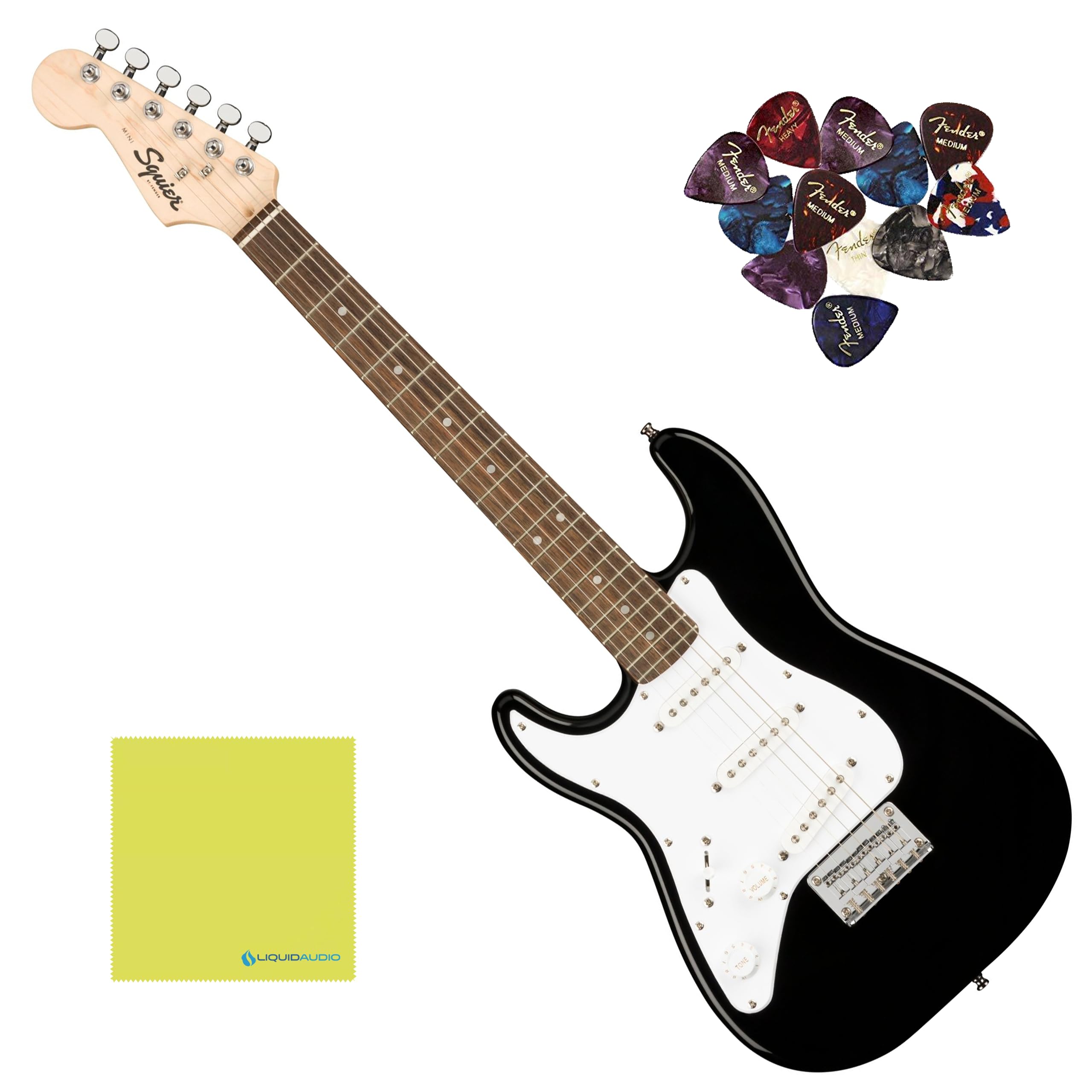
Fender Squier Affinity Stratocaster

Learning Curve: Easy

$199.99
Difficulty: 2/5
Fender Squier Affinity Stratocaster

Why Great for Beginners:

This electric guitar offers classic Stratocaster style at a budget-friendly price. It has a comfortable 'C' shaped neck, three single-coil pickups for versatile tones, and a stable tremolo bridge. It's lightweight and easy to play, making it ideal for rock, blues, and pop.

βœ“ Beginner Pros

  • +Lightweight and comfortable
  • +Versatile sound options
  • +Good tuning stability
  • +Upgradable parts
  • +Wide range of finishes

βœ— Beginner Cons

  • -Pickup quality is entry-level
  • -Tremolo can be tricky for beginners
  • -May need setup out of box
πŸ‘ Best for: Beginners interested in electric guitar for rock, blues, or pop
πŸ‘Ž Not for: Heavy metal players who want humbuckers
#3
Alternative

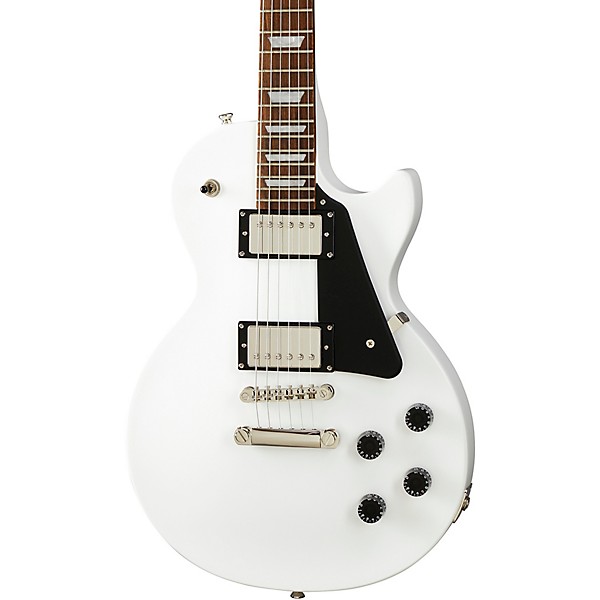
Epiphone Les Paul Studio

Learning Curve: Moderate

$199.99
Difficulty: 3/5
Epiphone Les Paul Studio

Why Great for Beginners:

This electric guitar brings the classic Les Paul design to an affordable price point. It features two humbucker pickups that deliver thick, warm tones great for rock and metal. The set neck provides sustain, and the weight is manageable for a Les Paul.

βœ“ Beginner Pros

  • +Great for rock and metal
  • +Humbuckers reduce hum
  • +Good sustain
  • +Classic looks

βœ— Beginner Cons

  • -Heavier than Strats
  • -Upper fret access limited
  • -Glossy neck can feel sticky
πŸ‘ Best for: Beginners who want a Les Paul style for rock, blues, or metal
πŸ‘Ž Not for: Those seeking lightweight or versatile single-coil tones

πŸ“– Complete Beginner's Guide to Guitar

Guitars come in two main types: acoustic and electric. Acoustic guitars produce sound purely through their hollow bodies, making them portable and ready to play anywhere. Electric guitars require an amplifier to be heard but offer easier playability due to lighter strings and thinner necks. For absolute beginners, an acoustic is often recommended because it builds finger strength and you only need the guitar itself. However, if you dream of playing rock or blues, an electric might be more inspiring.

Within each type, there are body shapes (dreadnought, concert, stratocaster, les paul) that affect comfort and tone. Beginners are best off with a standard dreadnought or concert acoustic, and a Stratocaster or telecaster-style electric. These are versatile, widely available, and have a wealth of learning resources.

'Beginner-friendly' means the guitar is set up well from the factory: strings low without buzzing, neck relief correct, and intonation accurate. Many affordable guitars now come with decent setups, especially from Yamaha, Fender Squier, and Epiphone. Avoid no-name brands or super cheap bundles that may have sharp fret ends and poor construction.

Your first guitar doesn't have to be expensive. A $150-300 guitar from a reputable brand will serve you well for years. Focus on how the guitar feels when you hold it and press down the strings. If possible, try before buying; otherwise, rely on reputable retailers with good return policies.

πŸ”§ Essential Accessories for Beginners

Snark SN-8 Clip-On Chromatic Tuner - Image 1 of 2

Snark SN-8 Clip-On Chromatic Tuner

⚠️ Essential

$12.99

When to buy:
Day one

A clip-on tuner is the easiest way to keep your guitar in tune. It clips to the headstock and senses vibrations, so it works even in noisy environments. Tuning by ear is hard for beginners, and playing out of tune sounds bad and discourages practice.

Beginner Benefits:

  • β€’ Ensures accurate tuning every time
  • β€’ Easy to clip and read
  • β€’ Works for acoustic and electric
  • β€’ Battery lasts months
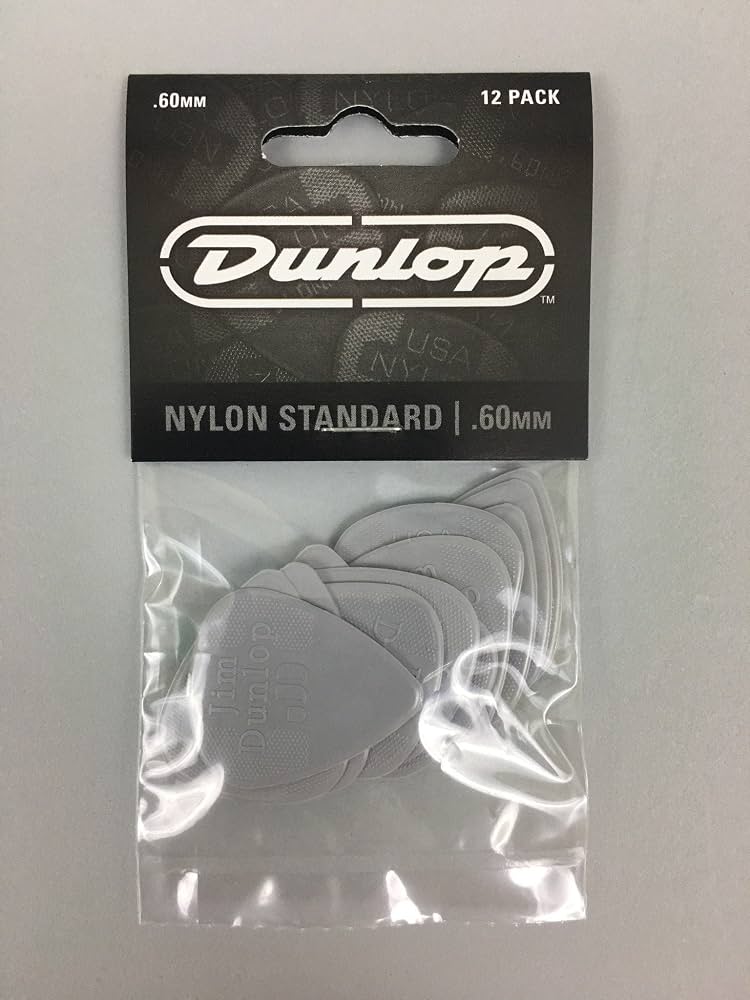
Dunlop 440P .60mm Nylon Picks (Pack of 12)

Dunlop 440P .60mm Nylon Picks (Pack of 12)

⚠️ Essential

$5.99

When to buy:
Day one

Picks are crucial for strumming and picking. Beginners should start with medium-thin picks (around .60mm) because they're forgiving on strings and easy to control. This variety pack lets you try different thicknesses.

Beginner Benefits:

  • β€’ Comfortable grip
  • β€’ Variety of thicknesses
  • β€’ Inexpensive to replace
  • β€’ Standard size for learning
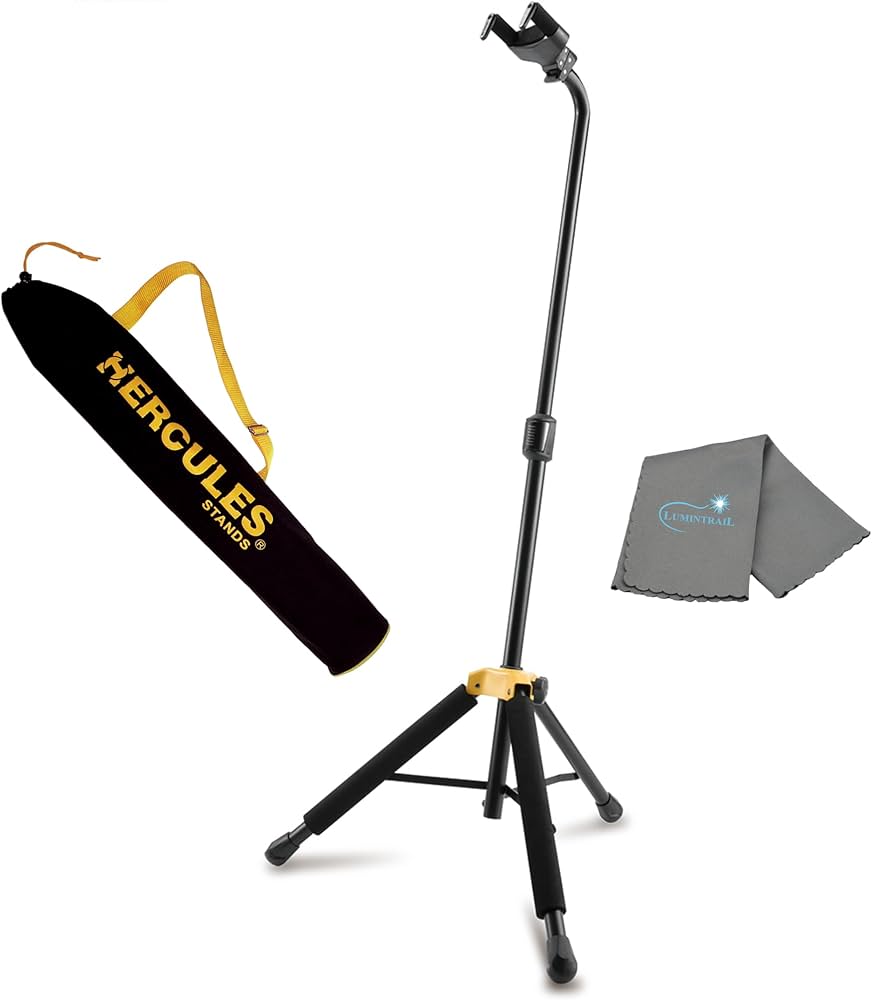
Hercules GS414B Guitar Stand

Hercules GS414B Guitar Stand

πŸ‘ Recommended

$29.99

When to buy:
First month

Keeping your guitar on a stand makes it easy to pick up and practice. It also prevents accidental damage from leaning against walls or being in a case. This stand is sturdy and folds flat for storage.

Beginner Benefits:

  • β€’ Encourages frequent practice
  • β€’ Protects guitar from falls
  • β€’ Holds any guitar shape
  • β€’ Easy to set up and store
Gator GC-Electric Guitar Gig Bag - Image 1 of 7

Gator GC-Electric Guitar Gig Bag

πŸ’‘ Nice to Have

$49.99

When to buy:
First month

A padded gig bag protects your electric guitar during travel and storage. It's lighter than a hard case and still offers good protection. Essential if you plan to take your guitar to lessons or jam sessions.

Beginner Benefits:

  • β€’ Protects guitar from bumps
  • β€’ Lightweight and easy to carry
  • β€’ Pockets for accessories
  • β€’ Water-resistant

πŸ€” How to Choose Your First Guitar

Ask yourself: What music do I want to play? Acoustic is great for folk, pop, and campfire songs. Electric suits rock, metal, and blues. Also consider where you'll practice: if you need quiet practice, an electric with headphones is a good choice. Set a firm budget and don't be tempted by flashy finishes or extra pickups you won't use. Look for a guitar that feels comfortable in your handsβ€”test neck thickness and weight if you can. Check reviews for common complaints about playability. Finally, ensure you have room in your budget for essential accessories like a tuner, picks, a strap, and a case or stand.

πŸ’° Budget Guide for Beginners

500+

Serious investment – ideal if you're committed and want a top-tier playing experience.

150 - $300

Sweet spot – best value for most beginners; offers good quality and room to grow.

300 - $500

Premium beginner – excellent craftsmanship and sound; won't need an upgrade soon.

Under $ - $150

Entry level – good for trying out but may have compromises in playability and durability.

⚠️ Common Beginner Mistakes to Avoid

Buying a guitar that is too cheap: sub-$100 guitars often have high action, terrible intonation, and poor build quality that frustrates learning. Buying a guitar that is too advanced: jumping to a $1000 guitar with Floyd Rose tremolo or a 12-string can overwhelm a beginner. Skipping essential accessories: no tuner means practicing out of tune sounds bad. Not considering ergonomics: a heavy or uncomfortable guitar discourages practice. Ignoring setup: even a good guitar benefits from a professional setup. Choosing based on looks alone: a beautiful guitar may play terribly.

πŸ“ˆ Your Progression Path: Beginner to Intermediate

Start by learning basic open chords (C, G, D, A, E, Em, Am) and simple strumming patterns. Practice for 15-30 minutes daily. After a few months, move on to barre chords, basic fingerpicking, and simple songs. When you can change chords smoothly and strum in time, you're ready to explore intermediate techniques like bends, slides, and more complex rhythms. You'll know you've outgrown your beginner guitar when you feel limited by its sound or playability (e.g., fret buzz, tuning instability). Upgrading to a better instrument with better hardware and tonewoods can then accelerate your progress.

🎯 Bottom Line: Our Recommendations

For most beginners, a Yamaha FG800 acoustic or Fender Squier Affinity Stratocaster electric is the ideal first guitar. They offer excellent playability, quality construction, and a price that won't break the bank. Pair it with a clip-on tuner, a pack of medium picks, a strap, and a stand or gig bag. With these tools, you'll have everything you need to start learning. Remember: the best guitar is the one you'll actually practice. Choose something that inspires you to pick it up every day, and don't be afraid to make mistakesβ€”they're part of the journey.

❓ Frequently Asked Questions

For acoustic beginners, the Yamaha FG800 is the top choice. For electric beginners, the Fender Squier Affinity Stratocaster is highly recommended. Both are affordable, well-made, and easy to play.
A budget of $150-$300 is ideal. This range offers quality instruments from reputable brands without breaking the bank. Spending less often results in poor playability that hinders learning.
Beginners need easy playability: low action (strings close to frets), comfortable neck, good tuning stability, and a versatile sound. Avoid complex bridges or extra controls.
Smaller-bodied acoustic guitars like concert or parlor sizes are easier for small hands. For electrics, a Stratocaster with a slim neck is very beginner-friendly.
Must-haves: clip-on tuner, picks, a strap, and a stand or gig bag. Optional: extra strings, a capo, and a practice amplifier for electric guitars.
Consider the music you love and where you'll play. Try to hold the guitar if possibleβ€”comfort is key. Read reviews and stick to reputable brands. Set a budget and include accessories.
Guitar is challenging initially due to finger pain and coordination, but with consistent practice (15-30 min/day), most beginners see progress within weeks. A well-set-up guitar makes it easier.
Common mistakes: buying a too-cheap guitar, skipping a tuner, not getting a setup, choosing based on looks only, and buying an electric without an amplifier.
Acoustic builds finger strength and is portable; electric is easier on fingers and more versatile with effects. Choose based on your musical interests.
Adults usually start with a full-size guitar. But if you have smaller hands, consider a 3/4-size or parlor guitar. Children need smaller sizes like 1/2 or 3/4.

Related Articles