Is Best Grow Light for beginners Worth It? Honest Review (2026)
Everything you need to choose your first grow light with confidence, avoid common mistakes, and help your indoor plants thrive.
Starting with indoor plants can be incredibly rewarding, but choosing your first grow light often feels overwhelming. With dozens of terms like PAR, PPFD, full spectrum, and dozens of brands, it's easy to get lost. This guide strips away the jargon and gives you a simple, step-by-step path to pick the right light for your plants and your budget. Whether you're starting seeds, growing herbs, or keeping houseplants happy through winter, you'll find clear recommendations and practical advice to get started with confidence.
📋 In This Guide
• Why Beginners Struggle with Grow Light
• What to Look For (Key Features)
• Top 4 Beginner-Friendly Grow Light
• Essential Accessories for Beginners
• Common Beginner Mistakes to Avoid
• Your Progression Path
• FAQ & Learning Resources
😰 Why Beginners Struggle with Grow Light
Beginners often struggle because grow lights come with a steep learning curve: confusing metrics (lumens vs. PAR), different light types (LED, fluorescent, HID), and conflicting advice online. Many fear buying the wrong light and wasting money, or they buy a cheap, underpowered light that doesn't help their plants. The sheer number of options on Amazon makes it hard to compare features. Additionally, beginners may not realize they need accessories like timers or adjustable hangers, leading to frustration. This guide addresses each of these pain points with simple explanations and vetted product picks.
🔍 What to Look For: Key Beginner-Friendly Features
For beginners, the most important features are simplicity and forgiveness. Look for lights that are 'plug-and-play' – no complex wiring or extra drivers. Full-spectrum LED lights are ideal because they mimic natural sunlight and work for almost any plant. Key beginner-friendly qualities include built-in hanging hardware, dimmable settings (so you can adjust light intensity without buying a separate controller), and a timer function (many come with a mechanical timer, but a separate smart timer is even better). Avoid lights that require external ballasts or cooling systems. Also, choose a light that covers the area you want to illuminate – most beginners start with a 2x2 or 2x4 foot space. Finally, check that the light is quiet (no noisy fans) and runs cool to the touch.
✅ Essential Features for Beginners
•Full spectrum LED: Mimics natural sunlight and supports all growth stages
•Dimmable: Lets you adjust brightness as plants grow without changing settings
•Built-in timer or easy timer compatibility: Automates your light schedule
•Low heat output: Safe for small spaces and reduces risk of burning plants
•Hanging kit included: Simple setup with hooks and cables
•Quiet operation: No loud fans – especially important for bedrooms or living areas
•Warranty and customer support: At least 2 years for peace of mind
🏆 Top 4 Best Grow Light for Beginners
#1
⭐ Top Pick👍 Recommended
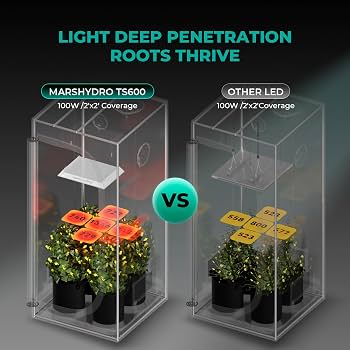
Mars Hydro TS 600 LED Grow Light
Learning Curve: Easy
$69.99
Difficulty: 1/5
Why Great for Beginners:
This light is incredibly popular among beginners for its simplicity. It's a full-spectrum 100W LED that covers a 2x2 foot area, comes with hangers, and runs very cool and quiet.
✓ Beginner Pros
+Plug-and-play: no assembly needed
+Full spectrum: works for all stages
+Quiet and cool operation
+Very affordable for the performance
✗ Beginner Cons
-Not dimmable
-Coverage limited to 2x2
-Average build quality
👍 Best for: Beginners starting with a small tent or shelf (2x2 or smaller)
👎 Not for: Those needing dimming or larger coverage (e.g., 4x4 tent)
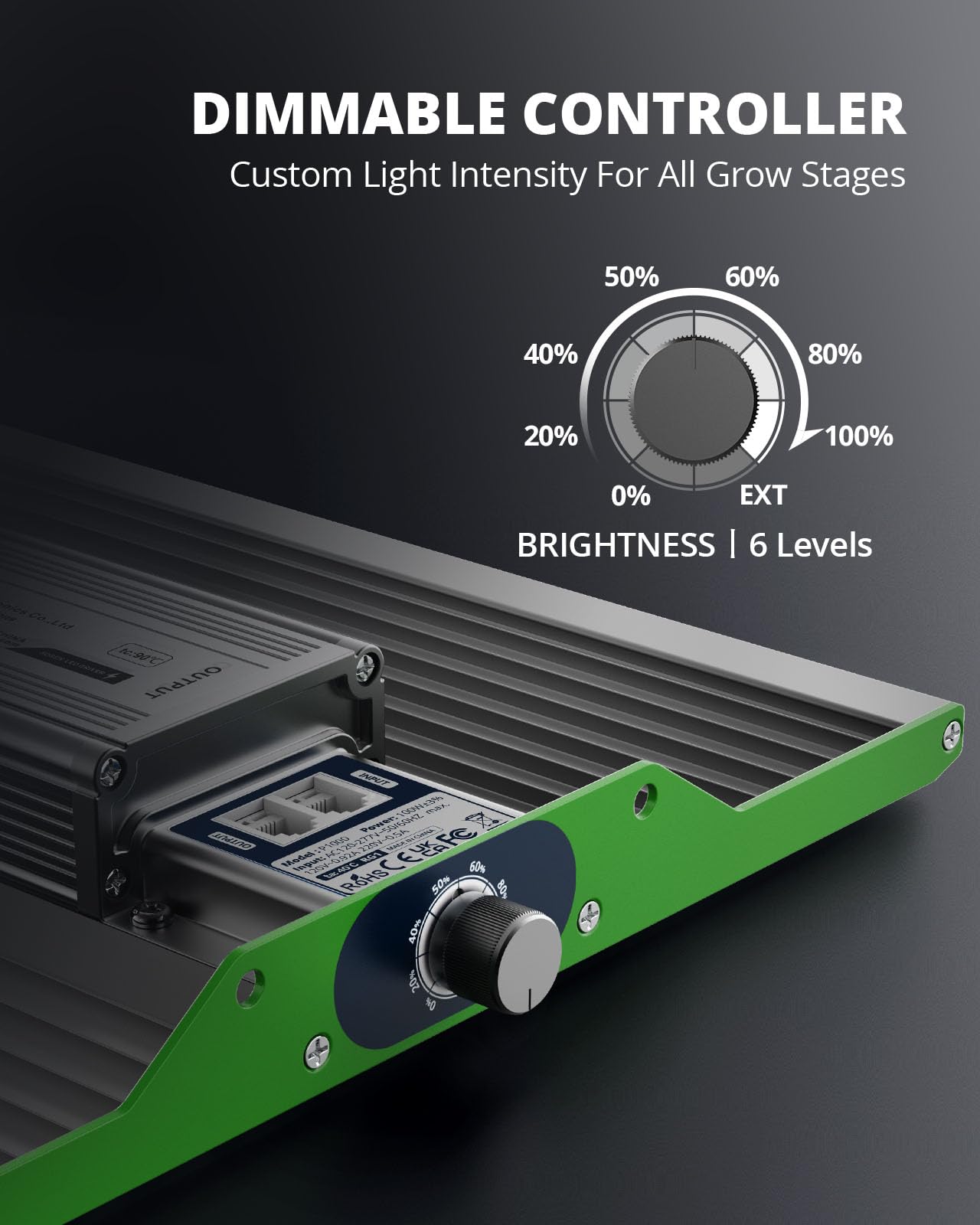
Another excellent entry-level light. The P1000 offers a 100W full spectrum with a wider coverage (2.5x2.5 ft) than the TS 600, and it includes a dimmer knob, which is a great learning tool.
✓ Beginner Pros
+Dimmable: lets you adjust intensity
+Slightly larger coverage
+Full spectrum with good PAR output
+Easy setup with hangers included
✗ Beginner Cons
-Dimmer knob may be confusing at first
-Hanging cables could be longer
-Slightly more expensive than TS 600
👍 Best for: Beginners who want to experiment with light intensity or have a slightly bigger space (2x2 to 2.5x2.5)
👎 Not for: Ultra-budget beginners who just need one setting
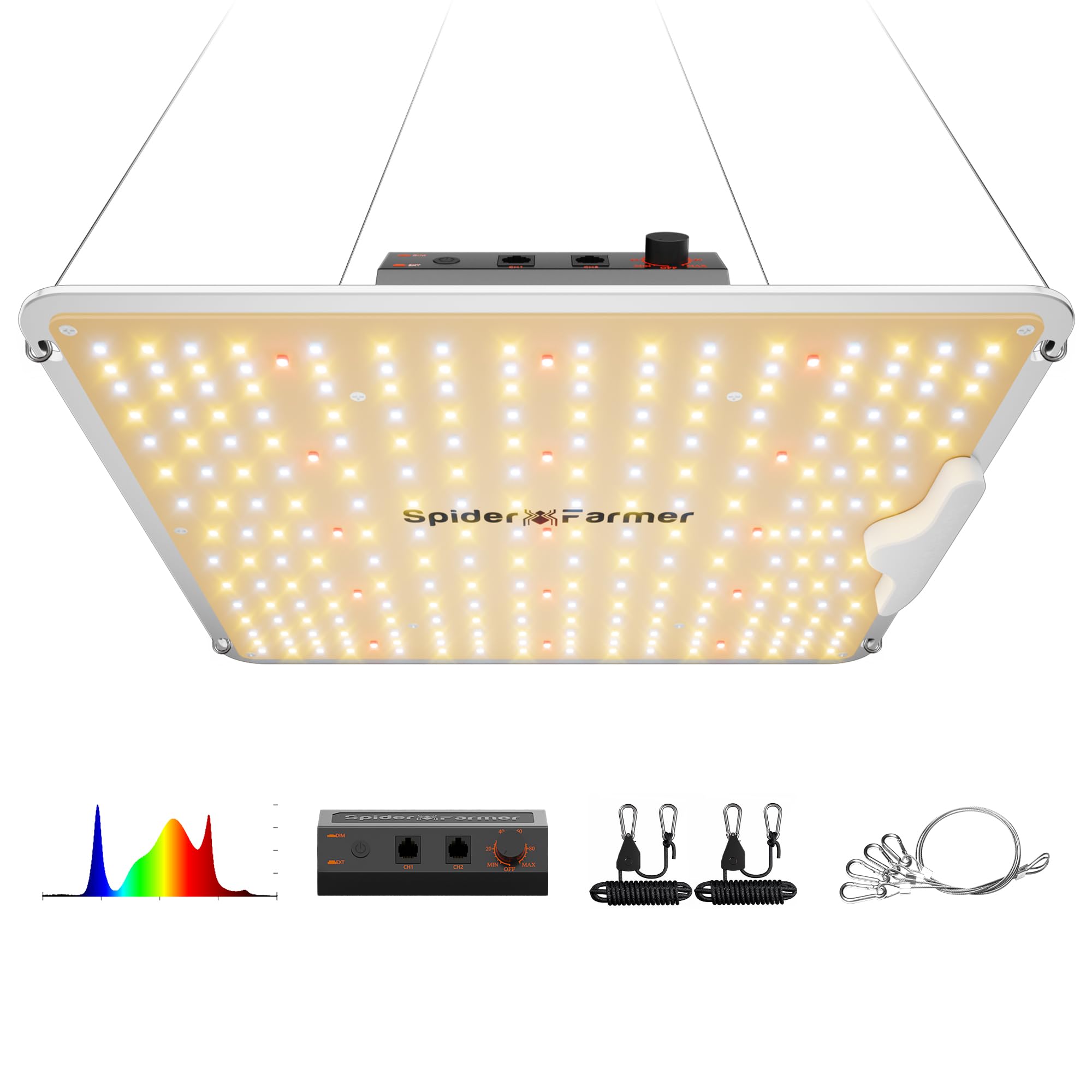
The SF-1000 is a step up in quality and efficiency. It uses Samsung LM301B diodes and includes a dimmer. It's a premium choice for beginners who want the best possible start without complex features.
✓ Beginner Pros
+High efficiency (2.8 umol/J)
+Dimmable and daisy-chainable for future expansion
+Very quiet and cool
+Solid build with 3-year warranty
✗ Beginner Cons
-More expensive than entry-level options
-Still only covers 2x2 to 2.5x2.5
-No remote control
👍 Best for: Beginners with a higher budget who want a light that will last longer and support better plant growth
👎 Not for: Those on a tight budget or with very small spaces (overkill for a single succulent)
Grow lights are artificial lights designed to promote plant growth by providing the light spectrum needed for photosynthesis. For beginners, the best type is LED (Light Emitting Diode) because they are energy-efficient, produce little heat, and last a long time. Avoid older technologies like fluorescent (limited spectrum) or HID (very hot and complex). A 'full spectrum' LED light looks white/purple to the eye and contains both blue and red wavelengths. Blue light encourages leafy growth; red light helps flowering and fruiting. Most indoor plants thrive under 12-16 hours of light per day. When evaluating lights, look at the wattage draw (actual power, not 'equivalent') and the coverage area (e.g., '2x2 ft at 18 inches'). A good beginner light should cover your growing area without needing multiple units. Start with a light that can be dimmed – this allows you to start seedlings at a lower intensity and gradually increase it. Many lights now come with 'daisy chain' capability, but that’s not essential for a first light. Realistic expectations: you can grow herbs, lettuce, peppers, and houseplants successfully, but for large fruiting plants like tomatoes, you'll need a stronger light later.
🔧 Essential Accessories for Beginners
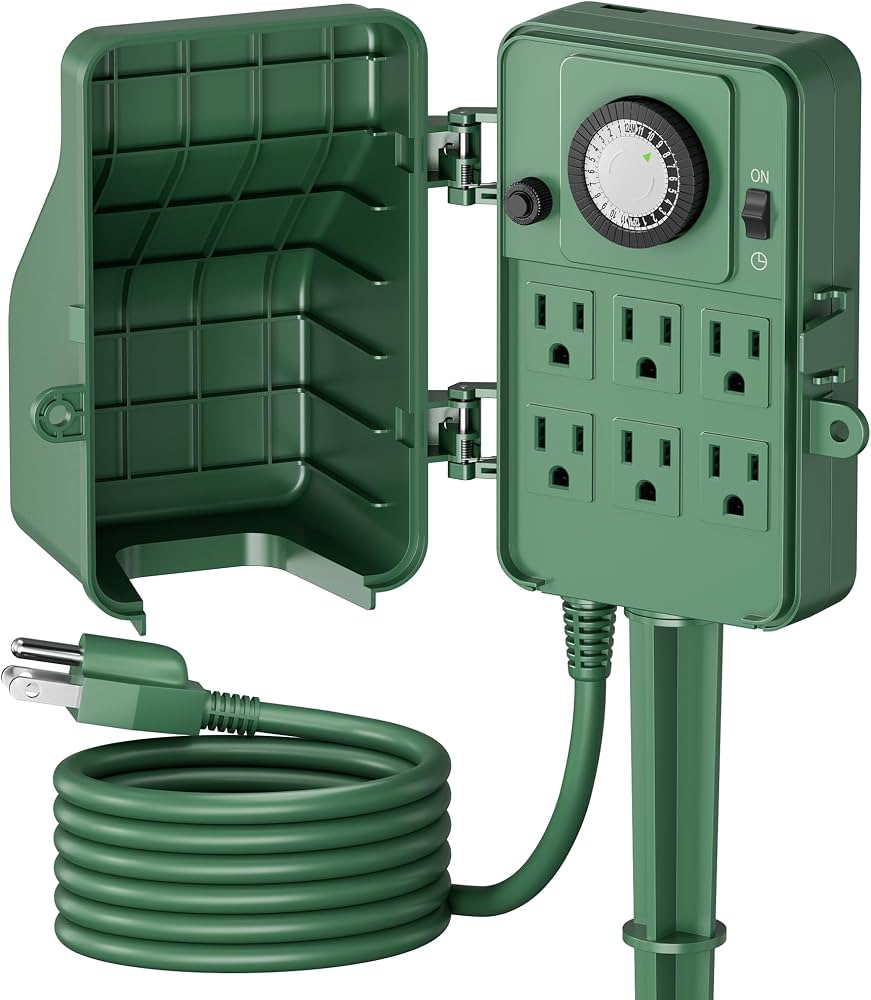
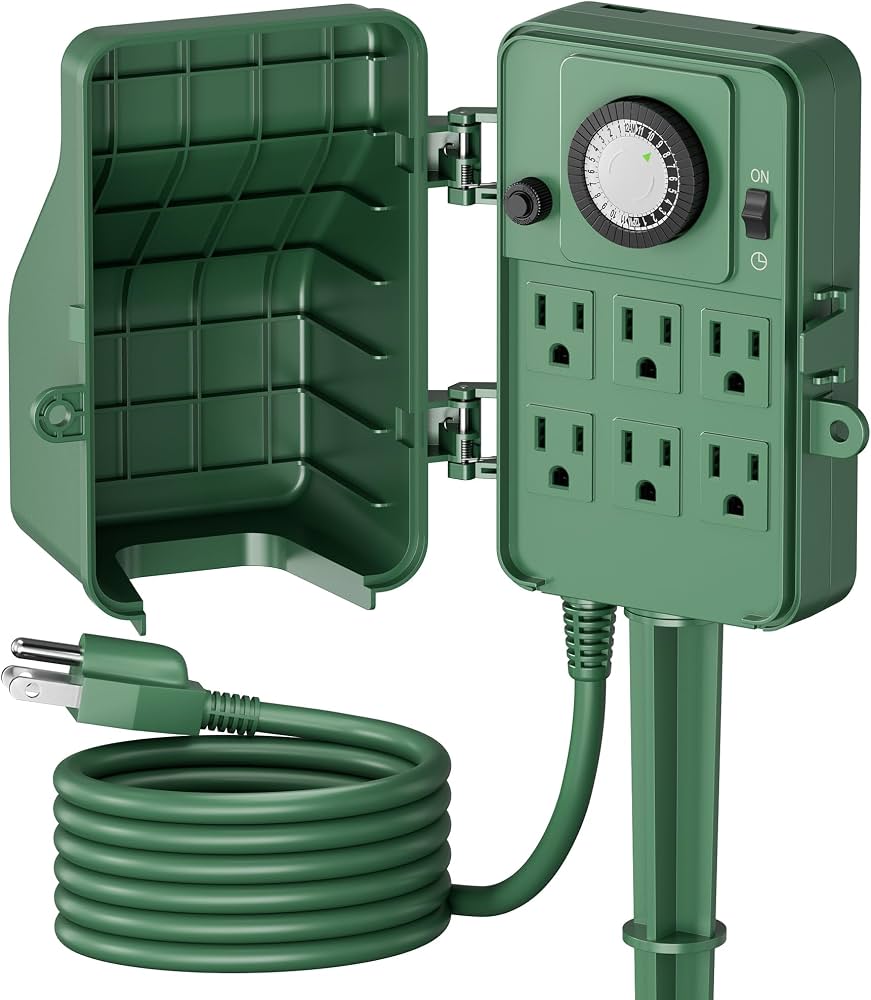
BN-LINK 6-Foot Heavy-Duty Mechanical Timer
⚠️ Essential
$13.99
When to buy:
Day one
A timer is crucial for consistent day/night cycles. This mechanical timer is simple and reliable – plug in your light, set the on/off pins, and forget about it.
Beginner Benefits:
• Automates your light schedule so you don't have to remember
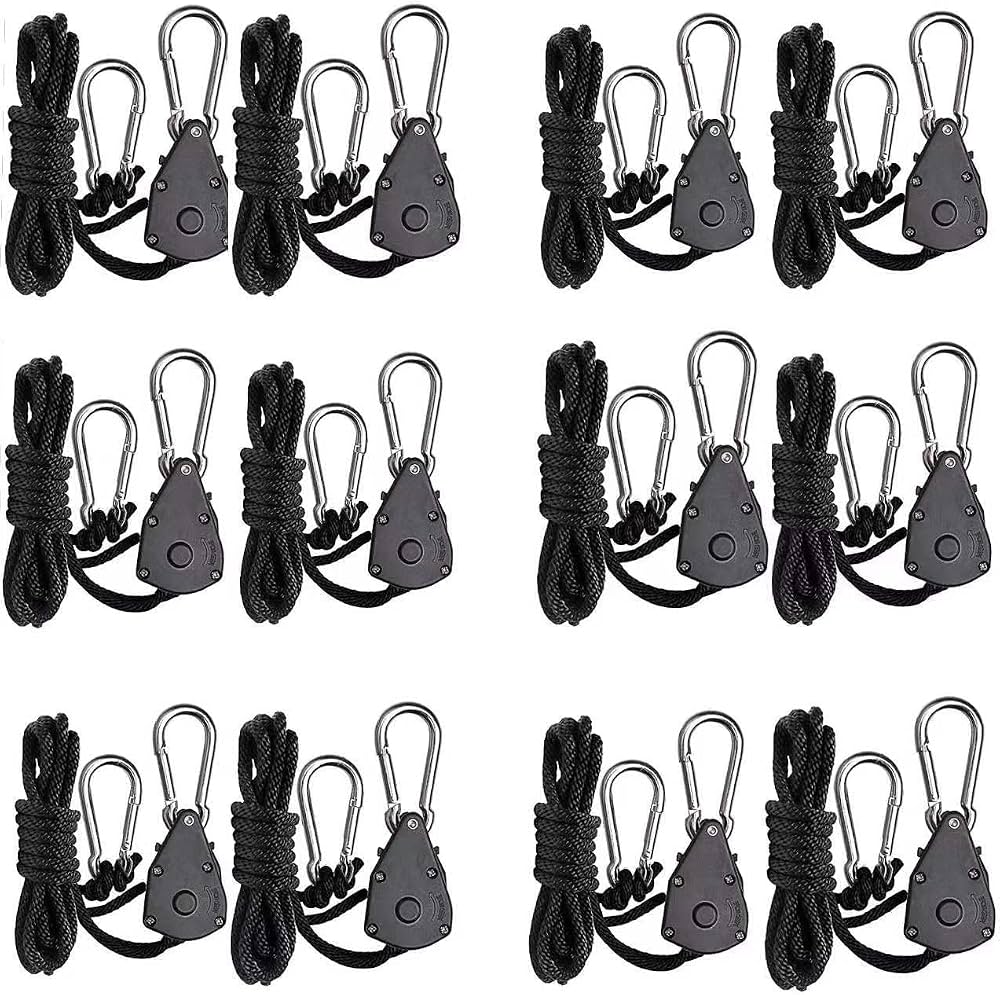
Most lights come with short cables. These adjustable rope hangers allow you to easily raise or lower your light without tools, helping you find the perfect height.
Beginner Benefits:
• Quick and easy height adjustments
• No tools required
• Allows you to follow the manufacturer's recommended distance
Ask yourself: What plants do I want to grow? How much space do I have? What's my budget? For small herbs on a countertop (1-2 sq ft), a small 20-50W light is enough. For a 2x2 tent or shelf, a 100-150W light is the sweet spot. For a 2x4 area, look at 200-300W. Budget: Entry level under $50 will work for low-light plants but may disappoint for veggies. The sweet spot ($50-$150) gets you a reliable full-spectrum LED that will last years. Premium ($150-$250) adds features like better spectrum control and higher efficiency. Avoid overbuying – a 600W light might be overkill for a small shelf and could even stress plants. Also, check that the light height is adjustable (most come with hanging cables). Red flags: 'blurple' lights (old technology), high heat output, noisy fans, no customer reviews.
💰 Budget Guide for Beginners
300+
Serious hobbyist – large coverage, advanced features; overkill for most beginners unless growing multiple crops.
50 - $150
Sweet spot – reliable full-spectrum LEDs that cover 2x2 to 2x3 feet, ideal for most beginners.
Entry level – good for a single small plant or propogation, but limited growth and likely to need upgrade soon.
⚠️ Common Beginner Mistakes to Avoid
Buying a light that's too weak (e.g., a 15W desk lamp for a 2x2 area), or too strong (placing a high-wattage light too close to seedlings, causing bleached leaves). Many beginners also skip a timer and try to manually turn the light on/off, leading to inconsistent schedules. Another mistake is ignoring the light spectrum – using a warm white bulb meant for reading won't make plants grow well. Finally, some beginners mount the light too high or too low; most LED panels should be 12-18 inches above the plant canopy.
×Buying a light that's too weak for your grow area
×Ignoring the importance of a timer
×Placing light too close or too far from plants
×Choosing a cheap 'blurple' light instead of full-spectrum white LED
×Not considering heat output and ventilation
×Skipping user reviews and buying a no-name brand
×Overestimating the coverage area of a small light
📈 Your Progression Path: Beginner to Intermediate
Start with a basic LED panel and learn to adjust height and intensity based on plant response. Once you're comfortable, experiment with different plants and maybe a larger area. Signs you've outgrown beginner gear: you need more coverage, you want to grow high-light plants (e.g., cannabis, tomatoes), or you want finer control over spectrum. Next step: upgrade to a light with separate spectrum channels or a higher PPFD output. Many beginners stay with their first quality light for 1-2 years before upgrading.
📚 Learning Resources for Beginners
📖Book: 'The New Plant Parent' by Darryl Cheng
📖Book: 'How to Make Your Own Grow Lights' (DIY guide)
📖Online course: 'Indoor Gardening 101' on Udemy (not Amazon)
📖YouTube channels: 'MIGRO', 'Coco for Cannabis' (free)
📖Grow light testing app: 'Lux Light Meter'
🎯 Bottom Line: Our Recommendations
For most beginners, the Mars Hydro TS 600 (or similar 100-150W full spectrum LED) is the best value – it's easy to use, covers a 2x2 space, and costs around $70. If you have a tiny space, the VIPARSPECTRA P1000 (100W) is also excellent. For a premium choice, the Spider Farmer SF-1000 offers better efficiency and a dimmer. Don't forget a mechanical timer and an adjustable hanger. Start with one light, one plant, and build confidence. You'll be amazed at what you can grow!
❓ Frequently Asked Questions
The best grow light for most beginners is the Mars Hydro TS 600 (around $70). It's a 100W full-spectrum LED that covers a 2x2 foot area, is very easy to set up, and runs cool and quiet. For a bit more, the VIPARSPECTRA P1000 adds a dimmer, which is great for learning.
Beginners should budget between $50 and $150. Under $50 is usually too weak for good results. The sweet spot is $70-$100 for a quality 100W light. Spending over $150 is fine if you have the budget, but not necessary to start.
Essential features: full spectrum (white/purple light), low heat, quiet operation, and included hanging hardware. A dimmer is very helpful but not essential. A timer is a separate accessory you must buy.
The Mars Hydro TS 600 is the easiest – plug it in, hang it, and turn it on. No dimming, no extra controllers. It's perfect for someone who wants the simplest setup.
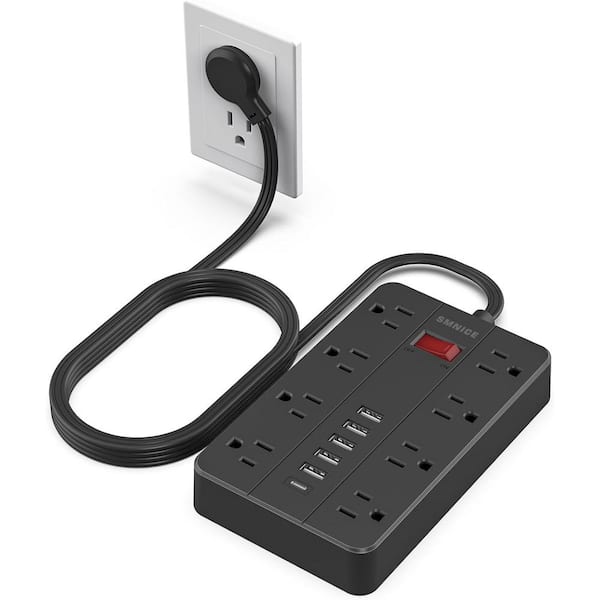
Must-haves: a mechanical timer (to automate light cycles) and an adjustable rope hanger (to set the right height). A surge protector power strip is also recommended.
Measure your growing area (e.g., 2x2 feet). Look for a full-spectrum LED light with a wattage that matches the area (100W for 2x2). Read reviews from other beginners. Buy from a reputable brand like Mars Hydro, VIPARSPECTRA, or Spider Farmer.
No! With a good light and a simple timer, it's very easy. The main challenge is learning the right distance between light and plant. Start with 18 inches and adjust based on plant response.
Common mistakes: buying a light that's too weak for the space, forgetting a timer, hanging the light too close (causing burns) or too far (causing stretching), and choosing a 'blurple' light with poor spectrum.
Yes, but it's less effective. Regular LED bulbs have low light output for plants. A dedicated grow light panel gives much better results for the same price.
Most indoor plants do best with 12-16 hours of light per day. Use a timer to maintain a consistent schedule. Seedlings often need 16-18 hours, while flowering plants may need 12 hours.