Is Best Grill for beginners Worth It? Honest Review (2026)
Everything you need to confidently choose your first grill and start grilling like a pro.
Ready to fire up your first grill? You're not alone if you feel overwhelmed by the sheer number of options, jargon, and price points. This guide is designed for complete beginners. We'll simplify how to choose a grill, what features actually matter, and which grills give you the best start. No confusing terminology, no hype – just clear, actionable advice to help you make a confident decision and enjoy delicious meals from day one.
📋 In This Guide
• Why Beginners Struggle with Grill
• What to Look For (Key Features)
• Top 4 Beginner-Friendly Grill
• Essential Accessories for Beginners
• Common Beginner Mistakes to Avoid
• Your Progression Path
• FAQ & Learning Resources
😰 Why Beginners Struggle with Grill
Beginners often struggle because they don't know the difference between gas, charcoal, pellet, and electric grills. Terms like 'BTU', 'cooking grates', 'direct vs indirect heat', and 'sear plates' can be intimidating. Reviews dive into advanced details that don't help a newcomer. Many fear picking a grill that's too complex to learn or too cheap to perform. The result? Either analysis paralysis or a rushed purchase that leads to frustration.
🔍 What to Look For: Key Beginner-Friendly Features
As a beginner, prioritize ease of ignition, reliable temperature control, ample cooking space, and forgiving construction. You want a grill that starts quickly (push-button ignition is a huge plus), maintains heat without constant fiddling, and doesn't rust after a few months. Look for models with porcelain-enameled grates (easy to clean) and built-in thermometers. Stay away from ultra-cheap grills with thin metal – they rust fast and cook unevenly. A warranty of 2-5 years is a good indicator of quality.
✅ Essential Features for Beginners
•Push-button ignition: starts instantly, no matches needed
•Porcelain-enameled grates: easy to clean, non-stick surface
•Built-in lid thermometer: tells you cooking temperature without guessing
•Even heat distribution: prevents hot spots and burnt food
•Large cooking area: at least 400 sq in for 4 burgers
•Side tables: convenient prep space next to the grill
•Ash management (charcoal): easy cleanup with a removable ash catcher
🏆 Top 4 Best Grill for Beginners
#1
✨ Premium
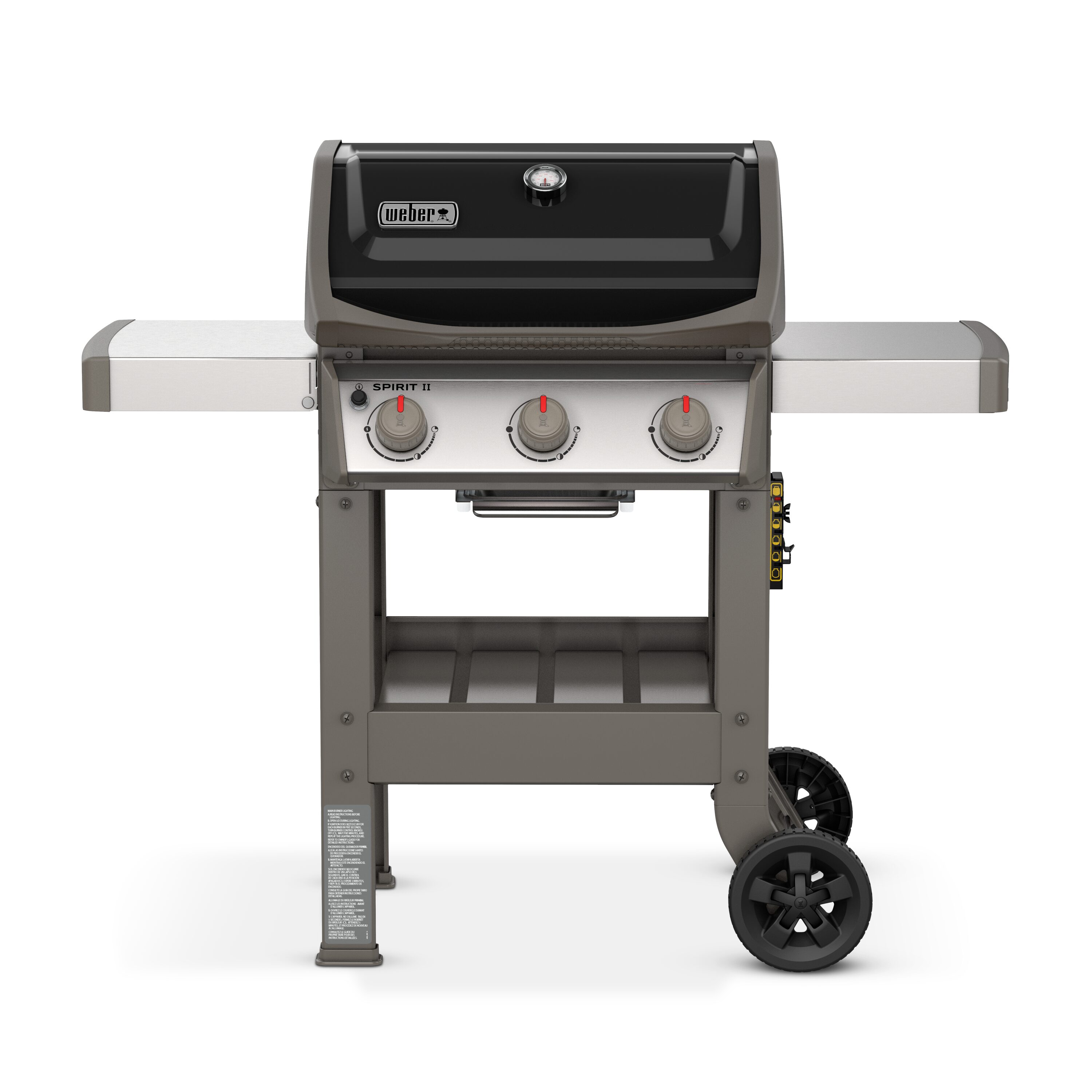
Weber Spirit II E-310 3-Burner Liquid Propane Grill
Learning Curve: Easy
$529.00
Difficulty: 1/5
Why Great for Beginners:
Push-button ignition, porcelain-enameled lid and body for durability, and consistent heat. The GS4 grilling system delivers even heat across the cooking area, making it very forgiving for beginners.
✓ Beginner Pros
+Easy push-button start every time
+Porcelain-enameled grates resist sticking and are easy to clean
+Built-in lid thermometer with clear zone markings
+Large 513 sq in cooking area – fits a family meal
+10-year limited warranty – peace of mind
✗ Beginner Cons
-Higher price point compared to entry-level grills
-Assembly can take about 1-2 hours with tools
-Propane tank not included
👍 Best for: Beginners who want a hassle-free, long-lasting grill and can invest a bit more upfront.
👎 Not for: Budget-conscious shoppers or those who prefer charcoal flavor.
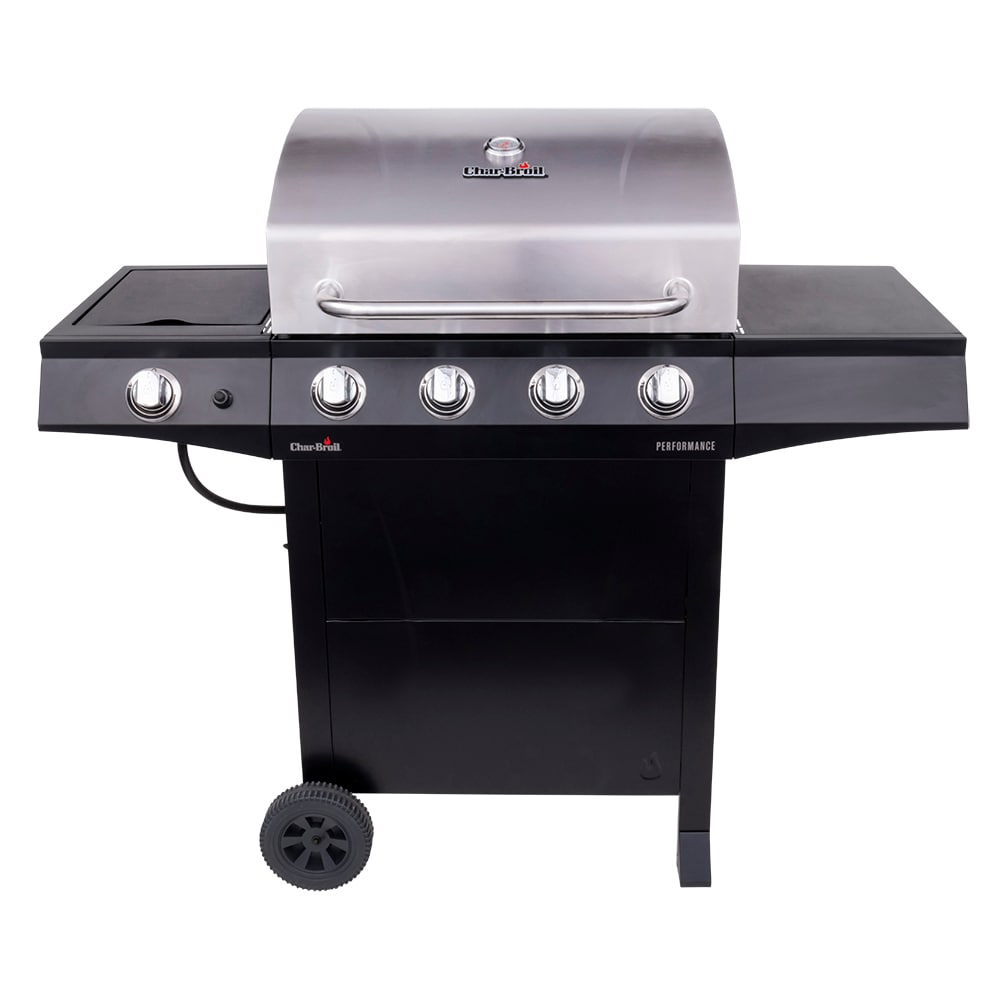
A great balance of price and performance. Four burners provide plenty of cooking space and heat control. Porcelain-coated grates are durable and easy to clean. Electronic ignition makes starting simple.
✓ Beginner Pros
+Affordable for a 4-burner grill
+Electronic instant ignition
+Side shelves for convenient prep
+Porcelain-coated grates and lid
+Even heat distribution with TRU-Infrared technology
✗ Beginner Cons
-Assembly required (estimated 1-2 hours)
-Burners may rust over time in humid climates
-Warranty only 1 year on some parts
👍 Best for: Beginners on a moderate budget who want a full-size gas grill for family cooking.
👎 Not for: Those who want a premium build with long warranty, or those in coastal areas (prone to rust).
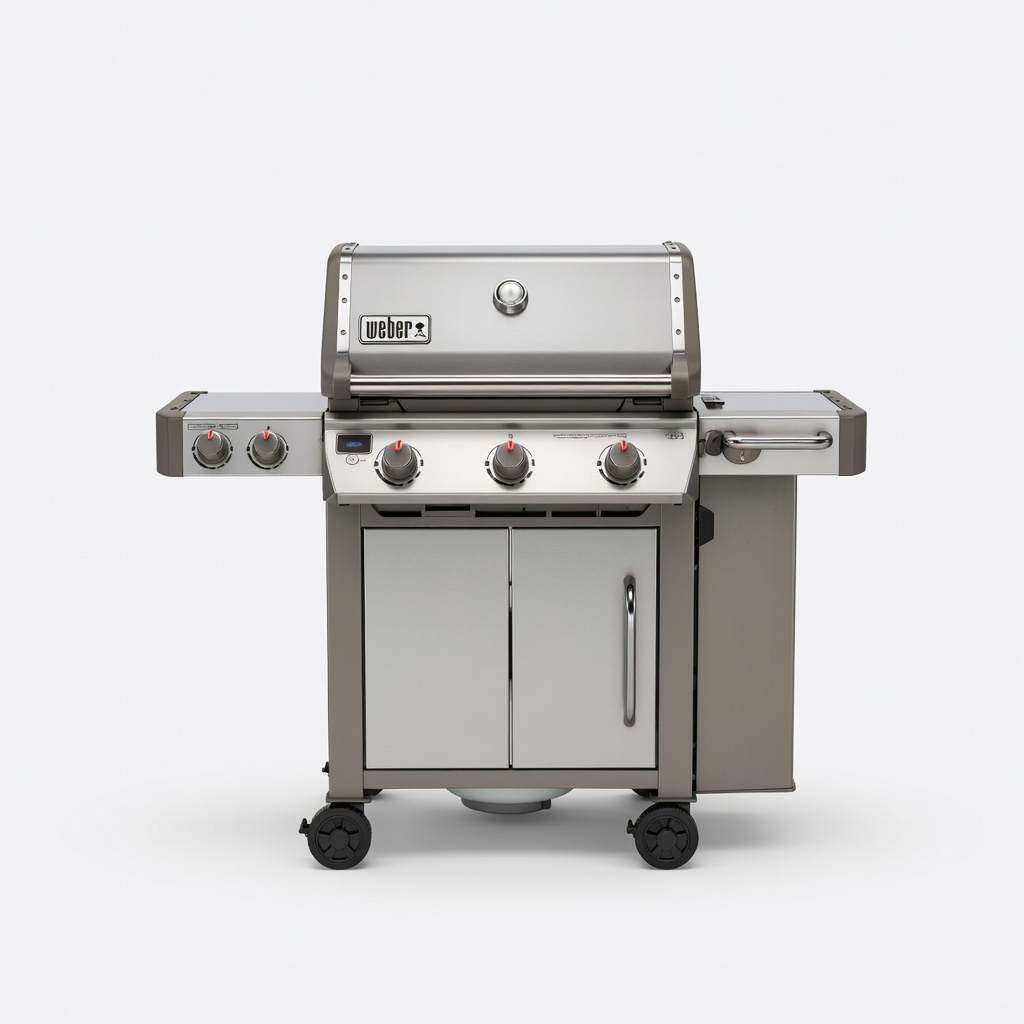
The classic charcoal grill that millions started with. Simple design, great results, and very forgiving. The one-touch cleaning system and ash catcher make cleanup a breeze. This grill teaches you the basics of charcoal control.
✓ Beginner Pros
+Iconic design with plenty of online tutorials
+One-touch cleaning system – simply sweep ash into catcher
+Porcelain-enameled bowl and lid resist rust
+Adjustable damper for temperature control
+Lots of accessories available to expand skills
✗ Beginner Cons
-Requires time to light charcoal (20-30 min)
-Temperature is less precise than gas (controls are vents)
-No built-in thermometer (sold separately or add a magnet one)
👍 Best for: Beginners who love the flavor of charcoal and enjoy the hands-on process.
👎 Not for: Those who want quick weekday grilling or absolutely need exact temperature control.
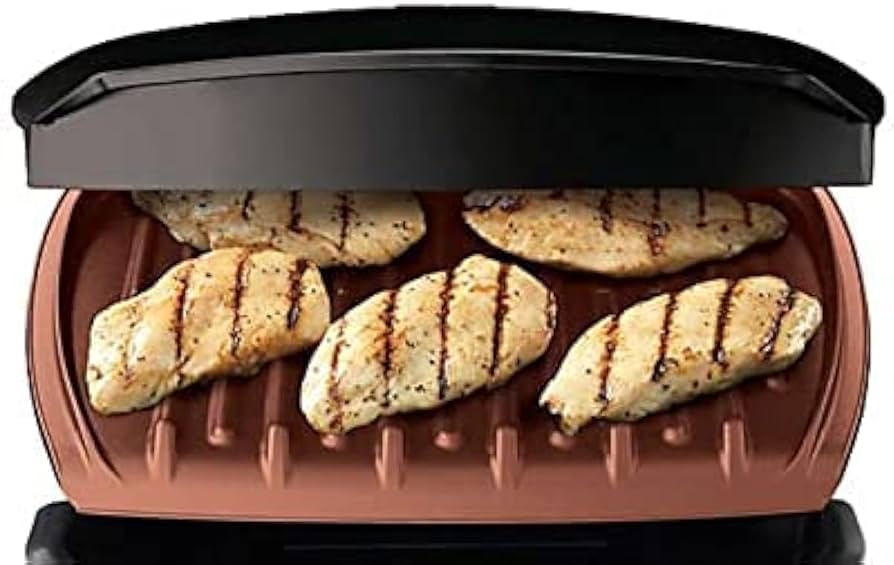
George Foreman GGR50B Indoor/Outdoor Electric Grill
Learning Curve: Easy
$64.99
Difficulty: 1/5
Why Great for Beginners:
Perfect for apartment dwellers or those with no patio. Plug it in anywhere and grill indoors or out. Adjustable thermostat, non-stick grates, and a water tray to reduce smoke. Very simple to use.
✓ Beginner Pros
+No charcoal or gas – just plug in and cook
+Compact and lightweight
+Non-stick grates easy to clean
+Adjustable temperature control
+Smoke-reducing technology for indoor use
✗ Beginner Cons
-Limited cooking space (smaller than full-size grills)
-Doesn't get as hot as gas or charcoal for searing
-Cord length may require extension cord
👍 Best for: Complete beginners with limited outdoor space or who want to grill year-round regardless of weather.
👎 Not for: Anyone who needs to cook for a crowd or wants authentic chargrilled flavor.
The three most beginner-friendly types are gas, electric, and charcoal with easy features. Gas grills are the most popular for beginners: they heat instantly, let you control temperature with knobs, and are easy to clean. Electric grills are great if you have limited outdoor space or apartment rules – just plug in, set temp, and cook. Charcoal grills can be beginner-friendly if they have an ash catcher and adjustable vents; the Weber Original Kettle is the gold standard for learning traditional grilling. For a newcomer, gas is usually the best starting point because of its convenience. But if you love the flavor of charcoal and don't mind a longer start time, charcoal can be rewarding. A budget of $150-$400 gets you a very solid beginner grill. Avoid grills under $100 – they are often flimsy and frustrating.
🔧 Essential Accessories for Beginners
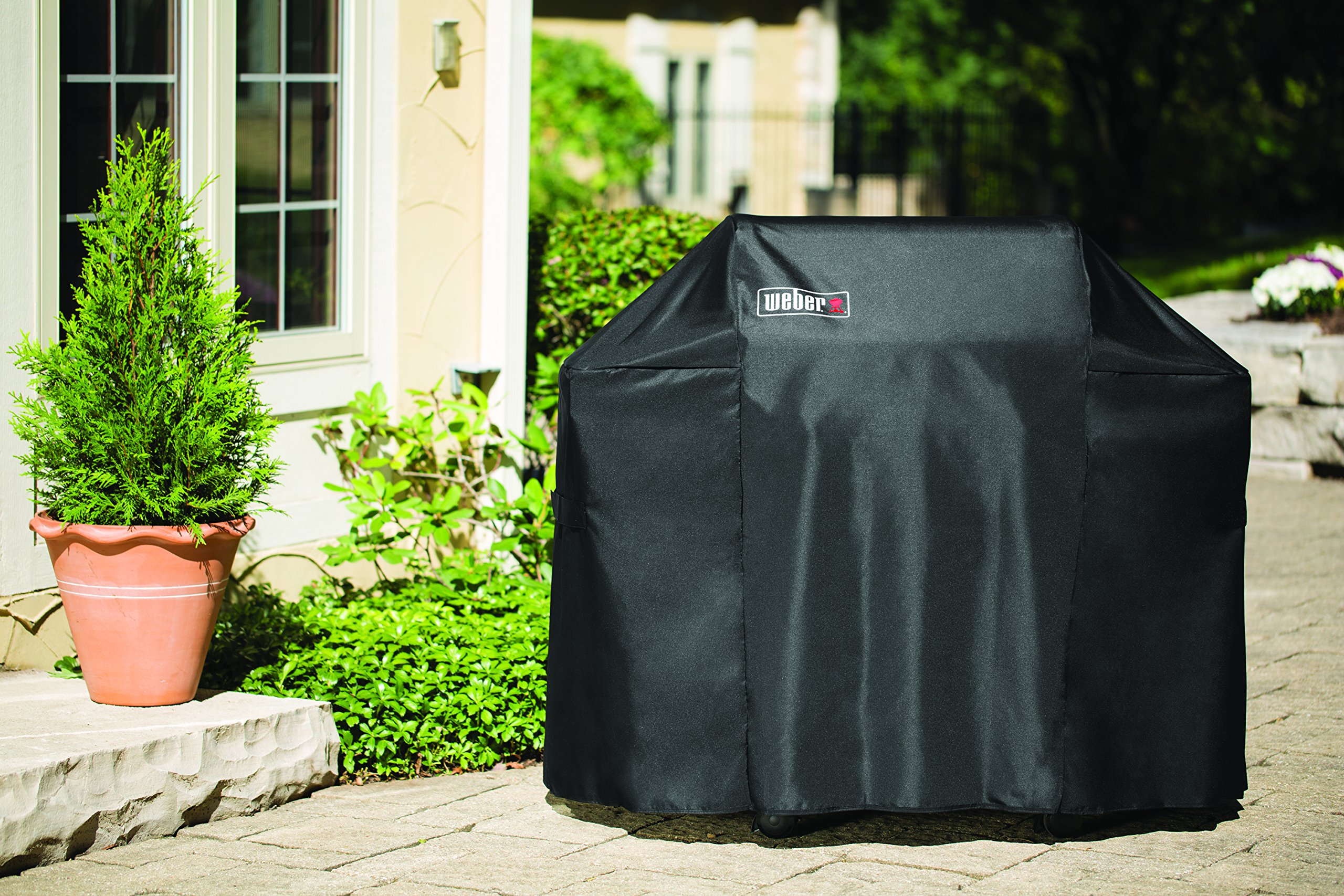
Weber 7403 Premium Grill Cover for Spirit II E-310
⚠️ Essential
$44.99
When to buy:
Day one
Protects your investment from rain, sun, and rust. A cover can double the life of your grill.
First, decide where you'll grill: balcony, patio, or backyard? Check local rules about gas tanks in apartments. Then ask: How many people will you cook for? A 3-burner gas grill (approx 30-36 inches) serves 4-6. Next, think about storage – do you need a cover? Finally, set a budget: $200-350 is the sweet spot. If you want charcoal, the classic Weber kettle ($150-$200) is unbeatable. If you want gas, the Weber Spirit II E-310 ($450-550) is premium but will last a decade. For budget gas, the Char-Broil Performance 4-Burner ($250-300) is a solid choice.
💰 Budget Guide for Beginners
600+
Enthusiast entry – high-end features like infrared searing, rotisserie, or smart connectivity. Only recommended if your budget is flexible and you're serious about grilling.
150 - $350
Sweet spot – best value for most beginners. Reliable build, even heat, decent warranty. These grills will last 5+ years with care.
350 - $600
Premium beginner – excellent build quality, better temperature control, often stainless steel burners, and longer warranties. You won't need to upgrade for many years.
Under $ - $150
Entry level – basic grills that work well for occasional use. May have thinner steel and shorter lifespan (2-3 years). Good for trying out grilling on a tight budget.
⚠️ Common Beginner Mistakes to Avoid
Buying the cheapest grill often leads to uneven heating and rust within a season. Overlooking propane tank costs (exchange vs refill). Ignoring assembly difficulty – some grills take 2+ hours. Not buying a cover – a cover doubles a grill's lifespan. Buying a grill with too many burners (you pay for features you don't use). Choosing charcoal when you don't have 30 minutes to wait for coals to heat.
×Buying a grill that's too cheap (under $120) and getting poor heat & rust
×Forgetting to buy a cover, causing rust within months
×Choosing a grill with too many burners (pays for unused space)
×Not checking assembly difficulty – some grills take hours
×Ignoring propane tank costs (exchange vs refill)
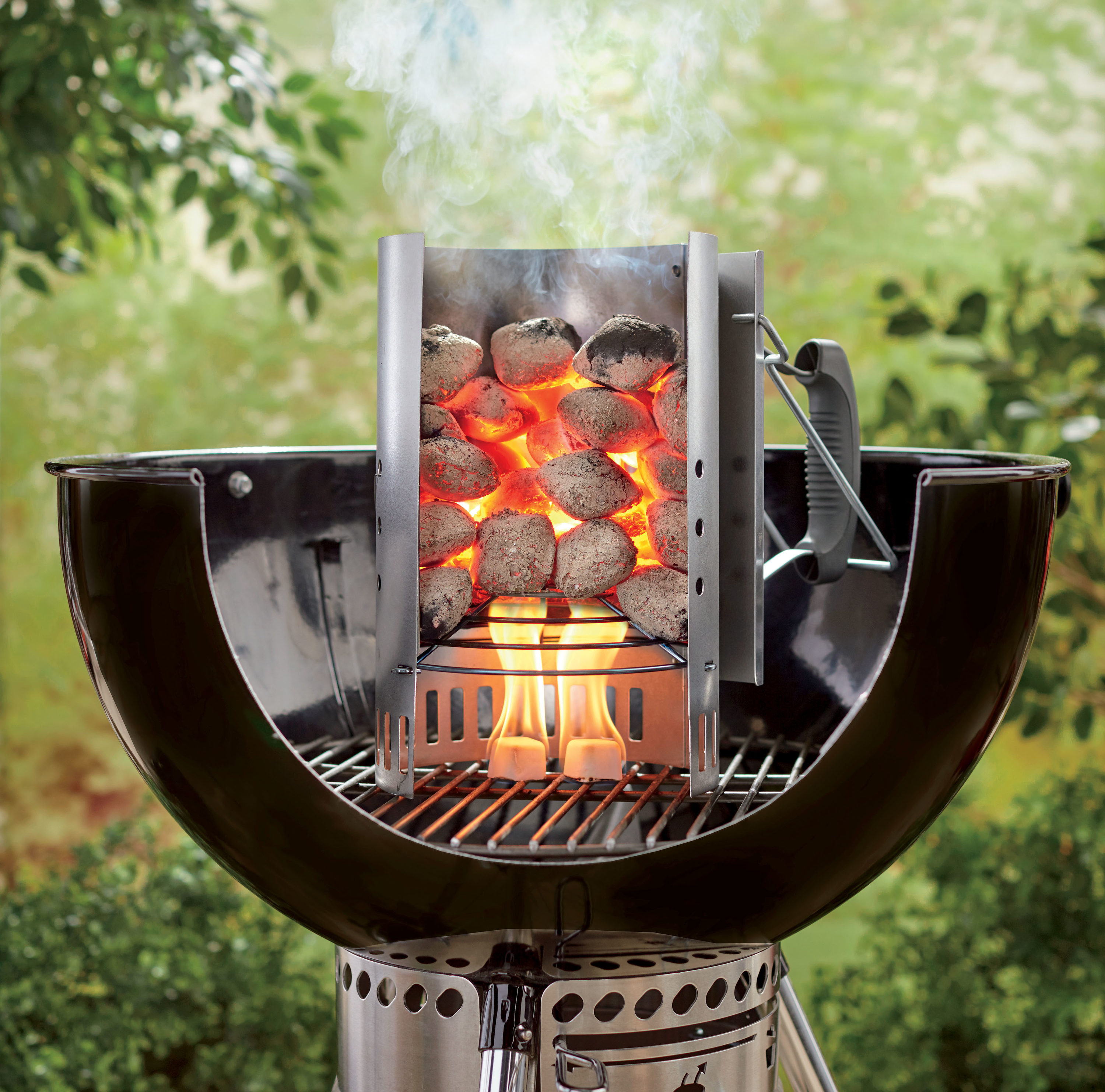
×Buying charcoal without a chimney starter
×Overlooking warranty length – a sign of quality
📈 Your Progression Path: Beginner to Intermediate
Start by mastering direct heat (burgers, steaks, chicken) on your beginner grill. Learn to control temperature using the knobs (gas) or vent settings (charcoal). Next, try indirect heat for roasts and whole chickens. After 6-12 months, experiment with smoking using wood chips in a smoker box or foil packet. Signs you've outgrown your grill: you want higher sear heat, more even cooking, or you're hosting bigger parties. Then consider upgrading to a larger gas grill or a dedicated smoker/ kamado.
📚 Learning Resources for Beginners
📖{"resourceName":"Weber's Way to Grill: The Step-by-Step Guide to Expert Grilling by Jamie Purviance","asin":"B00HE2TB4A","type":"book","whyRecommended":"Comprehensive beginner guide with photos, recipes, and techniques. Covers both gas and charcoal.","price":"14.99"}
📖{"resourceName":"Meathead: The Science of Great Barbecue and Grilling by Meathead Goldwyn","asin":"B01AYFCPOK","type":"book","whyRecommended":"Teaches the science behind grilling in an easy way, helping you understand why recipes work.","price":"15.99"}
📖{"resourceName":"Grilling for Beginners: The Ultimate Guide to Grilling Like a Pro in No Time (DVD)","asin":"0727985799081","type":"DVD","whyRecommended":"Visual step-by-step instructions, great for those who learn by watching.","price":"9.99"}
📖{"resourceName":"Weber Grill Master Apron with Pocket and Towel","asin":"B00Q0W7QJU","type":"accessory","whyRecommended":"Keeps your clothes clean and provides a handy pocket for tools and thermometer.","price":"24.99"}
🎯 Bottom Line: Our Recommendations
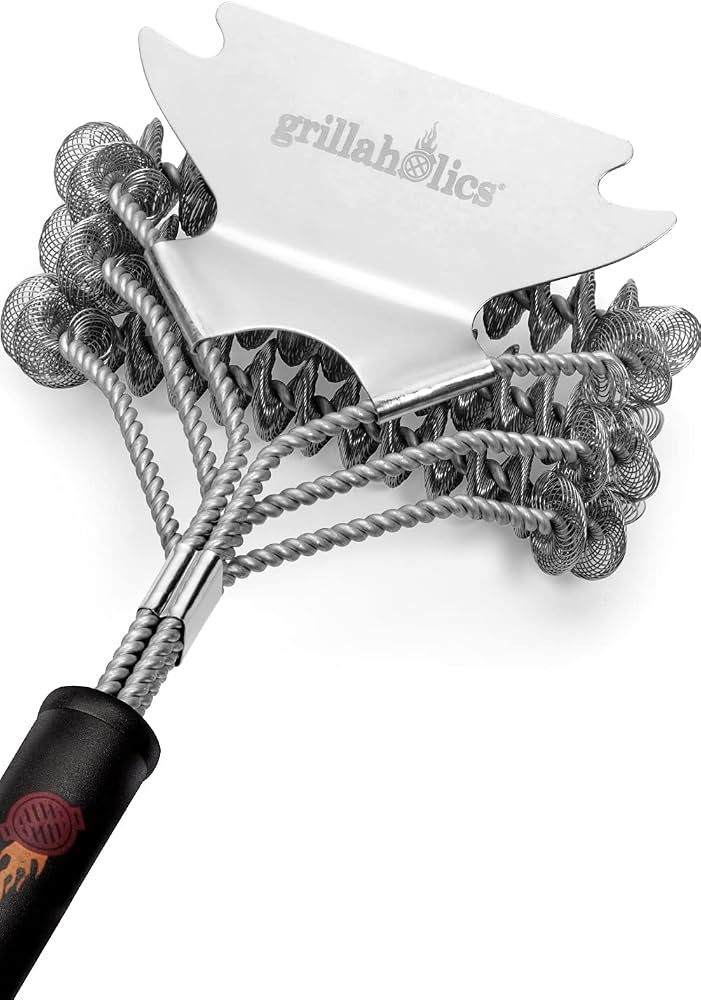
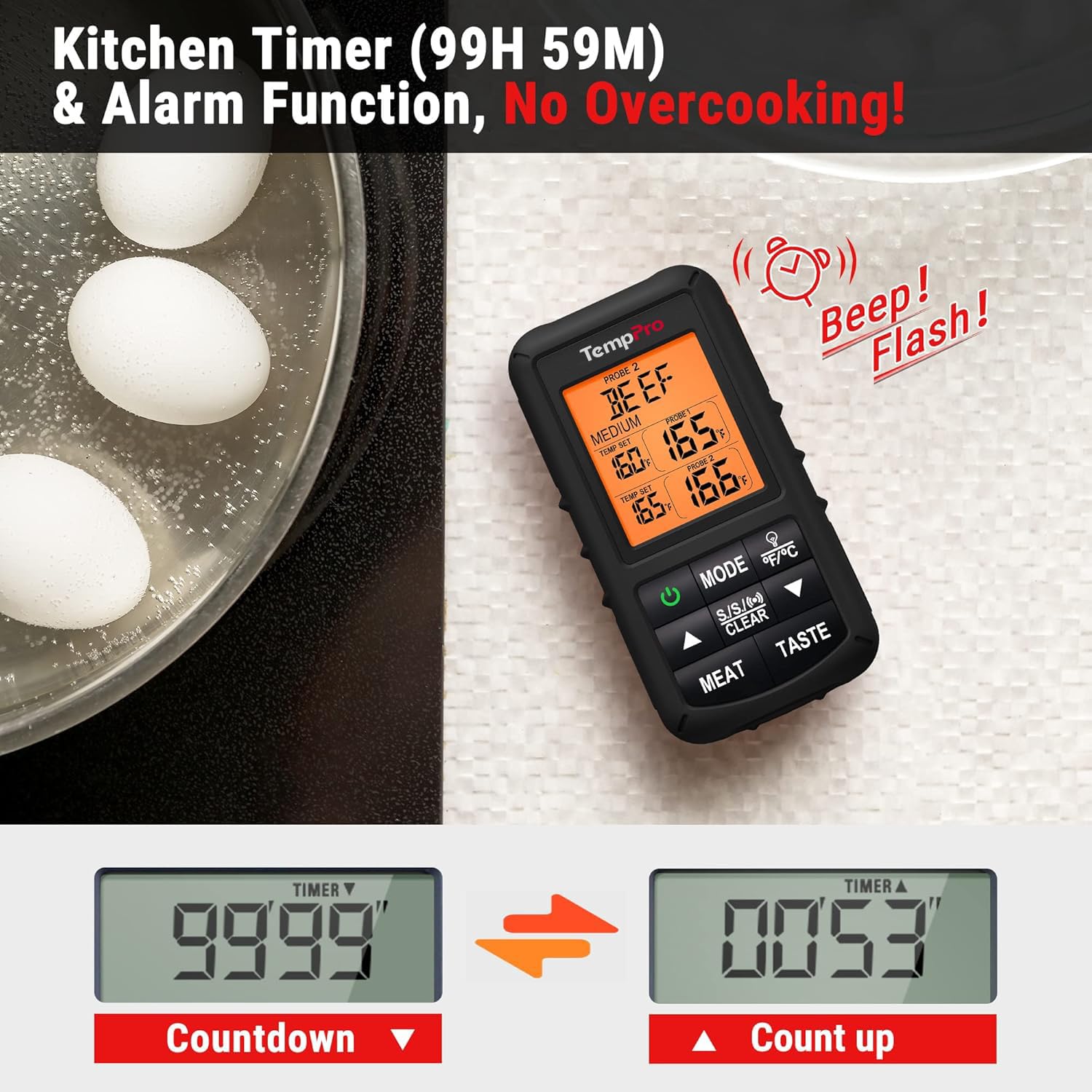
For most beginners, the Weber Spirit II E-310 gas grill offers the best balance of quality, ease of use, and warranty. If your budget is tighter, the Char-Broil Performance 4-Burner is a reliable runner-up. For charcoal lovers, the Weber Original Kettle 22-inch is the timeless beginner's choice. Pair your grill with a quality cover, a wire brush, and a wireless instant-read thermometer. You're now ready to grill with confidence. Happy grilling!
❓ Frequently Asked Questions
For most beginners, a mid-range gas grill like the Weber Spirit II E-310 is ideal because it's easy to start, maintain heat, and clean. If you prefer charcoal, the Weber Original Kettle is the classic choice for learning.
A budget of $200-$400 typically gets a reliable grill that will last several years. Entry-level grills under $150 can work for occasional use but may frustrate with poor heat control. Spend a bit more for longevity.
Prioritize push-button ignition, built-in thermometer, porcelain-enameled grates (easy to clean), and even heat distribution. A side shelf for prep is also very helpful.
Gas grills are typically easiest because you control heat with a knob and they start instantly. Electric grills are even simpler – just plug in. For charcoal, the Weber kettle with its one-touch cleaning is the most beginner-friendly.
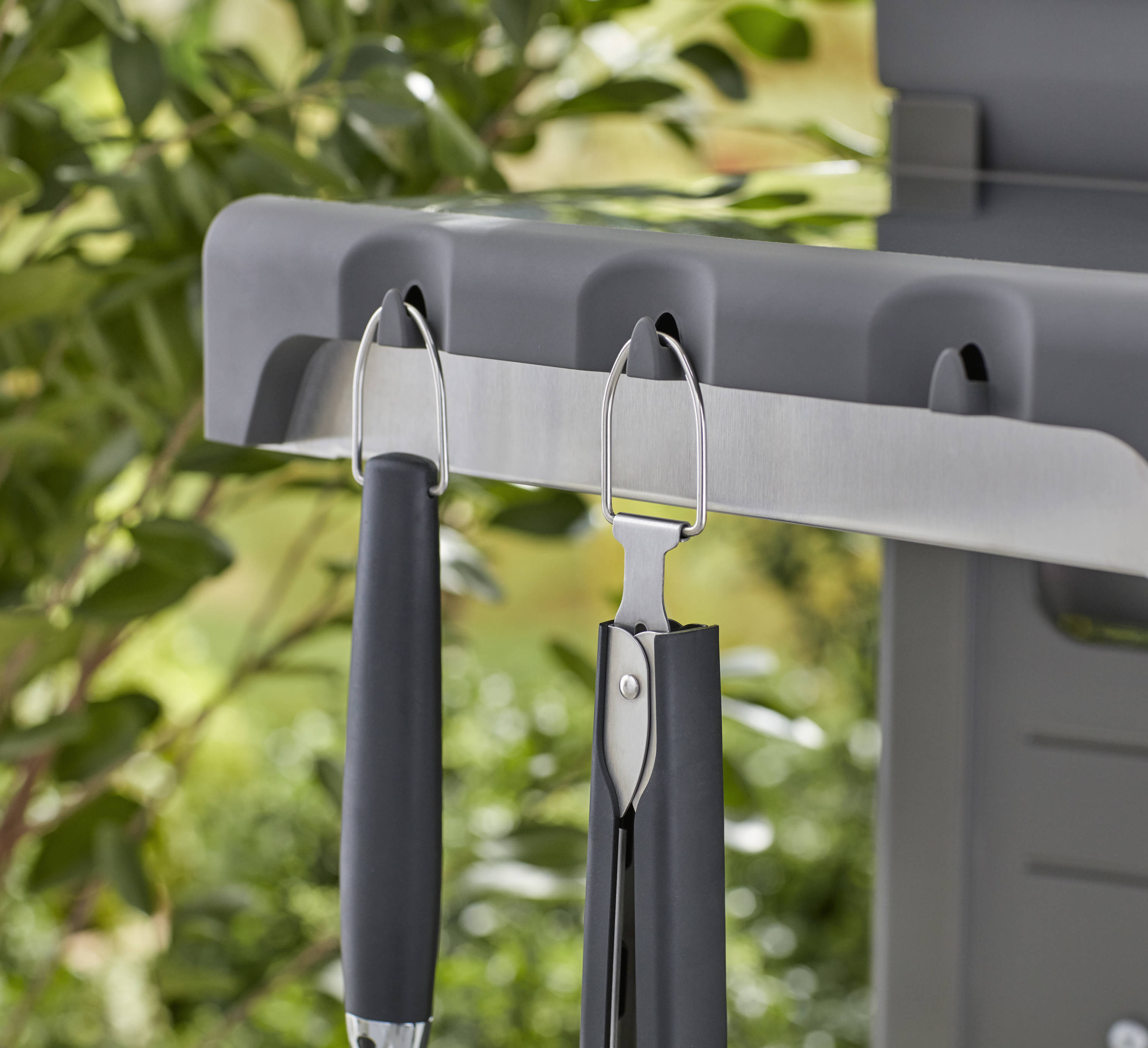
A grill cover, a wire brush for cleaning, a set of long-handled tools (spatula and tongs), and a digital meat thermometer. If using charcoal, a chimney starter is essential.
Decide between gas, charcoal, or electric based on your cooking style and space. Set a budget. Look for models with easy ignition, good reviews on even heating, and a warranty. Measure your outdoor space before buying.
No, grilling is very approachable. Start with easy foods like burgers, hot dogs, and chicken. With a little practice and a thermometer to check doneness, you'll be making great meals quickly.
Common mistakes include buying a grill that's too cheap (flimsy and rusts), not buying a cover, using too much lighter fluid with charcoal, and trusting cooking times instead of using a thermometer.
Gas is generally easier for beginners because of quick startup and temperature control. Charcoal offers more flavor but requires patience to master heat management. Consider your priorities: convenience vs. smokey taste.
A premium grill like the Weber Spirit II E-310 is worth it if you can afford it because it will last longer, cook more evenly, and have better warranty support. But a mid-range option around $250 can serve well for years.
With proper care (cover, cleaning, storage), a good mid-range grill can last 3-7 years. Premium grills with stainless steel burners and thicker construction may last 10+ years.
Check your building's rules. Many allow electric grills or small propane grills (under a certain BTU). Charcoal grills are often prohibited due to fire hazard. Electric grills are safest for balconies.