Is Best GPS Watch for beginners Worth It? Honest Review (2026)
Everything beginners need to know to choose their first GPS watch with confidence.
Choosing your first GPS watch can feel overwhelming—there are dozens of models, confusing specs, and price tags that range from budget-friendly to eye-watering. But it doesn't have to be complicated. This guide is designed for complete beginners. We cut through the jargon, focus on what actually matters for newcomers, and help you find a watch that’s simple to use, accurate, and won’t break the bank. By the end, you’ll know exactly what to look for and which watch is right for you.
📋 In This Guide
• Why Beginners Struggle with GPS Watch
• What to Look For (Key Features)
• Top 4 Beginner-Friendly GPS Watch
• Essential Accessories for Beginners
• Common Beginner Mistakes to Avoid
• Your Progression Path
• FAQ & Learning Resources
😰 Why Beginners Struggle with GPS Watch
Beginner GPS watch buyers often feel lost because they’re confronted with technical terms like GPS tracking frequency, heart rate zones, training load, and multi-band GNSS. There’s also a huge range of prices—from under $100 to over $500—and it’s hard to know if paying more really gets you more. Many newcomers worry about buying a watch that’s too basic (and quickly outgrowing it) or too advanced (and never using half the features). Plus, reading reviews can be confusing when experienced athletes rave about features beginners don’t need. The result is analysis paralysis and a fear of making the wrong choice.
🔍 What to Look For: Key Beginner-Friendly Features
As a beginner, you want a watch that is easy to set up, comfortable to wear, and does the basics really well. Look for: (1) simple controls—fewer buttons or a touchscreen that’s intuitive; (2) accurate GPS that locks quickly (most modern watches do this well); (3) built-in heart rate monitoring (so you don’t need a separate chest strap); (4) good battery life—at least 7 days in smartwatch mode, enough for a few GPS workouts; (5) smartphone notifications so you can leave your phone behind; (6) a companion app that’s easy to understand. Avoid watches that require hours of setup or are packed with obscure features like ‘advanced power metrics’ or ‘race predictor’—you don’t need that yet.
✅ Essential Features for Beginners
•Easy-to-use controls: large buttons or responsive touchscreen
•Accurate GPS lock: connects quickly and tracks routes reliably
•Built-in heart rate monitor: no extra chest strap needed
•Long battery life: at least 5 days with regular use
•Smartphone notifications: see texts and calls on your wrist
•Clear companion app: simple data review and progress tracking
•Comfortable fit: lightweight and available in multiple sizes
🏆 Top 4 Best GPS Watch for Beginners
#1
💰 Budget
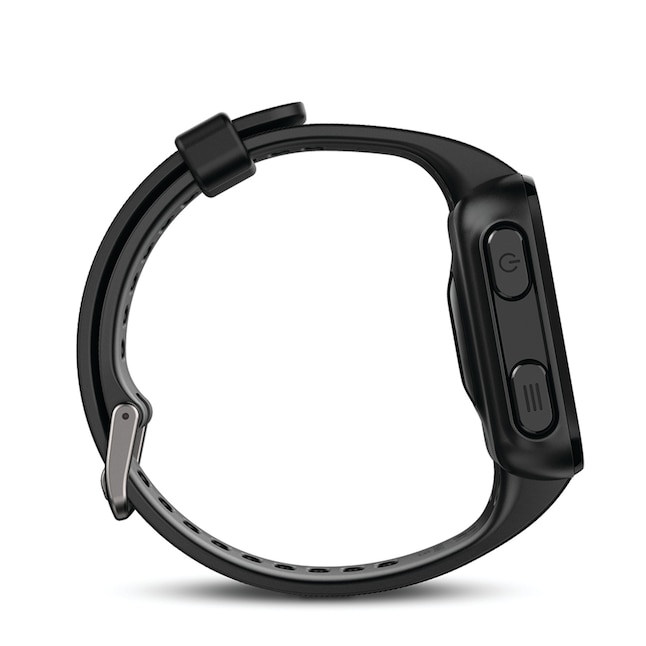
Garmin Forerunner 35, Small/Medium, Black
Learning Curve: Easy
$129.99
Difficulty: 1/5
Why Great for Beginners:
This watch is incredibly simple: just a few buttons to start/stop a run. It has built-in GPS and heart rate, and the battery lasts about 9 days. Perfect for beginners who want no-fuss tracking.
✓ Beginner Pros
+Very easy to use with dedicated run button
+Reliable GPS and heart rate for the price
+Lightweight and comfortable for all-day wear
+Long battery life (9 days) reduces charging worries
+Works with both Android and iPhone
✗ Beginner Cons
-Black-and-white display – not as vibrant
-No smart notifications (only call alerts)
-Basic activity tracking (no advanced metrics)
-Charging cable is proprietary and easy to lose
👍 Best for: Absolute beginners on a tight budget who want a no-nonsense GPS watch for walking, running, or hiking.
👎 Not for: Those who want smartphone notifications, colorful maps, or advanced training features.
The Forerunner 245 strikes the perfect balance between simplicity and capability. It’s easy to set up, has excellent GPS and heart rate accuracy, and introduces useful features like training status and VO2 max without being overwhelming.
✓ Beginner Pros
+Intuitive button controls – no touchscreen confusion
+Accurate GPS and Elevate wrist heart rate
+Smart notifications for calls, texts, and apps
+Garmin Coach adaptive training plans built-in
+Great battery (7 days smartwatch, 24 hours GPS)
✗ Beginner Cons
-No onboard music storage (pay more for Music version)
-Display is memory-in-pixel (not always-on color)
-Charging cable is proprietary
-Slightly bulkier than lifestyle watches
👍 Best for: Beginners who want a reliable, feature-rich watch that will still be useful as they improve their running or fitness.
👎 Not for: Triathletes (no swimming metrics) or those who need music without a phone.
The Venu 2 combines a beautiful AMOLED touchscreen with Garmin’s reliable fitness tracking. It’s more like a smartwatch that also does GPS well. Perfect for beginners who want an all-day stylish watch with workout capabilities.
✓ Beginner Pros
+Bright, vibrant AMOLED display – easy to read
+Touchscreen plus two side buttons for simple navigation
+Built-in GPS, heart rate, and SpO2 (blood oxygen)
+Over 25 built-in workouts with animated on-screen demos
+Music storage (optional) for phone-free listening
✗ Beginner Cons
-Touchscreen can be finicky when wet or sweaty
-Battery life shorter than Forerunner models (11 days, 8 hours GPS)
-Higher price point – may be overkill for casual users
-Less focused on running analytics than Forerunner line
👍 Best for: Beginners who want a premium smartwatch experience with excellent fitness tracking, and want to wear it as an everyday watch.
👎 Not for: Serious runners who need advanced metrics like running power or training load balance.
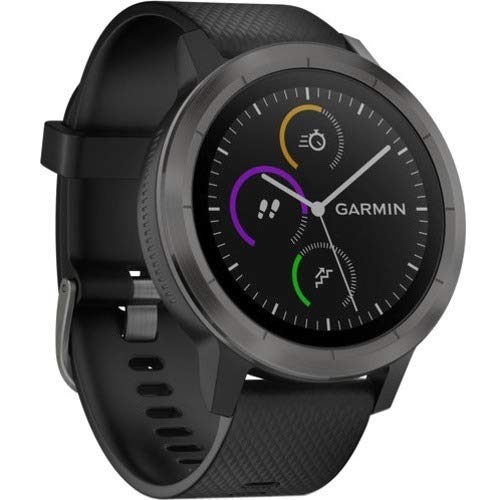
The Vivoactive 3 is a slightly older model but still a very capable GPS watch with a touchscreen and a slim design. It’s great for beginners who want GPS tracking plus smartwatch features without spending a lot. The renewed version offers good value.
A GPS watch uses satellite signals (like GPS, GLONASS, or Galileo) to track your outdoor activities in real time—distance, pace, and route. For beginners, the most common activities are running, walking, hiking, or cycling. Most GPS watches also track steps, sleep, and heart rate 24/7. There are two main types: fitness trackers with GPS (like the Garmin Vivoactive series) and dedicated sports watches (like the Garmin Forerunner series). For beginners, a dedicated sports watch is often better because it focuses on ease of use and provides clear workout data. The Garmin Forerunner line is especially beginner-friendly. Prices range from about $130 (Forerunner 35) to $400+ (Forerunner 945). The sweet spot for most beginners is between $200 and $300. Don’t be seduced by high-cost watches with multisport features unless you plan to do triathlons immediately. Start simple, learn the basics, and upgrade later if needed.
🔧 Essential Accessories for Beginners
Supershieldz Screen Protector for Garmin Forerunner 235/735XT/935 (3-Pack)
⚠️ Essential
$7.99
When to buy:
Day one
GPS watches get scratched easily from accidental bumps. A screen protector is cheap insurance to keep the display pristine, especially for beginners who may not be used to wearing a watch daily.
Beginner Benefits:
• Protects against scratches from keys, walls, etc.
• Easy to apply with no bubbles (includes installation guide)
• Doesn’t interfere with touchscreen (if applicable)
AleeLux Silicone Replacement Band for Garmin Forerunner 245, 255, 265 (22mm, Black)
👍 Recommended
$12.99
When to buy:
First month
The original band can get sweaty or uncomfortable. A soft silicone band is easy to clean, more breathable, and ensures a secure fit during workouts. Having a spare band lets you swap colors or replace a worn one.
Beginner Benefits:
• More comfortable during sweaty runs – easy to rinse off
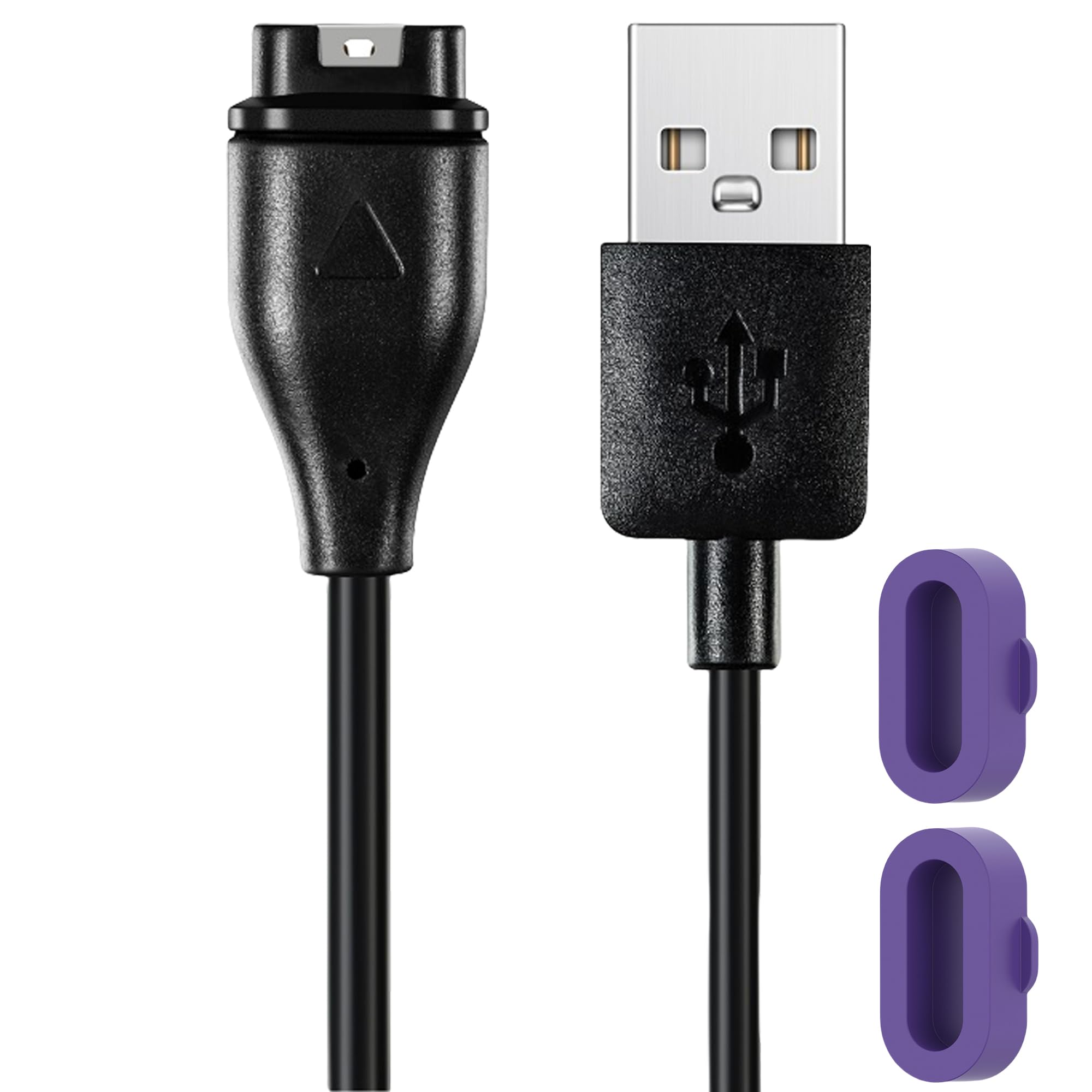
Original charging cables are short and easy to misplace. A backup cable keeps you from being stranded when the watch dies. Having one at work or in a travel bag is very convenient.
Beginner Benefits:
• Longer cable makes charging more convenient at home or office
• Backup ensures you always have a way to charge
• Affordable addition to your kit
• Compatible with multiple Garmin models (future-proof)
Start by asking yourself: What activity will I do most? Running? Walking? Cycling? Hiking? If it’s mostly running or walking, a watch like the Garmin Forerunner 55 or 245 is ideal. If you want a more lifestyle-oriented watch that still tracks workouts, consider the Garmin Venu 2. Next, set your budget. Under $150 gets you a basic but reliable GPS watch (like Forerunner 35). Between $150 and $300 gives you the best balance of features and user-friendliness (Forerunner 245). Over $300 offers more advanced training metrics and longer battery life, but most beginners won’t use those features. Also consider comfort: try to find a watch that fits your wrist size—most come with multiple band holes. Avoid watches that look like a computer on your wrist if you plan to wear it daily. Finally, check that the watch is compatible with your phone (iPhone or Android) and that the app is well-reviewed.
💰 Budget Guide for Beginners
500+
Professional entry – top-of-the-line features, mapping, music storage, and multi-sport modes. Overkill for most beginners unless you’re a data junkie or triathlete.
150 - $300
Sweet spot – best value for most beginners. Accurate GPS, good battery, heart rate, and smart notifications. Room to grow without breaking the bank.
300 - $500
Premium beginner – excellent build quality, AMOLED display, more training metrics, and longer battery life. Great if you can afford it and plan to stick with running.
Under $ - $150
Entry level – reliable GPS and basic tracking, but may lack advanced features and battery life. Good for trying out GPS watches.
⚠️ Common Beginner Mistakes to Avoid
Many beginners make a few key errors: (1) buying the cheapest GPS watch only to find it has poor GPS accuracy or a short battery life—this wastes money and frustrates. (2) Buying a premium multisport watch because it’s on sale, then feeling overwhelmed by features they never use. (3) Forgetting to buy a screen protector—GPS watches get scratched easily. (4) Not considering the charging cable—some watches have proprietary chargers that are easy to lose. (5) Ignoring the companion app—if the app is clunky, you won’t enjoy reviewing your data. (6) Buying a watch that doesn’t fit well—too loose or too tight affects heart rate accuracy. The best approach: start with a mid-range watch from a trusted brand (Garmin, Coros, Polar) and add accessories gradually.
×Buying the cheapest GPS watch and getting unreliable performance
×Spending too much on advanced features you won't use yet
×Forgetting a screen protector and scratching the face
×Choosing a watch that is too big or heavy for your wrist
×Ignoring the companion app's quality before buying
×Not checking if the watch works with your phone (Android vs iOS)
×Basing decision solely on price instead of ease of use
📈 Your Progression Path: Beginner to Intermediate
Start with the basics: learn how to start and stop a workout, view your pace and distance, and check your heart rate. After a few weeks, explore the app to see trends in your activity. Next, try interval workouts (the watch will guide you). Once you feel comfortable, experiment with advanced features like training status or VO2 max estimates (both available on Forerunner 245 and up). You’ll know you’ve outgrown a beginner watch when you want more data—like cadence, stride length, or running power—or if you start doing multiple sports (cycling, swimming) and need multisport modes. Most beginners stay with their first watch for 1-2 years before upgrading. The Forerunner 245 is a great stepping stone because it has enough features to grow into.
📚 Learning Resources for Beginners
📖Garmin Forerunner 245 User Manual (online or app)
📖Book: “Running with the Garmin Forerunner 245: A Beginner’s Guide” (available on Amazon)
📖YouTube channels: DC Rainmaker, DesFit, Chase the Summit
📖Coursera course: “Fitness Tech for Runners” (not Amazon, but free resources available)
🎯 Bottom Line: Our Recommendations
For most beginners, the best overall choice is the Garmin Forerunner 245. It’s easy to use, has accurate GPS and heart rate, plenty of features to grow into, and a supportive community. If your budget is tight, the Garmin Forerunner 35 is a solid entry-level option that still does the job. If you want a premium feel and a bright AMOLED screen, the Garmin Venu 2 is a fantastic lifestyle and fitness watch. Whatever you choose, don’t forget a screen protector and a spare charging cable. Remember: the best GPS watch is the one you’ll actually wear and use consistently. Start simple, enjoy the journey, and upgrade only when you need more data.
❓ Frequently Asked Questions
For most beginners, the Garmin Forerunner 245 is the best choice. It’s easy to use, accurate, and has features that help you improve without being overwhelming. If you’re on a tighter budget, the Forerunner 35 is a solid entry-level option.
Beginners should expect to spend between $150 and $300 for a good GPS watch. Under $150, you’ll get basic features that may lack accuracy or battery life. Over $300 is only necessary if you want premium features like AMOLED display or music storage.
Focus on accurate GPS, built-in heart rate monitor, good battery life (at least 5 days), smartphone notifications, and a user-friendly companion app. Advanced metrics like training load or running power are not necessary for beginners.
The Garmin Forerunner 35 is one of the easiest – it has a simple button interface and automatic activity tracking. The Forerunner 245 is also very intuitive with button controls and clear prompts.
At minimum, get a screen protector. Highly recommended: a spare charging cable and a comfortable replacement band. These are inexpensive and make a big difference in usability and protection.
Consider your primary activity (running, walking, etc.), your budget, and whether you want smartwatch features like notifications. Stick with trusted brands like Garmin, Coros, or Polar. Read beginner-focused reviews and avoid overbuying.
No, modern GPS watches are designed to be user-friendly. Basic functions like starting a run and viewing data are straightforward. Most watches have guides or tutorials in the companion app. You’ll feel comfortable within a week.
Common mistakes include: buying too cheap (poor performance), buying too expensive (unused features), forgetting a screen protector, and not checking phone compatibility. Also, some beginners skip reading the manual and miss helpful settings.
For general fitness and running, wrist-based heart rate is sufficient. Chest straps are more accurate for high-intensity intervals but are not necessary for beginners. If accuracy matters, you can add one later.
Yes, most GPS watches have hiking profiles that track distance, elevation, and route. The Garmin Forerunner 245 and Venu 2 both work well for hiking. For longer treks, consider a model with longer battery life like the Forerunner 945.