Review Atlas
Review AtlasYour guide to a better purchase

Menu

Shop by Category

Get the App

Better experience on mobile

Beginners GuideGardening

Is Best Garden Tools for beginners Worth It? Honest Review (2026)

Everything beginners need to know to choose their first Garden Tools with confidence

Choosing your first set of garden tools can feel surprisingly intimidating. Walk into any home improvement store or browse online, and you're faced with racks of shovels, pruners, trowels, hoes, and mysterious gadgets—each one promising to be 'essential.' If you're new to gardening, you might worry about spending money on the wrong things or embarrassing yourself by not knowing what to use. The good news? Gardening is one of the most forgiving and rewarding hobbies, and picking your first tools doesn't have to be complicated. This guide cuts through the noise and shows you exactly what you need, what to look for, and what to skip—so you can start planting with confidence.

📋 In This Guide

  • • Why Beginners Struggle with Garden Tools
  • • What to Look For (Key Features)
  • • Top 4 Beginner-Friendly Garden Tools
  • • Essential Accessories for Beginners
  • • Common Beginner Mistakes to Avoid
  • • Your Progression Path
  • • FAQ & Learning Resources

😰 Why Beginners Struggle with Garden Tools

Beginners struggle for three simple reasons: too much jargon, too many options, and fear of wasting money. One look at a gardening forum can overwhelm you with terms like 'bypass pruners,' 'trowel gauge,' 'garden fork types,' and 'ergonomic D-handles.' When every product page sounds like a technical manual, it's hard to know what actually matters. Another struggle is sheer choice: there are thousands of tool sets on Amazon, ranging from $10 to $500, and online reviews often contradict each other. Finally, many beginners are afraid of buying wrong. They picture a flimsy tool snapping on the first use or an expensive set sitting untouched in the garage. These fears are real but unnecessary—once you understand the basic categories and features, picking the right tools becomes easy.

🔍 What to Look For: Key Beginner-Friendly Features

When you're a beginner, you don't need a shed full of specialized equipment. You need a small set of sturdy, comfortable, easy-to-use tools that cover the core tasks: digging, planting, weeding, and trimming. Look for a set or a few individual tools made from rust-resistant stainless steel or solid carbon steel, with handles that feel good in your hand—not too thin, not too heavy. The right weight matters: tools that are too light feel flimsy, and ones that are too heavy tire you out. Also, avoid tools with many moving parts or complicated adjustments. A simple, honest design is the most beginner-friendly. Important qualities to prioritize: durability, comfortable grip, easy-to-clean materials, and the right size for your height and hand. Avoid novelty gadgets and multi-tools that claim to do everything—they often excel at nothing.

✅ Essential Features for Beginners

  • Comfortable non-slip handles that reduce hand fatigue and blisters
  • Rust-resistant stainless steel or carbon steel heads that last
  • Simple one-piece construction (no wobbly parts or complex adjustments)
  • Lightweight design that's easy to maneuver for new users
  • Storage tote or bag included to keep tools organized and protected
  • Clear measurements on trowels to help with planting depth
  • A reasonable number of pieces (5–10) covering everyday tasks without clutter

🏆 Top 4 Best Garden Tools for Beginners

#1
💰 Budget

Fiskars 3-Piece Garden Tool Set with Trowel, Transplanter, and Cultivator

Learning Curve: Easy

$24.99
Difficulty: 1/5
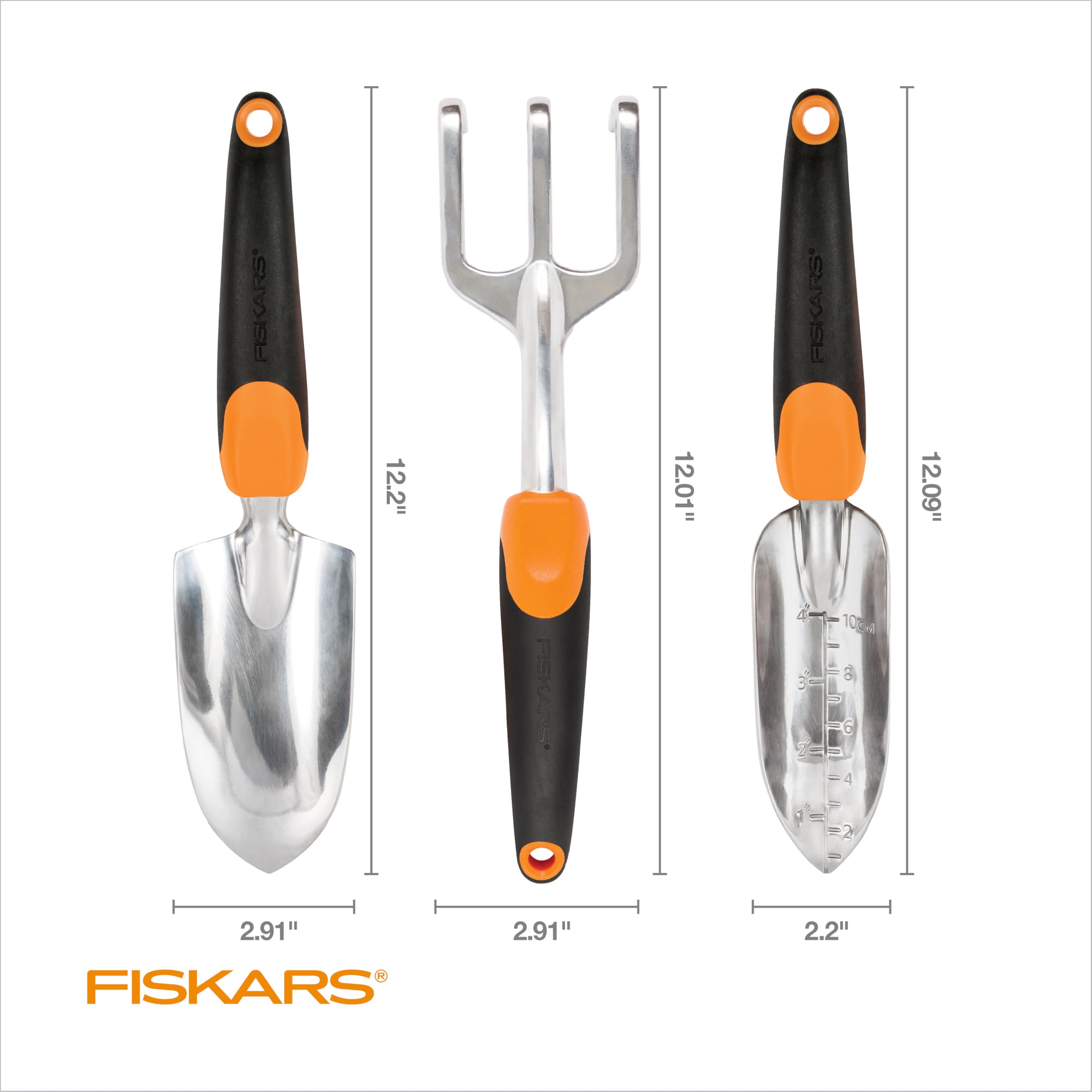
Fiskars 3-Piece Garden Tool Set with Trowel, Transplanter, and Cultivator

Why Great for Beginners:

This is a classic starter set with just three essential hand tools. It's forgiving, easy to use, and reasonably durable for light gardening, making it perfect for beginners who are still testing the waters. The comfortable handles and rust-resistant coating add to its beginner appeal.

Beginner Pros

  • +Simple three-tool set covers the core planting and weeding tasks
  • +Ergonomic SoftGrip handles reduce hand strain
  • +Lightweight and easy to store in a small space
  • +Rust-resistant finish handles occasional outdoor storage

Beginner Cons

  • -Not suitable for heavy digging or hard clay soil
  • -Smaller size may feel cramped for gardeners with large hands
  • -Includes only hand tools—you'll need a pruner and gloves separately
👍 Best for: Casual gardeners and families who want a no-fuss, low-cost starter set for container gardening and small flower beds.
👎 Not for: Anyone planning to build large raised beds, break new ground, or do serious landscaping.

#2
👍 Recommended

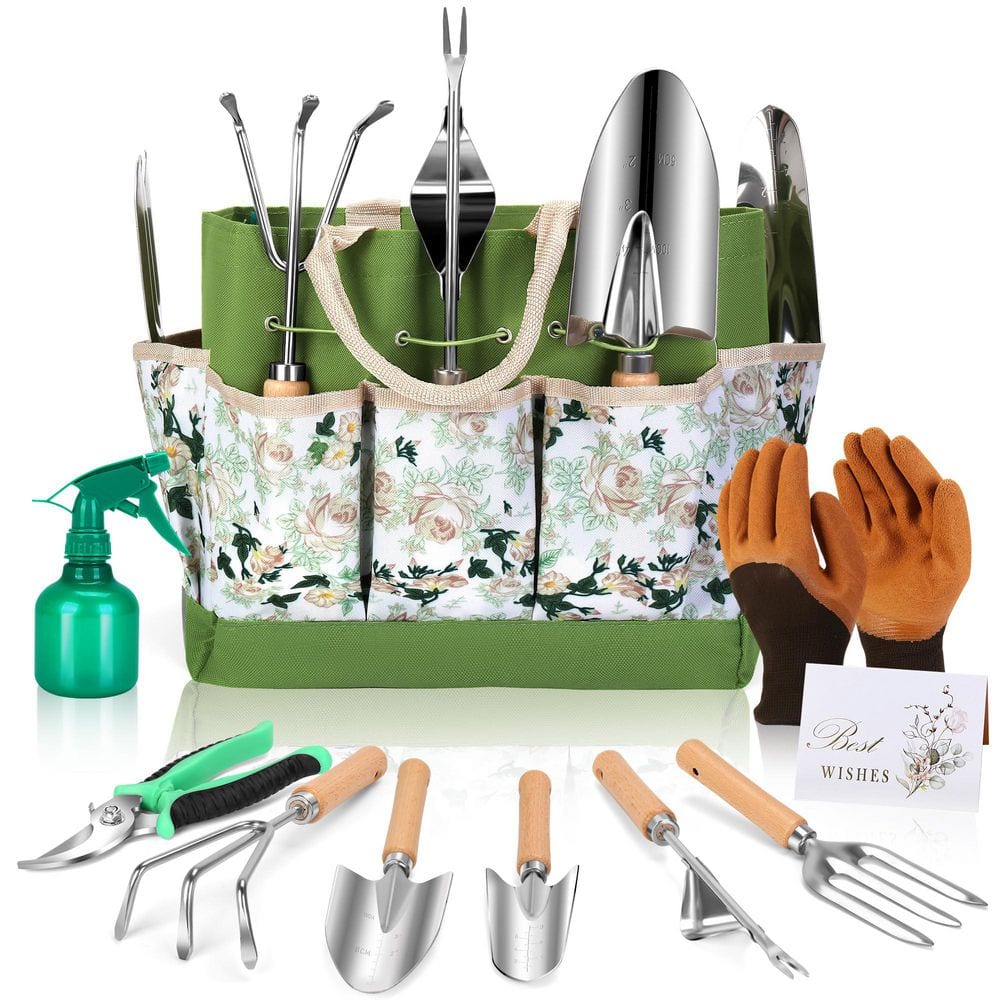
Homezone 10-Piece Garden Tool Set with Heavy-Duty Tote Bag

Learning Curve: Easy

$49.99
Difficulty: 2/5
Homezone 10-Piece Garden Tool Set with Heavy-Duty Tote Bag

Why Great for Beginners:

This set includes all the essentials a beginner needs in one tidy package: a trowel, transplanter, cultivator, hand rake, hand hoe, pruning shears, and more, plus a durable tote bag for storage. The stainless steel heads resist rust, and the ergonomic TPR handles are comfortable for long gardening sessions. It's the best value for most new gardeners.

Beginner Pros

  • +10-piece set covers every beginner task—no need to buy more
  • +Stainless steel heads are sturdy and rust-resistant
  • +Tote bag keeps tools organized and easy to carry
  • +Color-coded handles make it easy to identify each tool
  • +Great price for the number of pieces included

Beginner Cons

  • -Some handles are thin and may feel slightly flimsy
  • -Tote bag is not waterproof, so tools need to be dried before storage
  • -Pruning shears could be sharper—consider upgrading later
👍 Best for: New homeowners and first-time gardeners who want a complete, ready-to-go setup without having to research and purchase individual tools.
👎 Not for: Professionals or those who need heavy-duty digging tools for major landscaping projects.
#3
👍 Recommended

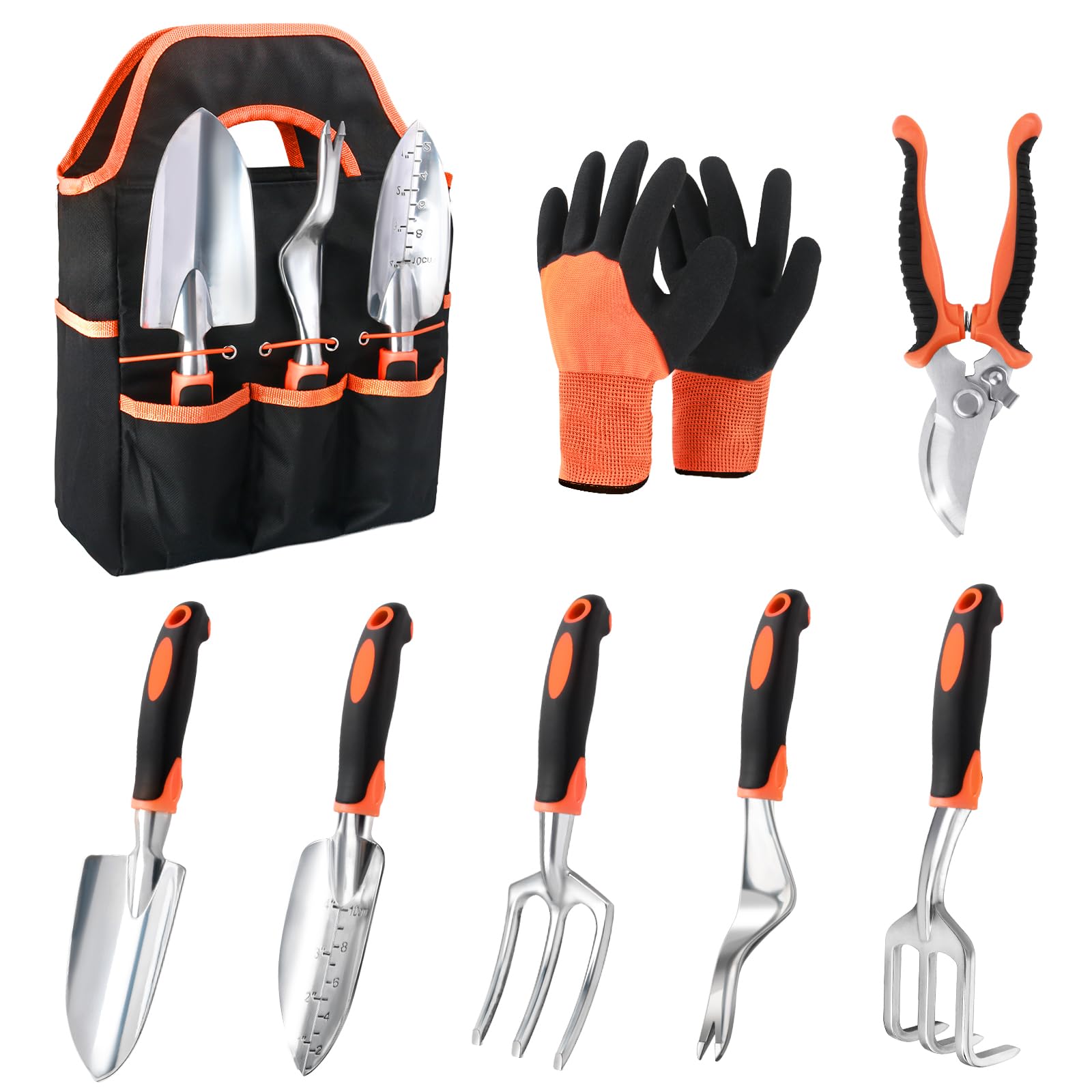
Eheelho 8-Piece Garden Tool Set with Ergonomic Anti-Slip Handles, Includes Bypass Pruning Shears

Learning Curve: Easy

$39.99
Difficulty: 2/5
Eheelho 8-Piece Garden Tool Set with Ergonomic Anti-Slip Handles, Includes Bypass Pruning Shears

Why Great for Beginners:

This well-rounded set adds a bypass pruner to the standard hand tools, making it perfect for beginners who want to do light pruning of shrubs and roses. The ergonomic contoured handles and the included hanging storage rack add to its beginner-friendly design. It offers great value at a reasonable price.

Beginner Pros

  • +Includes bypass pruning shears for trimming and shaping plants
  • +Ergonomic anti-slip handles feel comfortable even with sweaty hands
  • +Comes with a hanging storage rack to keep tools tidy
  • +Durable steel blades stay sharp for a long time

Beginner Cons

  • -The pruner blade loses sharpness over time and may need honing
  • -Slightly lighter weight may not break through compacted clay soil easily
  • -Handles are not color-coded, which might confuse complete beginners
👍 Best for: Beginners who plan to prune shrubs, roses, and small trees, and want a single set that handles both planting and trimming tasks.
👎 Not for: Gardeners who work exclusively in heavy clay soil; you'll need a more robust trowel or a dedicated digging fork.
#4
✨ Premium

Gardener's Edge Professional Stainless Steel Garden Tool Set with Canvas Bag

Learning Curve: Moderate

$89.99
Difficulty: 2/5
Gardener's Edge Professional Stainless Steel Garden Tool Set with Canvas Bag - Image 1 of 8

Why Great for Beginners:

If you want to buy once and never again, this premium set uses thick stainless steel, solid hardwood handles, and a sturdy canvas carrying bag. The tools are heavier and more robust, yet still ergonomic and easy for a beginner to use. It's a luxury purchase for serious beginners who know they'll garden for years.

Beginner Pros

  • +Heavy-duty stainless steel heads resist rust and stay sharp
  • +Thick, comfortable ergonomic grips reduce hand fatigue
  • +Includes a lifetime warranty for peace of mind
  • +Canvas bag is attractive and long-lasting
  • +Full-size handles provide more leverage, making digging easier

Beginner Cons

  • -More expensive than entry-level sets
  • -Some tools (like the large trowel) may feel overkill for container gardening
  • -Heavier weight can be tiring for petite users
👍 Best for: Serious beginners who are committed to gardening as a lifelong hobby and want professional-grade tools from day one.
👎 Not for: Budget-conscious beginners or anyone unsure if they'll stick with gardening—you can start cheaper and upgrade later.

📖 Complete Beginner's Guide to Garden Tools

Let's start with the basics. Garden tools fall into a few simple categories: hand tools (trowels, transplanters, cultivators), digging tools (shovels, spades, garden forks), cutting tools (pruners, shears, loppers), and watering tools (watering cans, hoses, nozzles). As a beginner, you mostly need hand tools and one good pruner. A trowel digs holes for plants, a transplanter helps move seedlings without damaging roots, a cultivator breaks up soil and removes weeds, and a bypass pruner makes clean cuts on stems and small branches. If you're working on a large vegetable garden or landscaping, you might also want a shovel and a rake, but you can add those as you grow. The most beginner-friendly approach is to buy a coordinated set that includes the essentials, so you save money and avoid the confusion of mixing brands. Beginner-friendly means tools that are lightweight, have comfortable grips, are forgiving of rough use, and don't require complex technique. Marketing terms to ignore include 'professional-grade' (you don't need it yet), 'heavy-duty' (often just means heavy), and 'multi-functional' (usually a compromise). Instead, look for plain language like 'easy to clean,' 'non-slip grip,' and 'rust-resistant steel.' Realistic expectations: your first tools won't make you a master gardener, but they will let you plant, weed, and learn without fighting your equipment. Start small, practice regularly, and your skill will grow faster than your tool collection.

🔧 Essential Accessories for Beginners

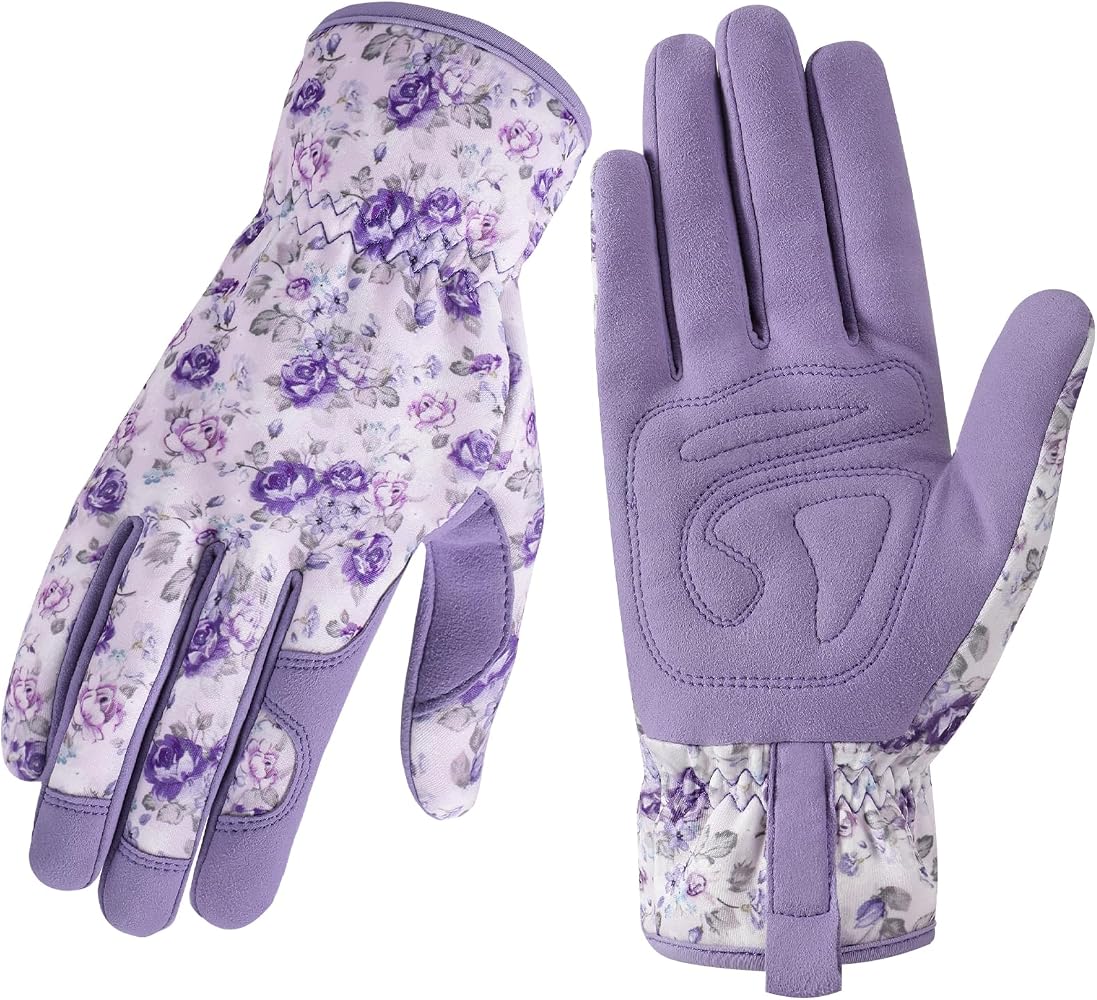
Garden Gloves with Microfiber Coated Palm (2-Pack)

Garden Gloves with Microfiber Coated Palm (2-Pack)

⚠️ Essential

$12.99

When to buy:
Day one

Garden gloves protect your hands from dirt, blisters, thorns, and sharp edges. They make gardening more comfortable and hygienic, especially if you're new to working with soil. This pack of two lets you keep a spare pair or share with a family member.

Beginner Benefits:

  • Prevents blisters and calluses during your first gardening sessions
  • Protects against thorns, twigs, and sharp stones
  • Keeps your hands clean and reduces skin irritation from soil
  • Microfiber palm gives you a secure grip on tools with sweaty hands
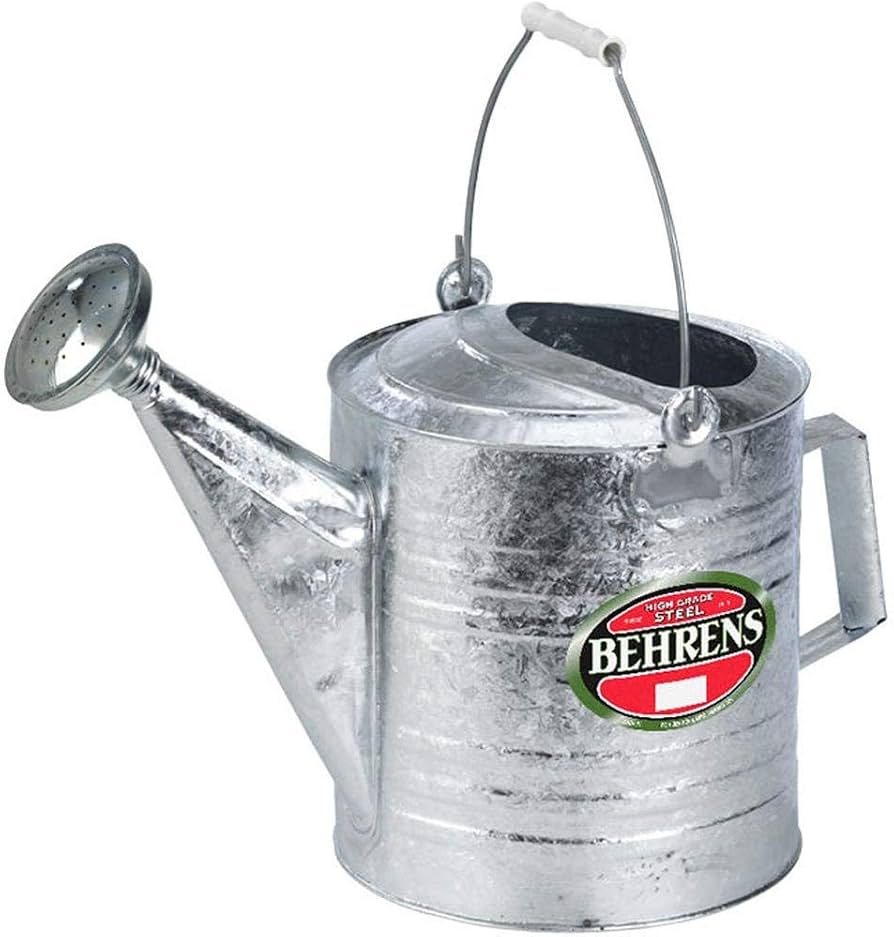
Galvanized Watering Can with Detachable Spout, 2-Gallon

Galvanized Watering Can with Detachable Spout, 2-Gallon

⚠️ Essential

$22.99

When to buy:
Day one

You can't garden without water. A good watering can gives you control over how much water each plant gets, which is essential for beginner gardeners who often overwater or underwater. The detachable spout makes it easy to switch between a gentle shower and a targeted stream.

Beginner Benefits:

  • Controlled watering prevents drowning young plants
  • Shower rose provides gentle water flow for seedlings
  • Durable steel construction lasts for years
  • Spacious enough to water multiple plants in one trip
Precision Bypass Pruning Shears with Titanium Blade

Precision Bypass Pruning Shears with Titanium Blade

👍 Recommended

$14.99

When to buy:
First month

Even if your tool set includes a pruner, having a dedicated pair of quality shears is a game changer. These bypass pruners make clean cuts that help plants heal faster, and they're comfortable to hold for repeat trimming. They're ideal for cutting flowers, trimming herbs, and shaping small shrubs.

Beginner Benefits:

  • Clean cuts reduce the risk of damaging plants
  • Thumb lock keeps the blades closed when not in use
  • Lightweight enough for extended pruning without hand cramping
  • Spring-loaded action makes cutting effortless
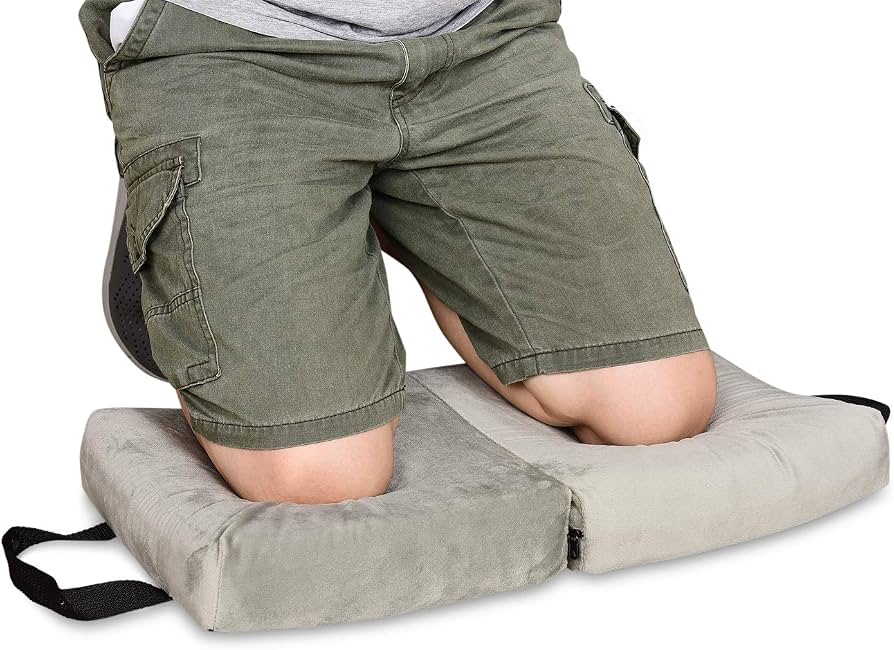
Garden Kneeler and Knee Pad with Foam Cushion

Garden Kneeler and Knee Pad with Foam Cushion

💡 Nice to Have

$19.99

When to buy:
After you're comfortable

Kneeling to plant, weed, and inspect plants is one of the most common physical challenges for new gardeners. A knee pad adds a layer of comfort, so you can spend more time enjoying your garden and less time nursing sore knees. It's a cheap investment that saves you a lot of pain.

Beginner Benefits:

  • Reduces knee strain and makes weeding sessions longer
  • Water-resistant material repels moisture and mud
  • Portable strap lets you move it around the garden easily
  • Inexpensive way to prevent discomfort that could discourage you
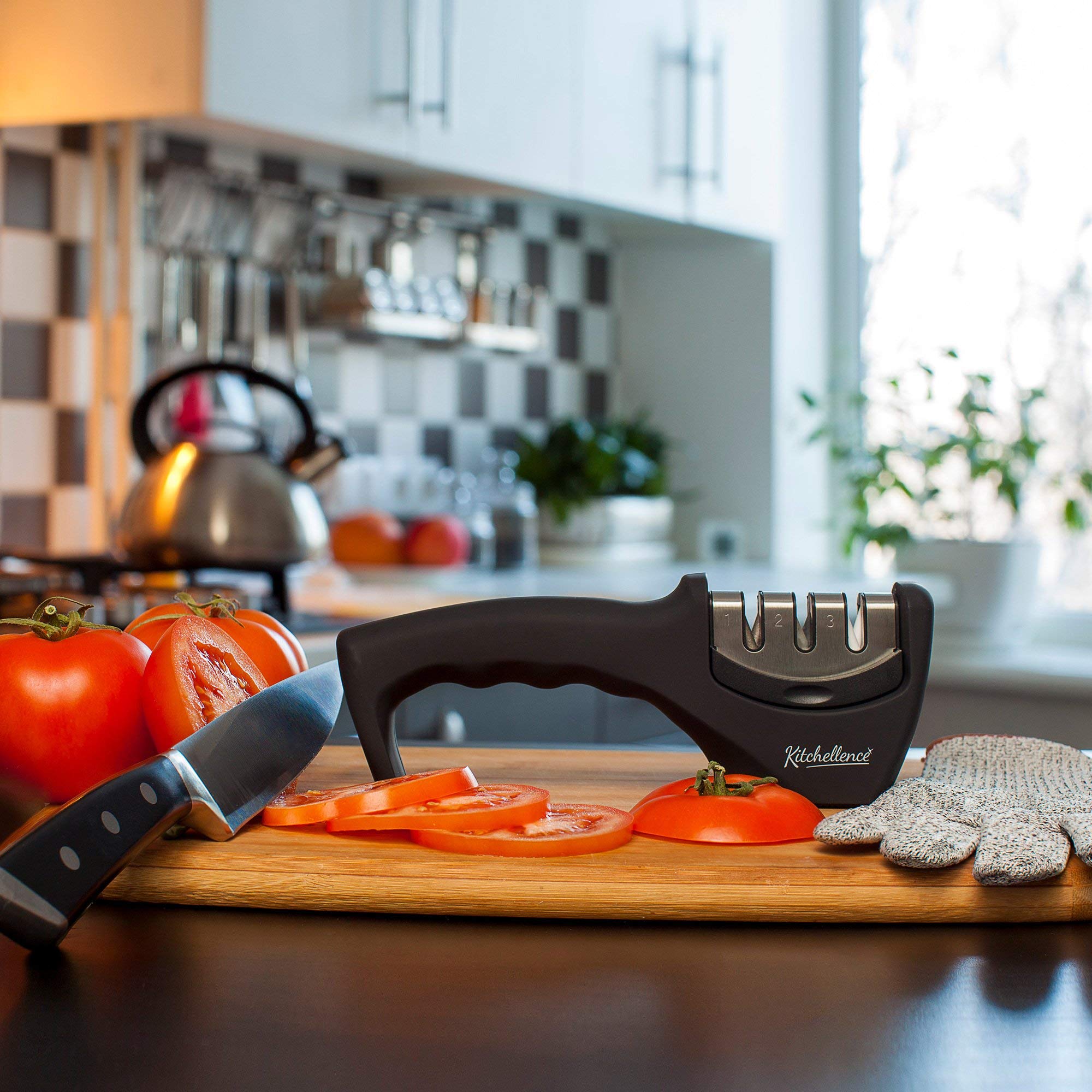
3-Stage Multi-Purpose Tool Sharpener

3-Stage Multi-Purpose Tool Sharpener

⬆️ Upgrade

$9.99

When to buy:
When upgrading

As you use your tools, blades will dull over time. A sharp tool is safer and easier to use than a dull one, and keeping your blades sharp helps you cut cleanly without damaging plants. This simple sharpener is the easiest way to maintain your new investment.

Beginner Benefits:

  • Extends the life of your pruners and other cutting tools
  • Sharp blades require less force, reducing hand fatigue
  • Easy, safe design—no special skills required
  • Small and inexpensive, so you'll actually use it

🤔 How to Choose Your First Garden Tools

Choosing your first garden tools comes down to three questions: What kind of gardening will you do? Where will you do it? How much do you want to spend? If you're planting a few pots on a balcony, a tiny three-piece hand tool set is perfect. If you're starting a backyard vegetable garden, you'll want a slightly larger set with a trowel, transplanter, cultivator, and pruner, plus gloves and a watering can. Consider your soil: soft, loose soil is forgiving; heavy clay calls for sturdier tools with thicker shafts. Grow with your ambitions—buy a set that gives you room to try different tasks without forcing you into a specialty you haven't reached yet. Red flags to avoid: tools with plastic heads (they crack), handles that feel flimsy or too thin, sets with pointless extra gadgets, and prices that seem too good to be true. When in doubt, read customer reviews from other beginners—they'll tell you if a tool felt clunky or broke early. Budget wise, the sweet spot for a starter set is between $25 and $60, which gets you durable materials and comfortable handles without overspending.

💰 Budget Guide for Beginners

120+

Professional entry – for serious beginners with big landscaping plans. Includes heavyweight tools, specialized pieces, and top-grade construction that can handle heavy use.

25 - $60

Sweet spot – the best value for most beginners. Sets in this range include durable stainless steel tools, comfortable grips, and just the right number of pieces for home gardens.

60 - $120

Premium beginner – higher-quality materials, better ergonomics, and tools that will last for many seasons. Ideal for those who want to buy once and not again.

Under $ - $25

Entry level – good for trying out the hobby with container gardens and small pots. Tools are often lighter and less durable, so plan to upgrade if you continue.

⚠️ Common Beginner Mistakes to Avoid

The most common mistake beginners make is buying the cheapest possible tools to 'save money.' Cheap plastic tools crack under pressure, bend, and rust—then you get frustrated and quit. Another big blunder is buying a giant 20-piece set because it looks like a good deal, only to discover half the tools are useless and the whole thing is awkward to store. Skipping essential accessories like gloves and watering cans is also common, since beginners focus only on shiny metal tools. Many people also choose tools with poor ergonomics—skinny, hard handles that cause blisters—and then assume gardening is painful. Failing to plan for storage means leaving tools outside in the rain, which leads to rust. Finally, beginners often buy specialty tools (like a hori-hori knife or a bulb planter) before mastering the basics, which just wastes money and adds clutter. Avoid these pitfalls by buying a modest, quality set, adding accessories from day one, and choosing tools that feel good in your hand.

  • ×Buying ultra-cheap plastic or low-grade tools that crack, bend, or rust quickly
  • ×Purchasing a giant 20-piece set full of never-used specialty gadgets
  • ×Skipping essential accessories like gloves and watering cans
  • ×Choosing tools with poor ergonomics and uncomfortable grips
  • ×Leaving tools outside to rust because of no storage plan
  • ×Buying specialty tools before mastering the basics
  • ×Ignoring your specific soil type and planning needs
  • ×Overpaying for 'professional-grade' features you don't need yet

📈 Your Progression Path: Beginner to Intermediate

As a beginner, start with the fundamentals: learn to use a trowel and transplanter to plant seedlings, a cultivator to loosen soil, and a pruner to trim spent flowers and small branches. Once these feel natural—usually after a few weekends—you can expand your toolkit. The next set of upgrades, in order of usefulness, are a sturdy garden fork, a round-point shovel, and a long-handled hoe. These open up bigger projects like building raised beds, moving compost, and maintaining a large flower border. You'll know you've outgrown beginner gear when your wrists ache after using a flimsy trowel, or when you have to replace a tool because it bent or snapped. That's the moment to invest in a premium stainless steel version of your most-used tool. Most beginners stay at the starter level for one to three seasons before upgrading—and that's perfectly fine. Gardening is about joy, not keeping up with the neighbors. Grow your skills first, and the right tools will follow.

📚 Learning Resources for Beginners

  • 📖The Vegetable Gardener's Bible by Edward C. Smith
  • 📖Rodale's Basic Organic Gardening by Deborah L. Martin
  • 📖Garden Tutor Soil Test Kit
  • 📖The Healthy Vegetable Garden by Sally Morgan
  • 📖A Beginner's Guide to Gardening - Complete How-To Manual

🎯 Bottom Line: Our Recommendations

The best garden tools for beginners are a modest set of sturdy, comfortable, rust-resistant essentials—plus gloves and a watering can—that cover planting, weeding, and trimming. For most people, the sweet spot is a 7-to-10-piece set in the $40 to $60 range, like the Homezone 10-Piece Garden Tool Set we recommend. If you're on a tight budget, the Fiskars 3-Piece set at around $25 will get you started, but you'll likely need to add a pruner and transplanter soon. If you're ready to invest in long-term quality, the Gardener's Edge Stainless Steel Set at around $90 is a beautiful buy. Whichever you choose, don't forget your gloves and watering can—they're as important as any metal tool. Remember: the best garden tool is the one you actually use. Start small, learn to love your hands in the soil, and upgrade as your passion grows. Happy gardening!

❓ Frequently Asked Questions

The best garden tools for beginners are a modest set that includes a trowel, transplanter, cultivator, and bypass pruner, made from rust-resistant steel with comfortable handles. Sets like the Homezone 10-Piece Garden Tool Set are ideal because they cover all the basics without overcomplicating things. Add a pair of gloves and a watering can, and you're ready to plant.
For a beginner, the sweet spot is between $25 and $60. This gets you durable stainless steel tools that will last for a few years without being flimsy. You can start for under $25 with a basic 3-piece set, but you'll likely need to add a pruner and a transplanter soon, which brings you to around $40–$50. Avoid spending over $100 until you know you'll stick with gardening.
Beginners should prioritize comfortable, non-slip handles, rust-resistant steel blades, and simple one-piece construction. Look for tools that are lightweight but sturdy, and that come with a storage solution like a tote bag. Avoid tools with many moving parts or complicated adjustments. Clear measurements on trowels are a nice extra that helps with planting depth.
Hand tools are by far the easiest for beginners. A trowel, transplanter, and cultivator are intuitive to hold and use—you just plunge them into the soil and twist. Bypass pruners are also easy to learn; just position the blades around a stem and squeeze. Our top picks are the Fiskars 3-Piece Set for pure simplicity, and the Homezone 10-Piece Set if you want a complete set with minimal learning curve.
Starting with a full set is the easiest and most cost-effective way, especially for beginners. Sets already contain the essential tools and save you money compared to buying each tool separately. The downside is that you may receive a few tools you don't use right away, but that's fine. Once you've got your set, you can then buy better versions of the tools you use most.
At a minimum, you need garden gloves and a watering can. Gloves protect your hands from dirt and blisters, and a watering can gives you precise control over watering. A knee pad is highly recommended for comfort during long sessions. As you expand, a bypass pruner (if not included in your set) and a tool sharpener will keep your tools in top shape.
Ask yourself: What kind of gardening will you do? Where will you do it? How much do you want to spend? For container gardens on a balcony, a 3-piece set is enough. For a backyard vegetable bed, choose a larger set with 8–10 pieces and include a pruner. Read customer reviews to see how tools hold up for other beginners, and pick tools with comfortable handles. Avoid anything with plastic parts that look fragile.
Gardening is not hard—it's forgiving. Plants want to grow, and they'll reward even small efforts with growth and beauty. The learning curve is about understanding your soil, sunlight, and water. Tools are just the starting point. Start small, follow simple guides, and don't be afraid to make mistakes. Dead plants happen to everyone, but that's how you learn.
The most common mistakes are buying cheap low-quality tools that bend or rust, buying oversized sets with unused gadgets, ignoring comfortable handles, skipping gloves, and leaving tools outside to weather. Beginners also often buy specialty tools like a hori-hori knife before mastering the basics. Avoid these by buying a modest set, adding essentials like gloves, and always storing tools in a dry place.
Yes, a plastic bin is a good storage solution as long as you let your tools dry completely before putting them away. Wet tools stored in a sealed plastic bin will rust faster. Clean off excess dirt, dry the metal parts, and then place them in the bin. A tote bag with ventilation is actually better, which is why many beginner sets include one.

Related Articles