Is Best Frying Pan for beginners Worth It? Honest Review (2026)
Everything beginners need to know to choose their first Frying Pan with confidence
Choosing your first frying pan can feel overwhelming. With so many sizes, materials, and price points, it's easy to get lost. This guide is here to make it simple. We'll help you understand what to look for, avoid common mistakes, and pick a pan that's forgiving, easy to use, and won't break the bank. By the end, you'll feel confident to make your first purchase and start cooking like a pro.
📋 In This Guide
• Why Beginners Struggle with Frying Pan
• What to Look For (Key Features)
• Top 5 Beginner-Friendly Frying Pan
• Essential Accessories for Beginners
• Common Beginner Mistakes to Avoid
• Your Progression Path
• FAQ & Learning Resources
😰 Why Beginners Struggle with Frying Pan
Beginners often get stuck on technical jargon like 'clad', 'seasoning', 'PTFE', or 'induction compatible'. They also worry about buying the wrong pan—one that sticks, warps, or requires too much maintenance. Another struggle is the sheer number of options: nonstick, stainless steel, cast iron, carbon steel, ceramic—each with different pros and cons. Fear of wasting money leads many to either buy the cheapest (which fails quickly) or the most expensive (which may be overkill).
🔍 What to Look For: Key Beginner-Friendly Features
For beginners, the most important feature is ease of use. Look for a pan that is nonstick (or easy to season), medium weight (not too heavy), and with a comfortable handle. Size matters: an 8-10 inch pan is versatile for eggs, pancakes, and small dishes. Avoid very heavy cast iron or high-maintenance carbon steel at first. Also, ensure your pan is compatible with your stovetop (most work on gas, electric, and ceramic). Finally, a pan that is oven-safe up to at least 350°F adds versatility.
✅ Essential Features for Beginners
•Nonstick coating for easy release and cleanup
•10-inch size for versatility
•Comfortable, stay-cool handle
•Oven-safe up to 350°F
•Light to medium weight for easy flipping
•Sturdy, warp-resistant base
•Dishwasher safe (optional but helpful)
🏆 Top 5 Best Frying Pan for Beginners
#1
💰 Budget
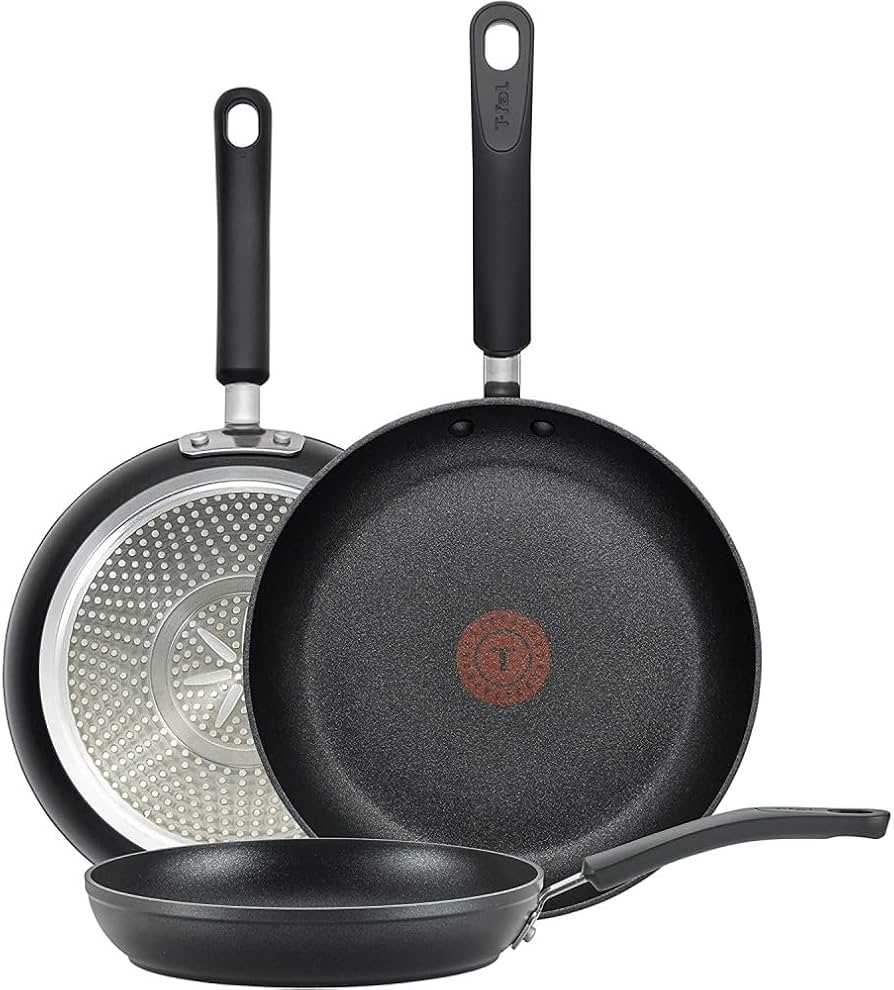
T-fal E93808 Professional Total Nonstick Fry Pan, 10.25 Inch
Learning Curve: Easy
$39.99
Difficulty: 1/5
Why Great for Beginners:
This T-fal pan is an excellent entry-level choice. Its nonstick coating is easy to cook with and clean. The Thermo-Spot heat indicator turns solid red when preheated, eliminating guesswork for beginners.
✓ Beginner Pros
+Heat indicator helps achieve perfect temperature
+Lightweight and easy to handle
+Nonstick works well for eggs and pancakes
+Dishwasher safe for easy cleanup
✗ Beginner Cons
-Nonstick may wear out in a couple of years
-Not oven-safe above 350°F
-Handle can get warm during cooking
👍 Best for: Absolute beginners on a tight budget who want a no-fuss pan for everyday cooking
👎 Not for: Anyone needing oven-safe above 350°F or wanting a pan that lasts many years
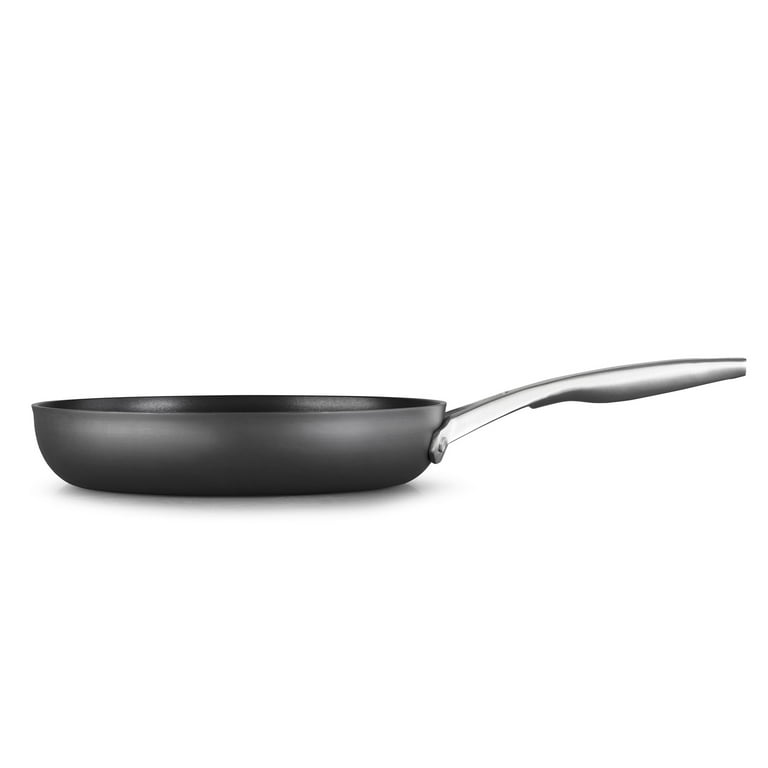
Calphalon Premier Hard-Anodized Nonstick 10-inch Fry Pan
Learning Curve: Easy
$69.99
Difficulty: 2/5
Why Great for Beginners:
This Calphalon pan strikes a perfect balance between quality and price. The hard-anodized body is durable and heats evenly, while the three-layer nonstick makes cooking and cleanup a breeze. It's a pan that will serve you well for years.
✓ Beginner Pros
+Durable hard-anodized construction resists warping
+Even heating prevents hot spots
+Three layers of nonstick for excellent release
+Oven-safe to 450°F for finishing dishes
✗ Beginner Cons
-Heavier than basic nonstick pans
-Not induction-compatible
-Hand wash recommended to preserve coating
👍 Best for: Beginners ready to invest a bit more for a pan that will last and perform better
👎 Not for: Those who need induction compatibility or prefer ultra-lightweight pans
The All-Clad D3 is the gold standard for stainless steel cookware. While it has a steeper learning curve, beginners who are serious about cooking will appreciate its even heat and durability. With practice, you'll achieve excellent sears and fond for deglazing.
✓ Beginner Pros
+Exceptional heat distribution and control
+Oven-safe to 600°F for high-heat cooking
+Lifetime durability with proper care
+Dishwasher safe (though hand wash recommended)
✗ Beginner Cons
-Stainless steel requires technique to prevent sticking
-Heavier than nonstick alternatives
-Requires more oil or butter for frying
-Higher price point
👍 Best for: Motivated beginners who want to learn proper cooking techniques and invest in a pan that lasts a lifetime
👎 Not for: Those who want immediate nonstick convenience or have a very tight budget
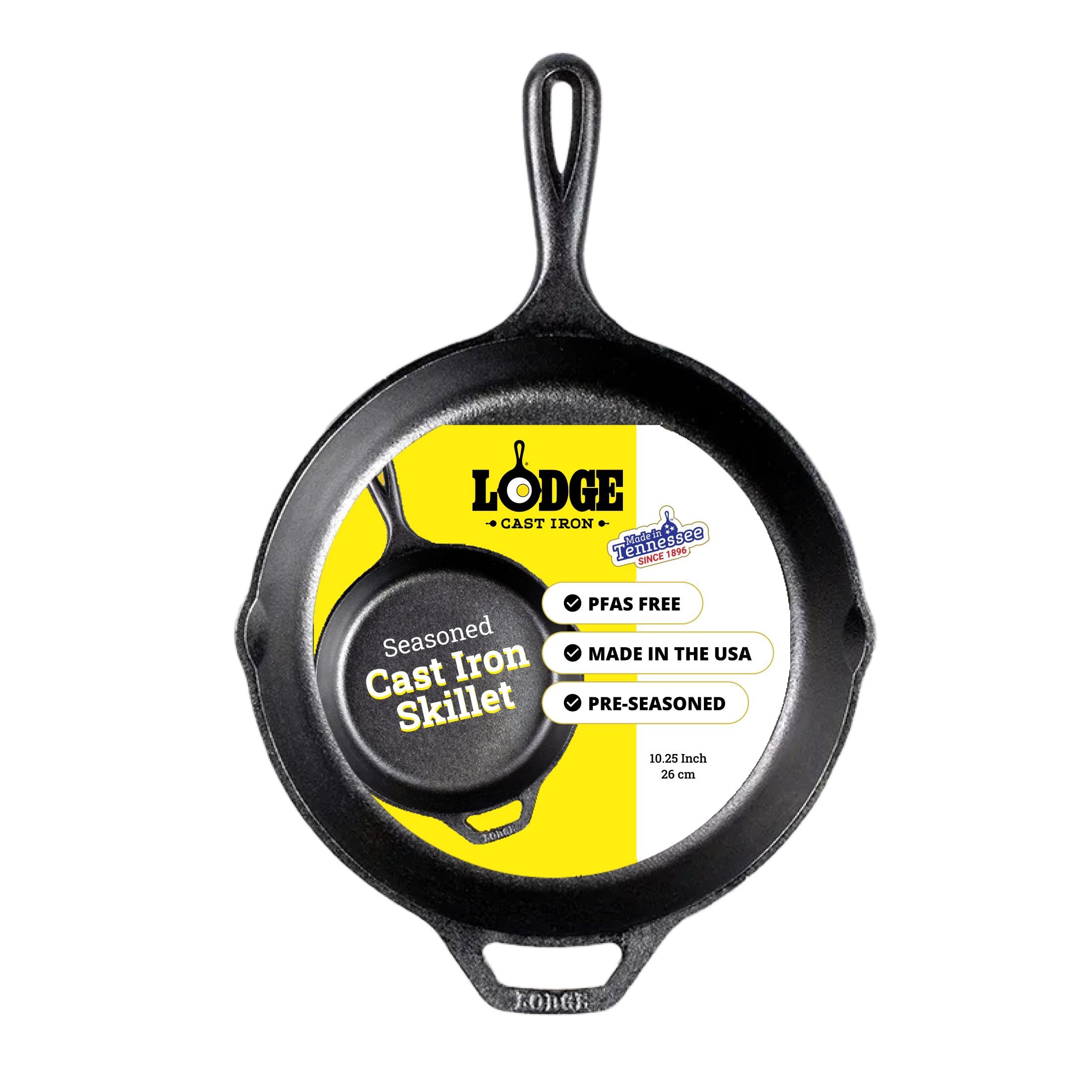
Lodge's cast iron skillet is a classic beginner-friendly option. It comes pre-seasoned, so it's ready to use out of the box. It's incredibly durable, almost indestructible, and improves with use. Perfect for searing, baking, and even camping.
✓ Beginner Pros
+Very affordable
+Excellent heat retention and even cooking
+Pre-seasoned for natural nonstick over time
+Oven-safe to any temperature, including broiler
✗ Beginner Cons
-Heavy (about 5 lbs) and requires two hands
-Needs drying immediately after washing to prevent rust
-Not as nonstick as modern coatings initially
-Handle gets very hot
👍 Best for: Beginners who want a versatile, long-lasting pan and don't mind the weight and maintenance
👎 Not for: Those who need a lightweight pan or prefer zero-maintenance nonstick
GreenPan Valencia Pro Hard Anodized Healthy Ceramic Nonstick 10-inch
Learning Curve: Easy
$79.99
Difficulty: 2/5
Why Great for Beginners:
The GreenPan Valencia Pro offers a ceramic nonstick coating that is free of PFAS and PFOA, appealing to health-conscious beginners. It heats quickly and evenly, and the nonstick is effective for low-fat cooking. The hard-anodized body adds durability.
✓ Beginner Pros
+Toxin-free ceramic coating provides peace of mind
+Excellent nonstick performance without heavy oil
+Durable hard-anodized body resists warping
+Oven-safe to 600°F for versatile cooking
✗ Beginner Cons
-Ceramic coating can degrade faster than traditional nonstick if overheated
-Higher price point for ceramic
-Not as durable as stainless steel
-Some users report less slickness over time
👍 Best for: Beginners who prioritize non-toxic materials and want a high-performance nonstick pan
👎 Not for: Those on a tight budget or who prefer traditional nonstick longevity
A frying pan, or skillet, is a flat-bottomed pan used for frying, searing, and browning foods. Beginners should start with a nonstick pan because it requires less oil and food releases easily. Stainless steel pans are durable but need more skill to prevent sticking. Cast iron is fantastic for heat retention but heavy and requires seasoning. Ceramic nonstick is a non-toxic option but can be less durable. For your first pan, a good nonstick or a pre-seasoned cast iron are great choices. Realistic expectations: even nonstick pans can lose their coating over time (2-3 years). Cast iron lasts forever but demands care. Marketing terms like 'tri-ply' or 'hard-anodized' mean better heat distribution, but for a beginner, a simple nonstick pan will do just fine.
🤔 How to Choose Your First Frying Pan
Start by asking: What will I cook most? Eggs and pancakes? A nonstick pan is ideal. If you plan to sear meats or cook stir-fry, a stainless steel or cast iron might be better. What's your budget? For under $40, you can get a decent nonstick pan. For $50-$100, you get better durability and heat distribution. Over $100, you're looking at premium nonstick or multi-clad stainless. Also consider your stove: if you have an induction cooktop, look for 'induction-ready' pans. And don't forget handle comfort—buy in store or check reviews for ergonomic handles.
💰 Budget Guide for Beginners
150+
Professional entry - top-tier materials, heirloom quality, but steep learning curve
40 - $80
Sweet spot - better build, more even heat, and longer-lasting nonstick
80 - $150
Premium beginner - tri-ply stainless or high-quality nonstick, great longevity
Under $ - $40
Entry level - decent nonstick, may need replacement in 1-2 years
⚠️ Common Beginner Mistakes to Avoid
Many beginners buy a pan that's too small or too large. Another mistake is using metal utensils on nonstick, which scratches the coating. Others skip preheating stainless steel pans, leading to food sticking. Some spend too much on a set of pans they don't need. A common error is buying a very cheap pan that warps or loses its nonstick within months. Also, many ignore maintenance: cast iron needs drying immediately to prevent rust, and nonstick should not be heated empty.
×Using metal utensils on nonstick pans
×Buying a pan that's too small (6-8 inch) for most meals
×Not preheating the pan before adding food
×Choosing a material that's too hard to maintain (like unseasoned cast iron)
×Spending too little on a pan that warps or flakes
×Ignoring stovetop compatibility (induction needs magnetic base)
×Buying a full set instead of one good pan first
×Not using oil or butter in nonstick pans (still needed for best results)
📈 Your Progression Path: Beginner to Intermediate
Start with a good nonstick pan and master basic techniques like frying eggs, pancakes, and sautéing vegetables. After 6-12 months, try a stainless steel pan to learn heat control and deglazing. Then, explore cast iron for high-heat searing and oven finishing. Signs you've outgrown your beginner pan: food sticks even with oil, the coating is peeling, or you want more even heat. Upgrade to a tri-ply stainless or a well-seasoned cast iron. Most beginners stay with nonstick for 1-2 years before expanding.
📚 Learning Resources for Beginners
📖The Joy of Cooking: A Comprehensive Beginner's Cookbook on Amazon
📖Good Eats: The Early Years by Alton Brown (DVD or book) available on Amazon
📖A simple meat thermometer for learning doneness
📖Cast iron seasoning wax for maintenance practice
📖Silicone basting brush for oil application
🎯 Bottom Line: Our Recommendations
For most beginners, the best choice is a 10-inch nonstick pan from a reputable brand like T-fal or OXO. It's affordable, easy to use, and forgiving. If you have a slightly bigger budget and want something that lasts, go with a hard-anodized nonstick like Calphalon. For those ready to invest in a pan that will last decades, a Lodge pre-seasoned cast iron is a fantastic choice. Don't forget a silicone turner and a pan protector. With the right pan and a little practice, you'll be cooking delicious meals in no time.
❓ Frequently Asked Questions
The best frying pan for beginners is a 10-inch nonstick pan from a trusted brand like T-fal or Calphalon. It's affordable, easy to clean, and forgiving of mistakes. If you prefer a longer-lasting option, a pre-seasoned cast iron skillet from Lodge is also great, though heavier.
Most beginners should spend between $30 and $80. For $30-40, you can get a decent nonstick pan. Spending $60-80 gets you a durable hard-anodized pan that will last several years. It's not necessary to spend over $100 for your first pan.
A 10-inch (25 cm) pan is the most versatile size. It can handle two eggs, a small chicken breast, or a batch of pancakes. An 8-inch is good for single servings, but 10-inch gives you more room to practice.
Nonstick is better for beginners because it's easier to cook with—food slides off easily and cleanup is simple. Stainless steel requires more skill to prevent sticking, but it's more durable. Start with nonstick, then add stainless steel later.
Essential accessories include a silicone turner (spatula), a trivet or pot holder, and if using cast iron, a chainmail scrubber. A lid that fits your pan is also useful for melting cheese or steaming vegetables.
For nonstick, use a little oil or butter over low to medium heat. For stainless steel, preheat the pan until water droplets dance on the surface, then add oil and wait until it shimmers before adding food. For cast iron, ensure the pan is well-seasoned and use enough fat.
No. Metal utensils will scratch and ruin the nonstick coating. Always use silicone, nylon, or wooden utensils on nonstick pans.
A good nonstick pan lasts 2-3 years with proper care. Avoid high heat, metal utensils, and abrasive sponges. Once the coating starts peeling, replace the pan.
Yes, if you choose a pre-seasoned pan like Lodge. It requires some maintenance (drying immediately, occasional oiling), but it's very forgiving and can last a lifetime. Beginners should start with nonstick for daily cooking and cast iron for specific tasks like searing.
Common mistakes include using metal utensils on nonstick, cranking the heat too high, not preheating properly, buying too large or too small a pan, and neglecting to season cast iron. Also, many beginners buy a full set of pans when one or two good pans are enough.
For nonstick: hand wash with mild soap and a soft sponge. For stainless steel: soak and use a non-abrasive cleaner like Bar Keepers Friend. For cast iron: scrub with hot water and a stiff brush (no soap is traditional), dry thoroughly, and rub with a thin layer of oil.
Start with one good 10-inch pan. A set often includes sizes you may not use and can be expensive. Once you're comfortable, add an 8-inch or 12-inch pan as needed.