Review Atlas
Review AtlasYour guide to a better purchase

Menu

Shop by Category

Get the App

Better experience on mobile

Beginners GuideAmerican Football

Is Best Football for beginners Worth It? Honest Review (2026)

Everything beginners need to know to choose their first Football with confidence

If you're new to American football, picking your first football can feel like a tough decision. There are so many brands, sizes, materials, and price points that it's easy to get overwhelmed. You might worry about choosing the wrong one, spending too much, or picking a ball that's too hard to throw or catch. But here's the good news: you don't need to be an expert to make the right choice. This guide is designed to help you understand exactly what matters for a complete beginner, especially if you're a parent buying for a young player. We'll break down everything in plain language, give you simple recommendations, and help you avoid common mistakes. By the end, you'll feel confident grabbing the perfect football to get started.

📋 In This Guide

  • • Why Beginners Struggle with Football
  • • What to Look For (Key Features)
  • • Top 4 Beginner-Friendly Football
  • • Essential Accessories for Beginners
  • • Common Beginner Mistakes to Avoid
  • • Your Progression Path
  • • FAQ & Learning Resources

😰 Why Beginners Struggle with Football

One of the biggest problems beginners face is too many choices and confusing terminology. Terms like 'composite leather,' 'tackified,' 'pebble texture,' and 'game-ready' get thrown around, but they don't mean much if you've never bought a ball before. On top of that, every brand seems to claim their ball gives the best grip and performance, so it's hard to know whom to trust.

Another struggle is fear of buying the wrong thing. Maybe you're buying for a kid and aren't sure what size to get. Or perhaps you're starting to play catch in the backyard and wonder if an official-size ball is too big. You might even worry that a cheap ball will fall apart quickly, but an expensive ball might be more than you need. These worries are completely normal.

Finally, there's the pressure to get it right. You want to enjoy your first few experiences with football, not get frustrated with a ball that's tough to grip or hurts your hands. But with a little bit of honest, beginner-focused guidance, you can avoid all these pitfalls and start having fun right away.

🔍 What to Look For: Key Beginner-Friendly Features

When you're a beginner, you need a football that is forgiving, easy to throw, and easy to catch. The most important factor is size. Youth footballs are smaller and lighter, making them perfect for kids' hands. Junior balls are a middle ground, while official-size balls are what adults use in organized play. If you're under 12 or have smaller hands, a youth ball is usually the best starting point.

Material matters too. Composite balls are perfect for beginners because they're durable, affordable, and have a nice texture for grip. They don't need to be broken in like leather balls, and they're okay to use on grass, asphalt, or even rain. Leather balls are premium but require conditioning and aren't meant for rough surfaces.

Look for a ball with clearly visible white stripes. They help you see the rotation when you throw, which is essential for learning proper spiral technique. Also, check that the ball holds air well and comes inflated or with a pump. Finally, choose a ball that feels good in your hands – it shouldn't be too slippery or too sticky. You want a comfortable, confident grip from day one.

🏆 Top 4 Best Football for Beginners

#1
💰 Budget

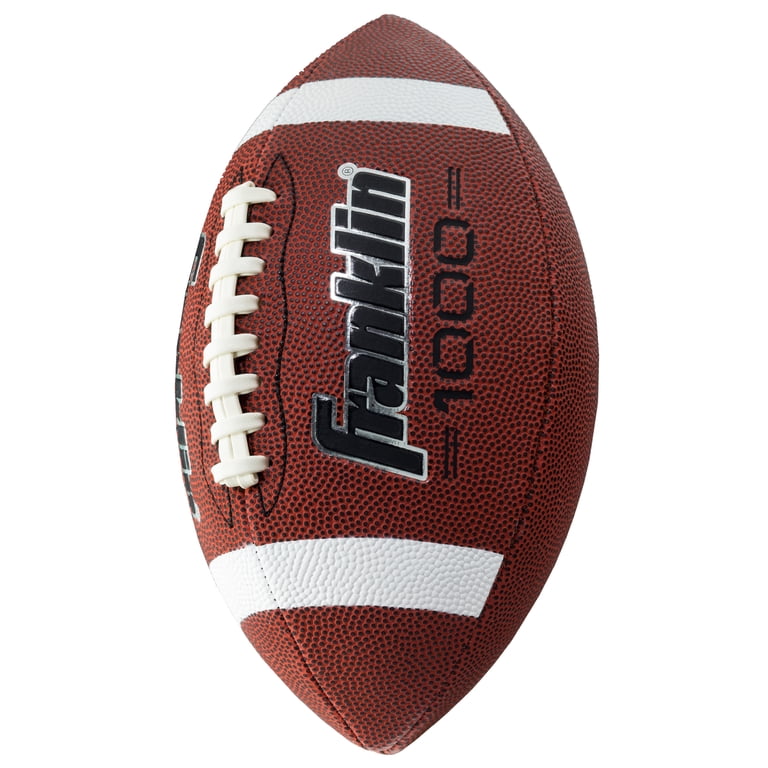
Franklin Sports NFL Youth Football (Composite Leather)

Learning Curve: Easy

$14.99
Difficulty: 1/5
Franklin Sports NFL Youth Football (Composite Leather)

Why Great for Beginners:

This is the ideal entry-level football for young beginners. It's small enough for little hands, has a nice grippy surface, and won't break the bank. You can start playing catch right away without worrying about ruining an expensive ball.

Beginner Pros

  • +Perfect size for kids ages 6-9
  • +Composite cover provides good grip
  • +Very affordable
  • +Sturdy enough for backyard play
  • +Included inflation needle

Beginner Cons

  • -Not as durable as premium balls
  • -May need frequent re-inflation
  • -Stitching can unravel with heavy use
👍 Best for: Parents buying for young kids who are just starting to play catch or flag football.
👎 Not for: Older kids or adults who need a larger ball or plan to play competitive tackle football.
#2
👍 Recommended

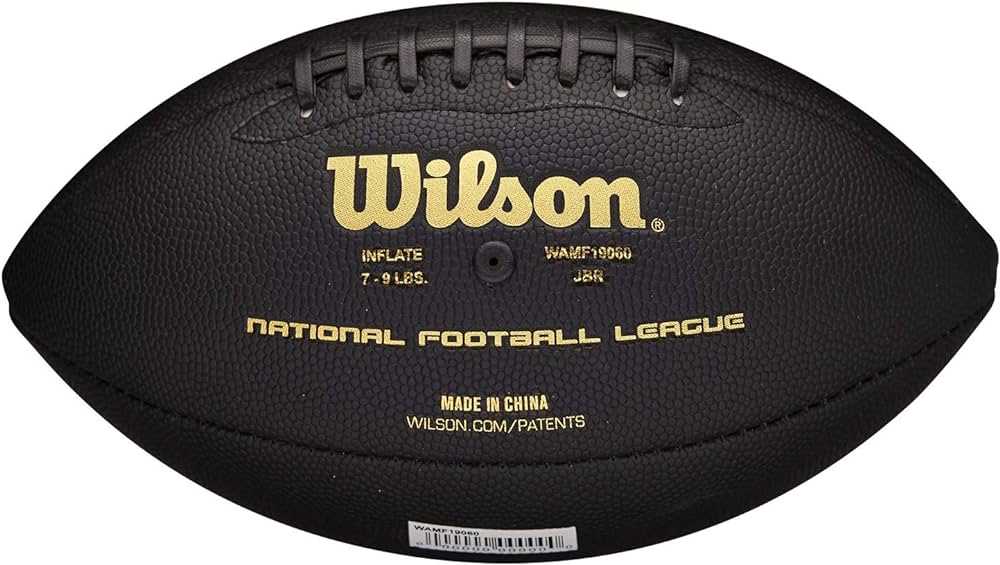
Wilson NFL Junior Football (Size 5)

Learning Curve: Easy

$24.99
Difficulty: 1/5
Wilson NFL Junior Football (Size 5) - Image 1 of 7

Why Great for Beginners:

Wilson is the most trusted name in football, and this junior ball is perfect for older kids moving up from youth size. It has a composite cover that's tacky and easy to grip, and it's stitched for durability. It's a great 'first real football' that will last.

Beginner Pros

  • +Official Wilson quality
  • +Great grip even in dry conditions
  • +Junior size fits ages 10-12
  • +Durable composite cover
  • +Holds air well

Beginner Cons

  • -Slightly more expensive than budget options
  • -Not suitable for adults
  • -Can get slippery in wet weather
👍 Best for: A youth player ready to move up from a small ball, or a parent wanting a reliable beginner ball that feels professional.
👎 Not for: Adults or teens who should choose official size.
#3
✨ Premium

Wilson NFL Super Grip Composite Football (Official Size)

Learning Curve: Moderate

$39.99
Difficulty: 2/5
Wilson NFL Super Grip Composite Football (Official Size)

Why Great for Beginners:

If you're a beginner parent buying for a teen or for yourself to learn the game, this official-size ball has the best grip in Wilson's line. It's designed for easy handling and feels like a pro ball without the price tag of genuine leather. It'll serve you well as you improve.

Beginner Pros

  • +Super Grip cover for confident handling
  • +Official size and weight for realistic practice
  • +Excellent for learning proper throwing mechanics
  • +Durable and game-ready
  • +Looks great

Beginner Cons

  • -Bigger size can be challenging for small hands
  • -More expensive than youth/junior balls
  • -Still may get slippery in rain
👍 Best for: Teens or adults starting out who want a ball that will last well beyond the beginner stage.
👎 Not for: Young kids under 12 who struggle with size, or anyone who only wants a casual backyard ball.
#4
Alternative

Wilson NCAA Replica Game Football (Official Size)

Learning Curve: Moderate

$29.99
Difficulty: 2/5
Wilson NCAA Replica Game Football (Official Size) - Image 1 of 7

Why Great for Beginners:

This is a great alternative to the Super Grip if you're on a tighter budget but want an official-size ball. It has a composite cover that's water-resistant and has a nice feel. It's often chosen for outdoor play because it holds up well on grass.

Beginner Pros

  • +Official size with good weight
  • +Water-resistant cover
  • +Affordable for the quality
  • +Known brand reliability

Beginner Cons

  • -Not as tacky as Super Grip
  • -Might be too big for young beginners
  • -Graphics may wear off with heavy use
👍 Best for: Beginners who plan to play outdoors regularly and want an official-size ball without paying top dollar.
👎 Not for: Parents buying for small children (stick with youth/junior).

📖 Complete Beginner's Guide to Football

American football is played with an oval-shaped ball that you throw, catch, and carry. For a complete beginner, the goal is to get comfortable with handling the ball, learning how to grip it, and developing a throwing motion that feels natural. That's why choosing the right size and weight is so important.

There are three main types of footballs: youth, junior, and official. Youth footballs are about 10.5 inches long and weigh around 10 ounces. They're ideal for kids ages 6 to 9. Junior footballs are roughly 11 inches long and weigh around 12 ounces, making them a good fit for ages 10 to 12. Official-size balls are 11 to 11.5 inches and weigh 14 to 15 ounces, which is the standard used in high school, college, and professional play. For most beginners, especially youth, starting with a smaller ball helps build confidence and proper mechanics.

Materials also vary. The most beginner-friendly is composite material – it's a synthetic leather that's durable, weather-resistant, and has a tacky feel for grip. It's also much more affordable than genuine leather. Genuine leather balls are the gold standard for serious players, but they require time to break in and are best for older or more experienced athletes.

When you're evaluating footballs as a beginner, ignore most of the marketing hype. Words like 'pro-grade' or 'game day' don't mean much for your first ball. Instead, focus on simplicity: a ball that feels good, comes in the right size, and doesn't cost a fortune. You'll also want to make sure it stays inflated, so having a good pump and a couple of extra needles is a must.

Remember, your first football doesn't need to be perfect – it just needs to be a solid starting point. As you improve, you'll learn what you like and can move to a more advanced ball. The best football for beginners is the one that gets used often and makes learning fun.

🤔 How to Choose Your First Football

Start by asking yourself a few simple questions. Who is this football for? A young child will need a youth size, while an older kid or adult might be comfortable with a junior or official size. What will you be doing? If you're just playing catch in the backyard or at the park, a composite ball is ideal. If you're joining a league, you might want something closer to the official spec. What's your budget? Beginners can get a perfectly good football for under $30, so don't feel pressured to spend more.

Once you know the basics, compare a few balls. Look at the size recommendation on the package. Pick up the ball and see how it feels in your hands – it should be easy to grip and not feel heavy. Check the material: composite is your friend as a beginner. Finally, read a few customer reviews to see if people have had problems with air retention or durability.

Red flags to avoid: very cheap off-brand balls that feel slippery or flimsy, balls that come deflated with no pump included, and so-called 'official' balls that are actually harder to handle. If you follow these simple steps, you'll make the right choice without overthinking it.

💰 Budget Guide for Beginners

60+

Pro/leather balls — usually too advanced for beginners, but fine if you're an adult starting with a bigger budget.

15 - $30

Sweet spot — most beginners find reliable, durable composite balls in this range. Plenty of perfect options.

30 - $60

Premium beginner — you'll get better durability, better grip, and maybe even an official-size ball. Good if you plan to play more seriously.

Under $ - $15

Entry level — good for a quick tryout or as a spare, but may have limited grip and durability.

📈 Your Progression Path: Beginner to Intermediate

As a beginner, your main goal is to get comfortable catching and throwing. Start with a youth or junior ball, depending on your age. Spend at least a few weeks practicing the basics: how to grip the laces, how to stand and follow through, and how to catch with your hands. You'll naturally develop a feel for the ball.

Once you're confident with a smaller ball, you can start trying a larger official-size ball. You may notice it's heavier and harder to grip at first, but that's normal. Over time, your hand strength and coordination will improve. If you're playing organized football in middle school, your coaches will likely tell you to switch to an official size around age 13.

Signs you've outgrown beginner gear: the ball feels too light or small, you can throw a tight spiral consistently, and you're catching passes without worrying about the ball. That's when you can consider moving to a higher-quality composite ball or even a leather ball if you're ready for the maintenance.

📚 Learning Resources for Beginners

  • 📖The Football Fundamental Skills by John Smith (book)
  • 📖Youth Football: The Complete Guide to Skills and Drills by Mike Anderson (book)
  • 📖Franklin Sports Football Throwing Trainer – a training ball with finger guides
  • 📖Wilson Youth Football Rib Pad (for player safety during practice)
  • 📖Nike Vapor Football Training Jersey – to feel more official during practice

🎯 Bottom Line: Our Recommendations

The best football for beginners is one that fits the player's hands, feels comfortable to grip, and doesn't cost a fortune. For most young beginners, a Wilson NFL Junior Football is the sweet spot – it's sized right, durable, and from a trusted brand. If you're on a budget, the Franklin Sports Youth Football is a great starting point. If you're an older beginner or buying for a teen, the Wilson Super Grip is worth every penny.

Don't forget accessories: a pump is essential, and a tee makes practice more fun. As you start, expect to make mistakes – that's how you learn. The most important thing is to just get out there and play. With the right ball and a little practice, you'll be throwing spirals in no time.

❓ Frequently Asked Questions

For most beginners, the best football is a junior-sized ball like the Wilson NFL Junior Football. It's small enough to grip comfortably, made with durable composite material, and has a reputation for quality. If you are younger (6-9), start with a youth ball; if you're a teen or adult, go straight to official size.
A beginner can get a great football for $20-$40. The sweet spot is around $25-$30 where you get a well-made composite ball from a trusted brand like Wilson or Nike. Going below $15 may mean sacrificing durability and grip, and spending over $50 is usually unnecessary unless you want a leather pro ball.
Beginners need a ball that is correctly sized, easy to grip, and durable. A composite leather cover is ideal because it's tacky and weather-resistant. Visible white stripes help you see the spiral. Also, a ball that holds air well is essential, so check reviews about air retention.
A youth or junior composite ball is easiest because it's smaller and lighter. The Wilson NFL Junior Football is often cited as the easiest to throw and catch. It has a tacky surface and doesn't need breaking in, making it perfect for new players.
A pump is a must-have to keep the ball inflated. A football tee is nice-to-have for kicking. Additional items like gloves are optional – many beginners prefer to feel the ball directly. A carrying net or bag helps keep your equipment together.
Consider the player's age, hand size, and how the ball will be used. Measure the distance from wrist to fingertips to approximate grip size. Start with a youth ball if young, junior for ages 10-12, and official for teens/adults. Read reviews, compare materials, and choose a reputable brand within your budget.
Learning to throw a spiral can be tricky at first, but with the right ball and regular practice, it quickly becomes fun. The key is to start with a correctly sized ball and watch tutorials. Most beginners see noticeable improvement within the first month.
The most common mistake is buying an official-size ball for a child, making it impossible to grip. Another is choosing a very cheap ball that loses air or has no grip. Beginners also forget to buy a pump, leading to a deflated ball. Spending too much on a leather ball that needs care is another mistake.
Composite is absolutely the right choice for beginners. It's more affordable, requires no break-in, feels good in all weather, and is more forgiving. Leather balls are for serious players who are willing to condition and break them in over time.
A 10-year-old should use a junior size football, which is about 11 inches long. It's also a good time to start practicing with an official-size ball if they have bigger hands, but most kids at this age handle the junior size best.

Related Articles