Is Best Fishing Line for beginners Worth It? Honest Review (2026)
Everything beginners need to know to choose their first fishing line with confidence
Choosing your first fishing line can feel overwhelming with all the jargon like monofilament, fluorocarbon, and braid. But don't worry—this guide cuts through the confusion. We'll explain what each type is, what beginners should actually look for, and recommend specific lines that are forgiving, easy to tie, and won't break the bank. By the end, you'll know exactly which fishing line to buy for your first fishing adventure.
📋 In This Guide
• Why Beginners Struggle with Fishing Line
• What to Look For (Key Features)
• Top 4 Beginner-Friendly Fishing Line
• Essential Accessories for Beginners
• Common Beginner Mistakes to Avoid
• Your Progression Path
• FAQ & Learning Resources
😰 Why Beginners Struggle with Fishing Line
Beginners often get lost in technical terms like 'test strength,' 'diameter,' 'memory,' and 'stretch.' Plus, there are dozens of brands and types. You might worry about buying the wrong line that snaps, tangles, or doesn't cast well. The good news? Most beginners do best with a simple monofilament line that's cheap, easy to handle, and forgiving of mistakes. The key is to ignore the marketing and focus on a few beginner-friendly features.
🔍 What to Look For: Key Beginner-Friendly Features
For your first fishing line, prioritize ease of use. Look for a monofilament line with low memory (so it won't coil up), good knot strength (so your knots hold), and decent abrasion resistance (so it can handle rocks and snags). A line that's visible (like clear or blue) helps you see what's happening. Avoid ultra-thin braided lines until you've mastered basic knots. Also, choose a line test (pound rating) based on the fish you're after: 4-6 lb for panfish, 8-12 lb for bass, 12-20 lb for catfish.
✅ Essential Features for Beginners
•Low memory: Less coiling and twisting, easier to cast.
•High knot strength: Knots hold without breaking easily.
•Good visibility: See the line to detect strikes and manage tangles.
•Manageable stretch: Provides shock absorption and helps prevent snapping.
•Consistent diameter: Avoids weak spots and ensures smooth casting.
•Abrasión resistance: Withstands contact with rocks, weeds, and fish teeth.
•Affordable price: Beginner lines cost $5-15 per spool.
•Forgiving: Monofilament is more user-friendly than braid or fluorocarbon.
🏆 Top 4 Best Fishing Line for Beginners
#1
💰 Budget
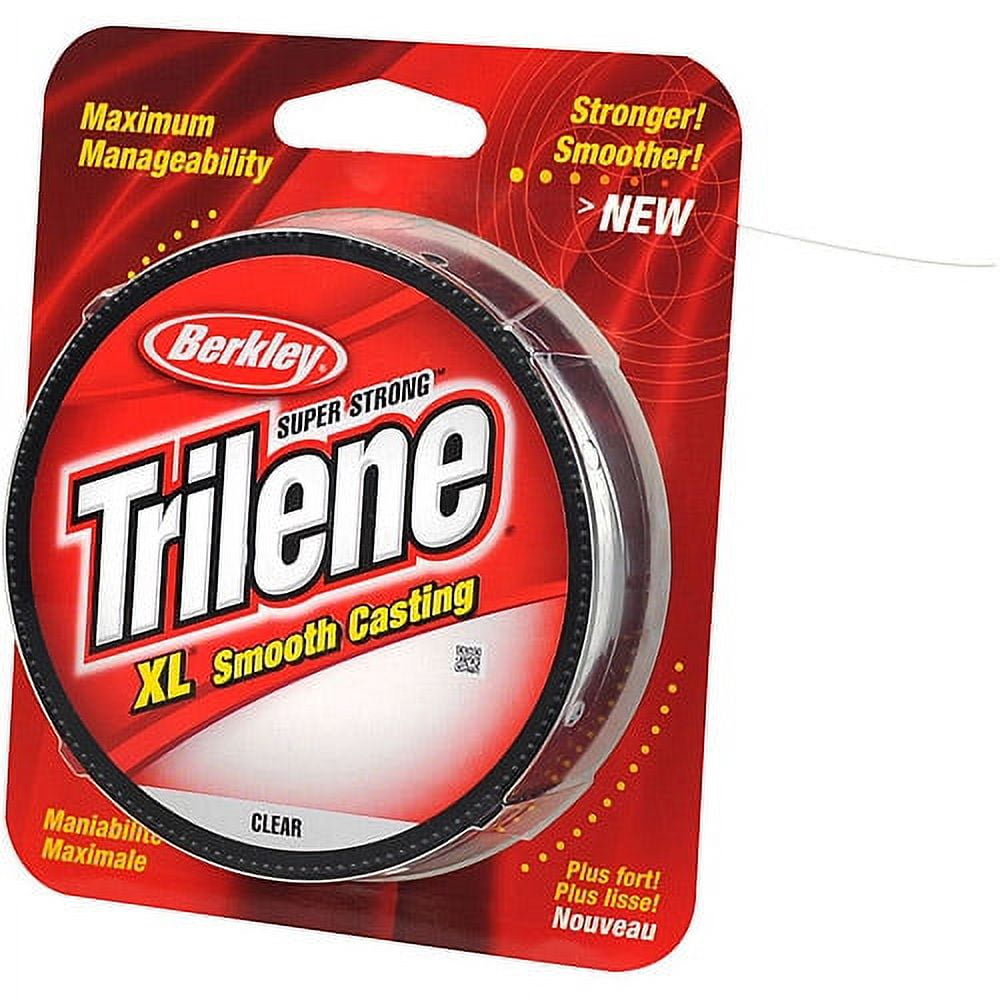
Berkley Trilene XL Smooth Casting 8 lb
Learning Curve: Easy
$7.99
Difficulty: 1/5
Why Great for Beginners:
The go-to monofilament for generations. Low memory, easy to cast, and holds knots well. Perfect for learning without breaking the bank.
✓ Beginner Pros
+Very affordable
+Low memory – less tangles
+High knot strength
+Consistent diameter
✗ Beginner Cons
-Stretch can reduce sensitivity
-Not ideal for clear water stealth
👍 Best for: Absolute beginners fishing ponds, lakes, and stocked trout streams.
👎 Not for: Experienced anglers needing maximum sensitivity or stealth.
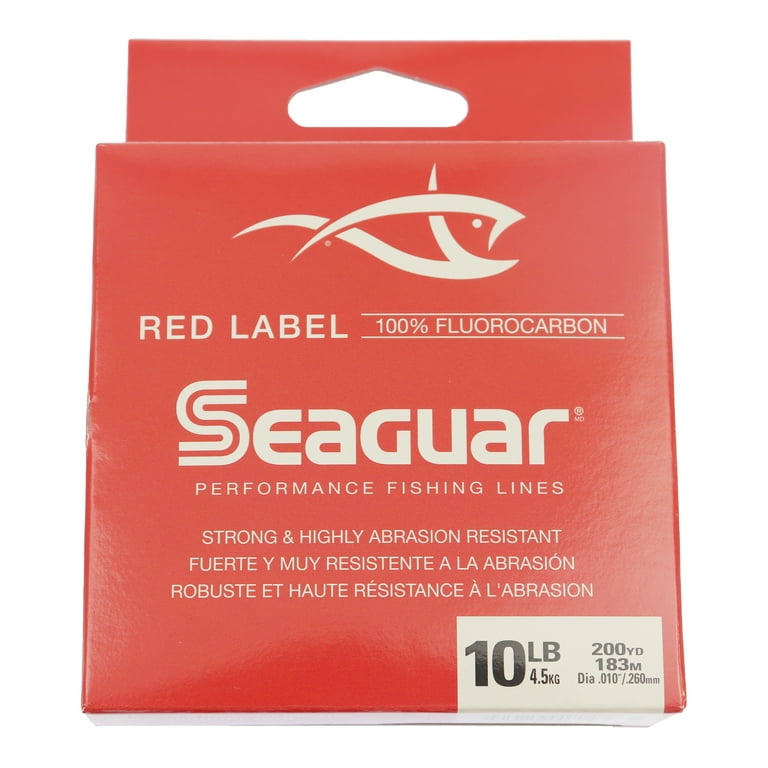
A beginner-friendly fluorocarbon that's much more forgiving than most. It's less stiff, sinks well, and is nearly invisible underwater – great for clear water when you're ready to step up.
✓ Beginner Pros
+Near invisibility underwater
+Sinks faster for deep presentations
+Strong knot strength when tied correctly
✗ Beginner Cons
-Slightly stiffer than mono – more memory
-Requires proper knot technique
-More expensive than mono
👍 Best for: Beginners ready to try fluorocarbon for leader material or clear water conditions.
👎 Not for: Absolute beginners – mono is still easier to learn on.
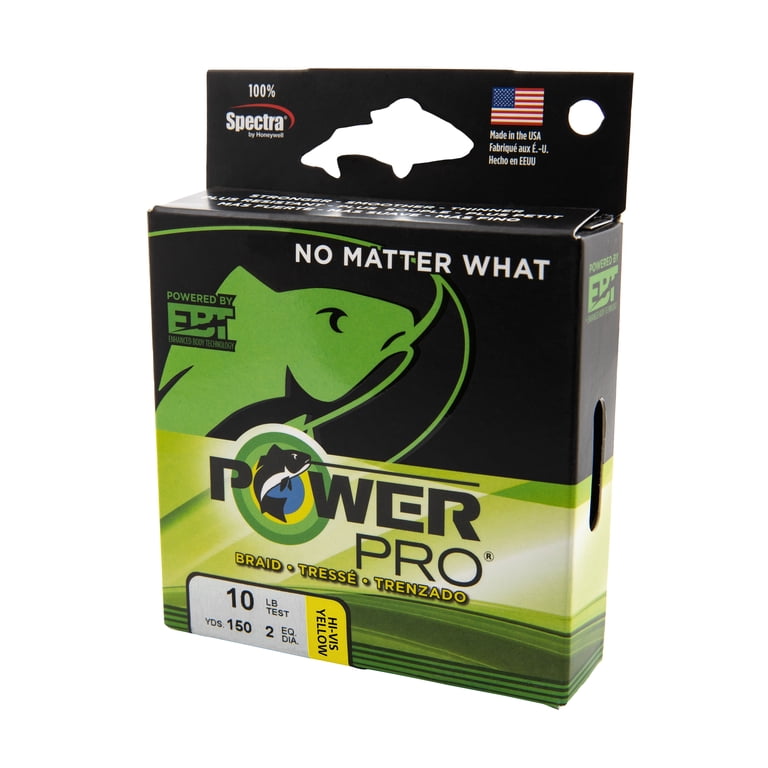
For beginners wanting to try braid for its strength and sensitivity. PowerPro is the industry standard – no stretch, great feel, and casts a mile. However, requires a leader and patience with knots.
✓ Beginner Pros
+Extremely strong for its diameter
+Zero stretch – excellent sensitivity
+Long casting distance
✗ Beginner Cons
-Difficult to tie knots without practice
-Requires a fluorocarbon leader
-Can dig into reel spool if not spooled tightly
👍 Best for: Adventurous beginners who fish heavy cover or deep water and want to learn braid early.
👎 Not for: Beginners who want a low-fuss, forgiving line for general fishing.
Fishing line comes in three main types: monofilament (mono), fluorocarbon, and braid. Mono is the best choice for beginners. It's stretchy, which helps absorb shock when a fish fights, and it's easy to tie knots that hold. It also floats, making it great for topwater lures. Fluorocarbon is less visible underwater and sinks faster, but it's stiffer and more expensive—better for clear water and leader material once you advance. Braided line is extremely strong and thin with no stretch, giving great sensitivity, but it's tricky to tie knots on, requires a leader, and can dig into the spool. Stick with mono for your first few trips. Brands like Berkley Trilene XL, Stren Original, and Sufix Elite are tried-and-true for beginners. They offer consistent quality at a fair price. As you gain experience, you can experiment with fluorocarbon leaders or braid for specific situations.
🔧 Essential Accessories for Beginners
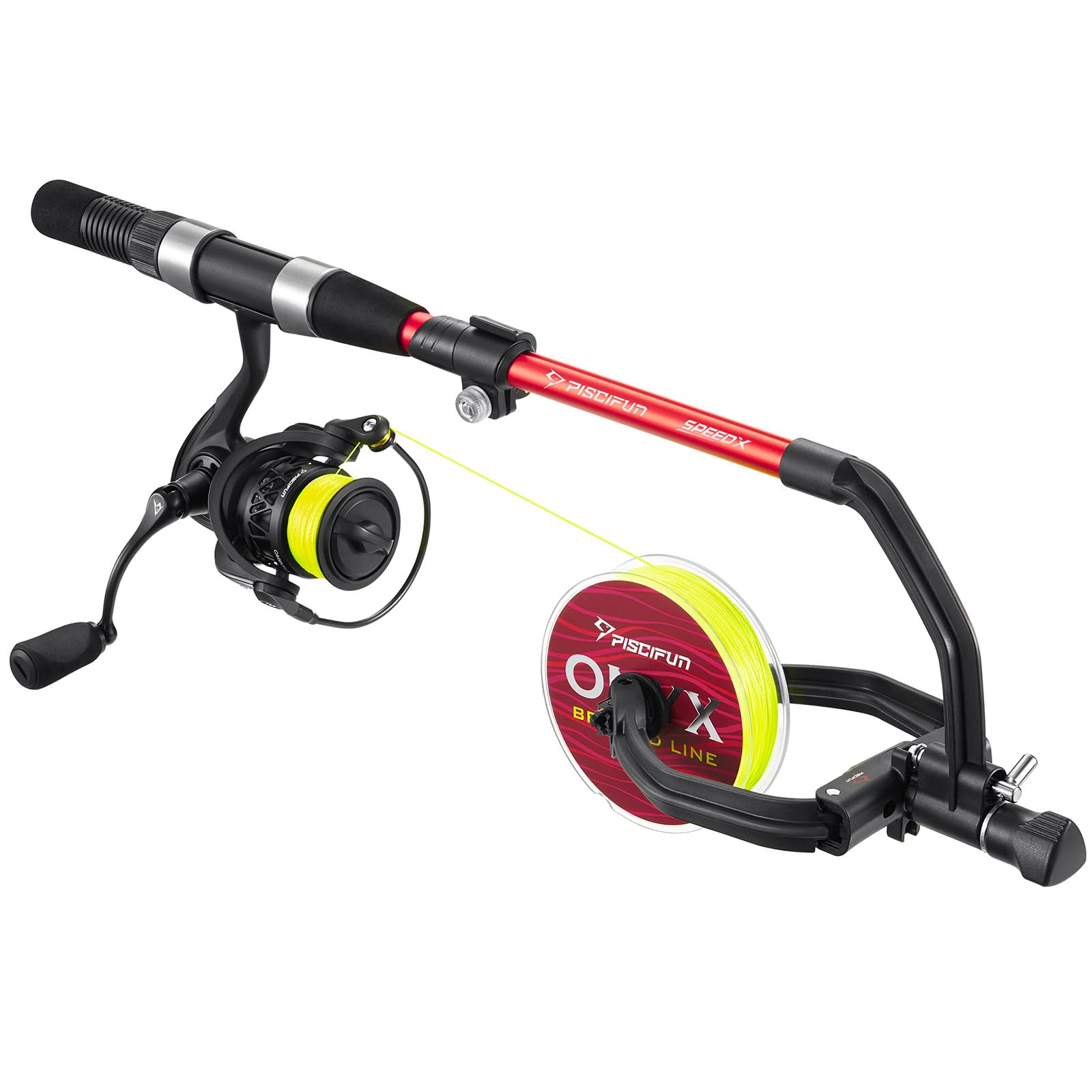
Piscifun Fishing Line Spooler
⚠️ Essential
$12.99
When to buy:
Day one
Prevents line twist and ensures even spooling, which is tricky to do by hand. Beginner-friendly design with adjustable tension.
Start by asking: Where will you fish? For most freshwater ponds, lakes, and rivers, 8-12 lb monofilament is versatile. If you're targeting small panfish or trout, go with 4-6 lb. For bigger species like catfish or pike, 12-20 lb. Next, set your budget. Beginner lines cost $5-15 per 300-yard spool. There's no need to spend more because you'll likely upgrade as you learn. Avoid the cheapest no-name lines—they often have poor quality control. Also, don't buy braided line as your first line; it has a steep learning curve. Stick with a well-known mono from Berkley, Stren, or Sufix. Finally, pick a color: clear/blue for general use, or green if fishing in stained/weedy water.
💰 Budget Guide for Beginners
40+
Professional entry – for serious beginners targeting specific conditions.
10 - $20
Sweet spot – best value for most beginners, quality spool lasts a season.
20 - $40
Premium beginner – excellent quality, slower to upgrade.
Under $ - $10
Entry level – good for trying out, will need to replace often.
⚠️ Common Beginner Mistakes to Avoid
Beginners often buy line that's too heavy for their reel, leading to poor casting. Always match the line test to the reel's recommended range (printed on the spool). Another mistake is using monofilament that's several years old—it degrades and loses strength. Replace line at least once a season. Many beginners also tie knots incorrectly; practice the improved clinch knot or Palomar knot. Finally, don't skip using a line spooler—hand-winding often causes twisting and tangles.
×Buying line too heavy for the reel.
×Using old, degraded line.
×Skipping a line spooler, causing twists.
×Tying the wrong knots or incorrect knots.
×Choosing braid as first line due to strength hype.
×Ignoring line test recommendations for target fish.
×Not replacing line frequently enough.
×Buying ultra-cheap no-name line.
📈 Your Progression Path: Beginner to Intermediate
Start with a quality monofilament like Berkley Trilene XL. Learn to tie two or three basic knots (improved clinch, Palomar, and loop knot). Practice casting and detecting bites. After a few trips, try adding a fluorocarbon leader (about 2-3 feet) when fishing clear water. Once you're comfortable handling tangles and re-rigging, consider trying braided line for its sensitivity in heavy cover. Most beginners stay with mono for their first season or two before venturing into other types. Upgrade your line only when you feel limited by stretch or visibility.
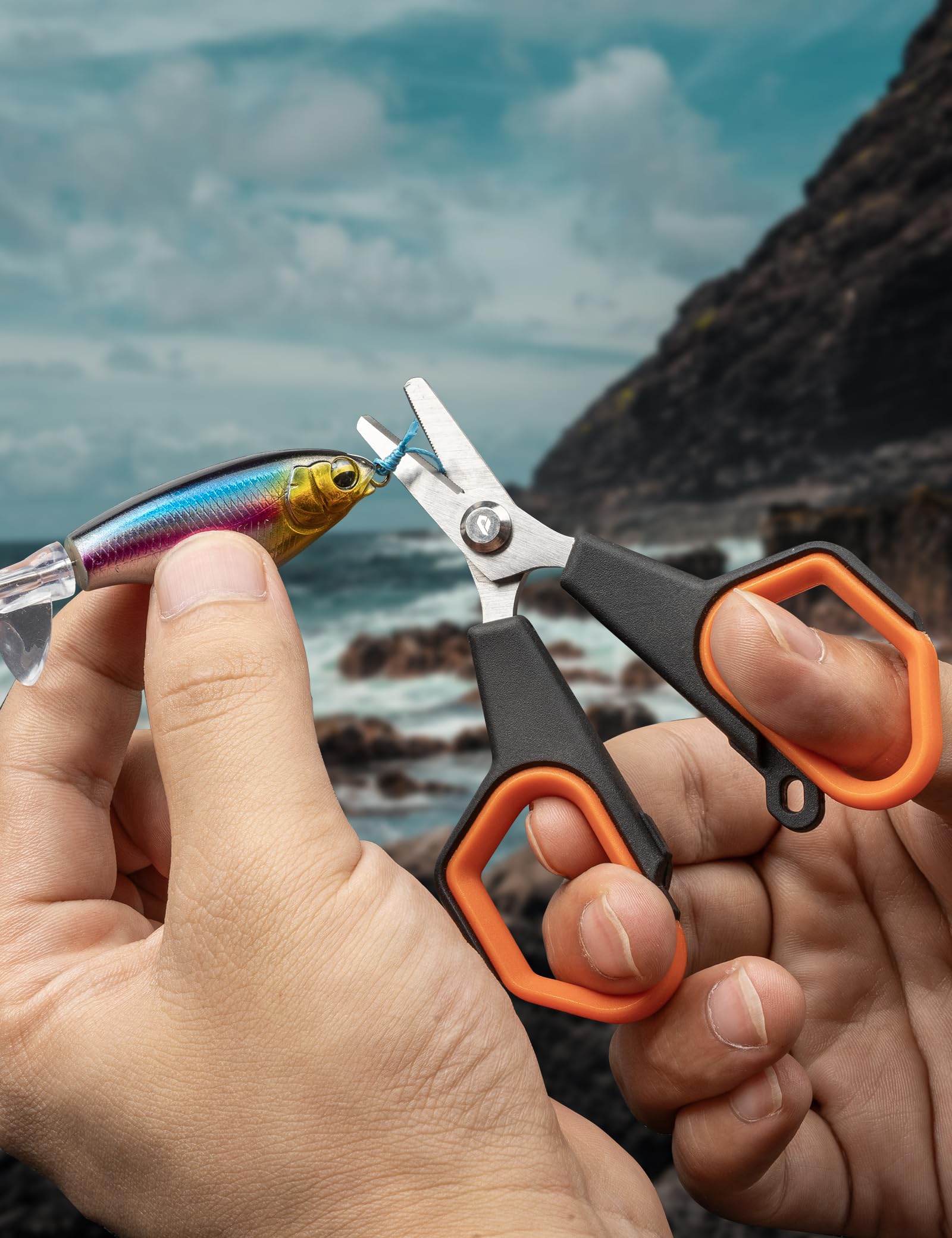
For most beginners, the best fishing line is a 8-12 lb monofilament from Berkley Trilene XL or Stren Original. They are affordable, easy to handle, and forgiving. Pair it with a line spooler for smooth spooling and a pair of fishing scissors for clean cuts. Don't overthink it—start simple and enjoy the learning curve. As you grow, you'll know when it's time to explore fluorocarbon or braid.
❓ Frequently Asked Questions
The best fishing line for beginners is a quality monofilament line like Berkley Trilene XL or Stren Original in 8-12 lb test. It's easy to handle, tie knots, and forgiving of mistakes.
Beginners should spend $5-$15 for a 300-yard spool of monofilament. There's no need to spend more; focus on getting a reliable brand. Save money for other gear like hooks and lures.
Look for low memory, high knot strength, good visibility (clear/blue), and manageable stretch. These features make casting easier, knots reliable, and help you detect bites.
Monofilament, specifically Berkley Trilene XL, is the easiest. It's limp, casts smoothly, and knots hold well. It's also the most forgiving if you get a backlash or snag.
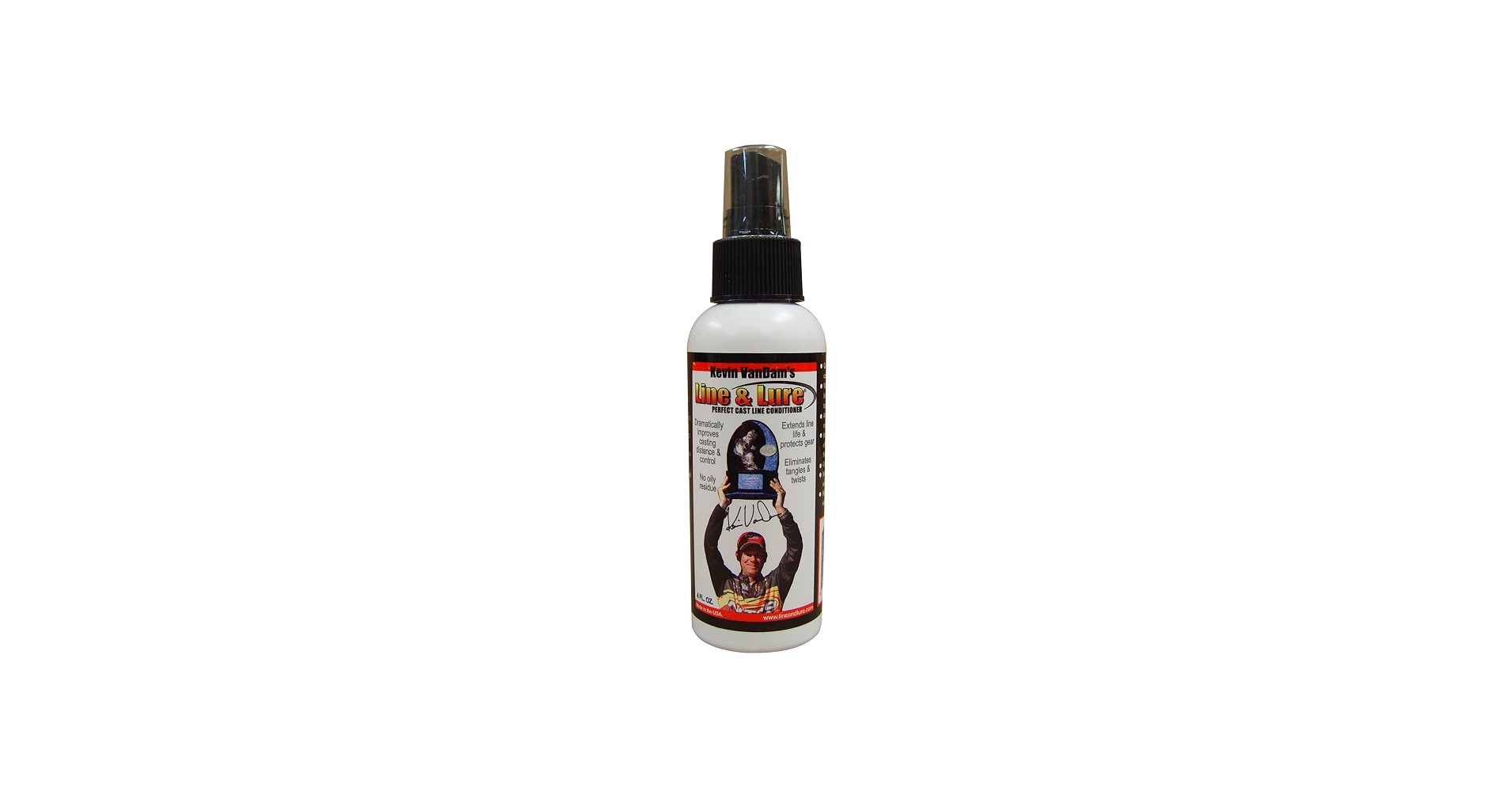
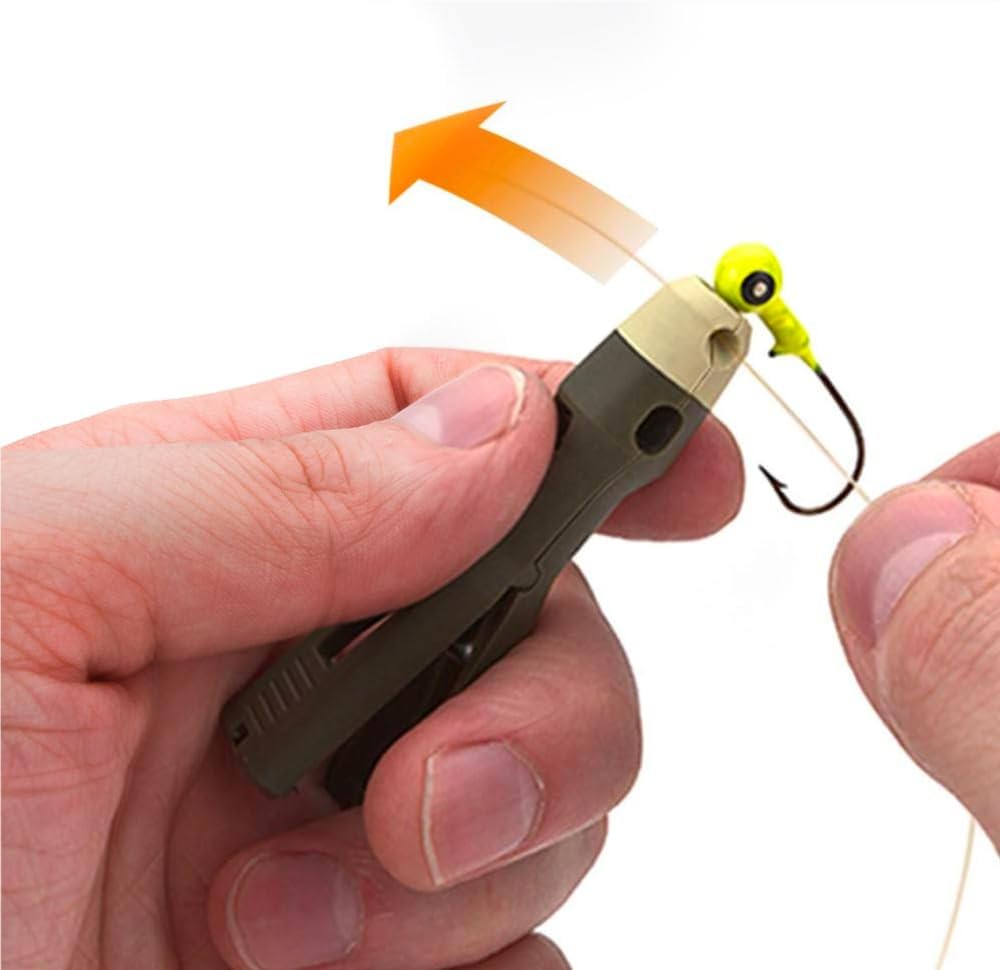
Essential: a line spooler to prevent twist, and fishing scissors for clean cuts. Highly recommended: snap swivels for quick lure changes. Nice-to-have: line conditioner and knot tying tool.
Decide on line test based on fish: 4-6 lb for panfish, 8-12 lb for bass, 12-20 lb for catfish. Pick a well-known monofilament brand. Avoid braid or pure fluorocarbon initially. Consider where you fish (clear or stained water) but for most freshwater, 8 lb mono is a safe start.
Not if you start with monofilament. The main challenge is learning a few knots and avoiding line twist. With practice, it becomes second nature. Use a line spooler and follow online knot tutorials.
Common mistakes: buying line too heavy for the reel, using old line that breaks, skipping a spooler (causing twists), tying knots incorrectly, and choosing braid too soon. Stick with mono and replace line yearly.
You can, but it's not recommended. Braid requires a leader, has zero stretch (so you lose fish if you set the hook too hard), and is harder to tie knots on. Learn with mono first, then try braid later.
Replace monofilament at least once a year, or sooner if you fish often. Signs to replace: excessive memory (coiling), nicks or fraying, fading color, or if you've had a big fish break off. Braid lasts longer but still check for damage.
For bass, 8-12 lb monofilament is ideal. It's strong enough to handle average bass and casts well. For heavy cover, you might go up to 15 lb, but as a beginner, 10 lb is a great all-rounder.
No. Fluorocarbon is stiffer, more expensive, and harder to tie knots. It has advantages (invisibility, sinking), but beginners should master mono first. After a season, try a fluorocarbon leader for clear water.