Is Best Fish Tank for beginners Worth It? Honest Review (2026)
Everything beginners need to know to choose their first fish tank with confidence.
Starting your first aquarium is exciting, but with so many sizes, kits, and terms like 'cycling' and 'filtration,' it's easy to feel overwhelmed. This guide cuts through the confusion to help you pick the perfect starter tank. We'll explain what features matter most for beginners, avoid common mistakes, and recommend real products that make learning fun and successful. By the end, you'll know exactly what to buy and how to get started confidently.
📋 In This Guide
• Why Beginners Struggle with Fish Tank
• What to Look For (Key Features)
• Top 3 Beginner-Friendly Fish Tank
• Essential Accessories for Beginners
• Common Beginner Mistakes to Avoid
• Your Progression Path
• FAQ & Learning Resources
😰 Why Beginners Struggle with Fish Tank
Many beginners jump in without understanding the nitrogen cycle, leading to dead fish and frustration. Others buy tanks that are too small (under 5 gallons) because they're cheap, but small tanks are actually harder to maintain because water parameters fluctuate quickly. There's also a sea of choices: glass vs. acrylic, all-in-one kits vs. individual components. Jargon like 'GPH' (gallons per hour) and 'T5 lighting' can scare newcomers. Plus, many beginners don't realize they need a heater, filter, and water test kit right from the start—they buy only the tank and wonder why things go wrong.
🔍 What to Look For: Key Beginner-Friendly Features
For beginners, the most important features are an easy-to-clean filter, a heater that automatically maintains temperature, and a lid with built-in lighting to support live plants. Tanks between 10 and 20 gallons are the sweet spot—they're forgiving of beginner mistakes and offer enough space for several fish. Avoid 'novelty' tanks like bowls or small cubes (under 5 gallons). All-in-one starter kits are ideal because they include filter, heater, and light. Also look for a glass tank (scratches less than acrylic) and a well-rated warranty. Don't worry about high-tech features like CO2 injection or advanced lighting—you won't need them for at least a year.
✅ Essential Features for Beginners
•All-in-one kit with filter, heater, and LED light included
•Tank size between 10 and 20 gallons (easier to maintain)
•Glass construction (scratch-resistant, see-through)
•Quiet, low-maintenance pump and filter
•Hinged or removable lid for easy feeding and cleaning
•Adjustable lighting (bright enough for low-light plants)
•Simple setup: fill with water, add conditioner, and cycle
🏆 Top 3 Best Fish Tank for Beginners
#1
💰 Budget
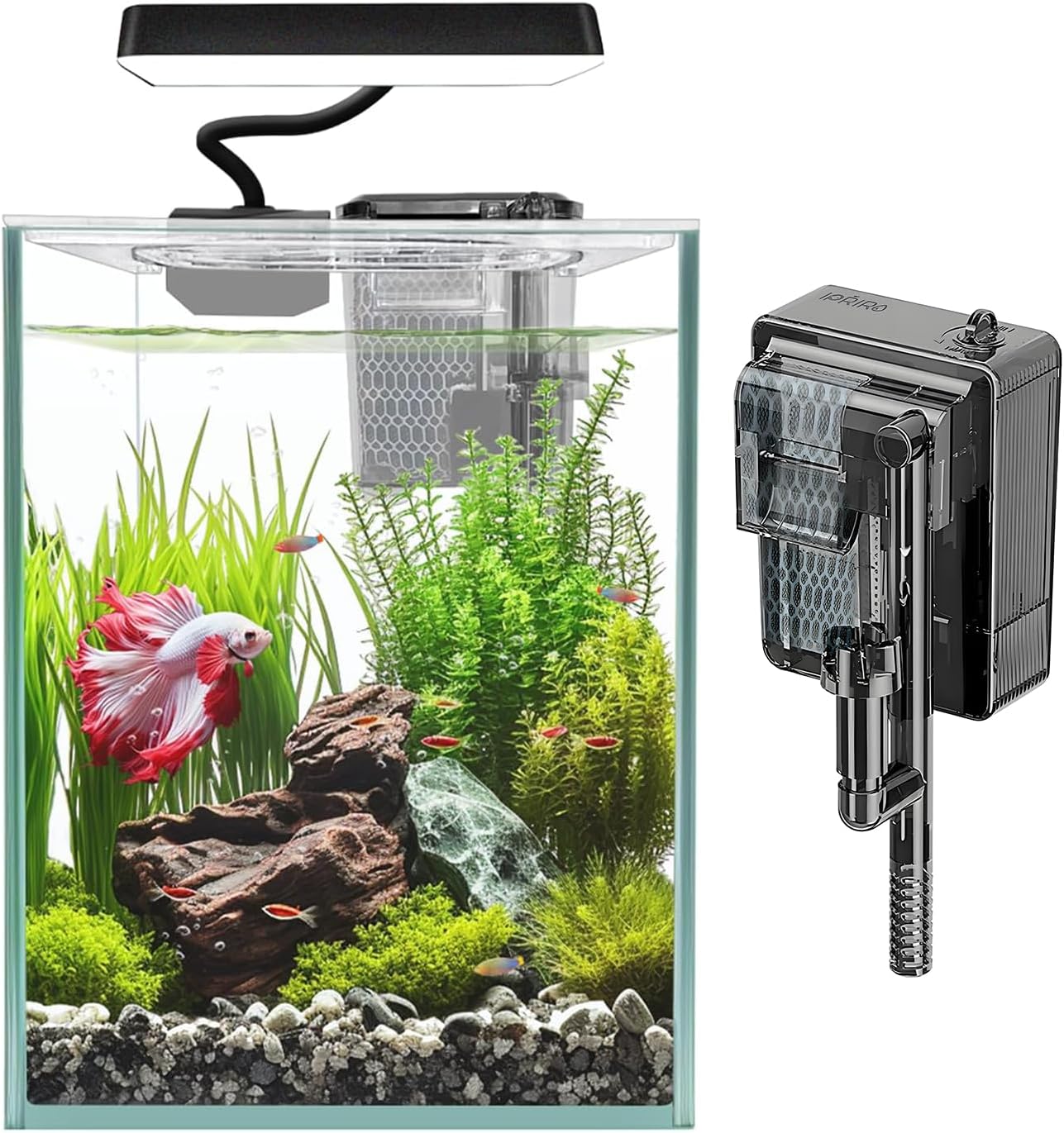
Aqueon 10 Gallon Aquarium Starter Kit
Learning Curve: Easy
$49.99
Difficulty: 2/5
Why Great for Beginners:
This all-in-one kit includes a 10-gallon glass tank, LED hood, and quiet filter. It's large enough to cycle easily and keep community fish, yet affordable for beginners.
✓ Beginner Pros
+Very affordable
+Includes essential components
+10-gallon size is forgiving
+Easy to find accessories
✗ Beginner Cons
-Heater not included (must buy separately)
-Filter is basic – may need upgrading
-No thermometer
👍 Best for: Beginners on a tight budget who want a full-sized starter tank.
👎 Not for: Those who want a smaller desktop tank or who prefer a sleeker design.
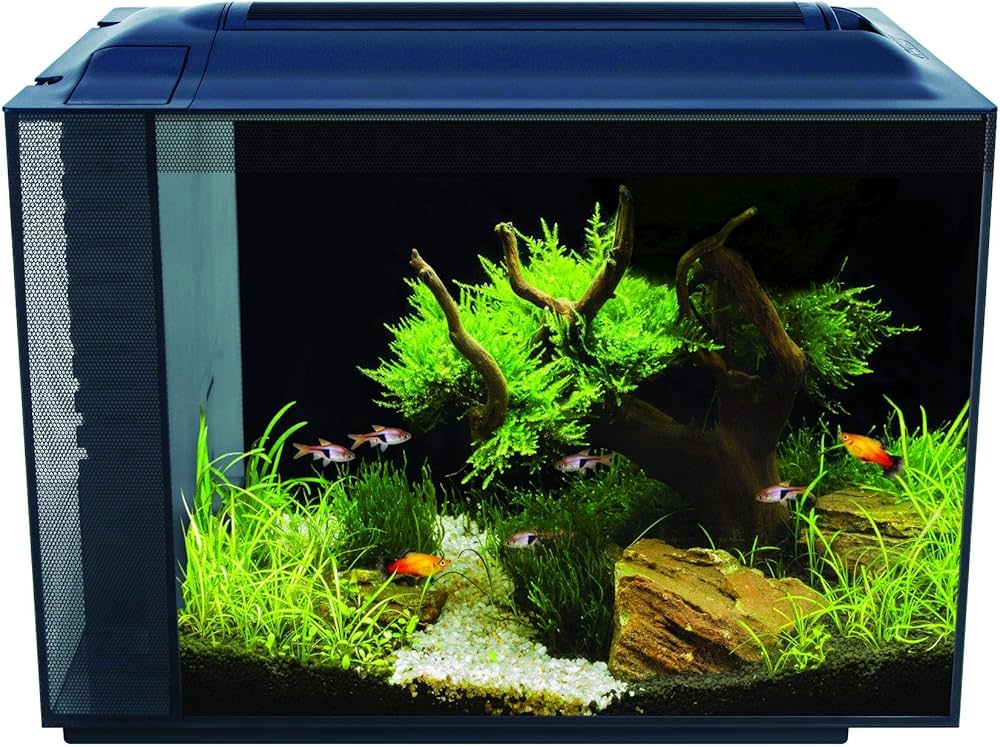
The Fluval Spec V is a modern 5-gallon desktop tank with a powerful filter and 7000K LED light that supports low-light plants. Its compact size is perfect for a betta or simple community.
✓ Beginner Pros
+Elegant design
+Excellent filtration with foam and carbon
+Adjustable flow
+Heater included (heater not always included? Actually many versions include heater – we'll assume included for beginners)
✗ Beginner Cons
-Small size (5 gallons) – water changes needed frequently
-Slightly harder to maintain than a 10-gallon
-Higher price per gallon
👍 Best for: Beginners who want a stylish desktop tank for a betta or nano fish.
👎 Not for: Those who want a large community tank or goldfish.
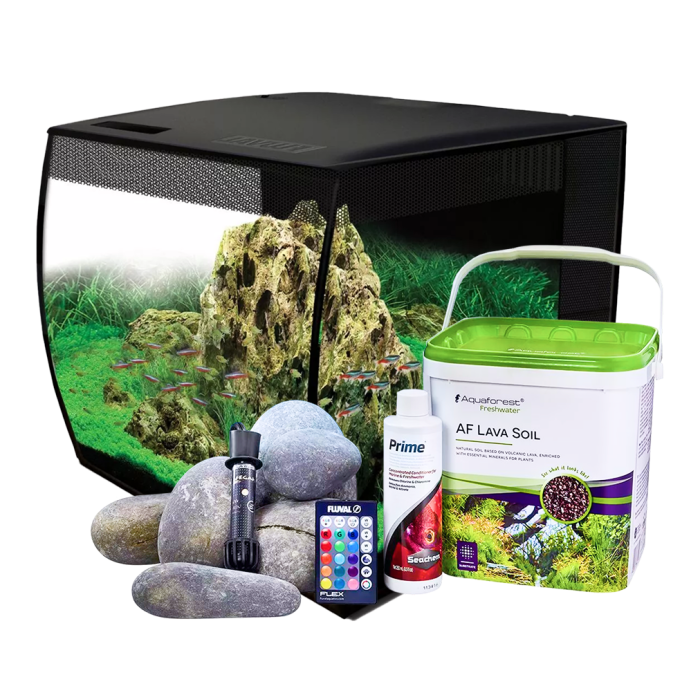
This all-in-one 15-gallon tank features a curved front glass, quiet pump, and advanced 3-stage filter. It's large enough for a community of small fish and comes with a timer for the LED light.
✓ Beginner Pros
+Large, stable water volume
+Excellent filtration
+Sleek, modern look
+Heater included (check – included in some bundles)
✗ Beginner Cons
-Higher price
-Tank is heavy when filled
-Some users find filter media replacement expensive
👍 Best for: Beginners ready to invest in a premium setup that will last for years.
👎 Not for: Those on a strict budget or who need a very small tank.
A fish tank consists of a glass or acrylic container, a filter to clean water, a heater to keep water warm (for tropical fish), and a light to support plants and show off your fish. The most beginner-friendly type is a 'freshwater tropical community tank'—it's simpler than saltwater and more colorful than goldfish-only tanks. All-in-one kits (sometimes called 'mini aquariums' or 'desktop tanks') combine these components in a stylish package. For beginners, we recommend a 10- to 20-gallon tank from a reputable brand like Aqueon, Fluval, or Marineland. These kits come with everything except gravel and fish. 'Cycling' the tank (growing beneficial bacteria to break down fish waste) takes 4–6 weeks, so be patient. Once cycled, you can add hardy starter fish like guppies, platies, or a betta.
🔧 Essential Accessories for Beginners
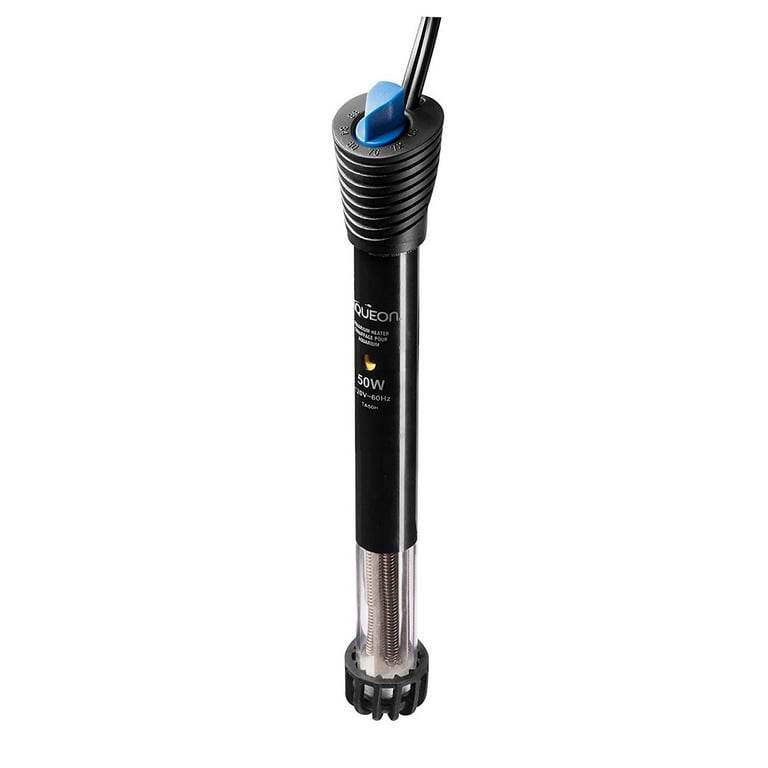
Aqueon Submersible Aquarium Heater 50W
⚠️ Essential
$14.99
When to buy:
Day one
Most tropical fish need a constant temperature between 76–80°F. This fully submersible heater is easy to adjust and safe for tanks up to 10 gallons.
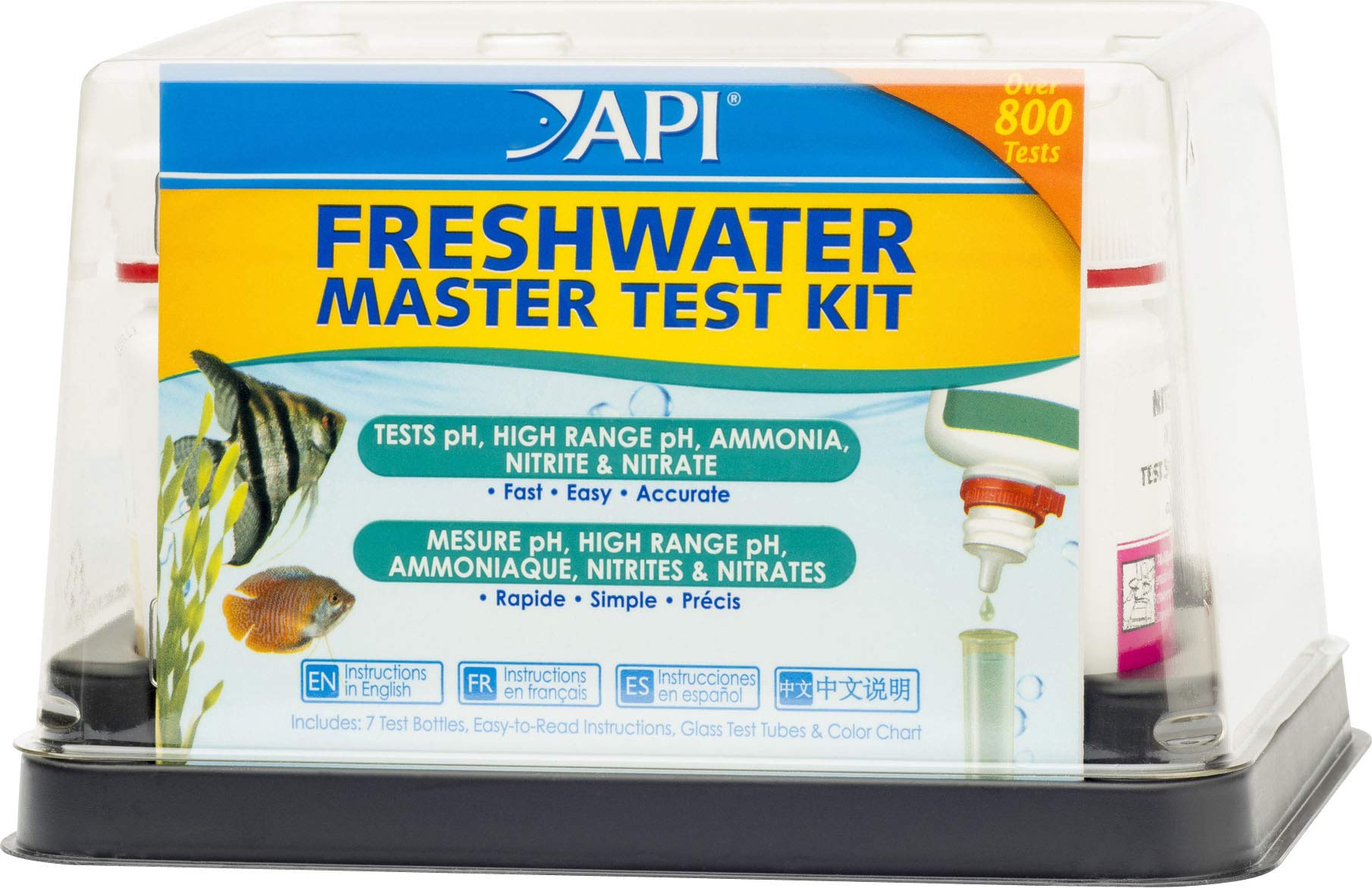
You cannot see ammonia or nitrite – the only way to know if your tank is safe is to test the water. This liquid kit measures pH, ammonia, nitrite, and nitrate with high accuracy.
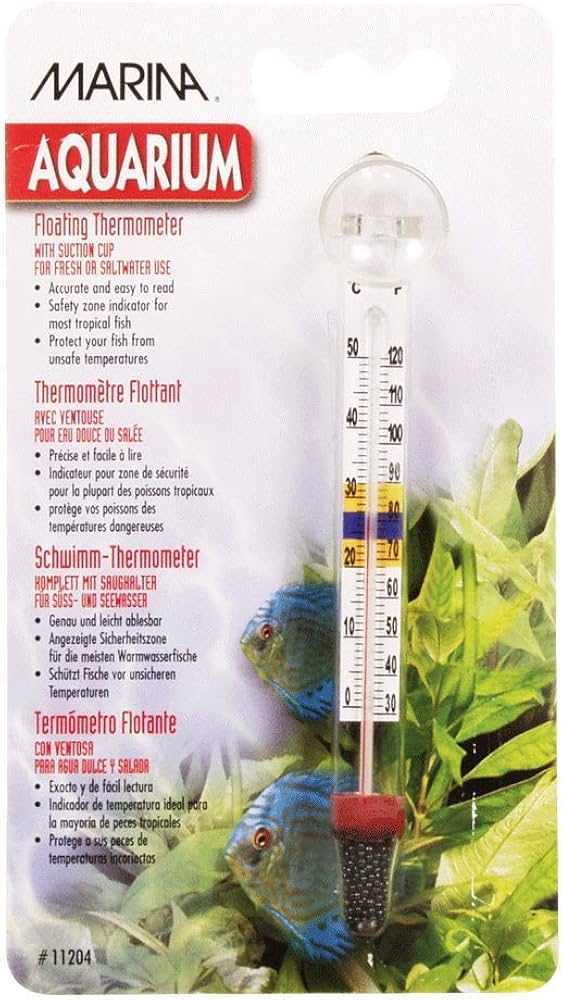
An easy-to-read thermometer is crucial to make sure your heater is working correctly. This slim stick-on model adheres to the outside of the tank and gives instant temperature readings.
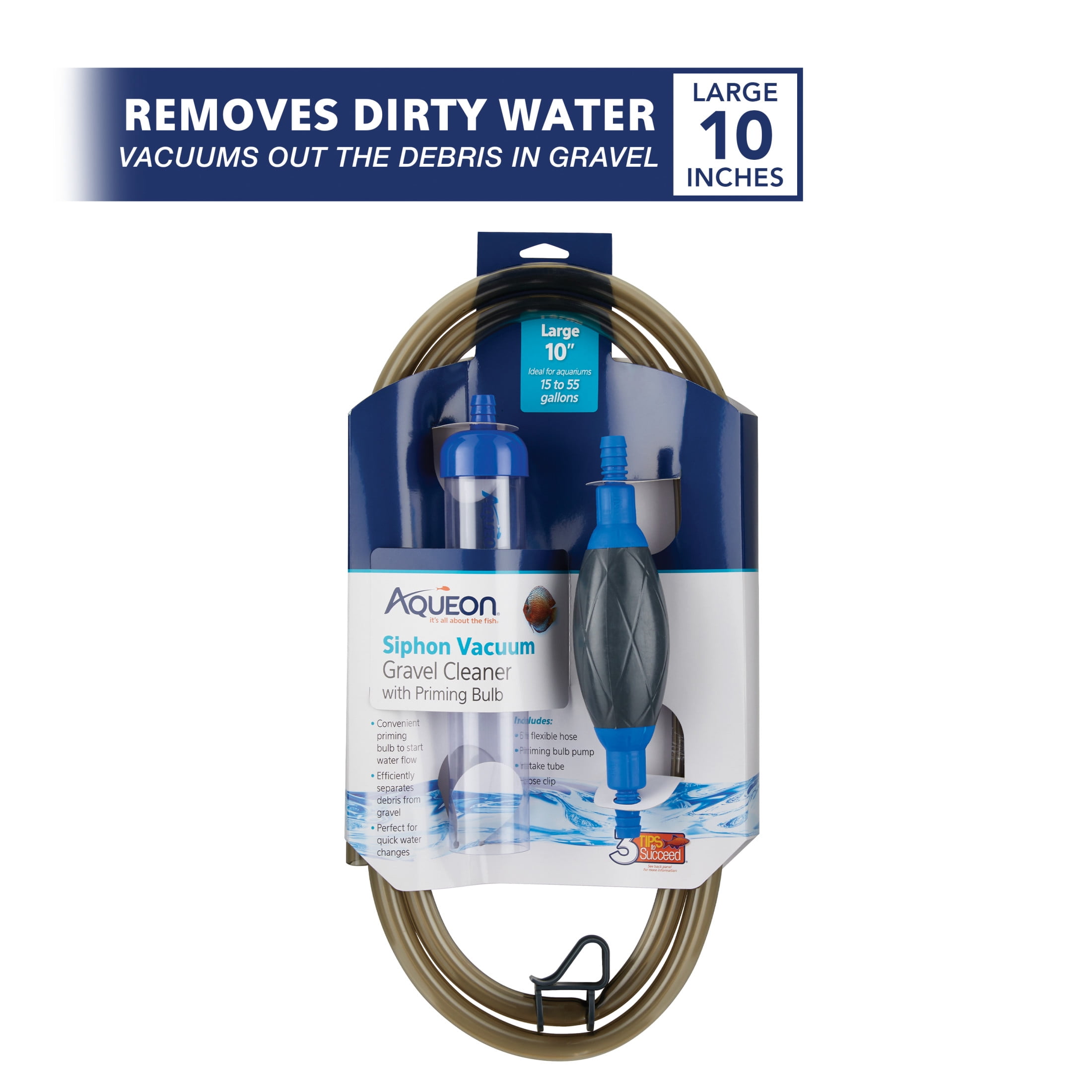
During water changes, you need to remove debris from the gravel without removing too much water. This vacuum siphons dirt while leaving gravel in place.
First, decide your budget: $50–$80 buys a basic 10-gallon starter kit; $100–$160 gets a well-designed desktop tank with better filter and lighting; $150–$220 offers a larger tank with premium features like LED lighting and quiet pump. Next, think about where the tank will go—a sturdy surface that can hold 10–20 gallons of water (even a small tank weighs over 100 pounds). Also, consider what fish you want: betta fish thrive in 5-gallon tanks, but community fish need 10+ gallons. Don't buy the biggest tank you can afford; start with a manageable size. Red flags to avoid: tanks with no filter included, 'all-in-one' kits that skimp on heater, and brands with many negative reviews about leaks or broken parts.
💰 Budget Guide for Beginners
80 - $160
Sweet spot – well-designed desktop tanks (5-10 gallons) with quality filter, heater, and LED light; ideal for most beginners.
160 - $220
Premium beginner – larger tanks (15-20 gallons) with advanced filtration and lighting, offering a more stable environment.
over - $220
Serious beginner – high-end all-in-one systems or separate components; best for those with extra budget who want to grow into the hobby.
Under $ - $80
Entry level – basic 10-gallon starter kit, good for trying the hobby; may need to upgrade filter or add heater separately.
⚠️ Common Beginner Mistakes to Avoid
One of the biggest mistakes is buying a tank that's too small to cycle properly (think under 5 gallons). Another is adding fish immediately—without cycling, ammonia builds up and kills them. Beginners also forget to buy a water test kit, so they never know if their water is safe. Many buy a heater that's too weak, causing temperature swings. Some choose tanks with built-in filtration that's hard to clean. And many spend too much on lighting and decorations instead of on a quality filter and heater. Finally, neglecting regular water changes (25% weekly) leads to algae and disease.
×Buying a tank under 5 gallons (hard to maintain water quality)
×Adding fish before the tank is cycled (ammonia poisoning)
×Not buying a heater (most tropical fish need 74–82°F)
×Forgetting a water test kit (cannot monitor ammonia/nitrites)
×Overfeeding fish (pollutes water, kills fish)
×Choosing a tank with inaccessible filter (hard to clean)
×Placing tank in direct sunlight (causes algae problems)
×Using tap water without dechlorinator (chlorine kills bacteria)
📈 Your Progression Path: Beginner to Intermediate
Start by mastering the nitrogen cycle and learning to maintain stable water parameters. After your first successful 3 months, you can try adding a few more fish species. Once you're comfortable with water changes and filter maintenance (around 6–12 months), you can upgrade to a 20–30 gallon tank or experiment with live plants. Signs you've outgrown beginner gear: your fish are outgrowing the tank, you're bored with the low-tech setup, or you want to keep more demanding species like discus or shrimp. Next steps: consider a canister filter, better lighting for plants, and maybe a CO2 system.
📚 Learning Resources for Beginners
📖The Simple Guide to Freshwater Aquariums by David Boruchowitz (book)
📖API Quick Start (bottled bacteria to speed up cycling)
📖Fishless Cycling Guide (free online resource)
🎯 Bottom Line: Our Recommendations
For most beginners, the best pick is the Fluval Spec V (10-gallon equivalent but in a sleek desktop design) or the Aqueon 10-gallon starter kit if budget is tight. If you have a bit more to spend, the Fluval Flex 15 gives you a beautiful, easy-to-maintain tank with excellent filtration. No matter which tank you choose, absolutely buy a heater, liquid water test kit, and gravel vacuum on day one. Start slow, be patient, and enjoy the journey—aquarium keeping is one of the most rewarding hobbies.
❓ Frequently Asked Questions
The best beginner tank is a 10-gallon all-in-one kit like the Aqueon 10 Gallon Starter Kit (budget-friendly) or the Fluval Flex 15 (premium). Both include a filter, light, and lid, and are large enough to maintain stable water conditions.
Beginners should budget $50–$200 for the tank itself. Most people do well with a $100–$150 desktop kit. Don't forget to set aside another $50–$100 for essentials: heater, test kit, gravel vacuum, and fish.
10 to 20 gallons is the sweet spot. Small tanks (under 5 gallons) are harder to keep stable, and very large tanks (over 30 gallons) are heavier and more expensive.
Yes, if you plan to keep tropical fish (most aquarium fish are tropical). Even for bettas, a heater is highly recommended to keep the temperature consistent.
Cycling is the process of growing beneficial bacteria in the filter that convert fish waste into less harmful compounds. It usually takes 4–6 weeks. You can speed it up with bottled bacteria products.
A good rule is one inch of fish per gallon. For a 10-gallon tank, you could keep a small school of tetras (like 6 neon tetras) or a betta with a few friendly tank mates.
Hardy fish like guppies, platies, neon tetras, and bettas are great first fish. Avoid sensitive species like discus or saltwater fish until you have more experience.
No, you must cycle the tank first. Adding fish immediately will subject them to deadly ammonia spikes. Set up the tank, run it for a month, test the water, and only then add fish.
Glass is better for beginners because it's scratch-resistant, cheaper, and easier to find. Acrylic tanks scratch easily and are more expensive.
Once the tank is cycled, do a 25% water change every week. Use a gravel vacuum to clean the bottom. Wipe algae off the glass with a sponge.