Is Best E-Reader for beginners Worth It? Honest Review (2026)
Everything beginners need to know to choose their first E-Reader with confidence
Choosing your first e-reader can feel overwhelming with so many models, features, and price points. You might worry about picking the wrong one, wasting money, or missing out on key features. This guide cuts through the confusion. We'll walk you through the essential beginner-friendly features, common mistakes, and the best e-readers on Amazon for new readers. By the end, you'll know exactly what to look for and which model fits your needs and budget.
📋 In This Guide
• Why Beginners Struggle with E-Reader
• What to Look For (Key Features)
• Top 4 Beginner-Friendly E-Reader
• Essential Accessories for Beginners
• Common Beginner Mistakes to Avoid
• Your Progression Path
• FAQ & Learning Resources
😰 Why Beginners Struggle with E-Reader
Many beginners struggle because e-reader marketing focuses on technical specs like resolution, storage, and waterproofing, which can be confusing. It's also hard to know which features matter for casual reading versus advanced use. Beginners often fear buying a model that's too basic and lacking essential features, or too expensive and complicated. There's also the choice between e-ink and tablets like the iPad, but e-ink is far better for reading. The sheer number of options from Kindle, Kobo, and others adds to the overwhelm.
🔍 What to Look For: Key Beginner-Friendly Features
For a beginner, the most important features are ease of use, a forgiving e-ink display with adjustable front light, and seamless access to a large book library. Look for a model with a glare-free screen, long battery life, and simple setup. Avoid worrying about storage size (most users only read one book at a time) or advanced features like note-taking. A good beginner e-reader should feel like a book, not a computer. Key term: 'front light' means the screen lights up evenly, not like a phone's backlight, so it's gentle on eyes.
✅ Essential Features for Beginners
•Adjustable front light – read comfortably in any light without eye strain
•E-ink display – paper-like, glare-free, no blue light to disrupt sleep
•Long battery life – weeks of reading on a single charge
•Large digital library – access to millions of books (Kindle Store, OverDrive, etc.)
•Simple setup – turn on, connect to Wi-Fi, start reading in minutes
•Lightweight and portable – easy to hold for hours
•Durable build – can handle a drop or two (use a case to be safe)
🏆 Top 4 Best E-Reader for Beginners
#1
⭐ Top Pick👍 Recommended
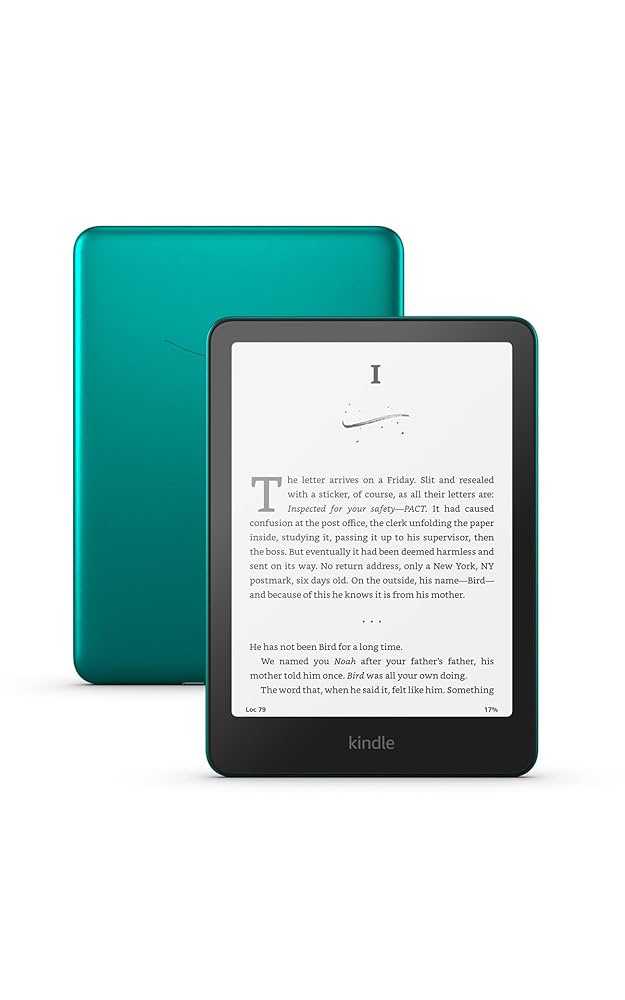
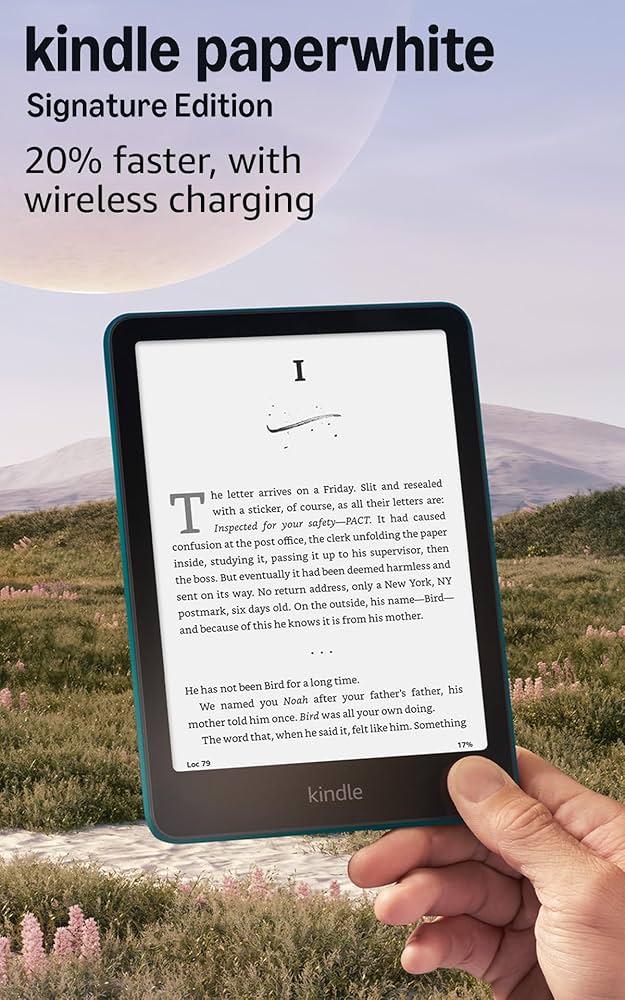
Kindle Paperwhite (10th Generation)
Learning Curve: Easy
$129.99
Difficulty: 1/5
Why Great for Beginners:
The perfect balance of features and price. Built-in front light, waterproof, and a crisp 300 PPI display. Simple setup and access to millions of books via Amazon.
✓ Beginner Pros
+Adjustable front light
+Waterproof for worry-free reading
+Simple interface
+Long battery life (weeks)
+Lightweight and durable
✗ Beginner Cons
-No page-turn buttons
-Slightly larger than basic Kindle
-Amazon ecosystem lock-in
👍 Best for: Most beginners who want a reliable, worry-free e-reader
👎 Not for: Those who prefer physical page-turn buttons
Premium ergonomics with page-turn buttons, an adjustable warm light, and a large 7-inch display. Ideal for beginners who want the best reading experience from day one.
✓ Beginner Pros
+Page-turn buttons for easy one-handed reading
+Warm light adjusts for day/night
+Larger screen
+Premium feel
✗ Beginner Cons
-Expensive for a beginner
-No USB-C (uses micro-USB)
-Not waterproof (older model)
👍 Best for: Beginners with a higher budget who want an exceptional reading experience
👎 Not for: Budget-conscious shoppers or those who don't need buttons
An e-reader is a device designed specifically for reading digital books. Unlike a tablet, it uses e-ink technology that mimics real paper, so there's no glare, and it's easy on the eyes even for hours. Most e-readers also have a front light (not a backlight) so you can read in the dark without disturbing others. The two main ecosystems are Amazon Kindle and Kobo. Kindles connect to the Kindle Store, while Kobos are more open and support library borrowing with OverDrive. For beginners, the Kindle ecosystem is often recommended because of its seamless integration, huge library, and easy-to-use interface. The most common beginner-friendly models are the basic Kindle (entry-level) and the Kindle Paperwhite (mid-range with waterproofing). Budget for an e-reader is usually $80-$300. Start with a model that has a front light – it's a game-changer. Don't worry about storage: 8GB holds thousands of books.
🔧 Essential Accessories for Beginners
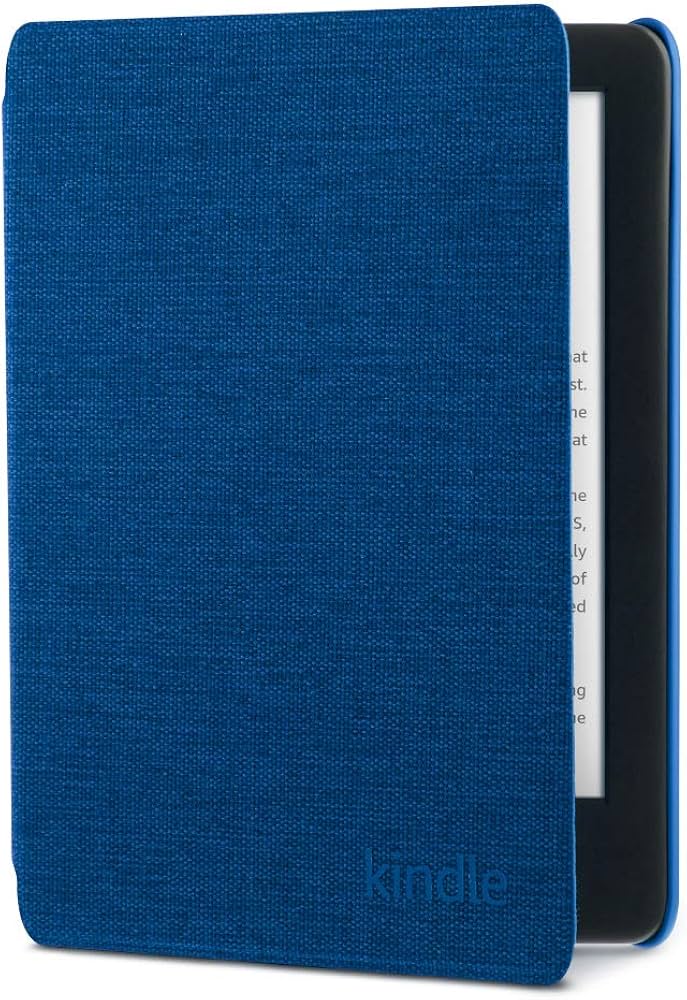
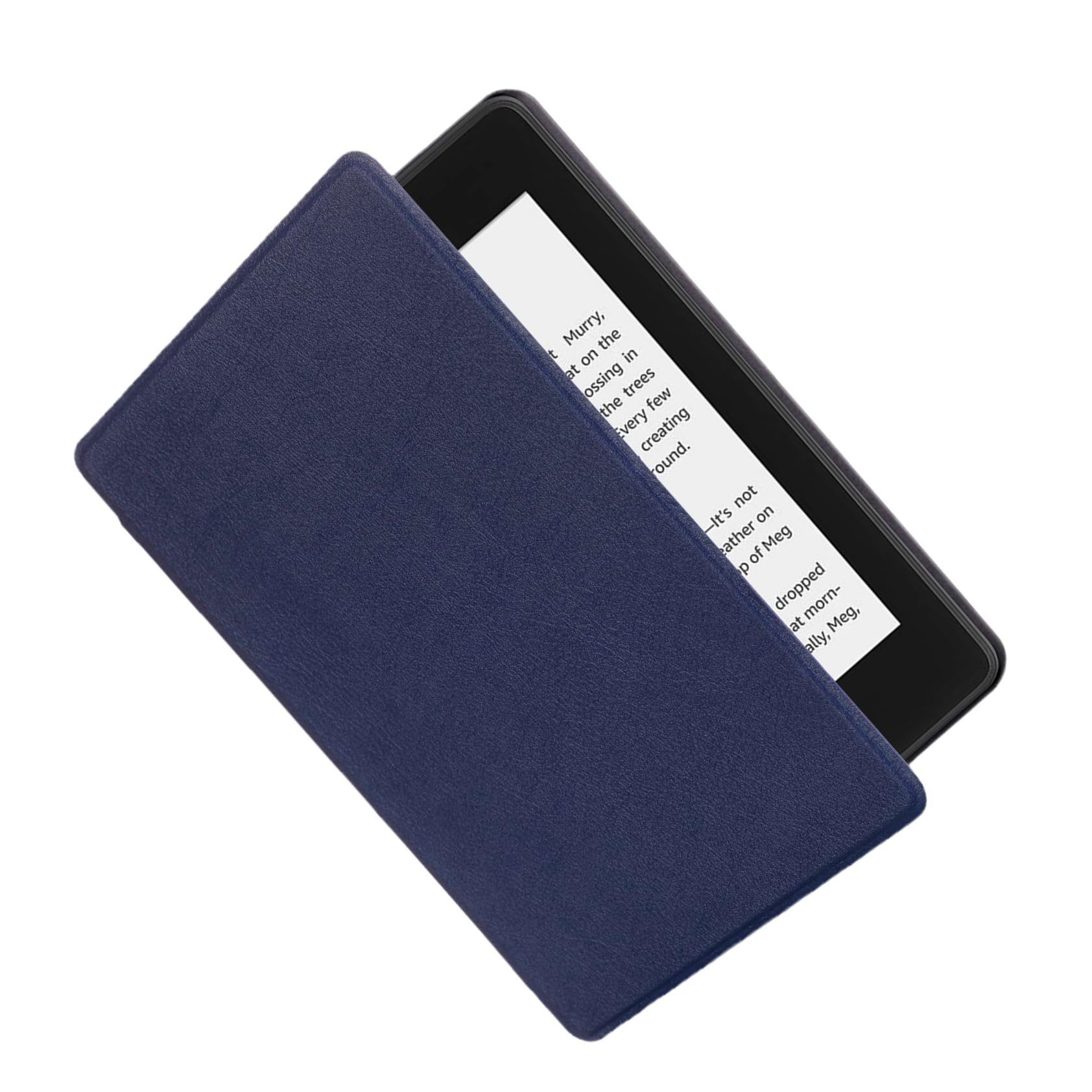
Amazon Fabric Cover for Kindle Paperwhite (10th Gen)
⚠️ Essential
$29.99
When to buy:
Day one
Protects your Kindle screen from scratches and drops. The case automatically wakes/sleeps the device. A must-have for day one.
Ask yourself: Where will I read? (Mostly at home in bed, on commute, outdoors?) Do I need waterproofing? (For reading by the pool or bath.) What bookstore do I prefer? (Amazon or independent through OverDrive?) Then set a budget: Under $100 (basic Kindle without front light), $100-$150 (Kindle Paperwhite or Kobo Clara), or $250+ (Kindle Oasis for premium ergonomics). For most beginners, the Kindle Paperwhite offers the best balance of features, price, and ease of use. Avoid buying the cheapest model without a front light – you'll regret it. Instead, invest in a Paperwhite and a good case.
💰 Budget Guide for Beginners
250+
Advanced entry – Kindle Scribe with note-taking, larger screen
100 - $150
Sweet spot – Kindle Paperwhite or Kobo Clara, front light, waterproof
Entry level – basic model without front light, may need upgrade soon
⚠️ Common Beginner Mistakes to Avoid
Common beginner mistakes include:
Buying the cheapest model (no front light) and finding it frustrating for night reading.
Buying an expensive model like the Kindle Oasis for features they never use (like page-turn buttons).
Skipping a case – e-ink screens are fragile.
Ignoring the ecosystem – buying a Kobo but wanting Amazon-exclusive books.
Overthinking specs – 300 PPI vs 167 PPI is barely noticeable for most.
Not using library apps – OverDrive on Kobo or Libby via phone for Kindles.
×Buying the cheapest model without a front light
×Choosing a tablet over an e-reader (tablets cause eye strain)
×Neglecting a protective case
×Overlooking the bookstore ecosystem
×Buying too much storage (8GB is plenty)
×Skipping the library borrowing feature
📈 Your Progression Path: Beginner to Intermediate
As a beginner, start by reading regularly and exploring your e-reader's basics: adjusting font size, adding bookmarks, and using the dictionary. Once you're comfortable, you might want to read PDFs, borrow library books, or use Goodreads integration. When you feel limited by screen size (e.g., for manga or textbooks), you could upgrade to a larger model like the Kindle Scribe. For most users, the Paperwhite serves well for years. Intermediate readers often add a remote page-turner or a stand for hands-free reading.
📚 Learning Resources for Beginners
📖Book: 'The Book of E-Reading' – get started with digital books
📖Online: Amazon's Kindle User Guide (free on Kindle)
📖Tips: YouTube channels like 'The E-Reader Guide' for beginners
📖Practice: Read one book fully to get comfortable with features
🎯 Bottom Line: Our Recommendations
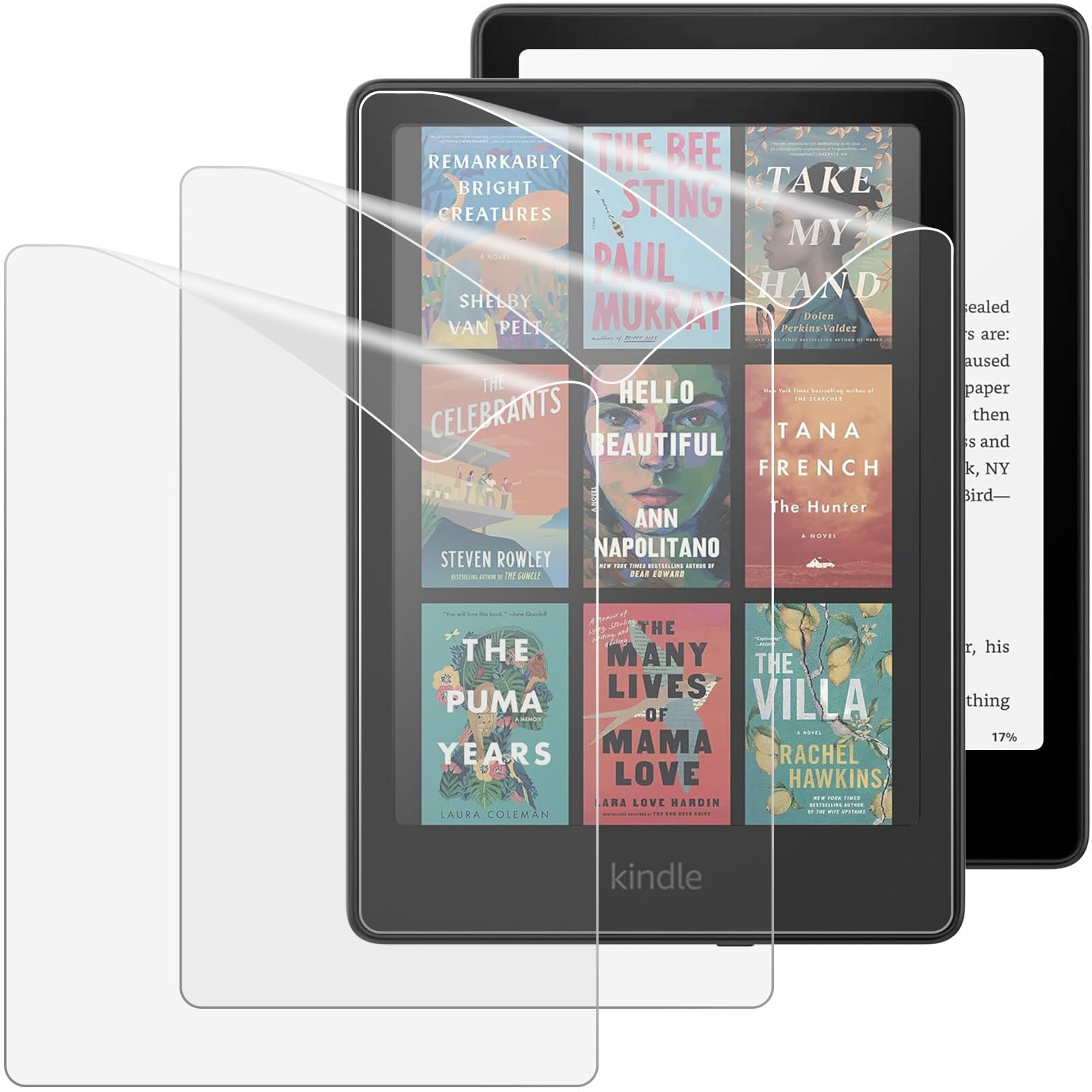
For most beginners, the Kindle Paperwhite (10th Gen) is the best overall choice – it's affordable, has a front light, is waterproof, and integrates perfectly with Amazon. If you're on a tight budget, the Kindle (10th Gen) with front light is still good, but skip the version without light. If you love premium feel and dedicated page-turn buttons, the Kindle Oasis is a splurge that's also beginner-friendly. Don't forget a protective case and a screen protector. Start with those and you'll enjoy reading more than ever!
❓ Frequently Asked Questions
The Kindle Paperwhite (10th Gen) is the best for most beginners due to its balance of price, built-in front light, waterproofing, and easy Amazon integration.
Beginners should budget between $100 and $150. This gets you a model with a front light and solid features. The cheapest model (under $100) lacks a light and may disappoint.
A front light, long battery life, easy-to-use interface, access to a large library, and a lightweight design are most important. Storage and resolution are secondary.
All Kindles are very easy to set up, but the Kindle Paperwhite is the easiest overall because it has a front light and is waterproof, so you don't have to worry about using it anywhere.
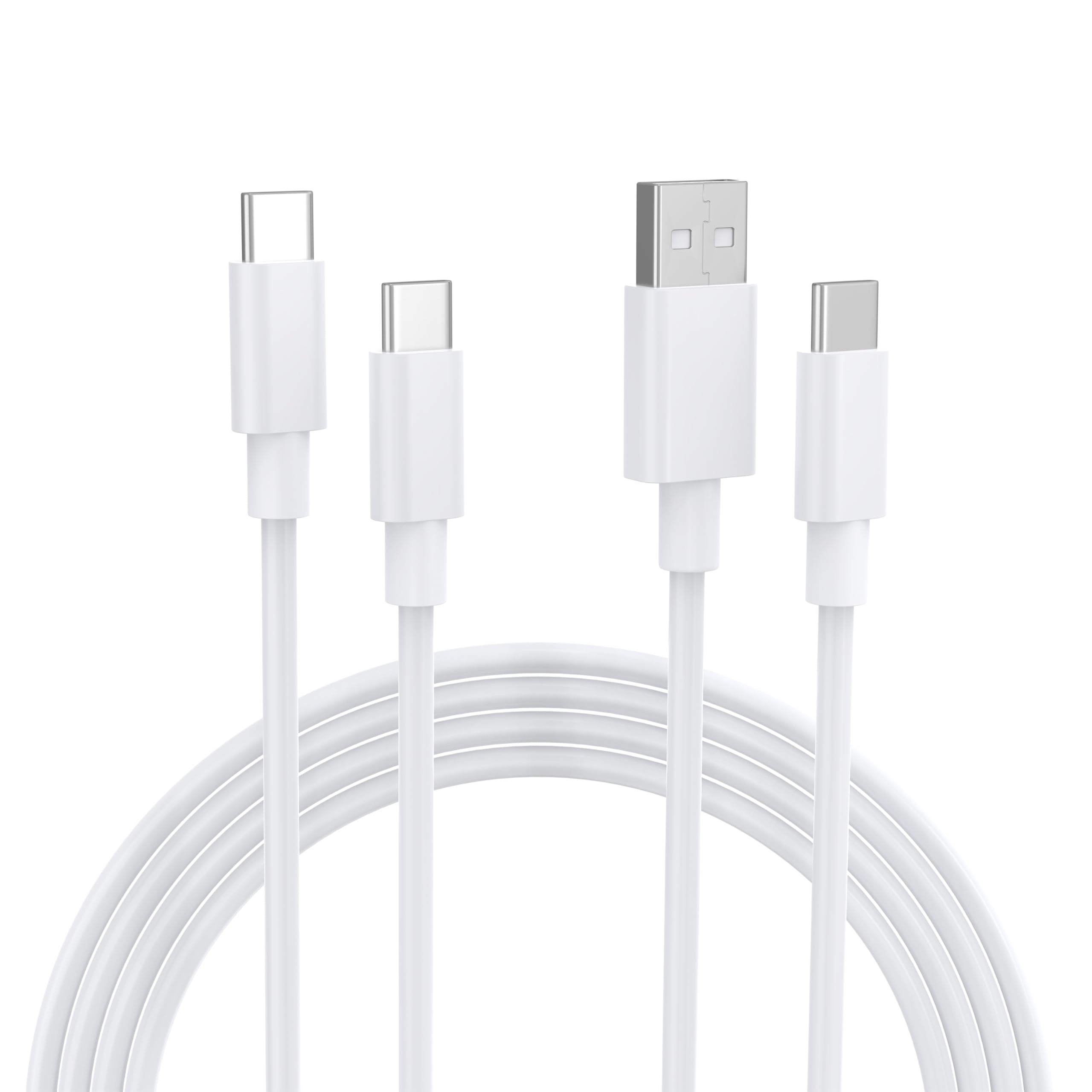
At a minimum, a protective case. A screen protector is optional but recommended. A power adapter (if not using a computer) and a reading light (if you buy the basic model without light) are helpful.
Decide your budget, where you'll read (light or dark, near water?), and which bookstore you prefer. For most, the Kindle Paperwhite is the safe, best choice. Compare models on Amazon using the search links above.
Not at all. E-readers are designed to be simple. You turn it on, connect to Wi-Fi, and start reading. They are much easier than tablets for focused reading.
Buying a model without a front light, not buying a case, choosing a tablet instead, and overthinking specs like PPI or storage. Most beginners only need the basics.
Yes, through the Libby app on your phone (then send to Kindle) or directly on some Kobo models via OverDrive. Check your local library's digital catalog.
Only if you have a higher budget and want the best ergonomics with page-turn buttons. For most beginners, the Paperwhite offers the same reading experience for less.