Review Atlas
Review AtlasYour guide to a better purchase

Menu

Shop by Category

Get the App

Better experience on mobile

Beginners Guideβ€’Music

Is Best Drum Set for beginners Worth It? Honest Review (2026)

Everything beginners need to know to choose their first drum set with confidence

Choosing your first drum set can feel overwhelming. Between acoustic and electronic options, technical jargon like "mesh heads" and "dual-zone triggers," and a wide range of prices, it's easy to get confused. This guide is designed to cut through the noise and help you pick a drum set that's fun, forgiving, and won't break the bank. Whether you're a parent buying for a child or an adult starting a new hobby, you'll find clear recommendations and practical advice to make your first purchase a success.

πŸ“‹ In This Guide

  • β€’ Why Beginners Struggle with Drum Set
  • β€’ What to Look For (Key Features)
  • β€’ Top 4 Beginner-Friendly Drum Set
  • β€’ Essential Accessories for Beginners
  • β€’ Common Beginner Mistakes to Avoid
  • β€’ Your Progression Path
  • β€’ FAQ & Learning Resources

😰 Why Beginners Struggle with Drum Set

Many beginners are intimidated by the sheer number of drum set options and the technical terms used in product descriptions. Words like "tom holder angle," "bass drum pedal action," or "module sounds" can be confusing. Additionally, new drummers often don't know what features are essential versus just marketing fluff. There's also the fear of buying too cheap and ending up with a frustrating, poor-quality set, or overspending on features they'll never use. Without guidance, it's easy to make a choice that doesn't match your actual needs.

πŸ” What to Look For: Key Beginner-Friendly Features

For beginners, the most important qualities are ease of assembly, durability, and a forgiving playing experience. With electronic kits, look for mesh drum heads (quieter and more realistic feel) and a module with built-in metronome and practice songs. For acoustic kits, look for sturdy hardware (no plastic fittings), decent quality cymbals (B8 bronze is entry-level but acceptable), and a comfortable throne. Avoid kits with many extra drums (like 5 toms) that complicate setup. A standard 5-piece (kick, snare, hi-hat, ride/crash, and two toms) is plenty to start. Also, consider space – electronic kits are more compact and allow headphone practice. Beginners DON'T need professional-grade cymbals or double bass pedals.

βœ… Essential Features for Beginners

  • β€’Mesh drum heads (quiet practice)
  • β€’Built-in metronome and practice songs
  • β€’Easy assembly and compact design
  • β€’Adjustable throne and hardware
  • β€’Coated drum heads (acoustic durability)
  • β€’Included drumsticks and headphones

πŸ† Top 4 Best Drum Set for Beginners

#1
πŸ’° Budget

Donner DED-200 Electronic Drum Set

Learning Curve: Easy

$249.99
Difficulty: 2/5
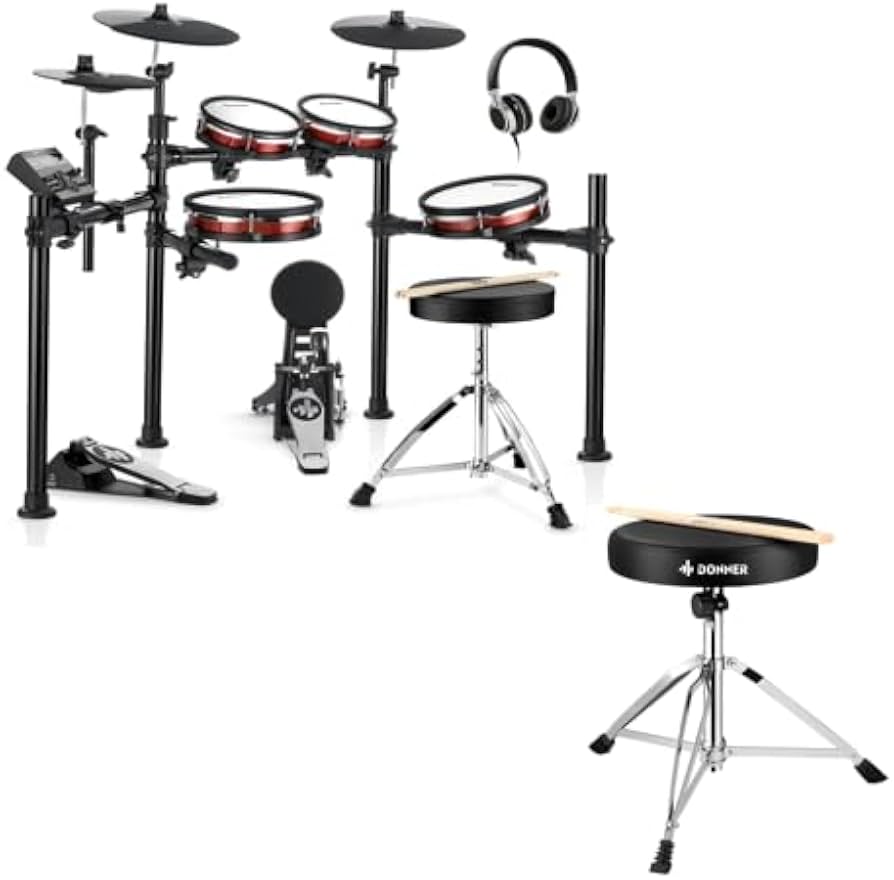
Donner DED-200 Electronic Drum Set

Why Great for Beginners:

Affordable entry-level electronic kit with muteable rubber pads, built-in metronome and 200 sounds, plus USB connection for recording or apps. Easy to set up and compact.

βœ“ Beginner Pros

  • +Very affordable price
  • +Compact and lightweight
  • +Built-in metronome and practice songs
  • +USB-MIDI for use with drum apps

βœ— Beginner Cons

  • -Rubber pads lack realistic feel
  • -Small pad sizes may be limiting
  • -Hardware feels less sturdy over time
πŸ‘ Best for: Budget-conscious beginners or young children who want to try drumming without a big investment.
πŸ‘Ž Not for: Adults who want a realistic feel or plan to play seriously for years.

#2
πŸ‘ Recommended

Alesis Nitro Mesh Kit

Learning Curve: Easy

$349.99
Difficulty: 2/5
Alesis Nitro Mesh Kit - Image 1 of 6

Why Great for Beginners:

The Alesis Nitro Mesh is the most popular beginner electronic kit. It features mesh drum heads for a quiet, realistic feel, a robust module with 40 kits and built-in metronome, and includes everything needed to start playing.

βœ“ Beginner Pros

  • +Mesh heads feel great and are quiet
  • +Solid module with many sounds and learning tools
  • +Expandable with additional pads
  • +Includes all necessary hardware and sticks

βœ— Beginner Cons

  • -Snare pad is a bit small (8")
  • -Hi-hat pedal lacks continuous control
  • -Kick tower can slide on carpet
πŸ‘ Best for: Most beginners who want a reliable, long-lasting kit that won't outgrow them quickly.
πŸ‘Ž Not for: Expert drummers needing high-end features.
#3
✨ Premium

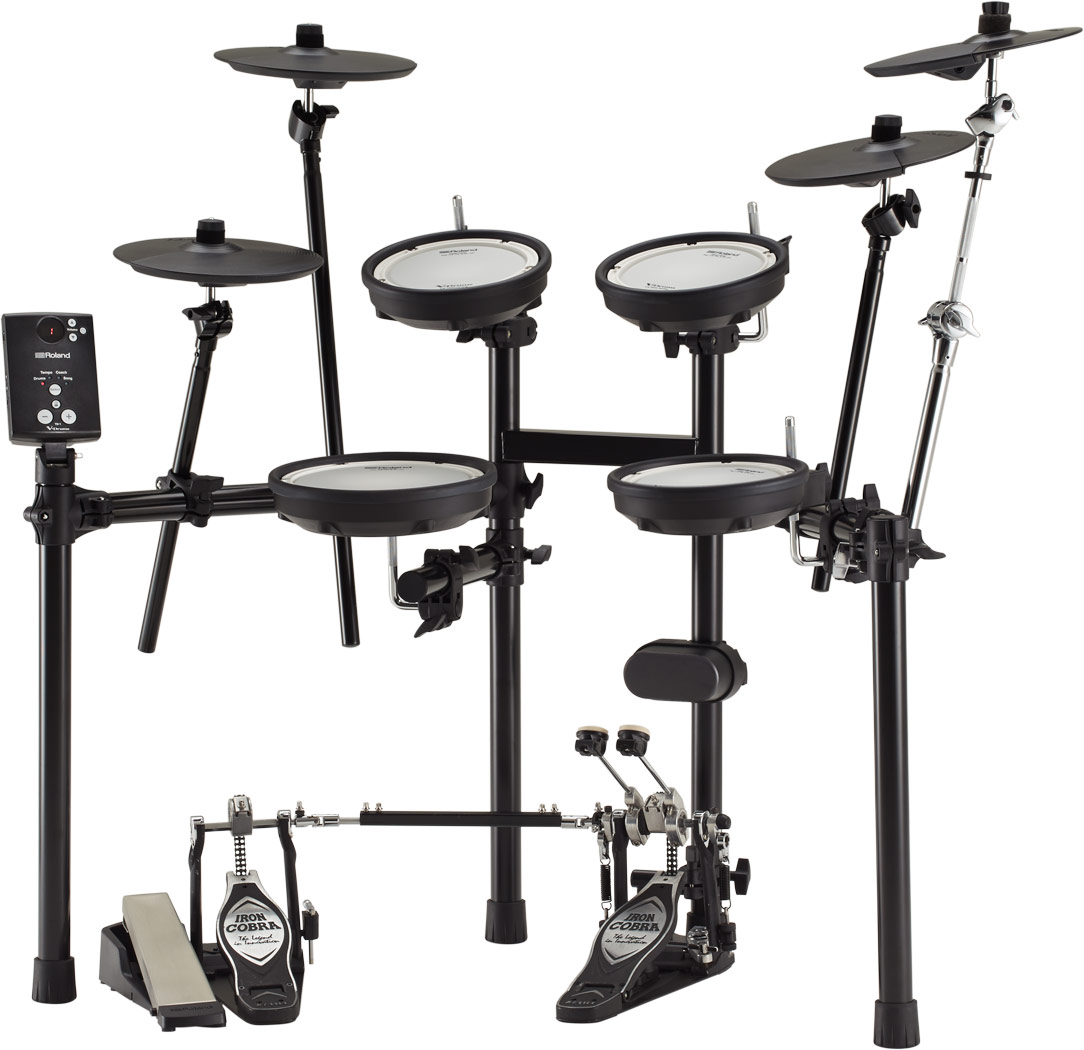
Roland TD-1DMK V-Drums

Learning Curve: Easy

$599.99
Difficulty: 2/5
Roland TD-1DMK V-Drums

Why Great for Beginners:

Roland's TD-1DMK offers exceptional build quality, mesh heads, and a module with built-in Bluetooth and coaching functions. It's a set that will last years and still satisfy intermediate drummers.

βœ“ Beginner Pros

  • +Superior mesh head feel and playability
  • +Bluetooth audio streaming for playing along to songs
  • +Built-in coaching functions improve timing
  • +Very sturdy hardware and frame

βœ— Beginner Cons

  • -Higher price point
  • -No extra cymbal inputs for expansion
  • -Module has fewer sounds than some competitors
πŸ‘ Best for: Serious beginners willing to invest more for a premium experience that will last.
πŸ‘Ž Not for: Budget-limited buyers or those who need many sound options.
#4
Alternative

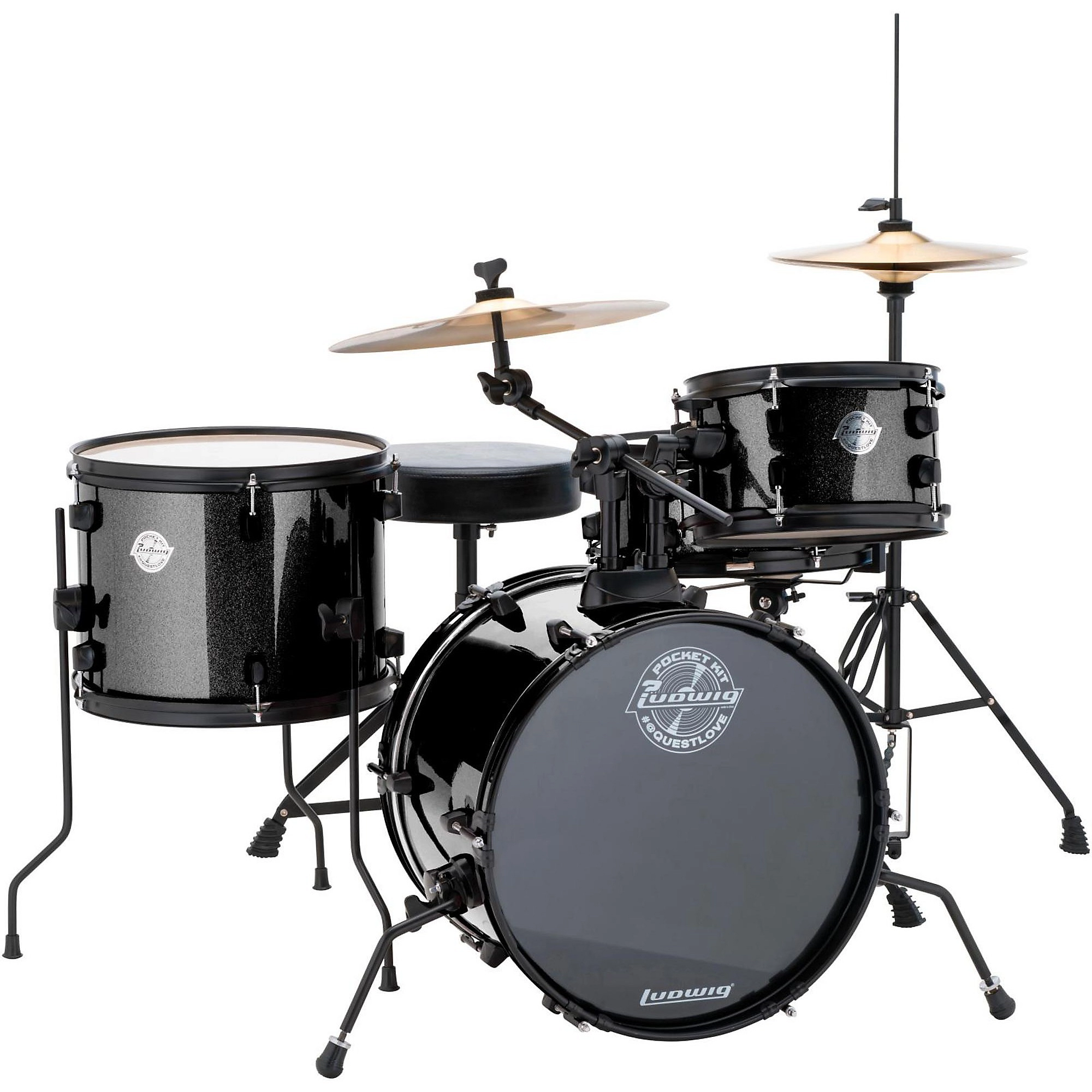
Ludwig Pocket Kit

Learning Curve: Moderate

$299.99
Difficulty: 3/5
Ludwig Pocket Kit

Why Great for Beginners:

A compact acoustic kit perfect for small spaces. It includes all necessary components (kick, snare, hi-hat, crash, and two toms) and is known for its quality and portability.

βœ“ Beginner Pros

  • +Real acoustic sound and feel
  • +Compact size fits small rooms
  • +Includes everything needed to play
  • +Good entry-level brass cymbals

βœ— Beginner Cons

  • -Loud – not suitable for apartments
  • -Requires tuning and maintenance
  • -Cymbals may not be high quality
πŸ‘ Best for: Beginners who have a dedicated practice space and want the authentic acoustic experience.
πŸ‘Ž Not for: Anyone needing quiet practice or living in close quarters.

πŸ“– Complete Beginner's Guide to Drum Set

A drum set consists of a bass drum, snare drum, hi-hat, one or more toms, a ride cymbal, and a crash cymbal. The two main types are acoustic (traditional) and electronic. For beginners, electronic drum sets are often recommended because you can control volume with headphones, they take up less space, and usually include built-in learning tools like metronomes and play-along songs. Acoustic kits offer a more authentic feel and sound but require soundproofing and are louder. As a beginner, you don't need a massive kit – a 5-piece is enough to learn all fundamental techniques. Start with basic rock beats and simple fills, and gradually incorporate more complex patterns. Remember: even simple drumming takes coordination, so be patient and practice regularly.

πŸ”§ Essential Accessories for Beginners

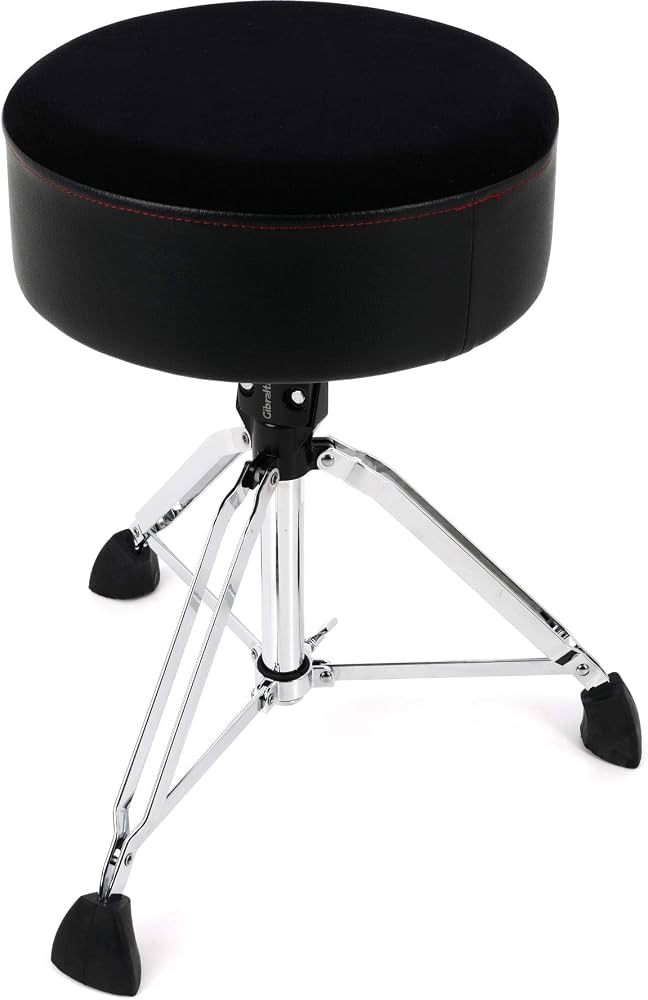
Gibraltar 9608 Drum Throne

Gibraltar 9608 Drum Throne

⚠️ Essential

$79.99

When to buy:
Day one

A comfortable throne prevents back pain and encourages good posture. This throne is adjustable in height and has a padded seat, suitable for all ages.

Beginner Benefits:

  • β€’ Encourages proper posture
  • β€’ Comfortable for long practice sessions
  • β€’ Adjustable to fit growing children or adults
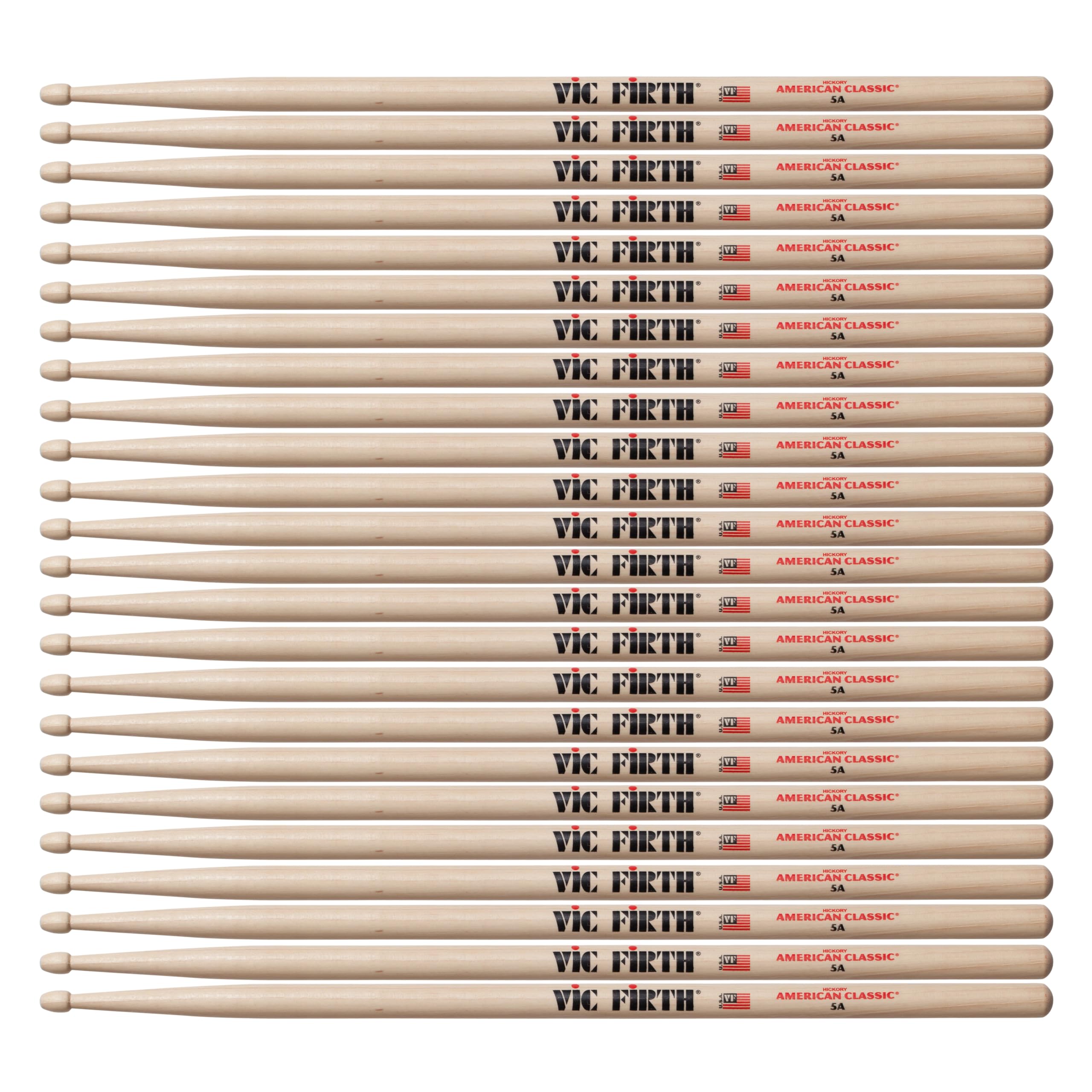
Vic Firth American Classic 5A Drumsticks

Vic Firth American Classic 5A Drumsticks

⚠️ Essential

$11.99

When to buy:
Day one

5A sticks are the most versatile and recommended for beginners. They offer a good balance of weight and control, perfect for learning fundamentals.

Beginner Benefits:

  • β€’ Versatile for all music styles
  • β€’ Good control for beginners
  • β€’ Durable hickory wood
Vic Firth SIH1 Stereo Isolation Headphones - Image 1 of 10

Vic Firth SIH1 Stereo Isolation Headphones

⚠️ Essential

$49.99

When to buy:
Day one (if buying electronic kit)

For electronic drum sets, these headphones block out external noise and provide clear sound. They’re also comfortable for long practice.

Beginner Benefits:

  • β€’ Blocks outside noise
  • β€’ Clear, balanced sound for electronic kits
  • β€’ Comfortable for extended use
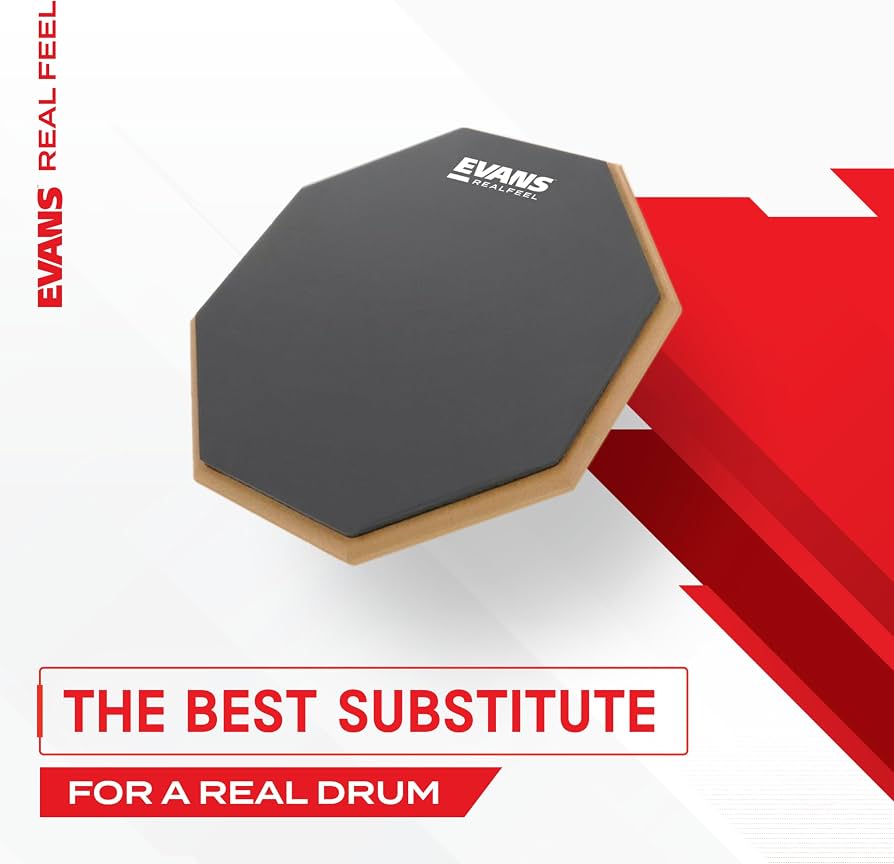
Evans RealFeel Practice Pad with Stand

Evans RealFeel Practice Pad with Stand

πŸ‘ Recommended

$34.99

When to buy:
First month

A practice pad allows you to work on hand technique silently, anytime. This one has a realistic gum rubber surface and includes a stand.

Beginner Benefits:

  • β€’ Silent practice
  • β€’ Improves stick control and rudiments
  • β€’ Portable and easy to set up
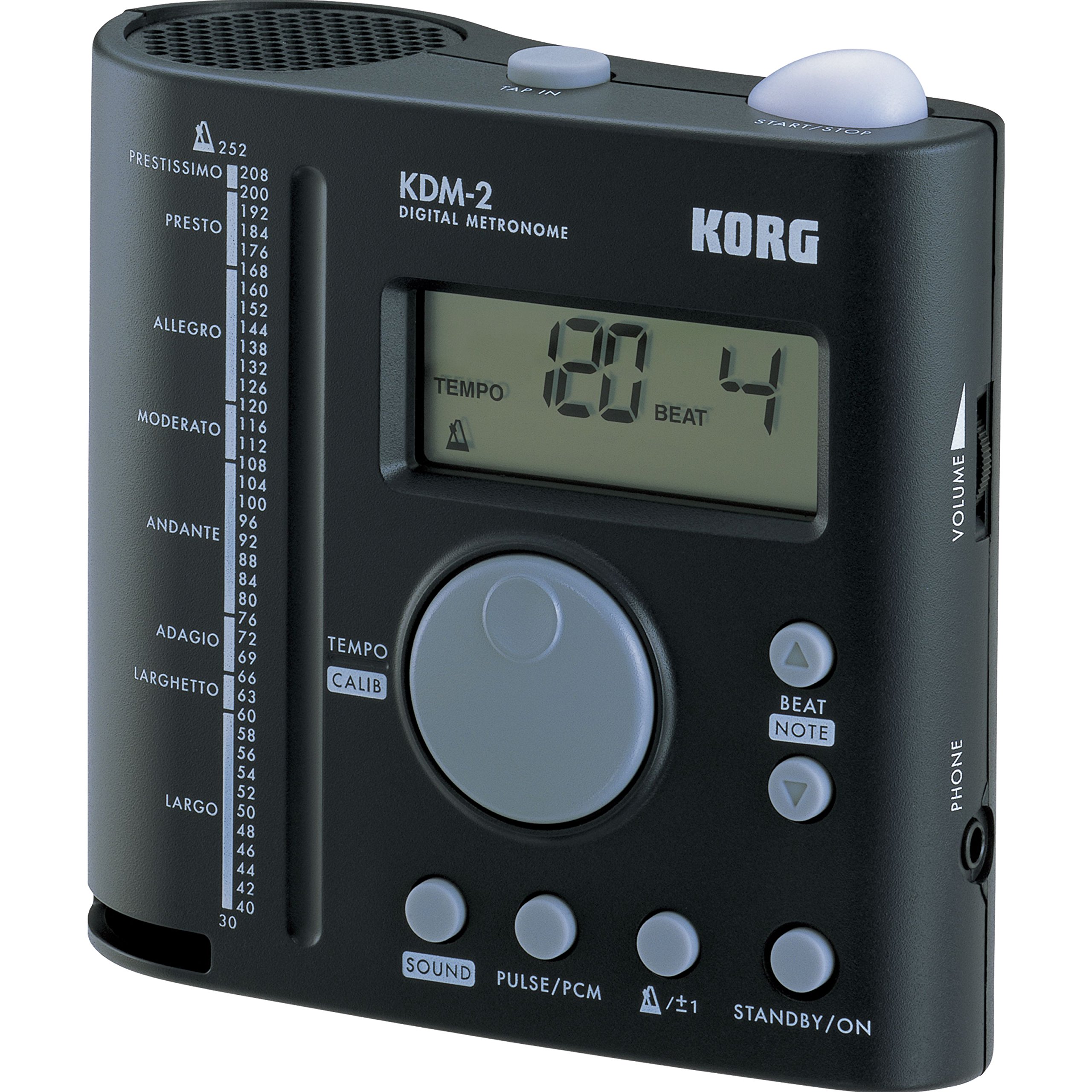
Korg KDM-2 Digital Metronome

Korg KDM-2 Digital Metronome

πŸ‘ Recommended

$29.99

When to buy:
First month

A dedicated metronome helps develop rock-solid timing. This one is loud, adjustable, and has a visual beat indicator – perfect for beginners.

Beginner Benefits:

  • β€’ Visual and audible beat feedback
  • β€’ Encourages steady timing
  • β€’ Simple interface for beginners

πŸ€” How to Choose Your First Drum Set

Start by asking: Where will I practice? If you live in an apartment or need to practice quietly, go electronic. If you have a dedicated room and don't mind noise, an acoustic set can be a great choice. Next, set a realistic budget. For a quality electronic kit that won't frustrate you, plan to spend at least $300. For acoustic, around $400 gets you a decent starter set. Avoid kits under $250 for electronic – they often have rubber pads that feel unrealistic and cheap hardware. For acoustic, avoid kits with paper-thin cymbals. Think about future growth: a kit with expansion options (like extra tom inputs) can grow with you. Red flags include no brand warranty, missing hardware, or overly positive reviews that sound fake.

πŸ’° Budget Guide for Beginners

800+

Serious beginner – high-quality electronic kits (Roland TD-17KVX) or pro-level acoustic kits (like Tama Imperialstar). Not necessary to start.

250 - $500

Sweet spot – best value. Mesh heads on electronic kits (Alesis Nitro Mesh ~$350), decent acoustic kits like the Ludwig Pocket Kit or Pearl Roadshow (~$400).

500 - $800

Premium beginner – better sound modules, better hardware, more expansion options. Roland TD-1DMK (~$600).

Under $ - $250

Entry level electronic or acoustic kits with basic features. Expect rubber pads on electronic kits and thinner cymbals on acoustic. Good for trying out but may lack durability.

⚠️ Common Beginner Mistakes to Avoid

Buying the cheapest kit available – often results in poor playability and breaks quickly. Buying too many components – a 7-piece kit is overwhelming and you won't use all drums. Ignoring the drum throne – a cheap stool makes playing uncomfortable and hurts posture. Forgetting essential accessories like extra drumheads, tuning key, or sticks. Not trying before buying if possible – but if buying online, read reviews from verified purchasers. Skipping a metronome app or built-in metronome – timing is everything.

  • Γ—Buying the absolute cheapest kit and regretting it
  • Γ—Overbuying – getting too many drums before basic skills
  • Γ—Forgetting a quality drum throne
  • Γ—Not using a metronome
  • Γ—Neglecting essential accessories like extra sticks and a tuning key
  • Γ—Choosing without considering practice space (acoustic vs electronic)

πŸ“ˆ Your Progression Path: Beginner to Intermediate

Start by learning basic rock beats (kick on 1 and 3, snare on 2 and 4) and simple fills. Practice with a metronome at slow speeds. Once comfortable, move to eighth-note hi-hat patterns and variations. Focus on hand technique – learn how to hold sticks properly (matched grip for versatility). After a few months, work on foot technique (heel-up vs heel-down). When you can play along to simple songs confidently, consider adding a double bass pedal (if you like fast metal) or upgrading your snare drum. A sign you've outgrown your beginner kit is when you feel limited by its sound options (for electronic) or hardware stability (for acoustic). Typically, beginners stay on their first kit for 1-2 years before upgrading.

πŸ“š Learning Resources for Beginners

  • πŸ“–"Stick Control for the Snare Drummer" by George Lawrence Stone (book)
  • πŸ“–"The Drum Set Crash Course" by Michael D. (book)
  • πŸ“–Practice pad + stand (e.g., Evans RealFeel)
  • πŸ“–Online tutorials (e.g., Drumeo, not on Amazon)
  • πŸ“–Metronome app (free)

🎯 Bottom Line: Our Recommendations

For most beginners, the Alesis Nitro Mesh Kit is the best overall pick – it offers great mesh heads, a solid module with practice tools, and is reasonably priced. If budget is tight, the Donner DED-200 provides essential features at a lower cost. For those who want a premium beginner experience, the Roland TD-1DMK gives superior feel and expandability. Don't forget a comfortable drum throne (like the Gibraltar 9608) and a pair of decent headphones (Vic Firth SIH1). Most importantly, have fun and be patient – drumming is a rewarding journey!

❓ Frequently Asked Questions

For most beginners, the Alesis Nitro Mesh Kit is the best overall choice due to its mesh heads, built-in learning tools, and reasonable price. If you prefer acoustic, the Ludwig Pocket Kit is a compact and quality option.
Plan to spend at least $250 to $350 for a decent electronic kit, or $300 to $500 for acoustic. Avoid kits under $200 as they often have poor build quality and will frustrate you.
Electronic is better if you need quiet practice, have limited space, or want built-in learning features. Acoustic is great if you have a dedicated room and want the authentic feel and sound. Many beginners start with electronic to avoid noise complaints.
For electronic: mesh heads, built-in metronome, at least 100 sounds, and expandability. For acoustic: sturdy hardware, decent cymbals (B8 bronze or better), comfortable throne, and quality drum heads (coated recommended).
A standard 5-piece (bass, snare, 2 toms, floor tom) is ideal. More drums can be overwhelming. For electronic, most entry-level kits have 5-6 pads which is plenty.
Yes, many beginners learn online through videos, apps, and books. However, a teacher can correct bad habits early. At least use a metronome and practice basic rudiments.
Essential: drumsticks (5A), comfortable drum throne, practice pad (for silent practice), metronome, and headphones (for electronic kits). A tuning key for acoustic kits is also a must.
Drumming requires coordination between hands and feet, which can be challenging at first. But with regular practice (15-30 minutes daily), you'll see progress within weeks. Start slow and use a metronome.
Buying the cheapest kit, not getting a proper throne, ignoring the practice environment (noise), buying too many drums too soon, and not investing in a decent pair of drumsticks.
A quality beginner kit can last 1-3 years before you feel the need to upgrade. Electronic kits with mesh heads may last longer if well-maintained. Acoustic kits can last many years with head replacements.

Related Articles