Is Best Crepe Maker for beginners Worth It? Honest Review (2026)
Everything beginners need to know to choose their first Crepe Maker with confidence
If you've ever watched someone effortlessly swirl crepe batter across a hot plate and flip it into a perfect, golden circle, you might think crepe-making is a skill reserved for French chefs. The truth is, with the right electric crepe maker, anyone can create beautiful, delicious crepes at home. But for a complete beginner, the sheer number of options on Amazon can feel overwhelming. What features really matter? How much should you spend? Will you end up with a kitchen gadget that gathers dust? This guide is here to change that. We've done the research, talked to beginner cooks, and analyzed customer feedback to simplify everything you need to know. By the end, you'll feel confident choosing your first crepe maker—one that fits your budget, your skill level, and your kitchen. No jargon, no guesswork, just practical advice you can trust.
📋 In This Guide
• Why Beginners Struggle with Crepe Maker
• What to Look For (Key Features)
• Top 4 Beginner-Friendly Crepe Maker
• Essential Accessories for Beginners
• Common Beginner Mistakes to Avoid
• Your Progression Path
• FAQ & Learning Resources
😰 Why Beginners Struggle with Crepe Maker
Crepe makers seem simple, but beginners often get confused by technical details. Terms like 'non-stick coating,' 'wattage,' 'temperature control,' and 'batter spreader' are thrown around without real explanation. You might wonder: do you need a special spatula? What's the best way to spread the batter? Why do some crepes come out uneven? These are all common fears. On top of that, Amazon offers everything from $10 mini griddles to professional $300 machines. Without knowing what to look for, it's easy to buy something too basic and get frustrated, or spend too much on features you'll never use. The problem isn't you—it's the sheer amount of marketing noise. Add to that the pressure to make your first crepe look like a crepe, and it's no wonder beginners feel stuck. That's why this guide focuses on meaningful features, realistic expectations, and beginner-friendly choices.
🔍 What to Look For: Key Beginner-Friendly Features
When you're a beginner, you want a crepe maker that's forgiving, easy to control, and simple to clean. First, look for a non-stick surface—it's absolutely essential. Without it, your crepes will stick and tear, no matter how careful you are. Most modern machines have a non-stick coating, but the quality varies. Look for 'PTFE-free' or 'PFOA-free' for peace of mind. Next, adjustable temperature control is a must. Crepe batter needs medium heat to cook evenly. A fixed temperature might burn your first few attempts. A dial or thermostat lets you start low and gradually increase as you learn. Size matters too: an 8-inch plate is fine for small crepes, but a 10- to 12-inch plate gives you more room to practice and make larger crepes. Finally, think about the extras that make life easier. A built-in batter spreader or T-shaped spreader tool included in the package is a big plus. Ease of cleaning is also critical—a removable non-stick plate or a wipe-clean surface saves you time and frustration. You don't need fancy digital displays or preset programs—beginners actually do better with simple manual controls.
✅ Essential Features for Beginners
•Non-stick cooking surface: Prevents sticking and tearing, making your first crepes look presentable.
•Adjustable temperature dial: Allows you to control heat so you can learn at your own pace without burning.
•Easy cleanup: Removable plate or a simple wipe-down surface means less time scrubbing and more time enjoying.
•Included spreader: A T-shaped spreader or batter spreader ring helps you create an even, thin circle—the hardest step for beginners.
•Even heating: A consistent heat distribution avoids burnt spots and undercooked areas.
•Compact and lightweight: Easy to store and move around, especially if you have limited kitchen space.
•Cool-touch handle: Safety-first, prevents accidental burns when handling the hot plate.
•Simple controls: Avoids overwhelming presets and complicated settings, letting you focus on technique.
🏆 Top 4 Best Crepe Maker for Beginners
#1
💰 Budget
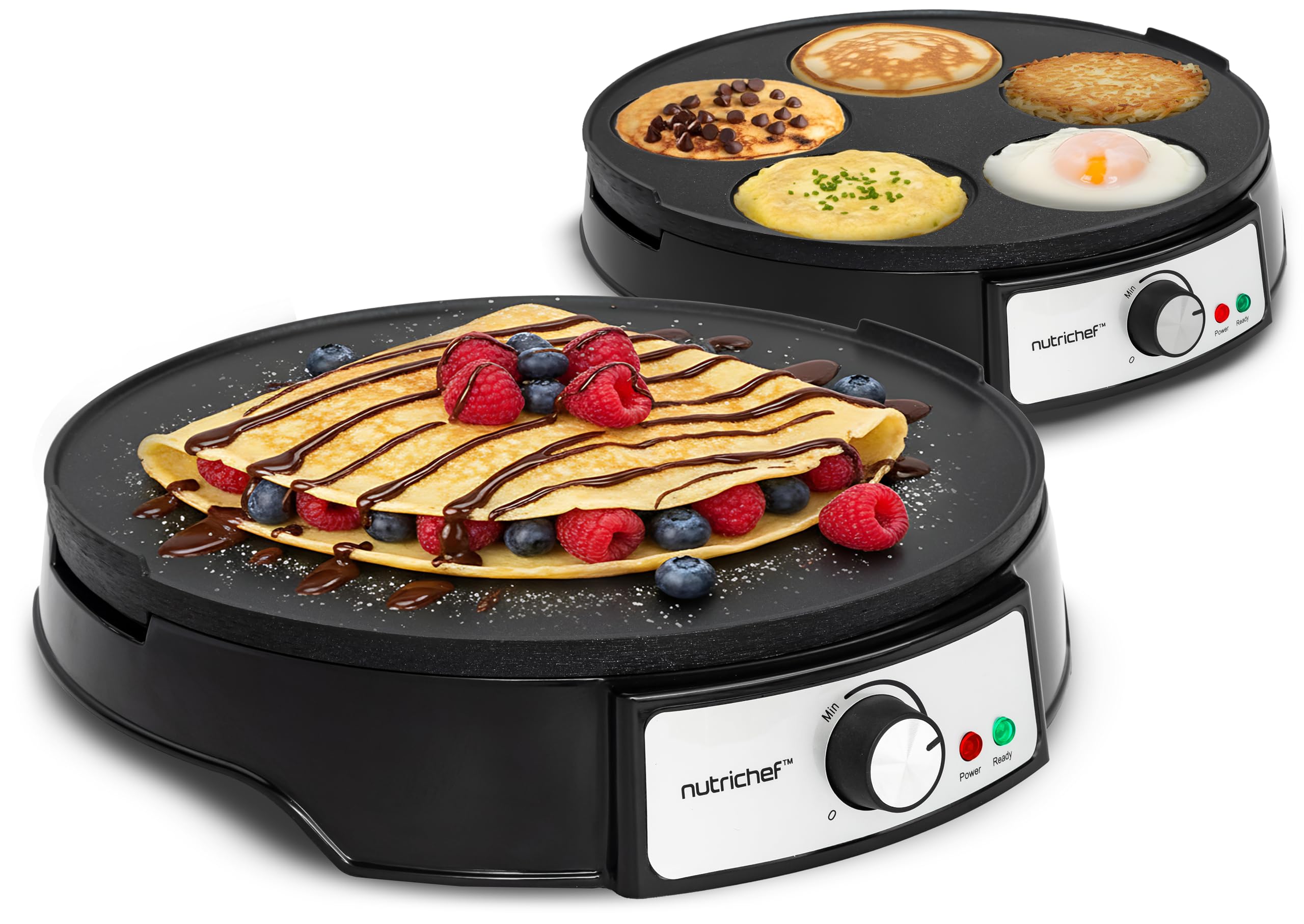
NutriChef Electric Non-Stick Crepe Maker
Learning Curve: Easy
$34.99
Difficulty: 1/5
Why Great for Beginners:
This is the perfect starter crepe maker. It has a non-stick surface, an adjustable temperature control, and an included spreader tool to help first-timers achieve even thin crepes. It's compact and easy to store, making it a hassle-free choice for small kitchens.
✓ Beginner Pros
+Non-stick plate for effortless flipping
+Adjustable heat dial to help you find the perfect temperature
+Lightweight and easy to store
+Includes a batter spreader
+Very affordable
✗ Beginner Cons
-Small 8-inch surface means smaller crepes
-May not heat as evenly as more expensive models
-Plastic components feel less durable
👍 Best for: Beginners on a tight budget who want to try making crepes without a big investment.
👎 Not for: Anyone planning to make crepes for a large family or who wants commercial-grade quality.
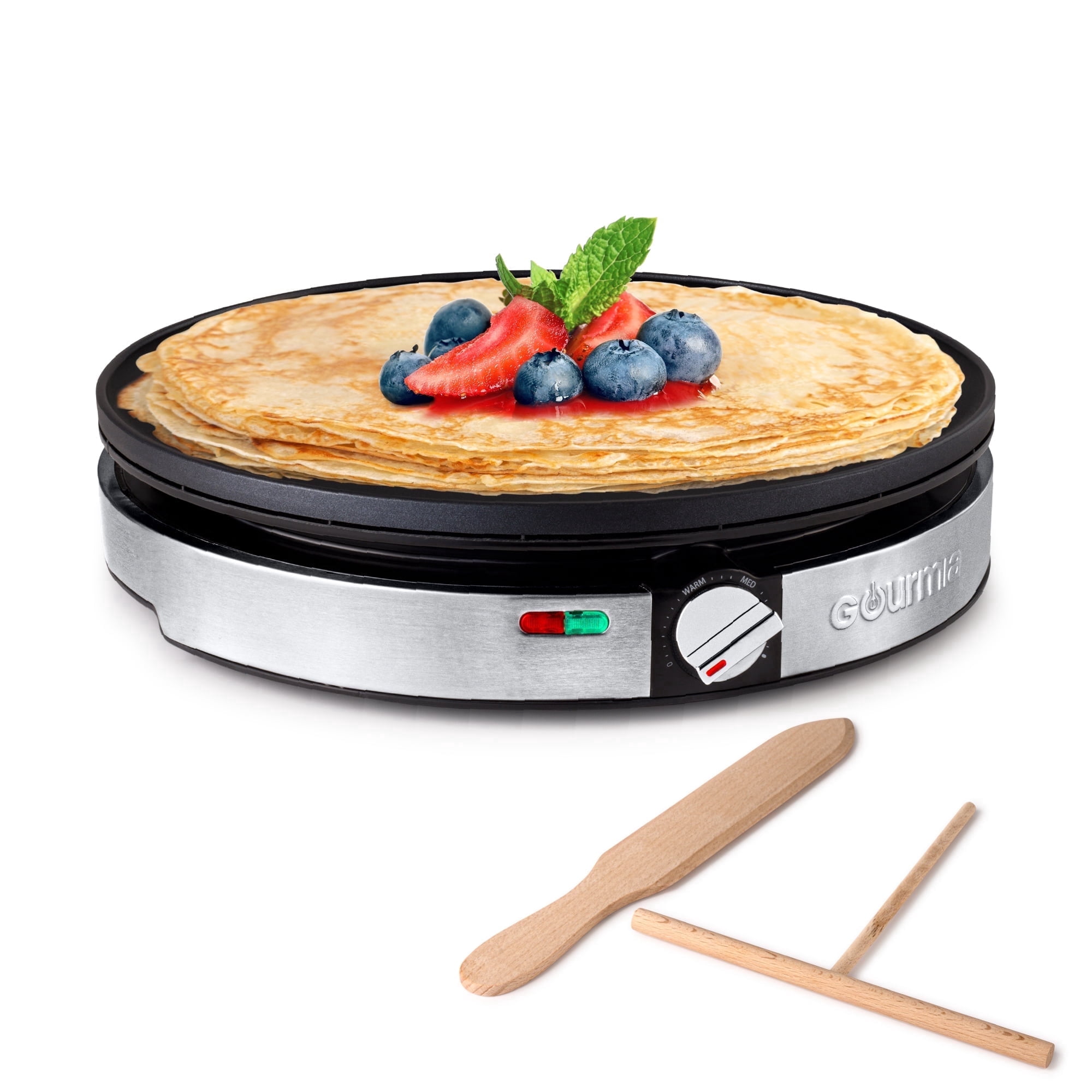
This crepe maker strikes the perfect balance between price and performance. Its 12-inch non-stick surface is generous for home use, and the integrated temperature control truly helps beginners avoid burning. The included crepe spreader also makes the process much more manageable.
✓ Beginner Pros
+Large 12-inch cooking surface
+Variable temperature control – very forgiving
+Non-stick and easy to clean
+Includes spreader and spatula
+Well-reviewed and reliable
✗ Beginner Cons
-Takes up more storage space
-Heat distribution can be slightly uneven at edges
👍 Best for: Most beginners who want the convenience of a larger plate without breaking the bank.
👎 Not for: Those with extremely limited cabinet space or who prefer a compact appliance.
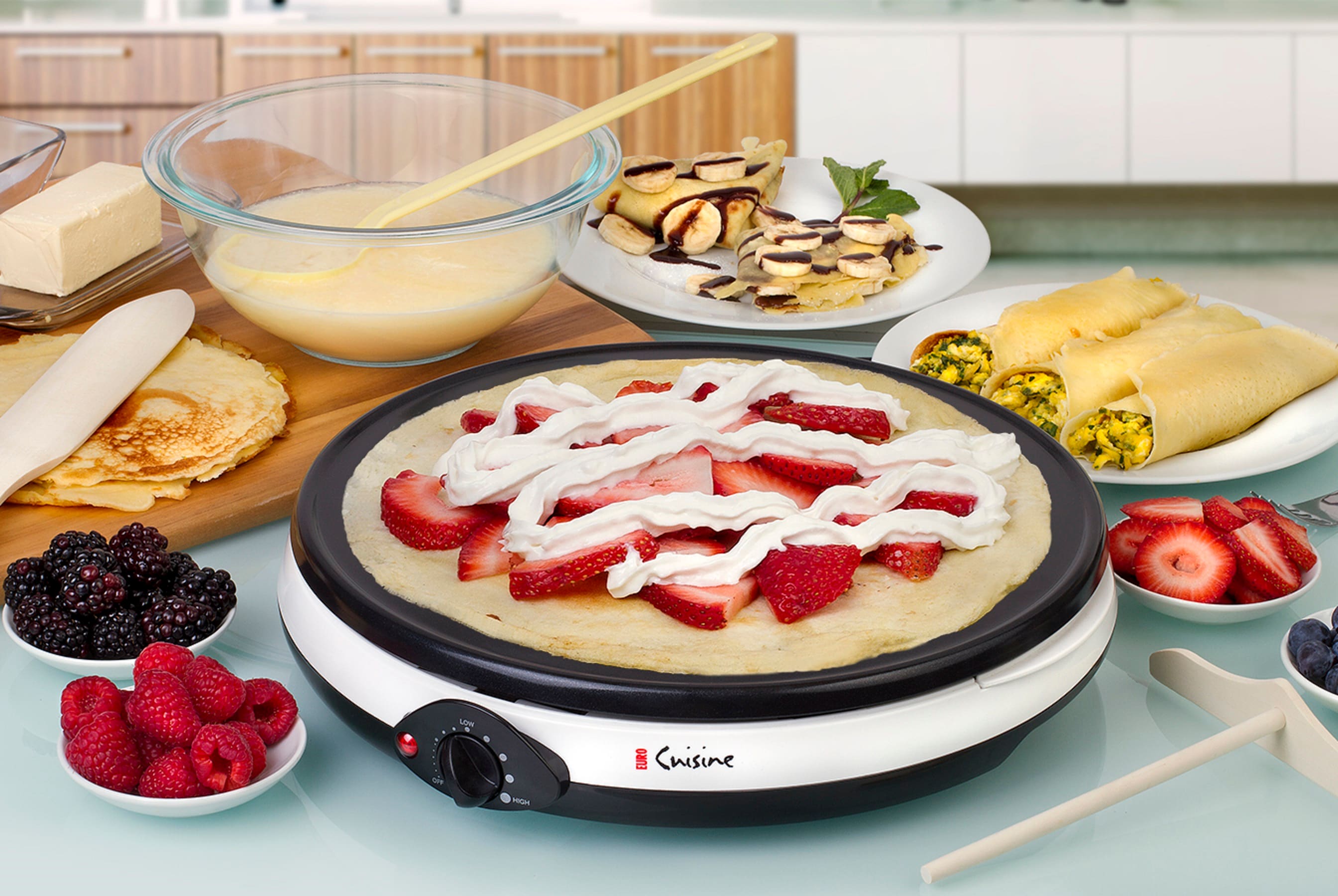
This model is a favorite among home cooks who want a bit more precision. The Perfect Cream features an advanced temperature probe that keeps the heat consistent, preventing hot spots. It's easy to use right out of the box, and the extra-wide plate allows for plenty of room to perfect your technique.
✓ Beginner Pros
+Consistent, even heat distribution
+Durable non-stick coating
+Large 13-inch plate
+Comfortable handle and simple controls
+Great for learning and growth
✗ Beginner Cons
-Slightly more expensive
-Large footprint
-No preset programs (though not necessary)
👍 Best for: Beginners who want a high-quality machine that will keep up with them for years, without paying professional prices.
👎 Not for: Budget shoppers or those with tiny kitchens.
For true crepe enthusiasts who want a restaurant-grade experience at home, the Eurodib is the ultimate choice. Its huge commercial-grade plate heats perfectly and evenly, and it comes with a pro-style spreader. While it's intimidating-looking, it's essentially just a big non-stick plate with an on/off switch—extremely simple in operation.
✓ Beginner Pros
+Very large surface (22 inches) – no limits
+Commercial-grade durability
+Even heat retention
+Simple controls – just plug in and go
+Includes pro tools
✗ Beginner Cons
-Price is high for a beginner
-Very heavy and requires dedicated counter or table space
-Overkill for occasional use
-Not suited for small kitchens
👍 Best for: Beginners who are absolutely sure they'll make crepes weekly and want a machine that will never need replacing.
👎 Not for: Casual users, beginners on a budget, or those with limited storage.
So, what exactly is an electric crepe maker? Think of it as a specialized griddle designed specifically for making thin pancakes. The metal plate heats up, you pour a small amount of batter onto the center, and then you use a spreader to push the batter outward in a circular motion. After about a minute, the edges lift, you flip it, cook for 30 seconds, and you're done. The beauty of an electric maker is that it takes the guesswork out of heat control. There are two main types: horizontal round plates (the most common) and vertical commercial-style machines (often too big and expensive for home use). For beginners, the horizontal round plate is the winner. It's easy to use, fits on your counter, and the gravity helps you spread the batter evenly. Another distinction is whether the plate is built-in or removable. Removable plates are easier to clean, but can sometimes be less stable. A well-built fixed plate is fine too, as long as you wipe it between crepes. Now, let's talk about what 'beginner-friendly' really means. It's not about fancy features. It's about a machine that tolerates mistakes. A good beginner crepe maker has a non-stick surface that forgives a too-runny batter, an adjustable temperature that avoids the dreaded first-burnt-crepe stress, and a straight forward design that doesn't require a manual to operate. Marketing terms like 'professional-grade' or 'commercial' are usually overkill for a newbie. Instead, focus on simplicity, durability, and the basics.
🔧 Essential Accessories for Beginners
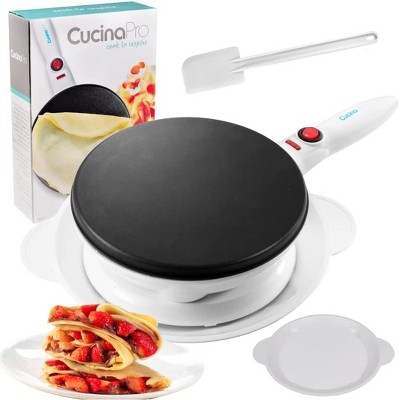
CucinaPro Crepe Spreader
⚠️ Essential
$12.99
When to buy:
Day one
A T-shaped spreader is the single most important tool for making even, thin crepes. Without it, you'll struggle with thick and uneven results. This one is angled perfectly for beginners to use with just one hand.
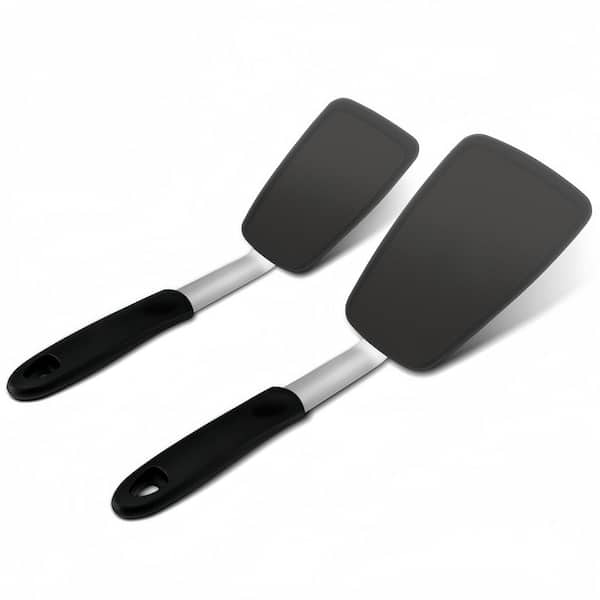
Regular spatulas are too thick and stiff, causing delicate crepes to tear. A flexible, thin spatula slides easily underneath and makes flipping a breeze.
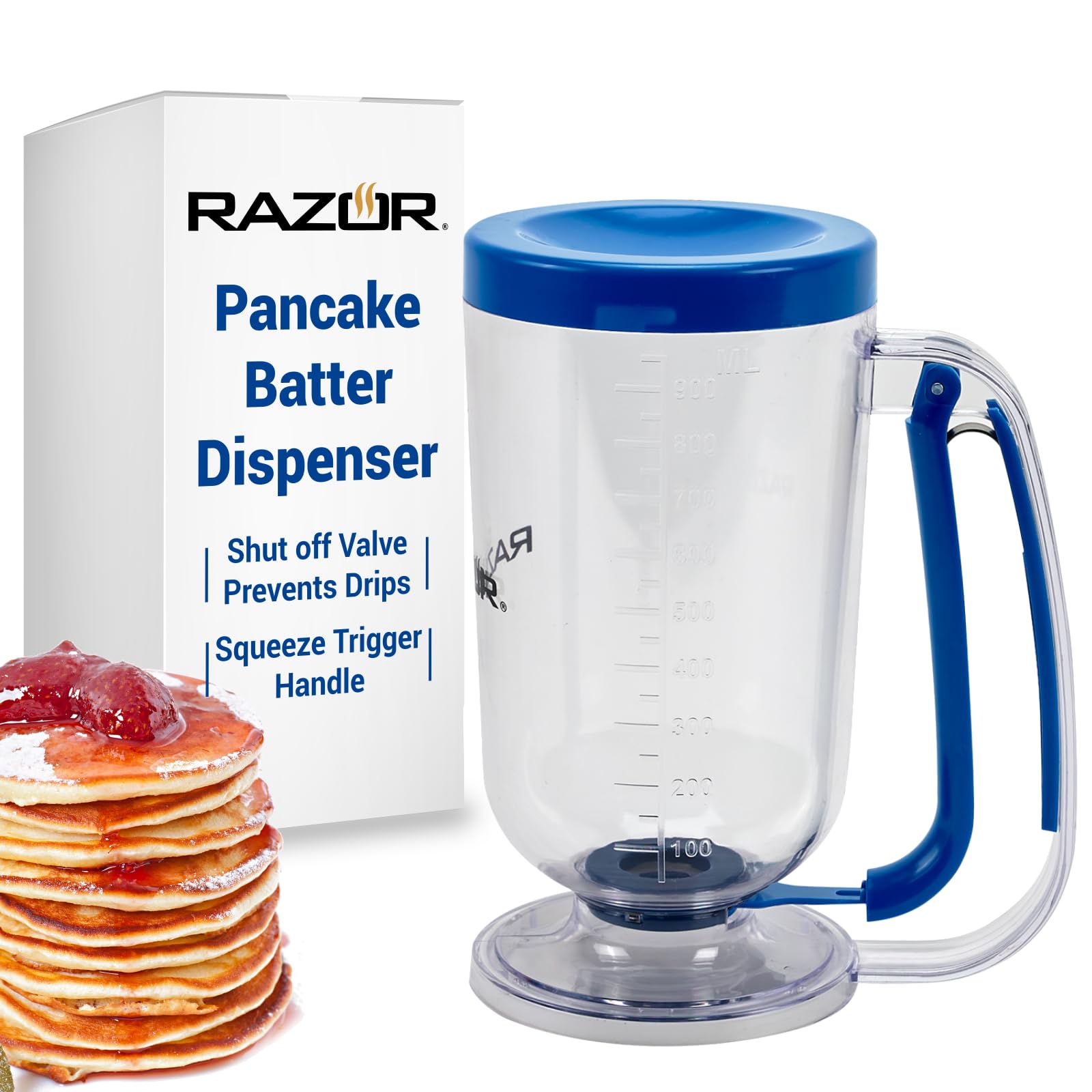
Consistency is key when making crepes. A batter dispenser controls the exact amount poured, so you never end up with too much or too little. It's a simple tool that instantly improves your results.
Cleaning your crepe maker properly keeps it non-stick for years. A soft, non-abrasive sponge is the right choice—using steel wool or harsh scrubbers is a common and costly mistake.
When you're just starting, you need reliable recipes to build your confidence. This cookbook has 150+ easy-to-follow recipes for sweet and savory crepes, perfect for beginners and beyond.
Choosing your first crepe maker is easier if you ask yourself a few practical questions. First, how often do you plan to make crepes? If you're a weekend-only chef, a budget-friendly model under $50 will be fine. If you're a true breakfast enthusiast who'll use it two or three times a week, invest a little more. Second, how many people are you cooking for? Single portion? Kids at home? If you need to feed a family, go for a larger 12-inch plate. If it's just you, an 8-inch is perfect. Third, are you the type to tinker with recipes, or do you want quick and easy? If you want to experiment with gluten-free or savory crepes, look for a model with a wider temperature range. If you just want simple results, any mid-range model works. Finally, think about storage. Small kitchens need a compact model that slides into a cabinet. The biggest red flag to avoid is buying a crepe maker with no temperature control. Fixed-heat plates often run too hot and burn the batter. Also, avoid super-cheap 'no-name' brands that use thin, non-stick coatings that peel off within months. A $25 crepe maker might seem tempting, but if it lasts only a few uses, it's a false economy. Aim for a reliable brand with good reviews, even if it costs a few extra dollars.
💰 Budget Guide for Beginners
150+
Professional entry: Heavy-duty and commercial-grade. Only consider if you plan to make crepes for a crowd regularly or want the absolute best.
30 - $80
Sweet spot: This is where you'll find reliable, beginner-friendly machines with thermostats and good non-stick surfaces. Perfect for most home cooks.
80 - $150
Premium beginner: Great build quality, larger plates, and consistent temperature. Ideal if you're serious about crepe-making from the start.
Under $ - $30
Entry level: Bare minimum. Expect basic non-stick and no-way to control heat. Good for trying out, but you'll likely want an upgrade soon.
⚠️ Common Beginner Mistakes to Avoid
Buying too cheap: The biggest mistake is buying the absolute cheapest crepe maker on Amazon. These often have uneven heating, flimsy non-stick coatings, and minimal temperature control. They can turn a delicious idea into a frustrating mess. Buying too expensive: On the flip side, some beginners get seduced by commercial-grade machines with huge plates and heavy-duty construction. Unless you're planning to open a food truck, a $300 crepe maker is overkill. You'll end up paying for features you'll never use. Ignoring the spreader: Many beginners think the batter will spread itself. It won't. The included batter spreader is essential for even, thin crepes. Without it, you'll get thick, doughy pancakes. Skipping essential accessories: A good spatula really matters—one that's flexible and designed for crepes. Using a regular kitchen spatula often tears delicate crepes. Not reading reviews: Some crepe makers might have higher wattage but poor reviews about sticking. Always read recent buyer comments for 'beginner' insights. Not anticipating the learning curve: Your first few crepes will be practice. Don't expect perfection—everyone has to sacrifice a few crepes to learn. Set reasonable expectations and you'll be making beautiful crepes in no time.
×Buying a crepe maker with no temperature control – you'll burn everything
×Not using a batter spreader – resulting in thick, uneven crepes
×Using butter in the first batch when the non-stick surface doesn't need it – causing sticking
×Overfilling with batter – producing giant, thick pancake-like crepes
×Skipping the learning curve – expecting perfect crepes on the first try
×Using a regular spatula – tearing the crepes
×Cleaning with abrasive scrubbers – ruining the non-stick coating
×Buying a too-small plate – then realizing you can't make crepes for more than one person
📈 Your Progression Path: Beginner to Intermediate
As a beginner, your first goal is simply to make a crepe that doesn't stick, doesn't burn, and rolls without breaking. Start by mastering the basic batter recipe (usually flour, eggs, milk, and butter). Learn to pour the right amount—about 1/4 cup for a 10-inch plate. Then practice spreading with a T-stick slowly and evenly. It's very common to have a few ugly crepes in the beginning. Within a week, you'll become comfortable. Once you've mastered the classic sweet crepe, you can start varying the batter, trying whole wheat, buckwheat, or adding vanilla. When you can confidently make 10 crepes without tearing, you've outgrown 'beginner' status. You might feel ready for a larger model or one with more precise temperature control. But the good news is that a quality beginner crepe maker will last for years, even as your skills advance. Most hobbyists never need a commercial machine. Instead, spend your time expanding your recipe collection, making savory galettes, or trying delicate designs. If you do want to upgrade, look for a model with a bigger plate, non-stick surface, and even heat distribution. That's the natural next step on your crepe-making journey.
📚 Learning Resources for Beginners
📖The Crepe Cookbook: Sweet and Savory Recipes for Every Meal
📖French Crêpes: How to Make Perfect Crêpes at Home
📖Artisan Crepe Making Video Course (available on Amazon)
📖Crepe Batter Spreader Kit
📖Beginner's Guide to the Perfect Crepe (Kindle eBook)
🎯 Bottom Line: Our Recommendations
Even after weighing all the options, one model stands out as the best pick for most beginners: the NutriChef Electric Non-Stick Crepe Maker, which offers a perfect balance of value, ease, and durability. It's affordable, heats evenly, and includes the tools you need to get started. If your budget is tighter, the Zokuhou Small Crepe Maker is a reliable low-cost starter. For those willing to invest more, the Perfect Cream Electric Crepe Maker delivers superior performance and will last you for years. Regardless of which you choose, remember to add essential accessories like a crepe spreader and spatula to your order. The best next step is simple: pick one, read the manual, and make your first batch of crepes this weekend. And don't forget—every expert was once a beginner. Your first crepe might be imperfect, but it will still taste fantastic. Welcome to the wonderful world of homemade crepes!
❓ Frequently Asked Questions
For beginners, the best crepe maker is one that has an adjustable temperature dial, a non-stick surface, and includes a batter spreader. Based on those criteria, the Zokuhou 12-inch Electric Crepe Maker is a top pick because it's affordable, easy to use, and forgiving.
Beginners should expect to spend between $30 and $80 for a decent crepe maker. This range offers the best value, with reliability and key features like temperature control and a non-stick plate. You can find cheaper options around $20, but they often lack quality and consistency.
The essential features are a non-stick surface, adjustable temperature control, a large enough plate (8-12 inches), and an included spreading tool. A cool-touch handle is also a nice safety feature. Avoid complicated digital controls—simple dials are best.
The NutriChef Electric Non-Stick Crepe Maker is one of the easiest to use. It’s compact, starts heating quickly, and comes with a spreader. Its smaller plate actually makes it less intimidating for beginners because there’s less batter to spread.
For day one, you need a batter spreader and a flexible spatula. Later, a batter dispenser helps with portion control. A non-stick-safe cleaning sponge will help maintain your machine, and a small whisk or mixing bowl is also useful for making the batter.
Start by assessing how often you'll make crepes, your kitchen space, and your budget. Then look for a model with adjustable heat, a non-stick surface, and included accessories. Read buyer reviews to ensure it doesn't stick or overheat. Keep it simple—you can always upgrade later.
No, using a crepe maker is actually very simple. The hard part is learning to spread the batter and flipping the crepe. With a non-stick surface and the right spreader, you'll get the hang of it after a few tries. Practicing a few times makes a huge difference.
The most common mistakes are not using the spreader, overheating the plate, adding too much batter, and using the wrong spatula. Beginners also often get discouraged after their first burnt crepe. Remember, practice makes perfect—even the best chefs waste a few crepes while learning.
Most electric crepe makers heat up in about 2 to 5 minutes, much faster than a traditional pan. Look for models with an indicator light that tells you when it's ready. This helps you know you're starting at the right temperature.
Absolutely! A crepe maker isn’t just for crepes. You can use it to make eggs (like a griddle), pancakes, tortillas, or even roast vegetables in a pinch. Just be sure to adjust the temperature and clean it between uses.