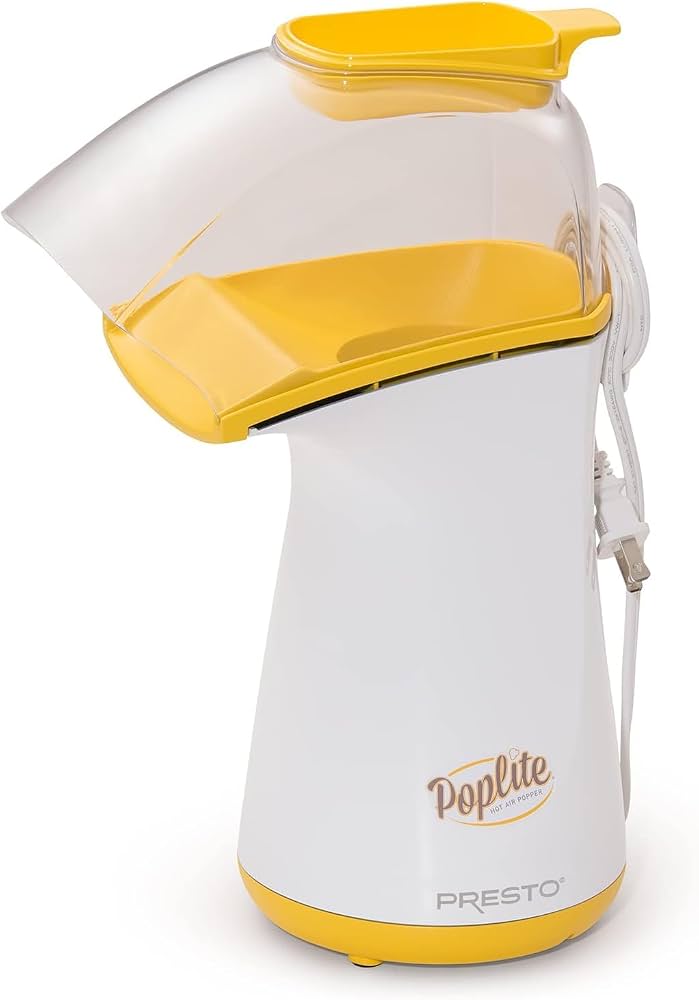
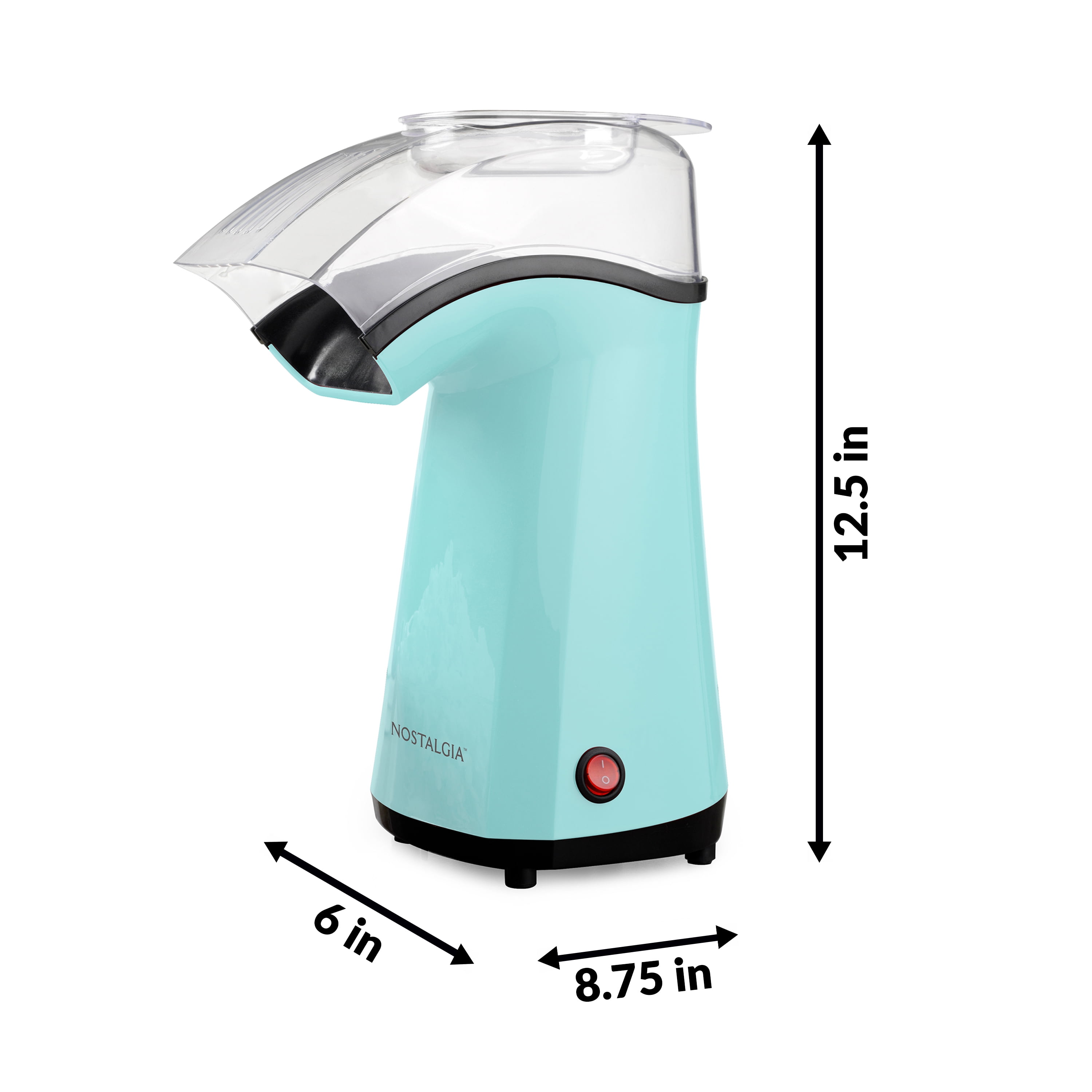
At its simplest, a popcorn maker is just a device that heats popcorn kernels until they pop. But the way that heat is delivered makes a huge difference. There are three main types: hot air poppers, oil/stir-crazy poppers, and stovetop manual poppers. Hot air poppers blow heated air through a chamber to pop the kernels, producing fluffy, light popcorn with no oil. They're the easiest to use—just drop in kernels, put a bowl under the chute, and turn it on. They're also low in calories, which appeals to many beginners, but they tend to be noisy and can sometimes blow unpopped kernels around.
Oil-based machines, especially the stir-crazy type, use a heating plate and a motorized arm to stir the kernels in a little oil. This gives popcorn that classic, rich movie-theater flavor and many people find the texture more satisfying. They are almost as easy as air poppers—just add kernels and a spoon of oil, push the button, and listen for the popping to slow down. The main downside is that you need to add oil and the bowl is usually not dishwasher safe, so cleanup can be a little more involved.
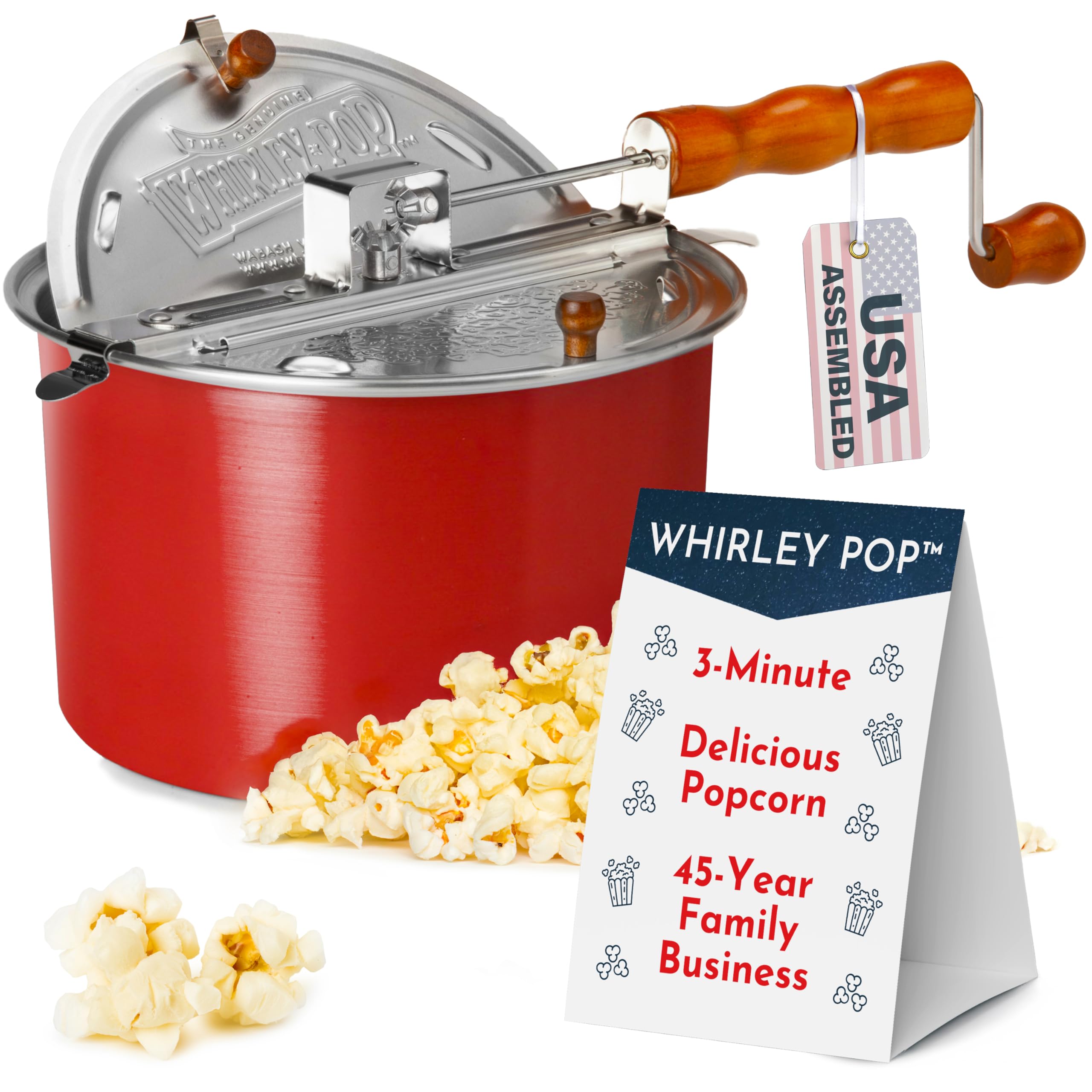
Stovetop poppers, like the classic Whirley Pop, require manual cranking and attention. You need to shake or stir constantly to prevent burning. While many popcorn lovers swear by them for flavor, they are not ideal for a complete beginner who wants a simple, hands-off experience. Save these for later once you've fallen in love with popcorn making.
For most beginners, the perfect first machine is either a reputable hot air popper or a stir-crazy oil popper. Both are affordable, easy to use, and forgiving. Your choice between the two comes down to whether you want a healthy, low-oil snack or a richer, buttery flavor. If you're unsure, a hot air popper is the safest and most foolproof starting point—you can always add melted butter on top later.
When evaluating options, ignore flashy labels like 'commercial-grade' or 'professional'. Instead, read the product description for details about wattage (higher usually means faster popping), capacity (how many quarts of popped popcorn it makes), and whether the cooking surface is nonstick. Check the customer Q&A section on Amazon: beginners often ask the same questions you have, and the answers can be very revealing about real-world ease of use and cleaning.
Finally, set realistic expectations. No popcorn maker pops every single kernel, and not every batch will be perfect. You'll occasionally get some 'old maids' (unpopped kernels) at the bottom. That's completely normal. Even the best machines have a 90–95% pop rate. Don't judge a popper by one slightly disappointing batch—try another popcorn kernel brand or adjust your measuring technique before giving up.