Review Atlas
Review AtlasYour guide to a better purchase

Menu

Shop by Category

Get the App

Better experience on mobile

Beginners GuideCooking

Is Best Cookbook for beginners Worth It? Honest Review (2026)

Everything beginners need to know to choose their first cookbook with confidence.

Starting your cooking journey is exciting, but with thousands of cookbooks on the market, choosing the right one can feel overwhelming. Many beginners worry about picking a book that's too complex, assumes prior knowledge, or simply doesn't suit their taste. This guide is designed to simplify the decision, helping you find a cookbook that matches your skill level, interests, and budget. Whether you want to master basic techniques or explore a specific cuisine, we'll walk you through what to look for and which titles stand out for beginners.

📋 In This Guide

  • • Why Beginners Struggle with Cookbook
  • • What to Look For (Key Features)
  • • Top 5 Beginner-Friendly Cookbook
  • • Essential Accessories for Beginners
  • • Common Beginner Mistakes to Avoid
  • • Your Progression Path
  • • FAQ & Learning Resources

😰 Why Beginners Struggle with Cookbook

Beginners often face a few common hurdles when selecting a cookbook. First, the jargon—terms like 'mise en place,' 'blanch,' or 'deglaze' can be intimidating. Second, many recipes assume a fully stocked pantry or specialized equipment, leaving new cooks frustrated. Third, there's an overwhelming abundance of options: from celebrity chefs to budget-friendly collections, it's hard to know which is trustworthy. Finally, fear of failure—burning a dish or wasting ingredients—can discourage experimentation. A good beginner cookbook addresses these concerns with clear instructions, minimal equipment, and forgiving recipes.

🔍 What to Look For: Key Beginner-Friendly Features

When choosing your first cookbook, prioritize clarity and encouragement. Look for:

  • Step-by-step instructions with photos or illustrations for key techniques.
  • Short ingredient lists and common pantry staples – no exotic items you'll never use again.
  • Tips for success and troubleshooting common pitfalls.
  • Beginner-friendly recipes like pasta, stir-fries, and simple roasted vegetables.
  • A focus on fundamentals: chopping, seasoning, and basic cooking methods.

Avoid cookbooks that assume prior knowledge, require expensive equipment, or focus heavily on advanced techniques like sous-vide or complex baking. The best beginner books make you feel capable, not overwhelmed.

✅ Essential Features for Beginners

  • Clear, step-by-step instructions with photos
  • Short ingredient lists using common supermarket items
  • Tips for avoiding common mistakes
  • Recipes that are forgiving (e.g., soups, stews, pasta sauces)
  • Basic technique tutorials (how to sear, boil, roast, etc.)
  • Minimal specialty equipment requirements
  • Encouraging tone that builds confidence

🏆 Top 5 Best Cookbook for Beginners

#1
⭐ Top Pick👍 Recommended

Joy of Cooking: 2024 Edition

Learning Curve: Easy

$28.99
Difficulty: 2/5
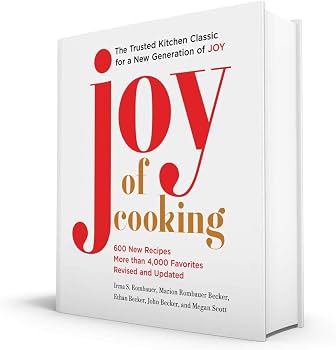
Joy of Cooking: 2024 Edition

Why Great for Beginners:

The 'Joy of Cooking' has been a trusted kitchen companion for generations. This edition updates classics while retaining the clear, step-by-step instructions that make it perfect for beginners. It covers everything from boiling an egg to hosting a dinner party.

Beginner Pros

  • +Comprehensive technique sections with illustrations
  • +Wide range of recipes, from simple to moderate
  • +Ingredients are everyday and easy to find
  • +Includes tips for substitutions and troubleshooting

Beginner Cons

  • -Large book – can be intimidating at first
  • -Some recipes assume basic knowledge (e.g., how to chop an onion)
👍 Best for: New cooks who want a single, all-purpose reference that grows with them.
👎 Not for: Those looking for a quick, minimal guide or specific cuisine focus.

#2
👍 Recommended

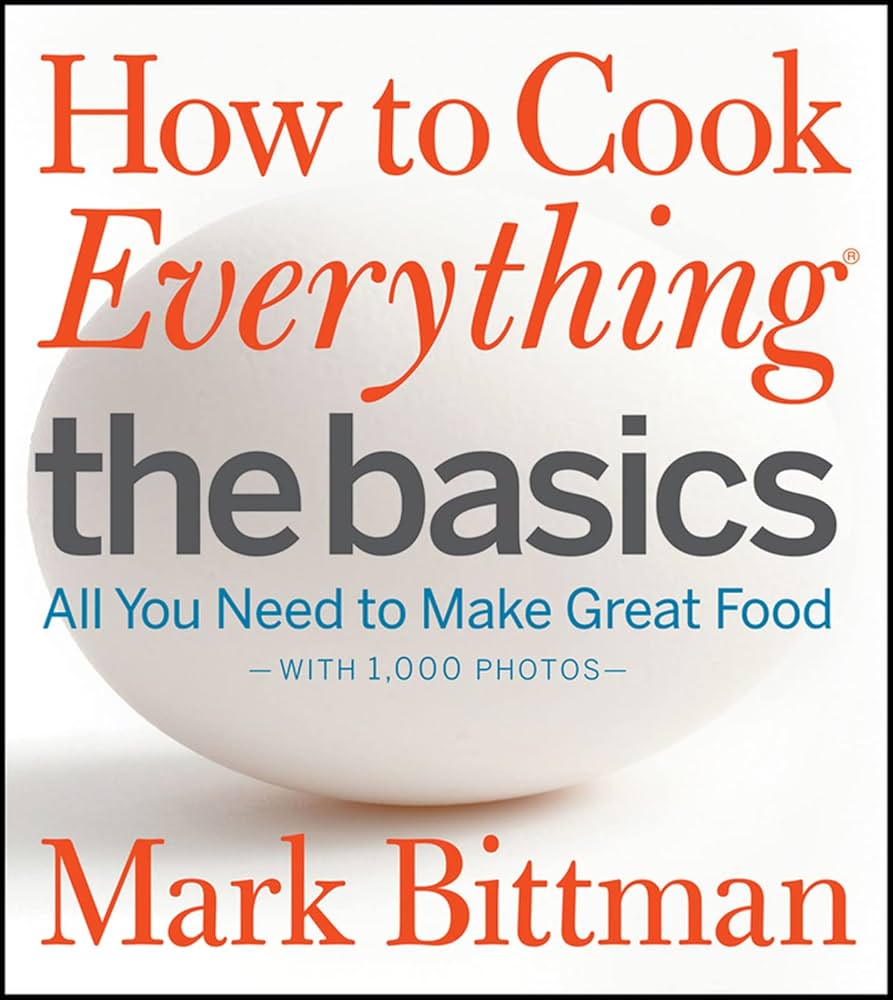
How to Cook Everything: The Basics

Learning Curve: Easy

$18.99
Difficulty: 1/5
How to Cook Everything: The Basics

Why Great for Beginners:

Mark Bittman's 'The Basics' is specifically designed for absolute beginners. It teaches fundamental techniques with clear photos and recipes that require minimal equipment. Every recipe includes a 'why this works' explanation.

Beginner Pros

  • +Very approachable tone – no jargon without explanation
  • +Photos of every step for key techniques
  • +Recipes use 10 ingredients or fewer
  • +Highly rated by beginners on Amazon

Beginner Cons

  • -Some older edition photos are not as glossy as modern cookbooks
  • -Focuses on basics – you may outgrow it quicker than a comprehensive book
👍 Best for: True beginners who have never cooked before and want hand-holding.
👎 Not for: Those who already have basic cooking skills and want more challenge.
#3
Alternative

The Complete Cooking for Two Cookbook: 650 Recipes

Learning Curve: Easy

$22.99
Difficulty: 2/5
The Complete Cooking for Two Cookbook: 650 Recipes

Why Great for Beginners:

This cookbook from America's Test Kitchen is perfect for beginners who cook for themselves or one other person. Portions are scaled down to avoid waste, and each recipe is rigorously tested to ensure success. The instructions are incredibly detailed.

Beginner Pros

  • +Smaller portions mean less pressure and less waste
  • +Tested recipes reduce risk of failure
  • +Detailed explanations of why steps matter

Beginner Cons

  • -Some recipes require more steps than simpler cookbooks
  • -Assumes you have basic tools like a microplane or kitchen shears
👍 Best for: Singles, couples, or anyone who wants to cook for two without leftovers.
👎 Not for: Those cooking for families or who prefer minimal instructions.
#4
✨ Premium

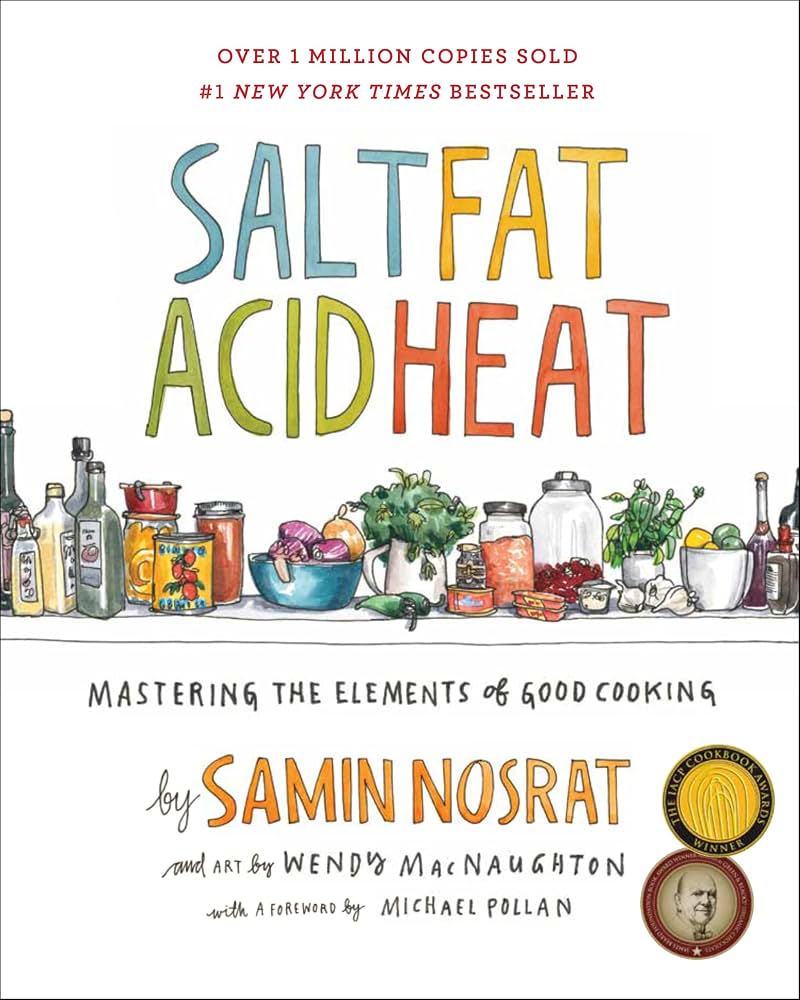
Salt, Fat, Acid, Heat: Mastering the Elements of Good Cooking

Learning Curve: Moderate

$29.99
Difficulty: 3/5
Salt, Fat, Acid, Heat: Mastering the Elements of Good Cooking

Why Great for Beginners:

While not a traditional recipe book, this elements-based approach teaches beginners to understand flavor and technique. It empowers you to improvise and fix mistakes – a huge confidence builder. The illustrations and infographics make concepts accessible.

Beginner Pros

  • +Teaches 'why' not just 'how', building deep understanding
  • +Beautiful layout and illustrations engage readers
  • +Encourages experimentation and tasting

Beginner Cons

  • -Not a comprehensive recipe collection; you'll need another book for daily meals
  • -Some concepts may be abstract for absolute beginners
👍 Best for: Beginners who are curious about the science of cooking and want to develop intuition.
👎 Not for: Those who want a straightforward recipe book with no extra theory.
#5
💰 Budget

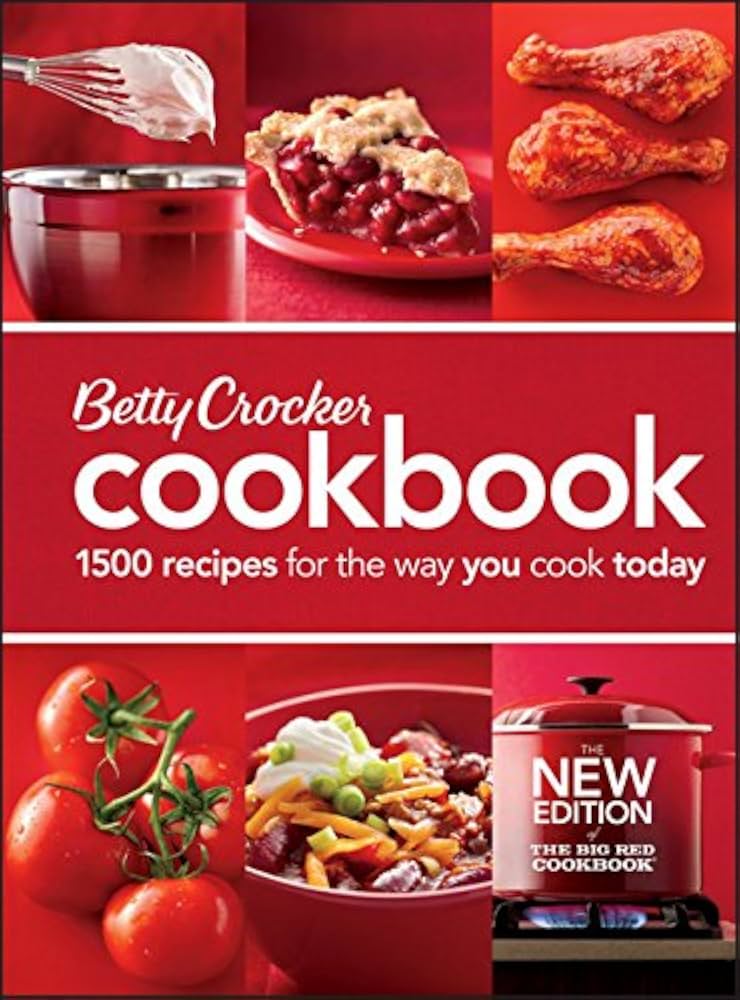
Betty Crocker Cookbook: 1500 Recipes for the Way You Cook Today

Learning Curve: Easy

$24.99
Difficulty: 1/5
Betty Crocker Cookbook: 1500 Recipes for the Way You Cook Today

Why Great for Beginners:

Betty Crocker has been a trusted name for decades. This cookbook is known for its reliable, straightforward recipes that are hard to mess up. It includes a wide variety of dishes, from classic casseroles to modern meals, all written in clear, simple language.

Beginner Pros

  • +Recipes are consistently easy to follow
  • +Includes many 'back of the box' classics (e.g., cheeseburger pie)
  • +Spiral binding lies flat for easy reading
  • +Very affordable for the number of recipes

Beginner Cons

  • -Some recipes use canned or processed ingredients (which some beginners may prefer fresh)
  • -Less emphasis on technique than other beginner books
👍 Best for: Budget-conscious beginners who want a huge array of no-fail recipes.
👎 Not for: Those looking for gourmet or health-focused recipes.

📖 Complete Beginner's Guide to Cookbook

A cookbook is more than a collection of recipes—it's a teacher. For beginners, the best cookbooks act as patient instructors, explaining not just 'what' to do but 'why' it works. Start with books that teach foundational skills: how to properly season food, how to tell when meat is cooked, or how to balance flavors. Many top-rated beginner cookbooks organize recipes by technique or difficulty, allowing you to progress naturally.

Categories of cookbooks: there are general all-purpose cookbooks (e.g., 'Joy of Cooking'), cuisine-specific (e.g., 'Italian Cooking for Beginners'), and method-focused (e.g., 'How to Cook Everything'). For a brand-new cook, a general cookbook often provides the most value because it covers a wide range of recipes and techniques. Alternatively, if you're passionate about a particular cuisine, a beginner-friendly ethnic cookbook can be more motivating.

Realistic expectations: your first few attempts may not be photo-perfect, and that's okay. A good beginner cookbook emphasizes progress over perfection. Look for books that encourage tasting and adjusting as you go, rather than demanding precision. Also, check customer reviews specifically from other beginners—they often reveal how approachable the book really is.

🔧 Essential Accessories for Beginners

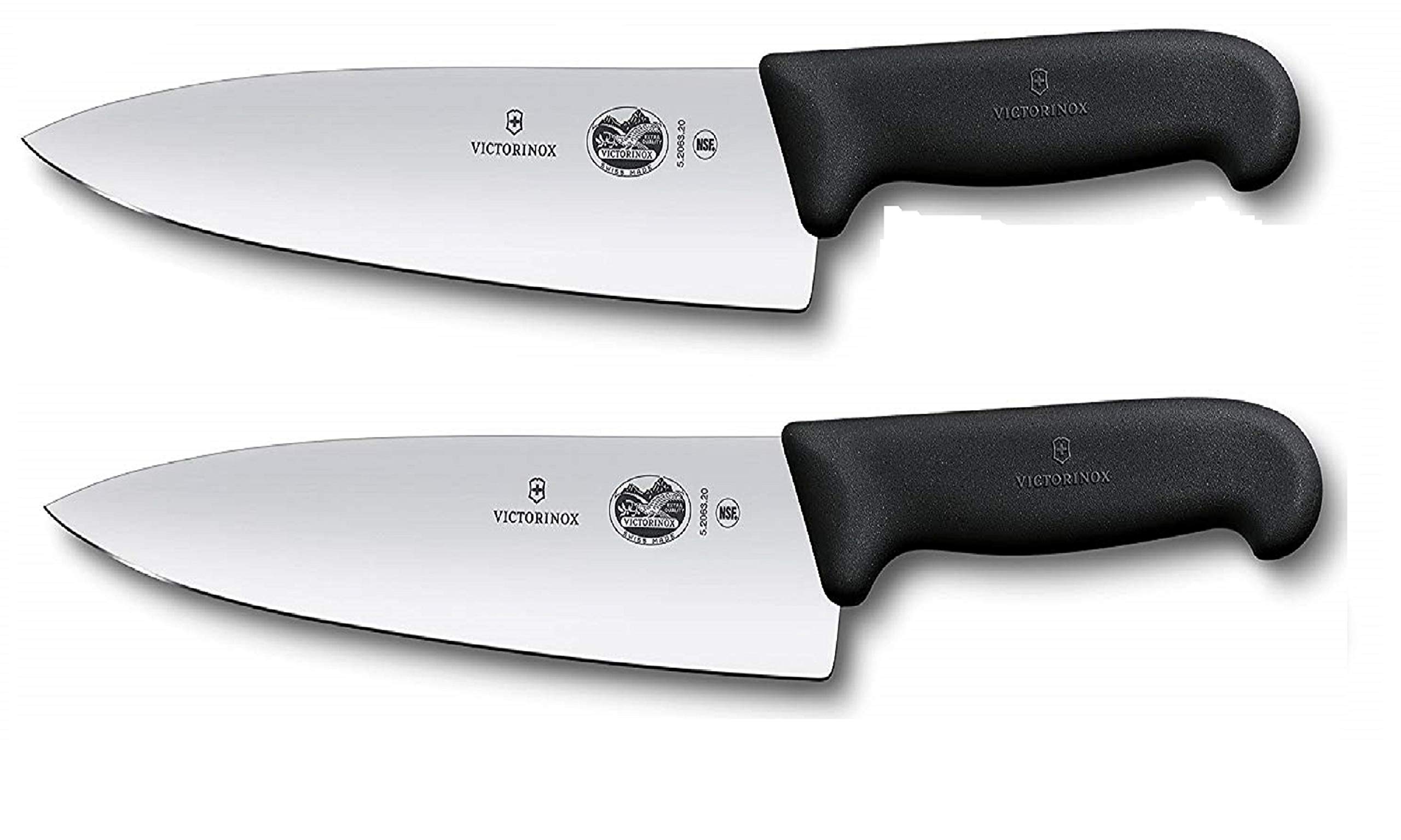
Chef's Knife, 8-Inch (Victorinox Fibrox Pro)

Chef's Knife, 8-Inch (Victorinox Fibrox Pro)

⚠️ Essential

$45.99

When to buy:
Day one

A good chef's knife makes prep faster, safer, and more enjoyable. The Victorinox Fibrox is lightweight, sharp out of the box, and easy to maintain – ideal for beginners learning basic cuts.

Beginner Benefits:

  • Comfortable, non-slip grip builds confidence
  • Sharp blade reduces effort and risk of slipping
  • Affordable price point for a quality knife
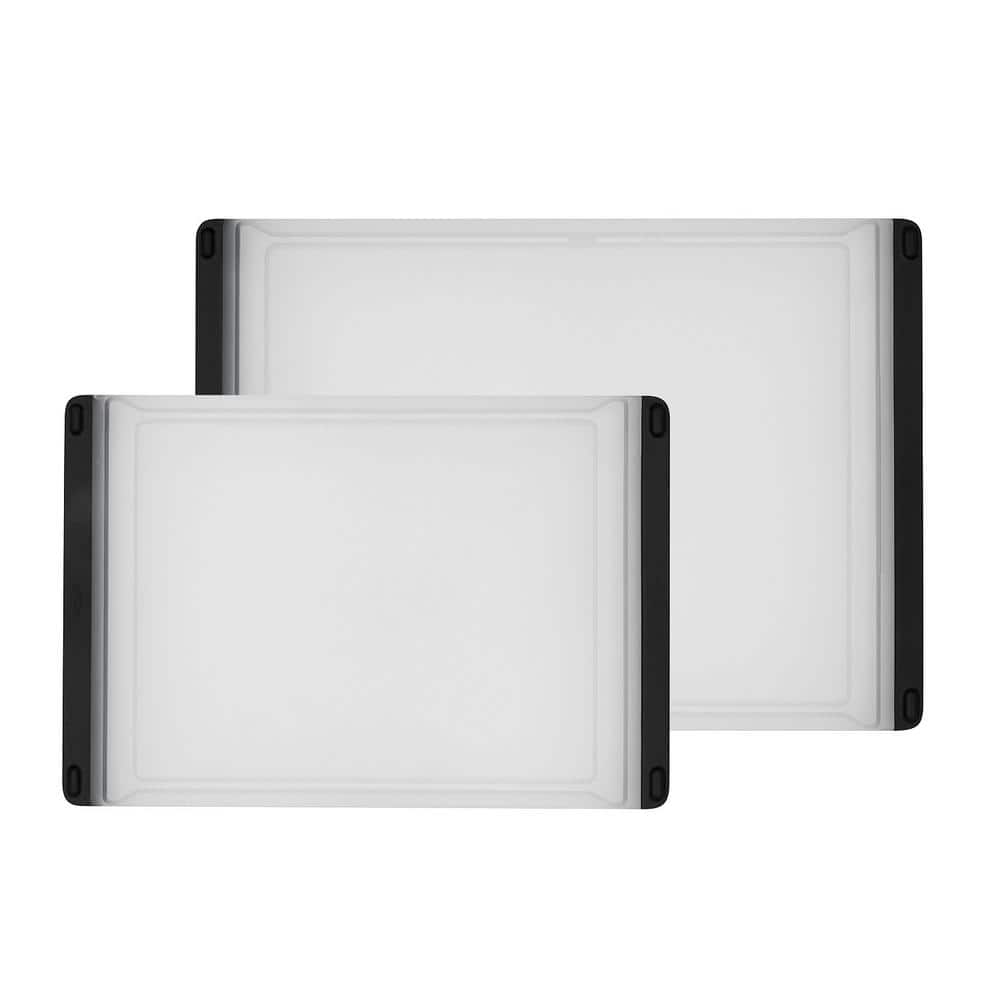
Cutting Board, Large Plastic (OXO Good Grips)

Cutting Board, Large Plastic (OXO Good Grips)

⚠️ Essential

$19.99

When to buy:
Day one

A sturdy, large cutting board provides a safe surface for chopping. The OXO board has non-slip edges and is dishwasher safe, making cleanup easy. It's gentle on knives and gives beginners a stable work area.

Beginner Benefits:

  • Non-slip edges keep board stable
  • Large surface prevents overcrowding
  • Easy to clean – reduces hygiene worries
Measuring Cups and Spoons Set (Stainless Steel, 10 Piece) - Image 1 of 7

Measuring Cups and Spoons Set (Stainless Steel, 10 Piece)

⚠️ Essential

$12.99

When to buy:
Day one

Accurate measurements are critical for beginner success, especially in baking. This durable set includes both cups and spoons with clear markings, helping new cooks follow recipes precisely.

Beginner Benefits:

  • Stainless steel is rust-resistant and easy to clean
  • Nested design saves space
  • Clear measurements reduce errors
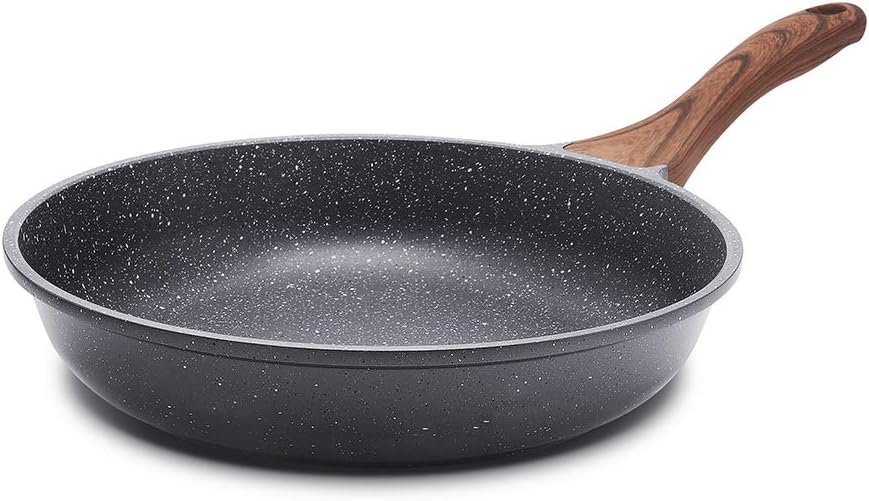
Nonstick Skillet, 10-Inch (T-fal Professional) - Image 1 of 8

Nonstick Skillet, 10-Inch (T-fal Professional)

👍 Recommended

$34.99

When to buy:
First month

A nonstick skillet is forgiving for beginners – eggs, pancakes, and fish won't stick, making cooking less stressful. The T-fal Pro has a heavy base for even heating and a comfortable handle.

Beginner Benefits:

  • Nonstick reduces fear of burning or sticking
  • Even heat distribution prevents hot spots
  • Easy to clean – just wipe or gentle wash
Instant-Read Thermometer (ThermoPro TP18) - Image 1 of 9

Instant-Read Thermometer (ThermoPro TP18)

👍 Recommended

$15.99

When to buy:
First month

A thermometer takes the guesswork out of cooking meat and poultry, ensuring safety and doneness. Beginners no longer have to worry about undercooked chicken or overcooked steak.

Beginner Benefits:

  • Removes uncertainty about doneness
  • Prevents food safety mistakes
  • Inexpensive troubleshooting tool

🤔 How to Choose Your First Cookbook

Ask yourself these key questions:

  1. What's my cooking goal? (Learn basics, cook healthy meals, impress friends?)
  2. What kind of food do I love to eat? (Pick a cuisine you'll actually want to cook)
  3. How much time can I spend? (Some books focus on 30-minute meals; others on weekend projects)
  4. What's my budget? (Cookbooks range from $10 to $40+; many excellent options under $20)
  5. Do I want extra guidance? (Some books include online video links or apps)

For most beginners, a $15–$25 cookbook with simple recipes and technique guides is the sweet spot. Avoid the trap of buying a $5 bargain bin book—they often lack important guidance. Also, don't be swayed by glossy photos alone; check the table of contents to see if recipes match your skill level.

💰 Budget Guide for Beginners

40+

Collector/coffee table – usually not necessary for beginners unless the content is exceptional.

15 - $25

Sweet spot – best value for most beginners, with clear instructions and solid recipe selection.

25 - $40

Premium beginner – often hardcover, more photos, and deeper technique coverage.

Under $ - $15

Entry level – good for a quick start, but may skimp on detailed guidance.

⚠️ Common Beginner Mistakes to Avoid

Common beginner mistakes include:

  1. Choosing a chef's cookbook that's too advanced – Celebrity chefs often assume you have basics down.
  2. Buying a specialty cookbook too soon – A bread-baking book isn't great if you don't know how to knead.
  3. Skipping the introductory sections – Most cookbooks have technique primers; read them.
  4. Not considering your kitchen equipment – Some recipes require blenders, stand mixers, or specialty pans.
  5. Ignoring reviews from other beginners – A cookbook loved by advanced cooks may frustrate a newbie.
  6. Buying multiple books at once – Start with one, master it, then expand.

To avoid these, read the first few recipes online (if available) to gauge difficulty, and stick to books specifically labeled 'for beginners' or 'for dummies' if you're truly new.

  • ×Choosing a cookbook by a celebrity chef without considering beginner-friendliness
  • ×Buying a specialty cookbook (e.g., bread, desserts) before mastering basics
  • ×Skipping the introductory technique sections
  • ×Overlooking required kitchen equipment and pantry staples
  • ×Not reading reviews from other beginners
  • ×Buying multiple cookbooks at once instead of focusing
  • ×Expecting perfect results on the first try

📈 Your Progression Path: Beginner to Intermediate

Start with a general beginner cookbook that teaches basics (e.g., knife skills, heat control, seasoning). After mastering 20–30 recipes, you'll feel comfortable adding a cuisine-specific or technique-focused book. Signs you've outgrown your beginner book: you start modifying recipes, cooking without measuring, or seeking more advanced techniques. At that point, consider books like 'Salt Fat Acid Heat' for understanding flavor principles, or 'The Food Lab' for science-based cooking. Most beginners stay with their first book for 6–12 months before craving more depth.

📚 Learning Resources for Beginners

  • 📖How to Cook Everything: The Basics by Mark Bittman – perfect first book
  • 📖Salt, Fat, Acid, Heat by Samin Nosrat – builds foundational understanding
  • 📖The Joy of Cooking (2024 edition) – comprehensive reference
  • 📖Betty Crocker Cookbook – reliable everyday recipes

🎯 Bottom Line: Our Recommendations

For most beginners, the best cookbook is one that builds confidence with clear instructions and forgiving recipes. Our top recommendation is 'Joy of Cooking' (2024 edition) for its comprehensive yet approachable coverage. Budget pick: 'The Beginner's Cookbook' series. Premium but worth it: 'Salt Fat Acid Heat' if you're ready to understand cooking concepts deeply. Pair your cookbook with a good chef's knife and a cutting board. Remember, every expert was once a beginner—enjoy the process!

❓ Frequently Asked Questions

The best cookbook for most beginners is 'How to Cook Everything: The Basics' by Mark Bittman. It teaches essential techniques with clear photos and simple recipes. For a single comprehensive book, the 'Joy of Cooking' is a classic that grows with you.
Beginners can find excellent cookbooks for $15–$25. Spending more than $40 is usually unnecessary for a first book, but premium books like 'Salt, Fat, Acid, Heat' ($30) offer deeper learning if you're curious about cooking principles.
Beginners need clear step-by-step instructions, ingredient lists with common items, photos of key techniques, and tips for success. Avoid books that assume prior knowledge or require exotic ingredients.
'How to Cook Everything: The Basics' is often considered the easiest because it includes photos for every step and uses simple language. 'Betty Crocker Cookbook' is also very straightforward.
Essential accessories: a chef's knife (8-inch), cutting board, measuring cups and spoons, nonstick skillet, and an instant-read thermometer. These cover most beginner recipes.
Consider your cooking goals, favorite cuisines, and budget. Look for books with 'beginner' in the title and check Amazon reviews from other beginners. Avoid celebrity chef books unless they have a dedicated beginner series.
Cooking can be intimidating, but with a good beginner cookbook, it becomes manageable. Start with simple recipes like pasta, stir-fries, and roasted vegetables. Practice builds confidence.
Common mistakes: choosing a book that's too advanced, skipping the technique sections, not reading the recipe all the way through before starting, and assuming you have all the ingredients/equipment. Take time to prep before cooking.

Related Articles