Is Best Coffee Maker for beginners Worth It? Honest Review (2026)
Everything beginners need to know to choose their first coffee maker with confidence.
Choosing your first coffee maker can feel overwhelming. With dozens of brands, types, and features, it's easy to get lost. But it doesn't have to be complicated. This guide is designed to help complete beginners cut through the noise, understand what really matters, and pick a coffee maker that suits your lifestyle and budget. Whether you want a simple drip machine or a versatile single-serve, we'll walk you through everything you need to know. By the end, you'll feel confident enough to make your first purchase and start brewing delicious coffee at home.
📋 In This Guide
• Why Beginners Struggle with Coffee Maker
• What to Look For (Key Features)
• Top 5 Beginner-Friendly Coffee Maker
• Essential Accessories for Beginners
• Common Beginner Mistakes to Avoid
• Your Progression Path
• FAQ & Learning Resources
😰 Why Beginners Struggle with Coffee Maker
Beginners often struggle because they don't know the difference between drip, single-serve, or espresso machines. Terms like 'thermal carafe', 'programmable timer', and 'burr grinder' can be confusing. Many fear buying a machine that's too complex or too cheap to make good coffee. The sheer number of options doesn't help—should you get a $30 Mr. Coffee or a $300 Breville? Without guidance, it's easy to pick a machine that doesn't match your actual needs, leading to disappointment and wasted money. Also, beginners may overlook essential accessories like filters or descaling solutions, thinking the machine alone is enough.
🔍 What to Look For: Key Beginner-Friendly Features
For beginners, the most important qualities are ease of use, forgiveness, and value. Look for a coffee maker that's straightforward to operate with minimal buttons and clear instructions. A programmable timer can be a nice convenience, but isn't necessary initially. Single-serve machines (like pod models) are extremely beginner-friendly because they automate the process. Drip machines with a simple on/off switch are also great. Avoid machines with built-in grinders, steam wands, or complex settings until you're ready. Also consider cleanup: machines with removable water reservoirs and dishwasher-safe parts are easier to maintain. Budget-wise, a sweet spot for beginners is between $50 and $150—enough to get reliable performance without breaking the bank.
✅ Essential Features for Beginners
•Simple operation – minimal buttons and clear controls.
•Automatic shut-off – safety and energy saving.
•Programmable timer – wake up to fresh coffee.
•Removable water reservoir – easy filling and cleaning.
•Pause-and-serve – pour a cup mid-brew without mess.
•Dishwasher-safe parts – easy cleanup.
•Permanent filter option – saves money on paper filters.
🏆 Top 5 Best Coffee Maker for Beginners
#1
💰 Budget
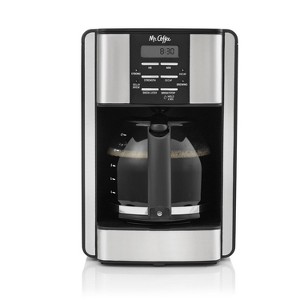
Mr. Coffee 12-Cup Programmable Coffeemaker
Learning Curve: Easy
$29.99
Difficulty: 1/5
Why Great for Beginners:
Simple button controls, programmable timer, and auto shut-off. Inexpensive and reliable for daily drip coffee. View on Amazon
✓ Beginner Pros
+Very affordable
+Easy to use with basic controls
+Auto shut-off for safety
+Pause-and-serve feature
✗ Beginner Cons
-Plastic carafe can be breakable
-No built-in water filter
-Not suitable for single cups
👍 Best for: Beginners on a tight budget who want a simple drip machine.
👎 Not for: Single cup drinkers or those who want premium build.
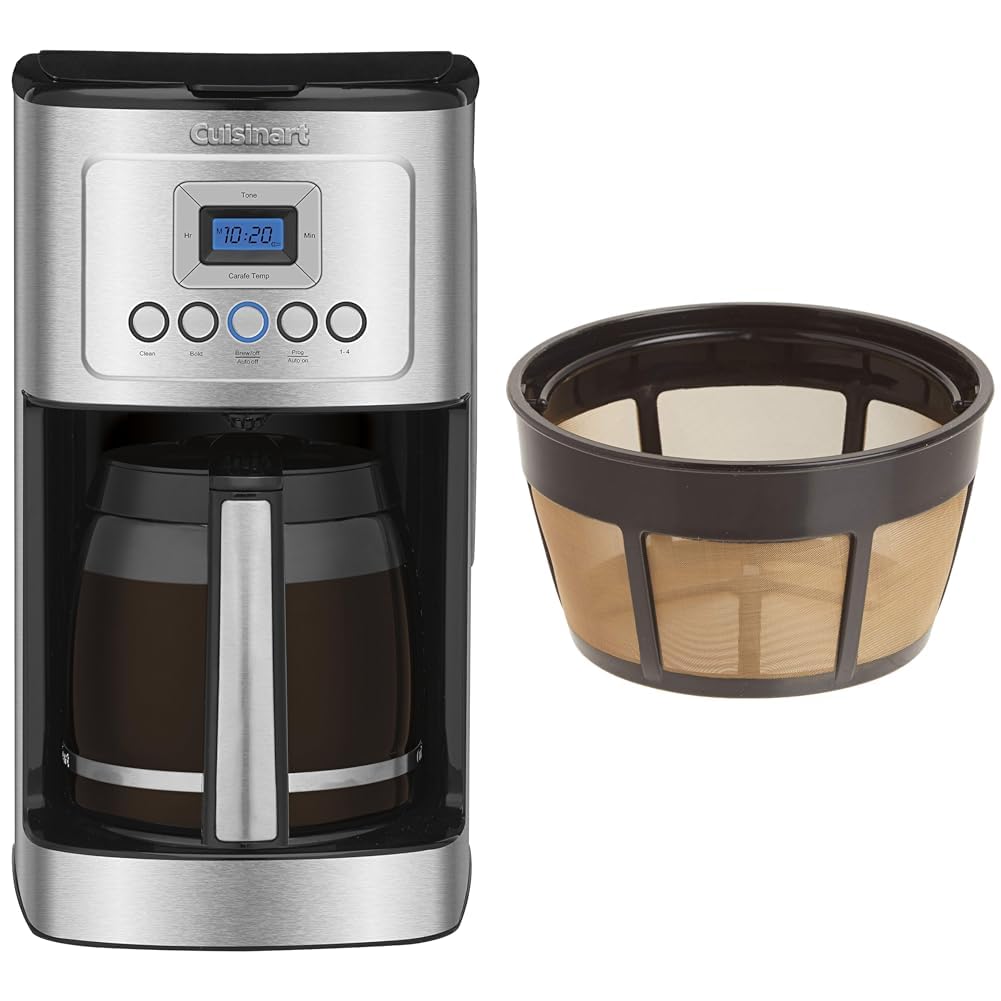
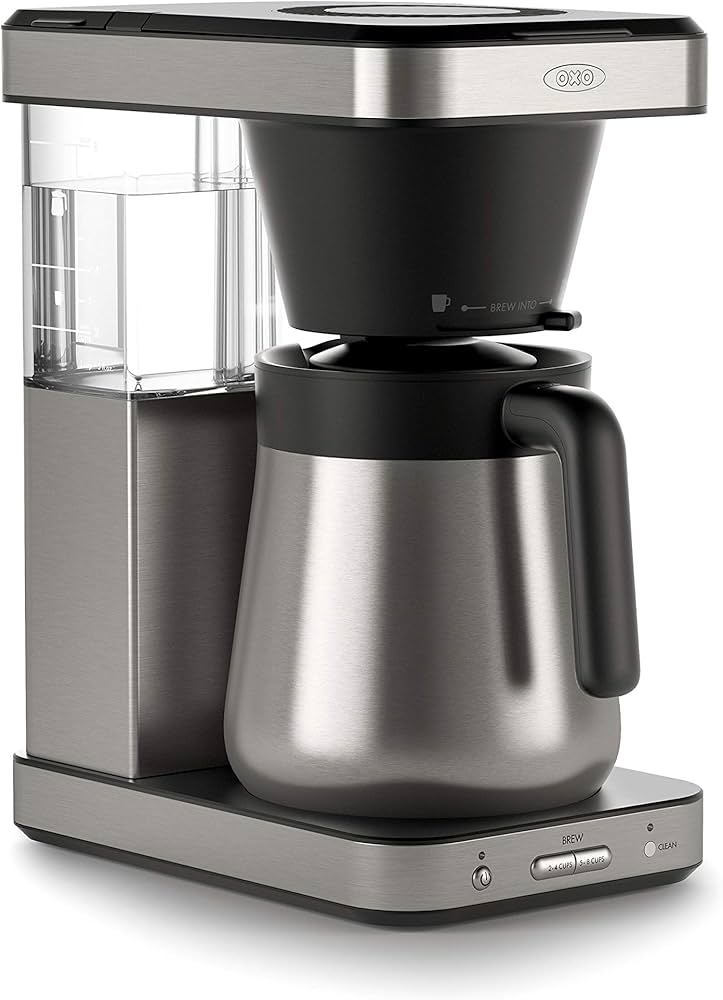
Premium build with six brew settings including Gold Cup standard. Thermal carafe keeps coffee hot without a heating plate. Great for serious beginners. View on Amazon
✓ Beginner Pros
+Multiple brew settings to learn
+Thermal carafe no burnt taste
+Flat basket filter for even extraction
+Includes reusable filter
✗ Beginner Cons
-Expensive for beginners
-More features may be overwhelming
-Bulkier footprint
👍 Best for: Beginners with a higher budget who want a machine that grows with them.
👎 Not for: Those on a tight budget or wanting simple one-button operation.
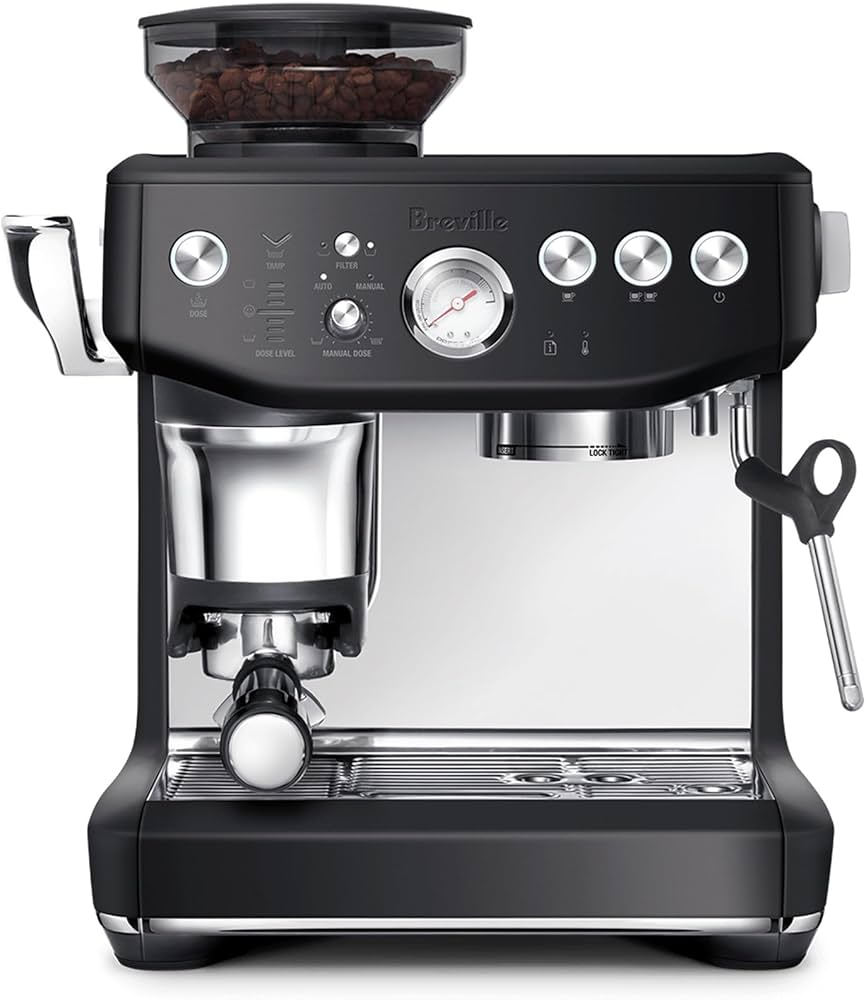
Offers both full carafe and single-serve options. Fold-Away Frother for lattes. Good versatility for beginners who might want specialty drinks. View on Amazon
✓ Beginner Pros
+Two brew sizes: full pot or single cup
+Built-in frother for milk drinks
+Permanent filter included
+Programmable delay brew
✗ Beginner Cons
-Frother adds complexity
-Single serve uses ground coffee, not pods
-Larger footprint
👍 Best for: Beginners who want the option to make both drip coffee and frothy lattes.
👎 Not for: Ultra-minimalists or those who only want drip.
Coffee makers fall into a few basic categories: drip coffee makers (traditional, brew a full pot), single-serve (pods like Keurig or Nespresso), and espresso machines (for concentrated coffee). For beginners, a drip coffee maker or a single-serve pod machine is usually the best choice. Drip machines are forgiving, allow you to control strength, and can make multiple cups. Single-serve machines are incredibly convenient—just insert a pod and press a button. Espresso machines have a steeper learning curve and require more technique, so they're better for later. When evaluating options, focus on capacity (how many cups you need), brew speed, and ease of cleaning. Don't get swayed by fancy features like multiple brew strengths or hot water dispensers—you can add those later. A good beginner coffee maker should consistently brew a decent cup of coffee with minimal effort.
🔧 Essential Accessories for Beginners
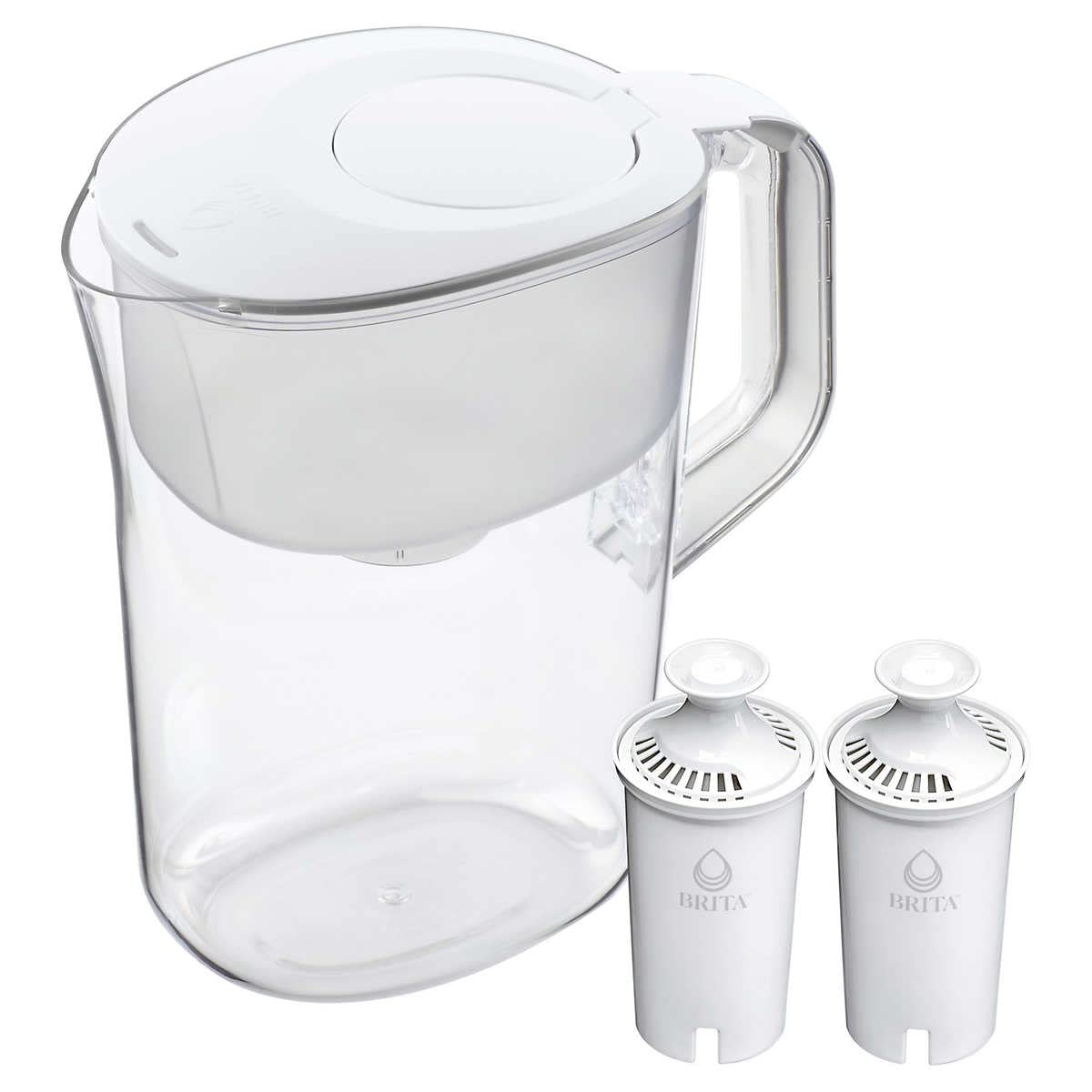
Brita 10-Cup Water Filter Pitcher
👍 Recommended
$24.99
When to buy:
Day one
Improves coffee taste by removing chlorine and impurities. Using filtered water makes a noticeable difference. View on Amazon
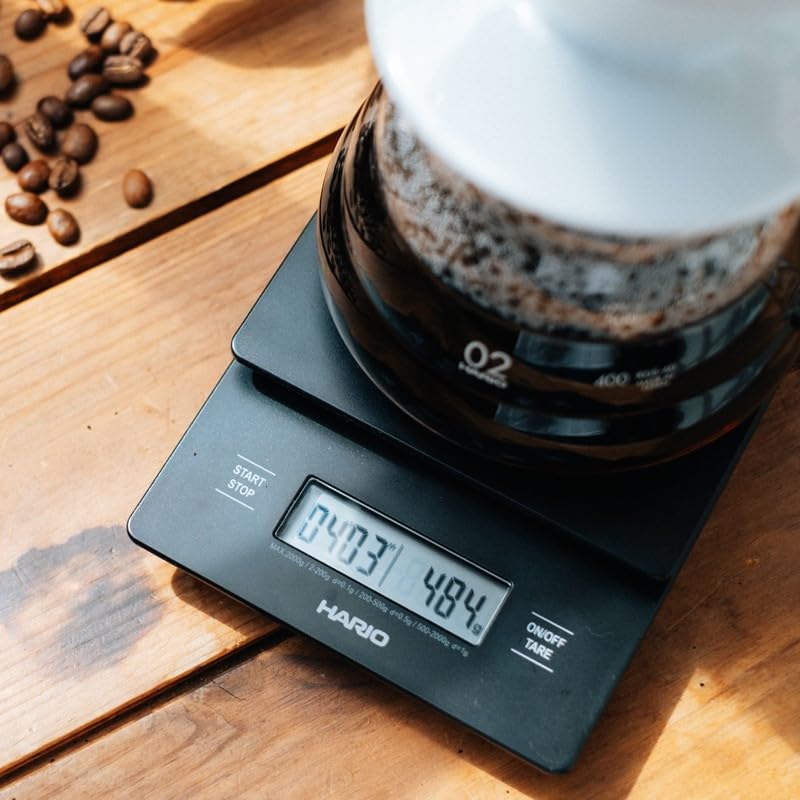
A scale helps achieve consistent coffee-to-water ratio by weight, which is more accurate than scoops. Great if you want to improve technique. View on Amazon
Start by asking yourself: How much coffee do I drink daily? Do I want one cup at a time or a full pot? What's my budget? If you're the only coffee drinker and want convenience, a single-serve machine like a Keurig is ideal. If you have a partner or roommates, a 12-cup drip machine is more practical. Set a realistic budget—under $50 is entry-level, $50-$150 is the sweet spot, $150-$300 gets you nicer build and features. Avoid the cheapest option as it may break quickly or produce weak coffee. Also consider where you'll put it—counter space matters. Finally, think about future upgrades: if you think you'll want to experiment with espresso later, consider a machine that's simple enough now but works with accessories. Red flags include machines with poor reviews about leaking or inconsistency.
💰 Budget Guide for Beginners
300+
Serious beginner: Includes high-end drip machines or entry-level espresso machines. For those who know they'll dive deep into coffee.
50 - $150
Sweet spot: Reliable performance, programmable options, and decent build. Perfect for most beginners.
151 - $300
Premium beginner: Higher build quality, more features like temperature control or built-in grinder. You won't outgrow quickly.
Under $ - $50
Entry level: Basic drip machines. Good for trying out, but may lack features and durability.
⚠️ Common Beginner Mistakes to Avoid
Beginners often buy too cheap and get a machine that under-extracts or leaks. Others buy too expensive, like a high-end espresso machine, and get frustrated with the learning curve. Many skip essential accessories like water filters or descaling solution, leading to scale buildup and bad taste. Some ignore cleaning instructions and wonder why their coffee tastes bitter. Another mistake is not considering cup size—buying a single-serve machine when they need to brew for guests, or a 12-cup when they only drink one cup. Also, beginners often overlook the importance of good coffee beans; even a great machine won't fix stale grounds.
×Buying a cheap machine that breaks after a few months.
×Buying a complex espresso machine thinking it's easy.
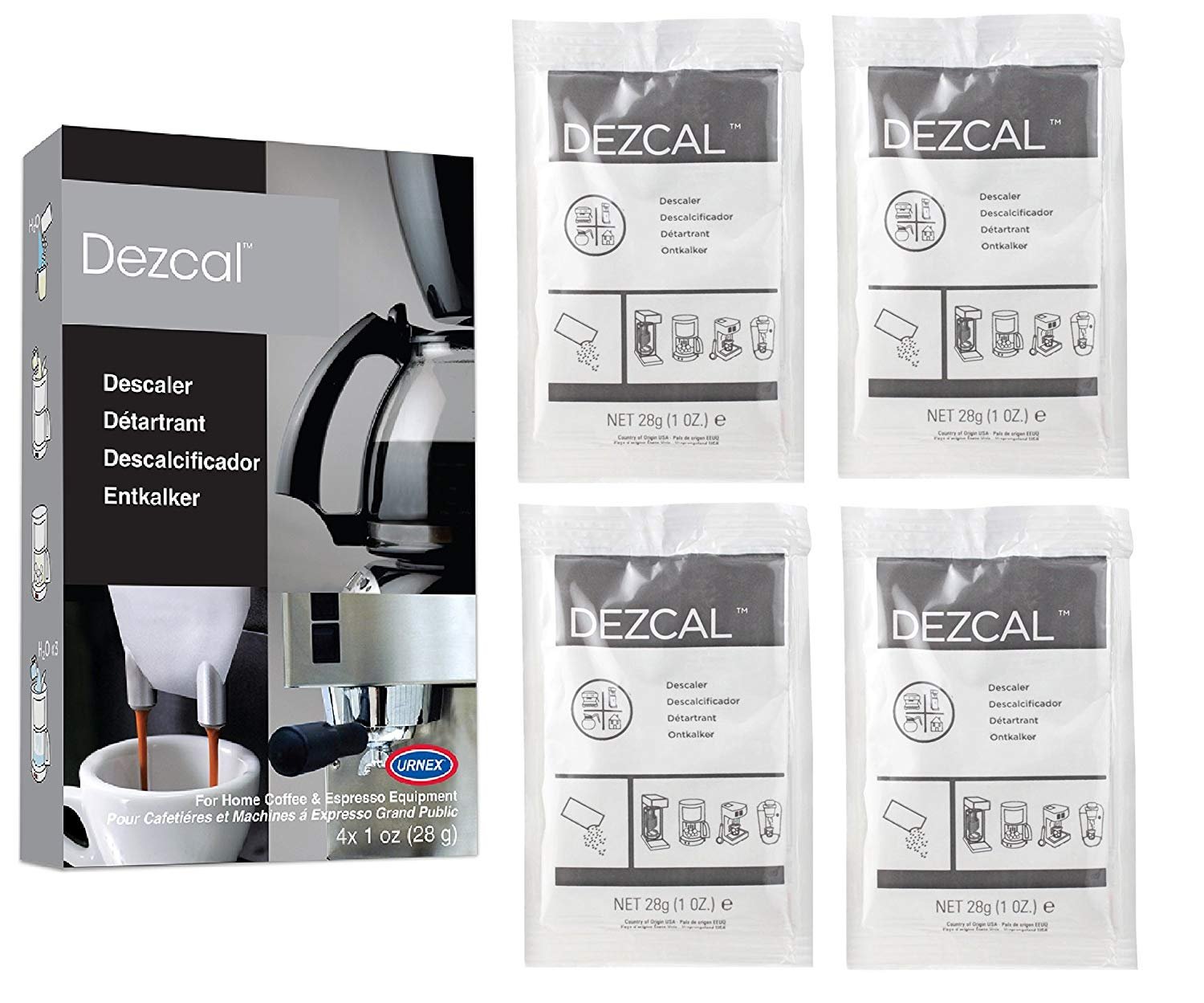
×Forgetting to buy filters or descaling solution.
×Not cleaning the machine regularly.
×Choosing a machine that takes too much counter space.
×Ignoring water quality – using tap water without filtering.
×Overlooking the importance of fresh coffee beans.
📈 Your Progression Path: Beginner to Intermediate
Start with a simple drip or pod machine. Learn to measure coffee properly, use the right grind size (pre-ground is fine), and clean the machine regularly. After a few months, you can experiment with different roast levels or reusable pods. Once you're comfortable, consider upgrading to a machine with a built-in grinder or a programmable timer. If you want to explore espresso, start with a manual espresso maker like the Aeropress or a stovetop moka pot before investing in a full espresso machine. Typical beginners stay at the simple level for 6-12 months before feeling the itch to upgrade. Signs you're ready: you can consistently brew a great cup, you want more control over strength or temperature, and you're willing to learn new techniques.
📚 Learning Resources for Beginners
📖Book: 'The World Atlas of Coffee' by James Hoffmann
📖Book: 'Coffee Obsession' by Anette Moldvaer
📖Online course: Udemy – 'Coffee Making for Beginners'
📖Accessory: A digital kitchen scale for consistent brewing
📖Accessory: A gooseneck kettle for pour-over (if interested in manual methods)
🎯 Bottom Line: Our Recommendations
For most beginners, the [Best overall pick] is a mid-range drip coffee maker like the Cuisinart DCC-3200 (around $80) or a single-serve like the Keurig K-Classic (around $100). The best budget pick is the Mr. Coffee 12-Cup Programmable ($30), and the best premium beginner option is the Breville Precision Brewer ($200) which offers room to grow. Don't forget essential accessories: a coffee grinder (if using whole beans), a water filter, and descaling solution. With the right machine and a little practice, you'll be enjoying great coffee at home in no time. Next step: pick a machine from our featured products list and get brewing!
❓ Frequently Asked Questions
For most beginners, a simple drip coffee maker like the Cuisinart DCC-3200 or a single-serve pod machine like the Keurig K-Classic is ideal. They are easy to use, forgiving, and affordable. If you want more control, the Breville Precision Brewer is a premium option that still remains accessible.
A budget of $50–$150 is the sweet spot. You can get a reliable, user-friendly machine with features like a programmable timer and auto shut-off. Under $50 often sacrifices durability; over $150 may have features you don't yet need.
Essential features: simple controls, auto shut-off, programmable timer (nice but not required), removable water reservoir, and pause-and-serve. Avoid complex espresso machines or built-in grinders initially.
The Keurig K-Classic or any single-serve pod machine is the easiest—just insert a pod and press a button. Drip machines like the Mr. Coffee 12-Cup are also very straightforward.
Essential: water filter pitcher and descaling solution. Highly recommended: a coffee scoop for consistent measuring. Optional but nice: a reusable pod (for pod machines) and a grinder if using whole beans.
Assess how many cups you need per day, your counter space, and budget. If you drink one cup and want speed, go single-serve. If you brew for multiple people, get a drip machine. Read reviews focusing on ease of use and reliability.
Not at all. Most basic coffee makers are designed to be intuitive. You just add water and coffee grounds (or a pod) and press start. Manual machines like espresso or pour-over have a learning curve, but drip and pod machines are very easy.
Common mistakes: buying too cheap, ignoring water quality, not cleaning/descaling, using stale coffee, and buying a machine that doesn't fit their daily routine (e.g., a 12-cup machine for a single drinker).
Not recommended. Built-in grinders add complexity, cost, and cleaning. Start with pre-ground coffee; if you want to use whole beans later, buy a separate burr grinder.
Pod machines (Keurig, Nespresso) are simpler and faster, but pods are more expensive and less eco-friendly. Drip machines offer more flexibility and lower cost per cup. Choose pods if convenience is your top priority; choose drip if you want to experiment with different beans.
Clean the carafe and filter basket after each use. Descale every 1-3 months depending on water hardness. Refer to your machine's manual for specific instructions.
Yes, but filtered water improves taste and reduces scale buildup. If your tap water is hard, a water filter pitcher is highly recommended.