Is Best Circular Saw for beginners Worth It? Honest Review (2026)
Everything beginners need to know to choose their first Circular Saw with confidence
Choosing your first circular saw can feel overwhelming. With dozens of models, confusing specs, and a wide price range, it's easy to worry about making the wrong choice. But don't worry—this guide is designed to simplify everything. We'll break down what features actually matter for beginners, recommend the best saws at every budget, and help you avoid common mistakes. By the end, you'll know exactly what to look for and which saw to buy.
📋 In This Guide
• Why Beginners Struggle with Circular Saw
• What to Look For (Key Features)
• Top 4 Beginner-Friendly Circular Saw
• Essential Accessories for Beginners
• Common Beginner Mistakes to Avoid
• Your Progression Path
• FAQ & Learning Resources
😰 Why Beginners Struggle with Circular Saw
Beginners often struggle with technical jargon like 'arbor size', 'worm drive', or 'bevel capacity'. Many also fear buying a saw that's too advanced or cheaply made, leading to frustration or poor cuts. The sheer number of options—corded vs. cordless, blade size, motor power—can paralyze decision-making. Plus, beginners don't know which features are essential and which are just marketing fluff. This guide cuts through the noise and focuses on what truly helps a newcomer succeed.
🔍 What to Look For: Key Beginner-Friendly Features
For a beginner, the most important features are ease of use, safety, and versatility. Look for a saw with a powerful enough motor (at least 10-15 amps for corded, or 18-20V for cordless) to handle common cuts. A lightweight design (under 10 lbs) reduces fatigue. An adjustable base plate and bevel function (0-45°) allow for different cuts. A safety guard that retracts smoothly and a blade brake are crucial. Beginners also benefit from features like a built-in dust blower or laser guide to improve cut accuracy. Avoid overly complex saws with multiple speed settings or heavy-duty worm drives—stick with a simple sidewinder style.
✅ Essential Features for Beginners
•Lightweight design (under 10 lbs) for easy handling
•Adjustable base plate for depth control
•Bevel capacity (0-45°) for angled cuts
•Built-in blade brake for safety
•Dust blower or laser guide for accuracy
•Easy blade change with spindle lock
•Ergonomic handle with soft grip
🏆 Top 4 Best Circular Saw for Beginners
#1
💰 Budget
SKIL 5280-01 15-Amp 7-1/4-Inch Circular Saw
Learning Curve: Easy
$39.99
Difficulty: 1/5
Why Great for Beginners:
Affordable, reliable, and simple to use. The single-beam laser guide helps beginners align cuts easily. Lightweight at 10 lbs.
✓ Beginner Pros
+Very affordable
+Laser guide included
+Replaceable motor brushes extend life
+Easy to see cut line
✗ Beginner Cons
-Stock blade is basic (upgrade recommended)
-No dust blower (line gets covered)
-Bevel adjustment is not as smooth as premium saws
👍 Best for: Beginners on a tight budget or those who need a saw for occasional projects
👎 Not for: Those planning heavy daily use or needing precise bevel cuts
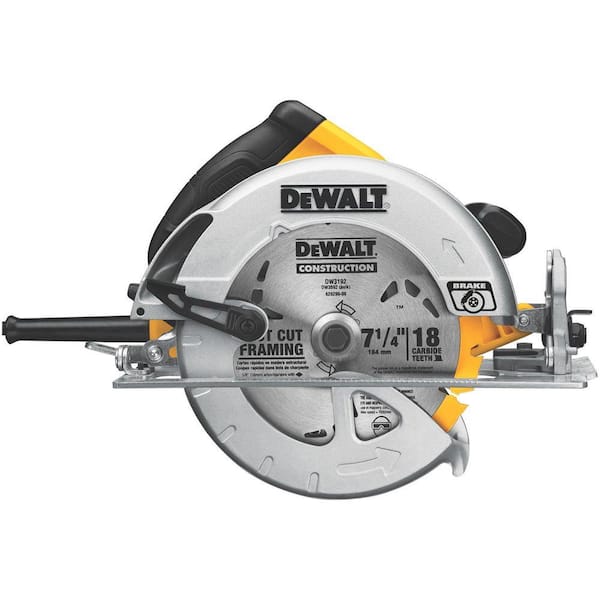
Excellent balance of power, weight, and features. The 15-amp motor handles tough cuts, while the 8.8 lb weight reduces fatigue. The built-in dust blower keeps the cut line visible.
✓ Beginner Pros
+Lightweight yet powerful
+Dust blower for clear line of sight
+Large 2-inch cut capacity at 90°
+Adjustable bevel with positive stops at 45° and 0°
✗ Beginner Cons
-No laser guide (but dust blower helps)
-Blade change requires allen wrench (included)
-Stock blade is decent but not great
👍 Best for: Most beginners seeking a high-quality saw without professional price tag
👎 Not for: Those who want cordless or a laser guide built-in
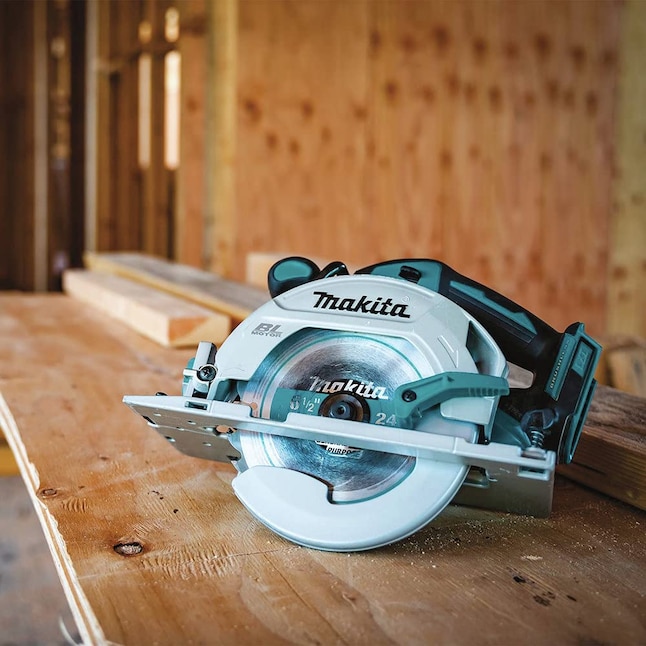
Cordless convenience with brushless motor for longer runtime. The 6-1/2-inch blade is lighter and easier to control, ideal for beginners who prefer mobility. Excellent build quality.
✓ Beginner Pros
+Cordless freedom
+Lightweight (7.6 lbs with battery)
+Brushless motor for efficiency and durability
+Electric brake for safety
✗ Beginner Cons
-Requires separate purchase of battery and charger (adds cost)
-6-1/2-inch blade cannot cut 2x lumber at 45° bevel (max depth 2-1/8" at 90°)
-Smaller blade limits applications
👍 Best for: Beginners who value portability and plan to work without power cords
👎 Not for: Those needing to cut thick lumber or want a larger blade
An ultra-budget option that still cuts. It's lightweight (8.2 lbs) and has a simple design. Good for absolute beginners on a shoestring budget who want to try before investing more.
✓ Beginner Pros
+Extremely affordable
+Lightweight
+Includes laser guide
+Carrying case
✗ Beginner Cons
-Less durable motor (7.5 amp vs 15 amp standard)
-Plastic base plate can flex, affecting accuracy
-Not as powerful for hardwoods
👍 Best for: Beginners with very limited budget or occasional light use
👎 Not for: Those planning frequent projects or cutting hardwood
A circular saw is a power tool with a toothed blade that spins rapidly to cut through wood, plywood, and other materials. The most common type for beginners is the 'sidewinder' (or inline) saw, where the motor is mounted on the side. These are lighter, less expensive, and easier to handle than worm-drive saws (which are heavier and more powerful but designed for professionals). Blade size is typically 7-1/4 inches, which can cut through 2x4 lumber at a 90-degree angle. Corded saws offer unlimited run time and consistent power, while cordless models provide portability but require battery investment. For beginners, a corded 7-1/4-inch sidewinder is the easiest, most forgiving choice. Expect to practice on scrap wood first—accuracy comes with time. Don't be intimidated by the noise or kickback; with proper technique and safety gear, you'll quickly gain confidence.
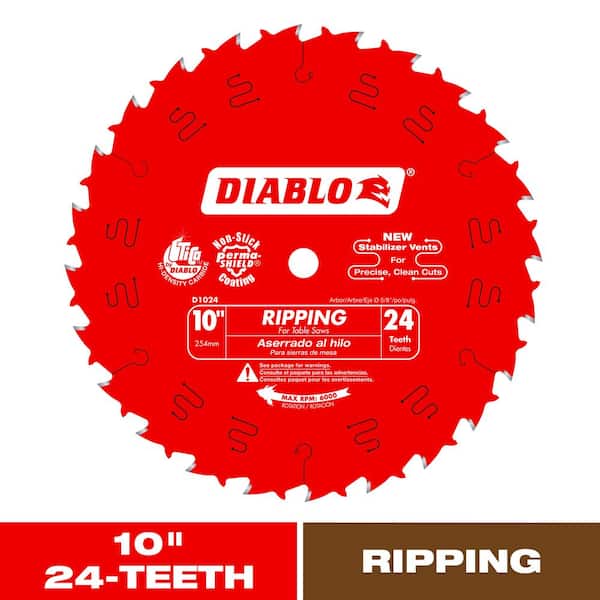
The stock blade included with most saws is low quality and dulls quickly. A Diablo blade cuts smoother and stays sharp longer, making learning easier and safer.
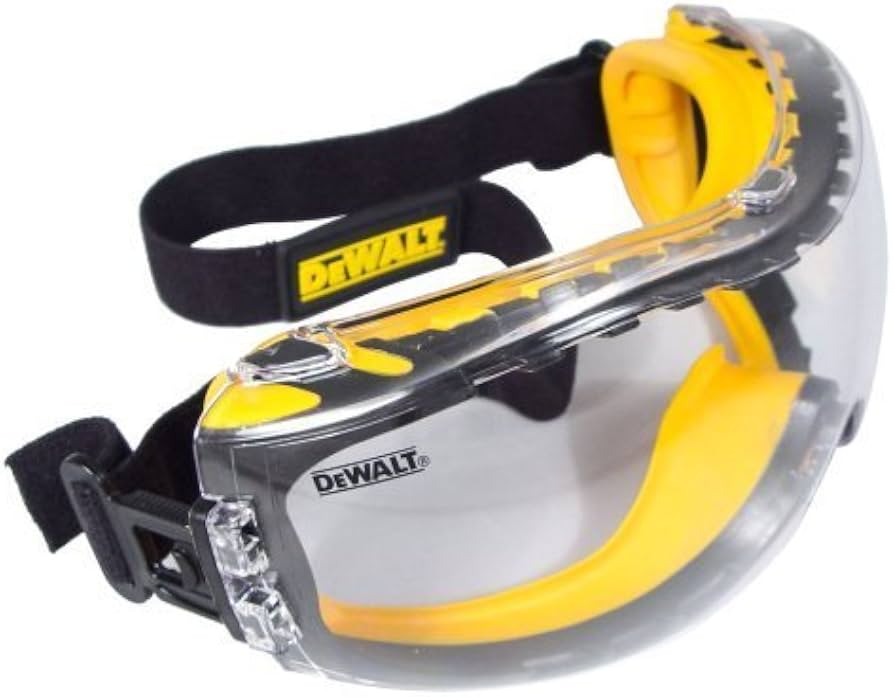
Safety glasses are non-negotiable. Sawdust and debris can fly up; protecting your eyes is critical. These are comfortable and fit over prescription glasses.
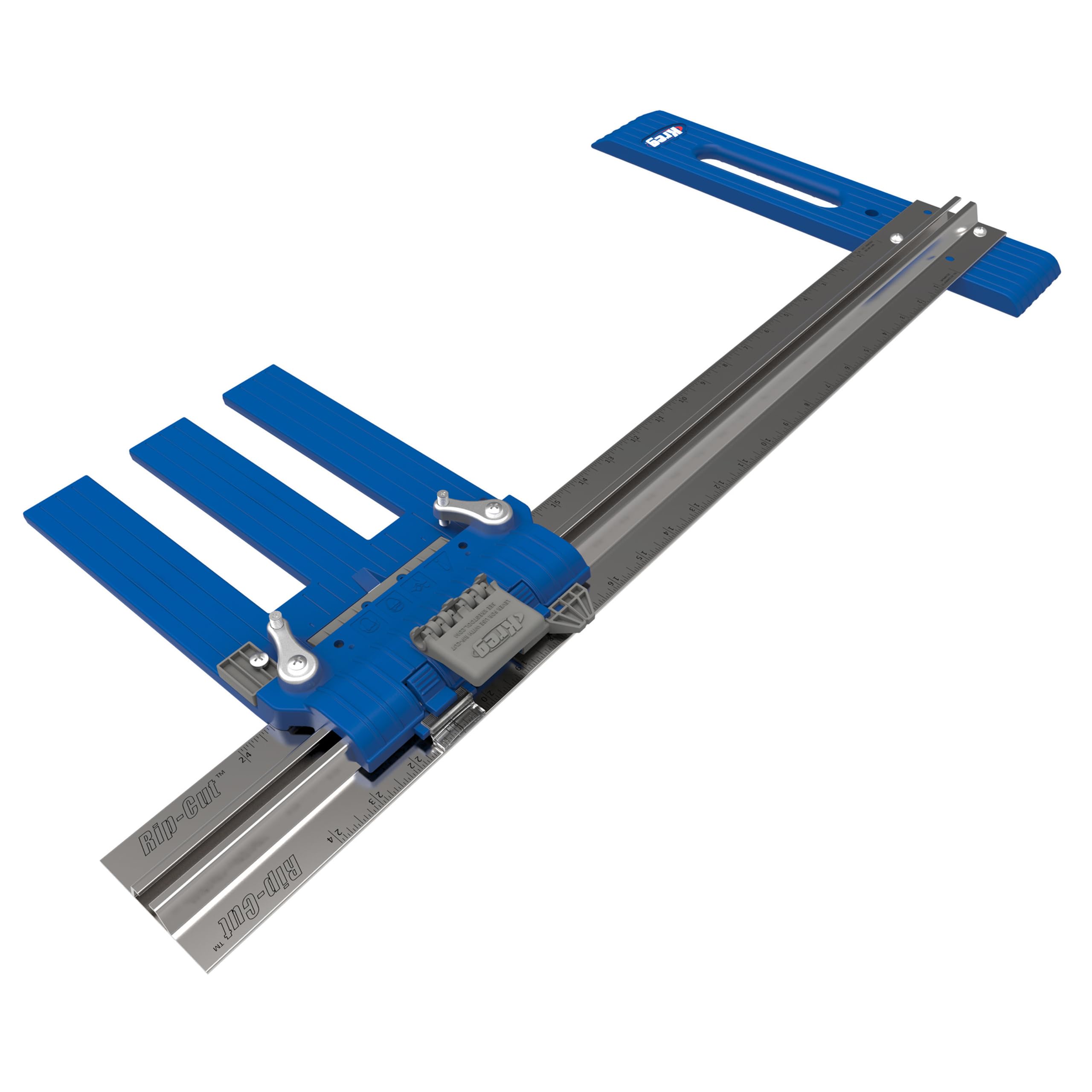
A guide ensures perfectly straight cuts along the length of plywood. Beginners often struggle cutting a straight line freehand; this tool removes the guesswork.
Start by asking: What will I cut most often? For basic home projects like shelves or furniture, a 7-1/4-inch saw is ideal. If you plan to cut only thin material, a 6-1/2-inch saw is lighter. Next, decide between corded and cordless: corded is cheaper and more powerful; cordless offers freedom of movement but costs more for batteries. Set a budget: under $60 gets a basic saw, $60-$120 offers good quality with features like laser guides, and $120+ provides premium durability and precision. Avoid the cheapest no-name brands—they often have poor alignment and flimsy guards. Also avoid buying a saw with too many features if you won't use them. Finally, consider availability of replacement blades and accessories on Amazon.
💰 Budget Guide for Beginners
200+
Professional entry: advanced features like brushless motors, track compatibility, and superior ergonomics. For serious beginners with higher budgets.
60 - $120
Sweet spot: best value for most beginners. Offers good power, adjustable settings, and basic features like laser guide.
120 - $200
Premium beginner: excellent build quality, smoother cuts, and often lighter weight. Great if you plan to use it frequently.
Under $ - $60
Entry level: suitable for light occasional use, but may lack precision and durability. Best for tight budgets.
⚠️ Common Beginner Mistakes to Avoid
Buying too cheap a saw that binds or cuts inaccurately, leading to frustration. Buying too expensive a saw with professional features you don't need yet. Skipping essential accessories like a good blade or safety glasses. Not learning proper cutting technique—forcing the saw or using dull blades. Ignoring blade quality: the included blade is often basic; upgrade for cleaner cuts. Choosing a cordless saw without extra batteries (run out mid-cut). Not using a straightedge for long cuts. Forgetting to check arbor size when buying blades.
×Buying the cheapest saw available
×Not upgrading the stock blade
×Force-feeding the saw instead of letting it cut
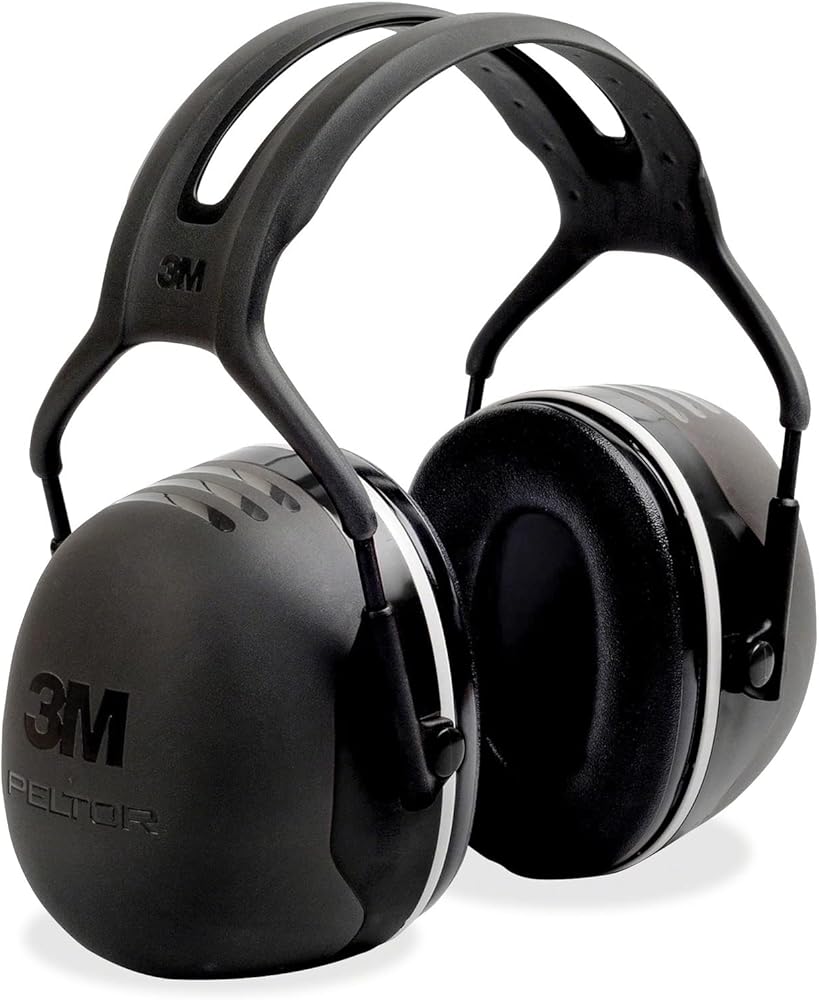
×Skipping safety glasses and ear protection
×Choosing cordless without extra batteries
×Not using a straightedge for long cuts
×Ignoring blade sharpness (dull blades are dangerous)
📈 Your Progression Path: Beginner to Intermediate
Start by learning basic crosscuts and rip cuts on 2x4s. Practice bevel cuts (45°). Once comfortable, try cutting plywood with a guide. After a few months, you'll notice improvement in cut accuracy and speed. Signs you've outgrown a beginner saw include: need for deeper cuts (wider blade), desire for smoother finishes (better blade or saw), or tackling hardwood regularly. Upgrade to a saw with more power, better ergonomics, or a track system. Most beginners stay with their first saw for 1-2 years before upgrading.
📚 Learning Resources for Beginners
📖Steve Ramsey's 'The Weekend Woodworker' Course (available on Amazon as DVD): B07J5L5H3K
📖Book 'The Complete Guide to Woodworking' by Editors of Creative Publishing: B00H7Z5T6Y
📖Book 'Woodworking 101: Skill-Building Projects' by Aime Onojafe: B07K6L5L3X
📖Practice Packs of Pine Boards (e.g., 2x4x8 lumber from Home Depot via Amazon): B00FV3R3L2
📖Digital angle gauge for setting bevels: B00XK8L1H9 (Wixley Digital Angle Gauge)
🎯 Bottom Line: Our Recommendations
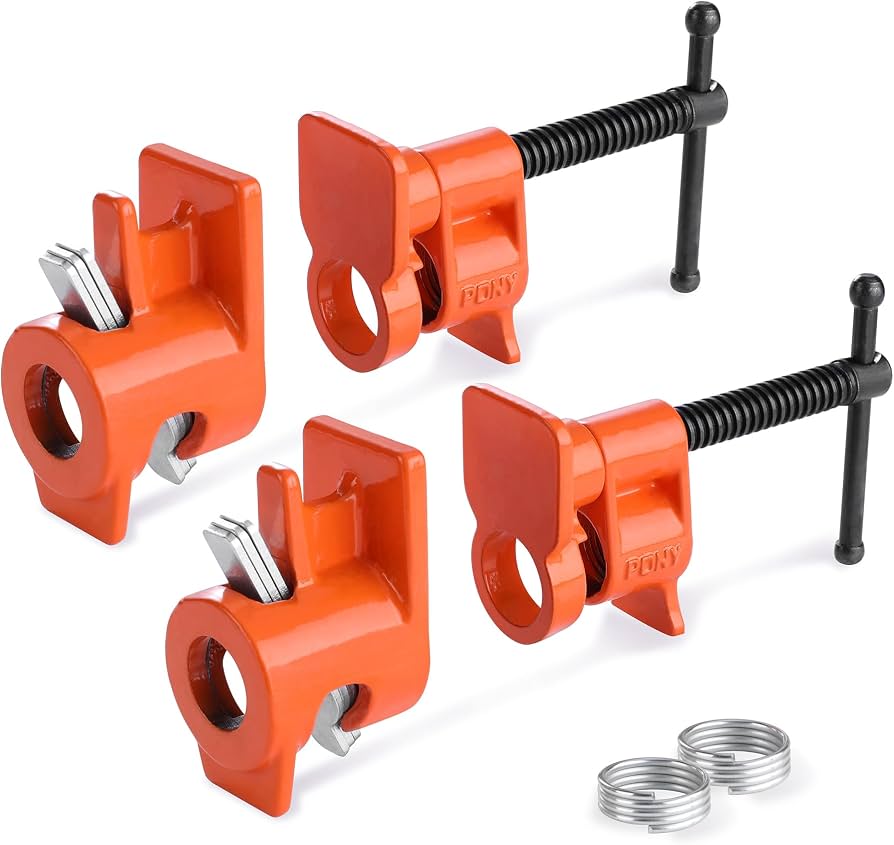
For most beginners, the best all-around pick is the DEWALT DWE575SB—lightweight, powerful, and easy to use. If budget is tight, the SKIL 5280-01 is a great value. For those wanting premium quality without a cord, the Makita XSH03Z (with battery purchase) is excellent. Essential accessories are a good combination blade, a clamp, and safety glasses. Remember: your first saw doesn't have to last forever—it's a learning tool. Invest in a quality blade and practice, and you'll build skills quickly. Start with simple projects and enjoy the journey!
❓ Frequently Asked Questions
For most beginners, the DEWALT DWE575SB is the best all-around choice. It's lightweight, powerful, and has a dust blower to keep your cut line visible. If you're on a tight budget, the SKIL 5280-01 is a solid entry-level saw.
Aim to spend between $60 and $120 for a saw that will serve you well without breaking the bank. You can find decent saws under $60, but they may lack precision. For premium quality, $120 to $200 is a good range.
Key beginner features include: lightweight design (under 10 lbs), dust blower or laser guide, easy blade change, adjustable depth and bevel, and a blade brake for safety. Fancy speed settings or brushless motors are nice but not essential.
The SKIL 5280-01 is very easy to use thanks to its laser guide and straightforward controls. The DEWALT DWE575SB is also easy, with excellent balance and a dust blower that helps beginners see the cut line.
Essential accessories: a quality blade (like the Diablo D0750C), a clamp to hold workpieces, and safety glasses. Highly recommended: ear protection and a rip-cut guide for straight cuts.
Decide on corded vs. cordless. Corded is cheaper and more powerful for beginners. Choose a 7-1/4-inch blade for versatility. Look for a saw with a comfortable grip, easy adjustments, and good reviews from other beginners. Set a budget and pick one of the featured products above.
No, a circular saw is one of the easiest power tools to learn. Beginners can make accurate cuts after a little practice. Start with simple crosscuts on 2x4s, and always use clamps and safety gear.
Common mistakes include: buying too cheap a saw, not upgrading the blade, forcing the saw through the cut, not clamping the workpiece, and ignoring safety glasses. Also, beginners often underestimate the importance of a sharp blade.
For your first saw, a corded model is recommended. It offers consistent power and lower cost. If you prioritize portability and already own compatible batteries, cordless can work, but budget for extra batteries.
A 7-1/4-inch blade is the most common and versatile. It can cut through 2x4 lumber at both 90° and 45°. For lighter work, a 6-1/2-inch saw is okay, but it can't cut thick lumber.
Use a straightedge or a rip-cut guide. Clamp the guide to your workpiece, then run the saw's base plate along it. Alternatively, use a laser guide if your saw has one, but a physical guide is more accurate.
Practice crosscuts on scrap 2x4s. Focus on letting the saw do the work—don't push. Then try rip cuts along the grain. Finally, practice bevel cuts at 45°. Always wear safety gear and clamp your work.