Is Best Camera for beginners Worth It? Honest Review (2026)
Everything beginners need to know to choose their first camera with confidence.
Choosing your first camera can feel intimidating. With dozens of models, confusing jargon like 'aperture' and 'ISO', and a wide price range, it's easy to feel overwhelmed. This guide is here to simplify everything. We'll walk you through what matters for beginners, which cameras are worth your money, and what common pitfalls to avoid. By the end, you'll feel confident picking a camera that matches your needs and budget.
📋 In This Guide
• Why Beginners Struggle with Camera
• What to Look For (Key Features)
• Top 5 Beginner-Friendly Camera
• Essential Accessories for Beginners
• Common Beginner Mistakes to Avoid
• Your Progression Path
• FAQ & Learning Resources
😰 Why Beginners Struggle with Camera
Beginners often struggle because of the sheer number of options and technical terms. Specs like 'megapixels', 'sensor size', and 'autofocus points' sound important but don't always translate to better photos for a newcomer. Many fear buying the wrong product and wasting money. Others are tempted by the cheapest option, only to find it frustrating to use. The result is analysis paralysis. This guide cuts through the noise and focuses on what you actually need as a beginner.
🔍 What to Look For: Key Beginner-Friendly Features
As a beginner, prioritize ease of use, forgiving performance, and good auto modes. Look for a camera with a Guide Mode or automatic scene detection that helps you learn. A kit lens (18-55mm) is perfect to start. Features like built-in Wi-Fi or Bluetooth let you share photos easily. You don't need a high megapixel count (16-24 MP is plenty). Avoid cameras that require complex menu diving for basic functions. Simplicity and good image quality straight out of the camera are key.
✅ Essential Features for Beginners
•Easy-to-use automatic modes (like Scene Intelligent Auto)
•Built-in guide mode or interactive help
•Lightweight and compact body for everyday carrying
•Good image quality straight out of camera (no editing needed)
•Built-in Wi-Fi or Bluetooth for easy photo sharing
🏆 Top 5 Best Camera for Beginners
#1
💰 Budget
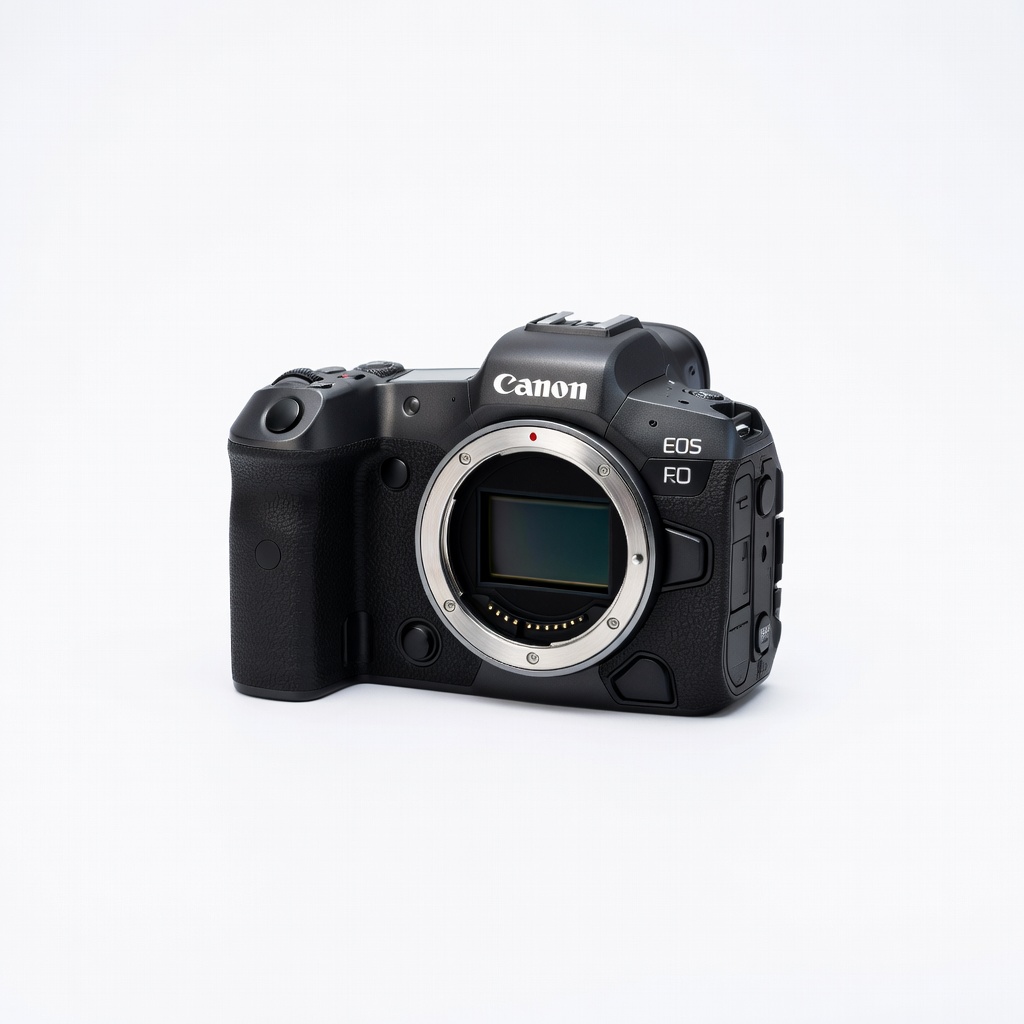
Canon EOS Rebel T7 DSLR with 18-55mm Lens
Learning Curve: Easy
$449.99
Difficulty: 2/5
Why Great for Beginners:
The Rebel T7 is an affordable, time-tested DSLR that offers simple controls and a helpful Guide Mode that explains settings as you shoot. It's perfect for learning photography fundamentals without breaking the bank.
✓ Beginner Pros
+Very affordable kit price
+Guide mode teaches manual settings
+Good battery life (up to 500 shots)
+Large lens ecosystem for future growth
✗ Beginner Cons
-No 4K video (only 1080p)
-Bulky compared to mirrorless
-Lower resolution screen
👍 Best for: Beginners on a tight budget who want to learn the basics with a classic DSLR
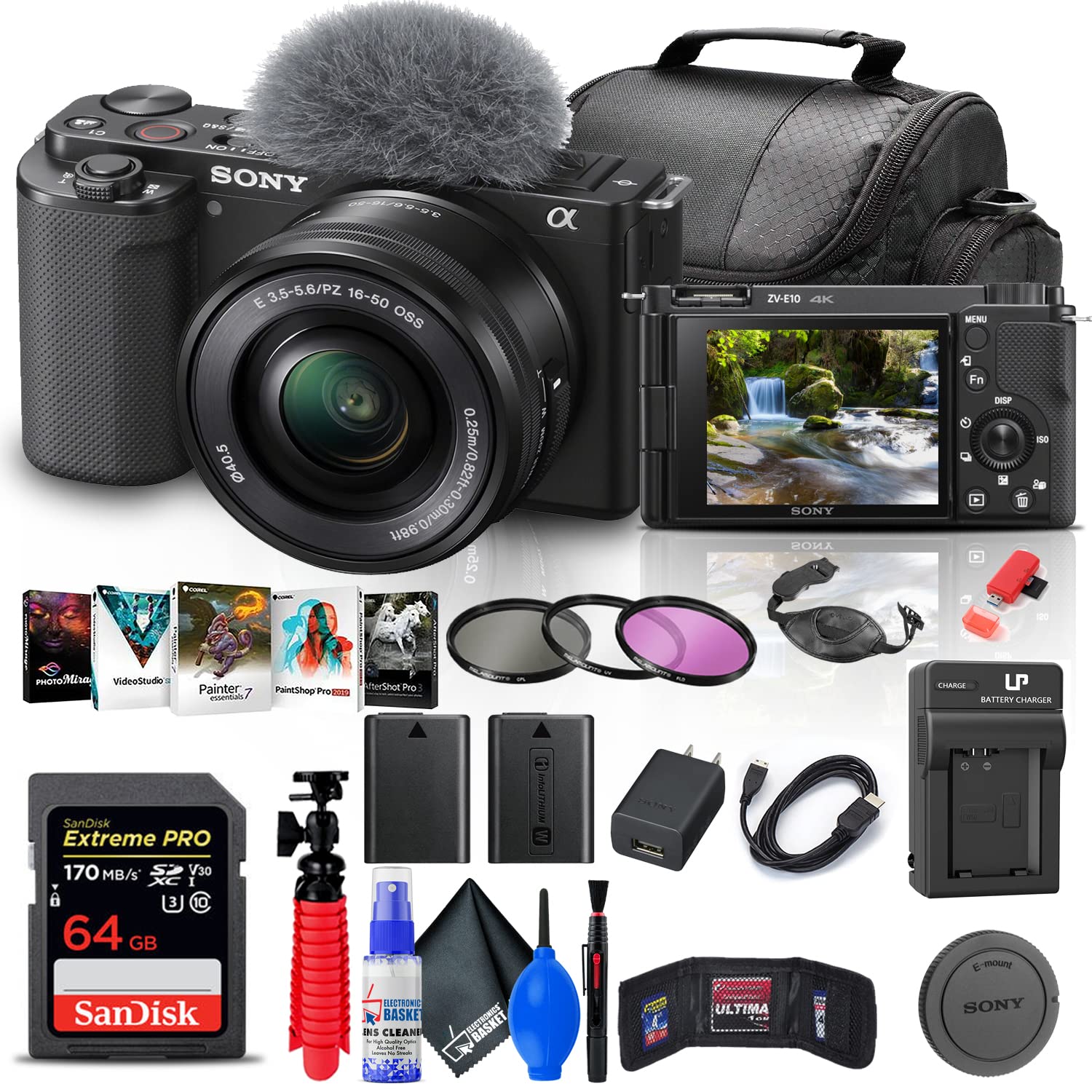
The ZV-E10 is designed for content creators and beginners alike. Its user-friendly interface, excellent autofocus, and dedicated 'Background Defocus' button make it incredibly easy to get great photos and videos from day one.
✓ Beginner Pros
+Lightweight and compact
+Excellent autofocus with eye tracking
+4K video with no crop
+Built-in directional microphone
✗ Beginner Cons
-No built-in viewfinder
-Limited lens selection for its E-mount (though plenty cheap third-party lenses exist)
-Battery life is average
👍 Best for: Beginners who want a simple, modern camera for both photos and vlogging
👎 Not for: Those who prefer a viewfinder or want an optical viewfinder for learning
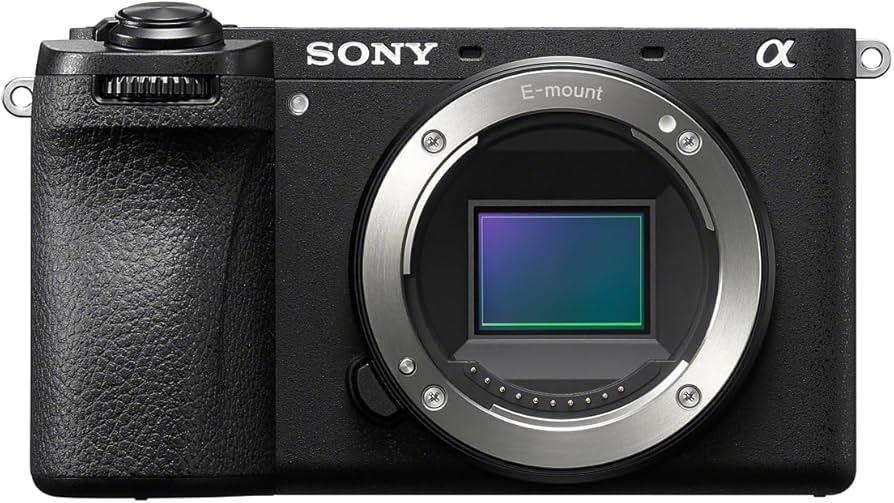
The a6100 packs professional-level autofocus and image quality into a compact body. It's a step up from the ZV-E10 with an electronic viewfinder, making it ideal for learning manual exposure while still being very beginner-friendly.
✓ Beginner Pros
+Incredible autofocus speed and accuracy
+Electronic viewfinder for composing shots
+24.2MP APS-C sensor for great image quality
+Compact and lightweight
✗ Beginner Cons
-No 4K 60fps (only 30fps)
-Menu system can be complex
-Smaller grip than DSLRs
👍 Best for: Beginners who want a powerful yet compact camera with a viewfinder and room to grow
👎 Not for: Those who need the absolute simplest interface (ZV-E10 is easier)
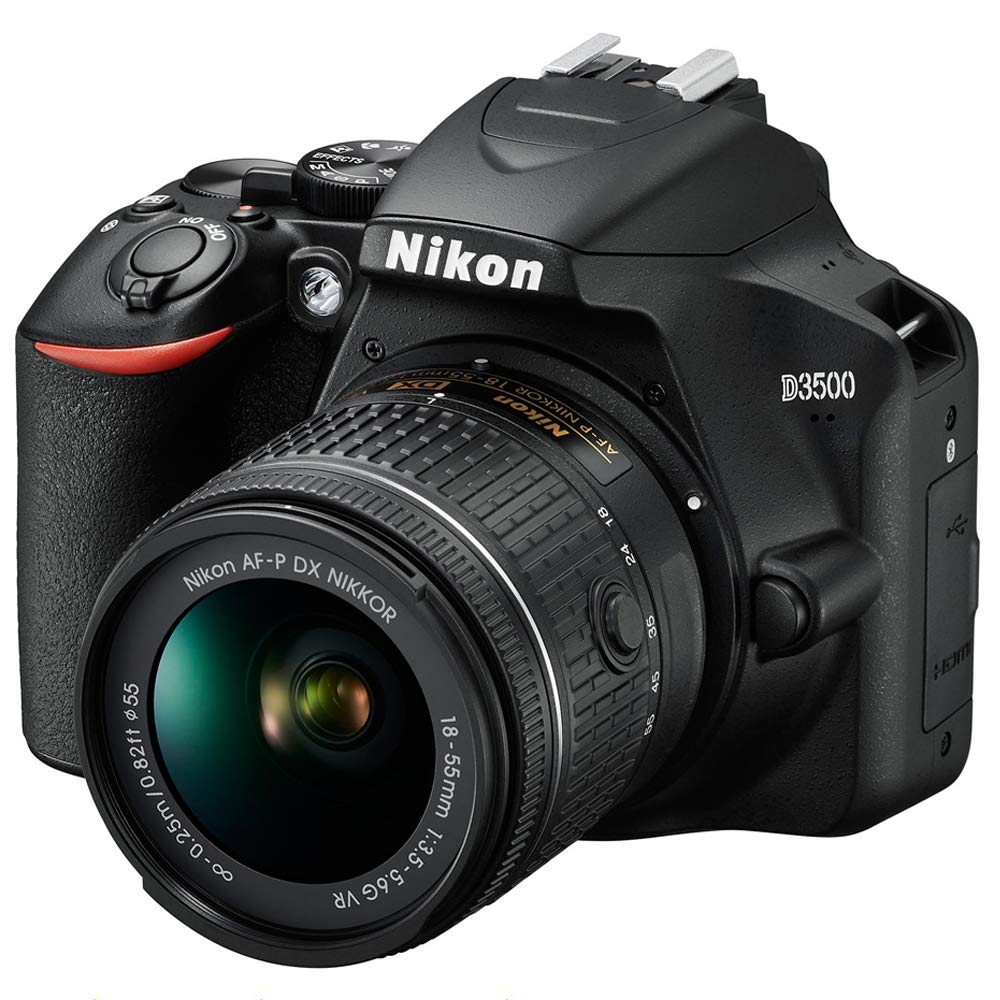
The D3500 is Nikon's entry-level DSLR with a dedicated 'Guide Mode' that teaches photography basics interactively. It's known for excellent battery life and a comfortable grip, perfect for beginners who want to learn the fundamentals.
✓ Beginner Pros
+Excellent battery life (1550 shots)
+Guide Mode for learning
+Great image quality for the price
+Simple controls and layout
✗ Beginner Cons
-No 4K video
-No touchscreen
-No built-in Wi-Fi (optional adapter needed)
👍 Best for: Beginners who prioritize battery life and want a traditional DSLR learning experience
👎 Not for: Those who need connectivity or video features
Canon EOS M50 Mark II Mirrorless Camera with 15-45mm Lens
Learning Curve: Easy
$599.99
Difficulty: 1/5
Why Great for Beginners:
The M50 Mark II is a popular mirrorless camera that balances price and performance. It features 4K video, a vari-angle touchscreen, and very easy-to-use menus. Its small size makes it ideal for travel and everyday photography.
✓ Beginner Pros
+Vari-angle touchscreen for selfies and vlogging
+4K video (with slight crop)
+User-friendly interface
+Compact and lightweight
✗ Beginner Cons
-Limited native lens selection (but EF adapter available)
-4K video has a crop factor
-Smaller sensor than some rivals (APS-C though)
👍 Best for: Beginners who want a versatile, easy-to-use mirrorless camera for both photos and video
👎 Not for: Those planning to stick with the system long-term (transitioning to RF is possible with adapter)
Cameras for beginners generally fall into two main types: DSLRs and mirrorless. DSLRs have a mirror inside and an optical viewfinder; they are bulkier but often more affordable and have longer battery life. Mirrorless cameras are smaller, lighter, and use an electronic viewfinder or screen; they are great for video and often have more modern features. For most beginners, a mirrorless camera is recommended because of its compact size and ease of use. However, DSLRs are still excellent for learning photography fundamentals. A 'beginner-friendly' camera should have: user-friendly menus, helpful automatic modes, a kit lens that covers common focal lengths, and good image quality without needing post-processing. Realistic expectations: you won't take professional photos overnight, but a good beginner camera will let you grow and improve as you learn.
🔧 Essential Accessories for Beginners
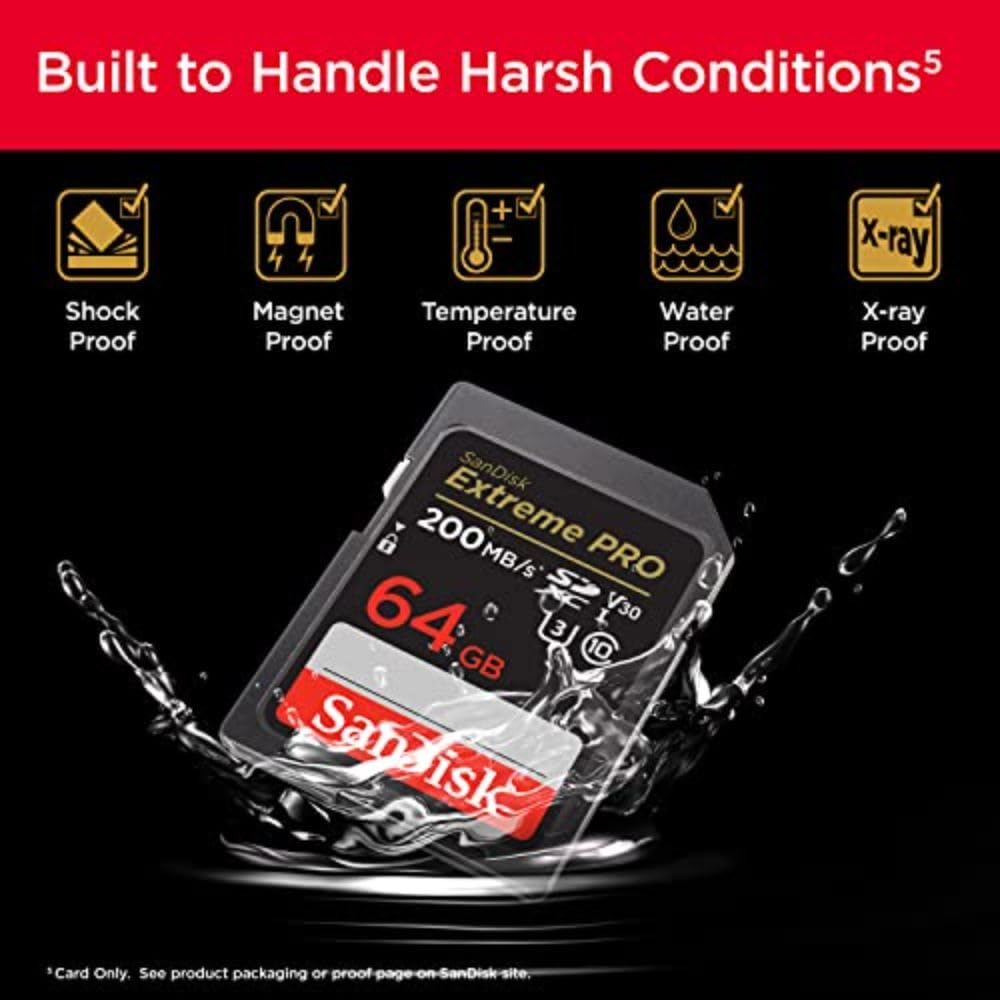
SanDisk 64GB Extreme Pro SDXC UHS-I Memory Card
⚠️ Essential
$24.99
When to buy:
Day one
You can't take photos without a memory card. The SanDisk Extreme Pro is fast (up to 170MB/s) and reliable, ensuring you never miss a shot due to slow write speeds.
Beginner Benefits:
• Fast read/write speeds for burst shooting and 4K video
• Reliable brand reduces risk of data loss
• Large capacity so you don't run out of space quickly
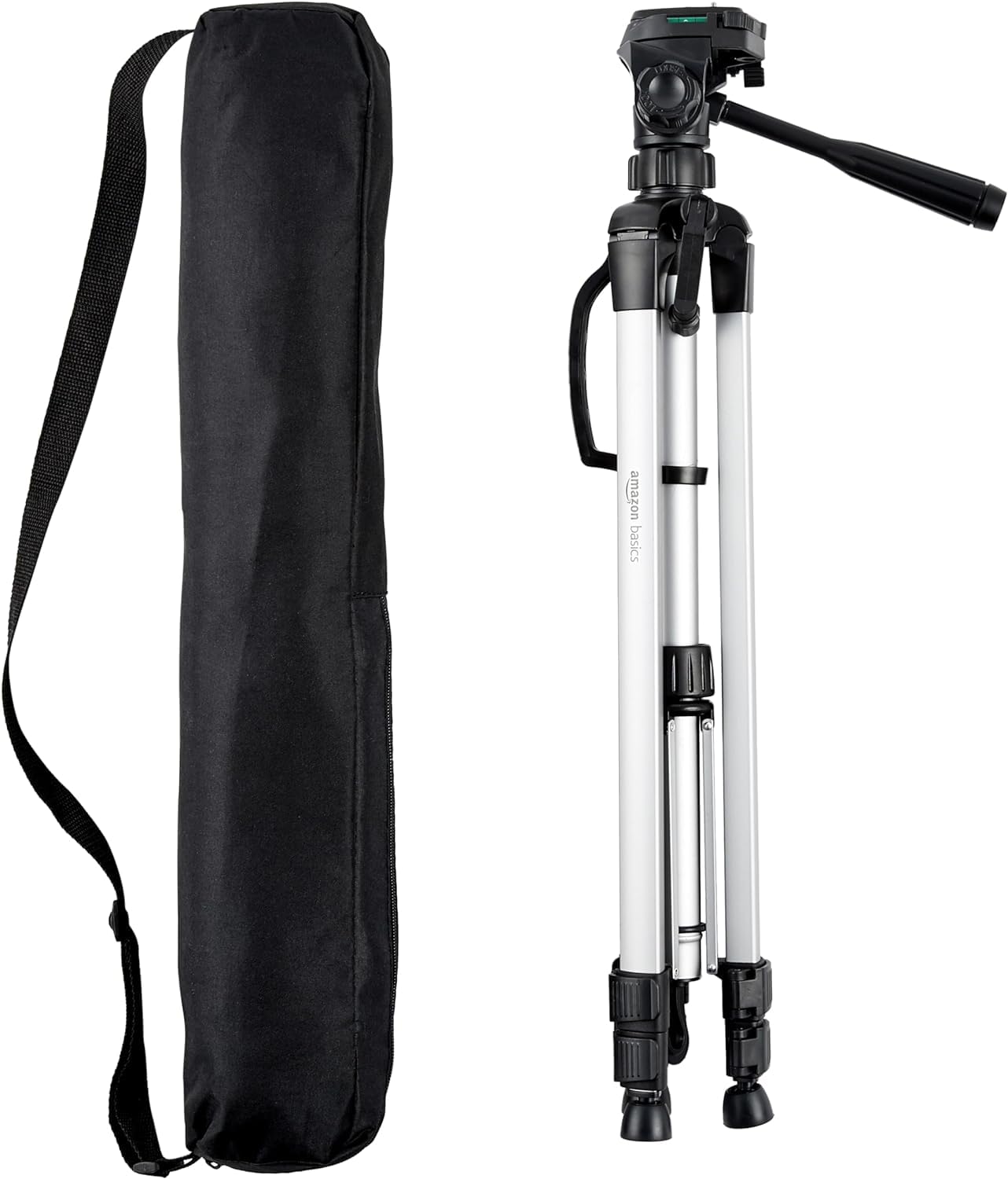
A tripod stabilizes your camera for sharp photos in low light and enables self-portraits and group shots. It's essential for learning long exposure techniques.
First, define your budget. For under $500, you can get a solid entry-level DSLR or mirrorless. Between $500-$1000, you'll find better features like 4K video and faster autofocus. Above $1000, you're entering enthusiast territory, but some beginners with bigger budgets may benefit. Next, think about what you'll shoot: portraits, landscapes, family events, or vlogging? A versatile kit lens covers most needs. Consider future growth: can you add lenses or accessories? Finally, avoid cameras that lack a viewfinder if you want to learn manual exposure. Red flags: cameras with fixed lenses (point-and-shoots) for someone wanting to learn interchangeable lenses; very cheap bundles that include useless accessories.
💰 Budget Guide for Beginners
1500+
Serious beginner – top-tier features for those committed to photography
500 - $1000
Sweet spot – best value for most beginners, great image quality and features
Entry level – good for trying out photography, may need upgrade when skills advance
⚠️ Common Beginner Mistakes to Avoid
Common beginner mistakes include buying the cheapest camera (often a used or outdated model) that lacks modern features, leading to frustration. Another is overspending on a pro-level camera with features you'll never use, like high burst rates or weather sealing. Some beginners skip the kit lens and buy a body only, then have no lens to shoot. Others forget essential accessories like a memory card and bag. Not reading the manual or understanding basic settings can also hold you back. Many also assume more megapixels = better quality, which is false. Finally, ignoring ergonomics: if the camera doesn't feel comfortable, you won't use it.
×Buying the cheapest camera without considering features
×Splurging on a pro-level camera with unnecessary complexity
×Forgetting to budget for essential accessories
×Ignoring the learning curve and getting frustrated
×Choosing the wrong camera type (e.g., a point-and-shoot when wanting to learn interchangeable lenses)
×Not reading the manual or learning basic settings
×Focusing too much on megapixels instead of real-world performance
📈 Your Progression Path: Beginner to Intermediate
Start by learning the exposure triangle (aperture, shutter speed, ISO) using the camera's semi-automatic modes (aperture priority, shutter priority). Practice composing shots and experimenting with different lighting. After a few months, you'll understand when to use manual mode. Signs you've outgrown your beginner gear: you want more control over depth of field (need a fast prime lens), you shoot in low light often (need a camera with better high ISO performance), or you need faster autofocus for action. The first upgrade is usually a 50mm f/1.8 lens or a better zoom. Most beginners stay with their first camera for 1-3 years before considering an upgrade.
📚 Learning Resources for Beginners
📖"Read This If You Want to Take Great Photographs" by Henry Carroll
📖"Understanding Exposure" by Bryan Peterson
📖YouTube channels like Peter McKinnon, Manny Ortiz, and Jessica Kobeissi
📖Skillshare online courses (access via Amazon Prime?)
📖Camera-specific tutorial books available on Amazon
🎯 Bottom Line: Our Recommendations
For most beginners, the Sony ZV-E10 offers the best value with great video features and easy operation. For an ultra-budget pick, the Canon Rebel T7 is reliable and time-tested. If you have more to spend and want excellent image quality, the Sony a6100 is a fantastic choice. Pair your camera with a fast SD card (SanDisk Extreme Pro), a simple tripod (like the AmazonBasics 60-inch), a spare battery, and a cleaning kit. Don't stress about perfection – just start shooting and have fun. Your first camera is a tool to learn, and the best camera is the one you'll actually use.
❓ Frequently Asked Questions
The Sony ZV-E10 is widely considered the best for most beginners due to its ease of use, excellent autofocus, and compact size. For budget-conscious buyers, the Canon Rebel T7 is a solid choice.
A budget of $500-$1000 is the sweet spot for a beginner camera with a kit lens. You can start under $500, but you may outgrow it sooner.
Beginners should prioritize easy automatic modes, a Guide Mode or helpful menus, good image quality straight out of camera, built-in Wi-Fi, and a kit lens covering basic focal lengths.
The Sony ZV-E10 is very easy with its intuitive interface and dedicated buttons for background defocus. The Canon M50 Mark II is also very beginner-friendly.
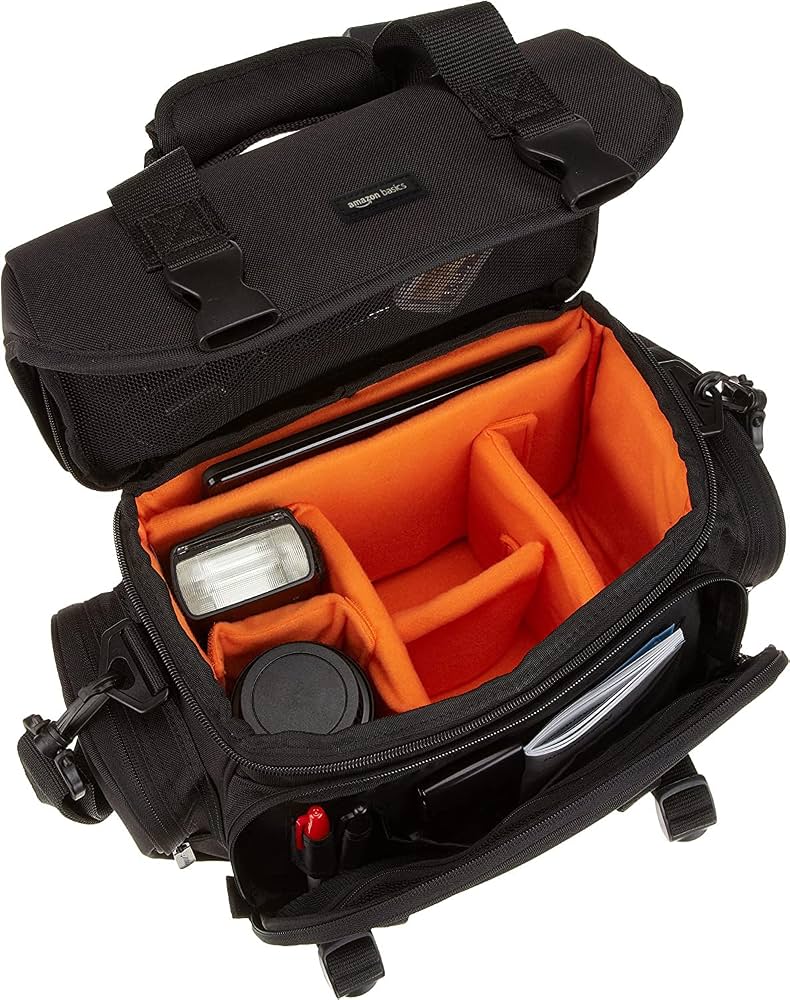
Essential: memory card, spare battery, lens cleaning kit, camera bag. Highly recommended: tripod and an extra lens like a 50mm f/1.8.
Define your budget, think about what you'll shoot, and choose between DSLR (larger, cheaper) and mirrorless (smaller, modern). Look for a camera with good auto modes and a kit lens.
Not with the right camera. Modern beginner cameras have excellent auto modes that let you just point and shoot. Learning manual settings takes time, but it's rewarding.
Common mistakes: buying too cheap or too expensive, skipping the kit lens, ignoring accessories, not reading the manual, and obsessing over megapixels.
For most beginners, mirrorless is recommended due to its size and features. But if you want a traditional learning experience and longer battery life, a DSLR works well.
16-24 megapixels is plenty for beginners. More megapixels don't guarantee better photos and can create larger files that are harder to manage.
Always buy a kit lens if you're a beginner. It provides a versatile zoom range and allows you to start shooting immediately without extra cost.
Smartphones have improved greatly, but a dedicated camera gives you interchangeable lenses, larger sensors, and more control. If you just want snapshots, a phone may suffice.